30-month follow-up after carbon ion therapy for glioblastoma
30-month follow-up after carbon ion therapy for glioblastoma
Glioblastoma is one of the most refractory tumors in humans. The current standard treatment regimen involves maximal safe tumor resection, supplemented by concurrent temozolomide chemoradiotherapy and adjuvant temozolomide therapy. Patients who receive standard postoperative photon chemoradiotherapy have a median overall survival of 14-17 months.
In vitro cytological studies on gliomas have shown that the relative biological effect (RBE) of carbon ion therapy averages between 2.10 and 3.44. Due to the higher RBE of carbon ion radiation, its radiobiological advantages can translate into improved clinical outcomes. The physical dosimetric advantages of carbon ions not only enhance tumor control rates but also reduce high-dose radiation damage to surrounding tissues, thereby decreasing the incidence of brain injury and offering a new therapeutic strategy for glioma radiotherapy. Compared to conventional photons, carbon ions can improve both the control rate and long-term survival rate of glioblastoma. In Japan, the median survival time for glioblastoma patients treated with a combination of photon radiotherapy and carbon ion therapy at NIRS reached 26 months. Our department’s long-term follow-up results for glioblastoma patients have achieved this level, including cases with outcomes similar to those of Ms. Yang.
Case 1
In 2019, 42-year-old Ms. Yang was unfortunately diagnosed with glioblastoma, which struck her like a bolt from the blue. After visiting multiple hospitals, she was finally diagnosed at Tiantan Hospital with a glioblastoma in a highly challenging location that made surgical resection impossible. Devastated by the news, Ms. Yang felt deeply disheartened and sought the best possible treatment. In May 2020, she began experiencing frequent epileptic seizures. Follow-up examinations revealed that the tumor had grown larger, and despite undergoing dehydration therapy and anti-epileptic treatment, her symptoms persisted. The inability to operate meant the tumor inside her brain was like a ticking time bomb, leaving Ms. Yang and her family in constant anxiety. They extensively researched online and sought advice from relatives and friends about the most advanced treatments for glioblastoma. Eventually, they came across a report about the Wuwei Heavy Ion Center and learned that carbon ion therapy was an option. This news instantly reignited Ms. Yang’s hope for life. In June 2020, Ms. Yang resolutely traveled to our center. After a multidisciplinary consultation, she underwent 20 sessions of carbon ion therapy. Throughout the treatment, she experienced no discomfort and did not suffer any further seizures. By the end of the treatment, her limb weakness had completely resolved, and the tumor had significantly shrunk compared to before. Overjoyed, Ms. Yang diligently mailed us follow-up data after each check-up. Today, we have received the 30-month post-treatment follow-up results—showing that the tumor has completely disappeared, with no lingering symptoms. We are truly thrilled for her progress.
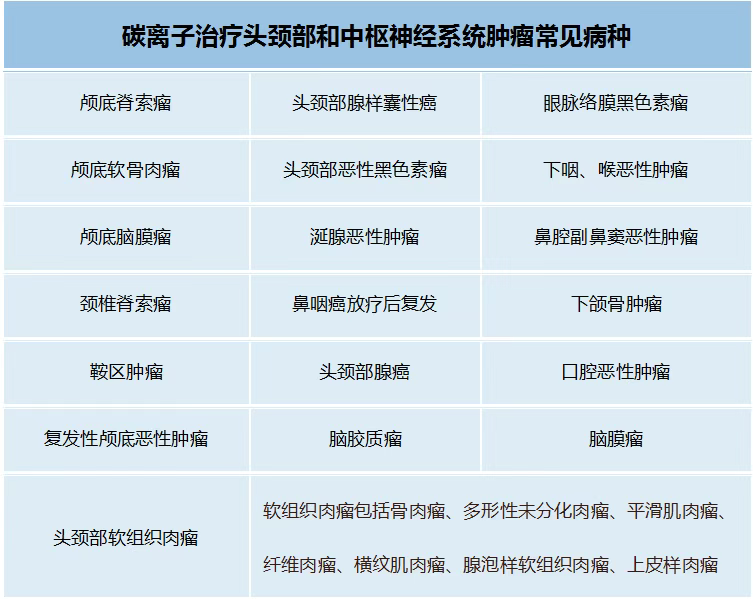
Heavy ion therapy indications for head and neck and central nervous system tumors:
Below are Ms. Yang's imaging follow-up data for nearly 30 months of carbon ion therapy (Figures 1 and 2).
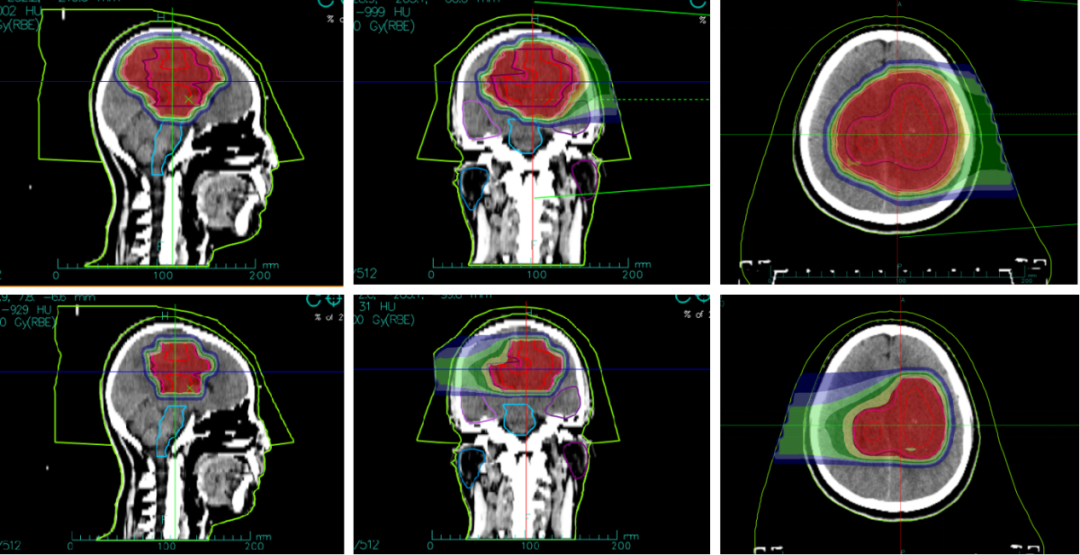
Figure 1 Carbon ion therapy dose map
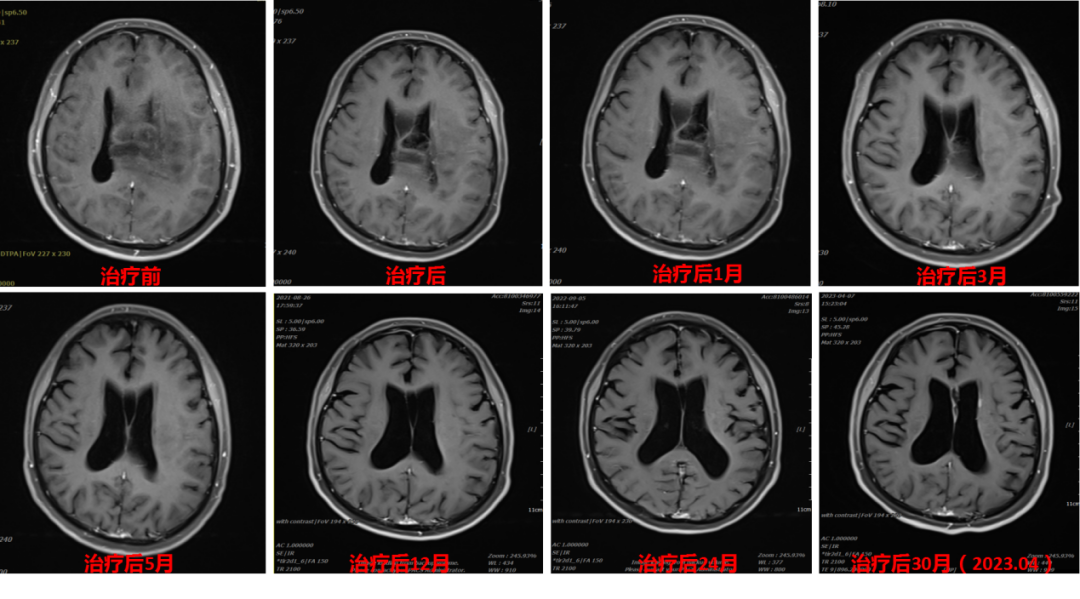
Figure 2
To date, our center has treated 130 cases of head and neck tumors and 30 cases of central nervous system tumors, including 25 cases of glioblastoma. These cases involve gliomas located in various regions of the brain, with complex anatomical structures and multiple lesions (gliomatosis cerebri), bringing new hope for survival to these patients.
Case 2
The patient, an 85-year-old individual, presented with numbness and weakness in the left limbs, impaired mobility, slowed reactions, and urinary incontinence prior to admission. A brain MRI revealed a glioblastoma located in the right frontal lobe and corpus callosum region.
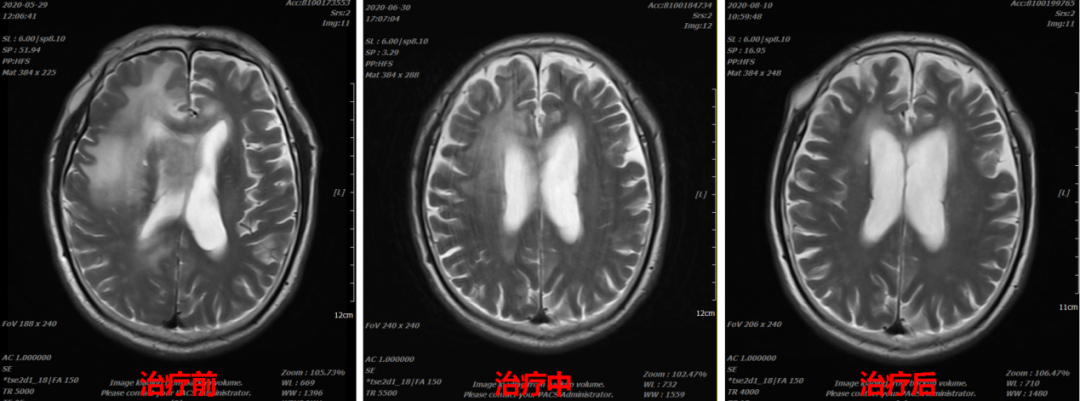
Figure 3 Image comparison during carbon ion therapy
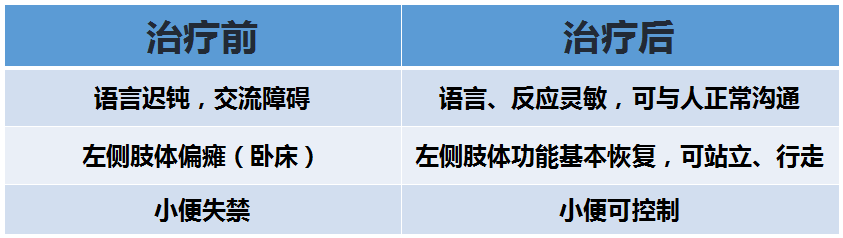
Figure 4
Case 3
A 33-year-old Hui ethnic patient, who underwent glioblastoma surgery three months prior to admission, had most of the tumor resected but with residual lesions remaining. Postoperatively, left-sided limb weakness persisted, and the diagnosis was confirmed as glioblastoma (right frontal-parietal lobe), WHO Grade IV. Before treatment, the left limb muscle strength was Grade 3, but after carbon ion therapy, left-sided limb function largely recovered.
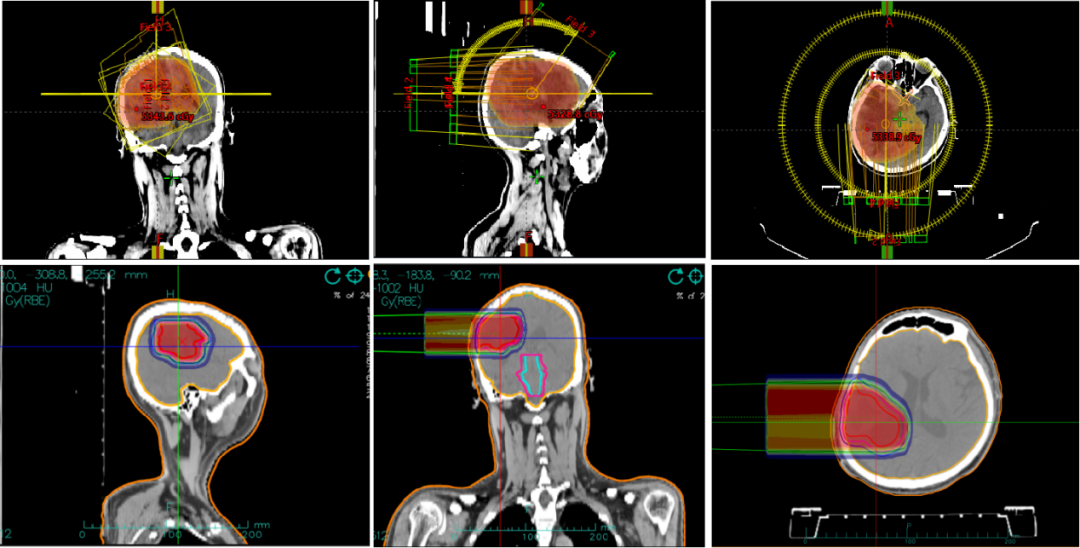
Figure 5 Photon and Carbon Ion Combined Therapy Dose Distribution
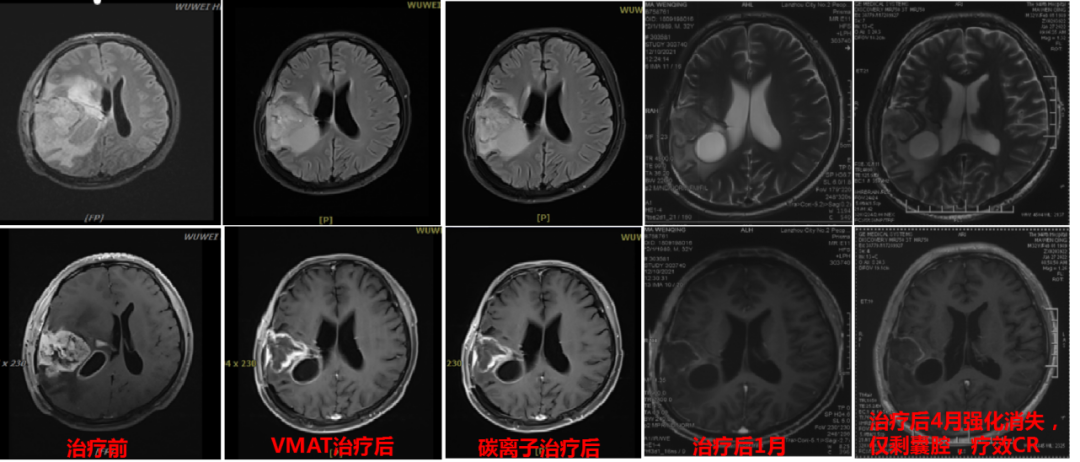
Figure 6
Case 4
A middle-aged woman presented with progressive speech impairment before admission. A MET-PET scan revealed multiple areas of abnormally high MET and FDG metabolism in the left frontal lobe, left paraventricular region, and suprasellar cistern. A biopsy performed at a hospital in Shenzhen confirmed the diagnosis of glioblastoma (WHO Grade IV). At the time of admission, she exhibited speech difficulties and impaired orientation. Following treatment, her speech impairment and orientation deficits resolved (Figure 7).
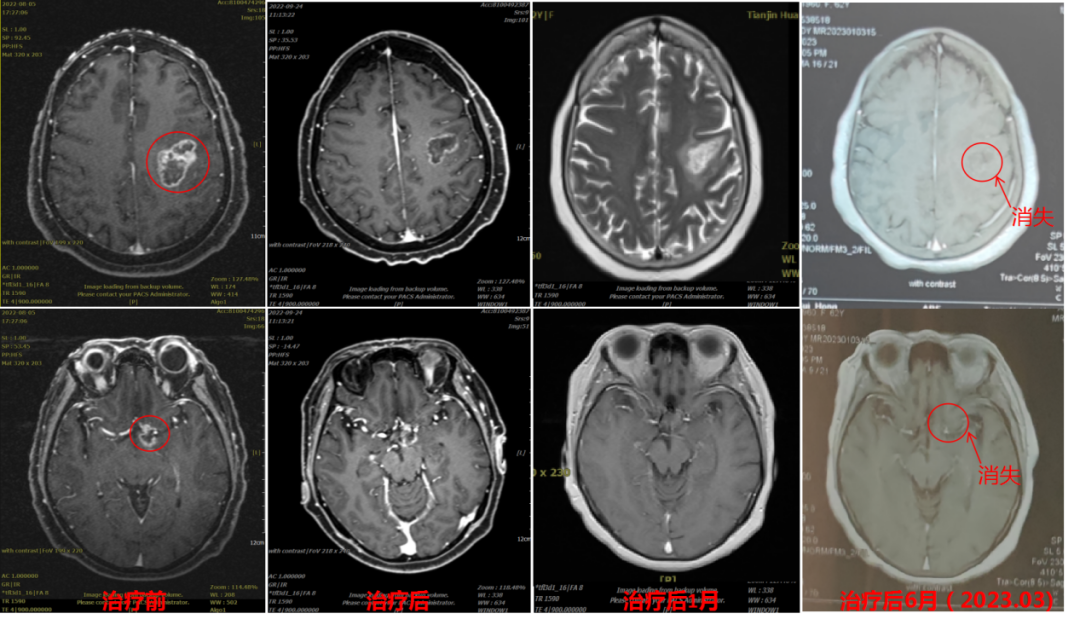
Figure 7
Introduction to Wuwei Heavy Ion Center
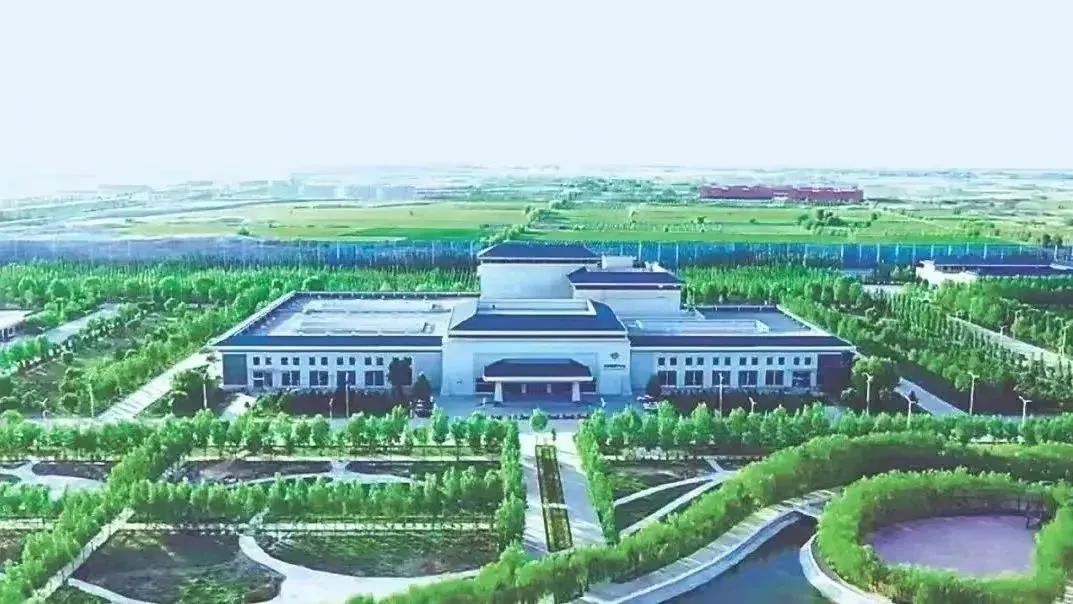
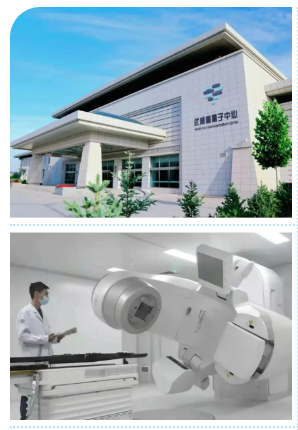
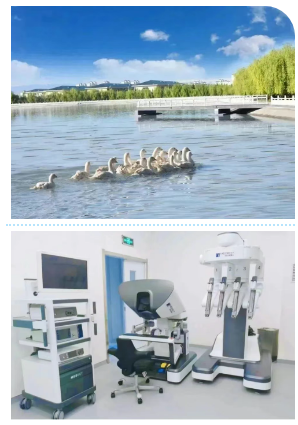
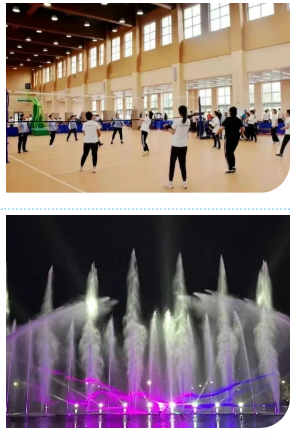
The Heavy Ion Center of Gansu Wuwei Academy of Medical and Science Cancer Hospital is China's first clinical application center for heavy ion therapy systems. Since its official clinical operation in March 2020, it has successfully run for three years. As of now, our center has treated 712 patients, achieving excellent therapeutic outcomes for challenging lesions in the skull, pancreas, lungs and other body parts, with patients coming from all over China. Building on its successful three-year operation, the center has developed China's first tumor wellness town, establishing a comprehensive, full-life-cycle health management system featuring integrated tumor treatment, dietary management therapy, psychosomatic health management, traditional Chinese medicine syndrome differentiation therapy, rehabilitation physiotherapy, bio-immune cell therapy, pastoral therapy and cultural therapy.

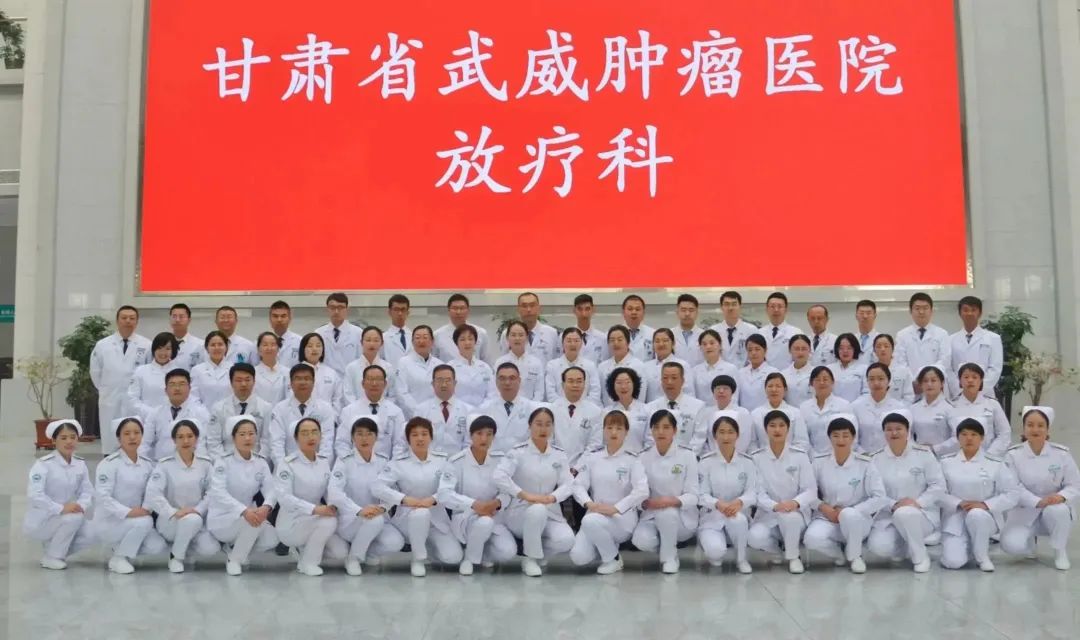
Introduction to Department of Radiotherapy V
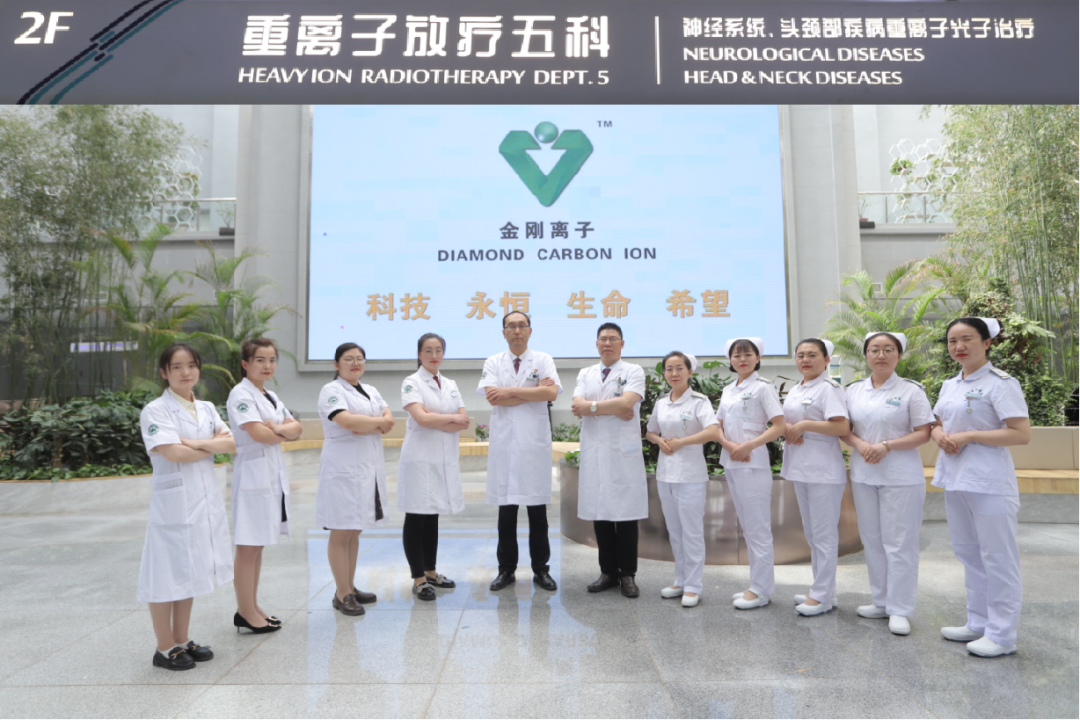
Department V of Radiotherapy specializes in heavy ion and photon radiotherapy for head and neck tumors, central nervous system tumors, and lymphomas. It is a specialized ward integrating clinical practice, research, and teaching.
Primary treated diseases: Meningioma, pituitary adenoma, acoustic neuroma, glioblastoma, intracranial tumors, nasopharyngeal carcinoma, oral cancer, ocular tumors, laryngeal cancer, hard palate cancer, hypopharyngeal cancer, chordoma, and lymphomas in various body regions.
Diseases with notable advantages in heavy ion therapy: Malignant melanoma of the head and neck, sarcomas of the head and neck, adenoid cystic carcinoma, recurrent head and neck cancers, skull base chordoma, chondrosarcoma, and glioblastoma.