Chest and abdominal tumors
Lung cancer is a malignant tumor that is associated with smoking, air pollution, occupational exposure, genetic factors, etc. It can be asymptomatic in the early stages and may present symptoms such as coughing, bloody sputum, chest pain, and difficulty breathing as the disease progresses. Heavy ion therapy has the advantages of precise targeting of tumors, reducing damage to surrounding normal tissues, and improving local tumor control rate. It is suitable for patients who cannot tolerate surgery or radiotherapy. Treatment methods for lung cancer include surgery, radiotherapy, chemotherapy, and other approaches, which need to be tailored based on the specific condition of the patient.

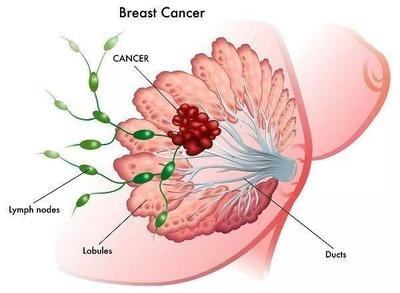
Breast cancer is a malignant tumor that occurs in the epithelial tissue of the breast and is associated with factors such as estrogen exposure and genetics. Treatment options include surgery, chemotherapy, radiotherapy, and other methods. Heavy ion therapy, characterized by high dose density and high dose rate, can precisely target tumor cells, reduce the spread and metastasis of tumor cells, improve the local tumor control rate, and minimize damage to normal tissues. It can be combined with surgery, chemotherapy, and other treatments. Symptoms of breast cancer include breast lumps, nipple discharge, skin dimpling, and changes resembling orange peel. The prognosis of breast cancer is related to factors such as pathological type, stage, and treatment methods. The treatment principle is to improve the patient's survival rate and quality of life.
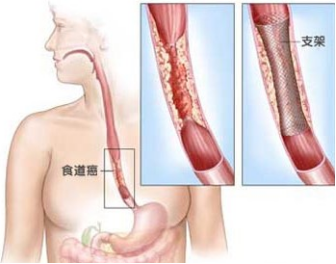
Esophageal cancer is a malignant tumor that occurs in the epithelial tissue of the esophagus and is associated with poor dietary habits, genetic factors, etc. Heavy ion therapy has the advantages of precisely targeting tumor cells, minimal damage to surrounding tissues, and the ability to be combined with surgery, chemotherapy, and other treatment methods. Symptoms of esophageal cancer include a sensation of foreign body when swallowing, choking sensation, progressive difficulty swallowing, pain behind the sternum, and in later stages, patients may also experience systemic symptoms and complications. The treatment principle is to improve patient survival rate and quality of life.
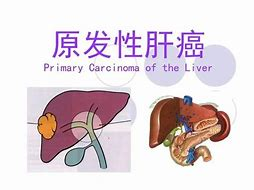
Liver cancer is a malignant tumor that occurs in the liver, with the main types including hepatocellular carcinoma and cholangiocarcinoma. Heavy ion therapy has the ability to deliver high dose rates and precisely target and kill tumor cells locally, minimizing damage to normal tissues and helping reduce adverse reactions in patients post-treatment. The main risk factors for liver cancer include hepatitis B and C virus infections, chronic alcohol abuse, consumption of food contaminated with aflatoxins, etc. Early symptoms of liver cancer are often not obvious, but as the tumor grows, patients may experience symptoms such as pain in the liver area, fatigue, and weight loss. Treatment for liver cancer requires comprehensive consideration of the patient's specific conditions, including tumor type, stage, liver function, etc. Heavy ion therapy is a safe and effective treatment method that can help improve patient survival rate and quality of life. However, heavy ion therapy is not suitable for all liver cancer patients, and specific treatment plans need to be evaluated and formulated based on the individual patient's circumstances.
Pancreatic cancer is a highly malignant digestive system tumor. Heavy ion therapy, with high dose rates and precision, minimizes damage to normal tissues and helps improve patient survival rate and quality of life. Common symptoms of pancreatic cancer include abdominal pain, loss of appetite, indigestion, and in advanced stages, jaundice, itching skin, and systemic symptoms may occur. Treatment needs to be evaluated and formulated based on individual circumstances. Prevention of pancreatic cancer should start with various lifestyle habits, such as quitting smoking and alcohol, avoiding excessive consumption of high-fat and high-protein diets, and controlling chronic pancreatitis.
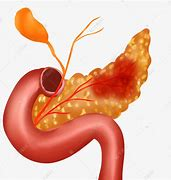
Bile duct cancer is a malignant tumor that occurs in the intrahepatic and extrahepatic bile ducts, and can be classified into intrahepatic and extrahepatic bile duct cancers based on the location of occurrence. Heavy ion therapy offers advantages such as high precision, high local control rate, and minimal side effects, which can help improve patient survival rate and quality of life. The main symptoms of bile duct cancer include jaundice, abdominal pain, and itching skin, and treatment needs to be evaluated and tailored based on individual circumstances. Prevention of bile duct cancer should focus on lifestyle details, such as avoiding infection with hepatitis B and C viruses.
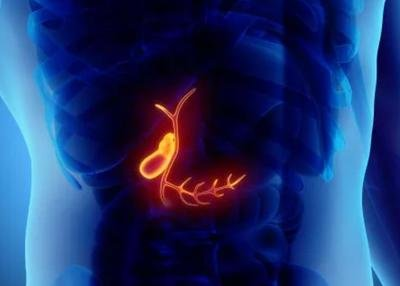
Malignant tumors of the gallbladder, including gallbladder cancer, are malignant tumors originating from the epithelial cells of the gallbladder mucosa. Conditions such as gallstones, cholecystitis, gallbladder polyps, adenomyomatosis, and anomalies of the union of the bile duct and pancreatic duct are all associated with the development of gallbladder cancer. Early symptoms are not obvious, but in later stages, symptoms such as right upper abdominal pain, jaundice, nausea, vomiting, palpable mass, and weight loss may occur. Surgery is the main treatment method, which can involve simple cholecystectomy or radical surgery for gallbladder cancer, followed by adjuvant chemotherapy and radiotherapy. The benefit of heavy ion therapy for gallbladder cancer lies in its ability to precisely target the tumor, reduce damage to surrounding normal tissues, and improve patient survival rate and quality of life. For late-stage patients, it can help alleviate symptoms and improve quality of life. However, specific treatment plans need to be evaluated and formulated based on the individual patient's circumstances.
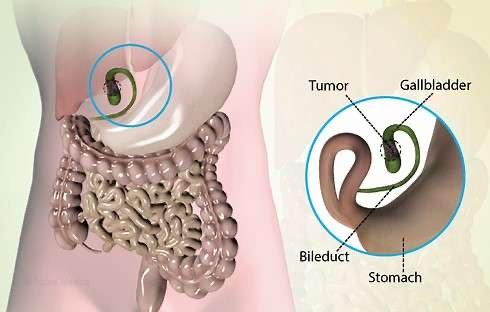
Peritoneal metastasis refers to tumors formed in the abdominal cavity organs or peritoneum by malignant tumors that have metastasized from other parts of the body. It is challenging to treat, and the prognosis is usually poor. Heavy ion therapy for peritoneal metastasis offers advantages such as high local control rate, minimal side effects, and short treatment cycles. It can precisely target the tumor, causing rapid death of tumor cells due to high doses, thereby improving the local control rate of the tumor with minimal side effects on patients, thus helping to enhance the quality of life for patients.
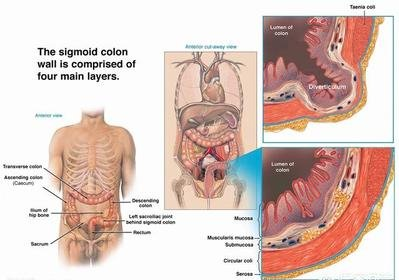
Malignant tumors of the mediastinum include various types such as lymphoma, thymoma, neurogenic tumors, and germ cell tumors, each with different biological behaviors and treatment methods. Common symptoms include chest pain, chest tightness, cough, hoarseness, difficulty swallowing, and superior vena cava syndrome. Heavy ion therapy for malignant mediastinal tumors offers advantages such as high precision, high dose rates, minimal side effects, and short treatment cycles. It can effectively kill tumor cells, improve the local control rate of the tumor, and help enhance patient survival rate and quality of life. However, heavy ion therapy is not suitable for all patients with malignant mediastinal tumors, and specific treatment plans need to be evaluated and formulated based on the individual patient's circumstances.
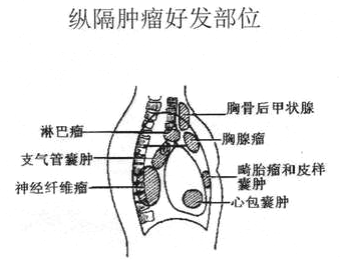
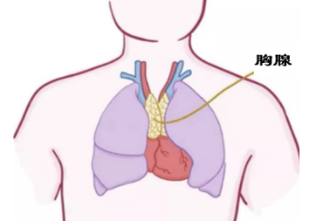
Malignant thymic tumors mainly originate from thymic epithelial cells, can invade surrounding organs and tissues, and may metastasize distantly. Local symptoms include chest pain, chest tightness, cough, while paraneoplastic syndromes may present with symptoms such as myasthenia gravis and paraneoplastic syndromes. Treatment modalities include surgery, radiotherapy, chemotherapy, and heavy ion therapy. Among these, surgery is the preferred treatment method, aiming for complete resection of the tumor and surrounding invaded organs in early-stage tumors. Radiotherapy can be used for patients with incomplete surgical resection, residual lesions, or high-risk factors for recurrence indicated by postoperative pathology, or for late-stage patients who are not suitable for surgery to relieve symptoms. Chemotherapy can be used for neoadjuvant therapy to reduce tumor size and improve resection rate, as well as for adjuvant therapy post-surgery to prevent tumor recurrence and metastasis. For patients who are not eligible for surgery, chemotherapy can be a primary treatment option. Heavy ion therapy offers the advantage of high local control rates and can help prolong survival.
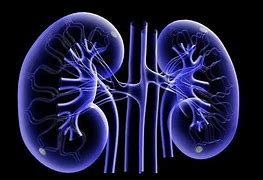
Renal cell carcinoma is a malignant tumor originating from the epithelial system of the renal parenchyma's urinary tubules, accounting for about 80% - 90% of malignant kidney tumors. Common pathological types include clear cell carcinoma, papillary renal cell carcinoma, chromophobe carcinoma, etc. The occurrence of renal cell carcinoma is related to genetic factors, smoking, obesity, among others. Common symptoms include hematuria, lower back pain, abdominal mass, etc. Treatment options include surgery, targeted therapy, and immunotherapy. Heavy ion therapy offers the advantage of high local control rates and can help prolong survival.