Explore Gansu’s Unique Cultural Traditions and Regional Charm
Gansu, a land where the Loess Plateau, Qinghai-Tibet Plateau, and Inner Mongolia Plateau converge, boasts a terrain marked by crisscrossing mountain ranges, dramatic altitude variations, and diverse landscapes—high peaks, basins, plains, deserts, and Gobi. This strategic geographic location has made it a melting pot of diverse cultures. Over millennia, Gansu has nurtured distinctive and profound cultural customs that vividly reflect the lives of its people while serving as dazzling pearls in China’s cultural treasury. Join us as we embark on a journey to uncover Gansu’s unique cultural practices.
Ancient and Simple Seasonal Customs
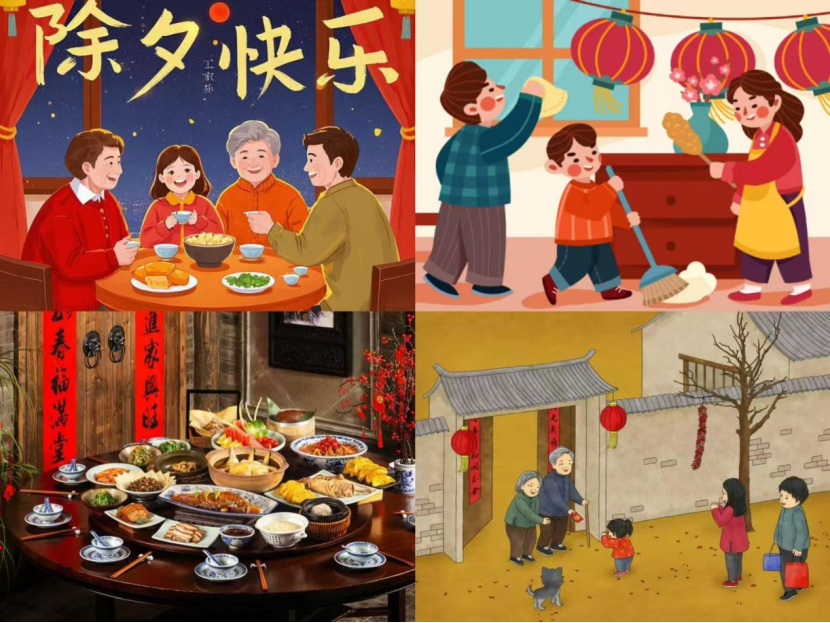
Chinese New Year's Eve: Family Reunion and Farewell to the Old
In Gansu, Chinese New Year's Eve is locally termed "Nian Guan" (Year Threshold), marking the final day of the lunar year. Afternoon sees households undertake thorough housecleaning, sweeping courtyards and interiors to welcome the new year with pristine surroundings. Families then adorn doors with auspicious spring couplets, majestic door gods, intricate "half-curtains," and colorful paper-cuttings called men qianzi (door money) hung above doorways, symbolizing wealth and prosperity.
By evening, families gather for a lavish reunion dinner featuring symbolic dishes: fish (for "abundance year-round"), dumplings (representing unity), and he cai (mixed vegetable dish), embodying familial harmony. After the meal, elders distribute red envelopes containing money gifts to children, while youngsters don new clothes and set off fireworks, filling villages with joyful revelry.
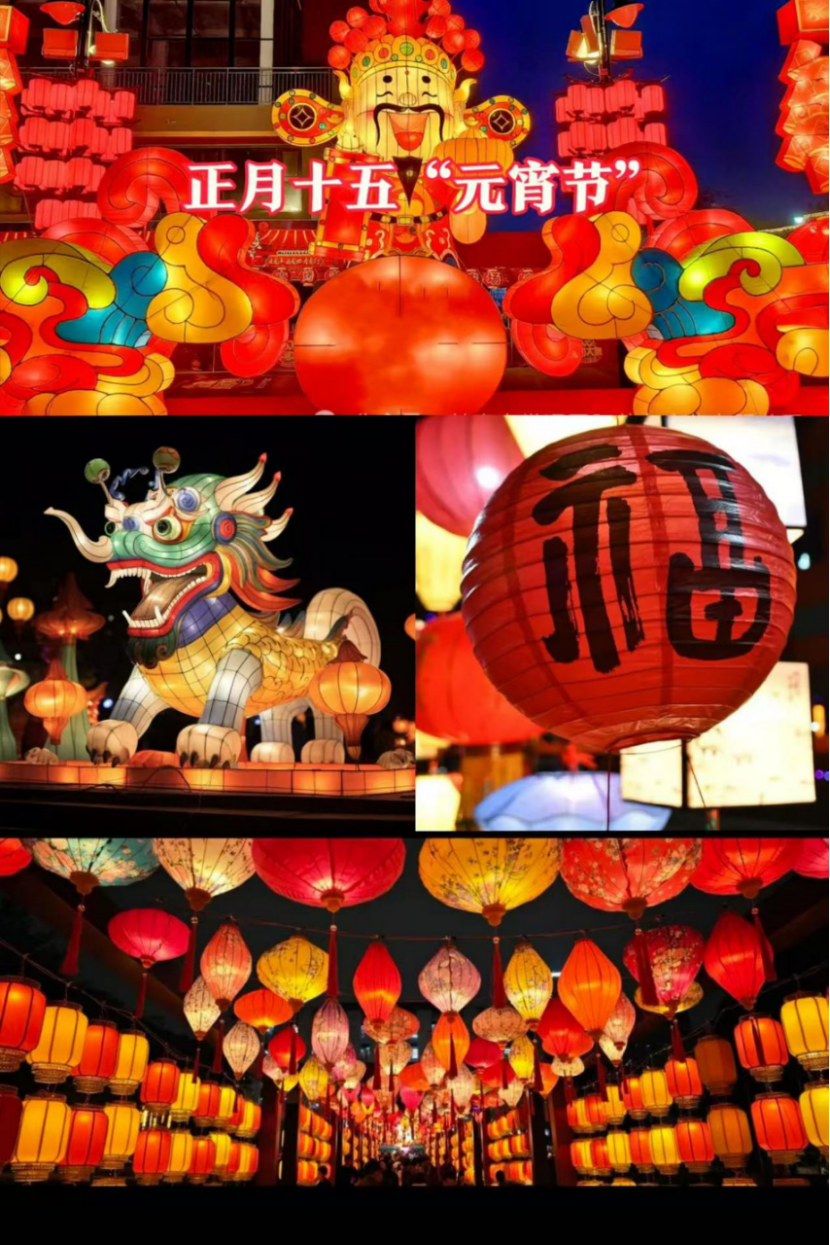
Lantern Festival Extravaganza: A Celestial Blaze of Lanterns and Fireworks
In Liangzhou, the Spring Festival concludes only with the vibrant lantern displays of the fifteenth day of the first lunar month. Known locally as the Lantern Festival, this occasion centers on a dazzling array of lantern-related activities—displaying, competing, and admiring lanterns—which collectively earn it the title "Festival of Lights." The Liangzhou Lantern Festival boasts a long history, tracing its origins to the Han Dynasty.
During the festival, streets and alleys are adorned with countless lanterns, each vying for attention. These include dragon lanterns symbolizing auspiciousness, phoenix lanterns representing nobility, wheat-ear lanterns and corn lanterns embodying hopes for agricultural abundance, as well as whimsical zodiac-themed lanterns and cartoon-style lanterns appealing to children. Families pour into the streets to admire the displays, solve riddles inscribed on lanterns, and release river lanterns, all while praying for bountiful harvests, harmony, and happiness in the coming year.
Timeless Folk Treasures
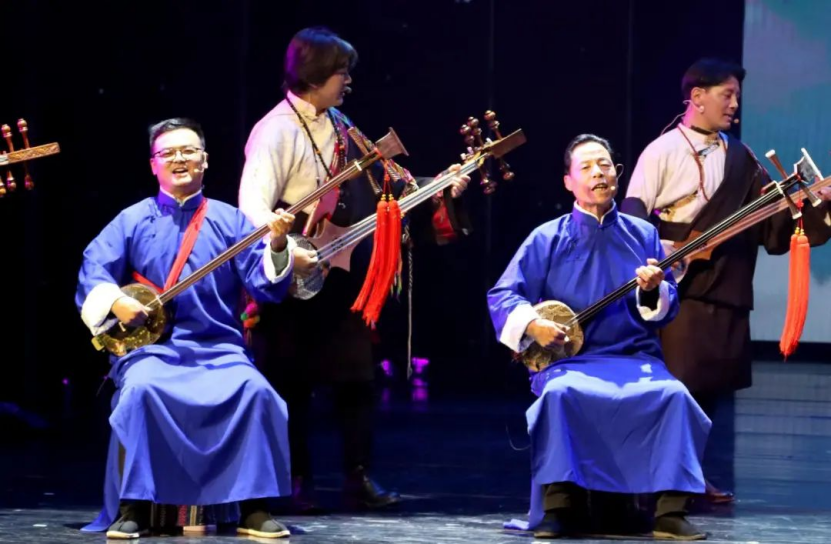
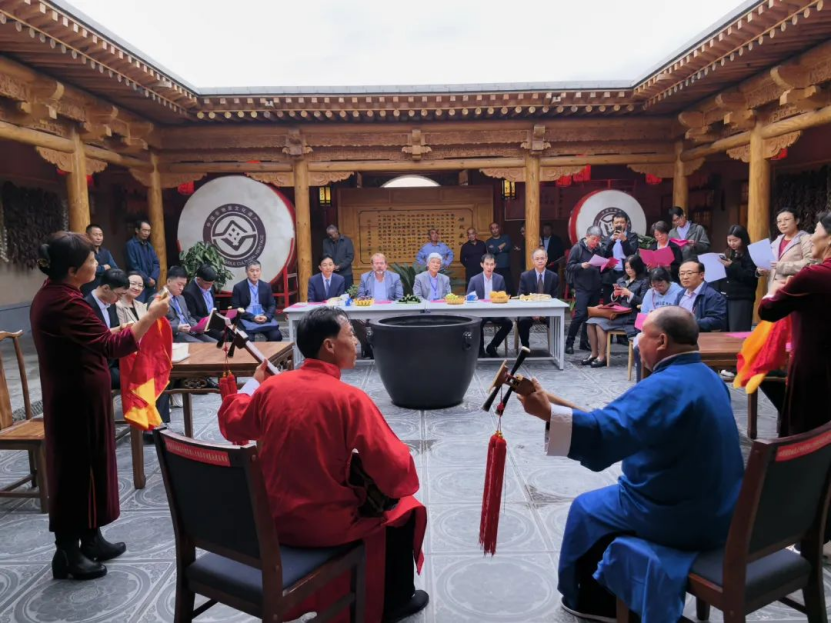
Liangzhou Xianxiao: A Millennia-Old Narrative of Moral Exhortation
Liangzhou Xianxiao, also known as the Liangzhou Book of Exhortations to Virtue, is an ancient folk storytelling art form practiced in Liangzhou District (Wuwei City), Gansu Province, and neighboring regions such as Gulang, Minqin, and Yongchang. Its origins trace back to at least the late Yuan and early Ming dynasties. Legend holds that it emerged during the Western Xia era (1038–1227), serving as a tool for the Tangut Qiang people to strengthen ideological education, promote Confucian values, and civilize their populace.
Historically, performers of Liangzhou Xianxiao were predominantly blind artists who passed down their craft orally from master to apprentice. The repertoire centers on heroic figures, chaste women, filial sons, emperors, and romantic tales, aiming to instill virtues like conducting oneself with integrity in society and fulfilling filial duties at home—hence the name Xianxiao ("virtuous wisdom"). Accompanied by the sanxian (three-stringed lute), artists blend lyrical narration with melancholic melodies, weaving historical narratives and social critiques into their performances, deeply resonating with local audiences.
Gonggudazi: The Iron-Horse-and-Steel-Army Soul of Western China
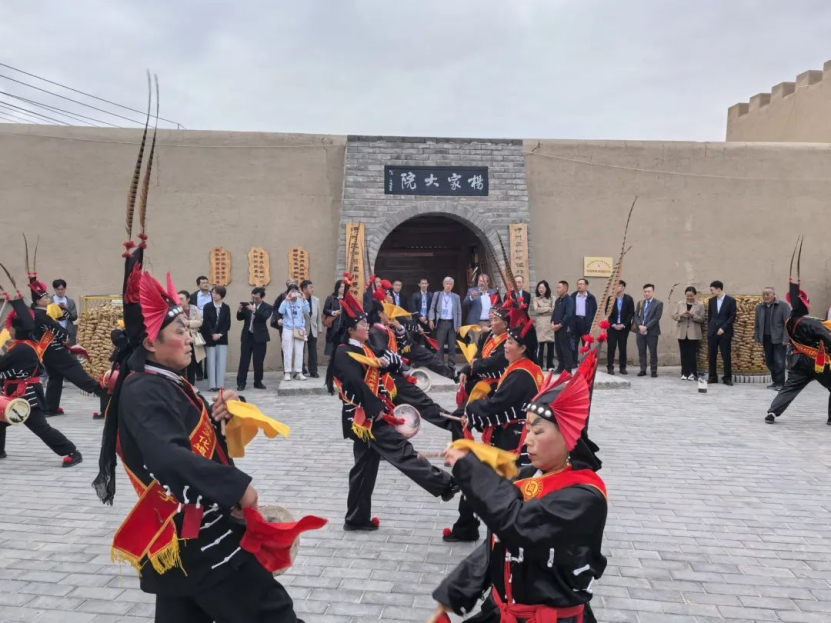
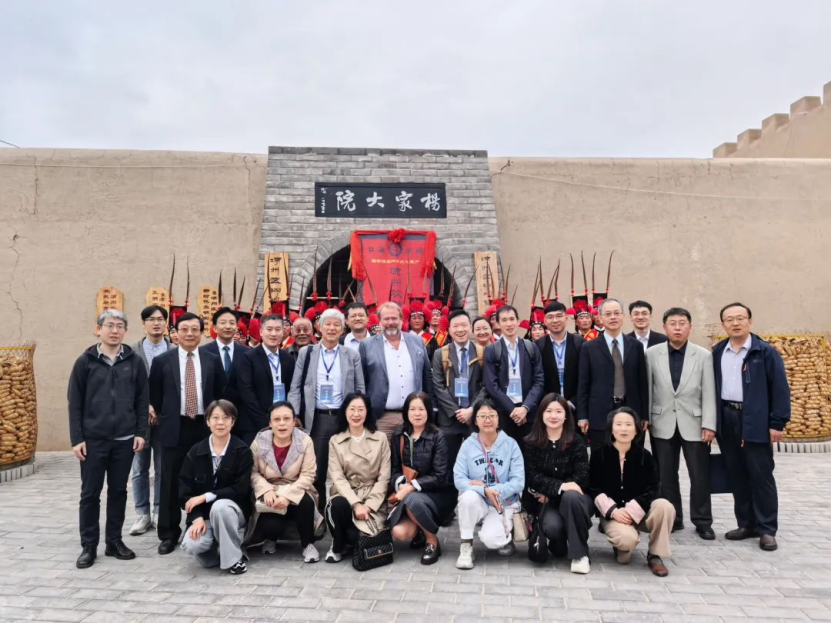
Gonggudazi, also known as Liangzhou Gonggudazi or Wuwei Gonggudazi, is a traditional drum-and-dance performance rooted in Gansu Province’s Wuwei. Recognized as a First Batch Provincial Intangible Cultural Heritage and Second Batch National Intangible Cultural Heritage of China, it preserves the martial spirit of Han and Tang dynasty military expeditions. Combining percussive drumming with dynamic choreography, performers—paired in twos and grouped into fives—execute intricate formations like the Tiger Emerges from the Mountain and Dual Generals Confrontation, creating a majestic and awe-inspiring spectacle.
Dancers don black fur hats adorned with pheasant feather ornaments, black Taiyi robes, lantern-leg pants, and dramatic white-and-black face paint, evoking ancient warriors. Their movements—Eagle Soaring, Warhorse Gallop, and Phoenix Nod—blend raw power with precision, while formations such as Eight-Trigram Array and Three-Arrow Breakthrough mirror battlefield tactics. This art form, described as the "Western China Drum Soul," reflects both the region’s martial heritage and the fusion of multi-ethnic cultures.
Diverse Ethnic Charms
Huaqi Tibetan Folk Songs: Celestial Melodies of the Snow-Covered Plateau
Huaqi Tibetan Folk Songs, an intangible cultural heritage of China’s Tibetan ethnic group, thrive among the Huaqi Tibetan communities in Tianzhu Tibetan Autonomous County, Gansu Province. Renowned for their lyrical conciseness, literary depth, and melodious rhythms, these songs encapsulate the essence of Huaqi’s cultural spirit. Their themes span historical epics, love, labor, and social rituals, with representative works like Creation Myth, Battle of Zhu Dong, and Epic of Gesar the Great. Performed in diverse formats—solo, duet, chorus, or accompanied by dance and traditional instruments—the songs resound during festivals and celebrations, where Tibetan villagers, dressed in vibrant attire, sing to express reverence for life and aspirations for prosperity.
Heavenly Prayer Scrolls: The Artistic Treasures of Tibetan Culture
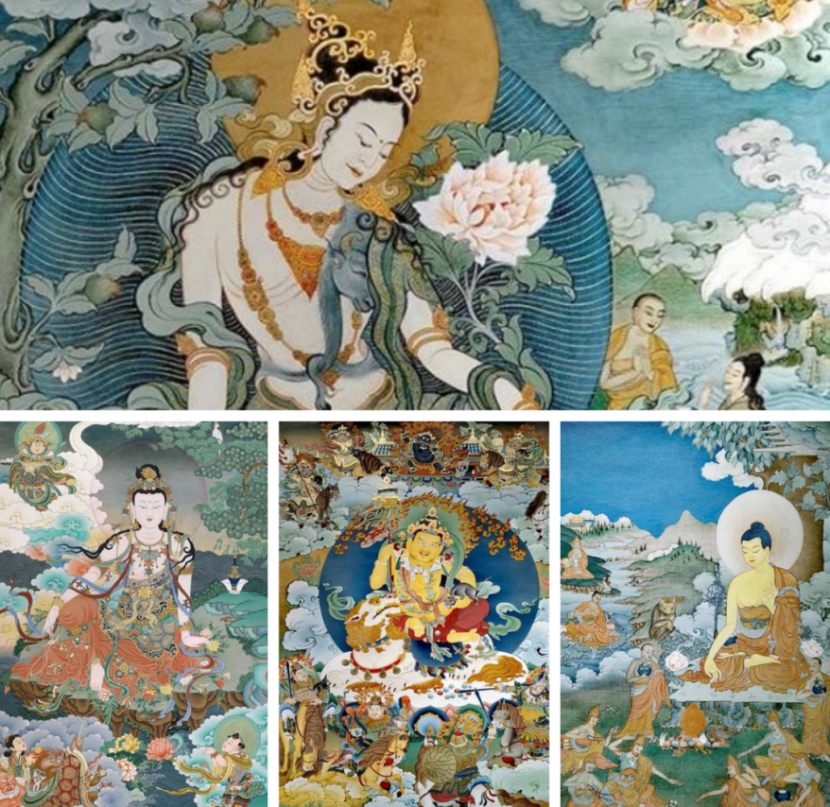
Tibetan Thangka (天祝唐卡), a unique form of religious and artistic expression, stands as a cornerstone of Tibetan cultural heritage. Created primarily with natural mineral pigments on cloth or silk, these scrolls predominantly depict Buddhist themes—Buddhas, bodhisattvas, and sacred narratives—serving as both spiritual devotion and aesthetic mastery. The intricate craftsmanship, vibrant hues, and meticulous compositions of Heaven Lake Tangka (天祝唐卡) embody unparalleled artistic and collectible value. Nestled in the snow-capped mountains and valleys of Tianzhu Tibetan Autonomous County, within bronze-hued nomadic settlements adorned with ancient monastic architecture, these scrolls encapsulate the wisdom, labor, and aspirations of generations, emerging as a globally revered treasure trove of spiritual depth and cultural mystique.
Dunhuang Culture: The Dazzling Pearl in the Desert
Dunhuang, a millennia-old oasis city along the Silk Road, stands as a testament to the confluence of civilizations and artistic brilliance. Home to the UNESCO-listed Mogao Caves, this desert gem transcends mere historical significance—it is a living narrative of Buddhism, trade, and cross-cultural dialogue. Below, we delve into its architectural marvels, artistic legacy, and vibrant traditions.
Mogao Grottoes: An Artistic Epic of a Millennia-Old Buddhist Realm
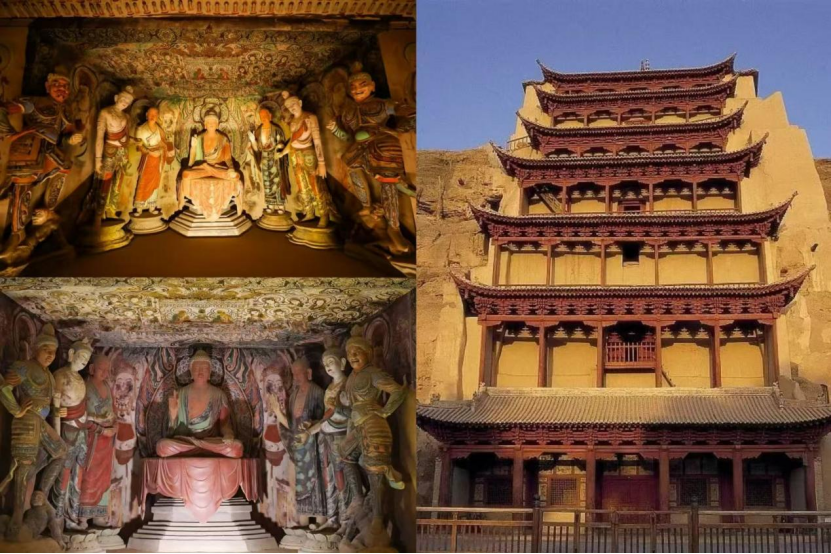
The Mogao Grottoes, commonly known as the Thousand Buddha Caves, were first excavated during the Former Qin Dynasty (366 CE) and expanded over subsequent dynasties—including the Northern Dynasties, Sui, Tang, Five Dynasties, Western Xia, and Yuan—to form an expansive network of caves. Today, the site comprises 492 surviving caves, featuring 45,000 square meters of murals and 2,415 painted clay sculptures, making it one of the largest and most comprehensive repositories of Buddhist art in the world
Artistic Highlights:
Murals: The murals span diverse themes, including Buddhist narratives, sutra transformation art (depicting sutra stories through symbolic imagery), and donor portraits (wealthy patrons depicted in religious scenes). Iconic figures like the flying apsaras (celestial dancers) and the Nine-Colored Deer (a mythical creature from the Lotus Sutra) have become symbolic of Dunhuang’s cultural legacy
Notably, Cave 285, dated to 538 CE, exemplifies the fusion of Buddhist, Taoist, and secular motifs, reflecting the multicultural exchanges along the Silk Road
Sculptures:the painted clay sculptures showcase masterful craftsmanship, utilizing techniques like wooden framework mud-moldingand stone-core mud-molding. Despite enduring millennia, these figures retain vibrant colors and intricate details, ranging from towering 33-meter-high Buddhas to delicate 10-centimeter figurines
Cultural Significance: the Mogao Grottoes stand as a testament to Buddhist artistry and the Silk Road’s cultural confluence. In 1900, the discovery of the Dunhuang Manuscripts (over 50,000 texts in languages like Sanskrit and Tibetan) in Cave 17 revolutionized scholarship on Buddhism and Central Asian history
Recognized as a UNESCO World Heritage Site (1987), the grottoes continue to inspire global audiences, bridging ancient civilizations and modern heritage preservation
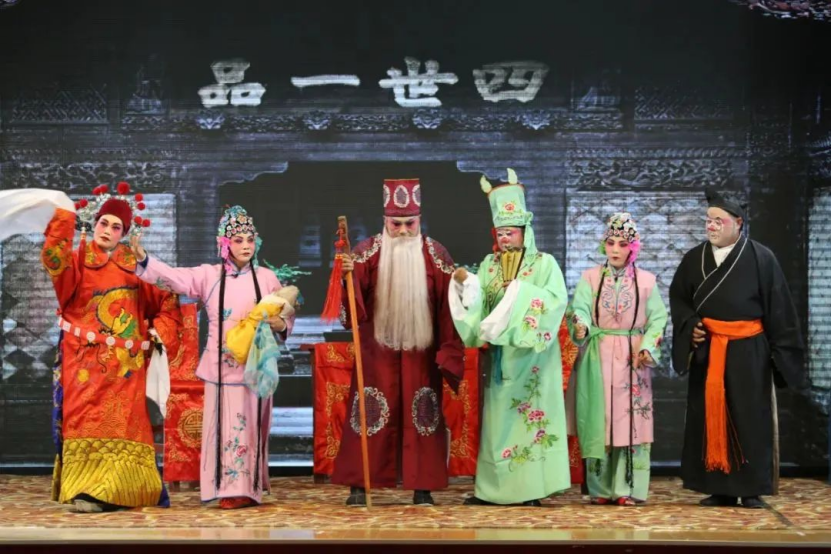
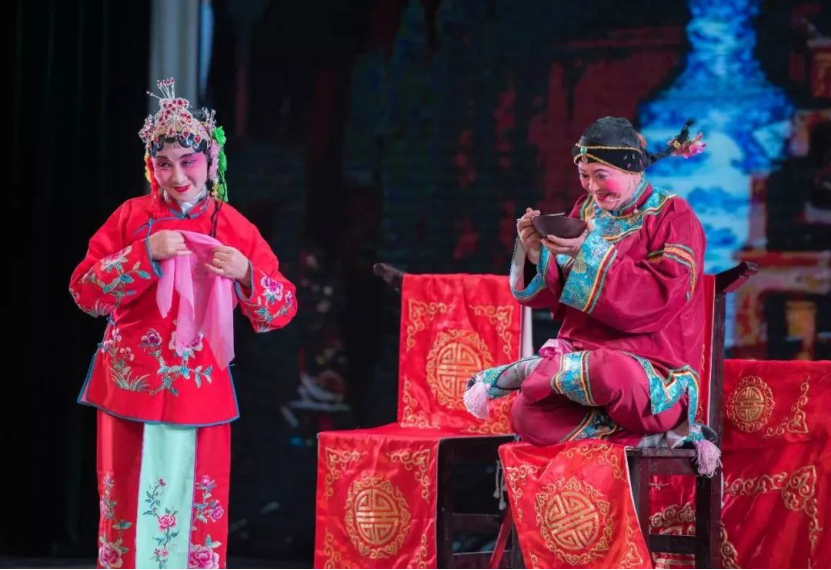
Dunhuang Quzi Opera: A Millennium of Elegant Melodies in the Vernacular
Dunhuang Quzi Opera, a National Intangible Cultural Heritage, originated from folk ballads of the Ming and Qing dynasties. Blending elements of Qinqiang (Shaanxi opera) and Meihu (Gansu folk opera), it embodies the region’s distinct cultural identity. Performances fall into two styles: stage productions with colorful costumes and street-side seated renditions, showcasing a dynamic range of vocal styles—from lively, upbeat melodies to soulful, melancholic tunes. With repertoires spanning mythological tales (e.g., Journey to the West), historical dramas (e.g., The General’s Oath), and humorous depictions of daily life (e.g., Bean Curd Grinding and The Great Matchmaker), the art form thrives on witty dialogue and earthy vernacular.
Today, Quzi Opera remains vibrant in local communities. During the annual Bathing Buddha Festival on April 8th, its melodious tunes echo through Mogao Caves’ temple fairs, where locals and visitors gather to witness masterful performances—a testament to its enduring charm as a living folk tradition.
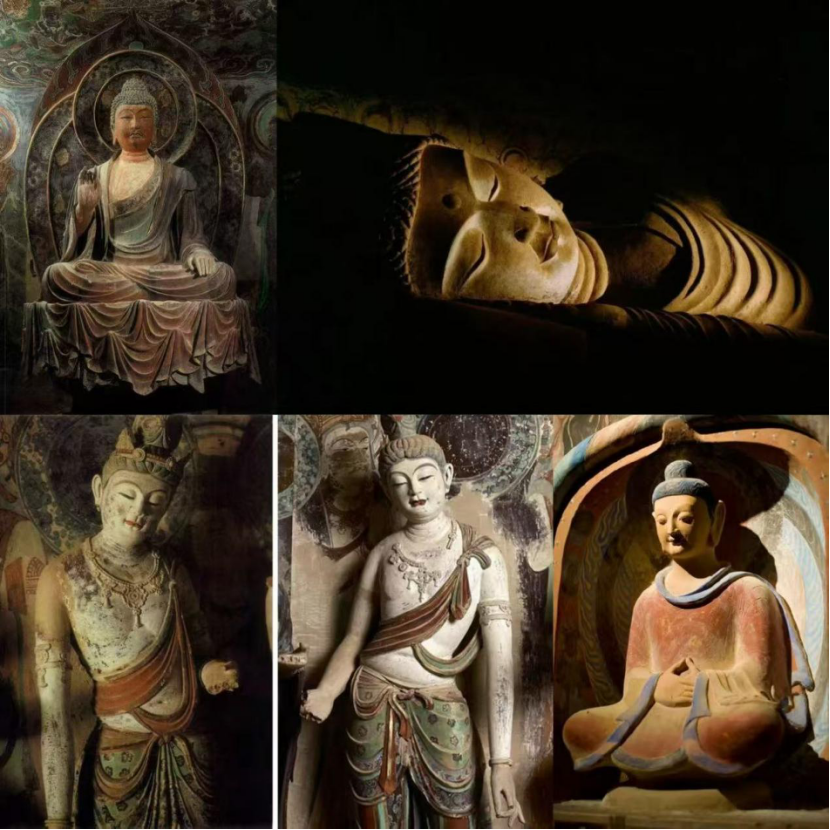
Dunhuang Colored Sculptures: A Divine World at the Tip of the Brush
Dunhuang Colored Sculptures, renowned for their exquisite craftsmanship and distinctive artistic style, are a cornerstone of Buddhist art. Artisans craft these masterpieces using frameworks of red willow and reed, layered with a unique mixture of settled clay and fine sand. After shaping, the figures are adorned with vibrant colors and gilded details, bringing deities to life. The sculptures encompass diverse forms—round sculptures (e.g., the voluptuous, serene Bodhisattva in Cave 194, dubbed the "Oriental Venus"), relief carvings, and stencil-applied shadow sculptures—each reflecting meticulous artistry and spiritual depth
Under the preservation efforts of the Dunhuang Academy, this ancient technique continues to thrive. Recent initiatives include interactive workshops where visitors replicate miniature sculptures, bridging past and present through tactile engagement with tradition.
Dunhuang Folkways: A Millennium-Old Cultural Enigma
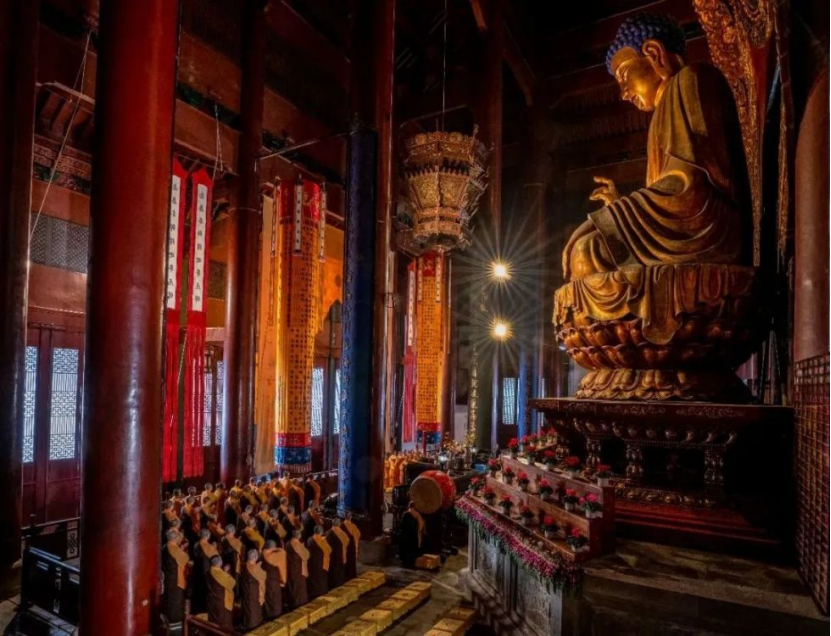
Buddha Bathing Festival: Spiritual Purification on the Sacred Day of Buddha's Birth
The eighth day of the fourth lunar month marks the birth of Siddhartha Gautama (the Buddha), a day revered in Dunhuang as a major festival. On this occasion, the Mogao Caves host a grand Buddha Bathing Ceremony, where devotees burn incense, circumambulate Buddha statues, and anoint them with fragrant herbal water to pray for peace and prosperity. Beyond religious rituals, the festival integrates traditional Quzi Opera performances, folk handicraft displays, and communal feasts, transforming into a vibrant cultural carnival for locals and visitors alike. In 2025, Dunhuang residents may present valid identification to access Cave 96 (housing the 35.5-meter-tall Great Buddha), participate in incense ceremonies, and join circumambulation rites—a rare opportunity to experience living Buddhist traditions.
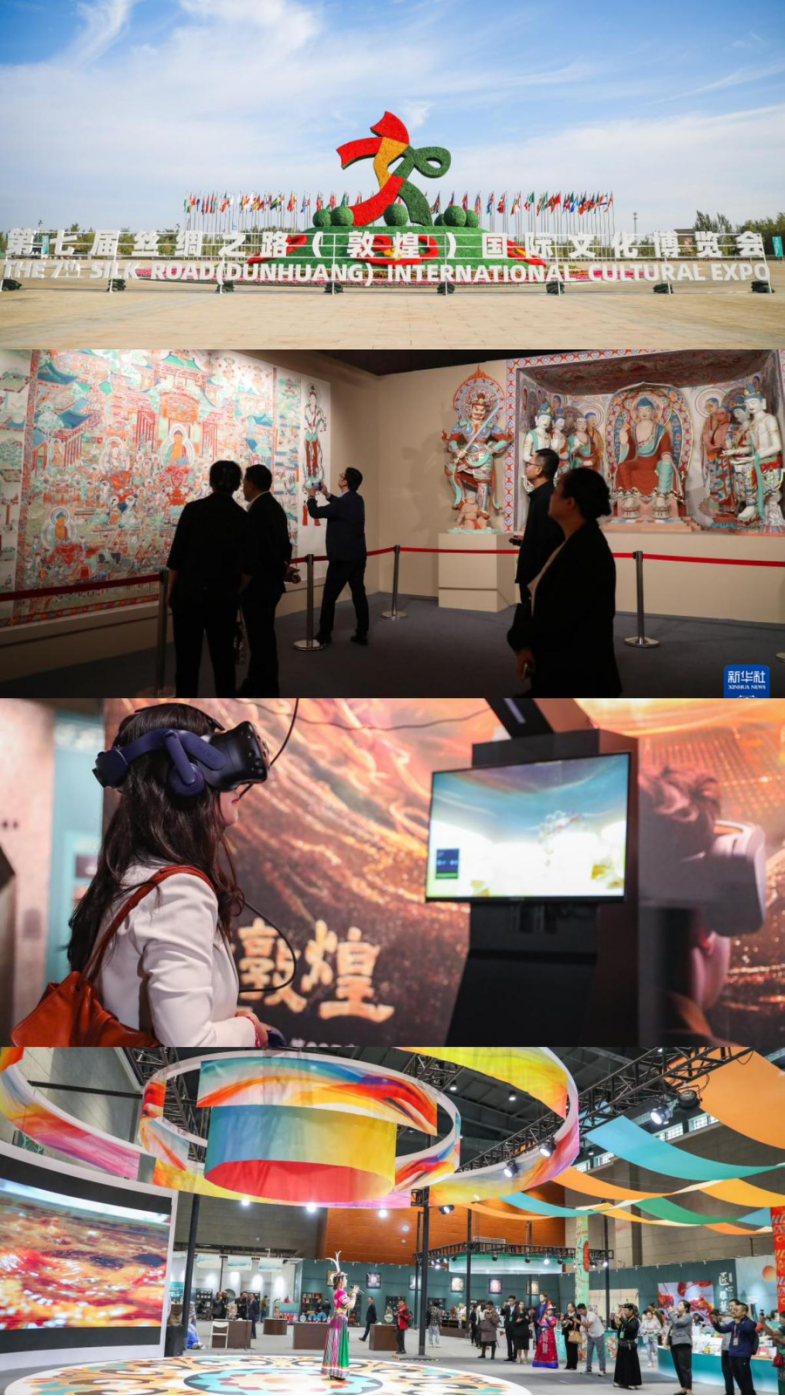
Silk Road International Cultural Expo: A Bridge of Civilizational Dialogue
Since its inception in 2016, the Silk Road (Dunhuang) International Cultural Expo (SRDICE) has been held biennially in Dunhuang, attracting cultural institutions and artists worldwide. Themed "Promoting Cultural Exchange and Joint Development," the expo fosters dialogue among civilizations through exhibitions, performances, and forums. For instance, the 7th edition (2023) centered on "Preserving Dunhuang Culture, Advancing the Belt and Road Initiative," showcasing Dunhuang mural replicas, intangible cultural heritage crafts, and hosting the International Cultural and Creative Industries Forum .
Dunhuang, an oasis of art and heritage in the desert, stands as a global treasure. As Su Bomin, Director of the Dunhuang Academy, stated: "Dunhuang culture belongs not only to China but to the world." Let us safeguard this legacy of human civilization, ensuring its brilliance endures in the new era.