Healthy eating: the key to an active life
Healthy eating: the key to an active life
In modern society, with the continuous improvement of people's living standards, healthy diet has attracted more and more attention. A healthy diet is not only related to immediate physical state, but also plays a key role in long-term quality of life and disease prevention. Next, we delved into the main aspects covered by a healthy diet.
I. Balanced intake of various nutrients
(1) Carbohydrates
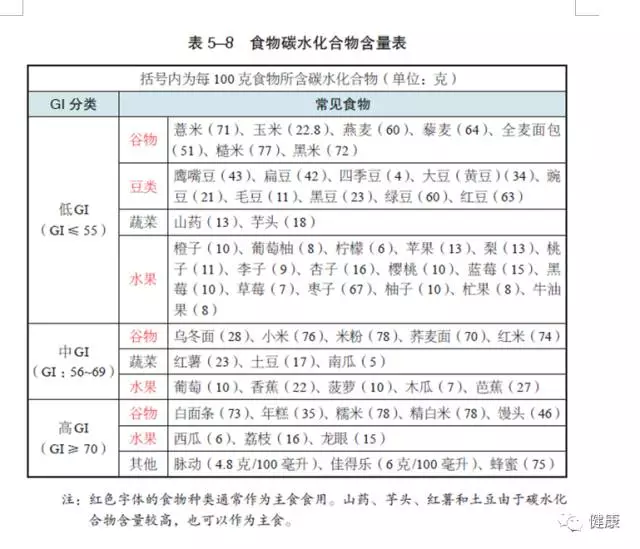
Carbohydrates are the main source of energy for the human body, accounting for 50%-65% of the total daily energy intake. Taking Chinese residents as an example, according to the Reference Intakes of Dietary Nutrients for Chinese Residents (2013 edition), adults should consume 250-400 grams of carbohydrates per day. Whole grains, tubers, and beans are good sources of high-quality carbohydrates, which are rich in dietary fiber, vitamins, and minerals. For example, oatmeal is rich in beta-glucans, which help lower cholesterol.
Figure 1 illustrates the carbohydrate content comparison of different food sources.
(2) Protein
Proteins are important components of the body and participate in a variety of physiological functions such as cell repair and immune regulation. Adults should consume 0.8-1.2 grams of protein per kilogram of body weight per day. High-quality protein sources include lean meat, fish, legumes, eggs and dairy products. Like milk is rich in all the essential amino acids needed by the human body, and the digestibility is high. According to relevant studies, the protein intake of Chinese residents is generally lower than the recommended amount, especially the intake of high-quality protein is insufficient.
Figure 2 shows the protein content comparison of common protein sources.
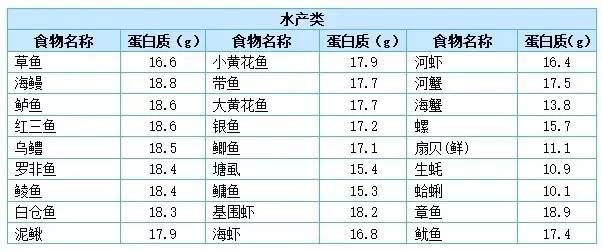
(Figure 2: Comparison of protein content of common protein sources)
(3) Fat
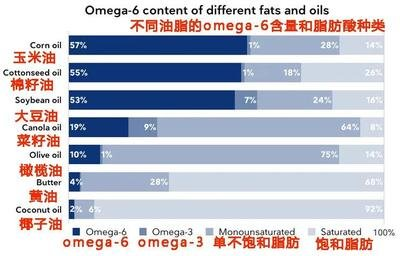
Fat is important for energy storage and also contributes to the absorption of fat-soluble vitamins. Fat intake should be 20% to 30% of total daily energy intake. Among them, saturated fat should be less than 10%, and trans fat should be avoided as much as possible. Unsaturated fats, such as monounsaturated and polyunsaturated fatty acids in olive oil and fish oil, are beneficial for cardiovascular health. Studies have shown that people in the Mediterranean region have a lower incidence of cardiovascular disease due to a high intake of foods rich in unsaturated fats such as olive oil.
Figure 3 Illustrates the proportions of various fatty acids in different oils.
2.Rich food diversity
Food variety is key to ensuring a wide range of nutrients. The Dietary Guidelines for Chinese Residents (2022) recommend consuming more than 12 types of food per day and 25 types of food per week. From the perspective of food categories, it should include cereals, potatoes, vegetables, fruits, milk, beans, meat, poultry, fish, eggs, etc. For example, vegetables should include dark-colored vegetables (e.g., spinach, broccoli) and light-colored vegetables (e.g., cabbage, winter melon), with dark-colored vegetables accounting for more than half of the total vegetable intake. Fruits should also be varied, with different fruits containing different vitamins and antioxidants. Studies have shown that people with rich food diversity have stronger body immunity and ability to prevent chronic diseases.
3. Control the intake of salt, sugar and oil
(1) Salt
Excessive salt intake can lead to health problems such as high blood pressure. The World Health Organization recommends that adults consume no more than 5 grams of salt per day. However, the salt intake of Chinese residents is generally high, with an average of about 10.5 grams per day. High-salt diet is closely related to the occurrence of hypertension, gastric cancer and other diseases. Reducing salt intake can be achieved by using low-sodium salt, using less salt in cooking, and eating fewer processed foods.
(2) Sugar
Added sugar refers to sugars added during food processing, and excessive intake can increase the risk of obesity, diabetes and other diseases. The World Health Organization recommends that intake of added sugars should be kept to less than 10% of total energy for adults and children, and preferably to less than 5%. In our country, the consumption of sugar-sweetened beverages has increased rapidly, and many people unknowingly consume large amounts of added sugars. For example, a 500ml bottle of cola contains around 52.5g of sugar, well above the recommended daily intake.
(3) Oil
Although fat is an essential nutrient, excessive intake of oil can lead to energy excess. The Dietary Guidelines for Chinese Residents (2022) recommend that adults consume 25-30 grams of cooking oil per day. At present, the intake of cooking oil in Chinese residents generally exceeds the standard. We should choose healthy cooking methods (such as steaming, boiling, braising) and reduce frying, frying and other methods to control the intake of oil.
4. Reasonable eating habits
(1) Eat regularly
Regular meals help maintain normal gastrointestinal function and glycemic stability. Three meals a day should be timed and quantitative, and the energy provided by breakfast should account for 25%-30% of the total energy of the day, lunch 30%-40%, and dinner 30%-35%. Skipping breakfast can affect work and study efficiency in the morning, and may also increase the risk of diseases such as gallstones. A full dinner can lead to indigestion, obesity and other problems.
(2) Eat slowly
Eating slowly is conducive to the digestion and absorption of food, but also allows the brain to receive satiety signals in time to avoid overeating. Studies have shown that people who eat fast are two to three times more likely to be obese than those who eat slowly.
5. Healthy diet for special people
(1) Children and adolescents
Children and adolescents are in a critical period of growth and development, with high nutrient requirements. Adequate intake of nutrients such as protein, calcium, iron and zinc should be ensured. Calcium requirements should be met by consuming 300-500ml of milk or equivalent dairy products per day. At the same time, the intake of snacks and drinks should be controlled to avoid affecting the appetite for meals.
(2) pregnant women and lactating women
Pregnant and lactating women need additional nutrients for fetal growth and milk production. The intake of nutrients such as protein, calcium, iron, and folic acid should be increased accordingly. For example, pregnant women should get an additional 20 grams of protein per day, and lactating women should get 1000 milligrams of calcium per day. At the same time, we should pay attention to dietary hygiene and avoid eating raw meat, raw fish and other foods that may carry pathogens.
(3) the elderly
The digestive function of the elderly decreases, and the diet should be light and easy to digest, and at the same time ensure adequate nutrition. Can choose soft texture food, such as tofu, fish and so on. Since the elderly have less outdoor activities and insufficient vitamin D synthesis, they can appropriately increase the intake of vitamin D-rich food, such as deep sea fish, egg yolk, etc., or supplement vitamin D preparations under the guidance of a doctor. Healthy diet covers multiple aspects such as balanced intake of nutrients, food diversity, control of salt, sugar and oil, reasonable eating habits, and targeted diet for special people. By following these principles, we can provide adequate and rational nutrition, prevent a wide range of chronic diseases, improve quality of life, and lay the foundation for a healthy life. Everyone should start from themselves, integrate the concept of healthy eating into daily life, and start a vibrant and healthy life.