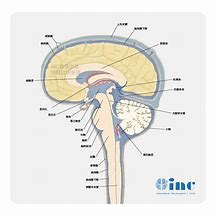
Central nervous system tumor
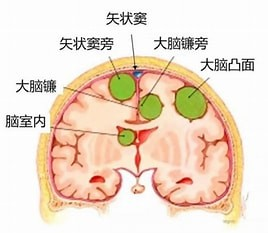
Brain tumor is a benign or malignant tumor that occurs on the dura mater or arachnoid, accounting for 20% to 30% of intracranial tumors. The symptoms include headache, epilepsy, neurological deficit, and intracranial hypertension. Treatment methods include advanced radiation techniques such as heavy ion therapy. Brain tumors typically grow slowly, but if not treated in a timely manner, they can have an impact on a patient's health and quality of life.
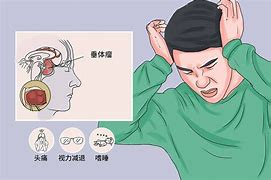
Pituitary tumor is a benign tumor that occurs on the pituitary gland and can affect hormone secretion, leading to various symptoms and signs. The symptoms include hormone imbalance, headache, visual impairment, and excessive or insufficient hormone secretion. Treatment methods include medication, surgery, radiation therapy, and in recent years, heavy ion therapy has been gradually applied to the treatment of pituitary tumors. Heavy ion therapy has the advantages of less damage and shorter recovery period, which can effectively treat pituitary tumors, reduce damage to surrounding normal tissues, and facilitate early recovery for patients. Treatment plans should be selected based on individual circumstances. Patients should maintain a good attitude and actively cooperate with the doctor's treatment recommendations.
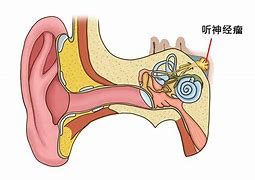
Auditory nerve tumor is a benign tumor originated from the auditory nerve sheath, commonly found in the internal ear canal area. The symptoms include hearing loss, dizziness, balance problems, facial numbness and pain, and intracranial hypertension. Treatment methods include surgical resection and radiation therapy, such as heavy ion therapy. Heavy ion therapy has the advantages of less damage and shorter recovery period, which can effectively treat auditory nerve tumors, reduce damage to surrounding normal tissues, and facilitate early recovery for patients. Treatment plans should be selected based on individual circumstances. Patients should maintain a good attitude and actively cooperate with the doctor's treatment recommendations.
Glioma, which occurs on glial cells, is a malignant tumor. The symptoms include headache, nausea, vomiting, epilepsy, etc. Treatment methods include surgical resection, radiation therapy, and chemotherapy, among others. Heavy ion therapy has the advantages of local high dose, low side effects, and effective treatment, which can effectively control the growth of glioma, improve the quality of life and survival period of patients. However, it is not suitable for all patients and treatment plans should be selected based on individual circumstances. Patients should maintain a good attitude and actively cooperate with the doctor's treatment recommendations.
Astrocytoma, a common tumor of glial cells, is treated with surgical resection, radiation therapy, and chemotherapy, among others. Common symptoms include headache, nausea, vomiting, visual problems, dizziness, balance issues, seizures, cognitive issues, sensory issues, etc. If the tumor presses on brain tissue, it may also cause symptoms such as intracranial hypertension. Heavy ion therapy can reduce complications, improve survival rates, and enhance patient comfort. It is important to note that individual differences exist and treatment plans should be selected based on the patient's specific circumstances. Patients should maintain a good attitude and cooperate with the doctor's treatment recommendations. Early detection and treatment can lead to better outcomes.
Craniopharyngioma is a series of tumors that occur at the base of the skull. Treatments include surgery, radiation therapy, and chemotherapy, among others. Common symptoms include headache, nausea, vomiting, visual problems, dizziness, balance issues, hearing problems, facial pain, double vision, cognitive issues, etc. If the tumor presses on nerves or blood vessels, it may also cause symptoms such as intracranial hypertension. Heavy ion therapy has the advantages of reducing complications, improving quality of life, and short recovery period. It is important to note that individual differences exist and treatment plans should be selected based on the patient's specific circumstances. The treatment outcomes of craniopharyngioma are usually related to the early diagnosis and timely treatment. Early detection and timely treatment are usually associated with better outcomes. Patients should maintain a good attitude and actively cooperate with the doctor's treatment recommendations.
Chordoma of the base of the skull is a type of tumor that occurs in the region of the skull base. Treatments include surgery, radiation therapy, and chemotherapy, among others. Chordoma typically causes neurological symptoms such as headache, nausea, vomiting, visual problems, dizziness, balance issues, etc. If the tumor presses on nerves or blood vessels, it may also cause symptoms such as intracranial hypertension. Heavy ion therapy has the advantages of reducing complications, improving quality of life, and enhancing treatment effects. Treatment for chordoma of the base of the skull should be selected based on the patient's specific circumstances. Patients should maintain a good attitude and actively cooperate with the doctor's treatment recommendations.