
Carbon-Ion Therapy for Refractory Superficial Tumors
Carbon-Ion Therapy for Refractory Superficial Tumors
1. What are "refractory superficial tumors"?
In short, this refers to tumors meeting the following three criteria:
- Superficial location: Growing on the skin, subcutaneous tissue, or mucosal surface, or with ulceration and external invasion after lymph node metastasis.
- High malignancy: Aggressive pathology, such as sarcomas, neuroendocrine carcinomas, adenoid cystic carcinomas, or locally advanced squamous cell carcinomas.
- Failure of or intolerance to conventional treatment:
- Surgically unresectable (e.g., T4 stage, invasion of critical structures)
- Postoperative recurrence
- Insensitive to conventional radiotherapy
- Elderly or frail patients unable to tolerate highly invasive procedures
Common examples include:
- Chest wall recurrence after breast cancer surgery
- Parotid or buccal mucosal carcinoma invading the skin
- Recurrent head and neck sarcomas after surgery
- Hypopharyngeal carcinoma penetrating the neck skin with infection
- Various sarcomas of the extremities
These tumors are visible and palpable, yet often pose a clinical dilemma for physicians.
II. Why are heavy (carbon) ions the "nemesis" of this type of tumor?
Various types of refractory tumors exhibit radiation resistance to conventional X-ray radiotherapy or proton therapy. Heavy (carbon) ion therapy, however, is fundamentally different, offering three key advantages:
- Inverted dose peak (Bragg peak): Energy is concentrated and released precisely within the tumor site, causing minimal damage to surrounding healthy tissues.
- Ultra-high relative biological effectiveness (RBE): Even for tumors resistant to conventional radiotherapy—such as sarcomas, melanomas, and neuroendocrine carcinomas—heavy (carbon) ions can directly induce double-strand breaks in cancer cell DNA, leaving resilient tumors with no escape.
- Flexible fractionation: Clinicians can personalize the dose per fraction and total number of treatment sessions based on tumor thickness, area, and proximity to critical organs (e.g., the eyeballs, major blood vessels, nerves, and skin).
These are the core advantages of heavy (carbon) ion therapy: precision, power, and flexibility.
III. Real Cases: Rebirth After Desperation
At the Gansu Wuwei Heavy Ion Center—home to China’s first domestically developed heavy ion accelerator with full intellectual property rights—more than 2,800 patients had been treated between November 2018 and March 2026, a large proportion of whom had malignant, refractory tumors that had failed conventional therapy.
The following are several typical cases of superficial refractory tumors, vividly illustrating why heavy (carbon) ion therapy is an ideal choice for such conditions.
Case 1: Advanced breast cancer in an 81-year-old patient – Chest wall ulceration healed within 3 months
- Diagnosis: Invasive carcinoma of the left breast, cT4N3M1 stage IV (with chest wall skin invasion and ulceration)
- Challenge: Elderly, advanced stage, inoperable; conventional radiotherapy risked worsening skin damage
- Heavy (carbon) ion therapy: Treatment completed July–August 2020
- Outcome: 3 months post-treatment, the tumor shrank significantly, the skin ulcer healed completely, and pain resolved
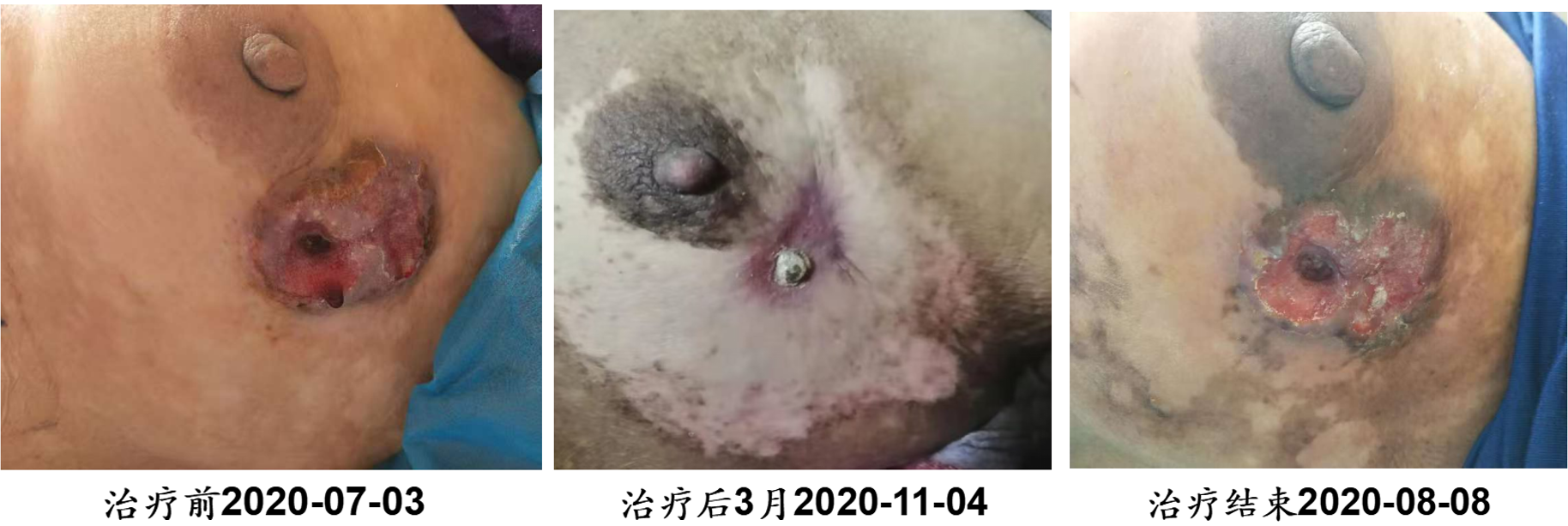
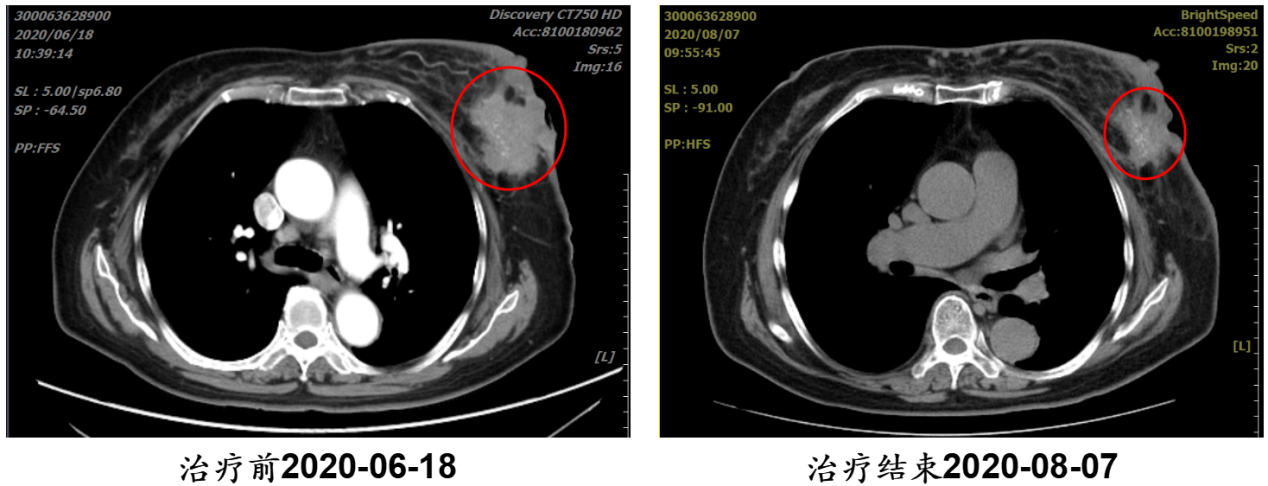
Comment: With heavy (carbon) ion therapy, advanced age and late-stage disease are no longer reasons for deeming a patient untreatable.
Case provided by: Dr. Yang Yuling
Department: Radiation Oncology Center Ⅰ(International Medical Department Ⅰ)
Case 2: 31-year-old with postoperative recurrence of brain sarcoma – Crusting achieved after 7 fractions
Diagnosis: Undifferentiated pleomorphic sarcoma of the brain, with scalp recurrence after surgery
Challenge: Sarcoma is highly resistant to conventional radiotherapy and grows rapidly
Heavy (carbon) ion therapy: Tumor regression and crusting observed after just 7 fractions; treatment completed after 12 fractions
Outcome: 9-month follow-up showed no recurrence and good scalp healing
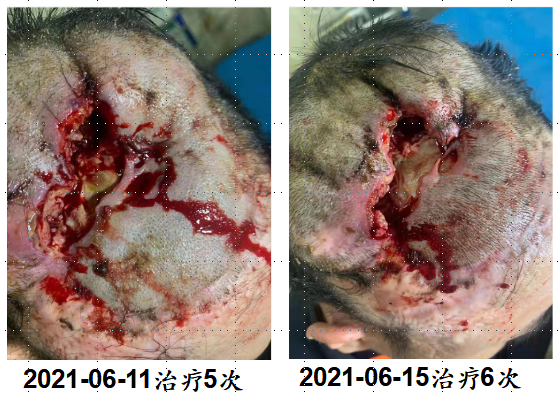
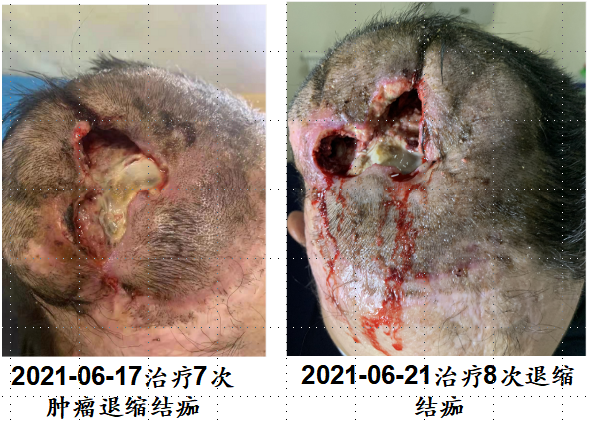
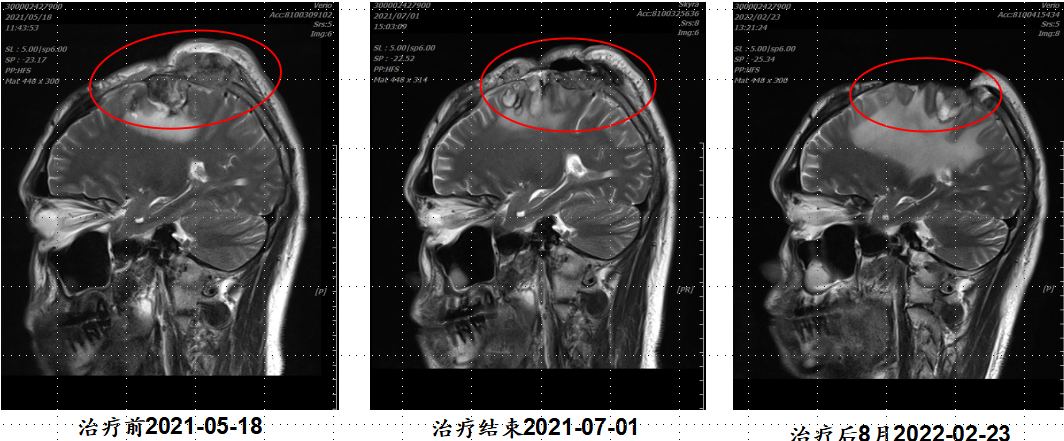
Comment: Even refractory sarcomas are highly sensitive to heavy (carbon) ion therapy, with visible tumor regression often observed during the course of treatment.
Case provided by: Dr. Wang Xin
Department: Radiation Oncology Center Ⅰ(International Medical Department Ⅰ)
Case 3: 55-year-old with buccal mucosa squamous cell carcinoma, 2.2×3.6 cm – Tumor disappeared within 1 month
- Diagnosis: Buccal mucosa squamous cell carcinoma, rcT4N2M0 stage IVA (postoperative recurrence, locally advanced)
- Challenge: Tumor invasion through the subcutaneous tissue and skin
- Heavy (carbon) ion therapy: Treatment completed March–April 2025
- Outcome: Tumor completely disappeared 1 month post-treatment; patient remained well at 10‑month follow‑up
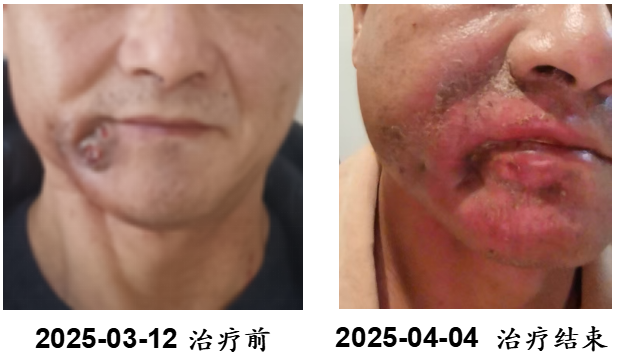
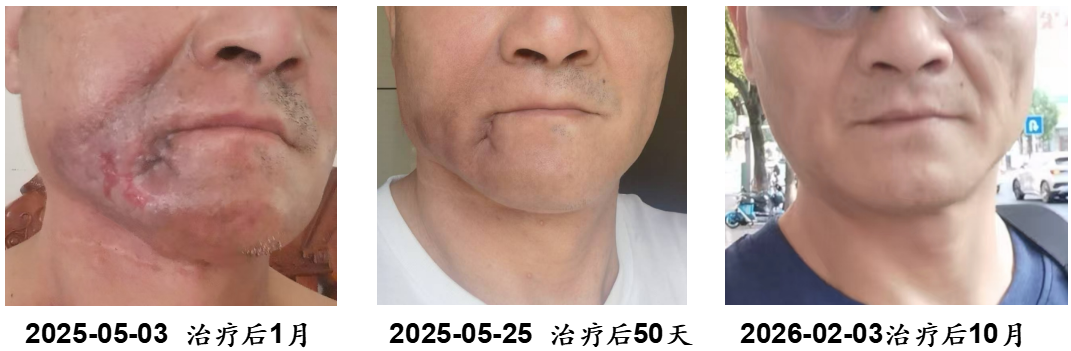
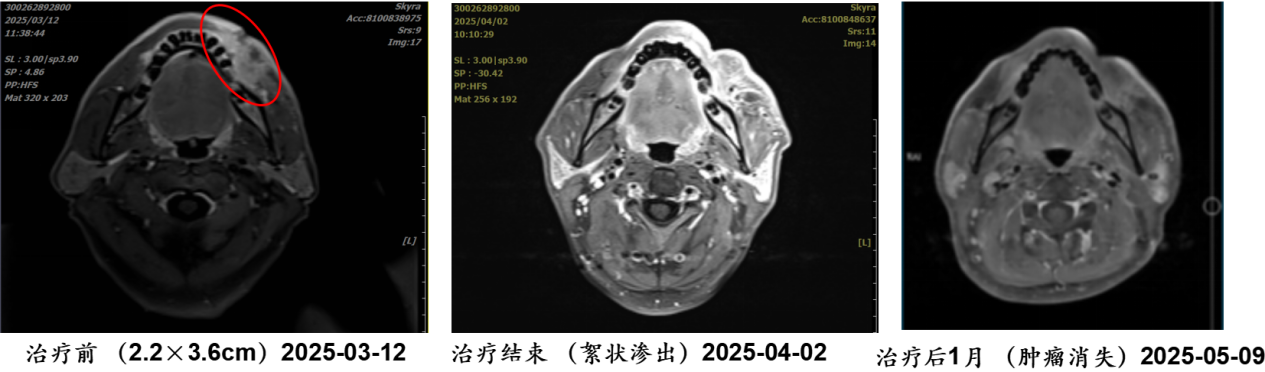
Comment: Even when oral mucosal carcinoma has invaded through the full thickness of the skin, heavy (carbon) ion therapy can work wonders.
Case provided by: Dr. Yang Yuling
Department: Radiation Oncology Center Ⅰ(International Medical Department Ⅰ)
Case 4: 39-year-old with hypopharyngeal carcinoma invading through the neck, complicated by infected abscess
- Diagnosis: Hypopharyngeal squamous cell carcinoma, cT4aN2M0 stage IVA, with tumor invasion through the anterior neck skin and formation of an infected abscess
- Challenge: Tumor ulceration combined with suppurative infection and cellulitis
- Heavy (carbon) ion therapy: 12 fractions
- Outcome: At 41 days post-treatment, the abscess had resolved and the skin healed; at 115 days, local control remained good
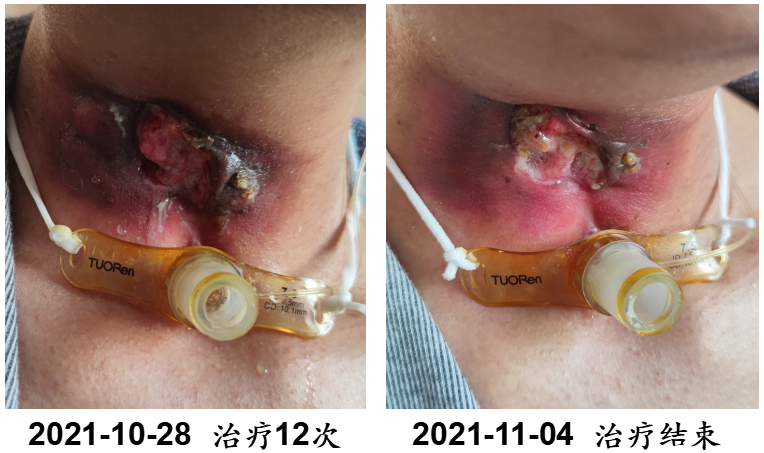
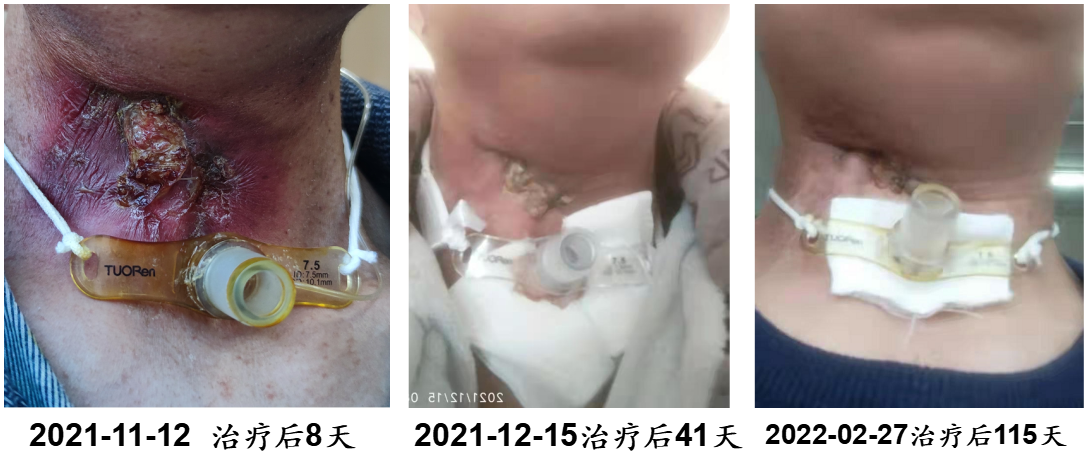
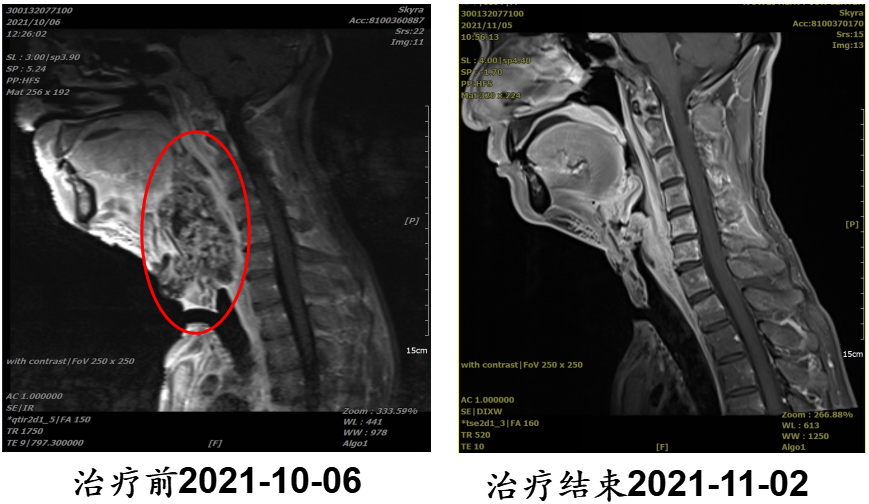
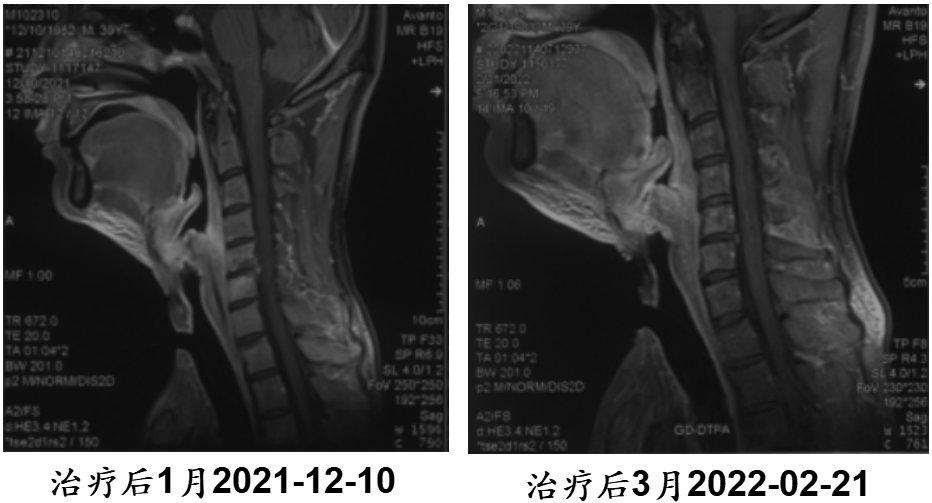
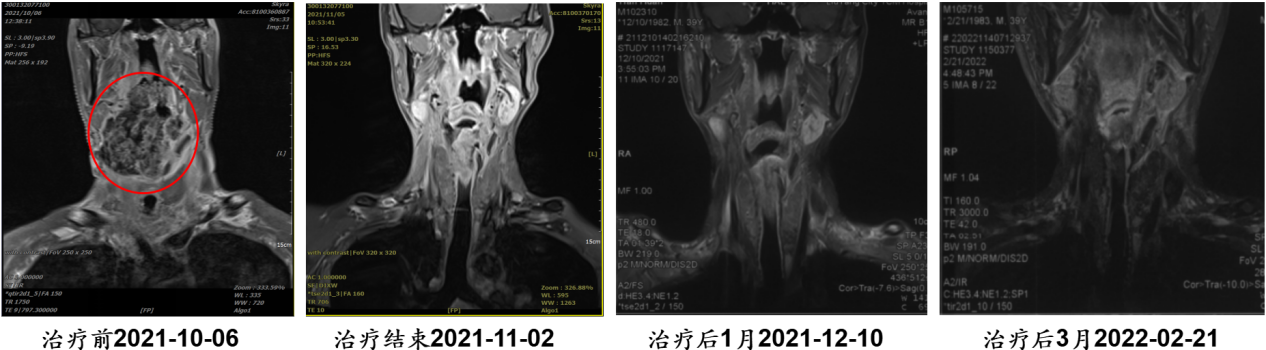
Comment: Even in the presence of severe infection and ulceration, heavy (carbon) ion therapy can still turn the tide.
Case provided by: Director Zhang Yihe
Department: Radiation Oncology Center Ⅰ(International Medical Department Ⅰ)
Case 5: 60-year-old with rare breast neuroendocrine carcinoma – Significant shrinkage after 2 weeks of treatment
- Diagnosis: Neuroendocrine carcinoma of the right breast, cT4N3M1 stage IV (with skin involvement)
- Challenge: Rare histological subtype with poor response to chemotherapy
- Heavy (carbon) ion therapy: 2 weeks of treatment
- Outcome: At treatment completion, skin integrity was preserved, the tumor had significantly shrunk, and the ulcerated area had healed
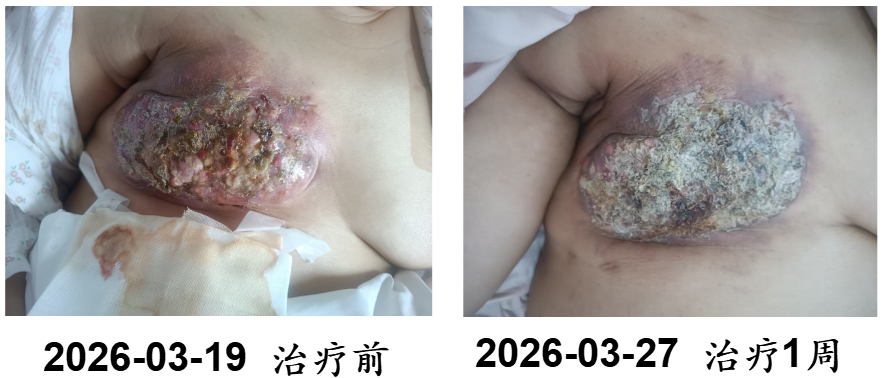
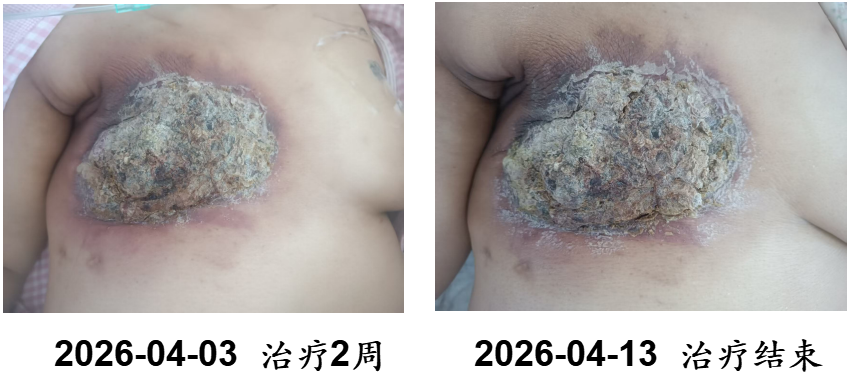
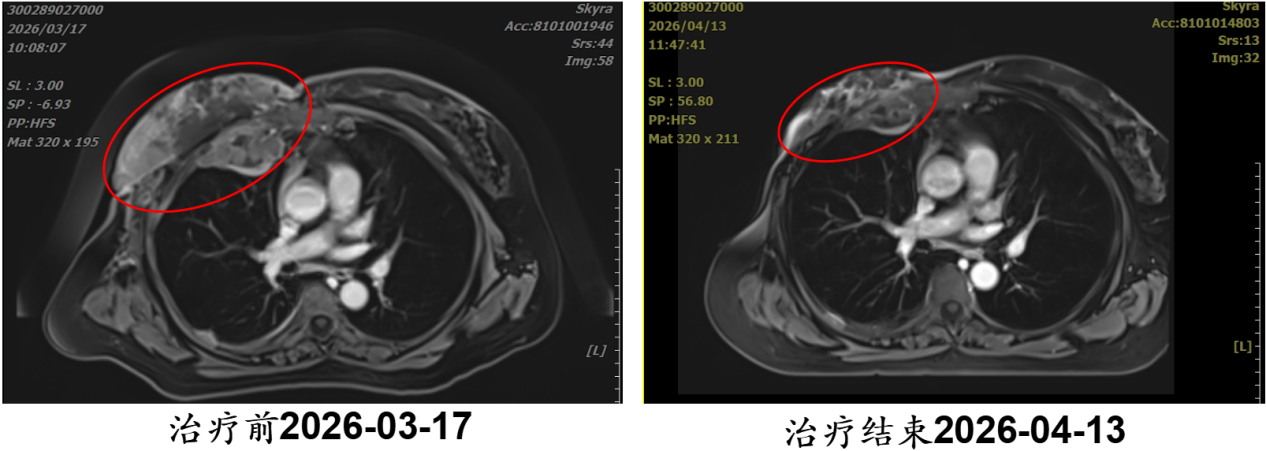
Comment: Even for rare cancer types, heavy (carbon) ion therapy can deliver precise and effective ablation.
Case provided by: Dr. Yang Yuling
Department: Radiation Oncology Center Ⅰ(International Medical Department Ⅰ)
Case 6: Male, 61 years old
- Diagnosis: Malignant tumor of the lower lobe of the left lung with cervical lymph node metastasis invading and ulcerating the skin; squamous cell carcinoma, cT3N3M1 stage IV
- Challenge: Tumor invasion with skin ulceration, locally advanced, limited options with conventional therapy
- Heavy (carbon) ion therapy: 3‑week course
- Outcome: At treatment completion, the tumor had significantly shrunk, and the ulcerated area was nearly healed
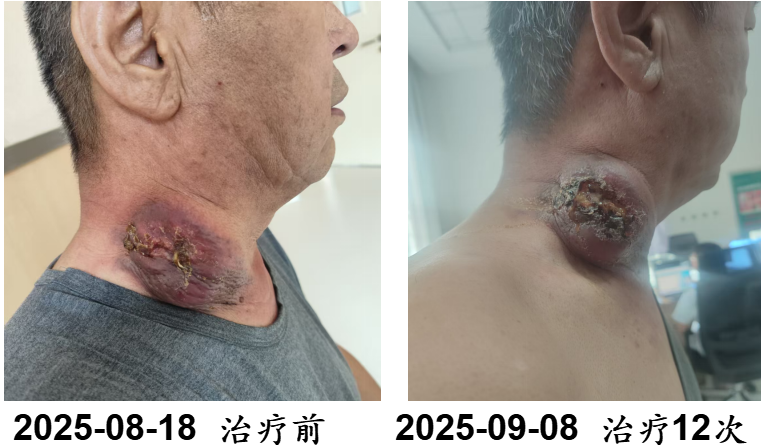
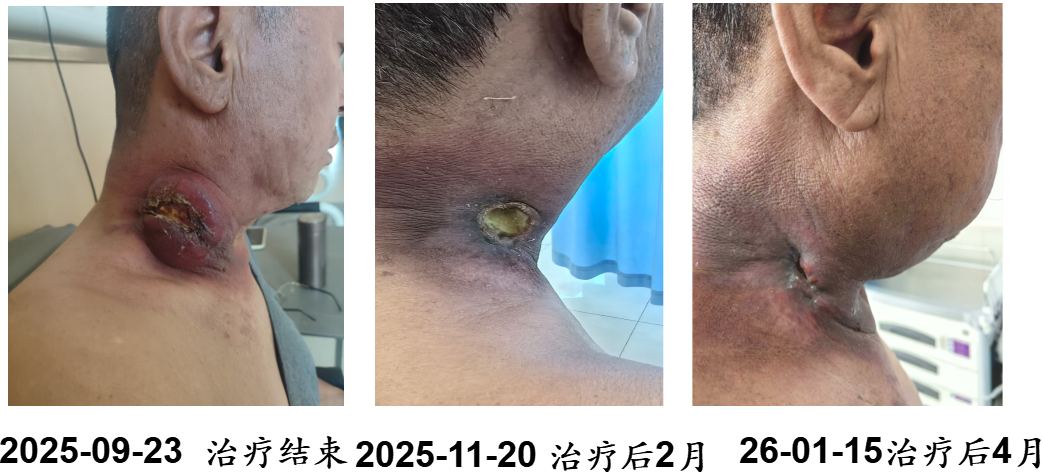
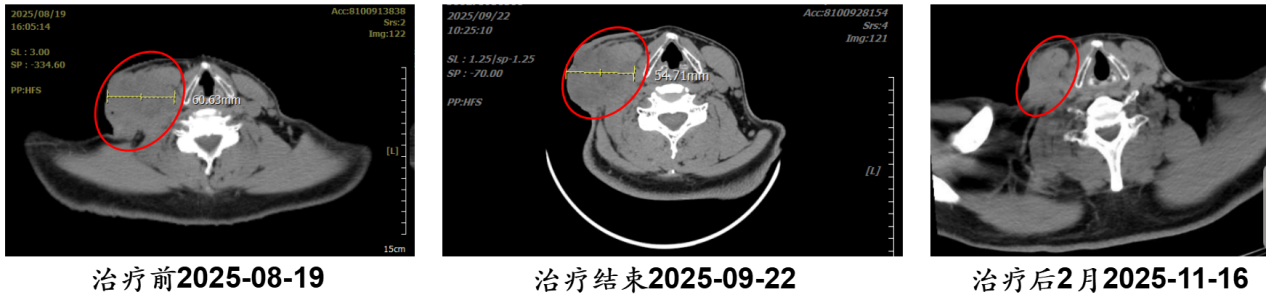
Comment: Heavy (carbon) ion therapy offers an ideal treatment option for advanced ulcerative tumors.
Case provided by: Dr. Zhang Yanshan
Department: Radiation Oncology Center Ⅰ(International Medical Department Ⅰ)
Case 7: Male, 62 years old
- Diagnosis: Malignant tumor of the parotid gland, mucoepidermoid carcinoma, rT4bN0M0 stage IVB
- Challenge: Underwent two surgeries, one skin graft, and one course of postoperative radiotherapy; now recurrent, with failure of conventional therapy
- Heavy (carbon) ion therapy: 3‑week course
- Outcome: Little change in tumor size during treatment; however, after discharge, the tumor rapidly shrank and progressively regressed
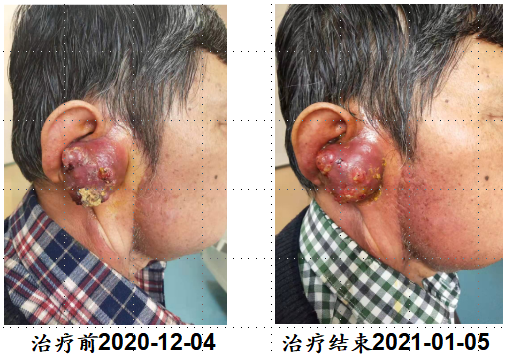
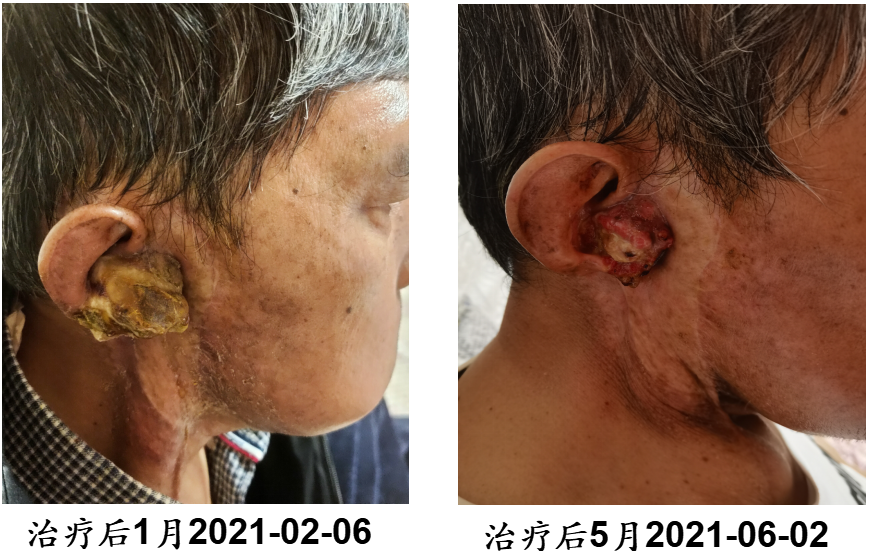
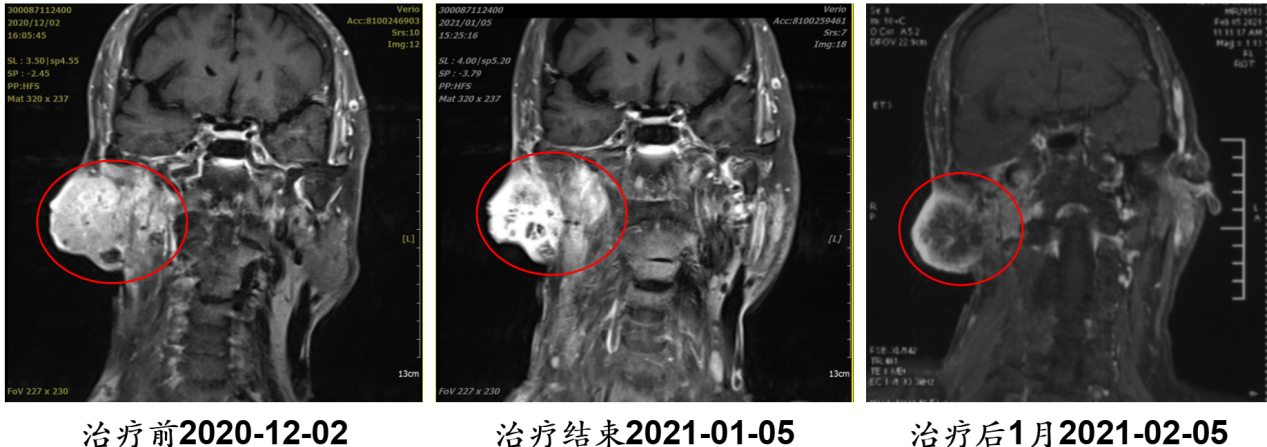
Comment: After multiple recurrences and failures of various treatments, heavy (carbon) ion therapy becomes the last hope.
Case provided by: Dr. Pan Xin
Department: Radiation Oncology Center Ⅰ(International Medical Department Ⅰ)
Case 8: Female, 51 years old
- Diagnosis: Malignant tumor of the left breast, invasive ductal carcinoma, luminal B subtype, cT4cN3cM1 stage IV
- Challenge: Locally advanced with skin involvement, poor response to conventional chemoradiotherapy
- Heavy (carbon) ion therapy: 3‑week course
- Outcome: Significant tumor shrinkage during treatment; the ulcerated area progressively decreased and eventually healed completely
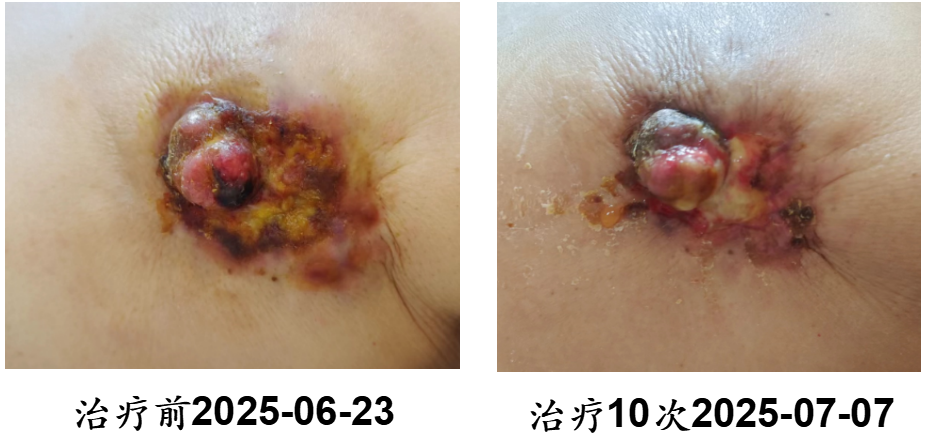
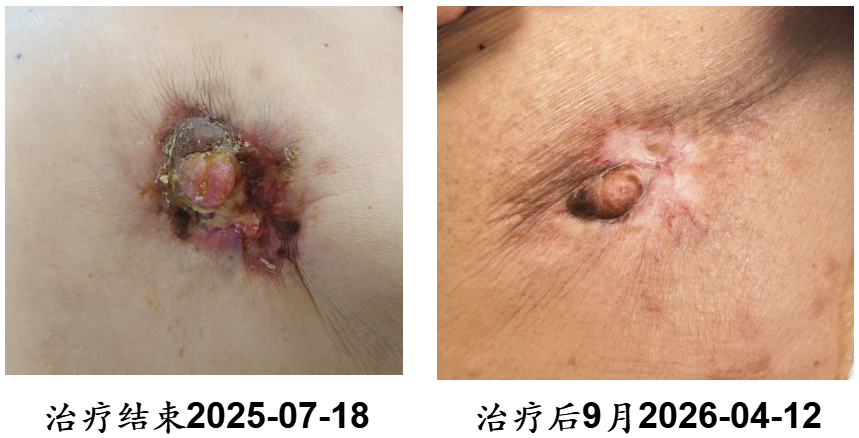
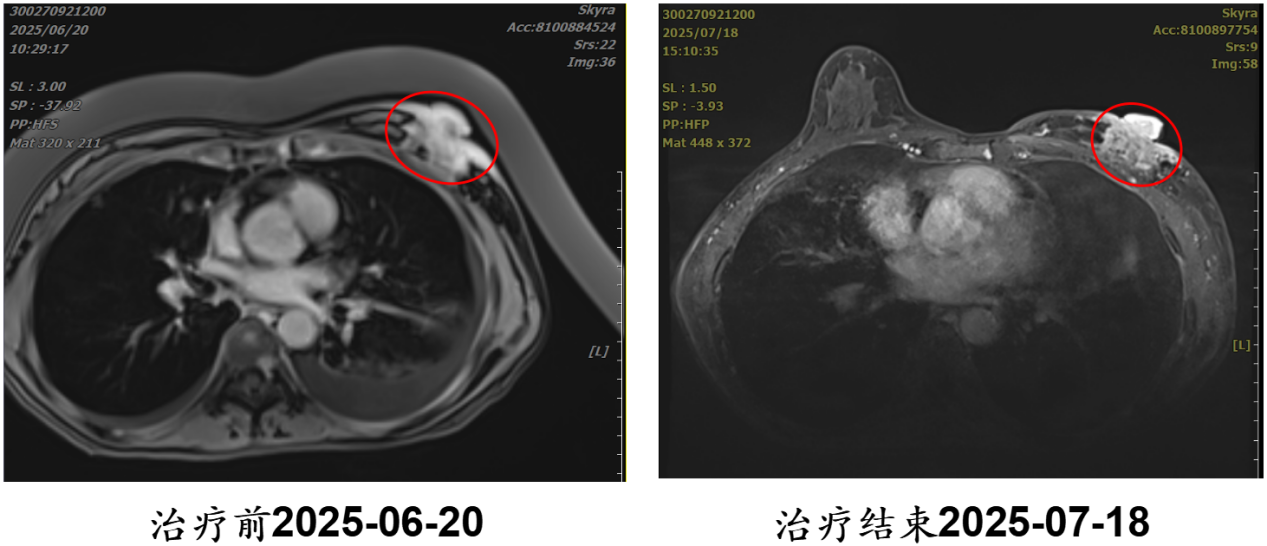
Comment: For locally advanced breast cancer with skin involvement, heavy (carbon) ion therapy can effectively control the local lesion.
Case provided by: Director Zhang Yihe
Department: Radiation Oncology Center Ⅰ(International Medical Department Ⅰ)
IV. Wuwei Heavy Ion Center: The "Hardcore" Strength of Domestic Heavy Ion Technology
Gansu Wuwei Heavy Ion Center is equipped with China’s first medical heavy ion accelerator with complete independent intellectual property rights, developed by the Institute of Modern Physics, Chinese Academy of Sciences.
- Number of patients treated: Over 2,800 as of March 15, 2026
- Types of tumors: More than 100 types, covering the head and neck, thorax, abdomen, pelvis, limbs, and superficial sites
- National recognition: On February 23, 2026, CCTV13's Morning News aired a special report titled Accelerating the Application of Frontier Technologies to Bring Major National Assets to the People. Professor Yang Jiancheng, Deputy Director of the Institute of Modern Physics, provided a detailed overview of the facility's operation.
Writers: Chen Xuelian, Li Pengqing (Cancer Registry and Follow-up Office)
Reviewed by: Zhang Yanshan (Vice President)
Date: April 16, 2026