Gansu's First α‑Radionuclide Cancer Therapy Coming Soon A New Breakthrough at Gansu Cancer Hospital
Gansu's First α‑Radionuclide Cancer Therapy Coming Soon – A New Breakthrough at Gansu Cancer Hospital
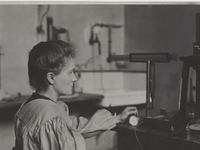
From Marie Curie's discovery of radium, which opened the century‑long exploration of nuclear medicine, to today's precision radionuclide drugs becoming a core weapon in the fight against advanced tumors, nuclear medical technology continues to evolve, bringing hope of survival to patients with challenging malignancies. Recently, the Department of Nuclear Medicine at Gansu Wuwei Cancer Hospital is completing its final approval procedures, becoming the first medical institution in Gansu Province – and a leader in Northwest China – qualified for clinical application of radium [²²³Ra]. This will enable routine α‑radionuclide targeted therapy for bone metastases in castration‑resistant prostate cancer, filling a technological gap in the Northwest region and marking a significant step forward in the comprehensive precision diagnosis and treatment capabilities of our hospital's nuclear medicine department.
A Century of Radium Legacy – Tracing the Development of Nuclear Therapy
In 1898, the Curies successfully isolated radium, laying the scientific foundation for the application of radioactive elements in disease treatment. After more than a century of research, technological innovation, and clinical refinement, radium [²²³Ra] chloride injection emerged as the world's first approved α‑radionuclide targeted therapy drug, specifically developed for patients with advanced prostate cancer and bone metastases. It overcomes the limitations of conventional radiotherapy and chemotherapy, opening a new therapeutic pathway for patients with end‑stage tumors.
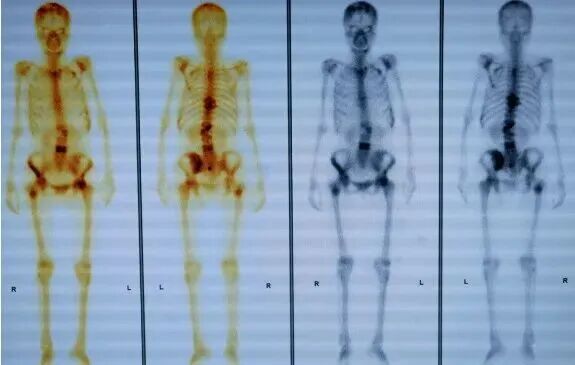
Advanced prostate cancer is highly prone to bone metastases, which often lead to persistent bone pain, pathological fractures, spinal cord compression, and other serious complications, significantly reducing patients' quality of life and shortening survival. Radium [²²³Ra], with its unique bone‑targeting properties, has become a core diagnostic and therapeutic tool against bone metastatic lesions.
Precision Targeting – Directly Striking the Lesion
Radium [²²³Ra] acts like an anti‑cancer weapon equipped with its own "biological navigation." It mimics the body's calcium ion metabolism mechanism, actively binding to hydroxyapatite in bone, and precisely accumulates in areas of bone metastases throughout the body. By emitting high‑energy alpha particles with an ultra‑short range of approximately 100 microns, it delivers localized lethal doses to tumor cells, precisely targeting lesions and efficiently eliminating cancer cells, while maximally sparing damage to surrounding normal tissues and bone marrow. This achieves precise targeting, minimally invasive safety, and highly effective anti‑cancer action.
Compared with conventional treatment modalities, radium [²²³Ra] therapy offers distinct advantages:
1. Precise targeting: Automatically targets bone metastatic lesions throughout the body with high accuracy and specificity, avoiding blind treatment.
2. Safe and minimally invasive: Alpha particles have extremely weak penetrating power, making radiation effects controllable. They cause minimal damage to normal organs and offer better tolerability.
Domestically Empowered – Benefiting the People of Northwest China
For a long time, radium [²²³Ra] drugs have been highly dependent on imports, with high costs and limited supply. Many patients in Northwest China have been unable to access this advanced therapy due to financial and geographical constraints. Leveraging the national strategic layout for independent innovation in nuclear medicine, the radioactive drug production base of the Institute of Modern Physics, Chinese Academy of Sciences (Lanzhou New Area), has been established, enabling large‑scale domestic production of radium [²²³Ra] and breaking the import monopoly.
Our hospital will deepen industry‑university‑research collaboration with the Institute of Modern Physics, actively carry out clinical application and research on domestically produced radium [²²³Ra], and accelerate the adoption and dissemination of high‑end, "intelligently manufactured in China" radionuclide drugs. By taking advantage of our regional location, we aim to serve the Hexi Corridor and surrounding areas of Northwest China, bringing high‑quality, affordable, and accessible precision radionuclide therapy to more cancer patients.
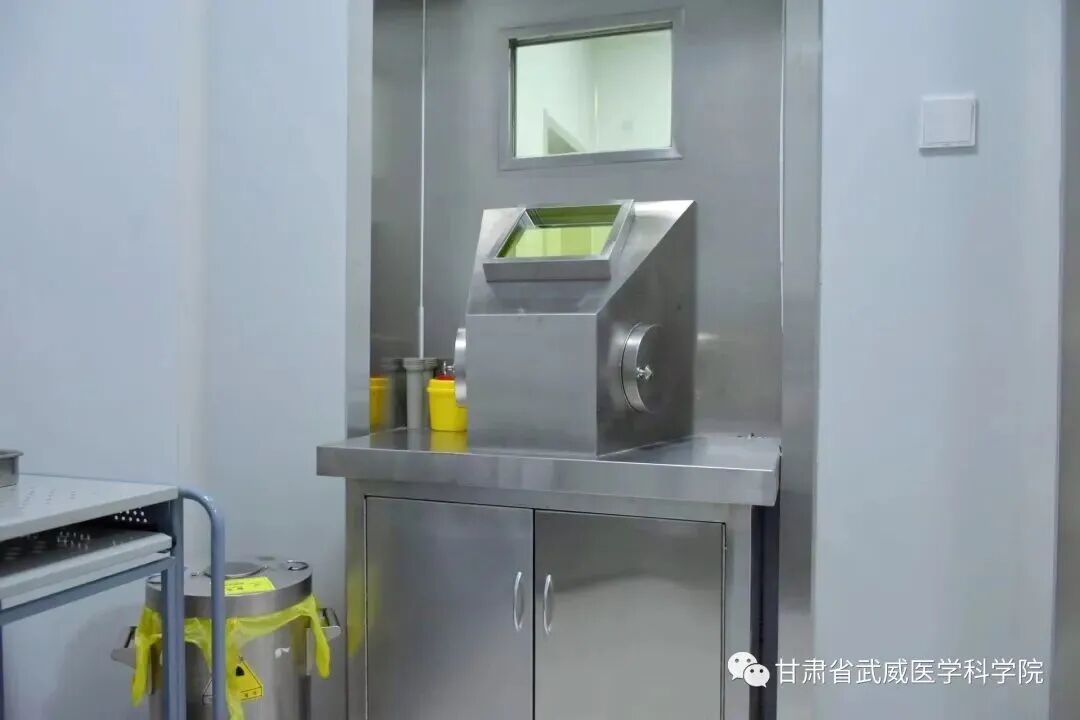
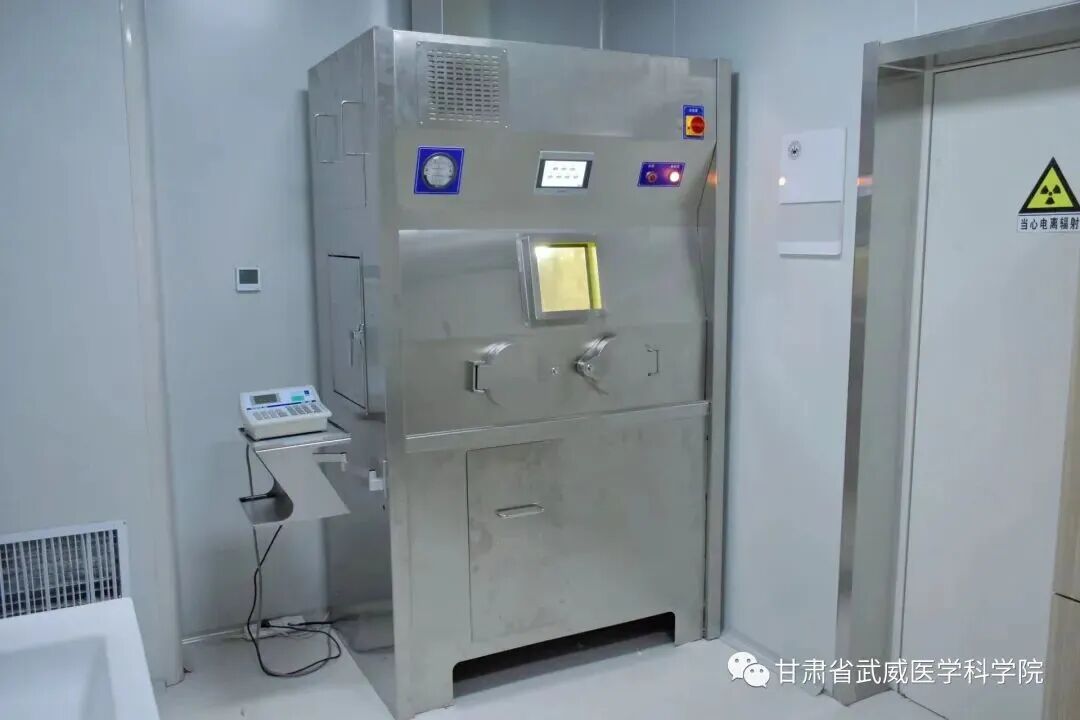
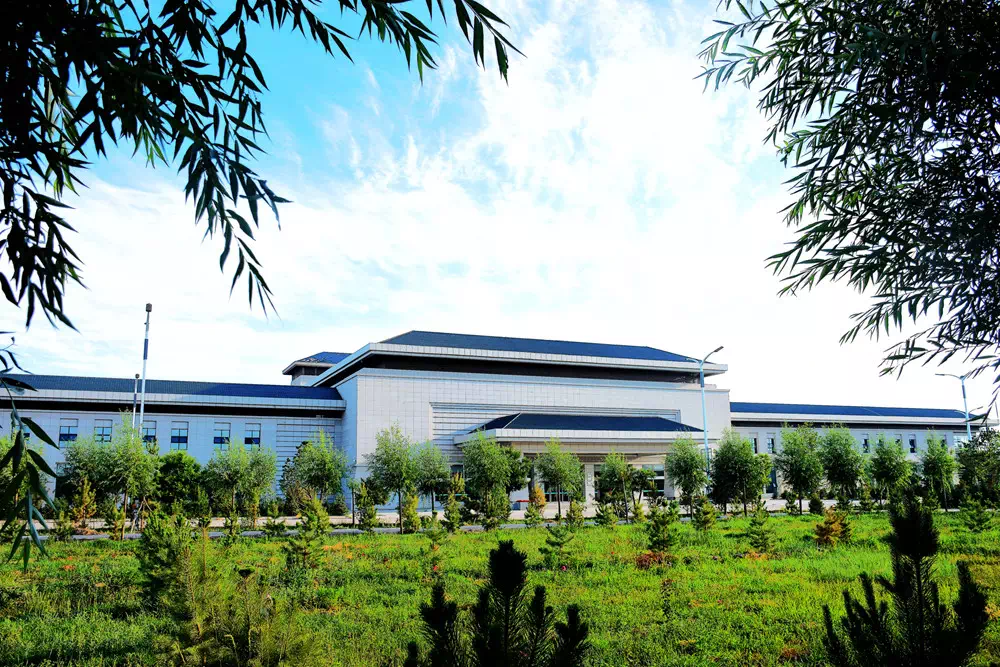
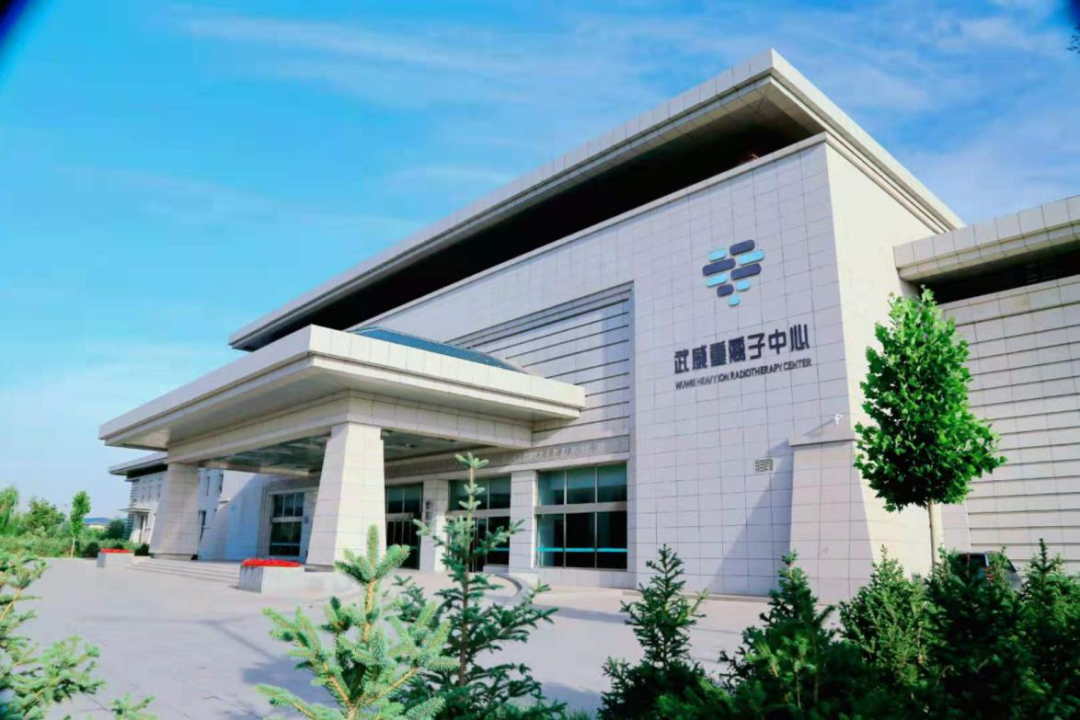
As the birthplace and clinical demonstration base of domestically produced heavy ion technology, the Wuwei Heavy Ion Center has been deeply engaged in advanced tumor radiotherapy, with multiple core technologies reaching internationally advanced levels. Our hospital's Department of Nuclear Medicine is equipped with standardized clinical spaces, a comprehensive radiopharmaceutical preparation platform, a professional medical and nursing team, and a full‑process quality control system. We routinely carry out a range of established specialized nuclear medicine diagnostic and treatment services, including iodine [¹²⁵I] seed implantation and strontium [⁸⁹Sr] targeted therapy for bone metastases, with a well‑developed technical system and broad clinical application. These capabilities enable us to provide precise, minimally invasive, safe, and effective individualized comprehensive treatment plans for cancer patients.
The successful acquisition of radium [²²³Ra] therapy qualifications represents another milestone breakthrough for our hospital in the field of nuclear medicine, following heavy ion therapy. In the future, the hospital will continue to integrate its advantageous resources in heavy ion radiotherapy, precision radionuclide therapy, and comprehensive cancer care, improving the full‑cycle, integrated cancer prevention and treatment system. With cutting‑edge technology and solid strength, we are committed to protecting the health of the regional population and supporting the high‑quality development of cancer diagnosis and treatment in Northwest China.


Written by: Guo Yishan
First review: Zhang Jie
Second review: Guo Yishan
Third review: Cai Qinghua
Gansu Wuwei Cancer Hospital (Wuwei Institute of Medical Sciences)
(甘)医广【2025】第11-14-387号