Summary of Clinical Practice in Heavy Ion Therapy for Gastric Cancer
Summary of Clinical Practice in Heavy Ion Therapy for Gastric Cancer
The Wuwei Heavy Ion Center is equipped with China's first heavy ion treatment system possessing complete independent intellectual property rights. Since the first patient received heavy (carbon) ion therapy in November 2018, as of March 15, 2026, the center has treated over 2,800 patients, covering more than 100 tumor types, including 15 cases of gastric cancer. These cases are summarized below.
I. Treatment Options for Gastric Cancer: What Do the Guidelines Say?
Gastric cancer has an insidious onset with no obvious early symptoms, and most patients are already at an intermediate or advanced stage by the time of diagnosis, making treatment challenging. Faced with gastric cancer, patients and their families are often confused: what is the right choice? Surgery, chemotherapy, targeted therapy... or heavy ion therapy?
According to the 2025 NCCN Clinical Practice Guidelines for Gastric Cancer and the CSCO Guidelines for the Diagnosis and Treatment of Gastric Cancer, the treatment of gastric cancer is highly dependent on stage, molecular subtype, and the patient's general condition.
1. Early gastric cancer (T1a/T1b, N0)
Treatment gold standard: Endoscopic resection (EMR/ESD) or curative surgery (D1/D2 lymph node dissection).
Post‑surgery: Generally no adjuvant treatment required.
2. Locally advanced gastric cancer (T2-T4, any N, M0)
Standard treatment: D2 curative surgery + perioperative chemotherapy (e.g., FLOT regimen) or postoperative adjuvant chemotherapy (e.g., capecitabine + oxaliplatin).
For patients who cannot undergo surgery: concurrent chemoradiotherapy (conventional photon radiotherapy combined with fluoropyrimidine‑based chemotherapy) may serve as an alternative.
3. Advanced/Metastatic Gastric Cancer (Stage Ⅳ)
First‑line treatment: Primarily systemic therapy, including chemotherapy (e.g., XELOX, SOX), anti‑HER2 targeted therapy (trastuzumab), and immunotherapy (PD‑1 inhibitors, such as nivolumab). Local therapy plays a limited role and is used only for palliative symptom control such as bleeding, obstruction, or pain.
4. Status of Conventional Radiotherapy
The application of conventional photon radiotherapy in gastric cancer is relatively limited because the surrounding radiosensitive organs (liver, kidneys, spinal cord, small intestine) have low tolerance doses, making it difficult to deliver curative doses. It is typically used only for postoperative local recurrence, unresectable locally advanced disease, or palliative hemostasis.
Summary: For resectable gastric cancer, surgery plus systemic therapy is the absolute mainstream approach. For advanced gastric cancer, systemic therapy is the mainstay, with local therapy playing only an adjunctive role.
II. Heavy Ion Therapy: A Promising Option for Localized Precise Treatment
Heavy (carbon) ion beams have unique physical (Bragg peak) and biological (high relative biological effectiveness) advantages, enabling more precise tumor irradiation while reducing damage to surrounding normal tissues. In recent years, the Wuwei Heavy Ion Center has used China's first heavy ion therapy system with independent intellectual property rights to conduct exploratory treatments for gastric cancer, offering new options for some patients who are not suitable for or unwilling to receive conventional treatment.
Note: Heavy ion therapy is currently not a standard treatment for gastric cancer and is not recommended as an alternative to resectable gastric cancer surgery. However, encouraging real‑world data exist for certain specific, difficult‑to‑treat patient populations.
Overview of Gastric Cancer Treatment Data at Wuwei Center
Treatment period: November 2018 – March 2026
Total patients treated: 2,800
Gastric cancer cases: 15 (of which stage III/IV accounted for 66.7%)
Median survival: 14 months (95% CI: 10–17 months)
1‑year survival rate: 50.5%
3‑year and above survival rate: Approximately 25.3%
Grade ≥3 severe adverse reactions: Rare
Note: The above data are from a small retrospective sample and require further validation through prospective studies.
III. Which gastric cancer patients can consider heavy ion therapy?
With full informed consent, the following situations may warrant consultation with a specialized heavy ion center for evaluation:
✅ Locally advanced, unresectable, or patients who decline surgery (e.g., T4b with invasion of adjacent organs but no extensive peritoneal metastasis)
✅ Postoperative local recurrence or residual disease not amenable to repeat surgery
✅ Gastric cancer with oligometastases (e.g., liver, lung, single or few lymph node metastases; ≤5 metastatic lesions)
✅ Elderly, frail patients unable to tolerate chemotherapy/surgery
✅ Rare pathological types (e.g., sarcomatoid carcinoma) unresponsive to conventional treatment
❌ Not recommended: Diffuse peritoneal metastasis, extensive bone marrow metastasis, severe cachexia (PS score ≥3)
IV. Why can heavy ions combat gastric cancer?
1. Physical advantage – "precise blasting" via the Bragg peak: Heavy ion beams release minimal energy before reaching the target lesion, forming a sharp Bragg peak at the lesion site to achieve "stereotactic blast" precision. This enables accurate killing of gastric tumors while maximizing protection of surrounding normal organs near the stomach.
2. Biological advantage – "armor-piercing" effect with high RBE: The relative biological effectiveness (RBE) of heavy ions is 2–5 times that of conventional photons. Heavy ions directly induce double-strand breaks in tumor cell DNA and remain effective against hypoxic cells and radioresistant cells, making them particularly suitable for countering the hypoxic characteristics of gastric cancer.
3. Spatial advantage – regional control: Heavy ion therapy can cover the gastric tumor, regional lymph nodes, and oligometastatic lesions (e.g., liver, retroperitoneal lymph nodes) in a single session, achieving "regional clearance" and reducing the risk of recurrence at multiple sites.
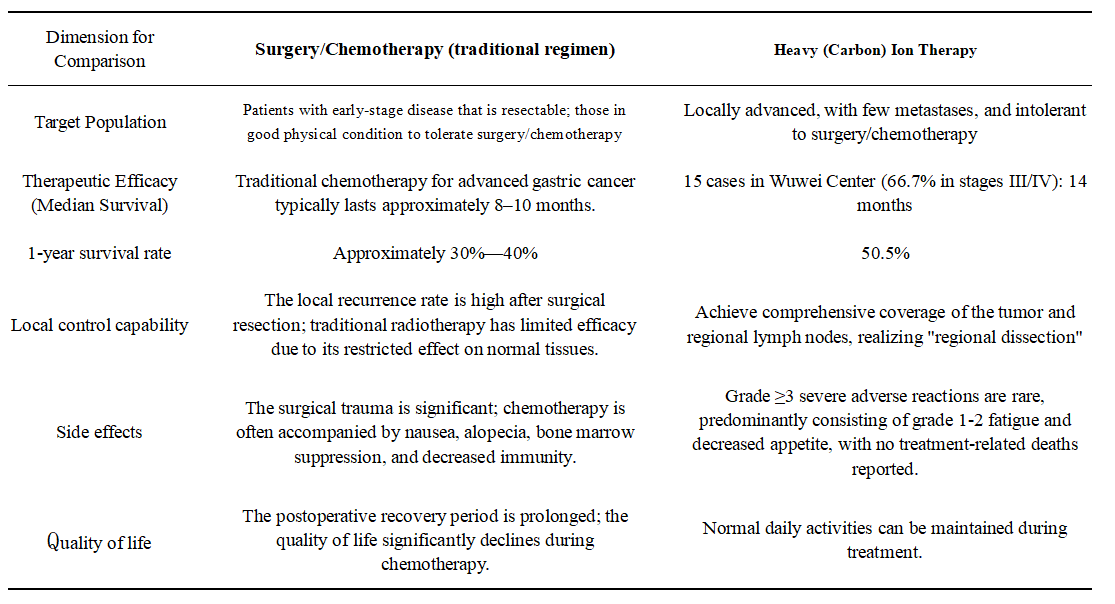
V. Conventional Treatment vs. Heavy Ion Therapy
VI. Core Data of Heavy Ion Therapy for Gastric Cancer in Wuwei:
For the 15 patients with gastric cancer, the follow‑up period ranged from 0 to 60 months. Survival analysis was performed using the Kaplan‑Meier method. The median survival time was 14 months (95% CI: 10–17 months). The cumulative survival probability at 3 months post‑treatment was 1. The cumulative survival probabilities at 12, 24, 36, 48, and 60 months post‑treatment were 0.5051, 0.2525, 0.2525, 0.2525, and 0.2525, respectively. (See Table 1, Figure 1)
Table 1 Cumulative Survival Probability of Gastric Cancer (%)
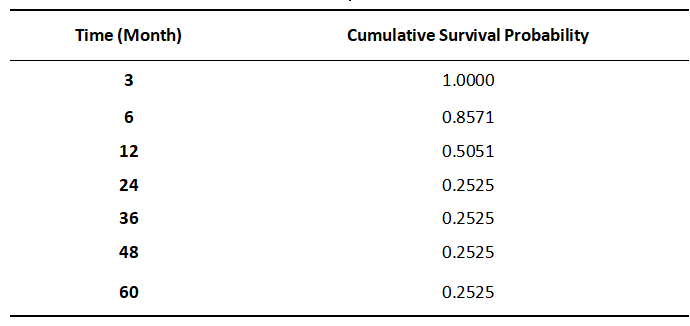
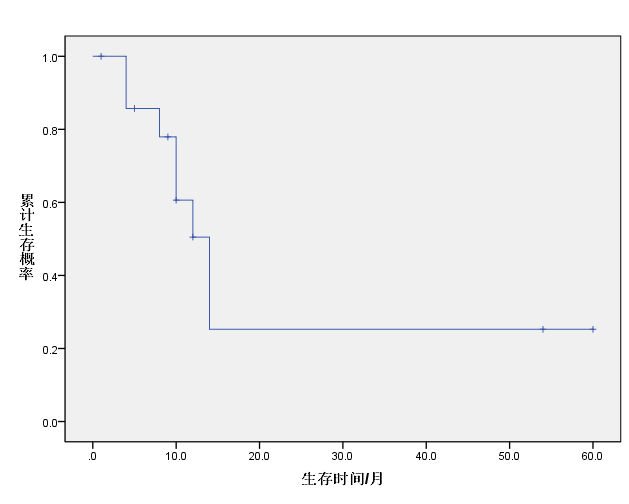
Figure 1. Survival curve of gastric cancer patients after heavy (carbon) ion therapy (0–60 months)
Core conclusion: For gastric cancer patients with predominantly locally advanced and metastatic disease (stage III/IV accounting for two‑thirds of cases), heavy ion therapy achieved a median survival of 14 months and a 1‑year survival rate exceeding 50%, which is significantly better than historical data for conventional treatment.
VII. Typical Cases:
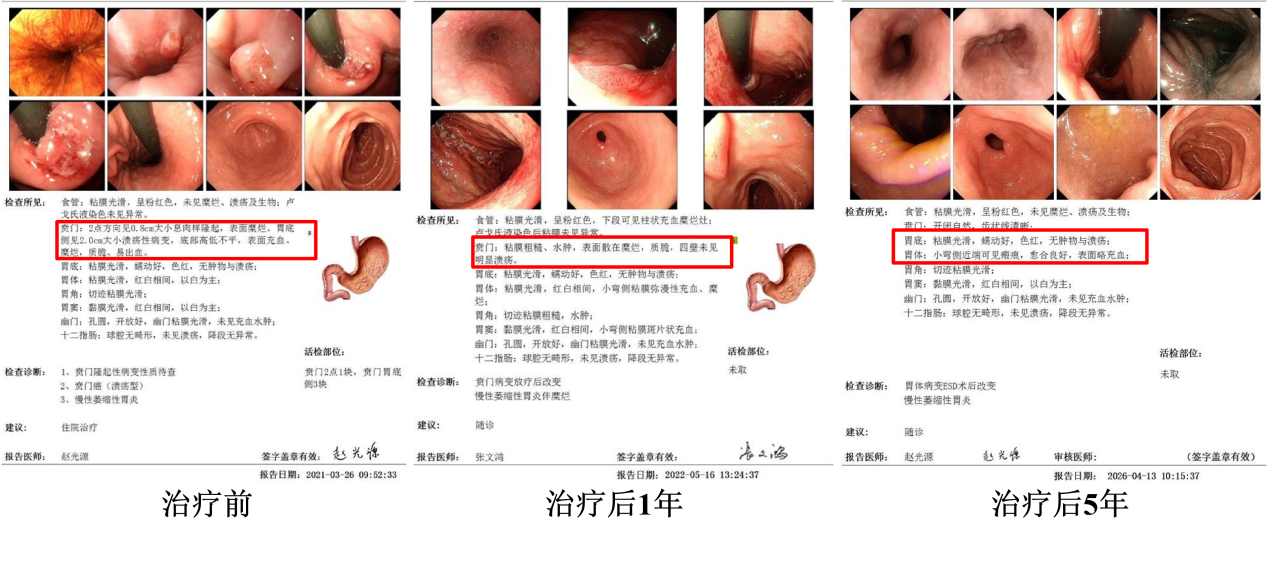
Case 1: Mr. Yang, male, 57 years old, diagnosed with cardia‑gastric fundus malignancy, moderately differentiated adenocarcinoma, cT2N0M0 stage I.
In March 2021, the patient underwent gastroscopy due to upper abdominal distension and pain, and was diagnosed with moderately differentiated adenocarcinoma of the cardia and gastric fundus. He presented to the Wuwei Heavy Ion Center and received heavy ion radiotherapy in April 2021. The patient experienced no discomfort throughout the treatment. Now, five years post‑treatment, the original cardia‑gastric fundus lesion has not recurred. He eats normally and continues to work and live a normal life.

Case provided by: Dr. Pan Xin
Department: Radiation Oncology Center Ⅰ(International Medical Department Ⅰ)
Heavy ion therapy achieved local curative effect for this primary stage I cardia cancer, with no local recurrence at five years. This suggests that heavy ion therapy is also effective for early‑stage gastric cancer, while avoiding surgical trauma and complications such as gastroesophageal reflux and obstruction. The patient remains recurrence‑free five years after treatment, is able to work and live normally, and enjoys a high quality of life.
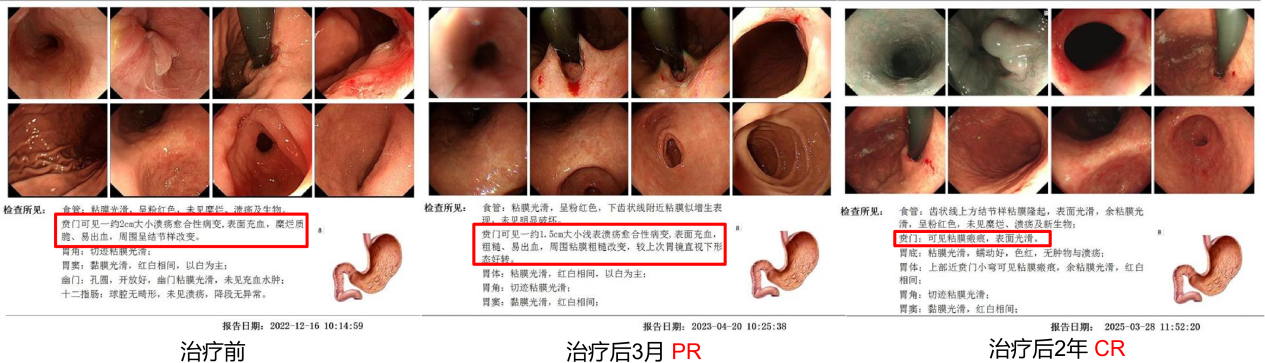
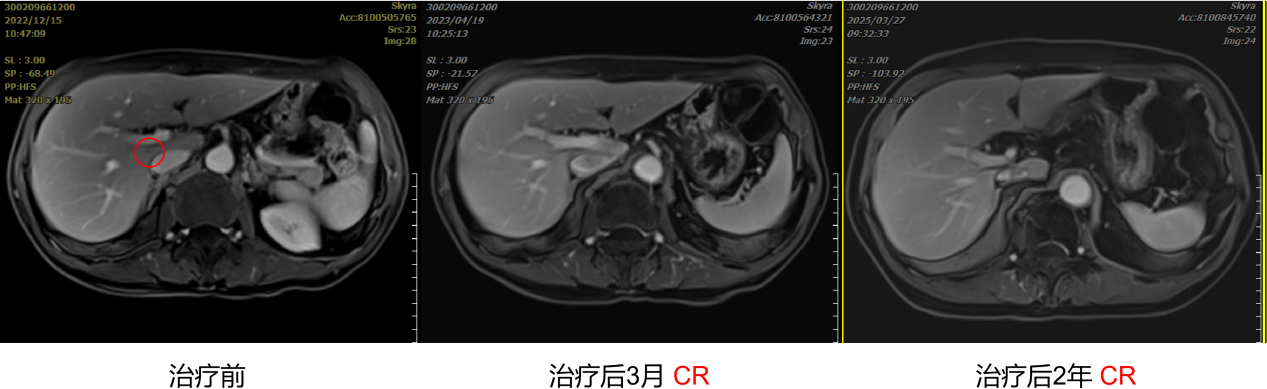
Case 2: Mr. Gao, male, 64 years old. Diagnosed with cardia malignancy, adenocarcinoma, secondary malignant liver neoplasm, cT2N1M1 stage IVB.
In September 2022, the patient underwent gastroscopy in Qingdao due to dysphagia, which revealed cardia adenocarcinoma with liver metastases. After multiple cycles of systemic therapy, the tumors showed no significant reduction. He then presented to our hospital and received heavy ion radiotherapy targeting the cardia tumor and liver metastases in December 2022. Three months after treatment, the liver metastases completely disappeared. Nine months after treatment, the cardia lesion completely disappeared. The patient experienced no significant discomfort throughout the treatment course. Now, 40 months after treatment, the patient has no symptoms and enjoys a good quality of life.
Case provided by: Dr. Ma Tong
Department: Radiation Oncology Center Ⅰ(International Medical Department Ⅰ)
For advanced gastric cancer with oligometastatic liver disease, heavy ion therapy delivered synchronously to both the primary lesion and the metastatic lesions achieved a complete radiographic response (CR), with durable remission lasting over 40 months, placing the patient among long‑term survivors. This suggests that for oligometastatic gastric cancer, heavy ion therapy can achieve a "curative" effect.
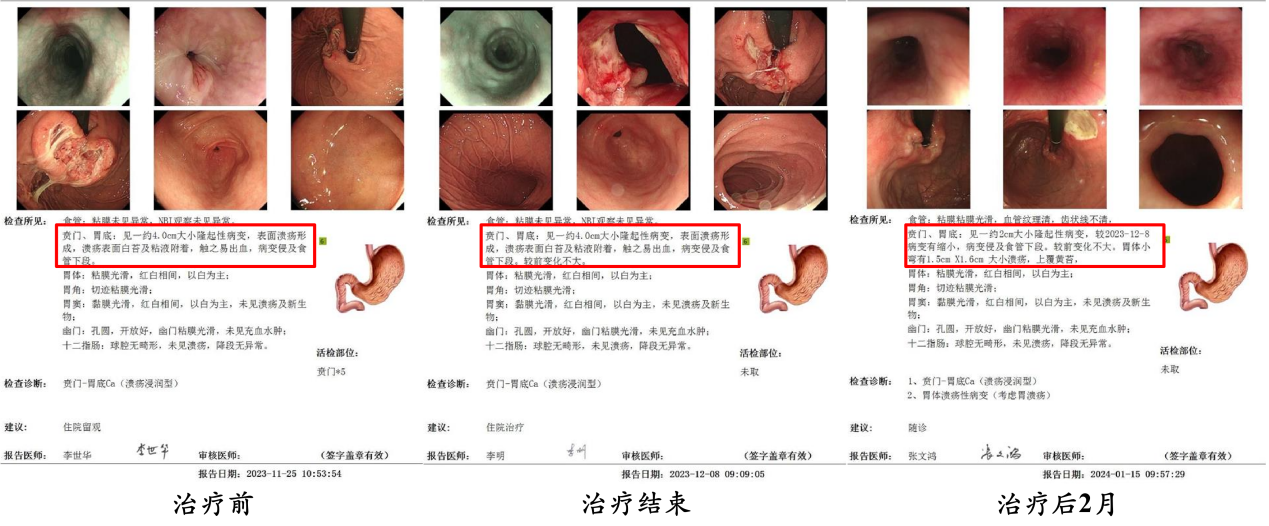
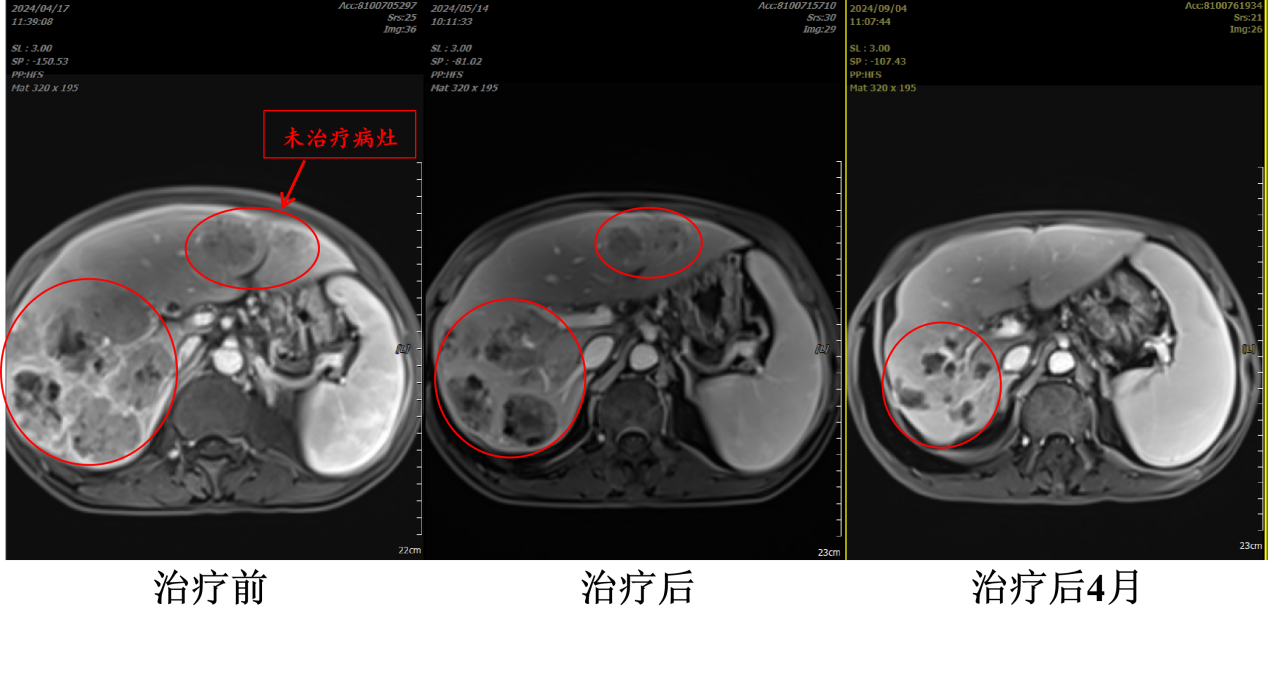
Case 3: Mr. Li, male, 66 years old. Diagnosis: cardia‑gastric fundus malignancy, moderately to poorly differentiated adenocarcinoma, secondary malignant liver neoplasm, cT4N1M1 stage IV.
In February 2023, the patient underwent gastroscopy due to difficulty eating, which revealed a T4 moderately to poorly differentiated adenocarcinoma of the cardia‑gastric body. After receiving five cycles of chemotherapy, he presented to our hospital and underwent heavy ion radiotherapy targeting the gastric lesion and liver metastases in November 2023. Following radiotherapy, the patient's general condition improved. In April 2024, the patient developed new liver metastases and returned to our hospital for heavy ion radiotherapy targeting the new liver lesions.
Case provided by: Dr. Ma Tong
Department: Radiation Oncology Center Ⅰ(International Medical Department Ⅰ)
After the first course of heavy ion therapy, the primary lesion and liver metastases were controlled, and the patient's general condition improved. However, new liver metastases (not recurrence of the original metastases) appeared four months later, suggesting the presence of undetected micrometastases. For new oligometastatic lesions, repeat heavy ion therapy is a safe and effective option, avoiding the toxicities of systemic chemotherapy. This demonstrates the characteristic that heavy ions can be used "repeatedly" to treat lesions at different sites.
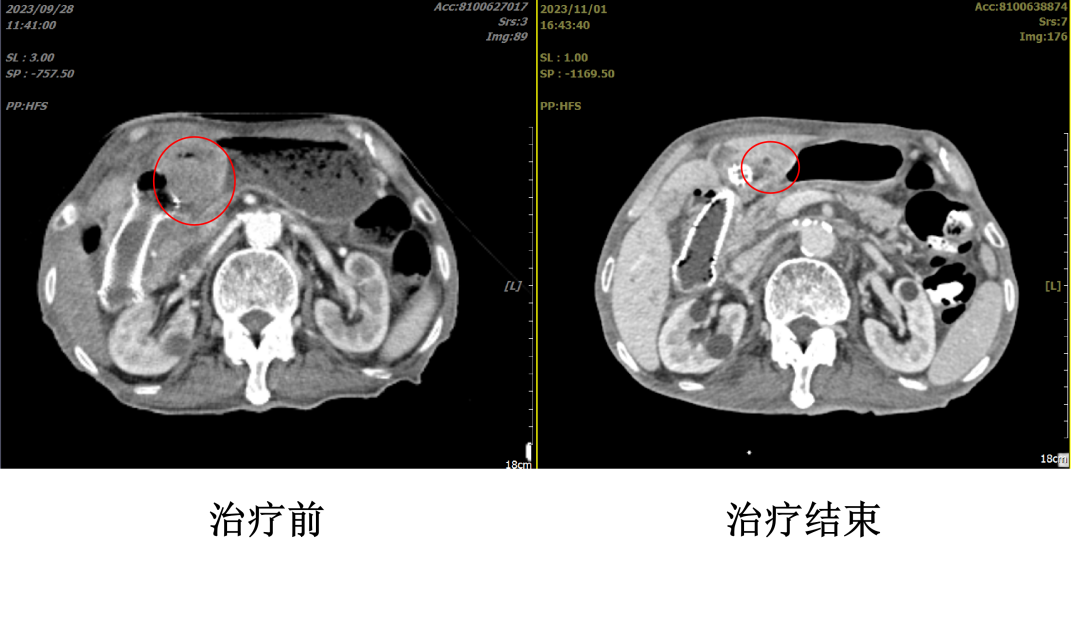
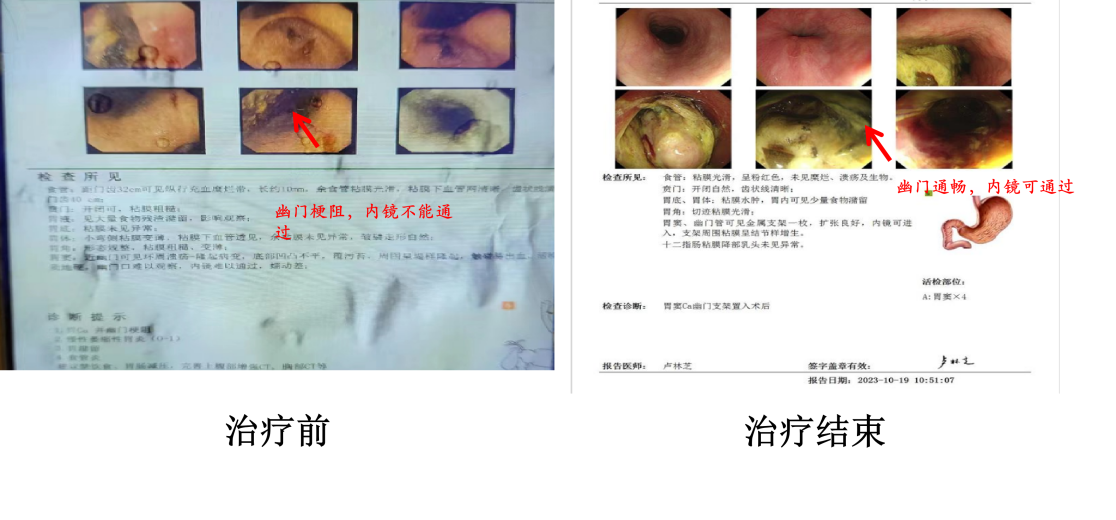
Case 4: Mr. Yang, male, 88 years old. Diagnosis: gastric antrum malignancy, moderately to poorly differentiated adenocarcinoma/sarcomatoid carcinoma, T4bN0M0 stage IVA.
In July 2023, the patient underwent diagnostic workup due to postprandial hiccups and abdominal distension, which confirmed moderately to poorly differentiated adenocarcinoma of the gastric antrum. He received pyloric stent placement. In September 2023, he presented to our hospital. Upon admission, repeat gastroscopy and biopsy revealed sarcomatoid carcinoma. He underwent heavy ion therapy targeting the gastric antrum lesion. The patient completed treatment successfully and experienced significant improvement in quality of life following therapy.
Case provided by: Dr. Pan Xin
Department: Radiation Oncology Center Ⅰ(International Medical Department Ⅰ)
For elderly patients with poor general condition who have a rare, aggressive, locally advanced sarcomatoid carcinoma that is insensitive to conventional radiotherapy and chemotherapy, heavy ion therapy offers a safe, effective, and non‑invasive treatment option, significantly improving the patient's symptoms and quality of life.
Case 5: Mr. Han, male, 73 years old. Gastric malignancy; adenocarcinoma; stage IV.
In February 2023, the patient was found to have multiple liver space‑occupying lesions during a physical examination. Further workup confirmed moderately differentiated adenocarcinoma of the gastric body with multiple liver metastases. Because surgery was not indicated and the patient declined chemotherapy, he underwent heavy ion therapy targeting the gastric tumor and liver metastases at our hospital on March 22, 2023. The patient experienced no significant discomfort during treatment. After therapy, all liver metastatic lesions shrank significantly, and his eventual survival reached 15 months.
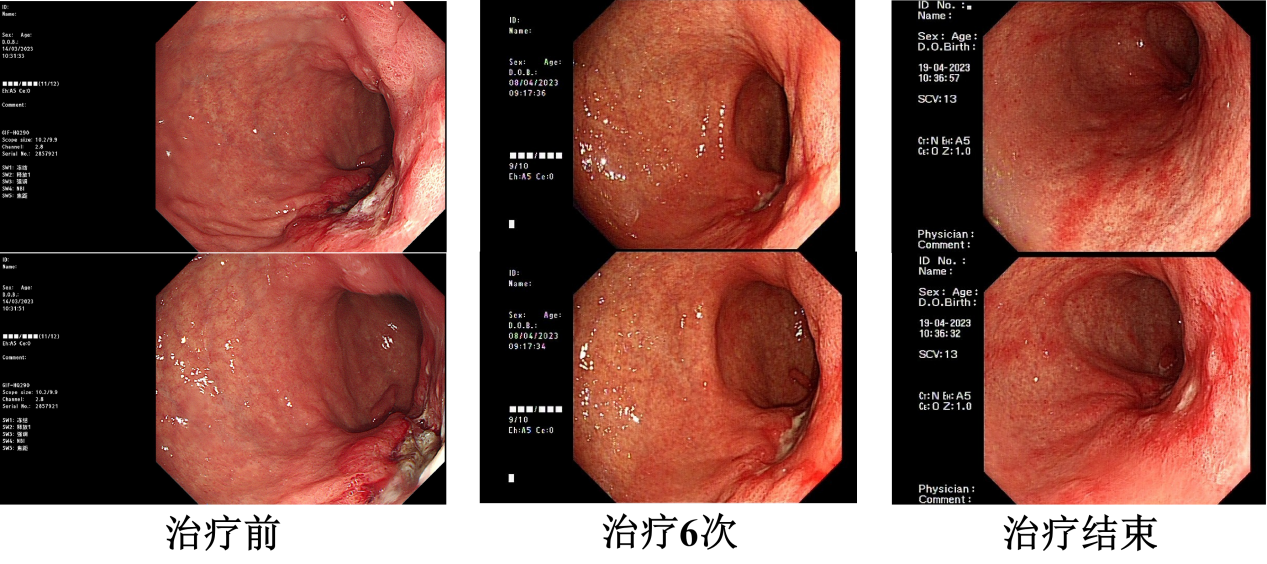
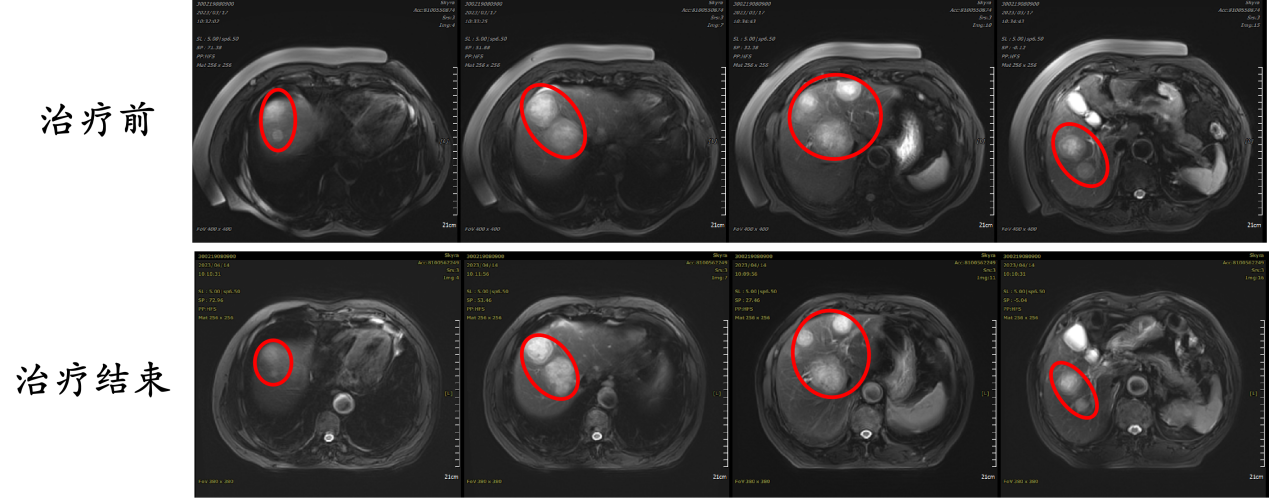
For this patient with extremely advanced disease and no surgical indication who declined chemotherapy, heavy ion therapy resulted in only grade 1–2 gastrointestinal reactions, with no severe bone marrow suppression or impairment of liver or kidney function. Follow‑up imaging showed that both the primary tumor and metastatic lesions were well controlled. The patient maintained a high quality of life, achieving dignified survival with the disease.
Case provided by: Dr. Yang Yuling
Department: Radiation Oncology Center Ⅰ(International Medical Department Ⅰ)
VIII. Center Introduction
The Wuwei Heavy Ion Center is the clinical application base for China's first heavy ion (carbon ion) treatment system with complete independent intellectual property rights. The system is technically supported by the Institute of Modern Physics, Chinese Academy of Sciences, and clinically operated by Gansu Wuwei Cancer Hospital. The center officially began treating tumors in November 2018. To date, it has treated over 2,800 patients, covering more than 100 tumor types, including lung cancer, pancreatic cancer, liver cancer, glioblastoma, nasopharyngeal carcinoma, rectal cancer, and various sarcomas. As the only medical institution in the world operating two heavy ion (carbon ion) treatment systems simultaneously, the center has achieved nine "world‑first" innovations in technology: pioneering precise radiotherapy under ventilator control; bladder cancer treatment with accurate bladder capacity management; single‑fraction radiotherapy using surgically implanted spacers between organs and tumors; developing the world's first 360° rotatable and liftable ion radiotherapy chair; performing the world's first heavy ion (carbon ion) treatments for cardiac tumors; and pioneering dual‑Bragg‑peak lattice radiotherapy with heavy ions, among others. Leveraging 30 research platforms including the CAS Key Laboratory of Heavy Ion Radiation Biology and Biomedicine and the Sydney University Biomedical Data Analysis and Visualization Laboratory, the center has conducted over 30 clinical studies on major tumor types. To date, the center has published nine monographs, including the Standard Operating Procedure for Carbon Ion Radiotherapy, establishing a comprehensive knowledge system covering physical technology, clinical diagnosis and treatment, and health management.
Writer: Yang Yuling (First Department of Radiotherapy Center)
Data Support: Chen Xuelian, Li Pengqing (Tumor Registration and Follow-up Office)
Reviewer: Zhang Yanshan (Vice President)
Date: May 20, 2026