Incredible: 56-Meter Circumference, Nanometer-Scale Range—Can It Really Destroy Cancer Cells?
Incredible: 56-Meter Circumference, Nanometer-Scale Range—Can It Really Destroy Cancer Cells?

Currently, China is in the midst of population aging, while cancer is increasingly affecting younger individuals.
Lung cancer ranks first in cancer incidence in China, striking fear into people's hearts.

1. How Close Is Lung Cancer to Us?
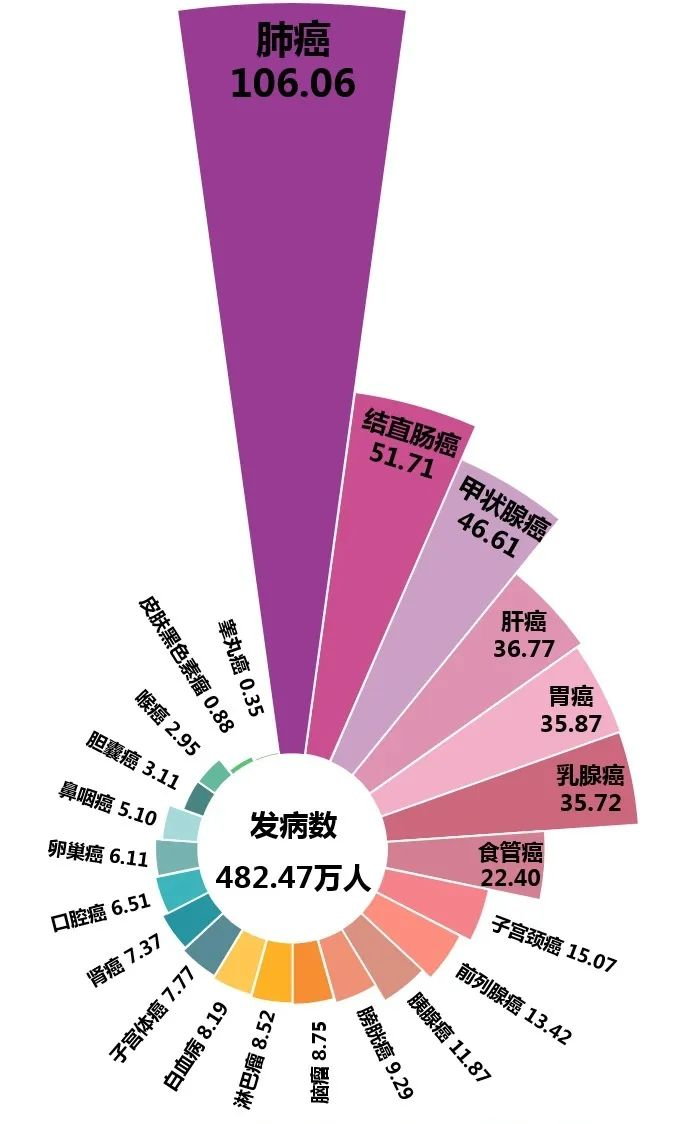
According to the 2024 China Cancer Report, lung cancer ranks first among malignant tumors, with a staggering total of 1.0606 million patients—far surpassing other cancers.
More alarming is the fact that China's overall 5-year survival rate for lung cancer patients is only 19.7%—a chilling statistic that underscores the urgent need for early detection and prevention.
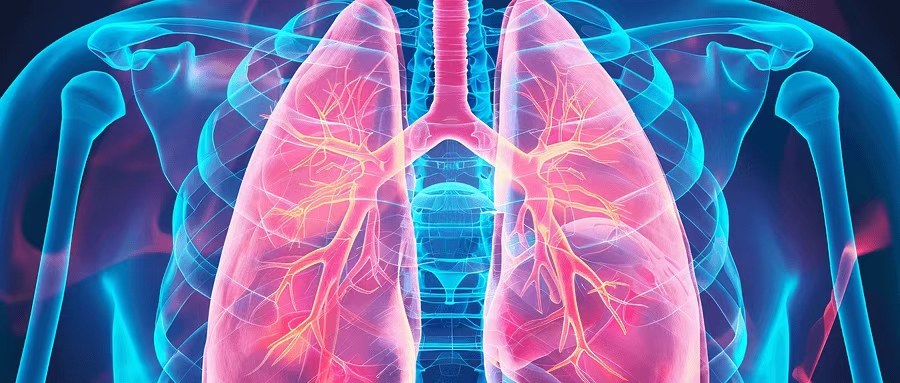
It is important to note that even non-smokers can develop lung cancer due to unavoidable exposure to harmful gases in daily life. Lung cancer is not a distant threat—it lurks silently around us at all times.
Take lung adenocarcinoma, for example, which accounts for 35%–40% of all lung cancer cases. It is most commonly seen in women, non-smokers, and former smokers, and carries an extremely high fatality rate. Faced with such an unprovoked disaster, bewildered patients musters their strength, desperately seeking medical help and clinging to any hope for survival.
The battle against cancer is often an arduous journey, fraught with challenges. Treatment typically involves a grueling combination of surgery, radiation therapy, and chemotherapy.
Some patients face advanced-stage cancer with widespread metastasis, rendering surgical removal of tumors impossible. Others endure multiple rounds of chemotherapy—while effectively killing cancer cells, the treatment also destroys healthy cells, leaving the body severely weakened. The outcome? A pyrrhic victory where both the disease and the patient suffer devastating losses.
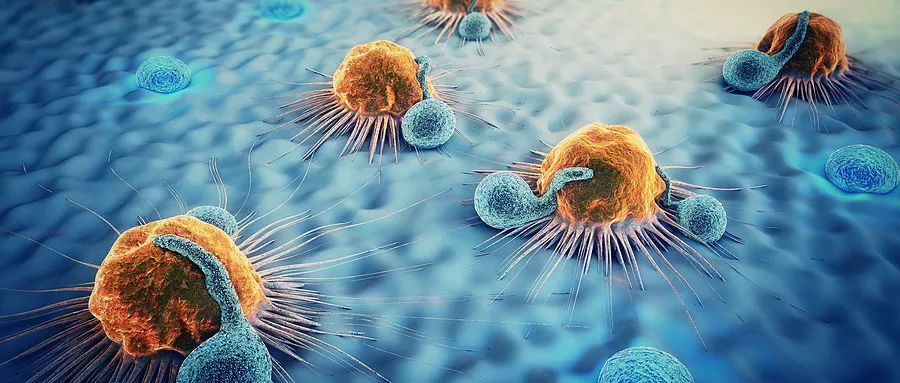
Some patients, after prolonged chemotherapy, develop drug resistance—rendering even the most potent medications ineffective and pushing them into a "medically hopeless" stage.
Take Ms. Liu, a lung adenocarcinoma patient, who now faces this very dilemma. Her increasingly fragile body can no longer withstand even the slightest physical strain.
Faced with such a deadlock, what options remain for her?
2.A Massive 6-Acre 'Giant' That Targets Cancer Cells with Light-Speed Precision?
Since her diagnosis, Ms. Liu has been a changed woman. Calling herself 'as steadfast as steel,' she clung to the belief that a solution would emerge... After countless medical journeys, she finally arrived in Wuwei, Gansu. There, a medical device hailed as a 'national treasure' deeply moved her, igniting a new spark of hope.

This state-of-the-art medical equipment is China's first domestically developed heavy ion accelerator for medical use, boasting complete independent intellectual property rights. With its massive frame, the core component - a synchrotron accelerator with a circumference of 56 meters - occupies a site area of over 6 acres. By leveraging the unique properties of heavy ions, this medical heavy ion accelerator can achieve 'precision-targeted blasting' of cancer cells, making it one of the internationally recognized advanced treatment methods.
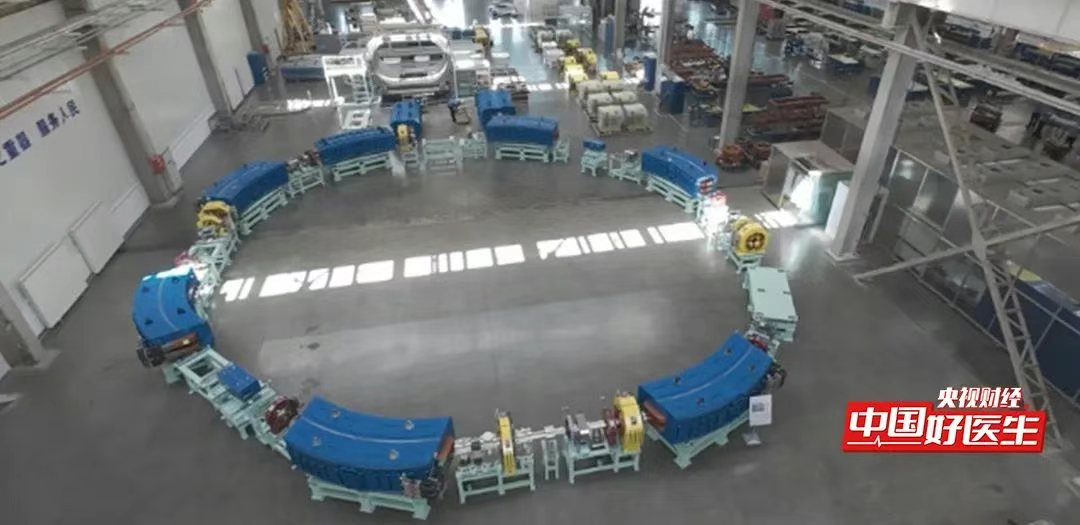
Heavy ions are particles much heavier than ordinary air molecules, such as carbon ions. In heavy ion therapy systems, these particles are accelerated to near-light speeds by a device called a "heavy ion accelerator" before being precisely targeted at tumor sites to destroy cancer cells.
During treatment, carbon ions cause minimal damage when passing through healthy tissues but release an intense burst of energy upon reaching the tumor, creating a characteristic energy peak known as the "Bragg peak." This process acts like a "stereotactic precision bombardment" against the tumor, delivering powerful radiation directly to the cancerous lesion. The high-energy impact prevents tumor cells from replicating their DNA, ultimately leading to their death and absorption by the body. This significantly reduces the risk of cancer recurrence, maximizing therapeutic efficacy.
Notably, heavy ion therapy is virtually painless, with no burning sensation. Patients may experience temporary skin inflammation or warmth when the beam passes through the skin or mucous membranes, but these side effects are easily managed with ointments or medication. Due to its exceptional precision and minimal irradiation area, the treatment produces far fewer side effects—avoiding the "kill 1,000 enemies but lose 800 of your own" dilemma that plagues conventional therapies. This makes it the optimal solution cancer patients have long hoped for.
Today, this groundbreaking technology has brought new hope to countless cancer patients. To date, China has successfully treated over 1,200 domestic and international cases, achieving excellent clinical outcomes.
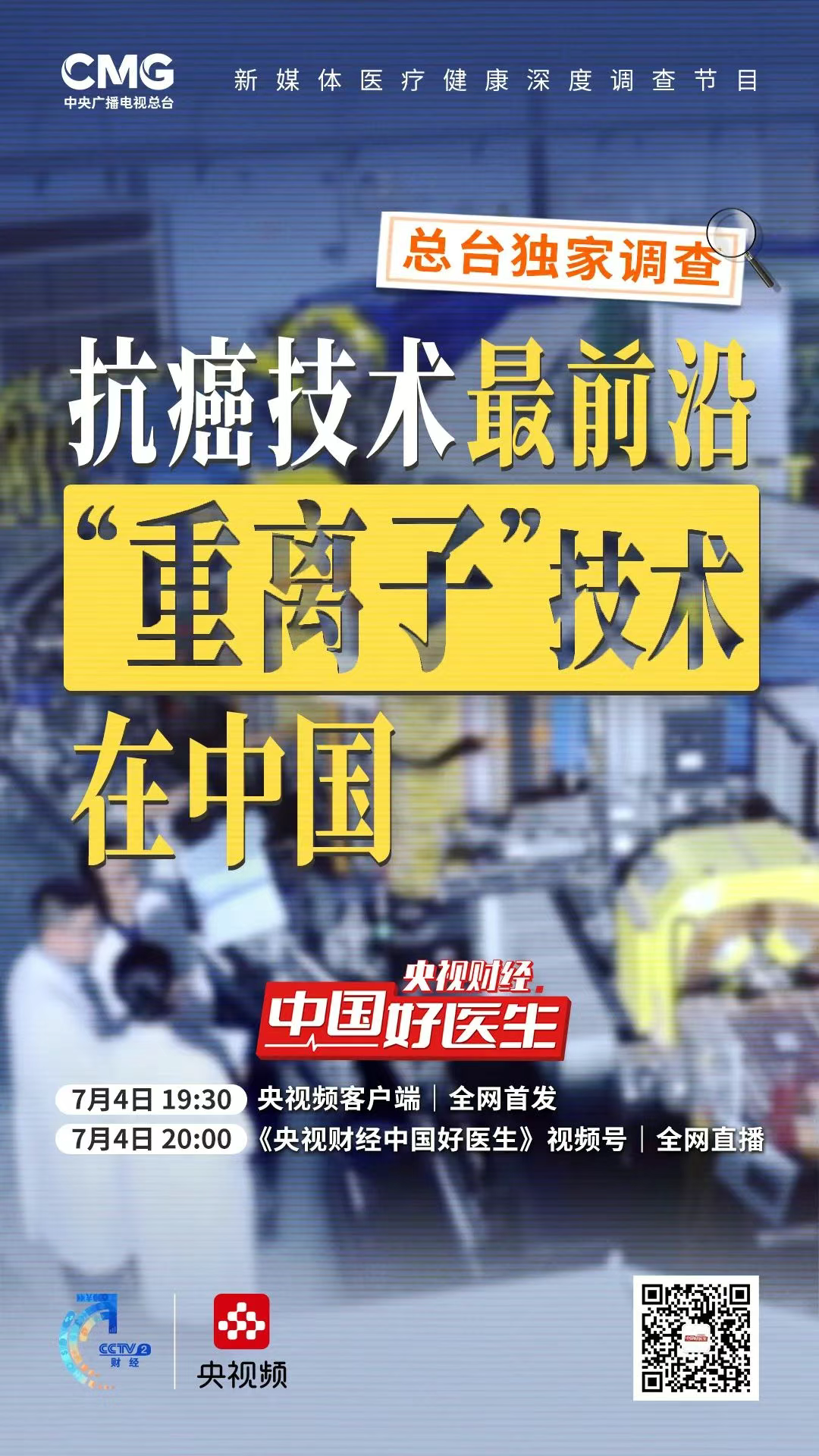
With such remarkable achievements, can heavy ion therapy precisely "blast" Ms. Liu's cancer cells while sparing her healthy tissues with minimal side effects?
The answer lies only in undergoing the treatment itself. For the future of her therapy, Ms. Liu gazes with boundless hope.
For lung cancer patients like Ms. Liu, could this innovative treatment rewrite their fates? How will this "national treasure" of medical technology help them reclaim their lives?
3. Comprehensive Overview of Heavy Ion Therapy
Heavy ion therapy demonstrates remarkable efficacy against tumor cells that are less responsive to conventional radiotherapy. Compared to traditional radiation treatments, heavy ion therapy offers shorter treatment courses, with radiation intensity reaching 2-3 times that of X-rays or proton beams. It has proven effective against cancers resistant to conventional X-rays—such as osteosarcoma and lung adenocarcinoma—while significantly reducing the risk of recurrence.
This advanced therapy boasts multiple advantages: minimal damage to healthy tissues, exceptional precision, pain-free treatment, fewer side effects, shorter treatment duration, and higher cure rates.