Intracranial Aneurysm: A Silent Threat - Endovascular Embolization Ensures Safety
Neurosurgery Intervention Part II | Treatment of Intracranial Aneurysm
On April 30, 2024, the Neuroscience Medical Center of our hospital successfully performed a Pipeline Flex flow diverter implantation for a giant internal carotid artery aneurysm. The patient recovered well and was discharged smoothly.
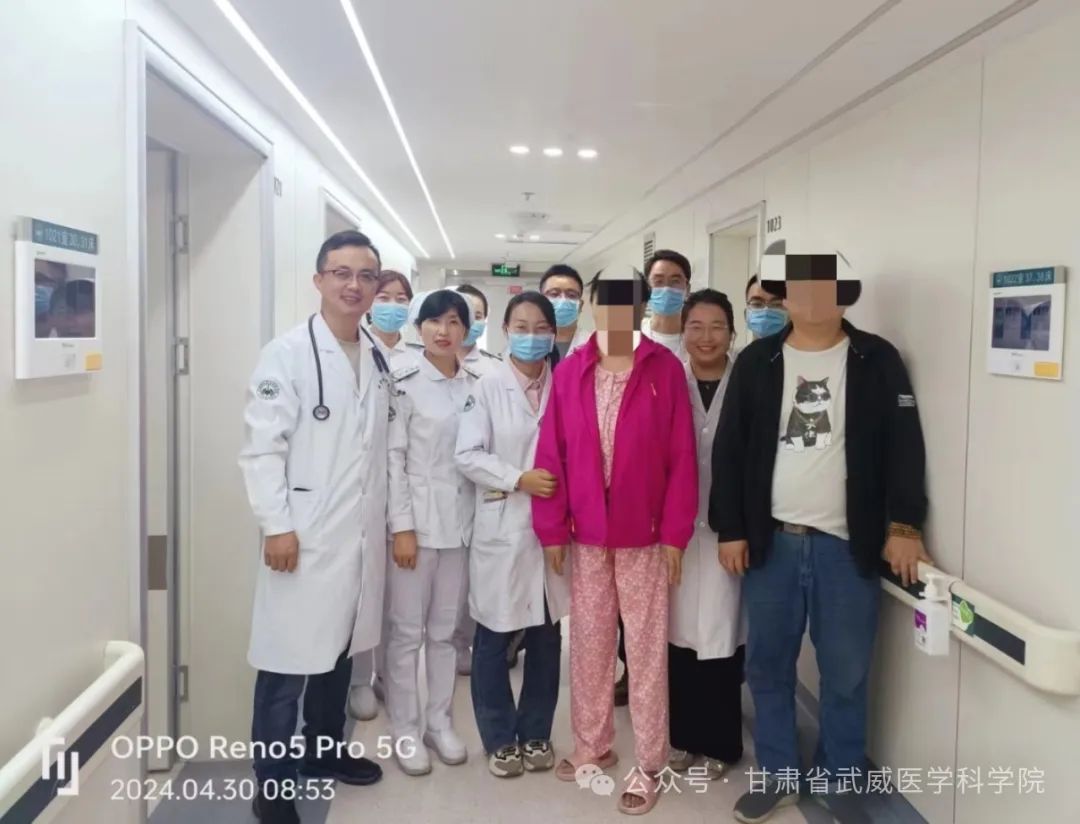
Case Presentation
Patient: Ms. Cheng, 62 years old
Chief Complaint: Diagnosed with an intracranial aneurysm 2 weeks ago, presenting with headache, dizziness, and limited abduction of the right eye.
Imaging Findings:
- Brain MRI: A space-occupying lesion in the right cavernous sinus region.
- Cerebral Angiography (DSA): A giant aneurysm (32.8mm × 27.4mm × 5.02mm) in the right internal carotid artery cavernous segment.
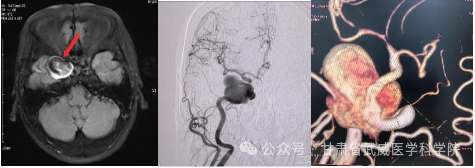
Preoperative MRI & DSA Imaging
After multidisciplinary team (MDT) evaluation, the team adopted the advanced "flow diversion" concept, using the Pipeline Flex flow diverter for treatment.
- The neurointerventional team meticulously prepared for the surgery.
- Prof. Zhang Changwei from West China Hospital, Sichuan University, was invited to guide the procedure.
- The surgery was successfully completed.
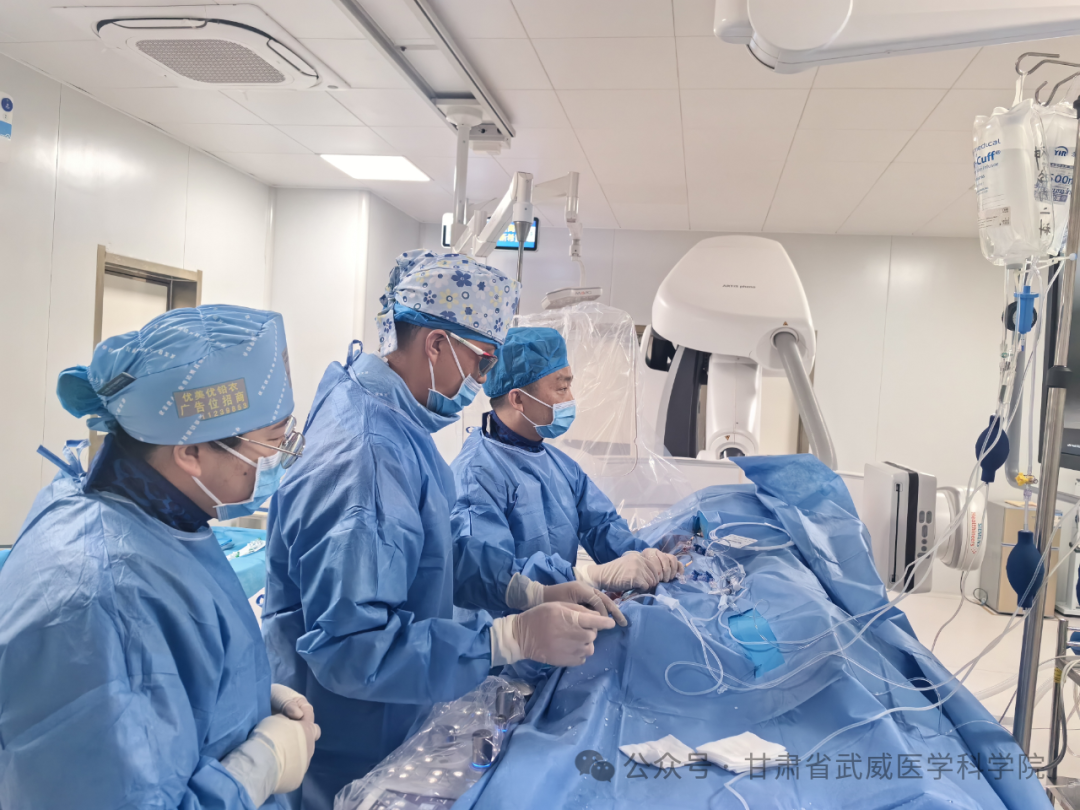
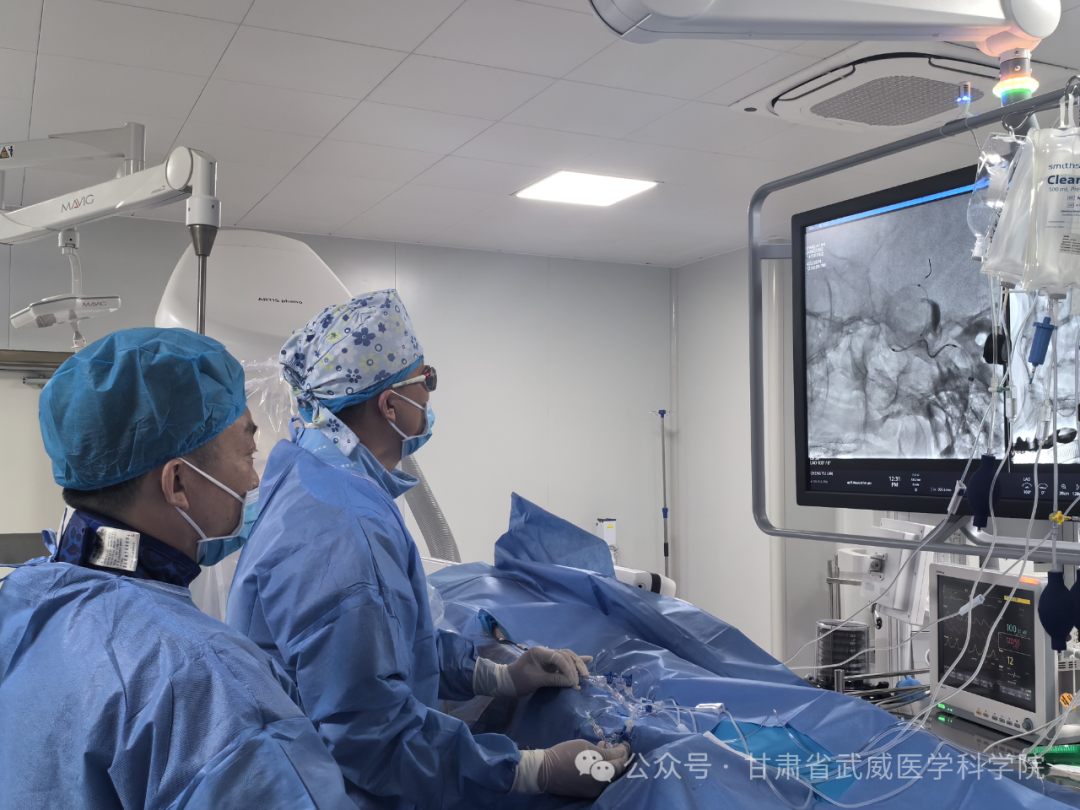
Prof. Zhang Changwei providing expert guidance
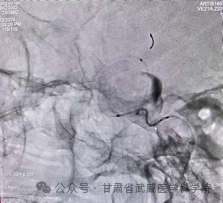
Precise deployment of the flow diverter stent.
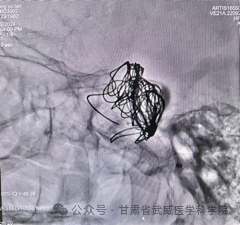
Coil embolization to secure the aneurysm.

The patient awoke smoothly from anesthesia with no neurological deficits.
Intracranial Aneurysm: Key Facts
1. What is an Intracranial Aneurysm?
Despite its name, it is not a tumor but a bulge in the arterial wall, resembling a "balloon-like" dilation.
2. Symptoms of Aneurysm Rupture
- Sudden, severe headache (often described as "the worst headache of life").
- Neck stiffness, photophobia, phonophobia.
- Nausea, vomiting.
- Neurological deficits (e.g., slurred speech, limb weakness, altered consciousness).
3. What is Endovascular Embolization?
A minimally invasive technique where:
✔ No open surgery is needed.
✔ A catheter is guided through arteries to the aneurysm.
✔ Coils or stents are placed to seal off the aneurysm from blood flow.
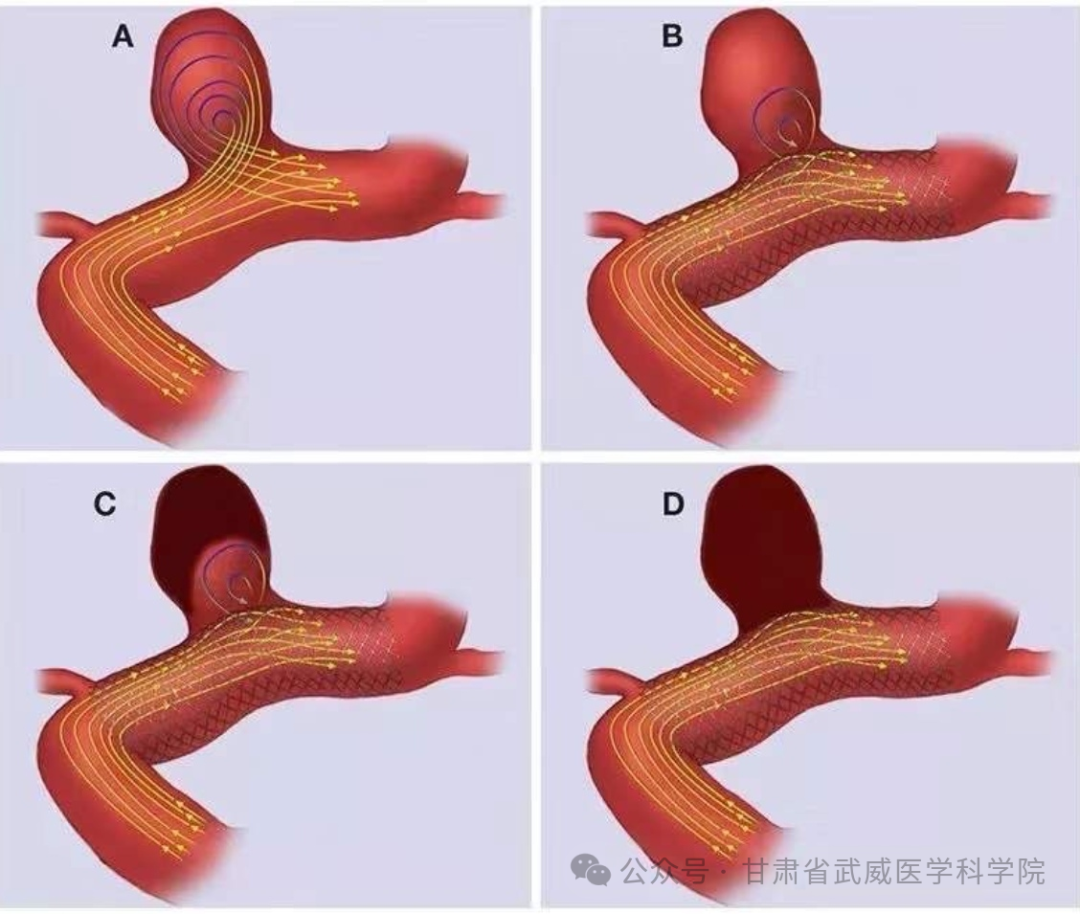
4. Advantages of Endovascular Embolization
✔ Less invasive, faster recovery.
✔ Lower complication rates than open surgery.
✔ Preferred for elderly patients, posterior circulation aneurysms, and high-risk cases.
Introduction to Wuwei Academy of Medical and Science Neuroscience Center
A multidisciplinary hub integrating:
- Neurosurgery & Neurology
- Neurocritical Care & Rehabilitation
- Neurointervention
Key Services
? Brain tumors, hemorrhages, AVMs, aneurysms, trauma.
? Stroke thrombolysis (IV/IA), thrombectomy.
? Carotid/vertebral artery stenting, aneurysm coiling.
Expert Team
- 1 Lanzhou University-affiliated neurosurgery expert.
- 2 senior, 2 intermediate, 2 junior specialists (including 3 master’s degree holders).
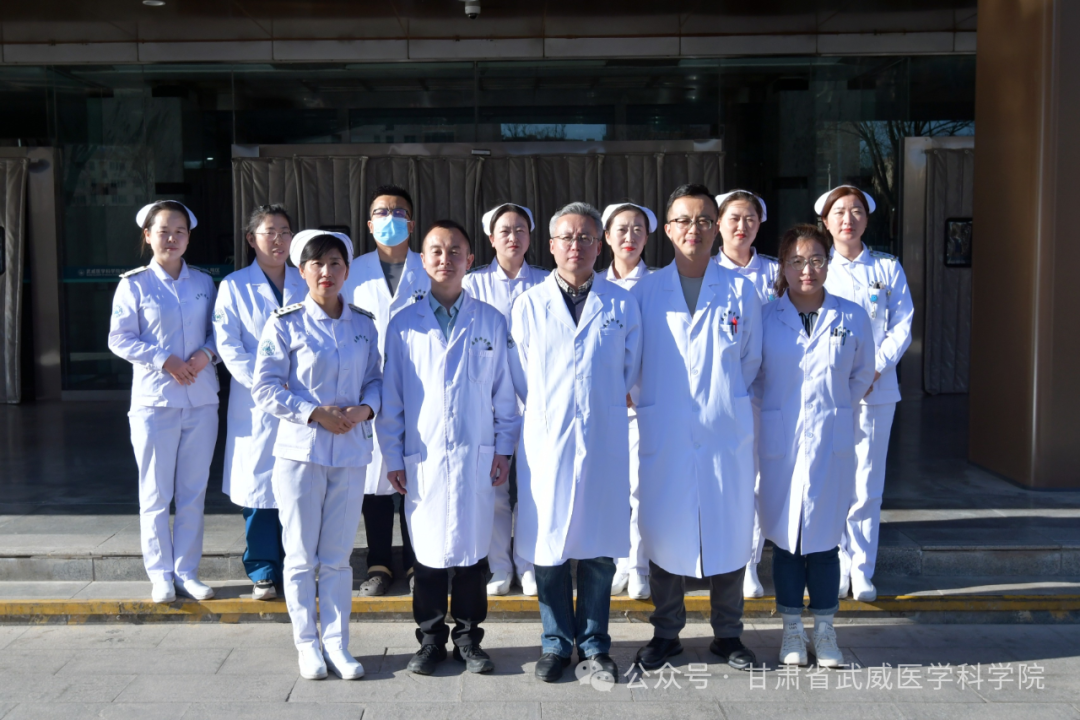
Our Philosophy
- "Humanistic medicine meets neuroscience" – delivering compassionate, patient-centered care.
- "Precision in skill, integrity in ethics, meticulous service, trusted reputation."