Heavy Ion & Nuclear Medicine Green Access Model Promotion Held in Dingxi
Heavy Ion & Nuclear Medicine Green Access Model Promotion Held in Dingxi
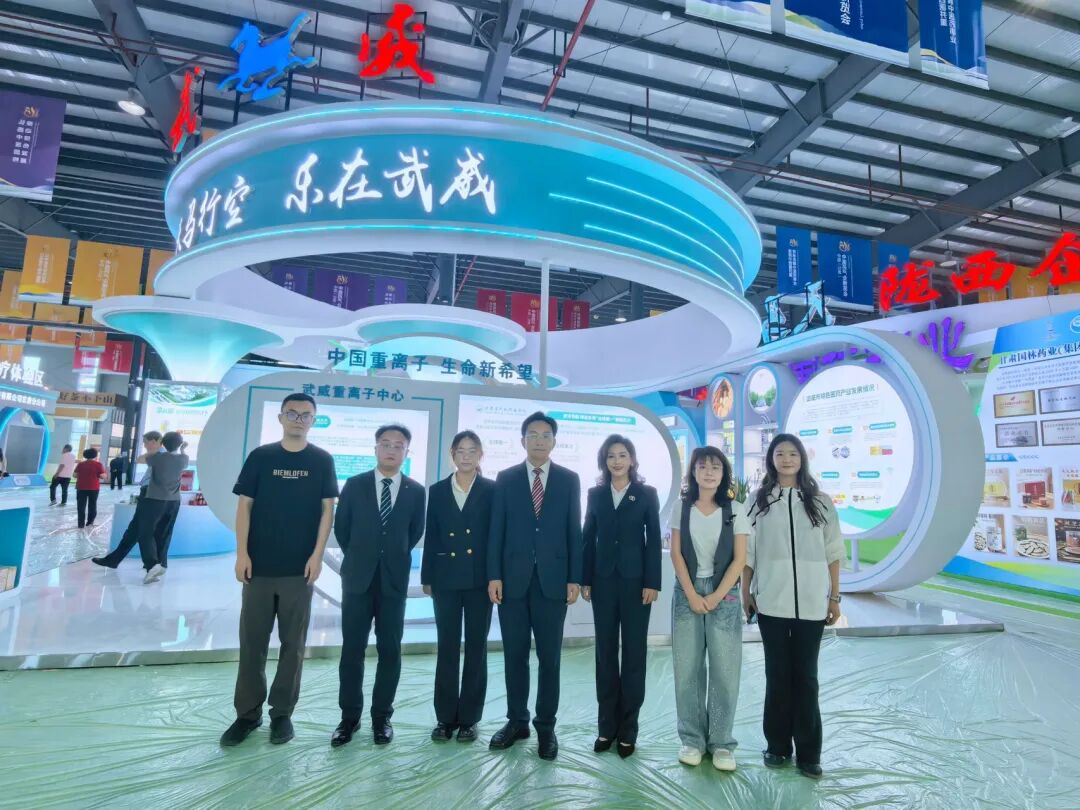
Editor’s Note: The 7th China (Gansu) Traditional Chinese Medicine Industry Expo is about to open in Longxi. To further amplify the brand impact of heavy ion therapy as a "national heavy instrument" and highlight Gansu's distinctive strengths in nuclear medicine, and in alignment with the province's integrated development strategy for biomedicine and nuclear medicine, Gansu Wuwei Cancer Hospital held a promotion conference on the high‑quality integrated development of heavy ion and nuclear medicine technologies and the green access medical model in Dingxi on September 2. The hospital will also feature a dedicated heavy ion exhibition at the 7th TCM Industry Expo. By integrating cutting‑edge heavy ion radiotherapy, targeted radionuclide therapy, and the rich advantages of traditional Chinese medicine resources in Gansu, the hospital aims to build a platform for promoting advanced cancer technologies, facilitate the distribution of high‑quality medical resources to the grassroots level, and support the high‑quality development of cancer prevention and treatment across the province.
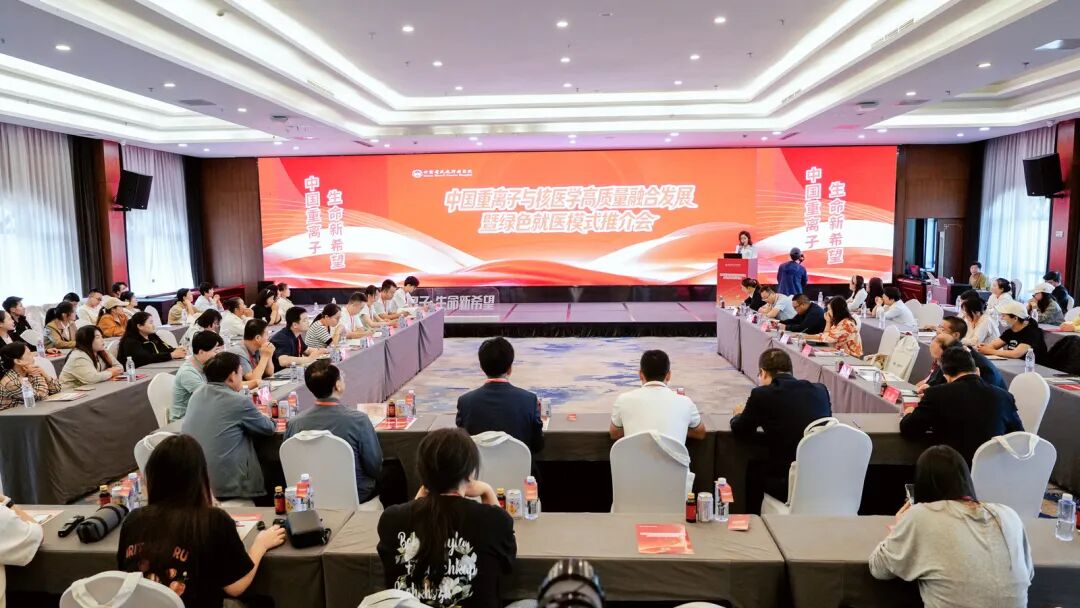
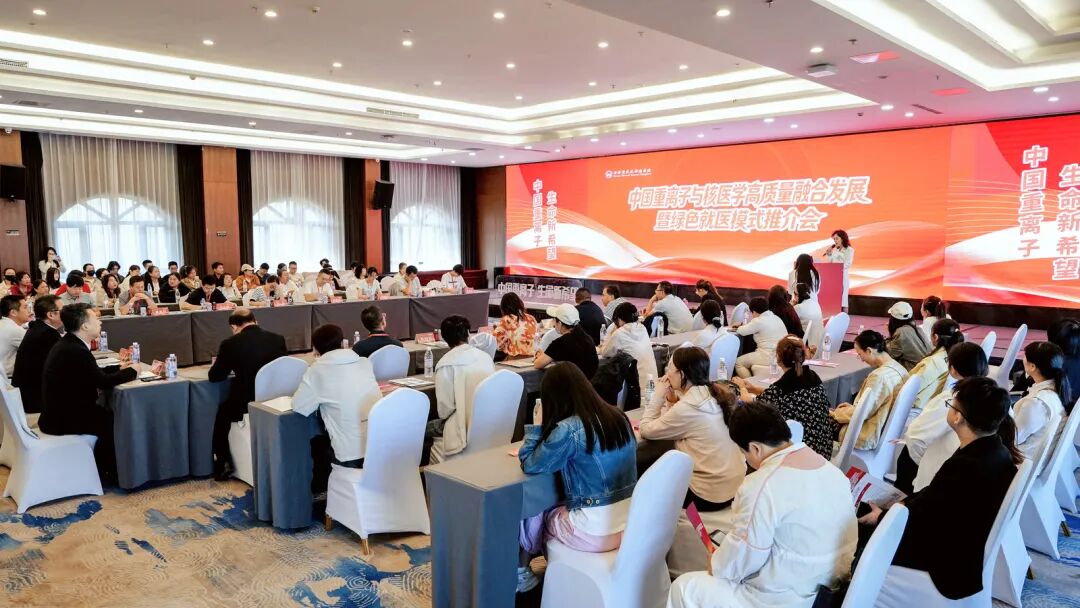
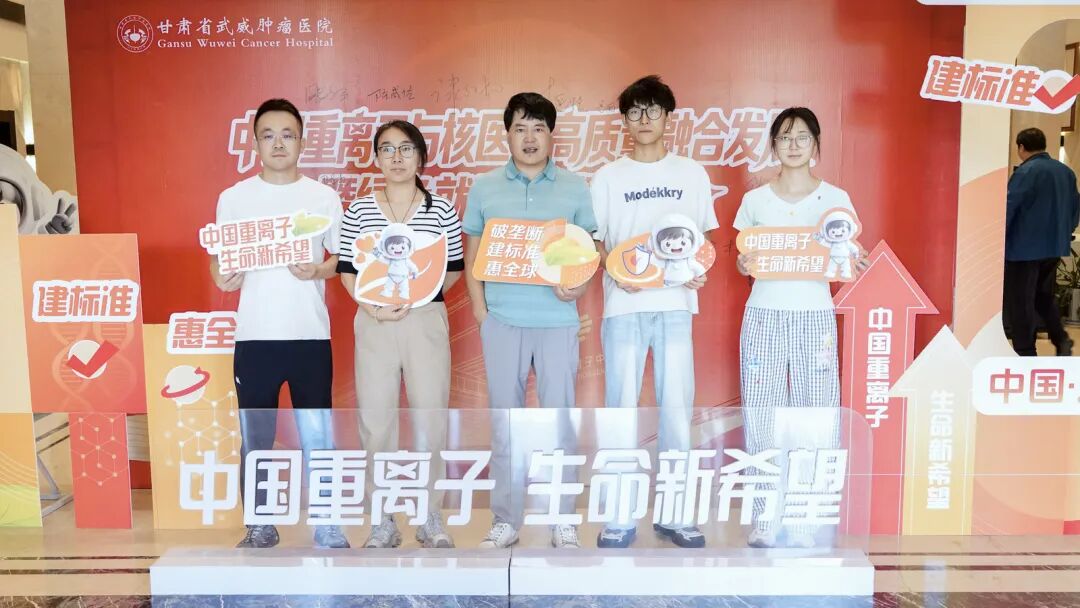
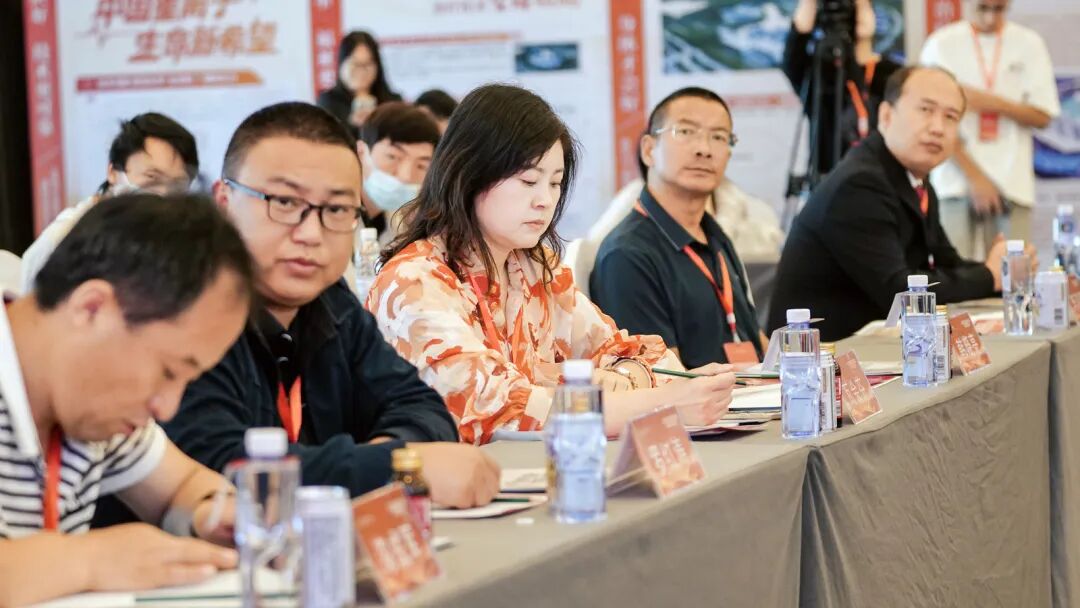
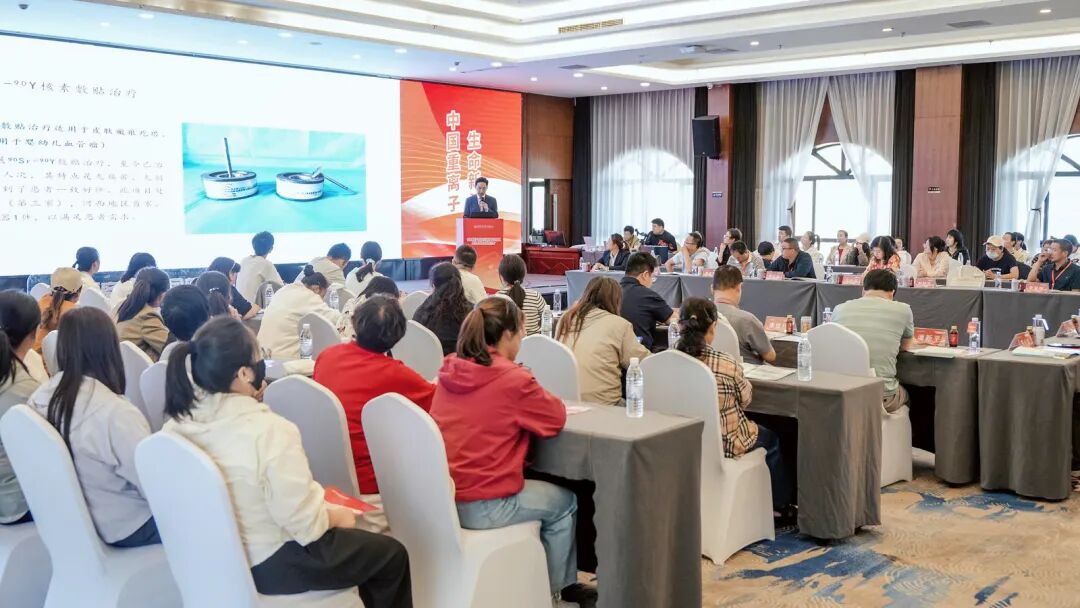
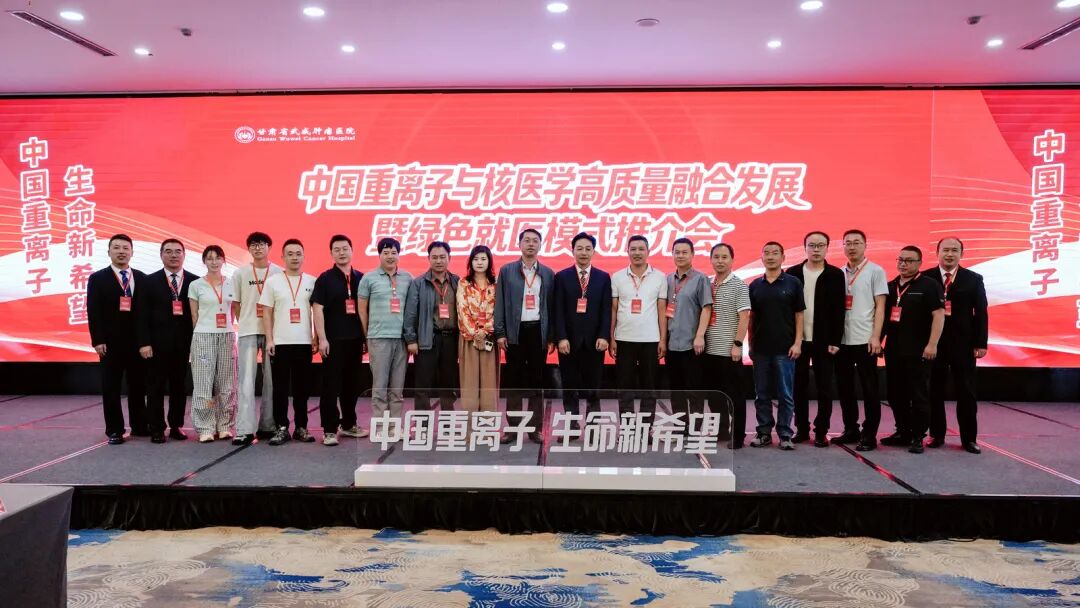
On September 2, the Promotion Conference on the High‑Quality Integrated Development of Heavy Ion and Nuclear Medicine Technologies and the Green Access Medical Model was successfully held in Dingxi. Local expert representatives from Dingxi People's Hospital, Dingxi Traditional Chinese Medicine Hospital, and other institutions gathered at the event, including Zhu Peisen, Executive Director of the Dingxi Hospital affiliated with Changchun University of Chinese Medicine. Over 20 mainstream media outlets, including CRI Online, People's Daily Online, Xinhuanet, CNR Online, New Gansu, and the Dingxi Integrated Media Center, covered the event.
肿瘤防治是守护民生福祉的重要健康工程。甘肃省武威肿瘤医院统筹布局核医学诊断、核素治疗、光子放疗、重离子治疗等全链条高新技术,构建门类齐全、技术领先、特色鲜明的现代化肿瘤诊疗体系。推行以重离子放疗、核素靶向诊疗为基础,心身康复、睡眠治疗、营养支持、中医药调养、康复理疗、生物免疫治疗、肿瘤综合治疗为要素的全方位全生命周期的健康管理。医院秉持“荟萃全球前沿技术,普济天下肿瘤患者”的使命,锚定“成为全球患者战胜肿瘤的目的地”发展愿景,汇聚全球专家资源,持续筑牢西北地区肿瘤防治屏障。
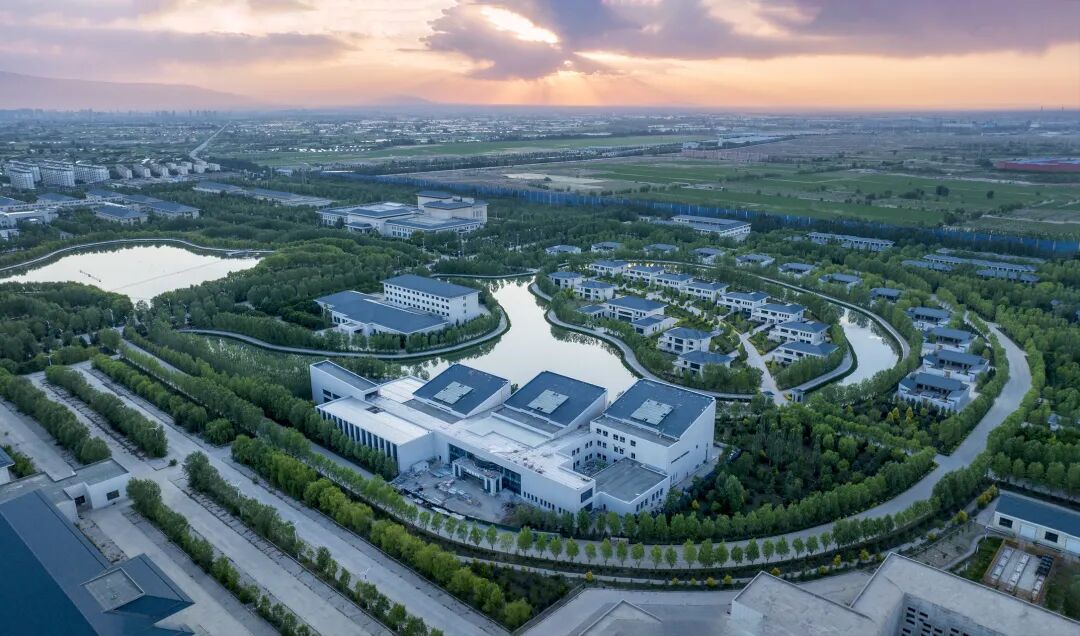
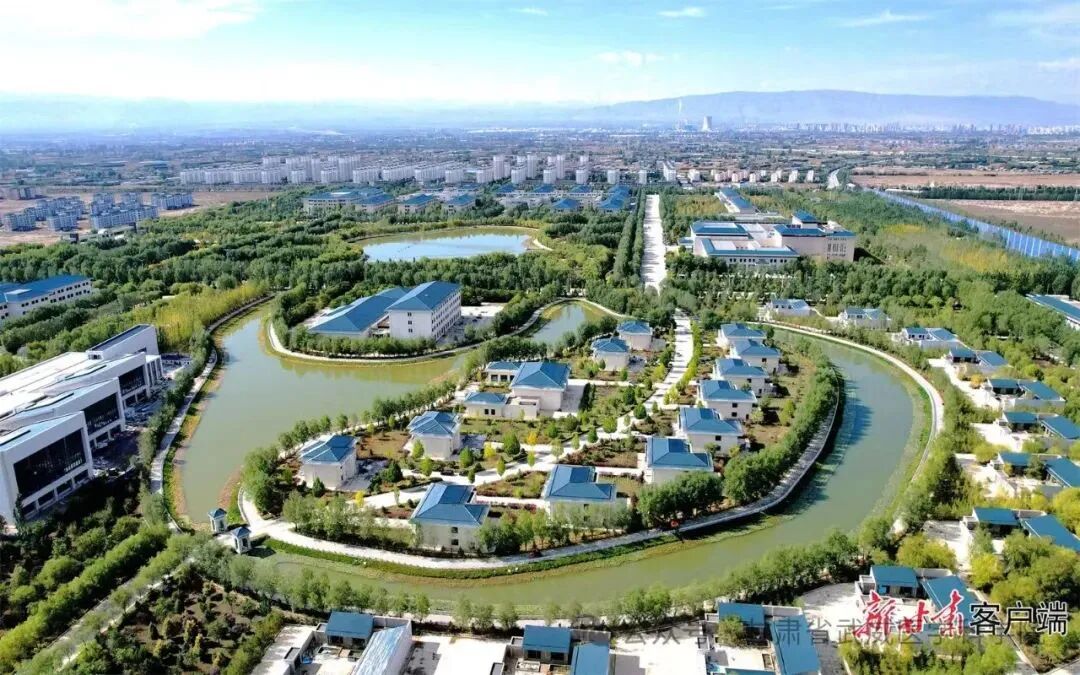
Aerial View of Wuwei Heavy Ion Center
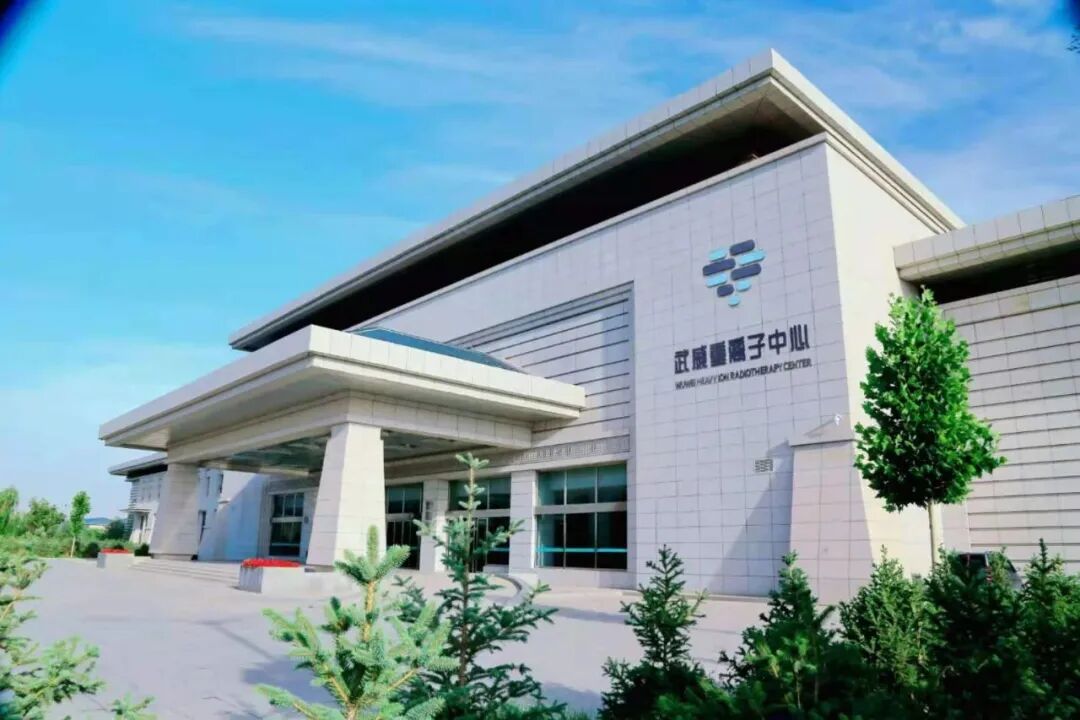
Main Building of the Heavy Ion Center
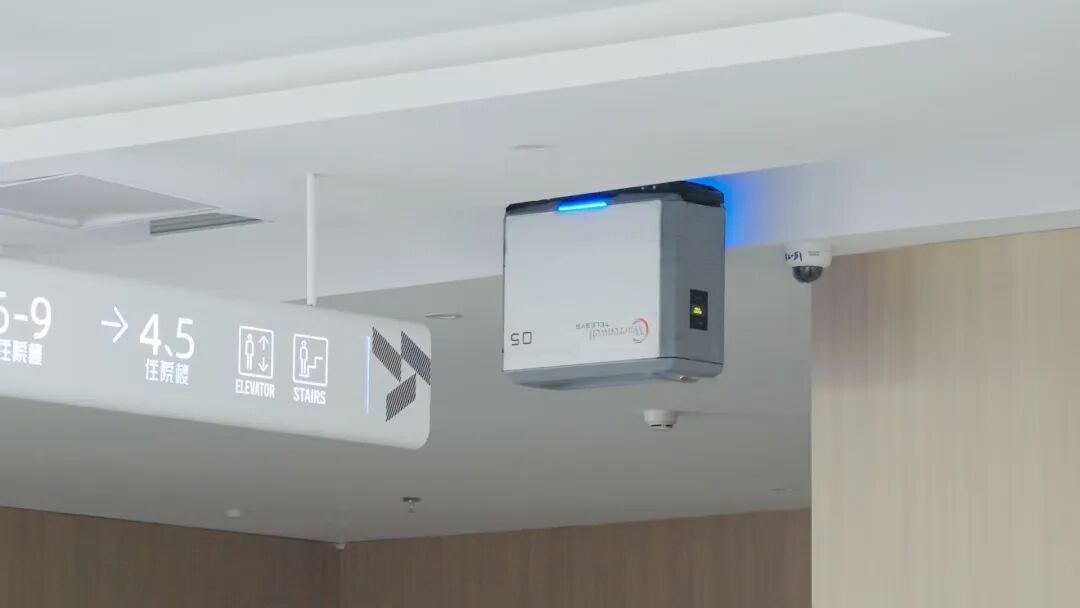
Track‑based Logistics System of Wuwei Heavy‑Ion Center
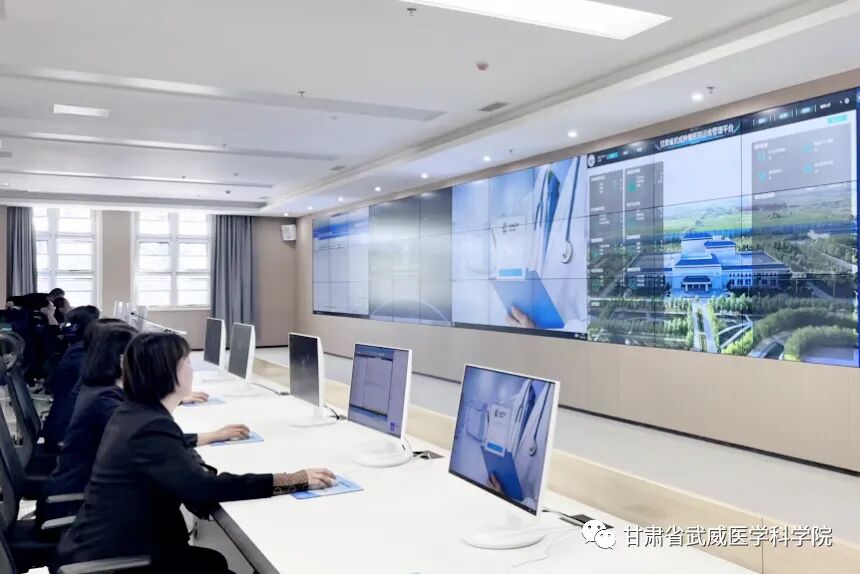
Wuwei Heavy‑Ion Smart Hospital Command Center
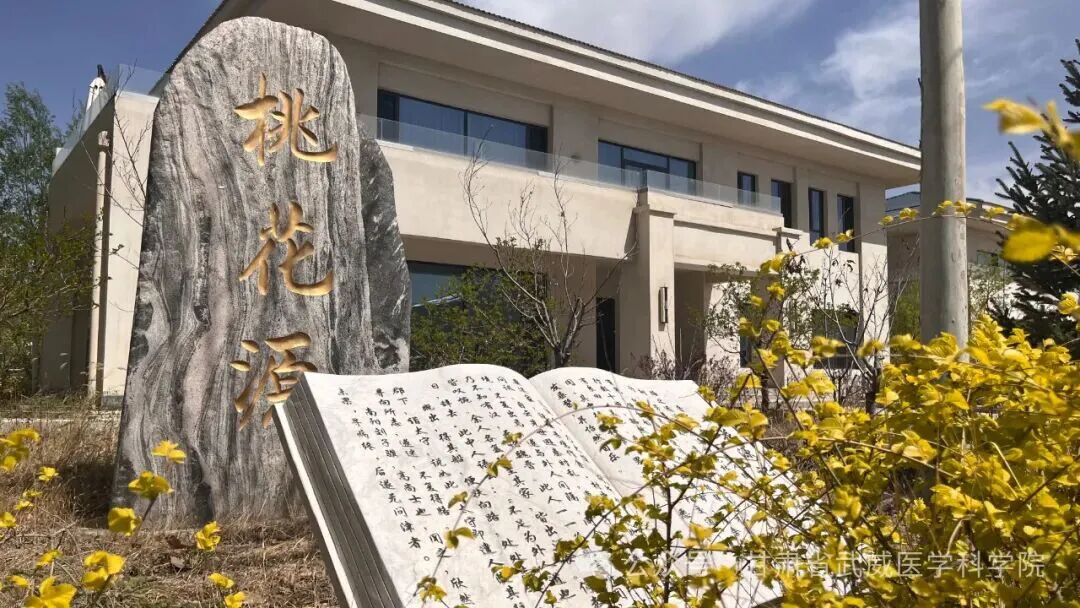
Taohuayuan Island, China Heavy‑ion Health Town
In the field of nuclear medicine imaging, our Department of Nuclear Medicine was established in 1983 and is the only medical institution in Gansu Province equipped with two PET‑CT systems. The Wuwei campus features a GE Discovery 710 Super‑Iterative PET‑CT, the only one of its kind in a prefecture‑level city hospital. The Nuclear Medicine Department at the Lanzhou Heavy Ion Center builds on decades of accumulated expertise from the Wuwei campus and has introduced a domestically produced United Imaging uMI Vista high‑end digital PET‑CT, significantly enhancing clinical diagnostic and research capabilities in oncology, cardiology, and neurology. Together with an in‑house radiopharmaceutical preparation platform, these resources form a standardized, comprehensive molecular imaging diagnostic system.
In nuclear medicine diagnostics, PET/CT enables whole‑body precision cancer screening, differentiation of benign and malignant lesions, preoperative staging, tumor recurrence monitoring, and evaluation of chemoradiotherapy efficacy. It supports specific targeted imaging for brain tumors, prostate cancer, neuroendocrine tumors, and gastrointestinal tumors, and holds unique value in the early diagnosis of epilepsy, Alzheimer's disease, and severe heart failure. Gallium‑68 imaging is well‑suited for diagnosis and quantitative assessment of advanced prostate cancer and neuroendocrine tumors, providing precise imaging support for lutetium‑177 targeted therapy. SPECT/CT can perform whole‑body bone scans, thyroid imaging, renal dynamic studies, myocardial perfusion imaging, parathyroid imaging, iodine‑131 scintigraphy, and hepatopulmonary imaging, providing reliable evidence for the diagnosis and standardized treatment of tumors and endocrine diseases.
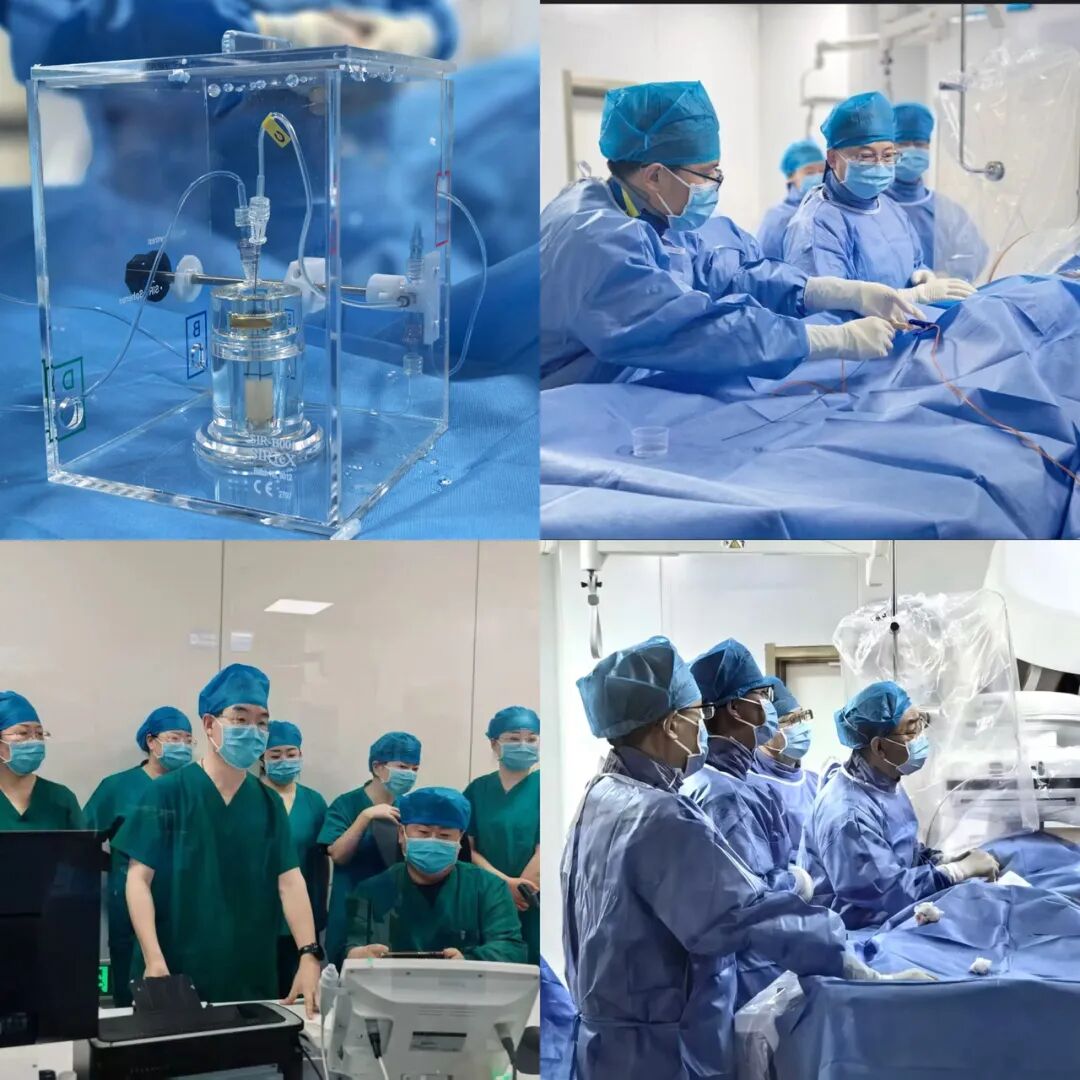
Leveraging advanced equipment and the in‑house radiopharmaceutical preparation platform, the department has maturely implemented a wide range of radionuclide diagnostic and therapeutic procedures, including ¹³¹I therapy for hyperthyroidism, ⁹⁰Sr‑⁹⁰Y radionuclide applicator therapy for keloids and hemangiomas, ⁸⁹Sr therapy for bone metastases, ¹²⁵I seed implantation, ¹³¹I therapy for differentiated thyroid cancer, and ⁹⁰Y resin microsphere interventional therapy for liver cancer — benefiting over 10,000 patients. The hospital successfully performed the first domestically produced Y‑90 microsphere interventional procedure for liver cancer in the Gansu‑Qinghai‑Ningxia‑Xinjiang region, as well as the first alpha‑radionuclide (radium [²²³Ra]) targeted therapy for bone metastases in prostate cancer in Gansu Province, advancing regional liver cancer care into a new era of precision radionuclide intervention. The recent introduction of ²²³Ra therapy brings new hope to patients with advanced bone metastases; ¹⁷⁷Lu therapy will offer another major benefit for patients with metastatic prostate cancer. In the future, the successive implementation of new targeted radionuclide therapies — such as ²²⁵Ac‑based targeted therapy and ²¹¹At astatine‑targeted radiotherapy — will elevate radionuclide therapy in Gansu Province to a nationally advanced level.
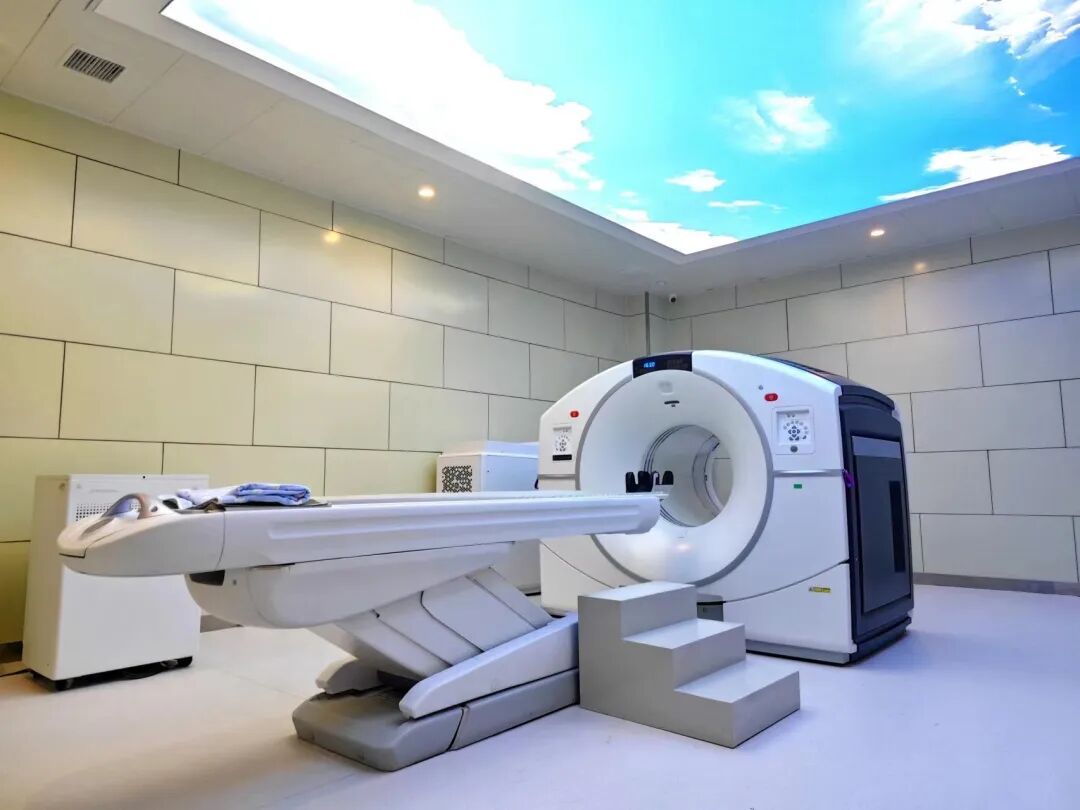
PET/CT
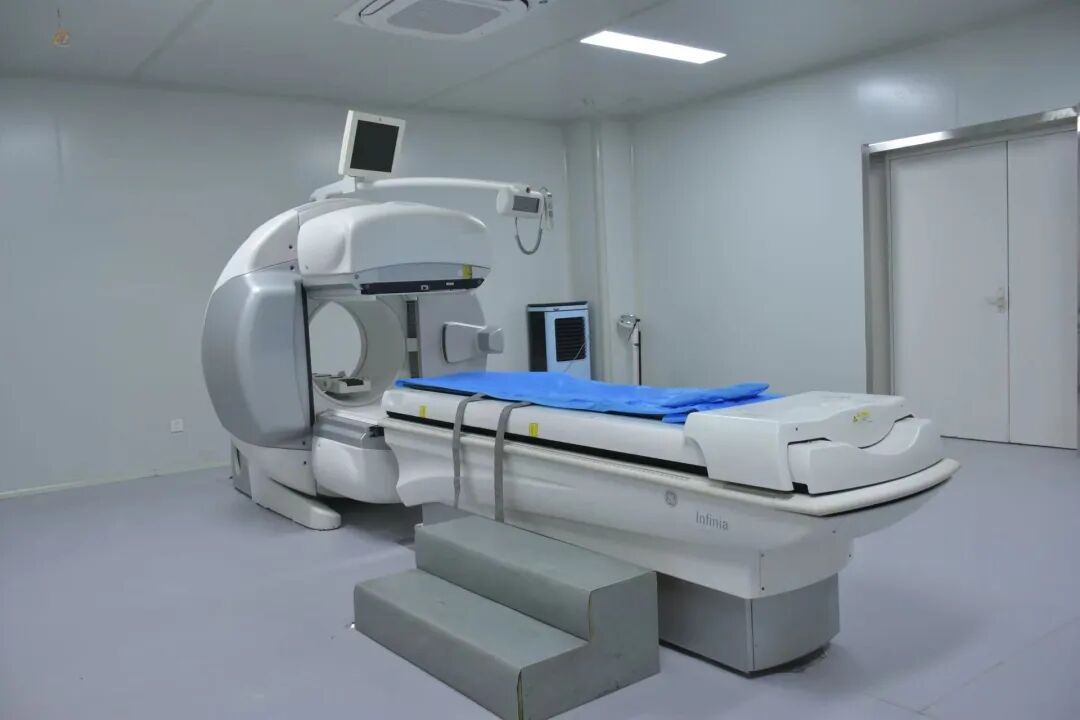
SPECT/CT
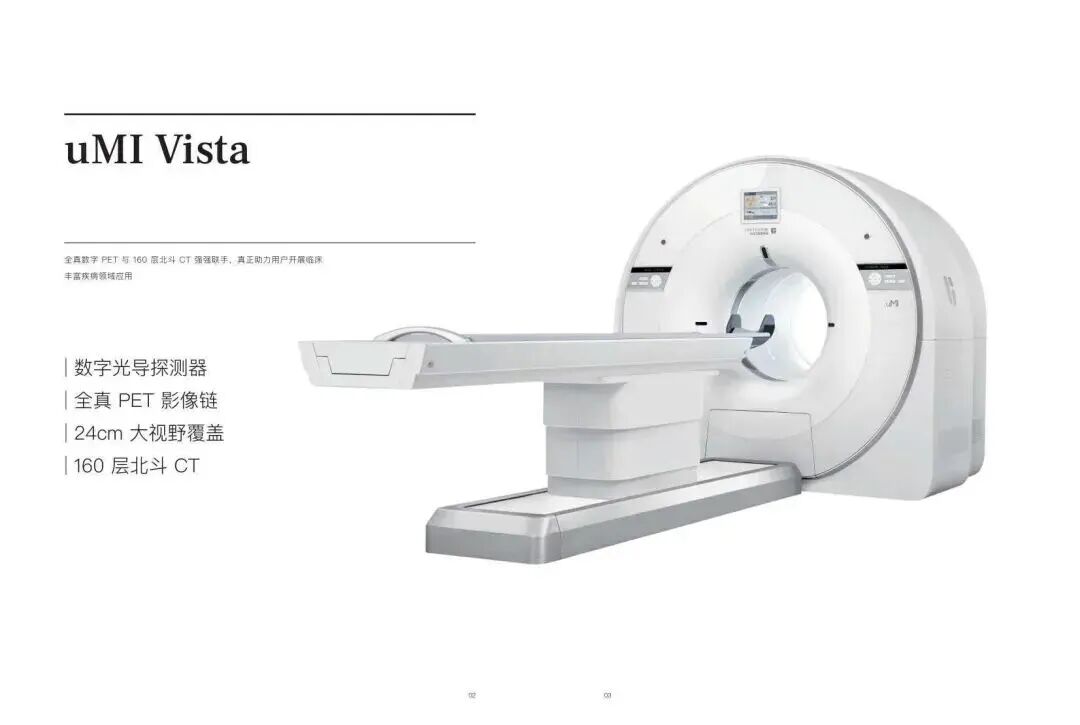
uMI Vista

¹³¹I Therapy for Hyperthyroidism and Differentiated Thyroid Cancer
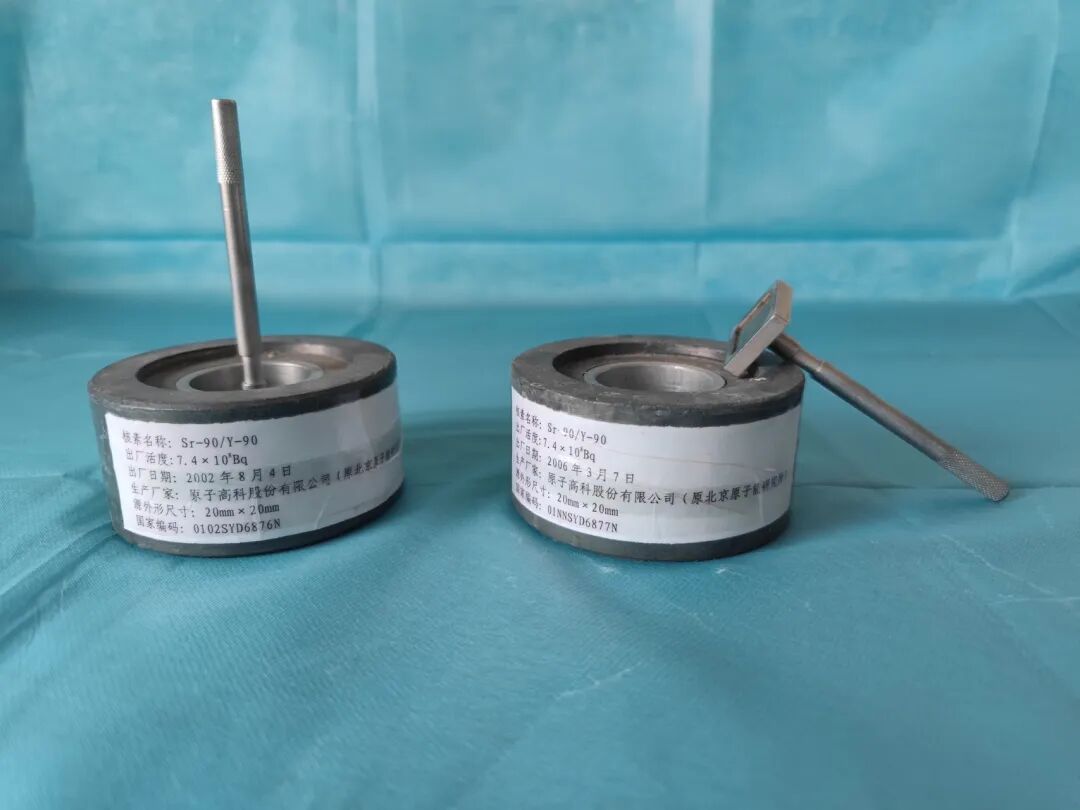
⁹⁰Sr-⁹⁰Y Radionuclide Applicator Therapy
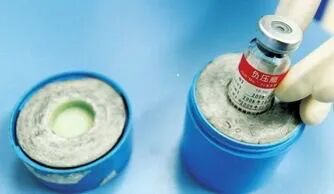
⁸⁹Sr Therapy for Bone Metastases

¹²⁵I Seed Implantation Therapy
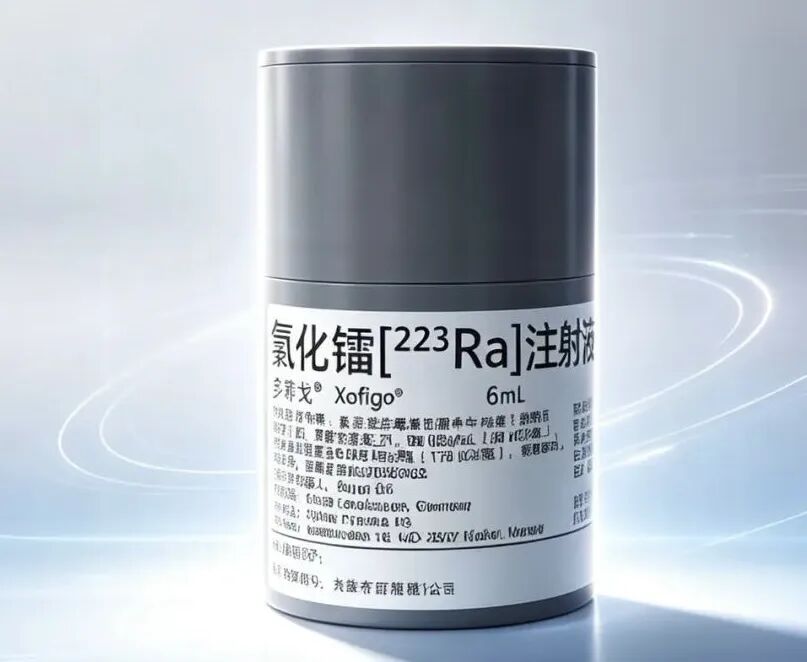
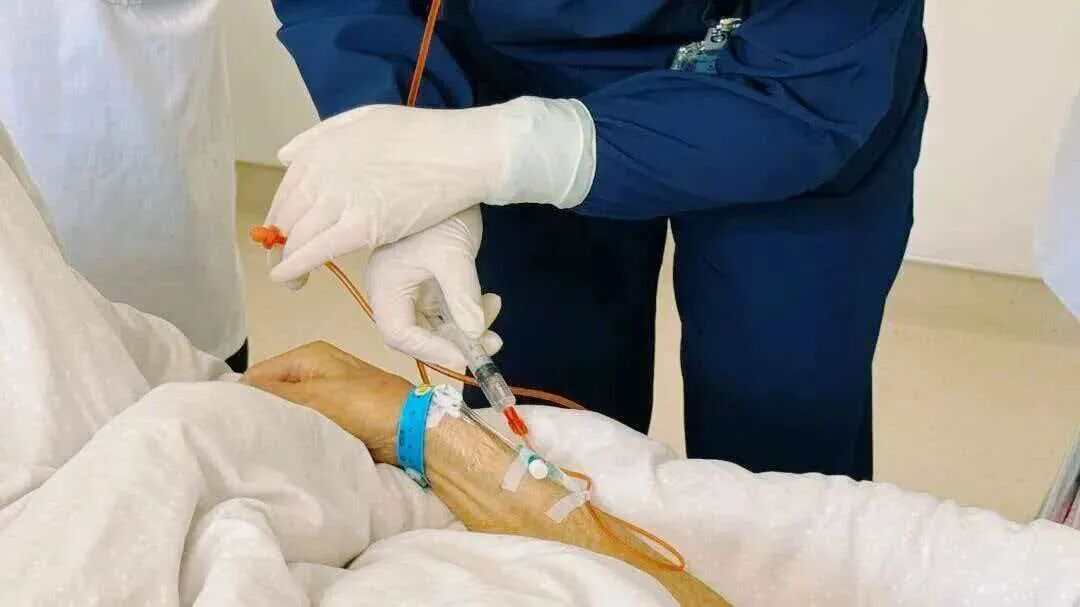
²²³Ra Radionuclide Targeted Therapy
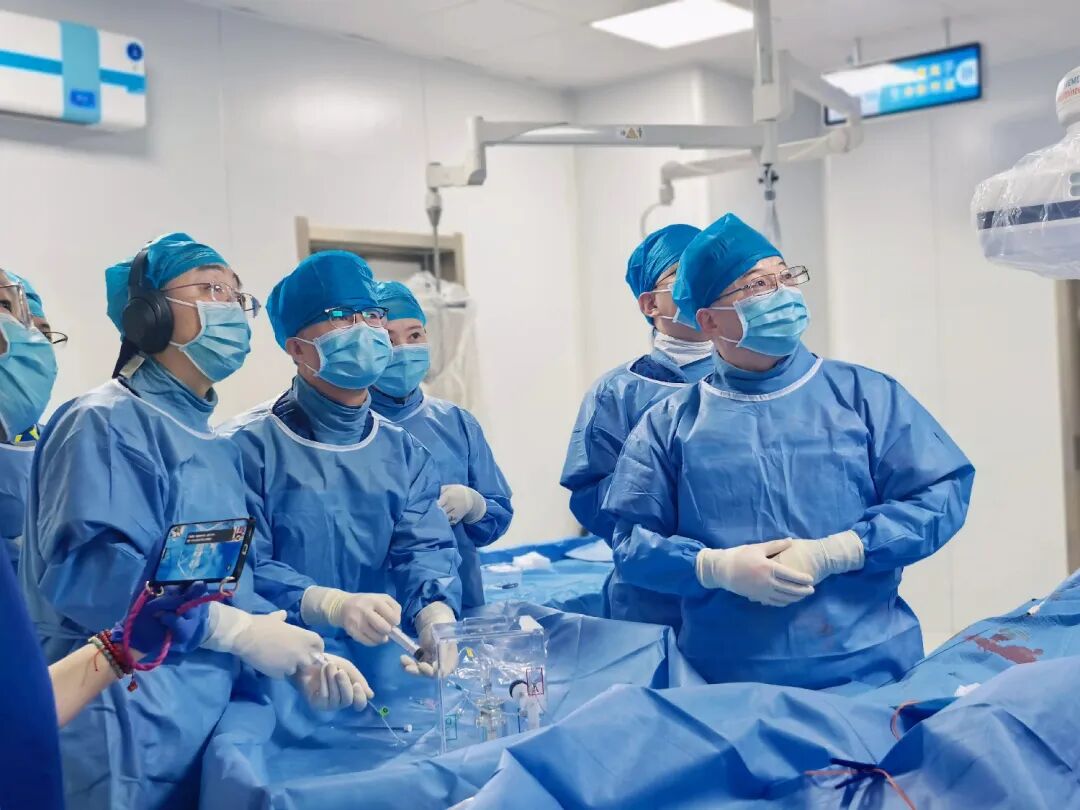
⁹⁰Y Resin Microsphere Interventional Therapy
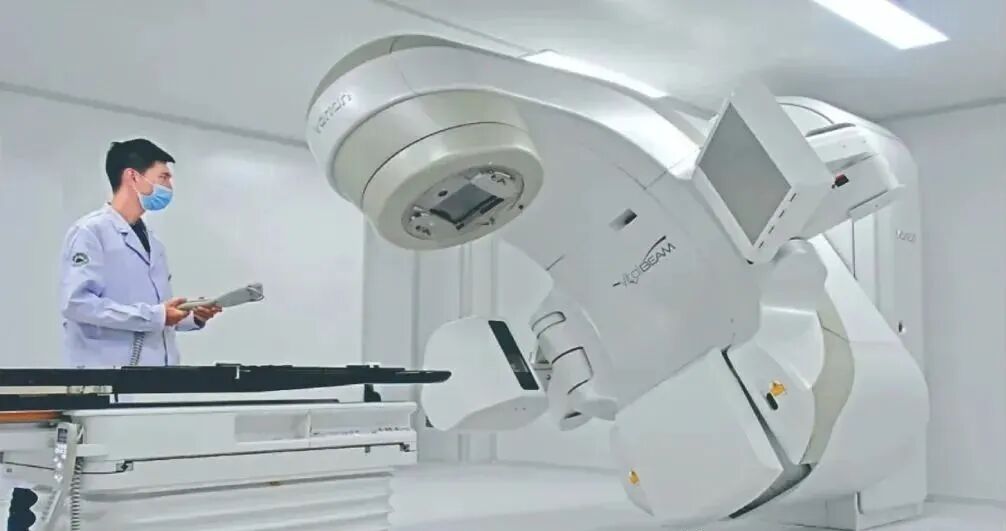
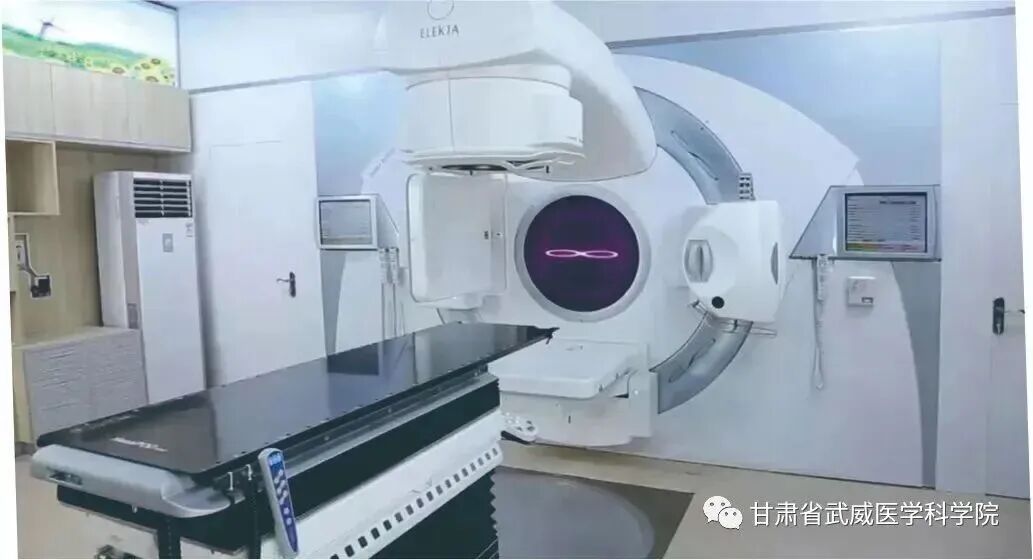
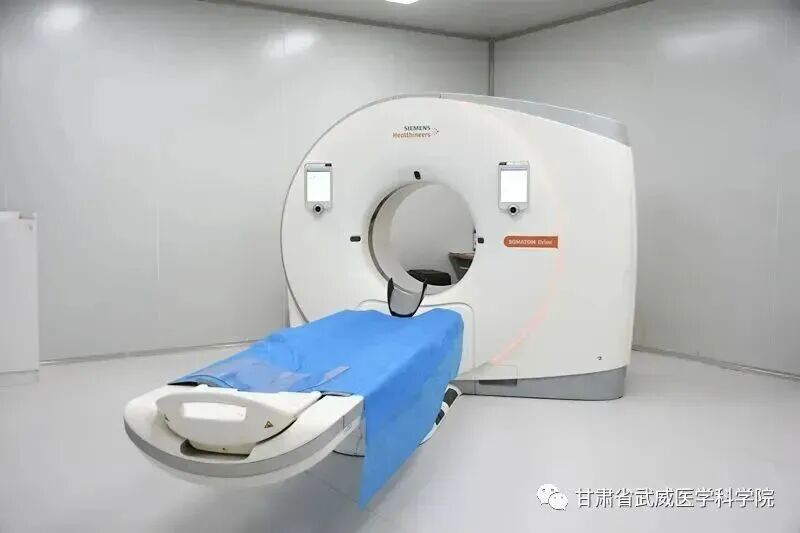
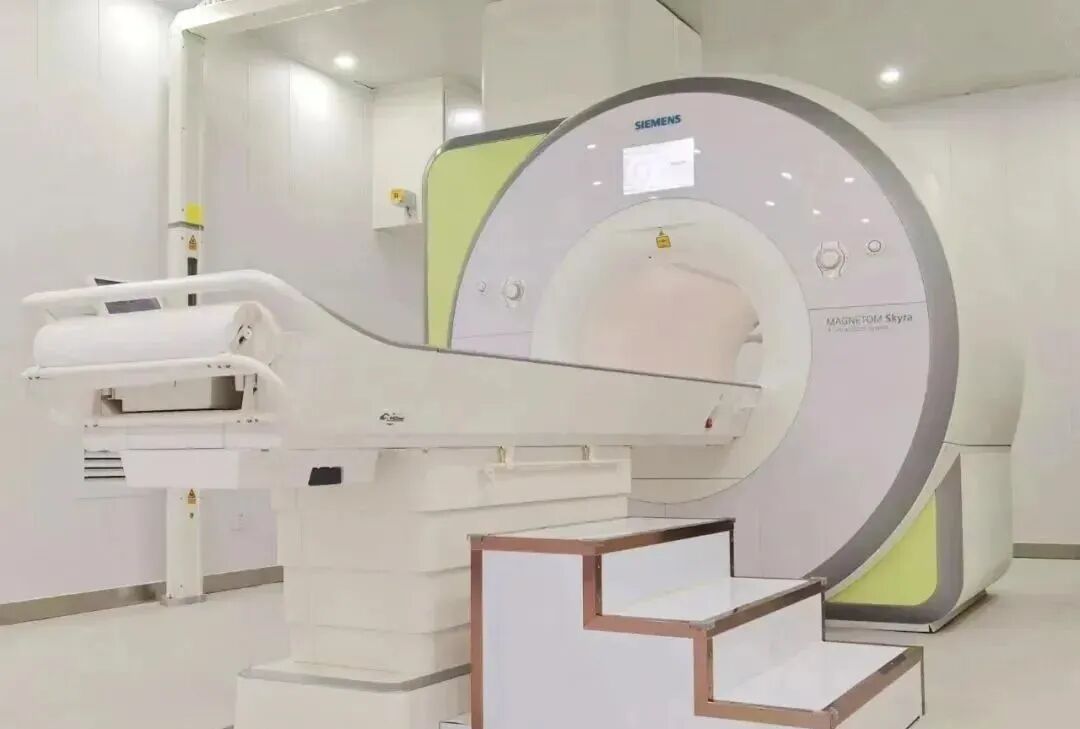
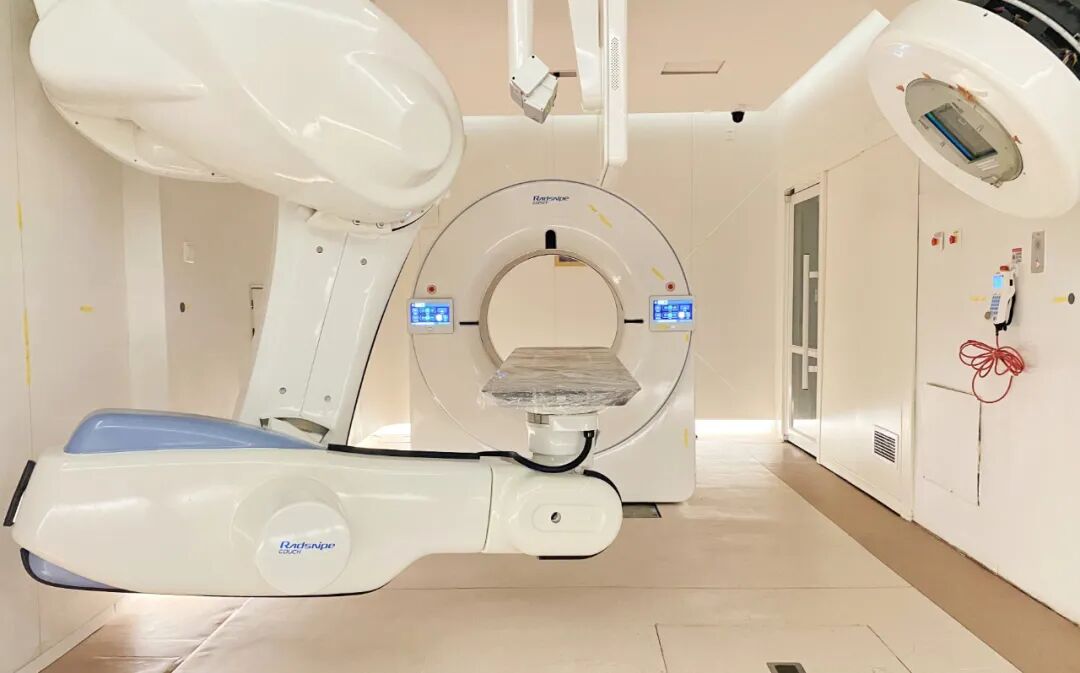
In the field of tumor radiotherapy, the hospital is equipped with a range of cutting‑edge devices, including the Varian VitalBeam medical linear accelerator, the Elekta Infinity four‑dimensional image‑guided linear accelerator, a Siemens 64‑slice dedicated radiotherapy simulation CT, a 3.0T magnetic resonance simulation positioning system, a Varian Iridium‑192 brachytherapy afterloader, and a helical tomotherapy system. These enable the routine implementation of advanced techniques such as image‑guided radiotherapy, stereotactic body radiotherapy, three‑dimensional brachytherapy, and lattice radiotherapy. Through refined and individualized treatment planning, the hospital addresses a wide variety of clinical scenarios, including curative treatment for early‑stage tumors, palliative care for advanced disease, and management of complex and refractory tumors. Innovative radiotherapy techniques such as spatially fractionated radiotherapy and lattice radiotherapy provide new therapeutic pathways for large, advanced, and previously untreatable tumors.
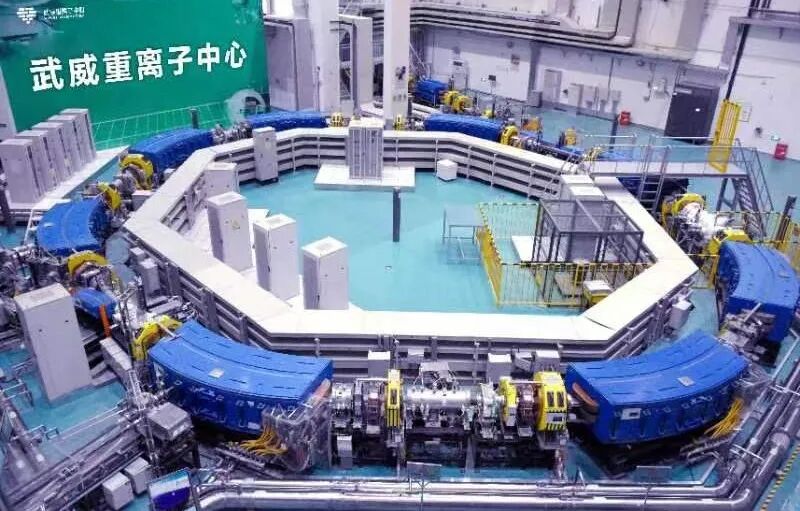
As the birthplace of domestically produced heavy ion technology and the only hospital in the world operating two heavy ion therapy systems simultaneously, the hospital has established an integrated dual‑center framework with Wuwei and Lanzhou as twin hubs. Leveraging nine world‑first or China‑first heavy ion cancer treatment technologies — including precision heavy ion therapy under ventilator control, bladder‑capacity‑controlled treatment for bladder cancer, and single‑session therapy with surgically implanted spacers between organs and tumors — the hospital has brought new hope to patients for whom conventional radiotherapy has limited efficacy. Thanks to its unique physical and biological advantages, heavy ion therapy is now indicated for more than 100 types of malignant tumors. To date, the Wuwei and Lanzhou Heavy Ion Centers have treated more than 3,000 patients from all provinces and municipalities across China, as well as from Hong Kong, Macao, and Taiwan, and countries including Belgium, Australia, South Korea, Malaysia, Canada, Vietnam, Singapore, Thailand, New Zealand, Jordan, Serbia, Russia, and others.
For refractory high‑grade glioma, the median progression‑free survival has nearly doubled compared with the internationally recognized photon‑based Stupp study, with median overall survival increasing by 13.4 months to 30 months. For stage III locally advanced non‑small cell lung cancer, the 2‑year overall survival rate is 19.3% higher than that reported in the RTOG 0617 photon chemoradiotherapy study. For pancreatic cancer, known as the "king of cancers," heavy ion therapy demonstrates a clear advantage, extending patient survival by more than 10 months compared with conventional photon therapy, with a median survival of 27 months.

This promotion conference was held in Dingxi, a renowned pharmaceutical hub in central Gansu, leveraging the platform of the 7th TCM Industry Expo to advance the integrated development of nuclear medicine and traditional Chinese medicine. The hospital will continue to contribute to the development of a Healthy Gansu by leveraging the advantages of heavy ion technology, deepening regional medical collaboration, and promoting the distribution of high‑quality cancer care resources to benefit more people across Gansu, while injecting momentum into the high‑quality development of cancer prevention and treatment in the province.
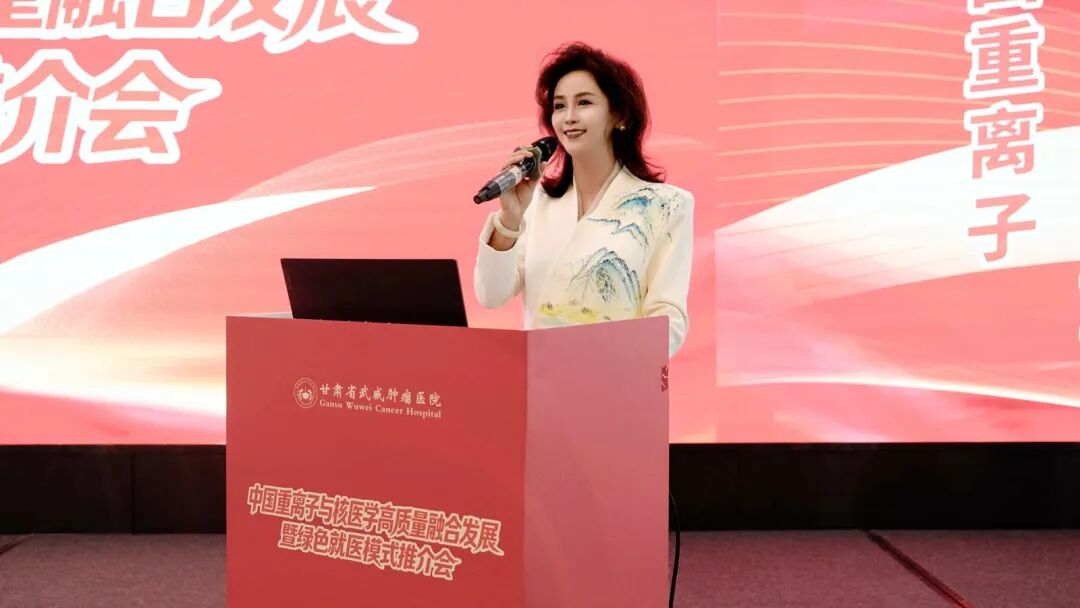
Guo Yishan, Head of the Organization and Publicity Section at Gansu Wuwei Cancer Hospital, chairing the meeting
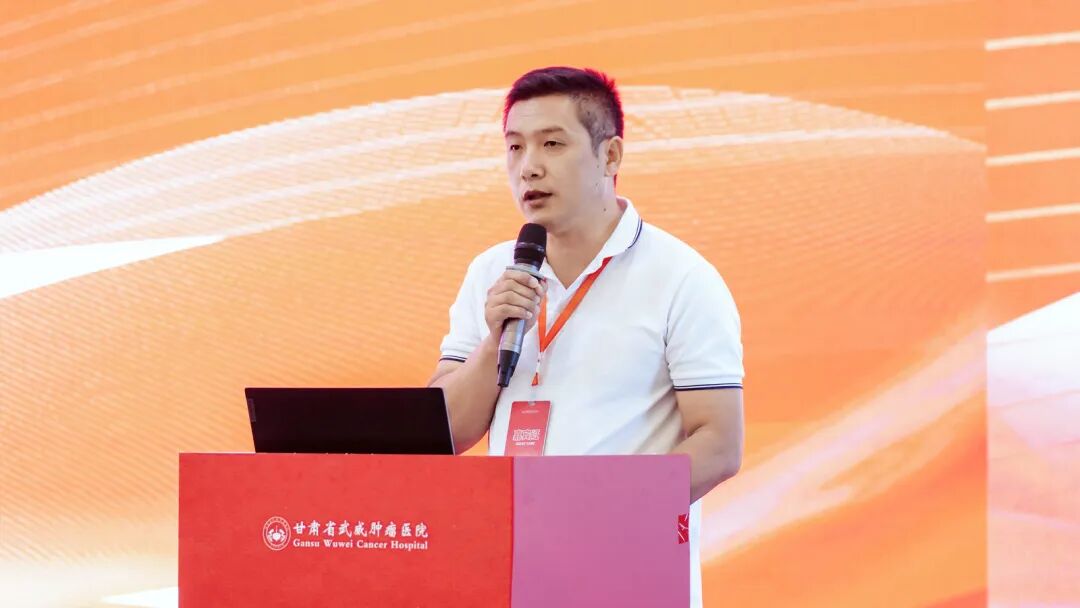
Liu Ming, Deputy Director of the Anding District Center for Disease Control and Prevention in Dingxi City, delivering a speech
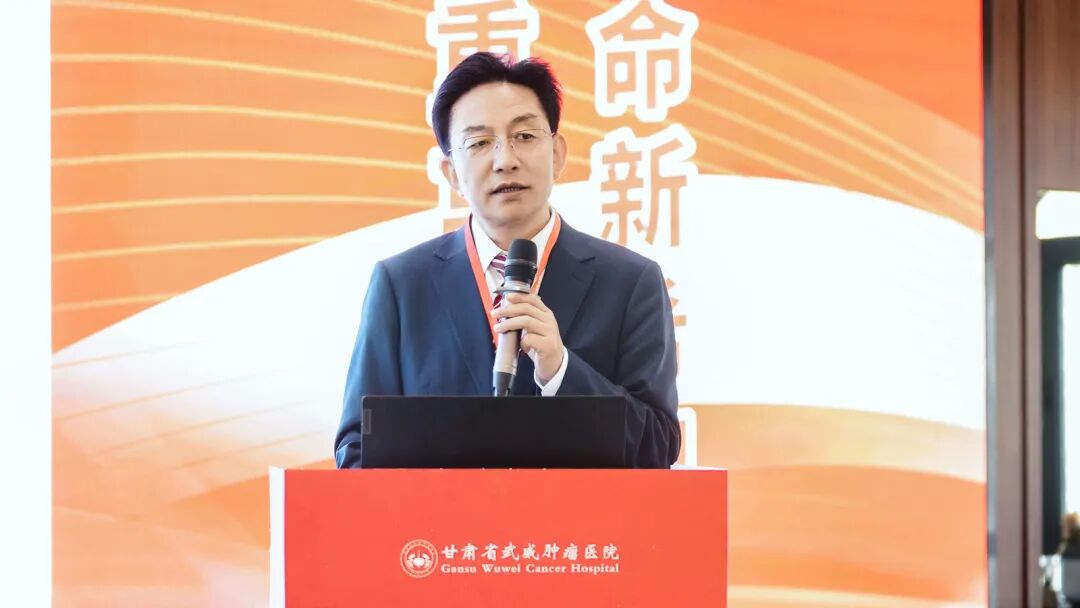
Ye Yancheng, President of Gansu Wuwei Cancer Hospital, delivering a report on "Clinical Applications of New Technologies in Heavy Ion Radiotherapy and Nuclear Medicine Diagnosis and Treatment."
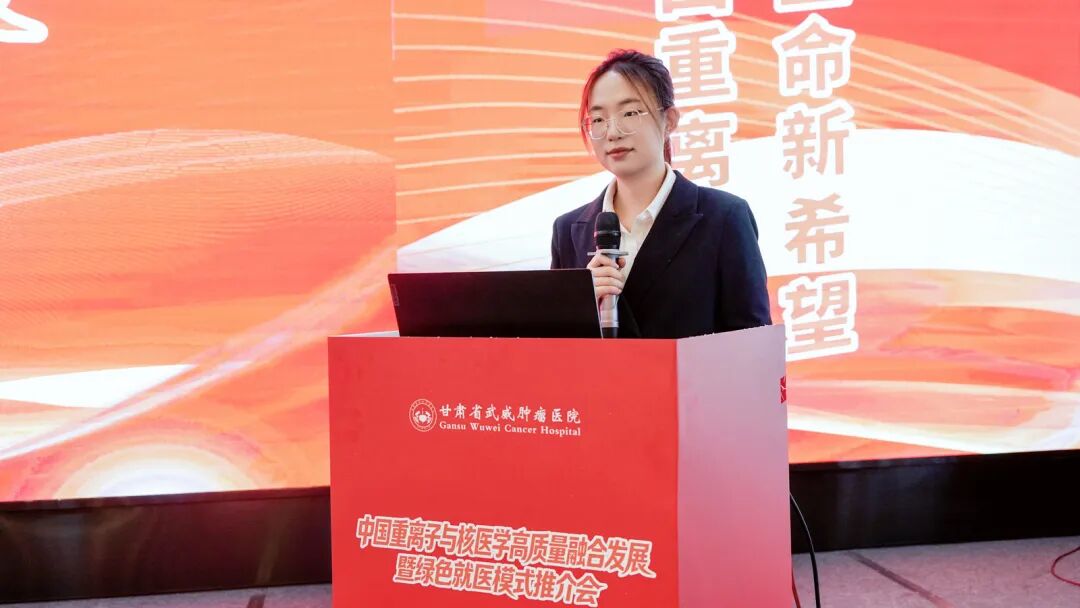
Ma Shuqian, Staff Member of the Organization and Publicity Section at Gansu Wuwei Cancer Hospital, presenting the "Green Access Medical Model Promotion."
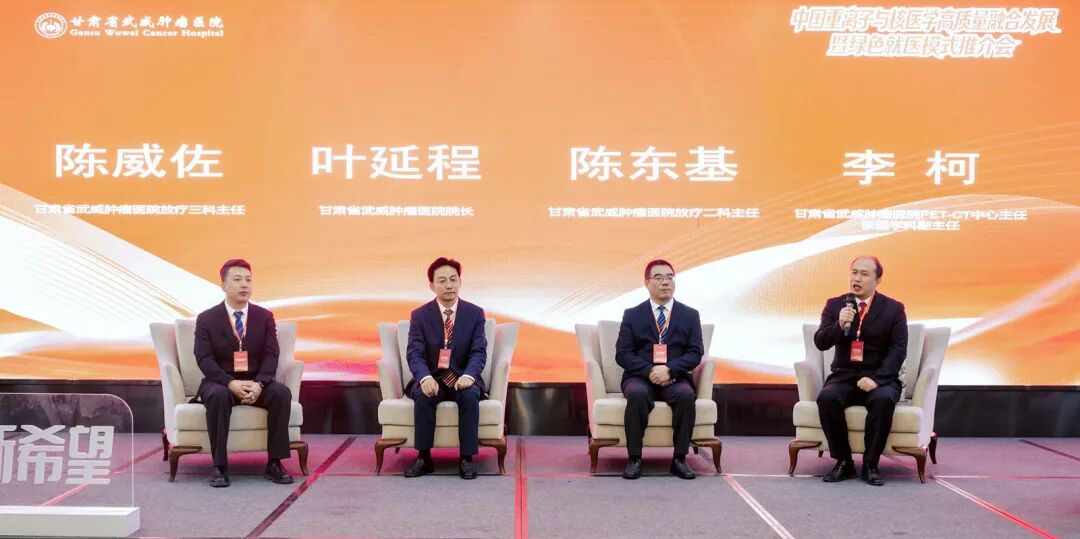
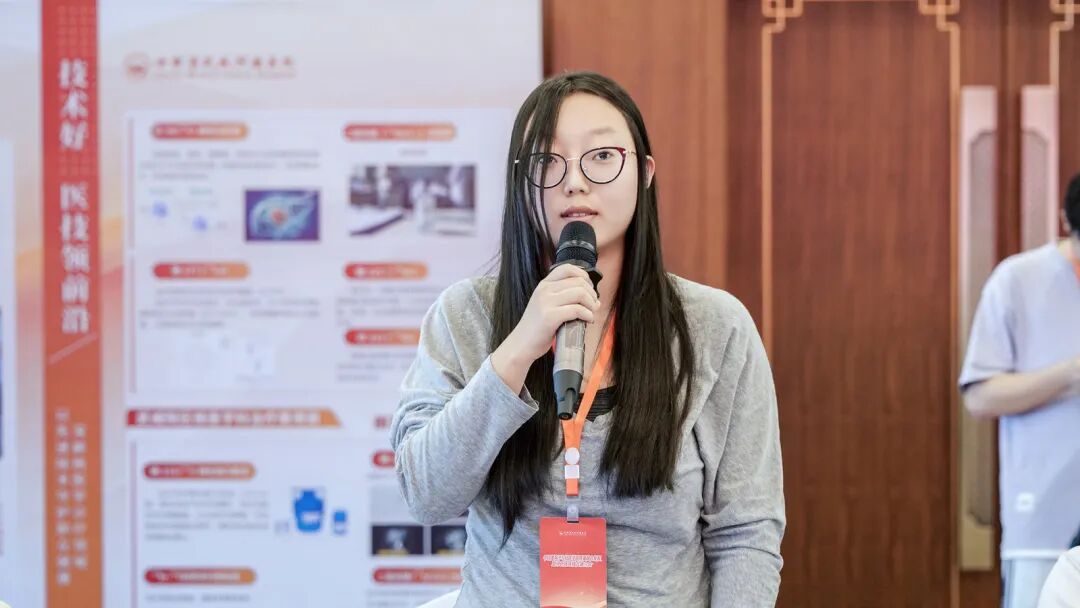
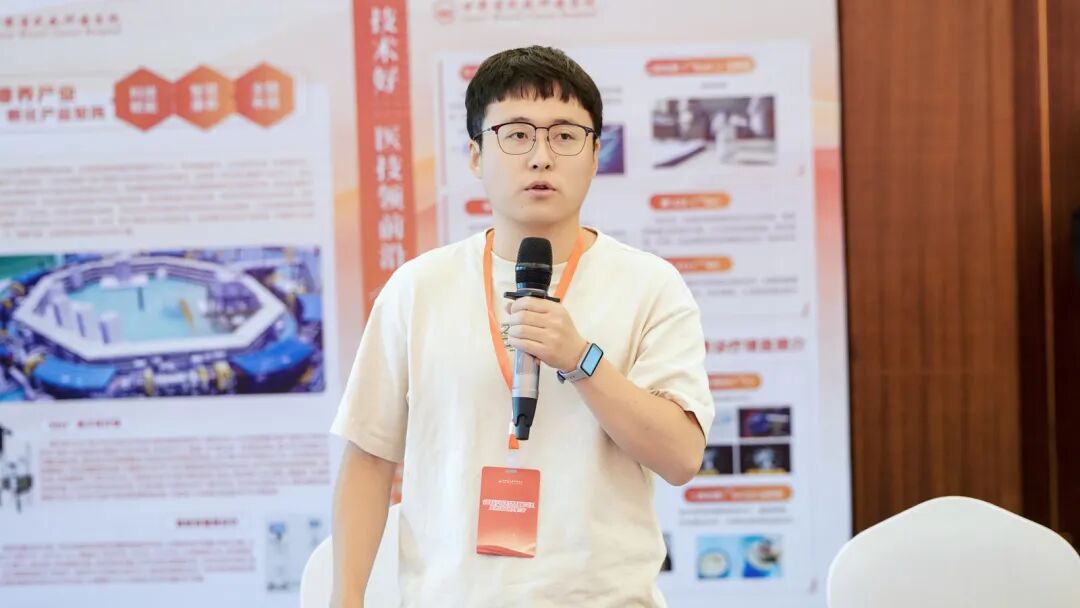
Media Q&A and Expert Response Session
Conference Highlights
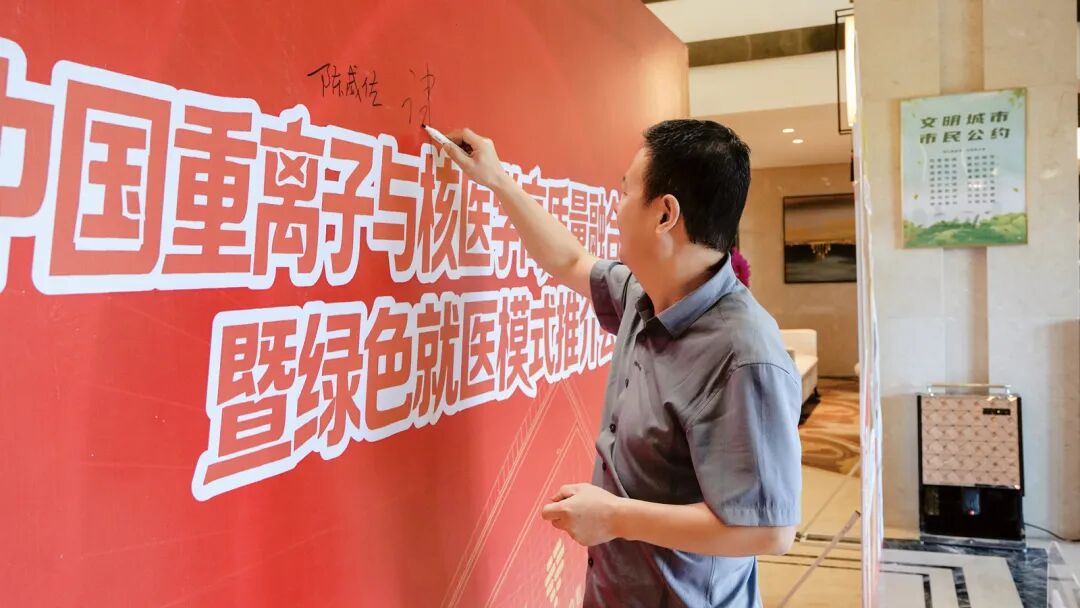

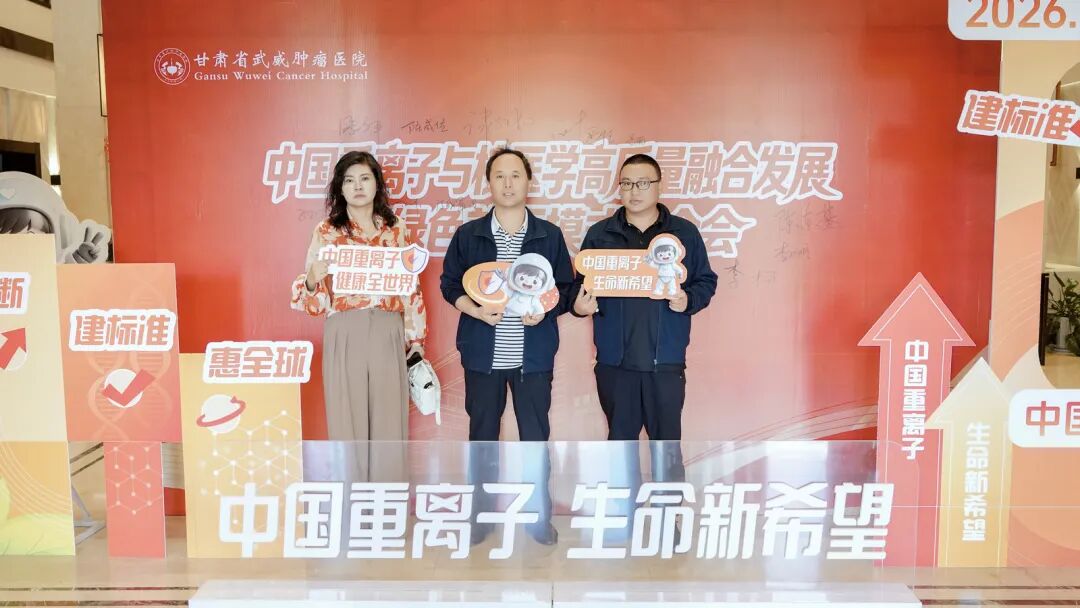
Writer: Guo Yishan
First Review: Yang Yang
Second Review: Guo Yishan
Third Review: Cai Qinghua