China’s Heavy Ion Frontier Technology Sparks Global Interest at International Academic Conference
China’s Heavy Ion Frontier Technology Sparks Global Interest at International Academic Conference
On July 18, the 2026 BMIT-GRN International Symposium on Biomedical and Multimedia Information Technology convened at Shanghai Jiao Tong University. The event brought together nearly one hundred leading experts from prestigious institutions worldwide, including Northwestern Polytechnical University, Shanghai Jiao Tong University, Sichuan University, Nanjing University of Science and Technology, The Education University of Hong Kong, The Hong Kong Polytechnic University, South China University of Technology, Shenzhen University, Beijing Zhongguancun Academy, Northwest A&F University, Wuhan Polytechnic University, the University of Sydney, and James Cook University. Discussions centered on cutting-edge topics such as medical artificial intelligence, multimodal biological big data, precision radiotherapy, and intelligent medical devices.
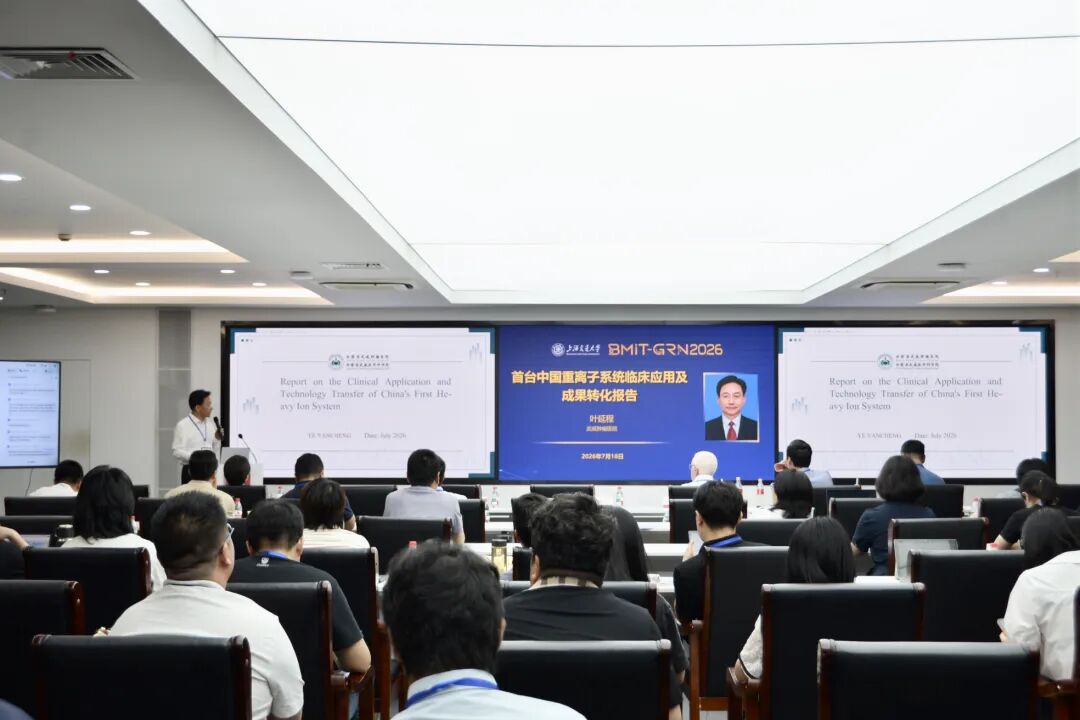
During the symposium, Professor Ye Yancheng of Gansu Wuwei Cancer Hospital delivered a keynote speech titled Clinical Application and Technological Translation of China’s First Heavy Ion System. His presentation offered a comprehensive overview of the achievements made since the launch of China’s first domestically developed heavy ion therapy facility, highlighting breakthroughs in center operations, clinical research innovation, and long-term industrial planning. The report showcased China’s end-to-end capabilities in heavy ion technology—from independent equipment development and proven clinical outcomes to interdisciplinary research collaboration—drawing significant attention from the international, multidisciplinary audience.
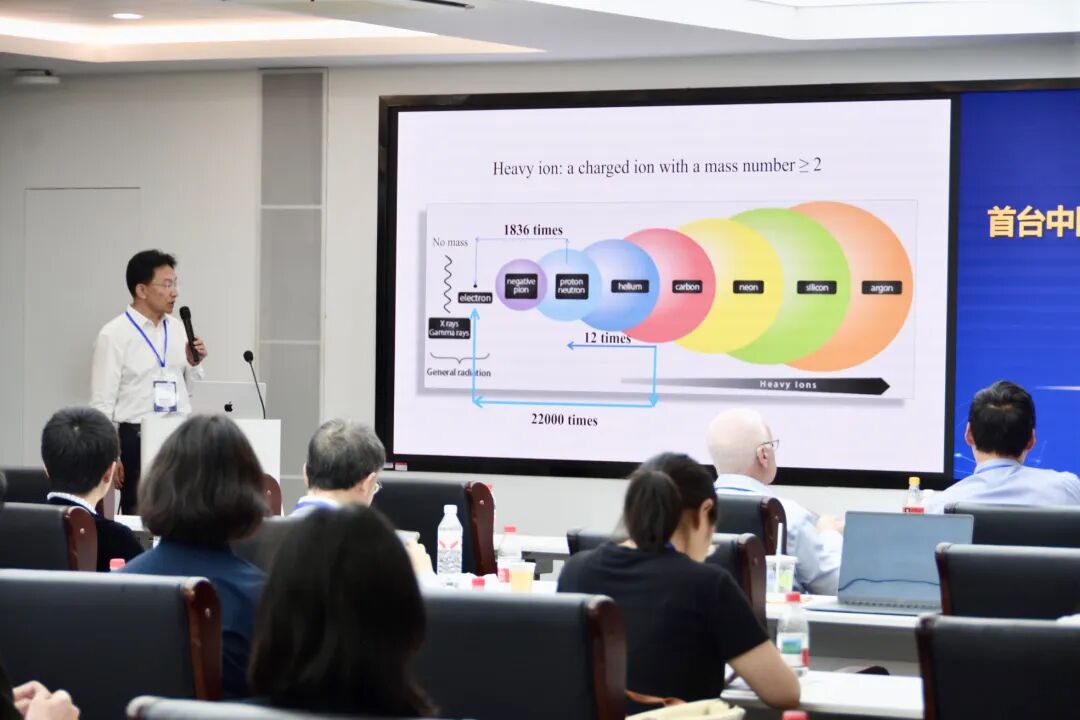
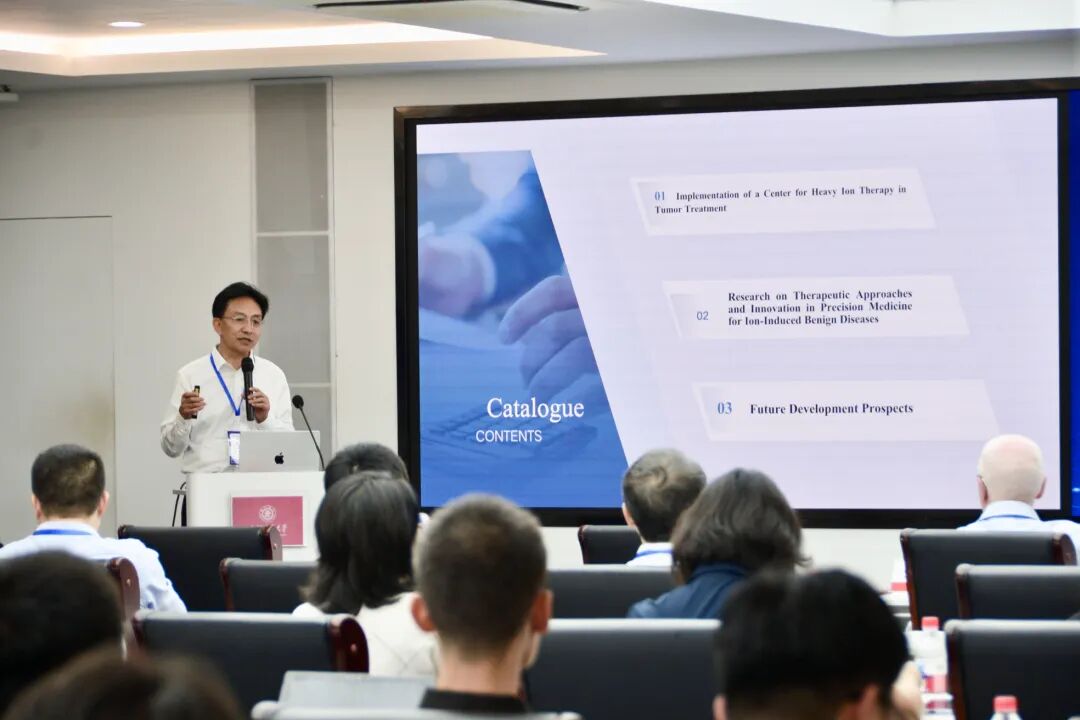
As the birthplace of domestic heavy ion technology and the world’s only hospital operating two heavy ion therapy systems simultaneously, the institution has established a coordinated “dual-center” structure linking Wuwei and Lanzhou. It has pioneered nine globally recognized heavy ion cancer treatment techniques, including respiration-controlled precision therapy, bladder-volume-managed treatment for bladder cancer, and single-fraction therapy using tissue spacers to protect organs at risk. These innovations offer new hope to patients with tumors previously considered untreatable by conventional radiotherapy. Leveraging the unique physical and biological advantages of heavy ion beams, the hospital now treats over 100 types of malignant tumors. To date, it has successfully treated more than 3,000 patients from across China—including Hong Kong, Macao, and Taiwan—as well as from countries such as Belgium, Australia, South Korea, Malaysia, Canada, Vietnam, Singapore, Thailand, New Zealand, Jordan, and Serbia. Outcomes for many cancer types have surpassed international benchmarks.
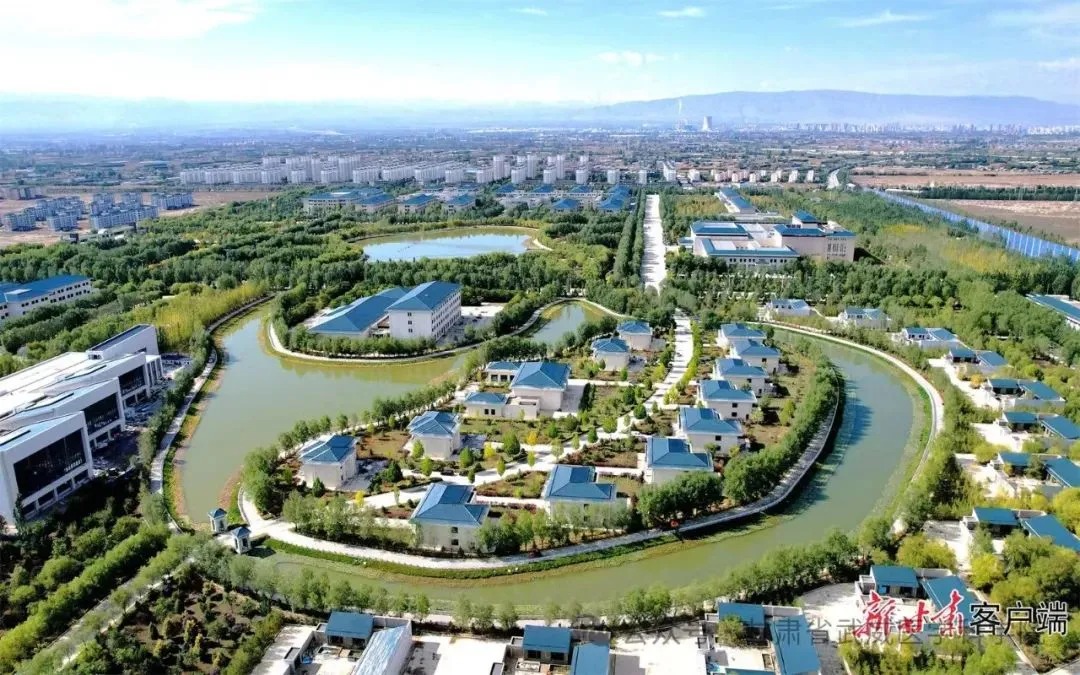
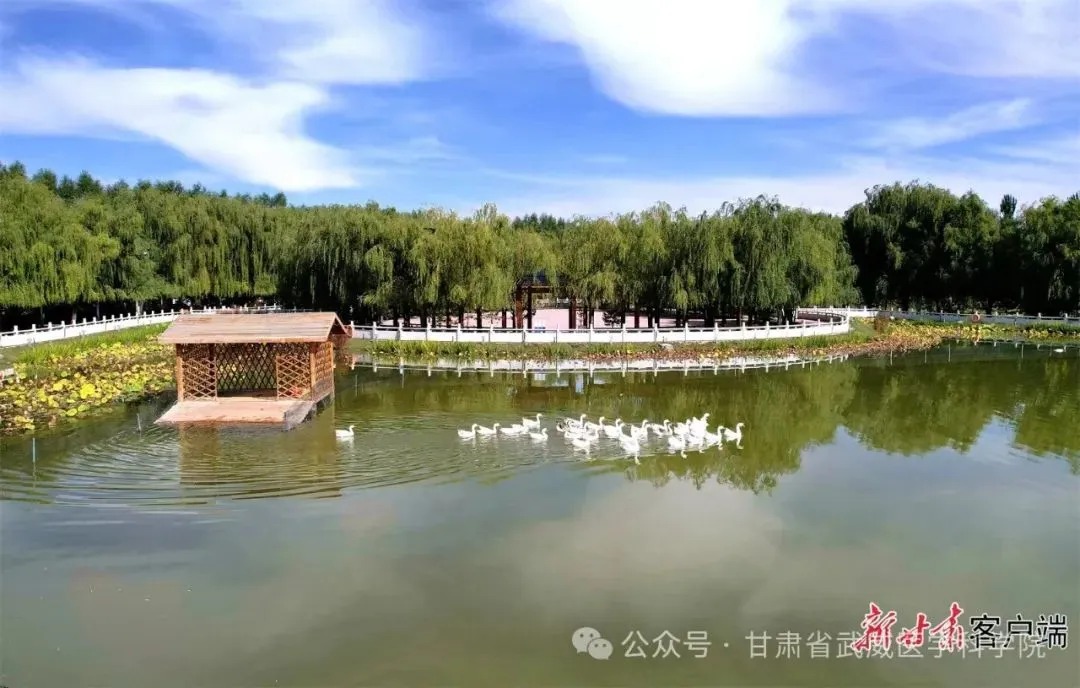
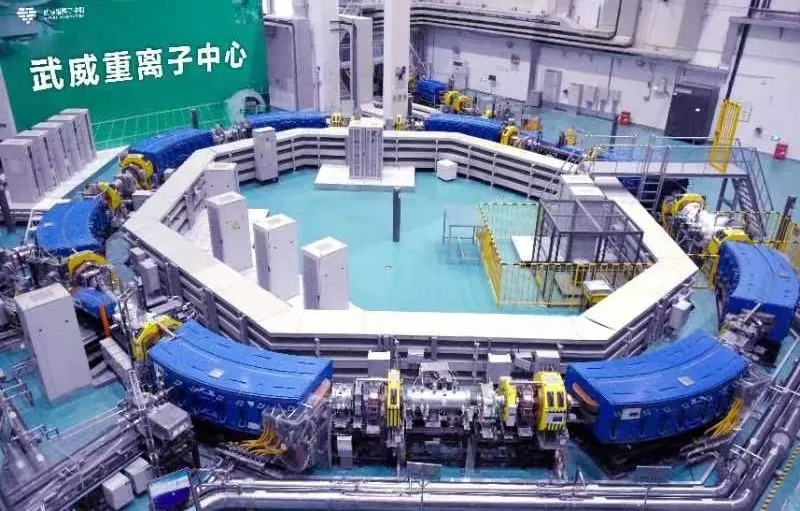
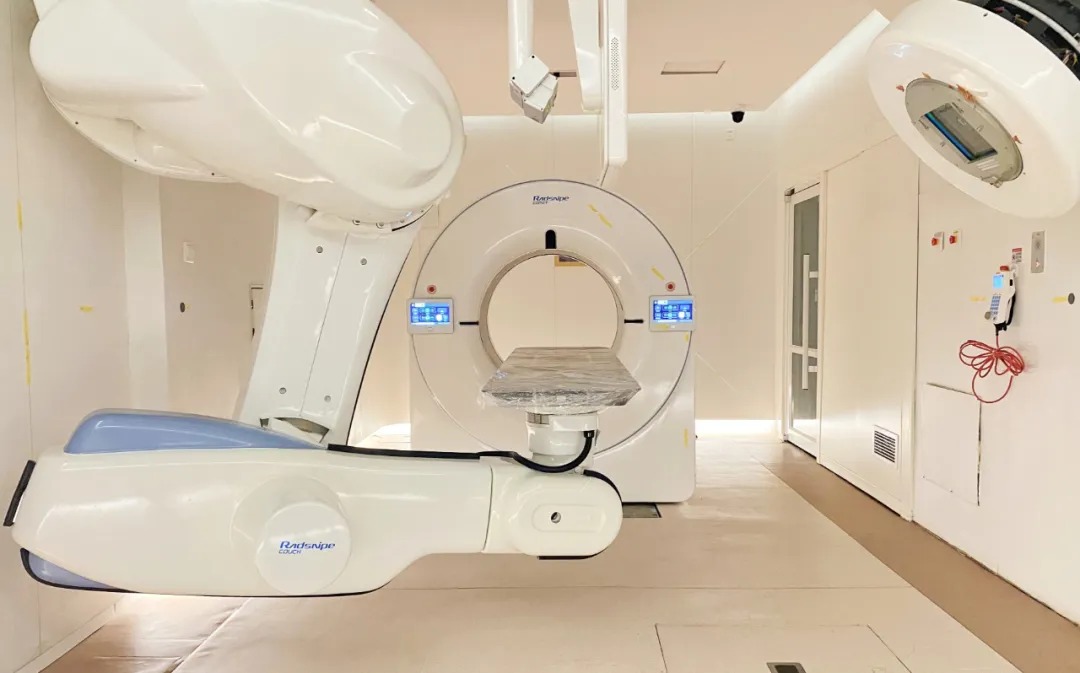
In recent years, the hospital has deepened industry–academia–research collaboration, partnering with the Institute of Modern Physics (Chinese Academy of Sciences), Lanzhou University, Northwest Normal University, and other institutions. Focusing on challenging solid tumors such as lung, liver, and pancreatic cancers, researchers have analyzed extensive real-world clinical data to lead the development of the Clinical Practice Guidelines for Heavy Ion Therapy and disease-specific protocols. Concurrently, the hospital is exploring heavy ion applications for non-oncological refractory diseases, expanding evidence-based insights to align domestic standards with global practices and strengthen China’s voice in international oncology.
Building on its robust clinical foundation, the hospital has entered into a strategic partnership with the Biomedical Data Analytics and Visualization Laboratory (BDAV) at the University of Sydney. Two AI-driven innovation projects are already underway: an intelligent dose-prediction system based on U-Net architecture and large language models, which automatically generates personalized radiotherapy plans from medical imaging; and a multimodal Transformer-based survival prediction model that integrates diverse data sources to forecast patient prognosis. By combining local clinical expertise with advanced overseas algorithms, these initiatives are ushering heavy ion precision radiotherapy into a new era of digital intelligence—efficiently translating practical experience into scalable scientific outcomes.
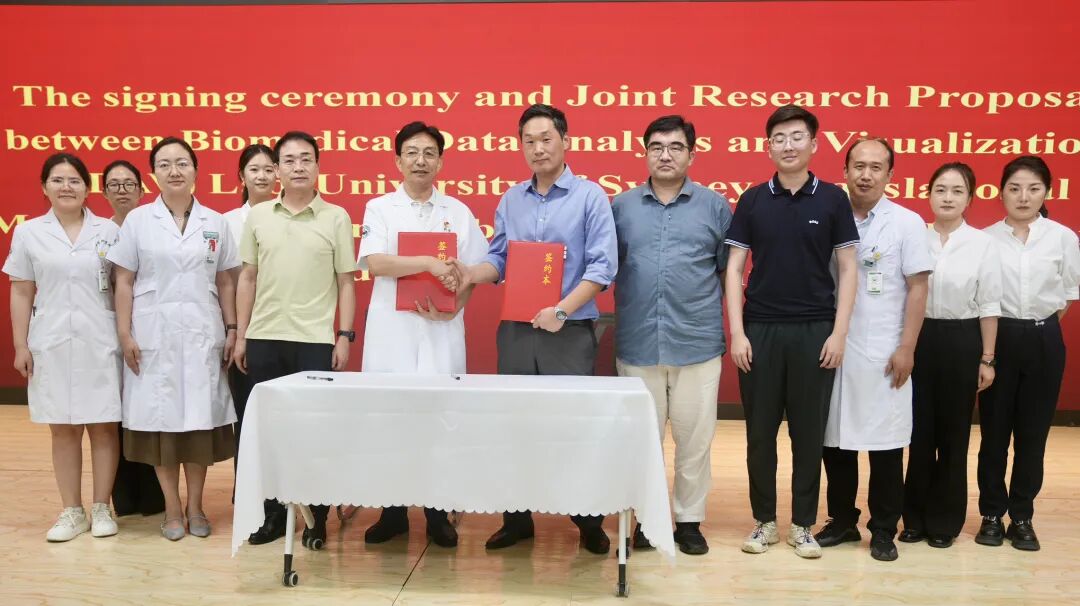
Signing Ceremony of the Joint Research Project by Sydney University, SJTU, and Wuwei Heavy Ion Center
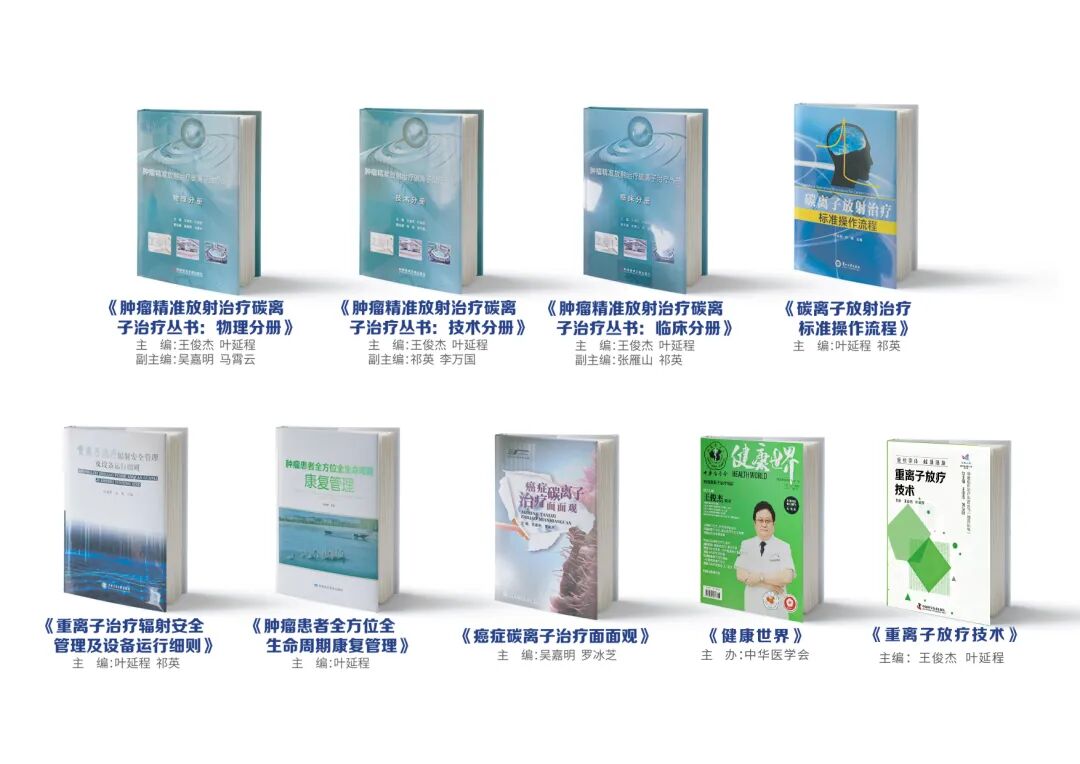
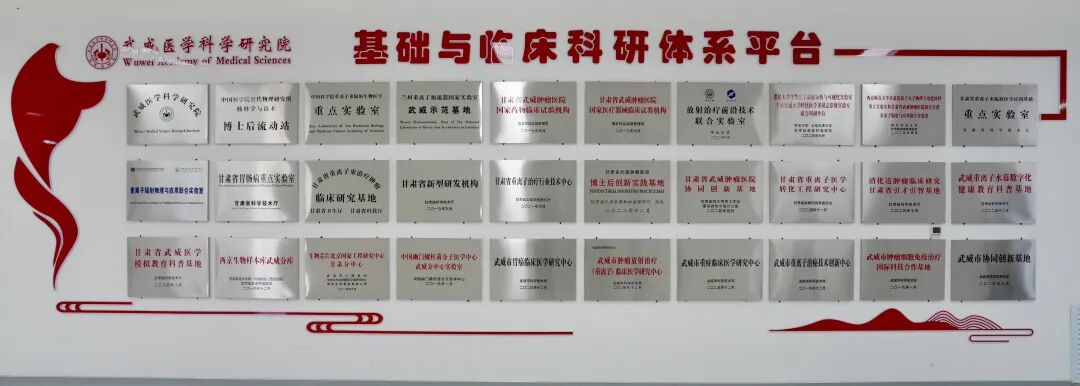
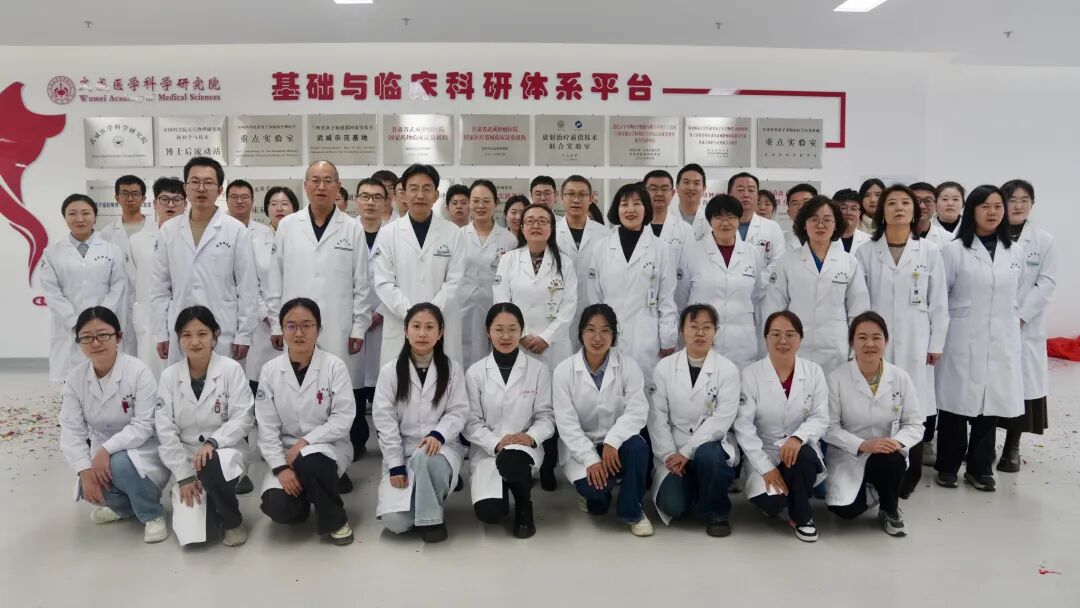
Participation in the BMIT-GRN symposium not only highlighted the hospital’s clinical and research accomplishments but also served as a vital platform for fostering global academic exchange and advancing translational collaboration. Looking ahead, the hospital remains committed to integrating clinical care, scientific research, and international cooperation to close the loop between medical practice, discovery, and application. By continuously elevating the profile of China’s homegrown heavy ion brand, it aims to bring world-class particle therapy to patients worldwide.
Writer: Guo Yishan
First Review: Duan Shengyu
Second Review: Guo Yishan
Third Review: Cai Qinghua
Gansu Wuwei Cancer Hospital (Wuwei Academy of Medical Sciences)
(甘)医广【2025】第11-14-387号