China’s Heavy Ion Therapy Emerges as New Lifeline for Cancer Patients
China’s Heavy Ion Therapy Emerges as New Lifeline for Cancer Patients
— Conference on Green Healthcare Model Highlights Synergy Between Heavy Ion and Nuclear Medicine
Editor’s Note: Recently, cancer patients from across China and countries including Belgium, Australia, South Korea, Malaysia, Jordan, and Serbia have traveled to Gansu Wuwei Tumour Hospital in search of new hope. Leveraging the unique dual-center model linking its Wuwei and Lanzhou facilities, the hospital has successfully treated over 3,000 patients from home and abroad with heavy ion therapy, covering more than 100 types of cancer. These solid clinical outcomes underscore the region’s growing strength in nuclear medicine. Powered by domestically developed cutting-edge technology, China’s homegrown heavy ion therapy is proving to be a vital breakthrough for complex and hard-to-treat cases.
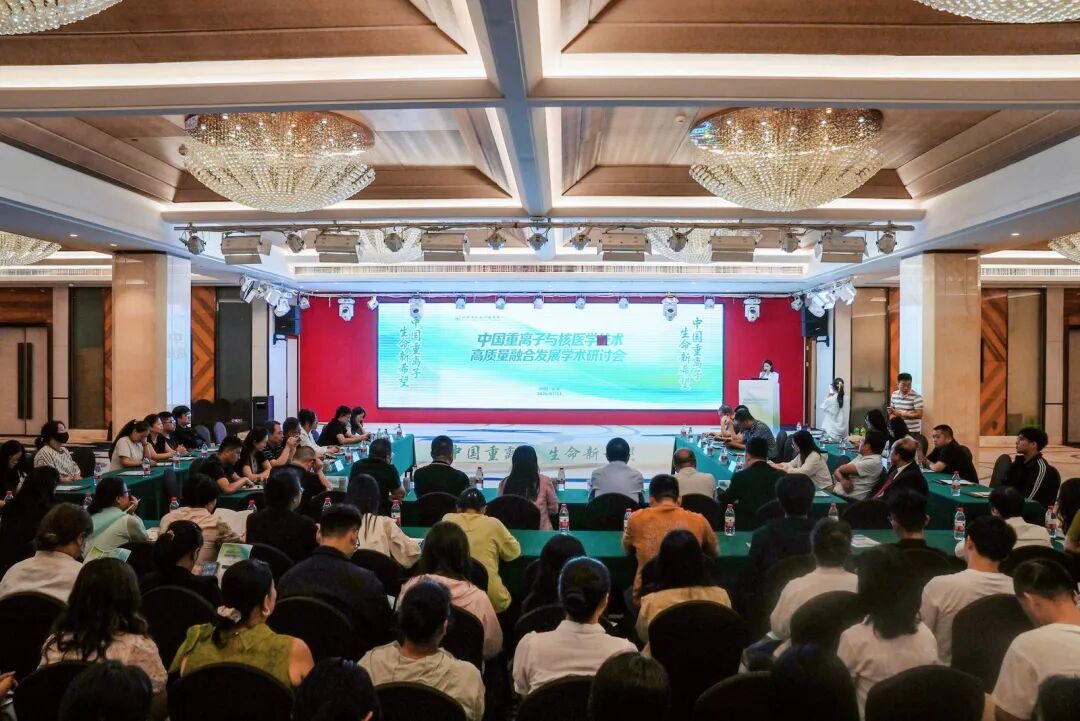
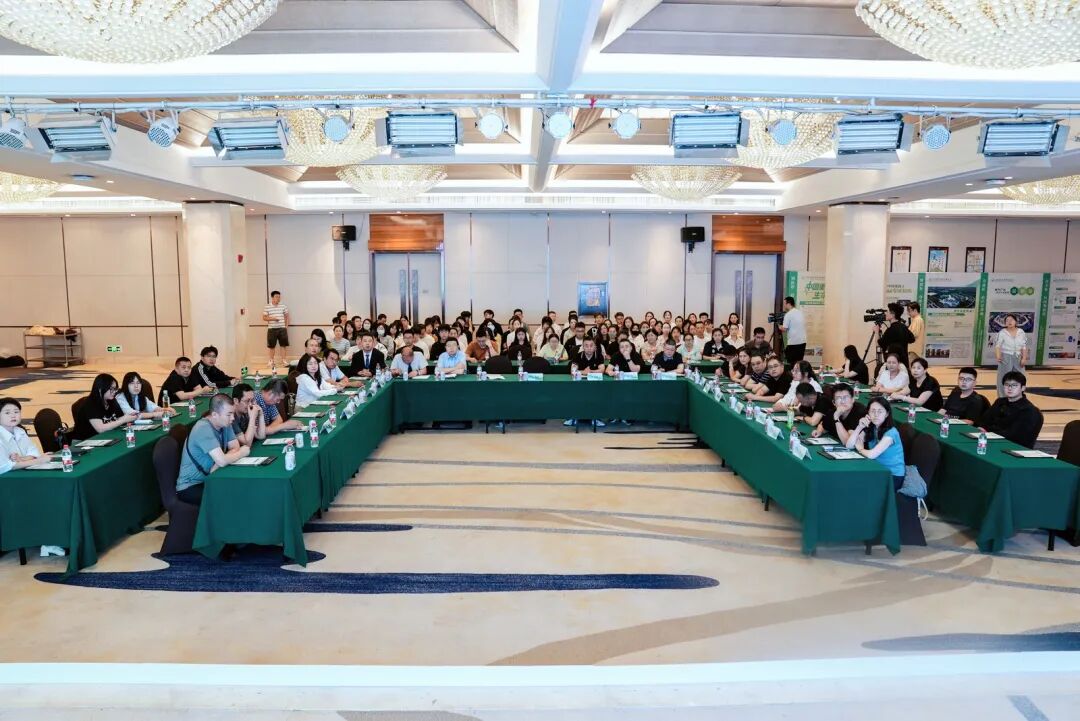
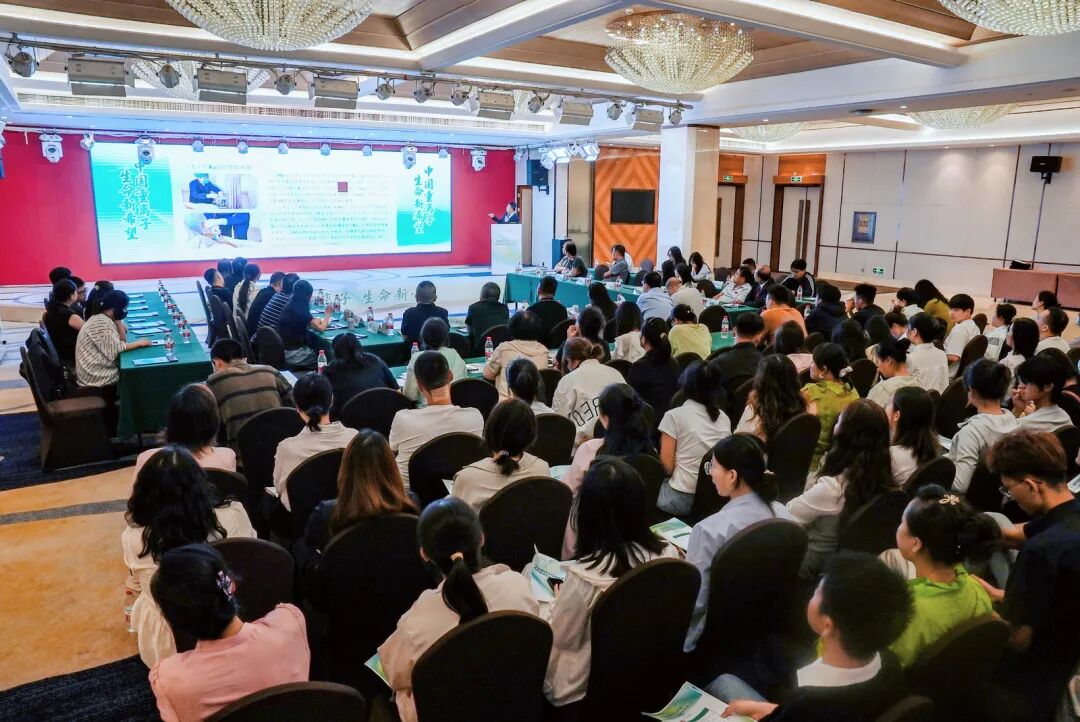
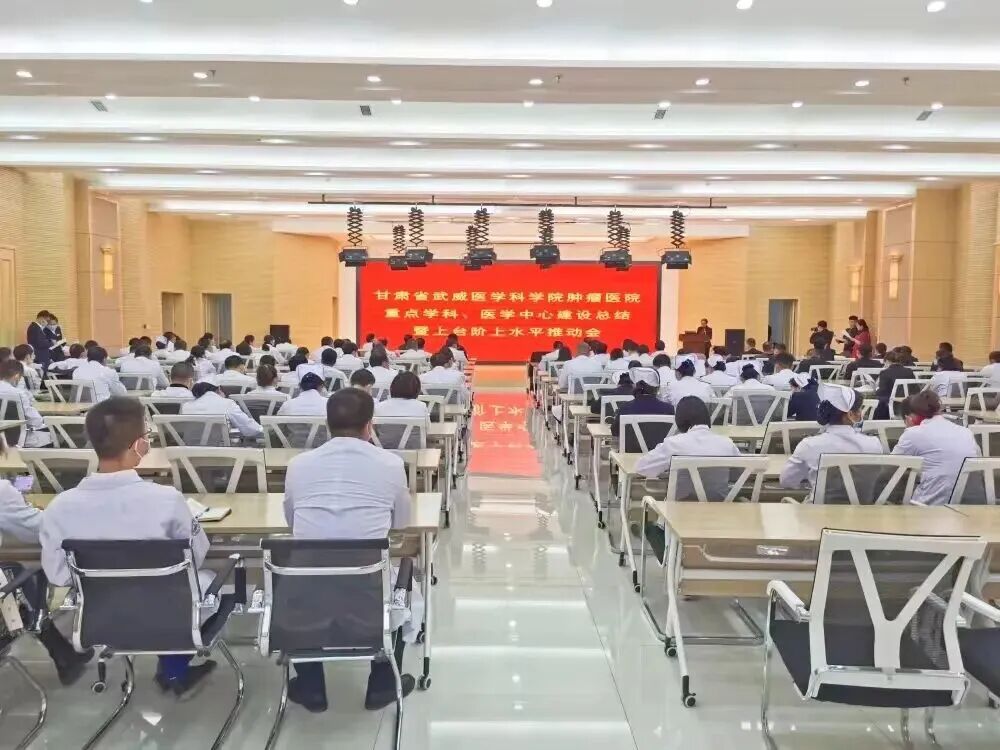
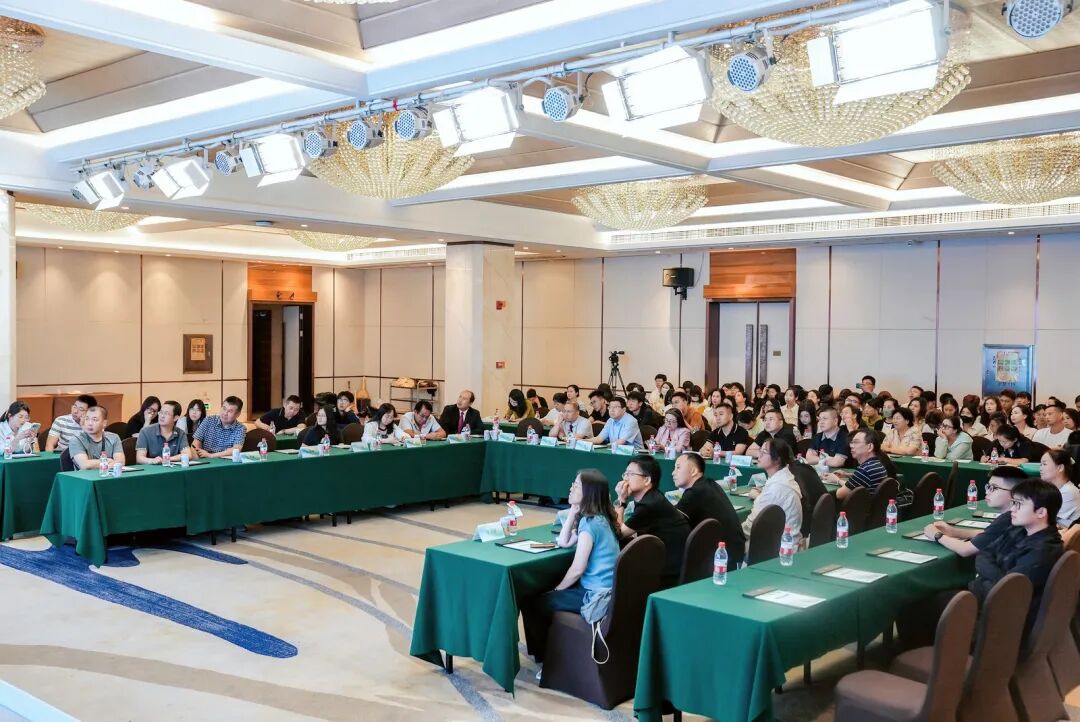
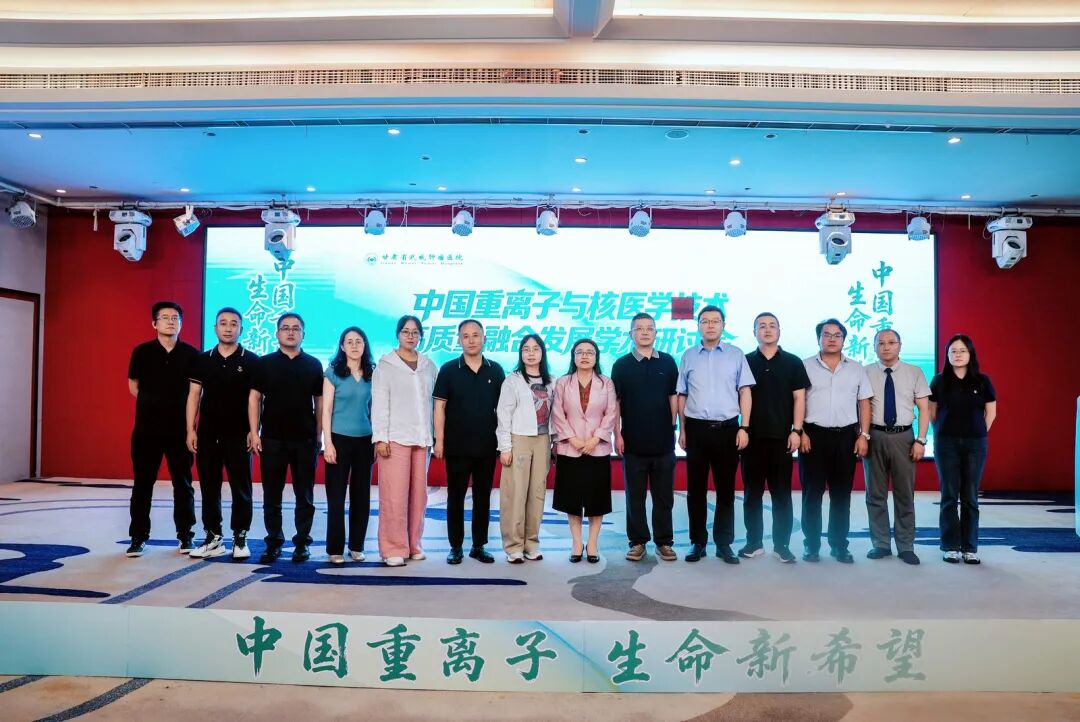
On July 11, a conference promoting a green healthcare model driven by the high-quality integration of heavy ion and nuclear medicine technologies was held in Tianshui, Gansu. Over ten local medical experts attended the event, which drew coverage from major media outlets including CRI Online, CNR.cn, China.org.cn, New Gansu, and the Tianshui Media Convergence Center.
Cancer care stands as a critical pillar of public health. Gansu Wuwei Cancer Hospital has built a comprehensive, state-of-the-art oncology system integrating nuclear diagnostics, radionuclide therapy, photon radiotherapy, and heavy ion treatment. It promotes a holistic, full-lifecycle health management approach centered on heavy ion radiotherapy and targeted nuclear medicine, complemented by psychosocial rehabilitation, sleep therapy, nutritional support, traditional Chinese medicine, rehabilitative physiotherapy, and multidisciplinary tumor care. Guided by its mission to “harness global frontiers of technology to benefit cancer patients worldwide” and its vision to become “a global destination where patients overcome cancer,” the hospital has rallied international expertise to fortify the front line of cancer prevention and treatment in Northwest China.
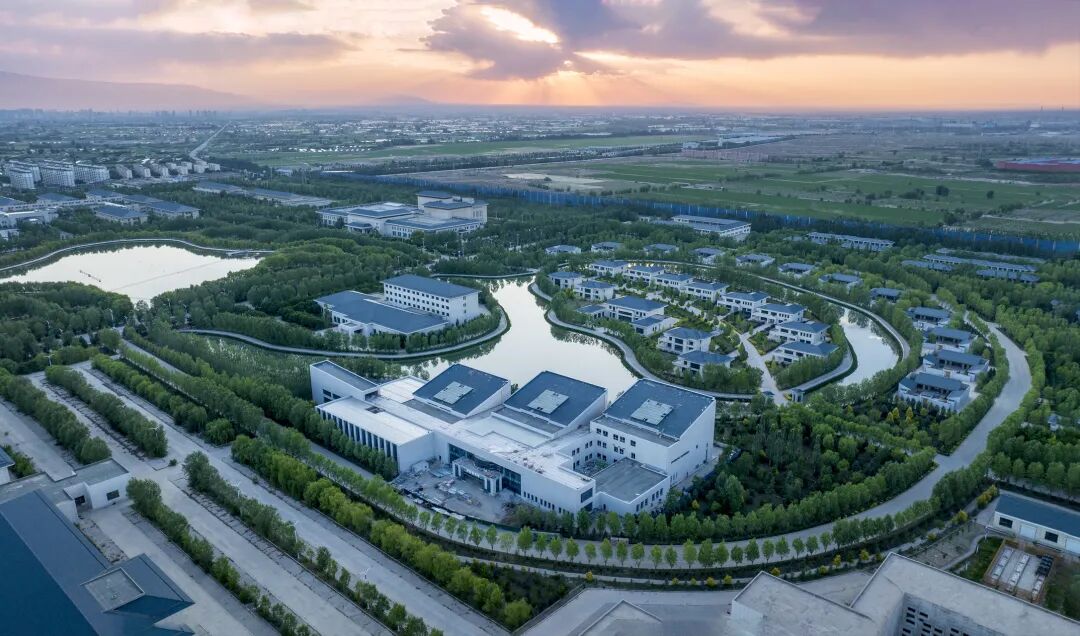
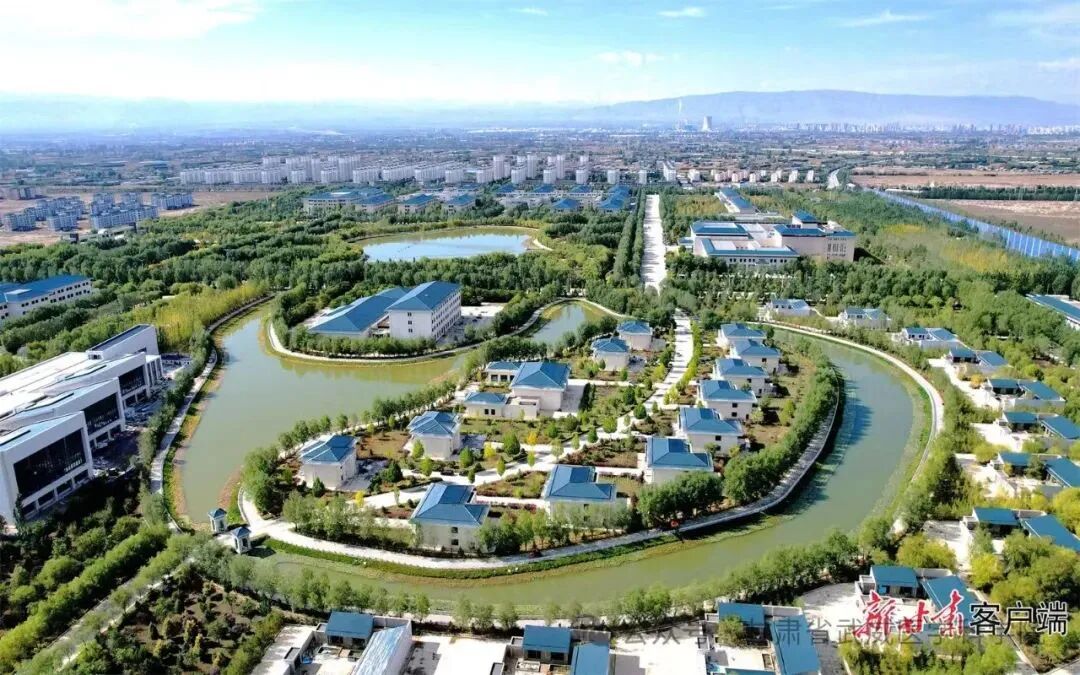
Aerial View of the Wuwei Heavy Ion Center
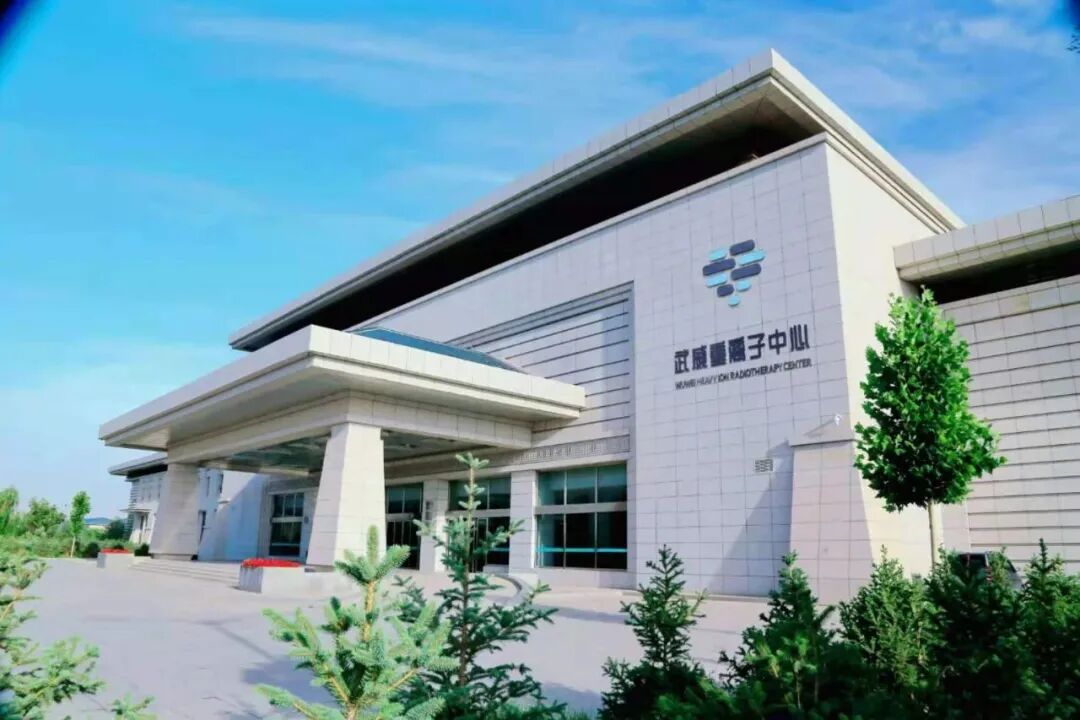
Main Building of the Heavy Ion Center
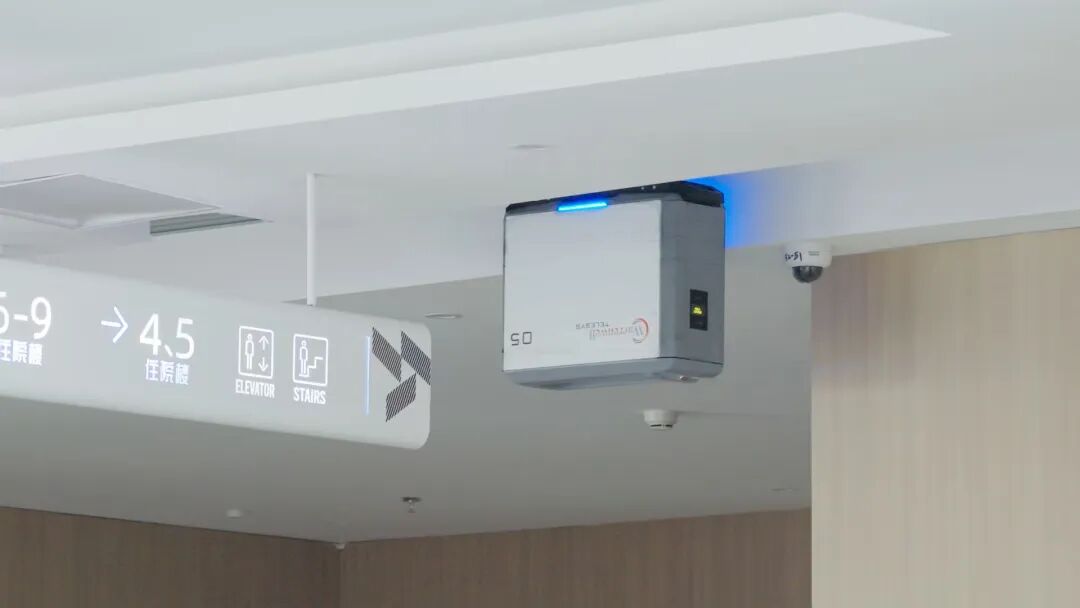
Automated Track-Based Logistics System at Wuwei Heavy Ion Center
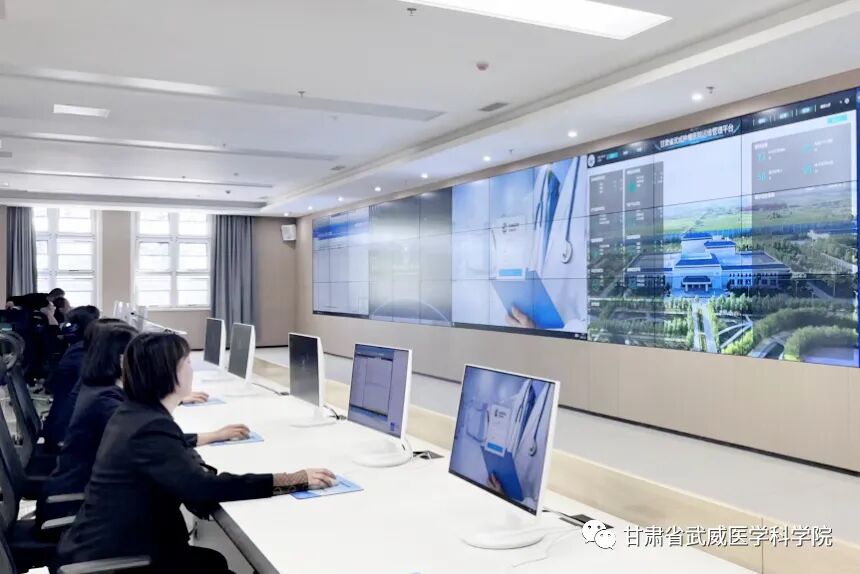
Smart Hospital Command Center, Wuwei Heavy Ion Cente
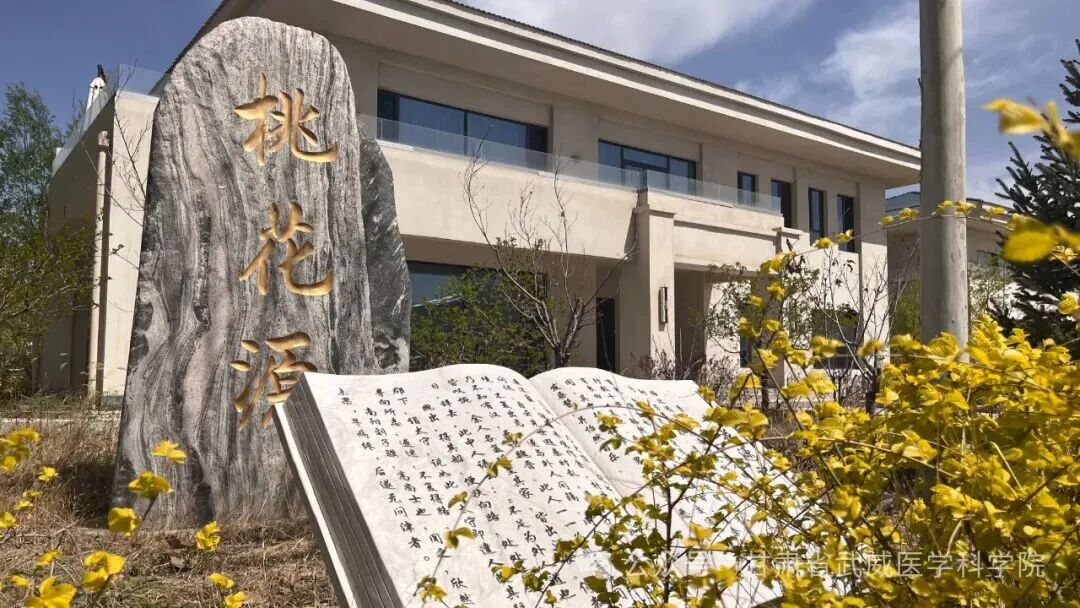
Peach Island: China’s Heavy Ion Health & Wellness Town
The hospital regards specialty development as the core engine of its growth, strategically building distinctive clinical programs. It has prioritized three flagship systems—oncology, digestive diseases, and cardiovascular and cerebrovascular conditions—forming a collaborative and multi-tiered network of disciplines. Currently, it operates six provincial-level and fourteen municipal-level key specialties, while two national-level key specialty development programs and one provincial-level clinical capacity improvement initiative are progressing steadily, with notable interim results. Its oncology services now rank among the nation’s most advanced. Meanwhile, the hospital is advancing smart, digital healthcare solutions, tightening quality control across the entire care continuum, and using intelligent management to enhance both safety and efficacy—laying a robust foundation for the standardized application of novel clinical technologies.
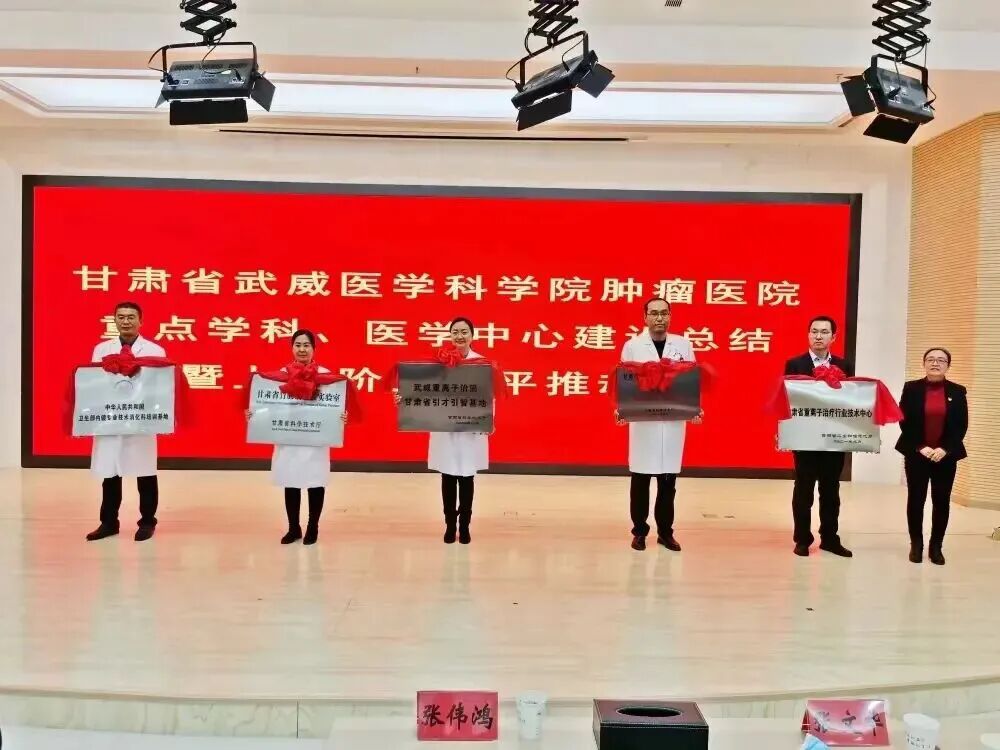
In nuclear diagnostics, the hospital is equipped with the GE Discovery 710 Super Iterative PET/CT—the fourth such system installed in Gansu Province and the only one operating in a prefecture-level hospital outside the provincial capital. Together with the GE Hawkeye 4 dual-head SPECT/CT, it forms a sophisticated molecular imaging platform for nuclear medicine.
The PET/CT system enables precise whole-body tumor screening, differentiation between benign and malignant lesions, preoperative staging, recurrence monitoring, and evaluation of chemoradiation response. It also supports targeted imaging for brain tumors, prostate cancer, neuroendocrine tumors, and gastrointestinal malignancies. Beyond oncology, it offers unique diagnostic value for epilepsy, Alzheimer’s disease, and severe heart failure. Gallium-68 imaging facilitates accurate diagnosis and quantification for advanced prostate cancer and neuroendocrine tumors, providing essential guidance for subsequent Lutetium-177 therapy. The SPECT/CT system performs whole-body bone scans, thyroid and renal dynamic imaging, myocardial perfusion studies, parathyroid scintigraphy, whole-body Iodine-131 scanning, and hepatopulmonary imaging—delivering reliable evidence for the diagnosis and standardized treatment of cancers and endocrine disorders.
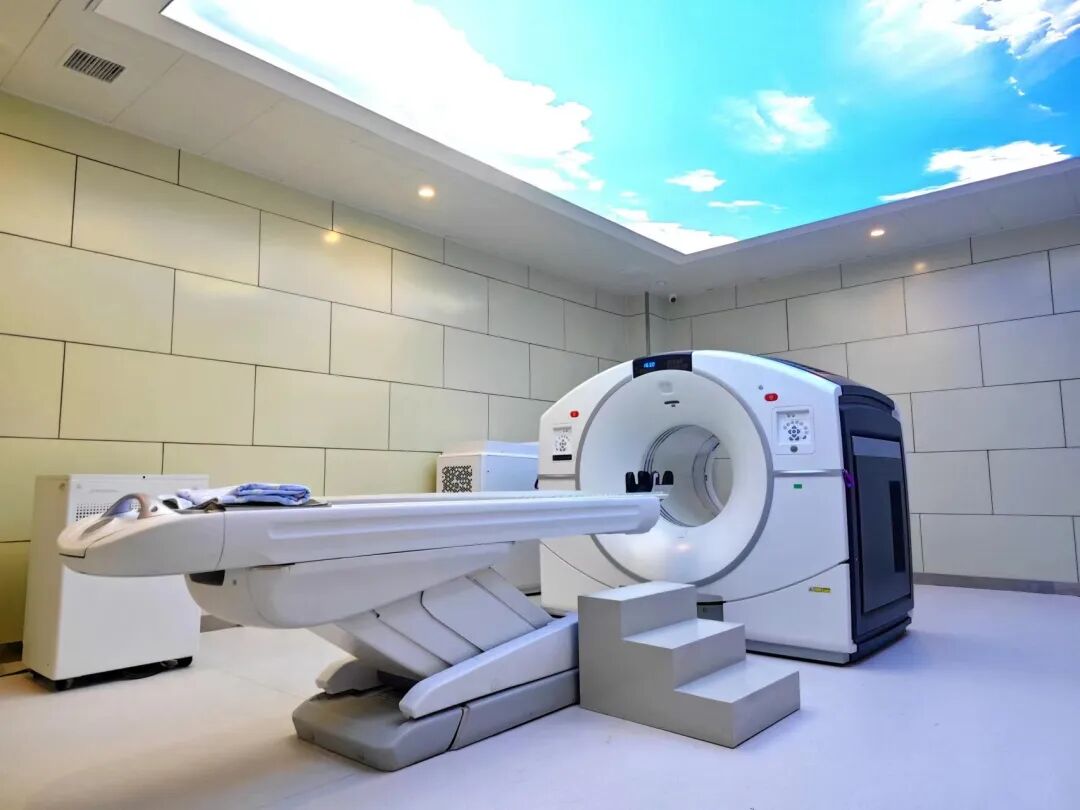
PET/CT
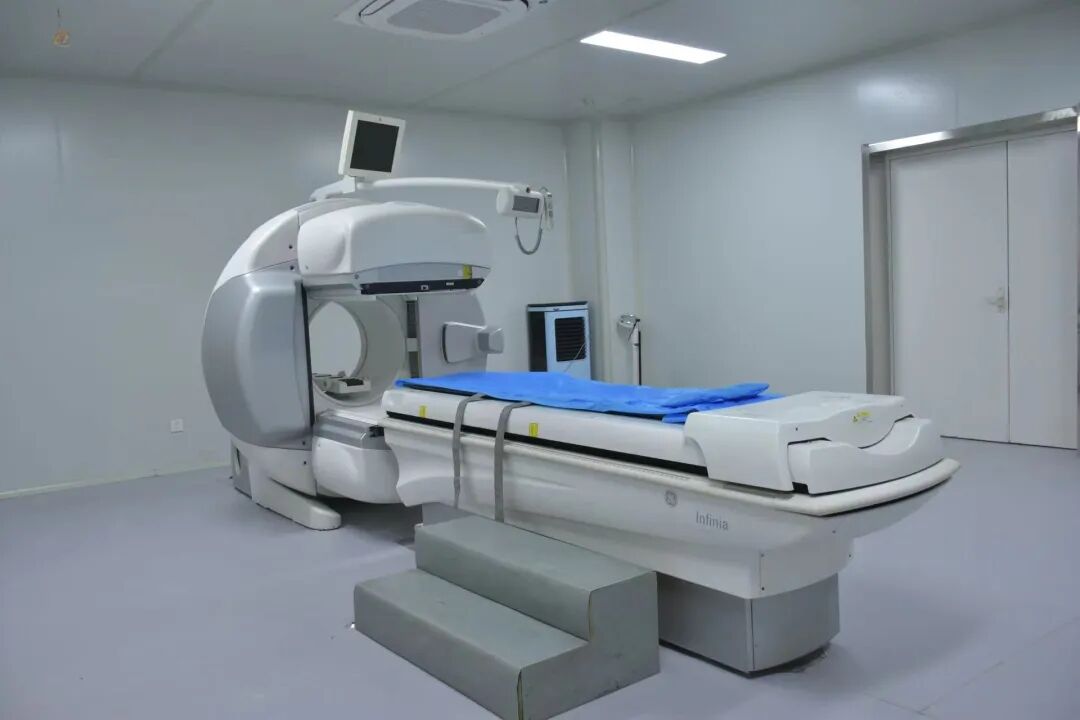
SPECT/CT
Building on its advanced equipment and proprietary radionuclide production platform, the hospital has established mature capabilities in a wide spectrum of nuclear medicine therapies. These include Iodine-131 treatment for hyperthyroidism, Strontium-90/Yttrium-90 applicator therapy for keloids and hemangiomas, Strontium-89 therapy for bone metastases, Iodine-125 seed implantation, Iodine-131 treatment for differentiated thyroid cancer, and Yttrium-90 resin microsphere radioembolization for liver cancer—benefiting over 10,000 patients to date.
In terms of clinical breakthroughs, the hospital performed the first-ever domestic Yttrium-90 microsphere radioembolization for liver cancer across the Gansu-Qinghai-Ningxia-Xinjiang region. It also pioneered Alpha-radionuclide therapy in the province with Radium-223 for metastatic prostate cancer, offering new hope for patients with advanced malignancies. The ongoing implementation of Lutetium-177 therapies promises further breakthroughs for metastatic prostate cancer and neuroendocrine tumor patients. Looking ahead, clinical trials involving next-generation targeted radionuclides—such as Actinium-225 and Astatine-211—are set to propel Gansu’s nuclear medicine capabilities to the national forefront.

Iodine-131 (¹³¹I) Therapy for Hyperthyroidism and Differentiated Thyroid Cancer
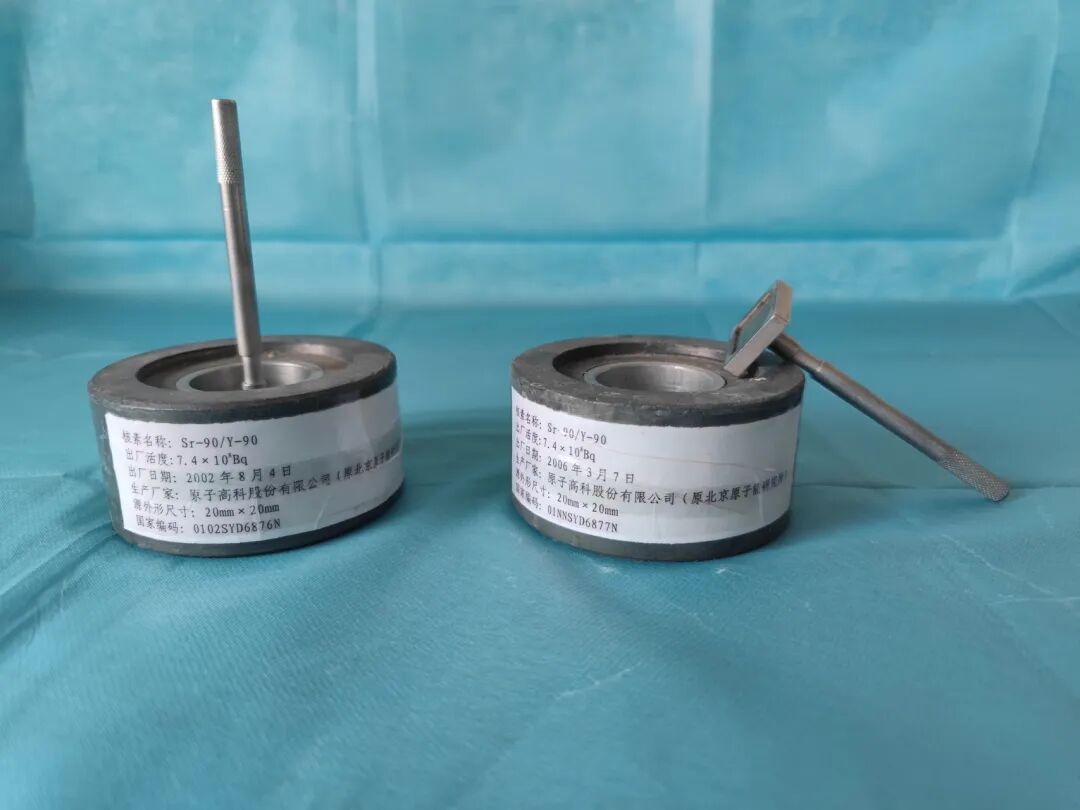
Strontium-90/Yttrium-90 (⁹⁰Sr-⁹⁰Y) Applicator Therapy
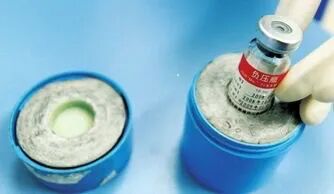
Strontium-90/Yttrium-90 (⁹⁰Sr-⁹⁰Y) Applicator Therapy

Iodine-125 (¹²⁵I) Seed Implantation Therapy
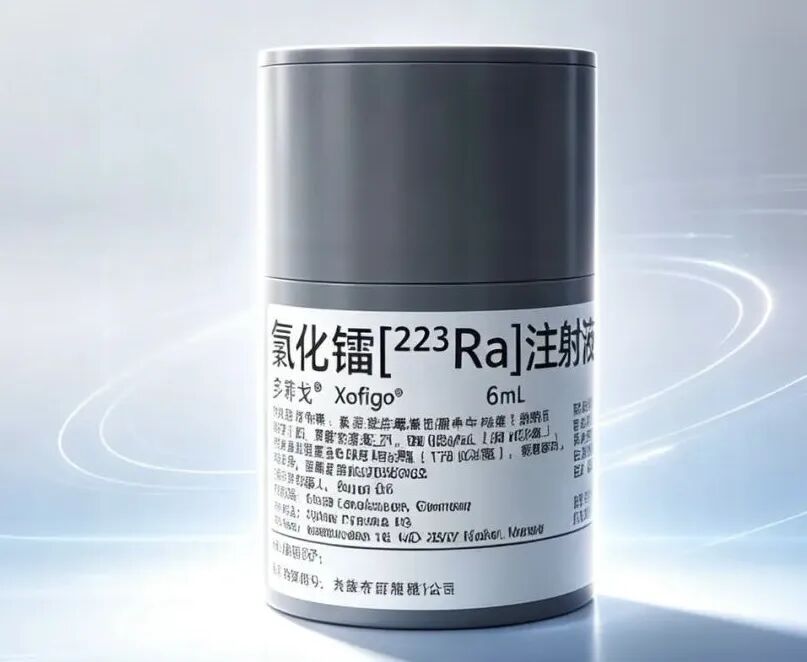
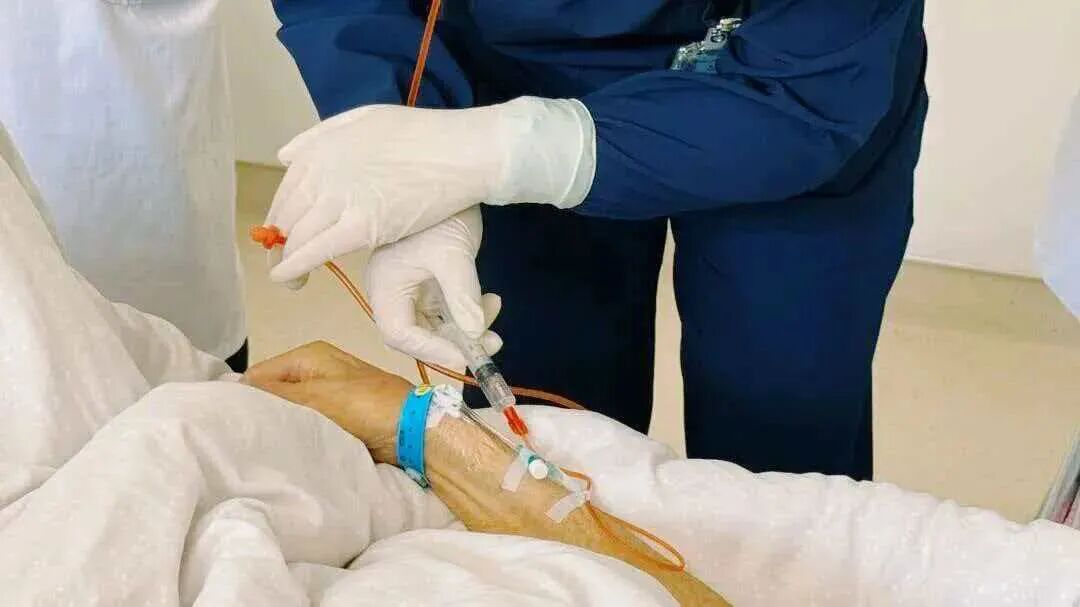
Radium-223 (²²³Ra) Targeted Radionuclide Therapy
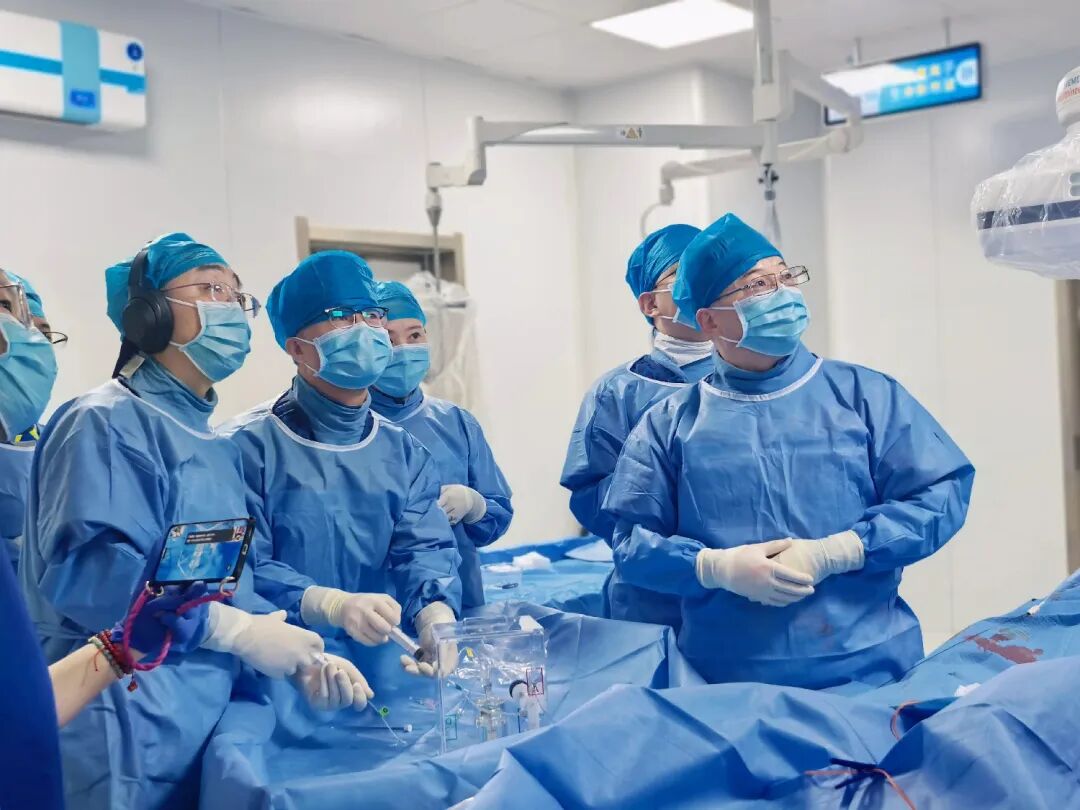
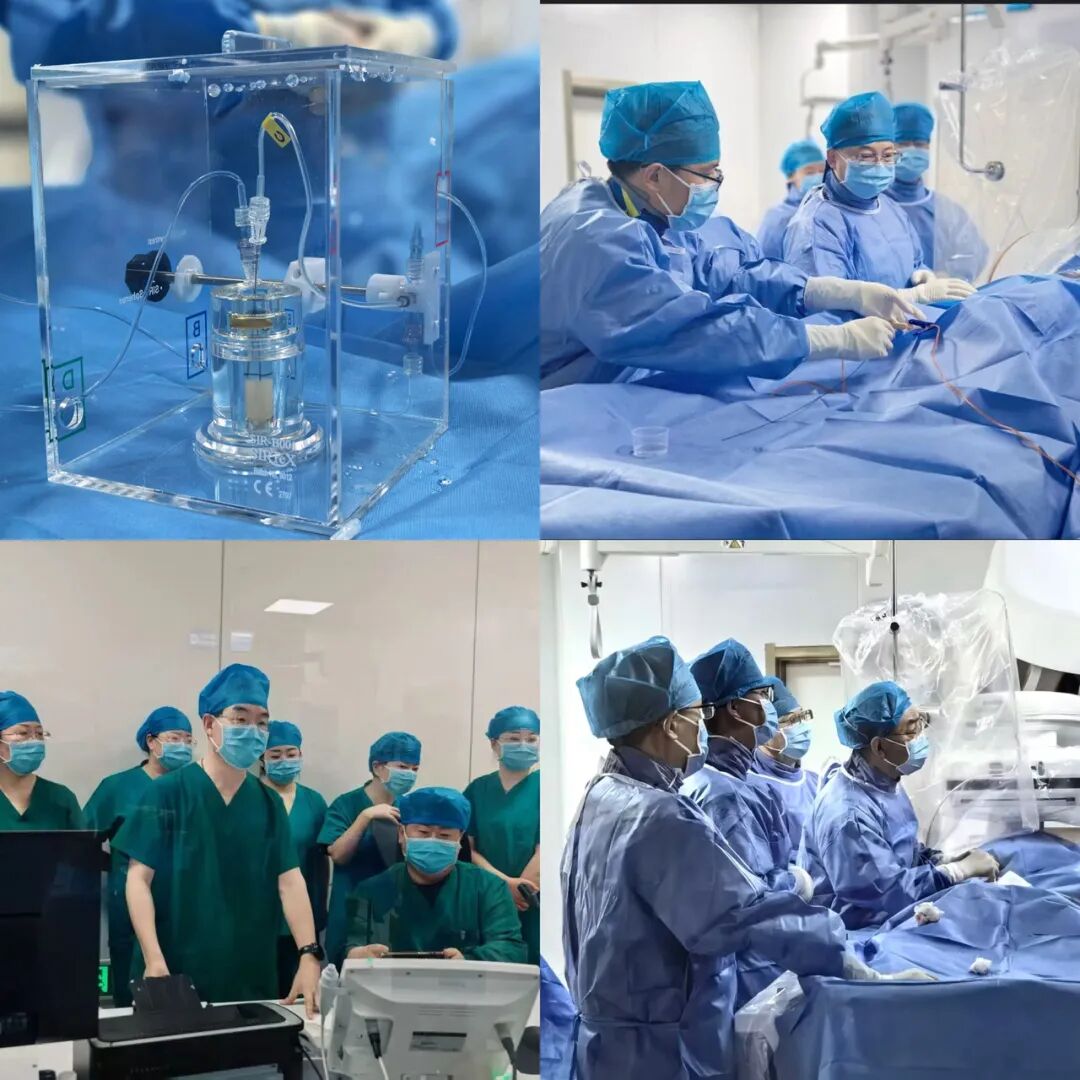
Yttrium-90 (⁹⁰Y) Resin Microsphere Radioembolization
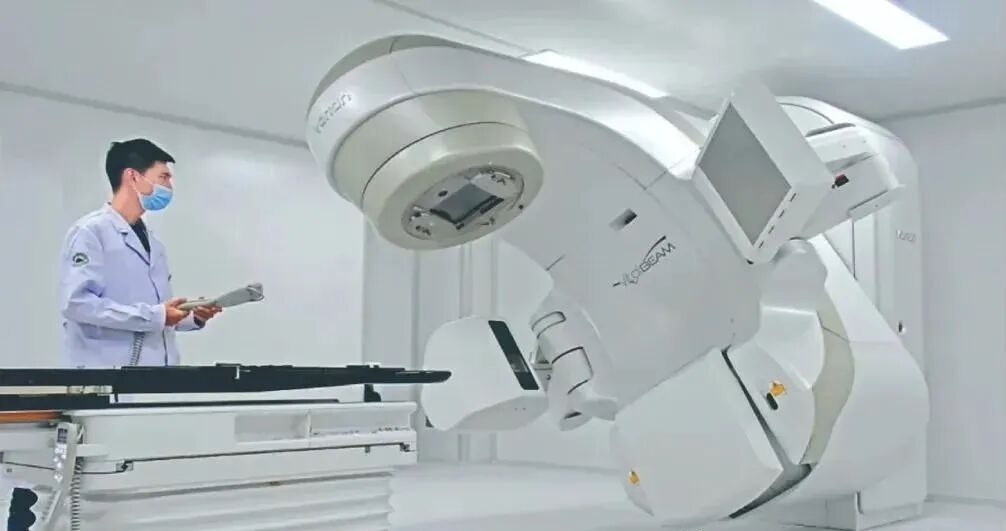
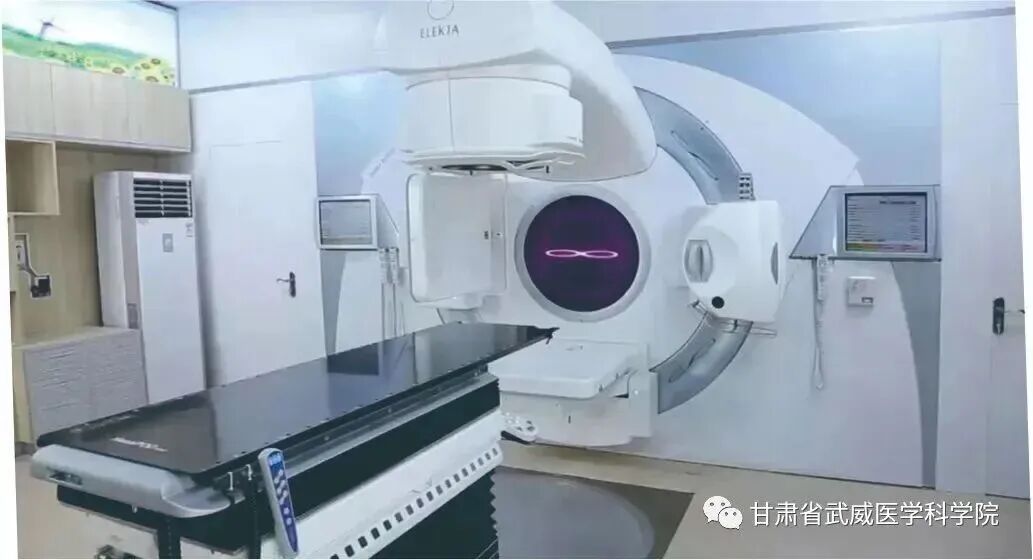
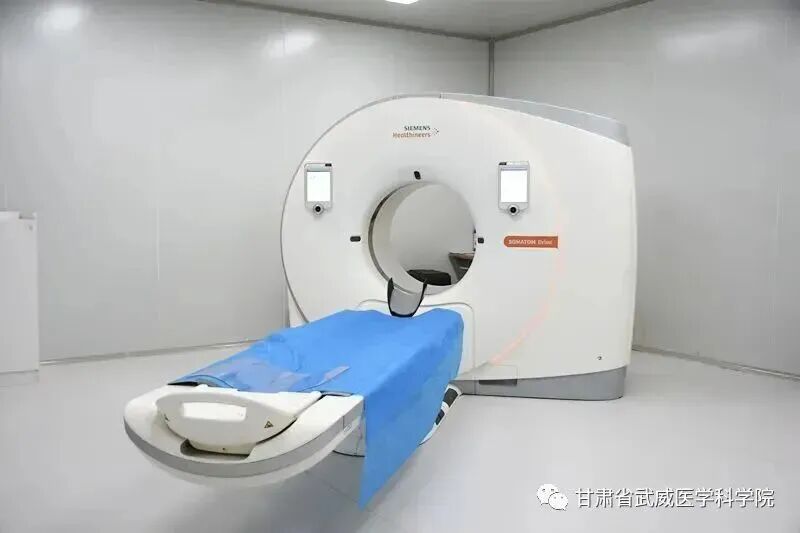
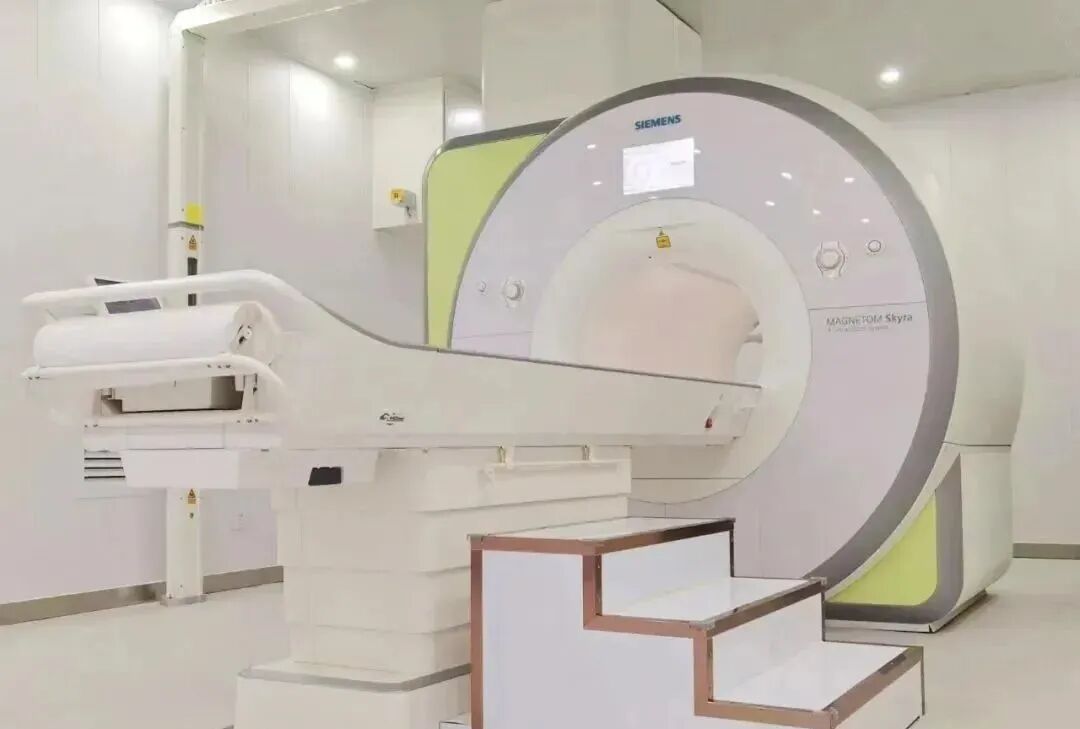
In radiation oncology, the hospital operates a full array of cutting-edge technologies, including the Varian VitalBeam, Elekta Infinity with 4D image guidance, Siemens 64-slice CT simulators, a 3.0T MR simulation system, Varian Ir-192 brachytherapy units, and a TomoTherapy Hi-Art system. These enable routine delivery of sophisticated techniques such as image-guided radiotherapy (IGRT), stereotactic body radiotherapy (SBRT), 3D brachytherapy, and lattice radiotherapy. These refined, personalized approaches address diverse clinical scenarios—from early-stage curative intent to palliative care for advanced disease. Notably, innovations like spatial fractionation and lattice radiotherapy provide viable strategies for large, late-stage, or otherwise untreatable tumors.
As the birthplace of China’s domestic heavy ion technology and the “Jinggangshan” of ion therapy nationwide, the hospital remains the world’s only facility operating two heavy ion treatment systems simultaneously, anchored by its dual-center model in Wuwei and Lanzhou. It has pioneered nine globally novel heavy ion techniques—including ventilator-controlled precision irradiation, bladder-volume-managed therapy for bladder cancer, and single-fraction treatments utilizing tissue spacers to protect organs at risk—offering new hope for patients beyond the reach of conventional radiotherapy. Capitalizing on the distinct physical and biological advantages of heavy ions, the center treats over 100 disease types. Clinical outcomes are compelling: for high-grade gliomas, the median progression-free survival nearly doubles compared to the internationally benchmarked photon-based Stupp regimen, while overall survival extends by 13.4 months to 30 months. In stage III non-small cell lung cancer, the two-year overall survival rate surpasses results from the landmark RTOG 0617 trial by 19.3%. Even for pancreatic cancer—often termed the “king of cancers”—heavy ion therapy extends median survival by over 10 months compared to traditional photon therapy, reaching 27 months.

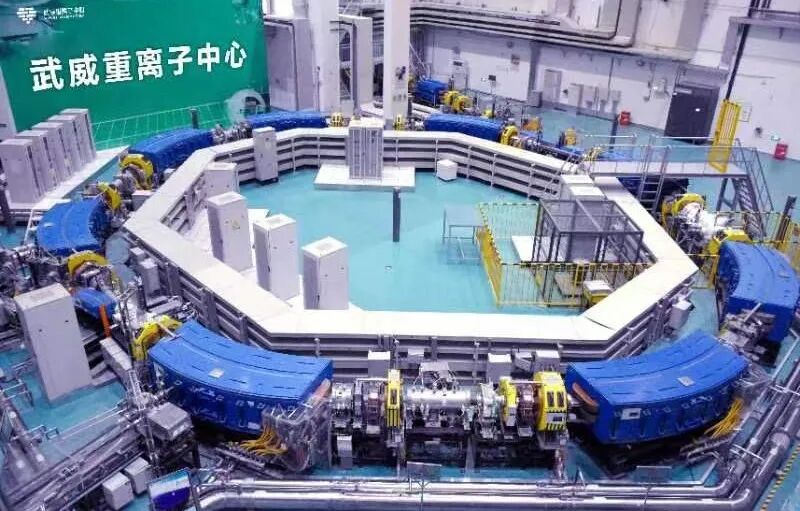
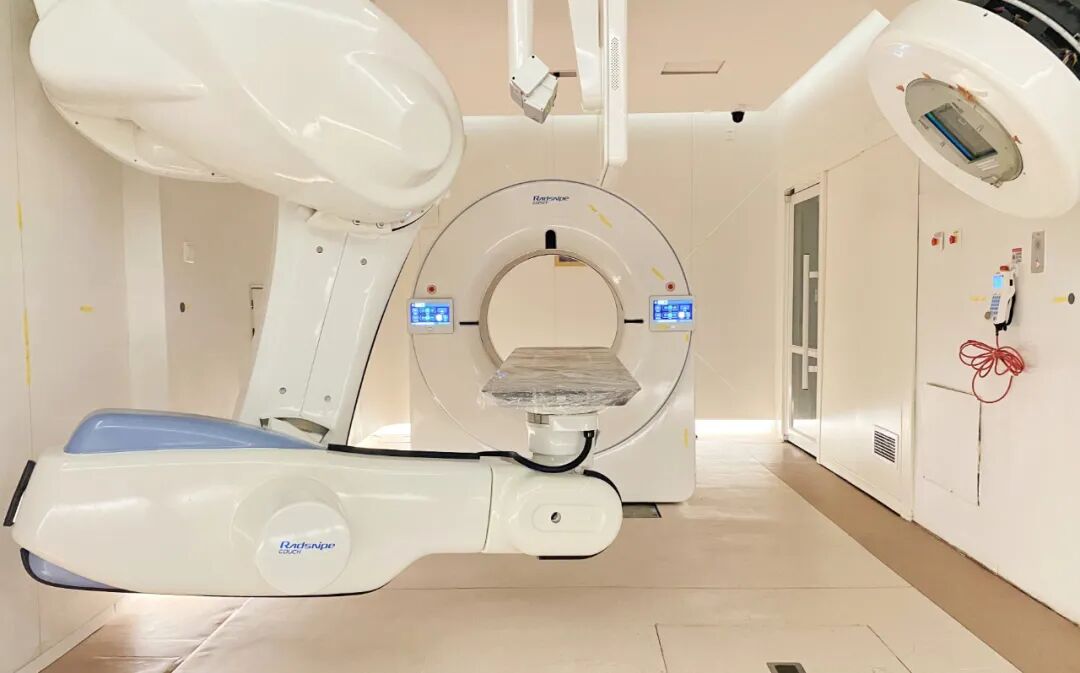
To broaden access to these advanced therapies, Gansu Wuwei Tumour Hospital has innovated an integrated “Medical Care + Insurance + Air Transport” support system. In partnership with China Life Insurance, it offers a “Million-Yuan Medical Coverage + Heavy Ion Green Channel” program, providing up to RMB 5.55 million in insurance protection alongside streamlined reimbursement services to alleviate financial burdens on patients.

Ms. Guo Yishan, Head of the Publicity Office at Gansu Wuwei Cancer Hospital, served as the moderator for the conference
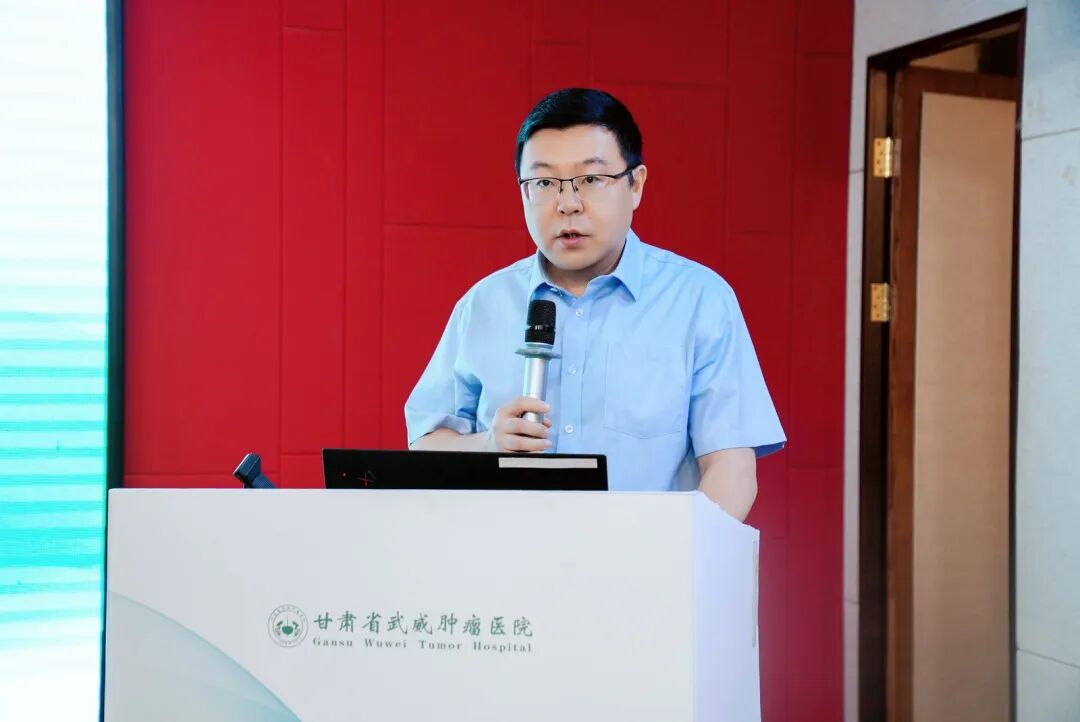
Remarks by Mr. Ye Yong, Member of the Party Committee and Deputy General Manager of China Life Insurance (Group) Company’s Tianshui Branch
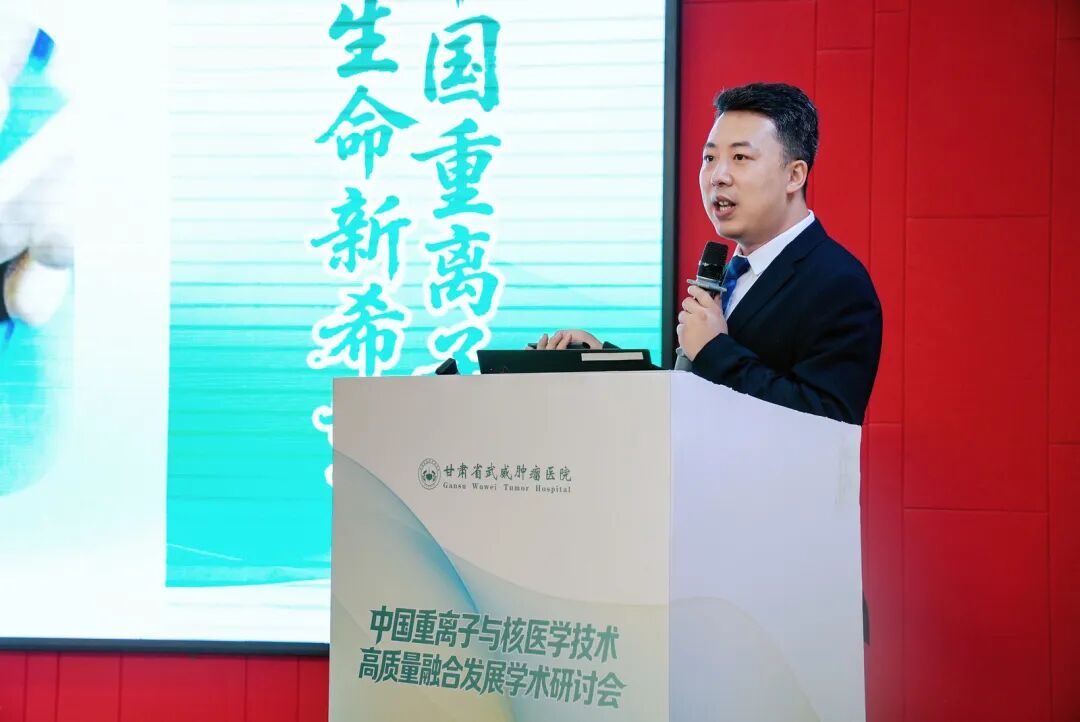
Presentation by Dr. Chen Weizuo, Director of the Third Radiotherapy Department at Gansu Wuwei Cancer Hospital: "Clinical Applications of Novel Heavy Ion Radiotherapy and Nuclear Medicine Technologies"
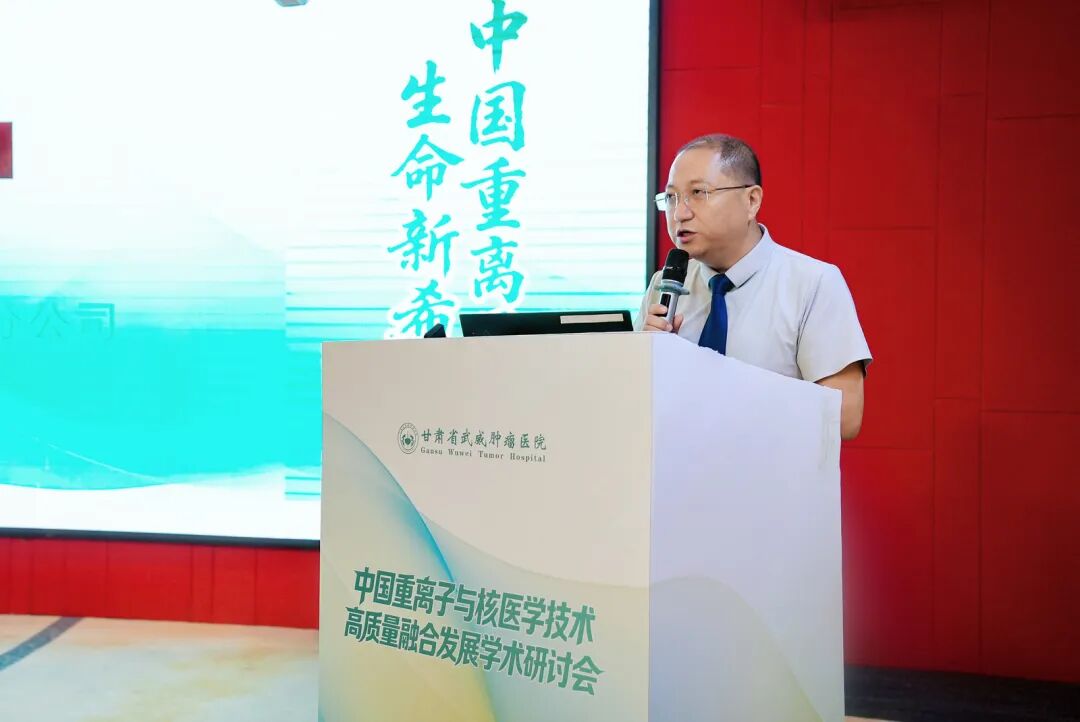
Detailed Briefing on the Exclusive Coverage Scheme by Mr. Jiang Wei, Project Lead for China Life’s “Million-Yuan Medical Coverage + Heavy Ion Green Medical Corridor” (Wuwei Branch)
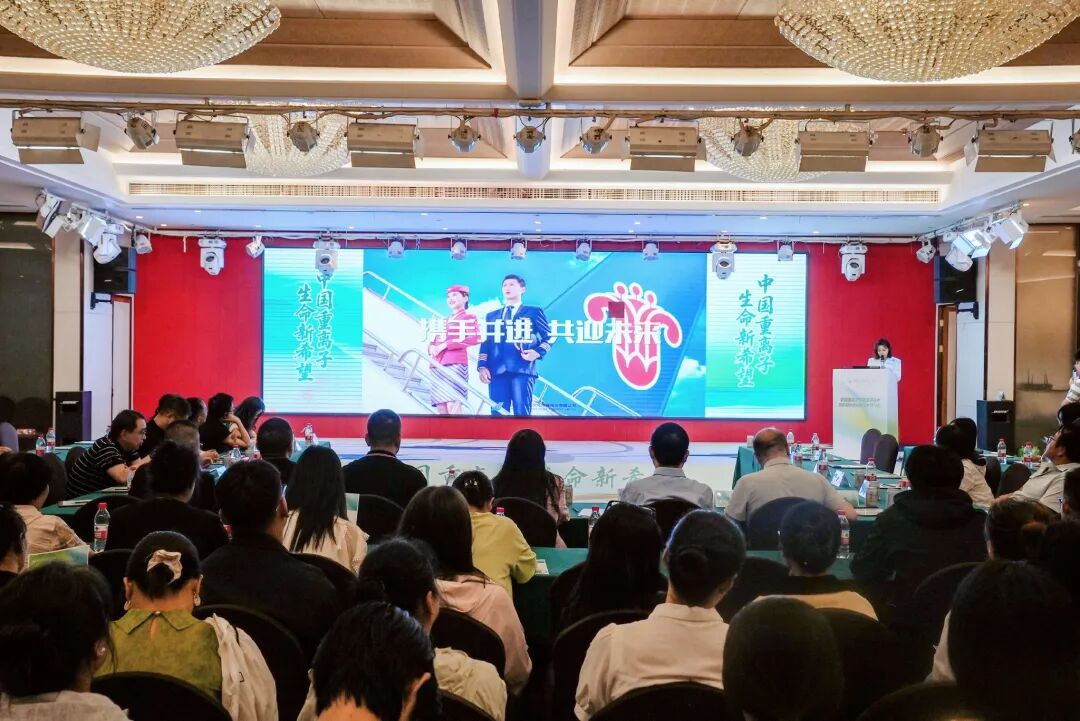
Introduction to Premium Green-Medical-Access Aviation Services by Ms. Guo Yishan, Head of the Publicity Office at Gansu Wuwei Tumour Hospital, presenting on behalf of China Southern Airlines Culture & Media Co., Ltd.
Looking forward, the hospital will continue to leverage scientific research to drive innovation in heavy ion and targeted radionuclide therapies. By refining patient-centered support systems and anchoring its presence in Northwest China while extending its reach along the Silk Road, it aims to establish itself as a globally recognized hub for cancer care—safeguarding public health with the transformative power of nuclear medical science.
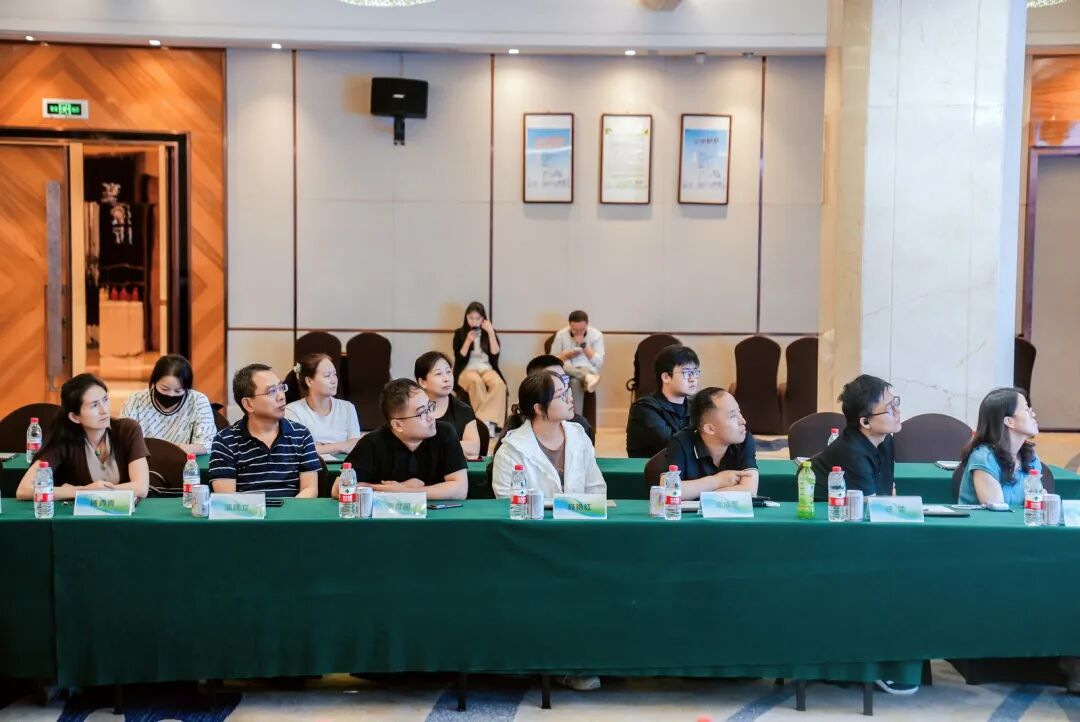
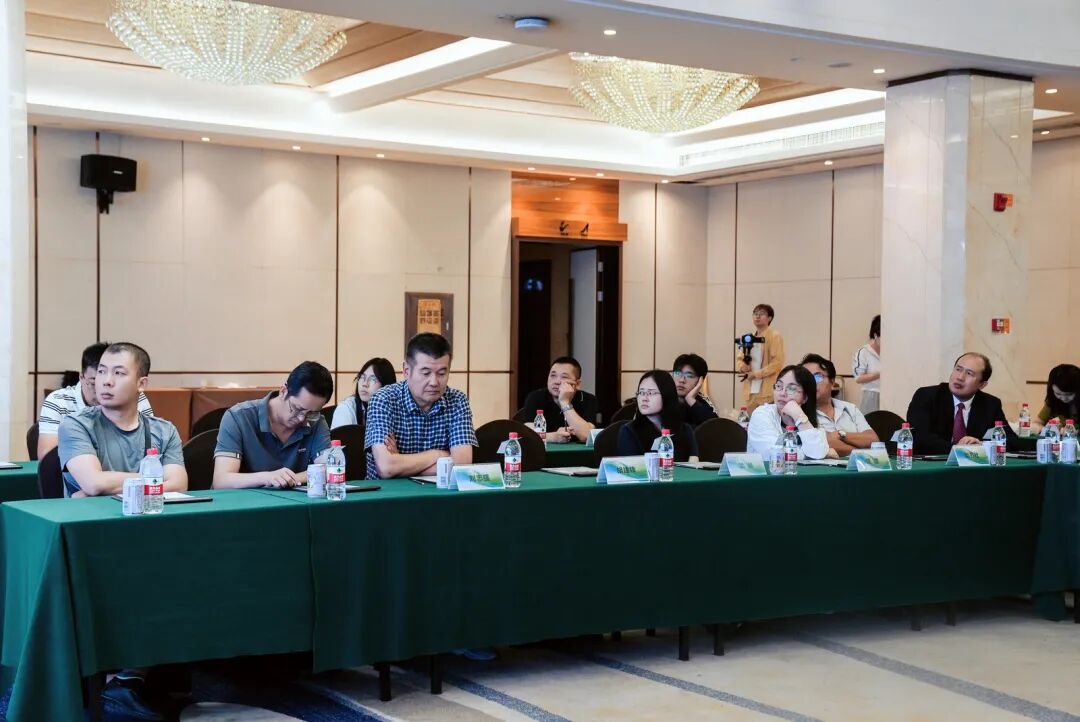
Conference Highlights
Drafted by: Guo Yishan
First Review: Yang Yang
Second Review: Guo Yishan
Final Review: Cai Qinghua