AUA Symposium Highlights Heavy Ion Therapy Advances for Urological Tumors in Beijing
AUA Symposium Highlights Heavy Ion Therapy Advances for Urological Tumors in Beijing
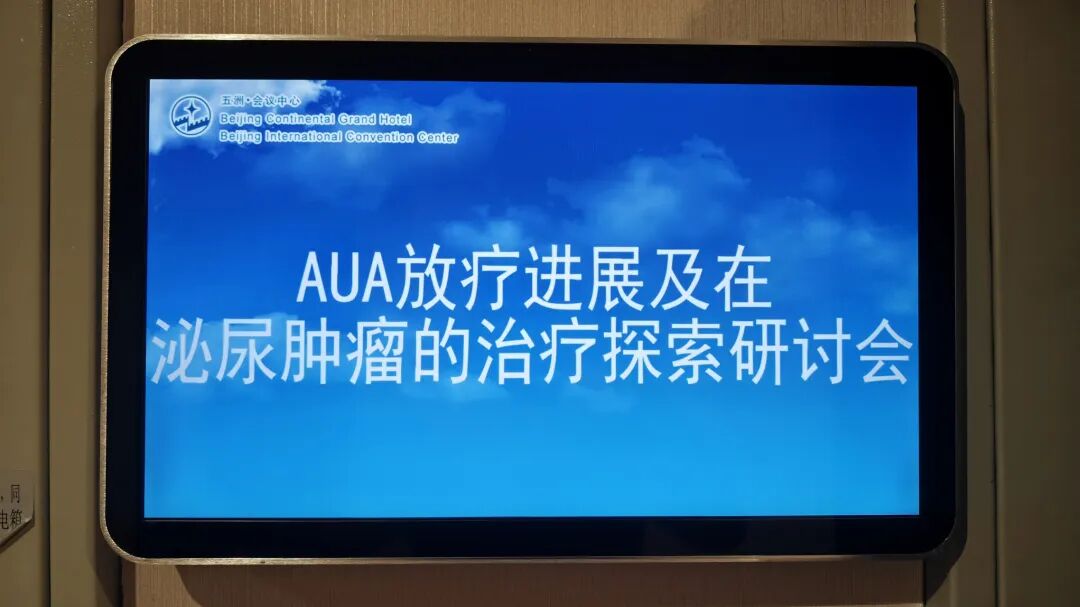
To align with international frontiers in urological tumor radiotherapy, facilitate in-depth exchange on innovative applications of heavy ion radiotherapy in urological cancers, and promote standardized, high-quality development of urological radiotherapy in China, the AUA Radiotherapy Advances and Urological Tumor Treatment Symposium was held on July 12 at the Beijing International Convention Center.
Leveraging China's two heavy ion therapy systems and a range of original precision radiotherapy technologies, our hospital has achieved dual breakthroughs in both efficacy and safety for bladder cancer, prostate cancer, renal cancer, ureteral cancer, and other urological tumors, offering solutions for curative, organ‑sparing radiotherapy.
To address the global challenge of precise bladder positioning, our hospital independently developed the patented Galloping bladder capacity management technology, using a closed drainage system to control the target volume. To date, 43 bladder cancer patients have received heavy ion therapy at our institution. Clinical follow‑up shows a 4‑year overall survival rate of 76% — 10 percentage points higher than contemporaneous international proton therapy data — with complete preservation of bladder function in all patients.
For prostate cancer, our hospital has treated patients across all stages, from low‑risk to high‑risk stage IV with extensive bone metastases, sparing them from the functional deficits that may follow surgical resection. Follow‑up data show that 5‑year survival rates after heavy ion therapy are non‑inferior to those of surgery.
Renal cancer and ureteral malignancies have also demonstrated promising clinical outcomes. Among 43 renal cancer patients treated with heavy ion therapy, the 60‑month cumulative survival rate was stable at 72.49%. Multiple stage IV clear cell carcinoma patients with liver metastases showed primary tumor shrinkage and inactivation after treatment, with renal function remaining normal throughout. For patients with high‑grade ureteral urothelial carcinoma with extensive metastases, combined heavy ion, immunotherapy, and chemotherapy regimens resulted in significantly decreased metabolic activity in abdominal and bone metastases, with most patients achieving a follow‑up survival of 36 months and no severe gastrointestinal or urinary radiation injuries.
Unlike conventional photon radiotherapy, heavy ions leverage the unique physical properties of the Bragg peak and high biological effectiveness, complemented by our hospital's original spacer implantation and multi‑segment fractionation techniques. This enables precise delivery of curative doses within the complex abdominopelvic space, effectively protecting normal tissues including the bowel, urinary tract, and kidneys. Across all urological cases, no grade 3 or higher acute or chronic adverse reactions were observed, balancing curative effect with long‑term quality of life.
Our hospital's comprehensive follow‑up data on urological tumors fill a national gap in specialized research on domestically produced heavy ion therapy, providing a solid practical foundation for standardized precision radiotherapy of urological tumors in China and for the clinical dissemination of domestically manufactured high‑end medical equipment. It also offers a new non‑invasive, organ‑preserving treatment pathway for elderly patients, those intolerant to surgery, and those with advanced urological cancers with extensive metastases.
Gansu Wuwei Cancer Hospital is the birthplace of China's domestically produced heavy ion technology and the only medical institution in the world operating two heavy ion therapy systems simultaneously. It has established an integrated dual‑center development framework linking Wuwei and Lanzhou. To date, the hospital has completed heavy ion therapy for over 3,000 domestic and international patients, with patients coming from all provinces and municipalities across China, as well as from Hong Kong, Macao, and Taiwan, and also attracting patients from countries including Belgium, Australia, South Korea, Malaysia, Jordan, and Serbia. The range of treatable tumor types has expanded to more than 100.
This prestigious gathering brought together leading domestic experts and scholars in radiotherapy and urological oncology. As the clinical application site for China's first and second domestically produced heavy ion therapy systems, Gansu Wuwei Cancer Hospital presented a comprehensive overview of its substantial achievements in the use of heavy ion therapy for the diagnosis and treatment of urological tumors.
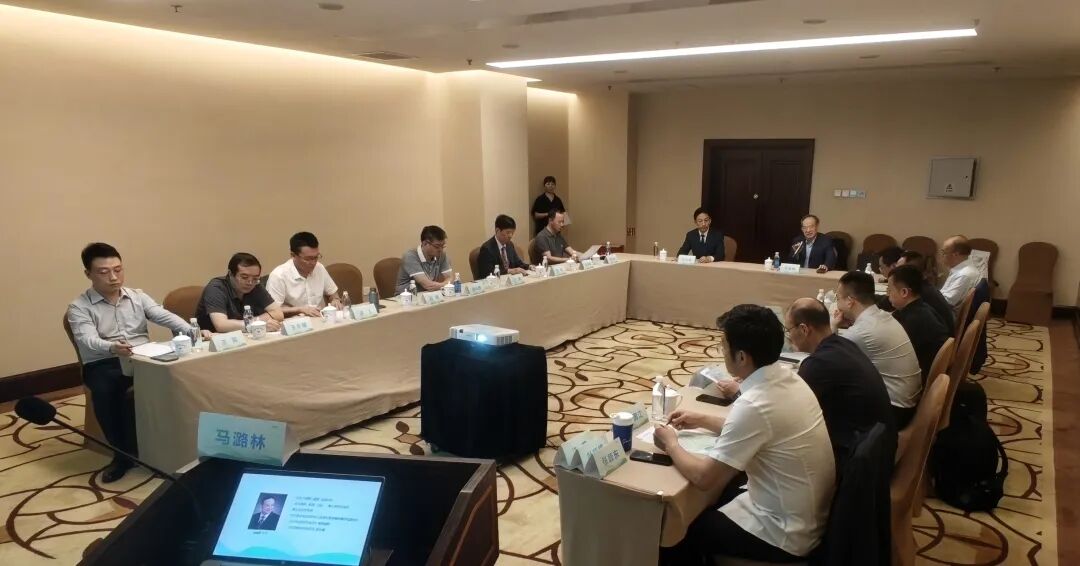
The symposium was officially opened with joint introductory remarks by Professor Ma Lulin from Peking University Third Hospital and Ye Yancheng, President of Gansu Wuwei Cancer Hospital, formally launching the academic exchange. The keynote lecture sessions were rich in content, with multiple experts presenting cutting‑edge research and clinical experience:
- Professor Ma Lulin (Peking University Third Hospital) delivered a special report on AUA Radiotherapy Advances, covering the latest radiotherapy updates from the 2026 American Urological Association (AUA) and trends in radiotherapy for urological diseases. He provided a detailed interpretation of the new AUA/ASTRO guidelines for prostate cancer radiotherapy, outlined standardized management strategies for biochemical recurrence in locally advanced and recurrent prostate cancer, and objectively analyzed the clinical scope of radiotherapy — offering clinicians evidence‑based guidance for selecting between curative surgery and radiotherapy.
- Professor Ye Yancheng (Gansu Wuwei Cancer Hospital) presented on Operation of the Heavy Ion Therapy System and Perspectives on Radiotherapy for Urological Tumors, providing an overview of the daily operation of heavy ion equipment at the hospital and highlighting the unique advantages and clinical achievements of heavy ion therapy in urological tumors.
- Professor Zhang Yingdong (Lanzhou Campus, Gansu Wuwei Cancer Hospital) delivered a lecture on Application of Radiotherapy in Urological Tumors, sharing practical clinical experience with various radiotherapy modalities in the diagnosis and treatment of urological cancers.
- Professor Jiang Ping (Peking University Third Hospital) presented on Application of Radiotherapy in Urology, discussing the integrated implementation of radiotherapy techniques into routine urological clinical care.
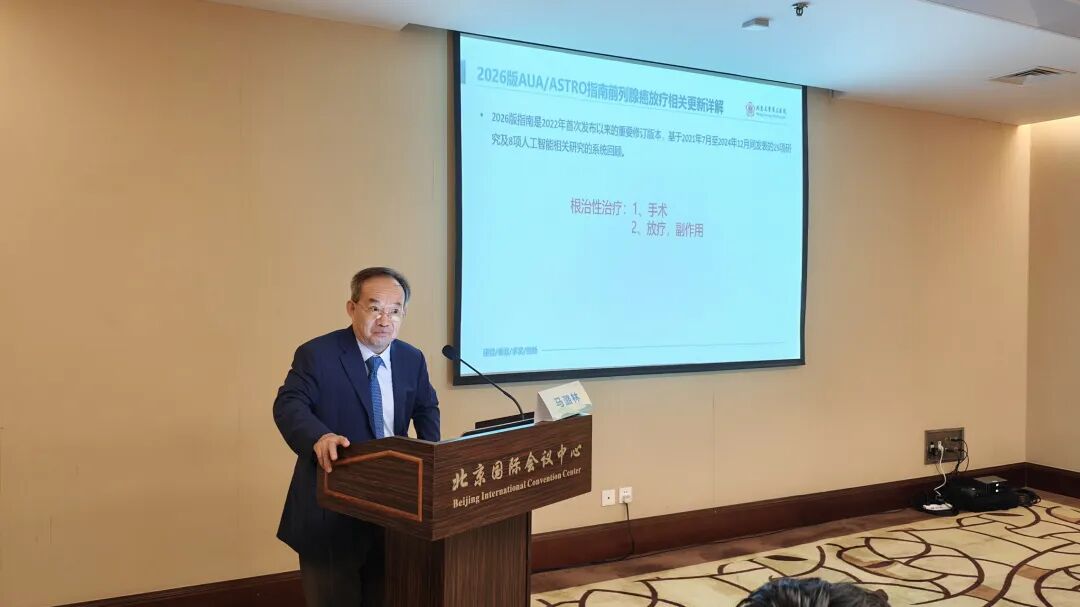
Professor Ma Lulin from Peking University Third Hospital delivering a keynote presentation titled AUA Radiotherapy Advances
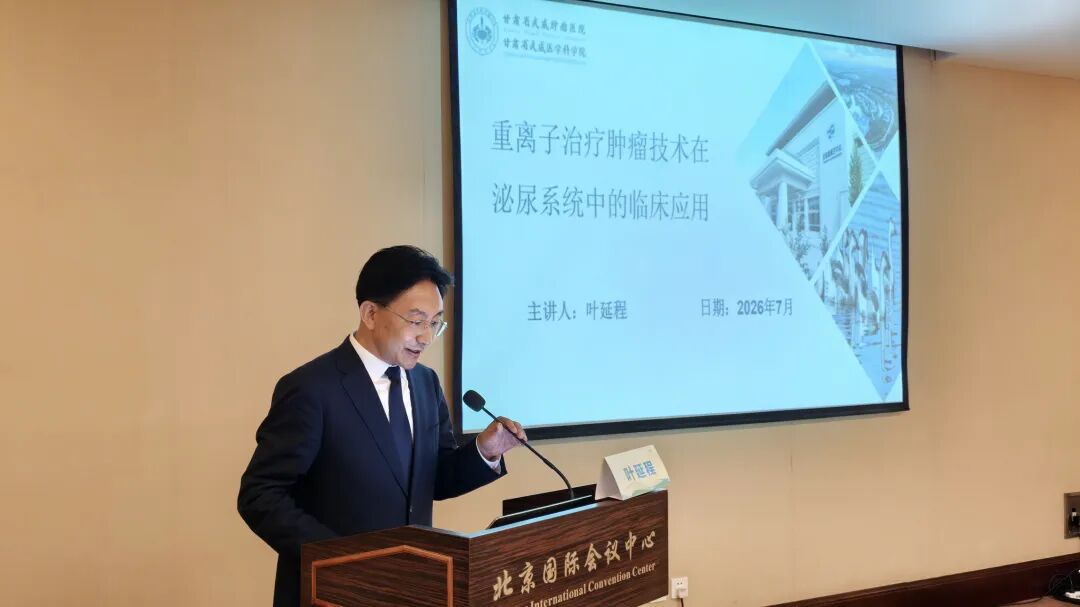
Professor Ye Yancheng from Gansu Wuwei Cancer Hospital delivering a keynote presentation titled Operation of the Heavy Ion Therapy System and Perspectives on Radiotherapy for Urological Tumor
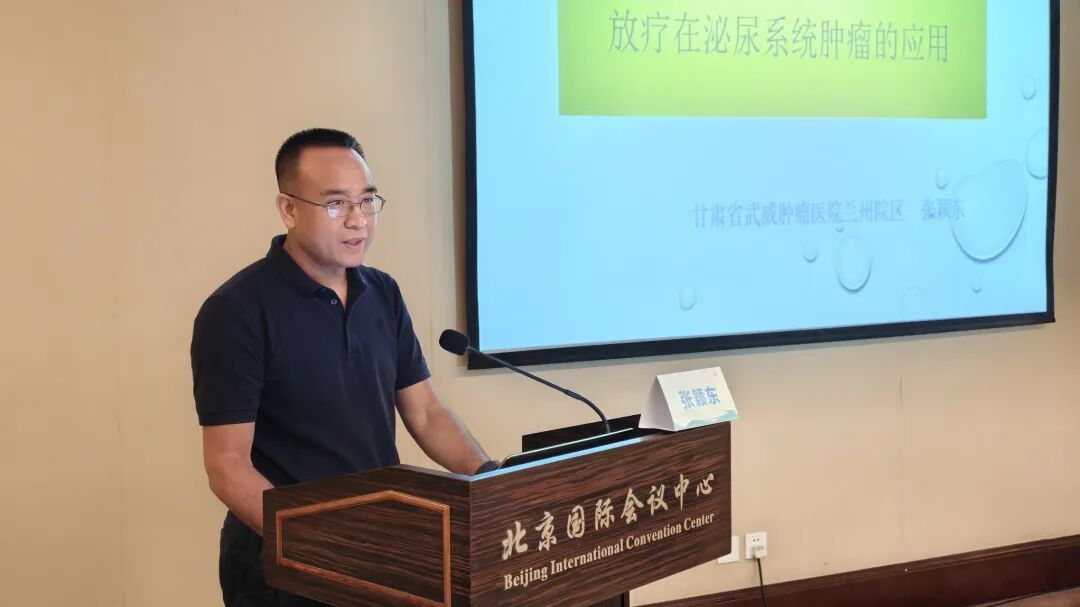
Professor Zhang Yingdong from the Lanzhou Campus of Gansu Wuwei Cancer Hospital, delivering a presentation on Application of Radiotherapy in Urological Tumors
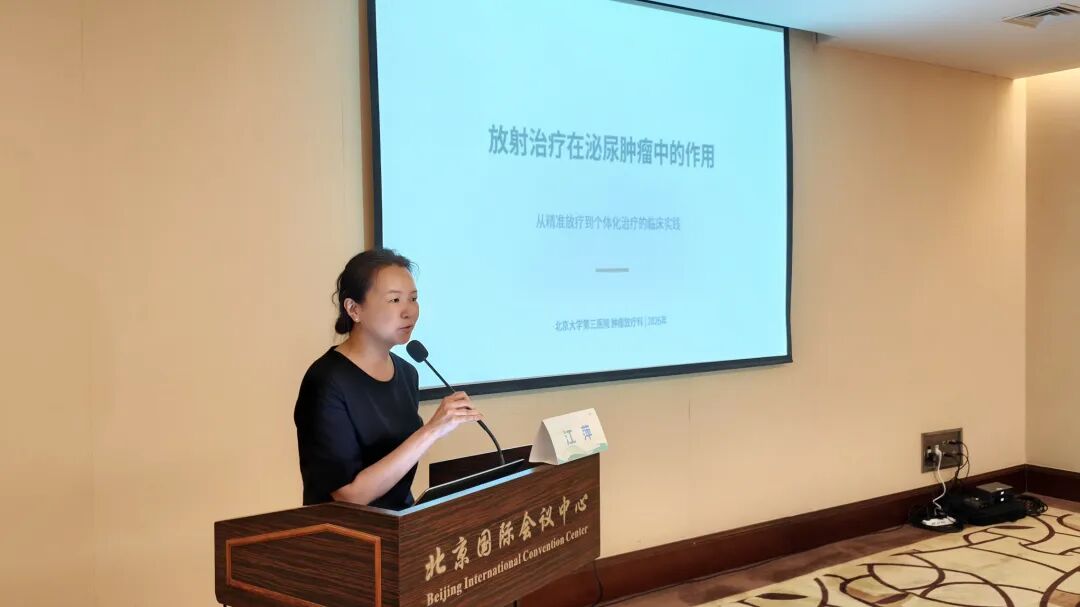
Professor Jiang Ping from Peking University Third Hospital delivering a keynote presentation titled Application of Radiotherapy in Urology
Following the presentations, a panel discussion was held, featuring Professor Peng Ran and Professor Liu Zhuo from Peking University Third Hospital, Professor Xu Liang from Aviation General Hospital, and Professor Zhao Guojiang from Beijing Chaoyang Hospital. The panel focused on key issues including patient selection criteria for heavy ion radiotherapy, integrated treatment models combining radiotherapy with urological surgery, and prevention and management of treatment‑related complications. Drawing on their extensive clinical experience, the panel provided valuable insights and recommendations for advancing the application of heavy ion technology in urological oncology.
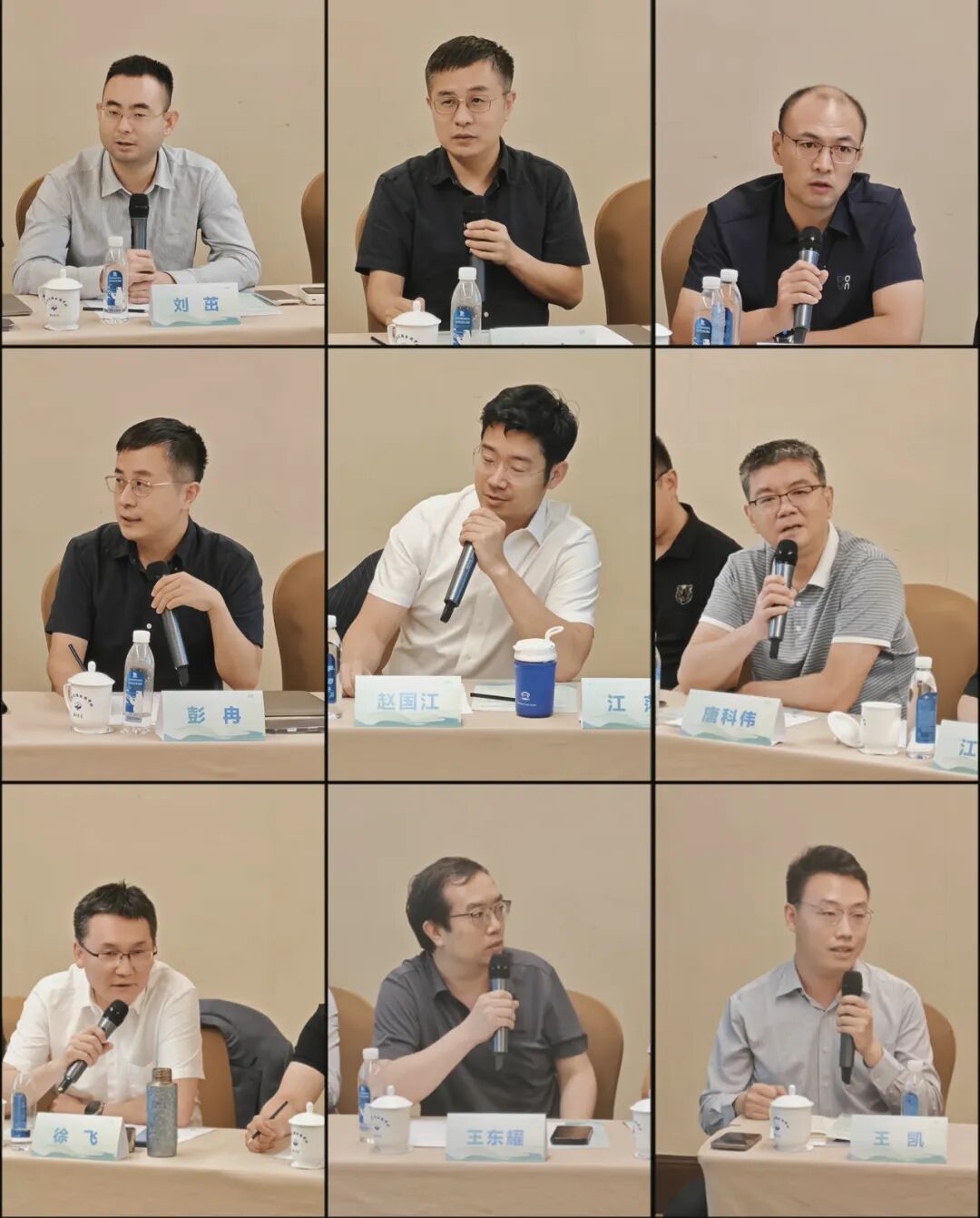
Expert Seminar
At the conclusion of the symposium, Professor Ma Lulin delivered a closing summary. He highly commended the high‑level academic exchange platform established by the conference, with particular recognition for Gansu Wuwei Cancer Hospital's pioneering clinical explorations in radiotherapy for urological tumors using domestically produced heavy ion equipment. He noted that the hospital's extensive clinical case data and independently developed technical innovations could serve as an important practical model for advancing and innovating radiotherapy for urological tumors in China.
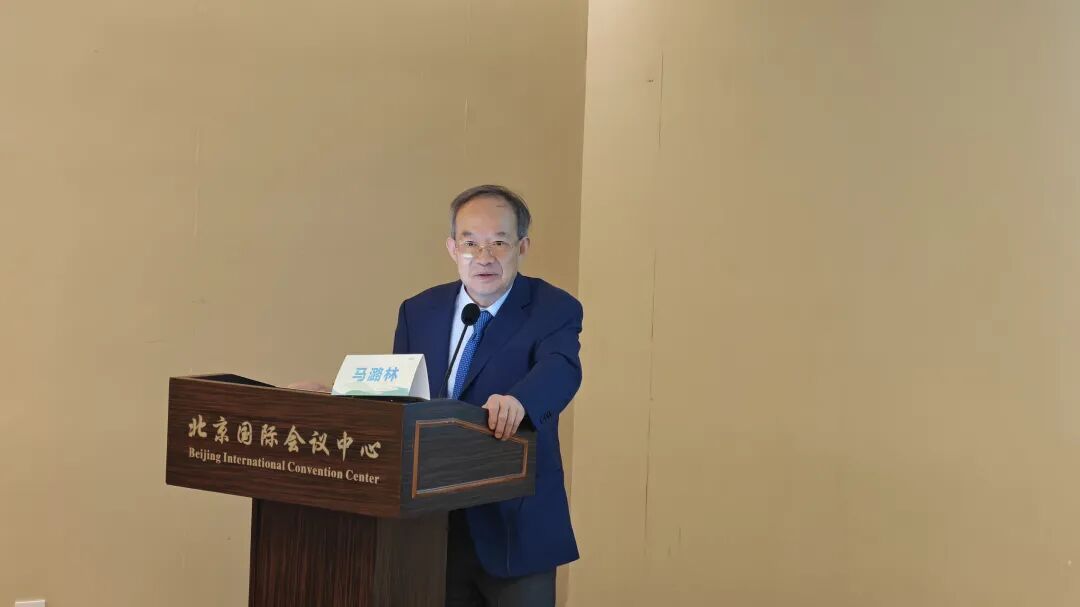
Professor Ma Lulin from Peking University Third Hospital delivering the closing summary of the symposium
Aligned with international frontiers and grounded in clinical practice, this academic symposium generated new developmental directions in urological tumor radiotherapy and further validated the robust clinical value of domestically produced heavy ion medical equipment. Looking ahead, Gansu Wuwei Cancer Hospital will continue to leverage its unique dual‑heavy‑ion system resources, translating the theoretical outcomes of this symposium into tangible clinical benefits. The hospital remains committed to tackling treatment challenges for a wide range of refractory tumors, bringing therapeutic advances to cancer patients worldwide through China’s independently developed cutting‑edge radiotherapy technologies.
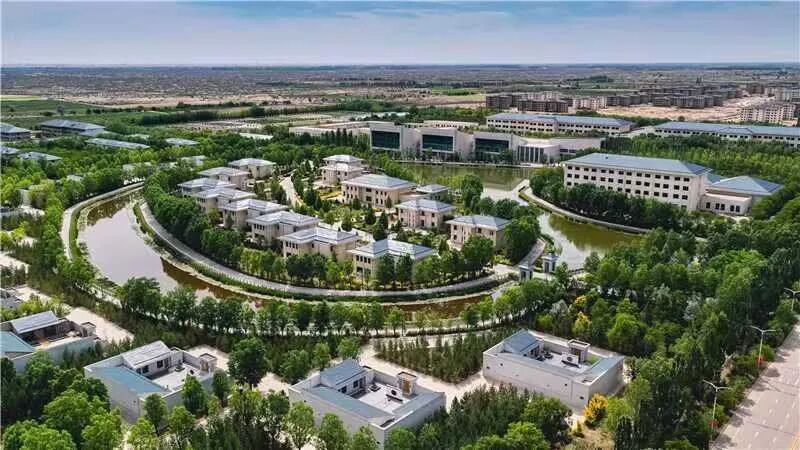
Aerial View of Wuwei Heavy Ion Center
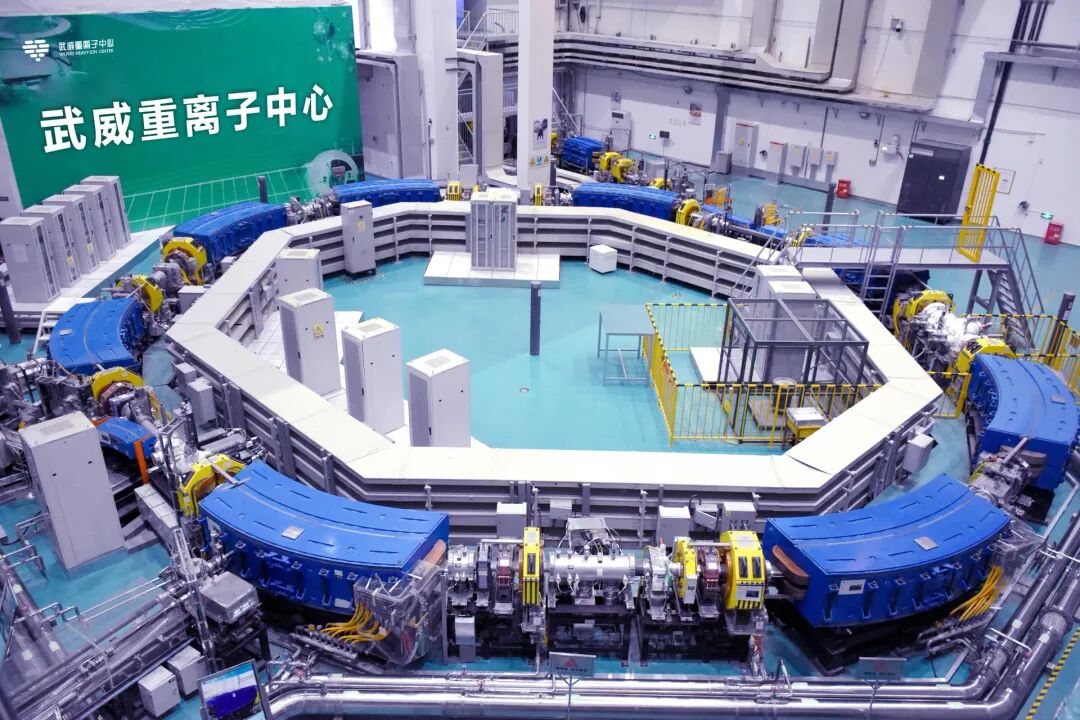
Heavy‑ion accelerator
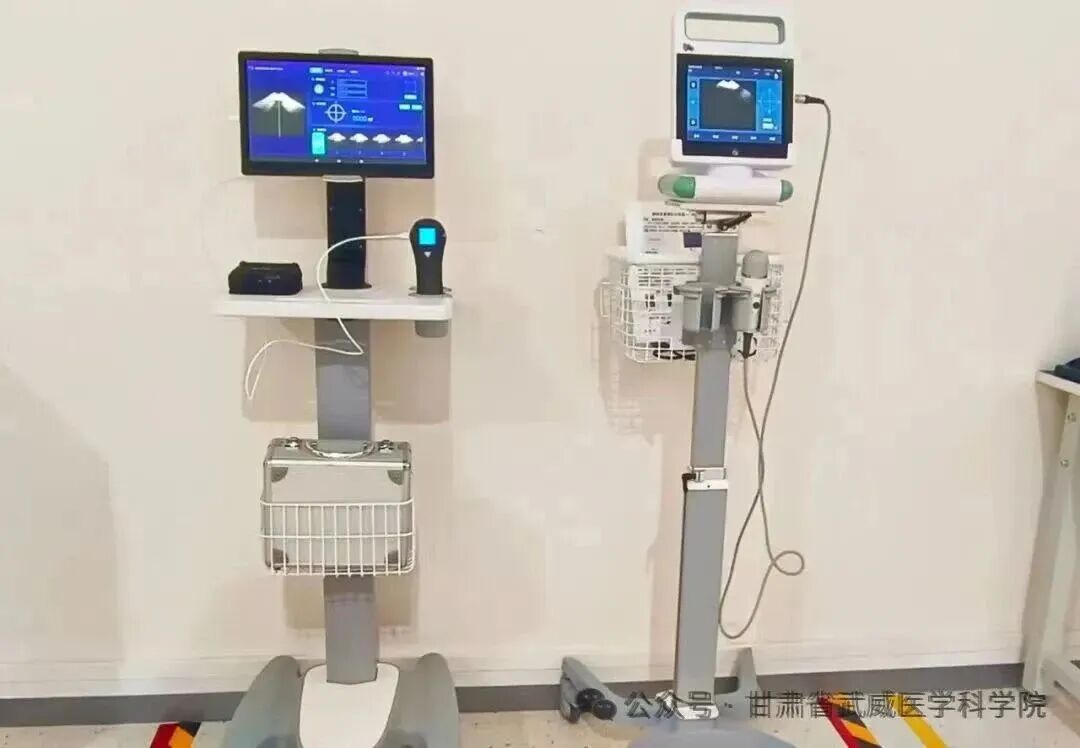
Bladder Volume Measuring Instrument