Gansu Wuwei Cancer Hospital (Lanzhou) Performs First Hyperthermic Intraperitoneal Chemotherapy
New Breakthrough: Gansu Wuwei Cancer Hospital (Lanzhou) Performs First Hyperthermic Intraperitoneal Chemotherapy (HIPEC)
Recently, the Lanzhou Campus of Gansu Wuwei Cancer Hospital achieved a new clinical breakthrough with the successful completion of its first hyperthermic intraperitoneal chemotherapy (HIPEC) procedure. The surgery was performed with precision and adherence to standardized protocols, the entire process proceeded smoothly, and the patient is recovering well postoperatively. The successful introduction of this new technique marks a significant addition to our hospital's comprehensive cancer treatment capabilities, filling a gap in precision intraperitoneal hyperthermic therapy at the Lanzhou Campus. It further enhances our ability to deliver standardized, individualized care for patients with advanced tumors and peritoneal metastases, bringing new treatment hope to cancer patients in the region.
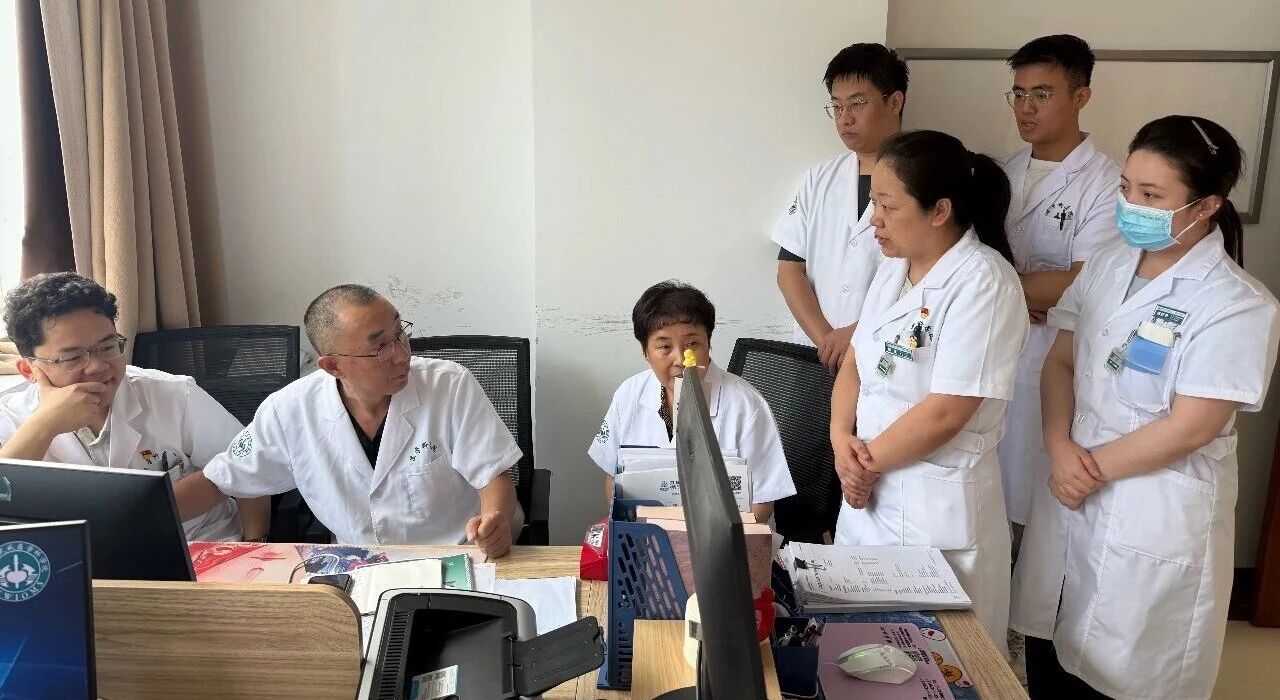
Hyperthermic intraperitoneal chemotherapy (HIPEC) is a cutting‑edge precision technique in the field of oncology and a core therapeutic modality for addressing peritoneal and pleural tumor seeding and recurrent malignant effusions. It offers significant advantages over conventional treatment approaches. The technique capitalizes on the differential heat tolerance between tumor cells and normal human cells. By continuously circulating warmed chemotherapeutic solution (at 42°C–43°C) within the body cavity, HIPEC delivers a triple‑action effect — hyperthermic cell killing, high‑concentration local chemotherapy, and mechanical flushing — to precisely eliminate free cancer cells and occult micrometastases within the body cavity. This effectively addresses the clinical limitations of conventional approaches such as symptomatic drainage and systemic chemotherapy, which often treat symptoms rather than root causes, are associated with high recurrence rates, and carry significant systemic toxicity. At the same time, HIPEC maximizes preservation of normal organ function, substantially reduces the risk of tumor recurrence and metastasis, and significantly improves quality of life and prolongs survival for patients with advanced cancers. It represents a preferred treatment option for gastrointestinal cancers, gynecologic malignancies, and malignant pleural/peritoneal effusions.
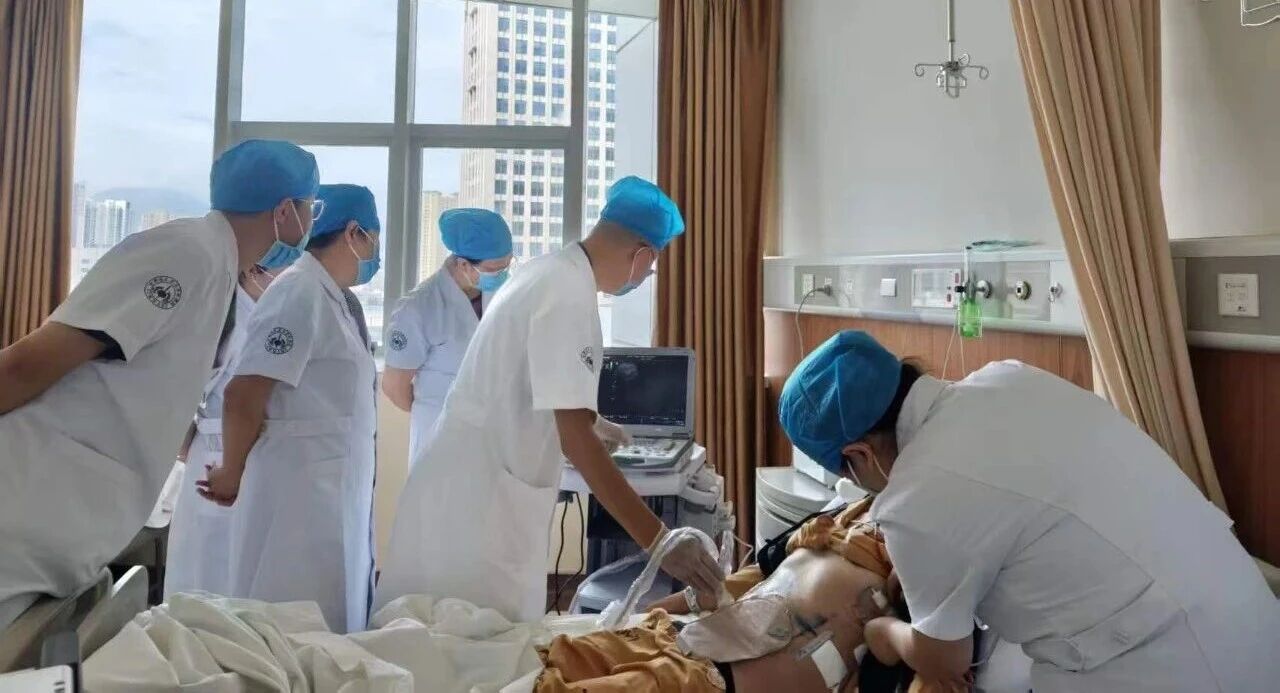
The patient treated was a case of extensive abdominopelvic recurrence following comprehensive treatment for cervical adenocarcinoma, complicated by chronic renal insufficiency. She had previously undergone an enterostomy and bilateral nephrostomy, and conventional treatment options had yielded limited benefit. To minimize the patient's suffering, control disease progression, and improve prognosis, our medical team placed great emphasis on the case. Through thorough deliberation and discussion, integrating the patient's age, overall condition, tumor pathology, and disease progression, we precisely assessed the indications and risks of the procedure and developed a personalized, refined HIPEC treatment plan.

Throughout the procedure, the medical and nursing team worked in close collaboration, strictly controlling core parameters including perfusion temperature, flow rate, duration, and drug concentration, while continuously monitoring the patient's vital signs in real time to precisely mitigate risks. The hospital's first HIPEC procedure was completed to high standards and quality, with the entire process being safe, standardized, and efficient, successfully achieving the expected therapeutic outcome. Postoperatively, the patient's symptoms have significantly improved, with no notable adverse reactions and stable clinical parameters. She is currently recovering steadily.

The successful completion of this first HIPEC procedure represents an important milestone in our hospital's technological innovation and specialty development. It fully demonstrates our robust clinical capabilities, rigorous clinical approach, and mature comprehensive capacity to manage critical and complex cancer cases. As a key cancer treatment department, we have always focused on the frontiers of precision oncology, maintaining a strong commitment to advancing radiotherapy, chemotherapy, comprehensive palliative care, and standardized management of advanced cancer complications. We continue to refine our techniques, optimize services, and introduce cutting‑edge cancer therapies to overcome the limitations of traditional approaches. Our goal is to provide individualized, precise, and standardized one‑stop diagnostic and treatment solutions for patients at different stages and with various tumor types.
Going forward, the Lanzhou Campus of Gansu Wuwei Cancer Hospital will take this achievement as an opportunity to continue deepening its work in precision oncology, routinely promote HIPEC as a standard technique, and continuously enhance clinical capabilities and treatment models. We will address gaps in specialty care while reinforcing our existing strengths. Guided by a patient‑centered philosophy, we remain committed to protecting the life and health of cancer patients in the region with more refined techniques, higher quality services, and a more standardized care system — opening broader prospects for survival and supporting the high‑quality development of comprehensive cancer care at our hospital.
Writer: Ji Wei
First Review: Liu Qiong
Second Review: Guo Yishan
Third Review: Cai Qinghua
Consultation Hotline of Lanzhou Campus, Gansu Wuwei Cancer Hospital
Director Li: 166 0931 3666
Teacher Yan: 176 9325 0603