Heavy Ion-Nuclear Medicine Cancer Therapy Draws National Expert Interest
Heavy Ion-Nuclear Medicine Cancer Therapy Draws National Expert Interest
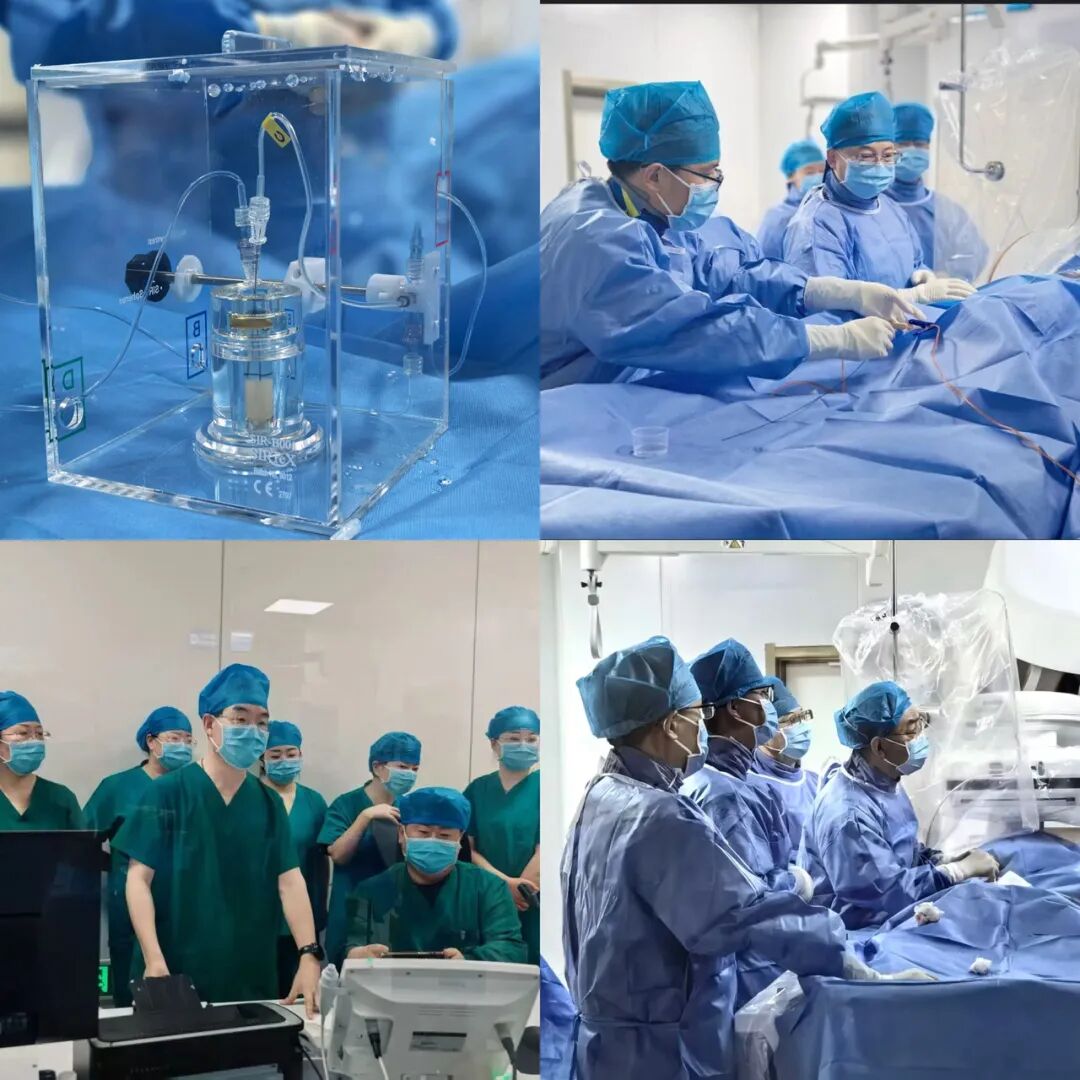
Editor’s Note: Since the beginning of this year, Gansu Wuwei Cancer Hospital has achieved a series of groundbreaking milestones in regional radionuclide therapy: the successful implementation of the province’s first novel beta‑emitting radionuclide therapy — Yttrium‑90 [⁹⁰Y] precision interventional therapy for liver cancer — and the successful launch of the province’s first alpha‑emitting radionuclide therapy — Radium‑223 [²²³Ra] targeted therapy for bone metastases in prostate cancer. Looking back at the development trajectory, China’s first and second heavy ion therapy systems, both with fully independent intellectual property rights, were installed at the hospital in March 2020 and November 2024, respectively. These milestones have established an integrated nuclear medicine development framework combining “external‑beam heavy ion radiotherapy + targeted radionuclide therapy.”
Supported by this comprehensive suite of advanced technologies, the hospital has now treated patients from all provinces and municipalities across China, as well as from countries including South Korea, Belgium, Canada, Vietnam, Jordan, and Serbia. Through systematic treatment for refractory malignancies such as liver cancer, pancreatic cancer, and glioblastoma — as well as for benign but challenging conditions such as Alzheimer’s disease — the hospital has achieved a series of impressive clinical outcomes. These breakthroughs signify a transformative leap for China’s nuclear medicine industry, from a phase of technological catch‑up and integrated business development, to one of parallel advancement and, increasingly, international leadership.
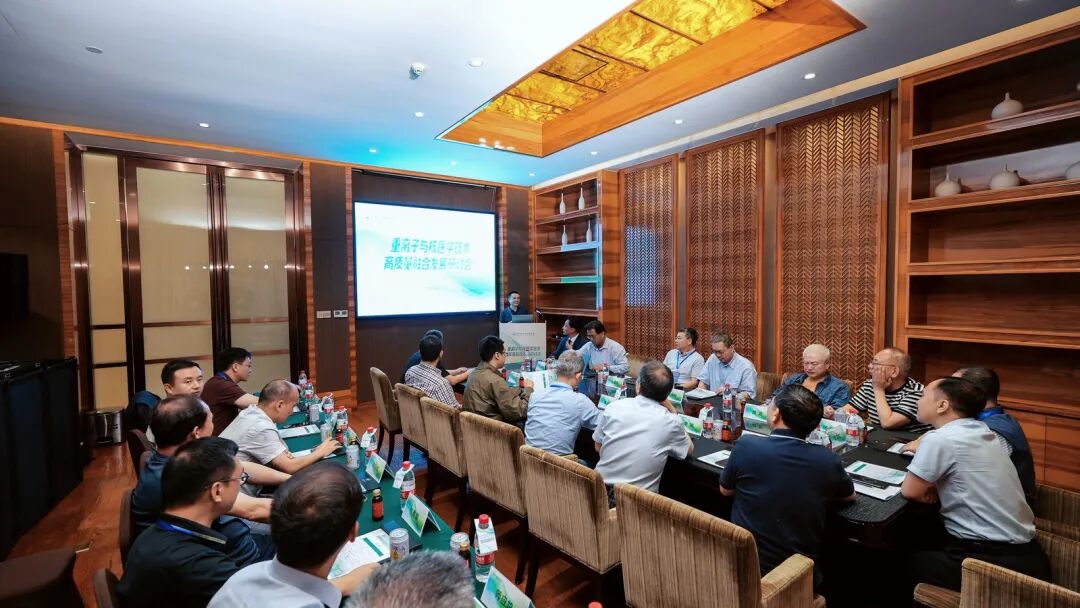
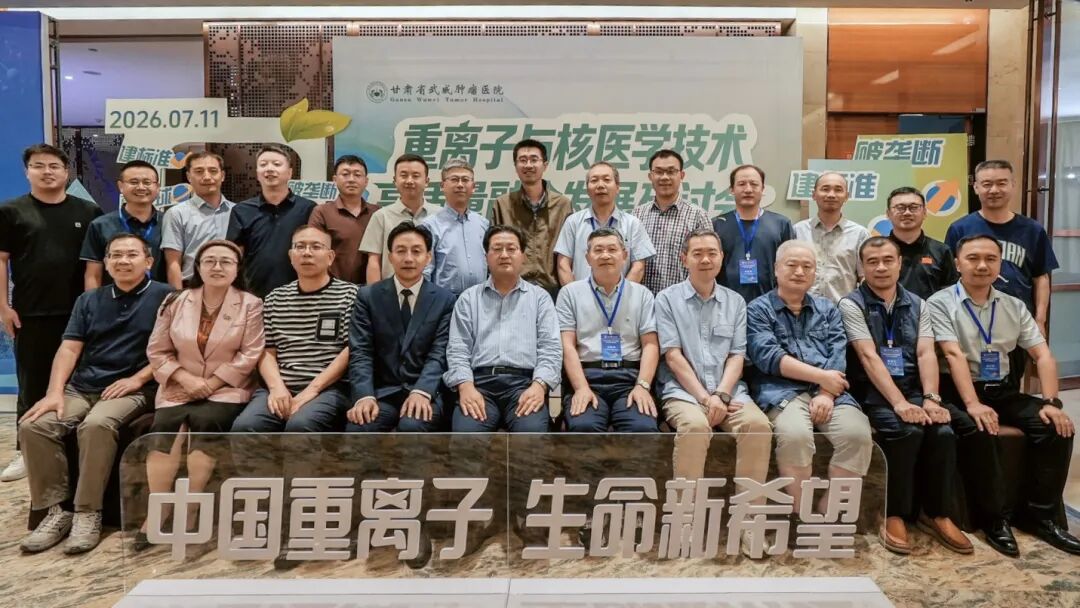
On July 11, the “Symposium on the High‑Quality Integrated Development of Heavy Ion Therapy and Nuclear Medicine Technology,” jointly organized by the Gansu Wuwei Heavy Ion Center and the College of Physics and Electronic Engineering of Northwest Normal University, was successfully held in Tianshui. The symposium brought together leading national experts in atomic and molecular physics, radiation detection, and atomic and molecular spectroscopy, with the aim of exploring the underlying microscopic physical mechanisms of heavy ion therapy and addressing key challenges in clinical beam monitoring, precise dose control, and clinical translation. This effort not only provides robust intellectual support for the hospital’s leadership in developing national‑level heavy ion therapy guidelines and building a standardized nuclear medicine system across Gansu Province, but also strongly advances Gansu’s transformation from a major nuclear science base to a leading nuclear technology powerhouse.
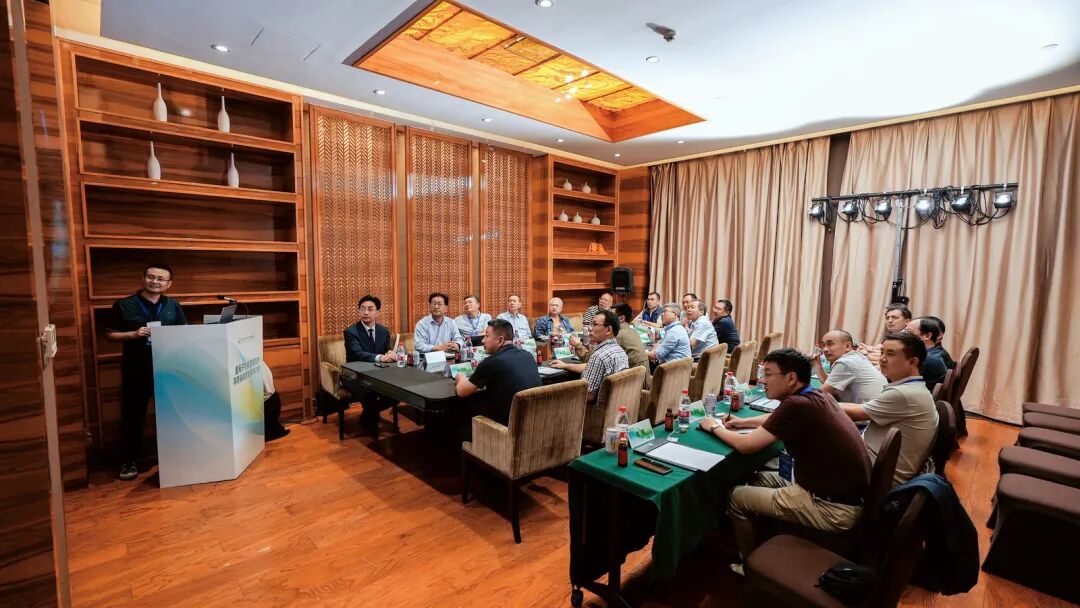
At the symposium, Professor Dong Chenzhong from Northwest Normal University delivered an opening address. He noted that leveraging the high‑quality clinical platform of the Wuwei Heavy Ion Center and Gansu's strong research capabilities in the nuclear sciences is key to achieving deep integration of heavy ion therapy and nuclear medicine. He emphasized that using fundamental physics research to drive equipment innovation and clinical optimization is a critical pathway to building a leading nuclear medicine hub. Researcher Wang Jianguo from the Beijing Institute of Applied Physics and Computational Mathematics gave a keynote presentation titled "Atomic and Molecular Physics in Precision Nuclear Medicine." He delivered an in‑depth analysis of key issues in radiopharmaceutical development, precision therapy and dose regulation, and quantitative modeling and mechanistic understanding, providing a solid theoretical foundation for precision medicine from the perspective of fundamental atomic and molecular physics. Professor Ye Yancheng from our hospital presented a report titled "Clinical Applications of New Technologies in Heavy Ion Radiotherapy and Nuclear Medicine Diagnosis and Treatment," systematically sharing the current clinical application status and frontier developments in these fields. The participating experts engaged in robust, in‑depth discussions on the topics presented, creating a vibrant academic atmosphere and laying a strong foundation for future interdisciplinary collaboration and innovation.
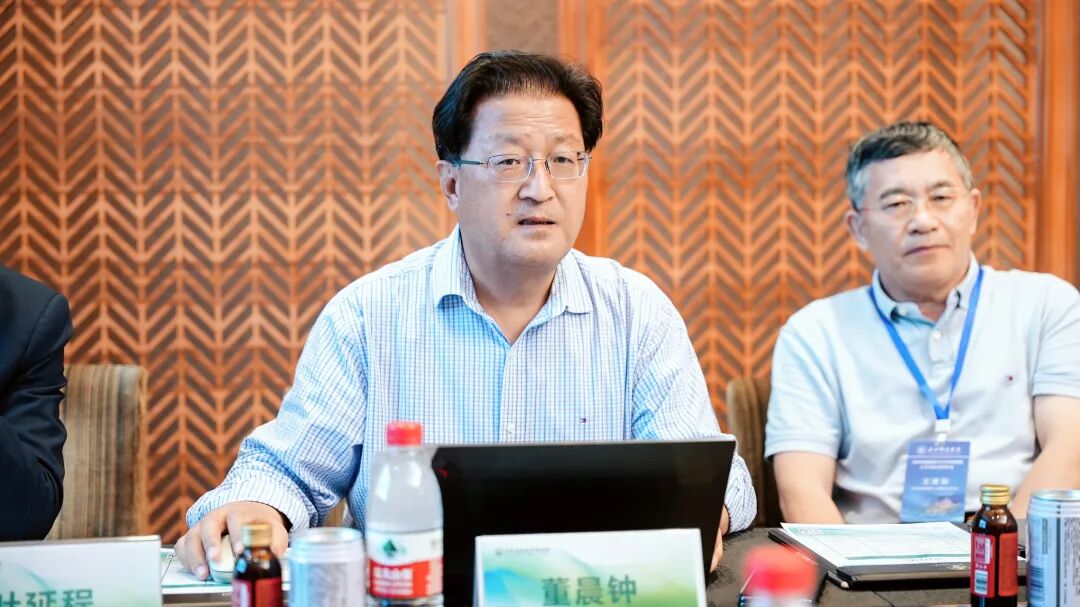
Professor Dong Chenzhong from Northwest Normal University delivering an opening address
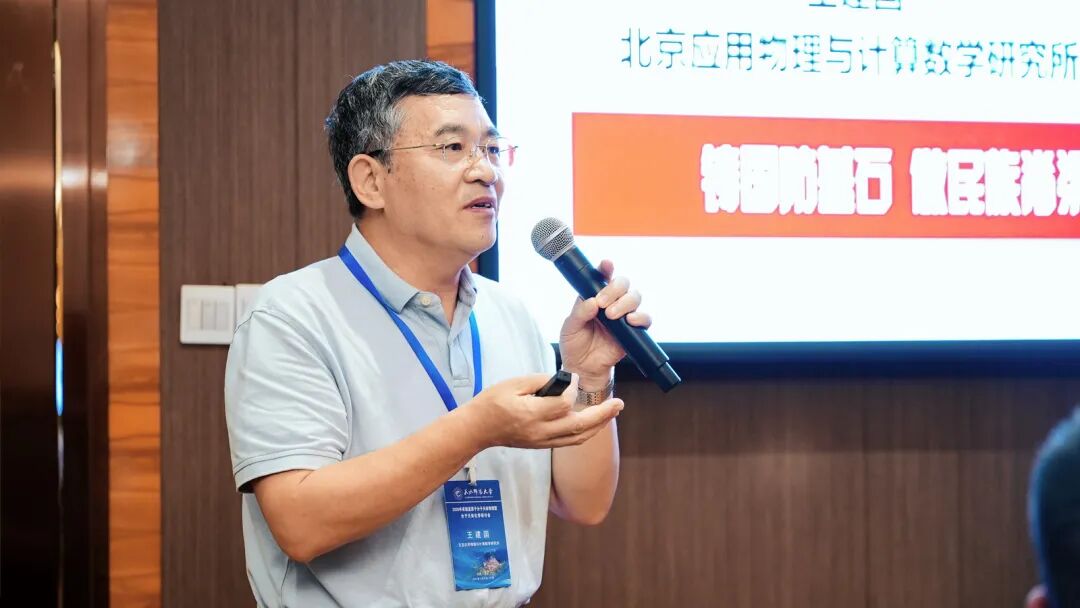
Researcher Wang Jianguo from the Beijing Institute of Applied Physics and Computational Mathematics delivering a keynote presentation titled "Atomic and Molecular Physics in Precision Nuclear Medicine"
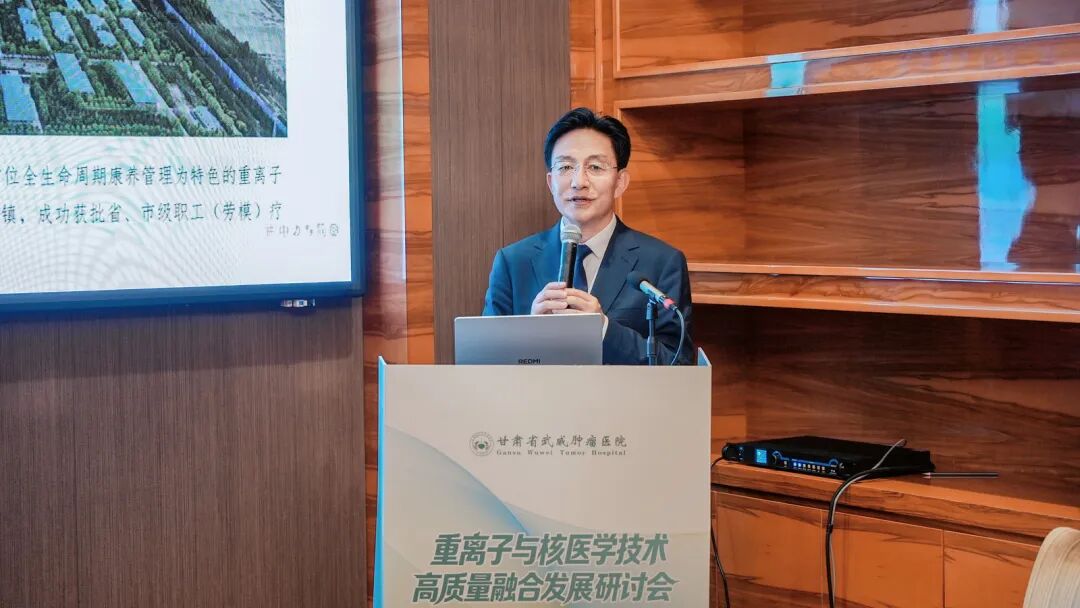
Professor Ye Yancheng, President of Gansu Wuwei Cancer Hospital, delivering a presentation titled "Clinical Applications of New Technologies in Heavy Ion Radiotherapy and Nuclear Medicine Diagnosis and Treatment"
As the only medical institution in the world operating two heavy ion therapy systems simultaneously, Gansu Wuwei Cancer Hospital is driving innovation at its core, continually amplifying the influence of this "great national instrument." Leveraging the coordinated dual‑center development model in Wuwei and Lanzhou, the hospital has achieved full integration and unified operation of its equipment, expert teams, and clinical case resources. This not only establishes a pathway from laboratory research to clinical application and industrial translation, but also positions the hospital to lead the development of industry quality standards, transitioning from a "technology user" to a "standard setter." In deepening industry‑university‑research collaboration, the hospital works with the Institute of Modern Physics of the Chinese Academy of Sciences, Lanzhou University, Northwest Normal University, and other research institutes and universities. Focusing on challenging solid tumors such as lung cancer, liver cancer, and pancreatic cancer, the hospital is mining and analyzing large‑scale clinical data to accelerate the research and development of both the Clinical Practice Guidelines for Heavy Ion Therapy and disease‑specific Clinical Practice Guidelines for lung cancer, glioma, and pancreatic cancer. Concurrently, under the guidance of the Provincial Health Commission, the hospital is actively expanding research into the application of heavy ion radiotherapy for non‑neoplastic refractory diseases, building a broader evidence base for its indications. By advancing the standardization and systematic development of heavy ion therapy standards, the hospital is committed to bringing China's heavy ion treatment standards into alignment with internationally advanced levels. This will not only significantly enhance China's global influence in heavy ion radiotherapy, but will also offer more precise and effective "Chinese solutions" to patients worldwide with malignant solid tumors and other complex diseases.
In the field of nuclear medicine, our hospital is built on a foundation of independent, domestically developed nuclear medicine technology, and has established itself as a national benchmark in heavy ion radiotherapy. It is one of the few medical institutions in Northwest China with comprehensive capabilities spanning particle therapy, internal radionuclide therapy, and molecular imaging diagnostics. In the area of beta‑emitting radionuclide therapy, the hospital routinely and maturely performs a range of procedures, including ¹³¹I therapy for hyperthyroidism and differentiated thyroid cancer, ⁹⁰Sr‑⁹⁰Y radionuclide applicator therapy, ⁸⁹Sr therapy for bone metastasis pain relief, ¹²⁵I seed implantation, and ⁹⁰Y resin microsphere interventional therapy for liver cancer. In the area of alpha‑emitting radionuclide therapy, ²²³Ra targeted therapy has been introduced into routine clinical practice, opening a new therapeutic pathway for patients with advanced multiple bone metastases. ¹⁷⁷Lu targeted therapy will soon be available for patients with metastatic prostate cancer and neuroendocrine tumors, and additional high‑end targeted alpha‑emitting therapies, including clinical trials of ²²⁵Ac and ²¹¹At, will be progressively introduced, further expanding the scope of alpha‑radionuclide therapy.

Iodine-131 (¹³¹I) Therapy for Hyperthyroidism and Differentiated Thyroid Cancer
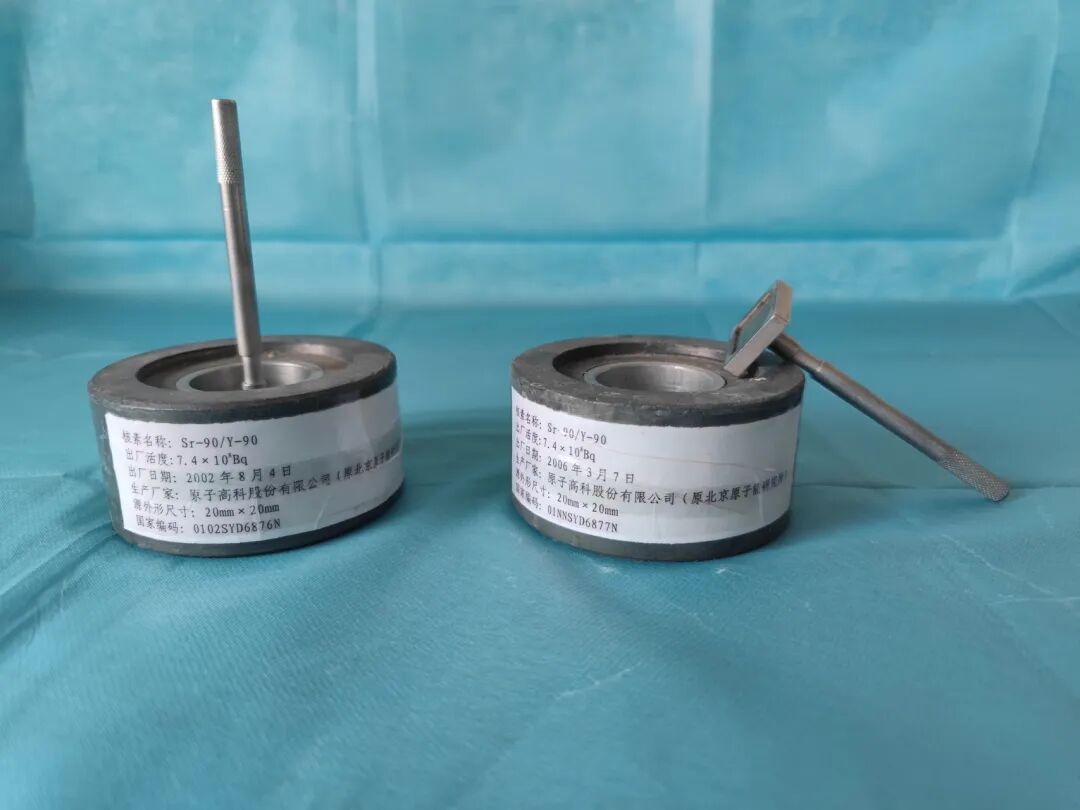
Strontium-90/Yttrium-90 (⁹⁰Sr-⁹⁰Y) Applicator Therapy
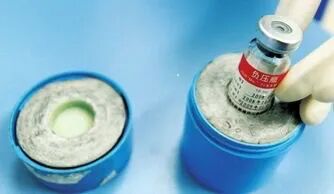
Strontium-90/Yttrium-90 (⁹⁰Sr-⁹⁰Y) Applicator Therapy

Iodine-125 (¹²⁵I) Seed Implantation Therapy
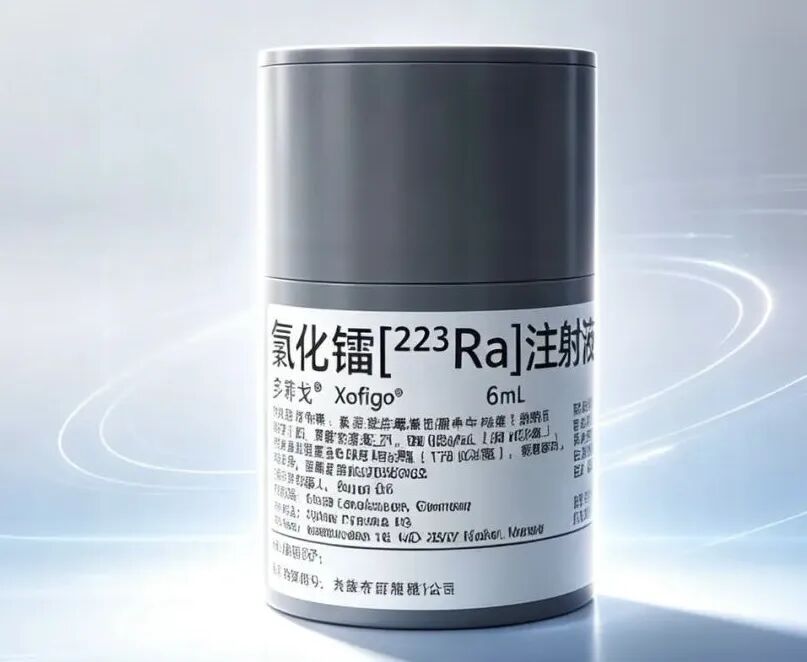
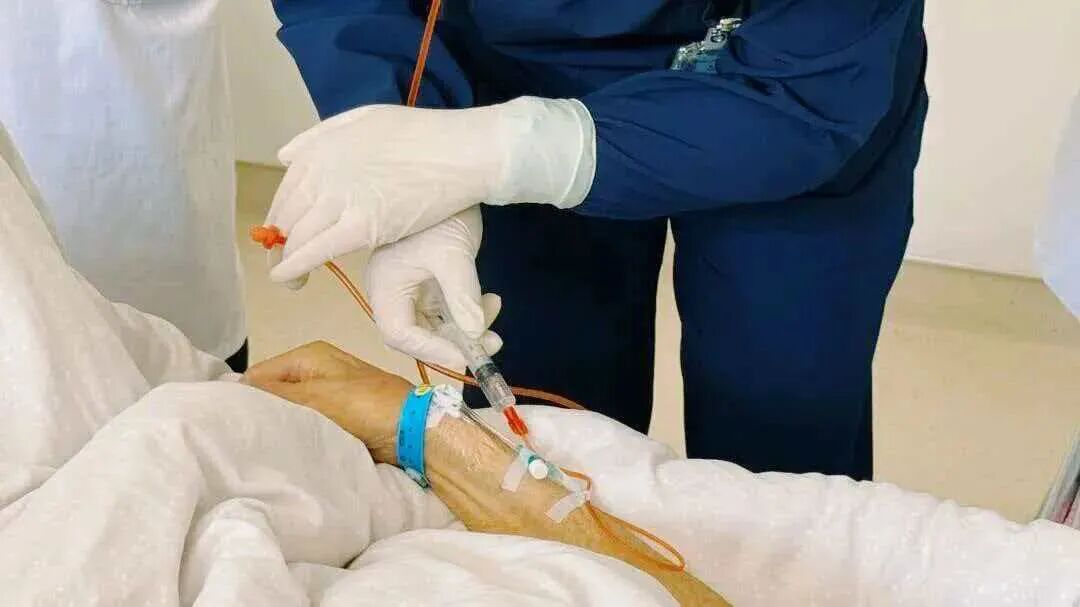
Radium-223 (²²³Ra) Targeted Radionuclide Therapy
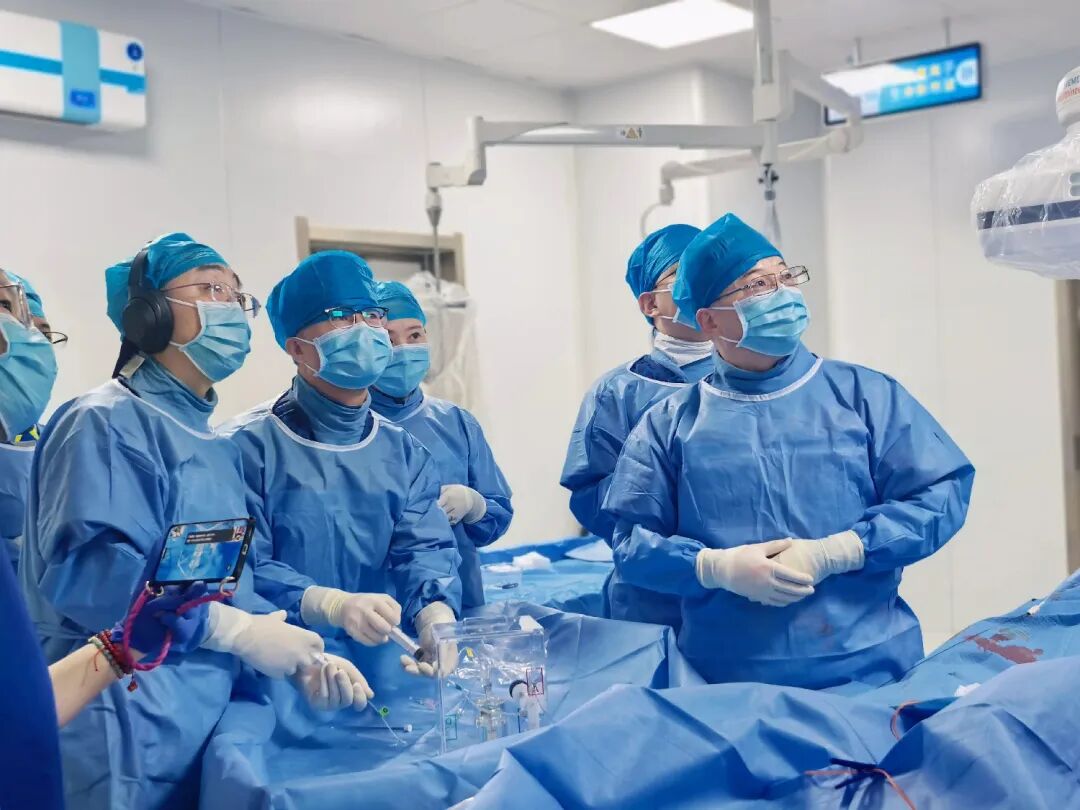
Yttrium-90 (⁹⁰Y) Resin Microsphere Radioembolization
The following experts attended the symposium:
- Professor Yuan Jianmin from Jilin University
- Researcher Yan Jun from the Beijing Institute of Applied Physics and Computational Mathematics
- Professor Yang Chuanlu from Ludong University
- Professor Wei Baoren from Fudan University
- Researcher Li Xiaohu from the Xinjiang Astronomical Observatory, Chinese Academy of Sciences
- Professor Zeng Jiaolong from Zhejiang University of Technology
- Professor Shan Xu from the University of Science and Technology of China
- Researcher Zhu Xiaolong from the Institute of Modern Physics, Chinese Academy of Sciences
- Researcher Wen Weiqiang from the Institute of Modern Physics, Chinese Academy of Sciences
- Professor Gao Cheng and Associate Professor Hou Yong from the National University of Defense Technology
- Associate Professor Zhang Dongdong from Jilin University
- Associate Professor Cheng Yongjun from Shaanxi Normal University
- Professor Jiang Jun and Professor Xie Luyou from Northwest Normal University
- Professor Zhao Yuxiang, Professor Liu Xiaobin, and Associate Professor Shi Yinglong from Tianshui Normal University
They all attended the meeting.
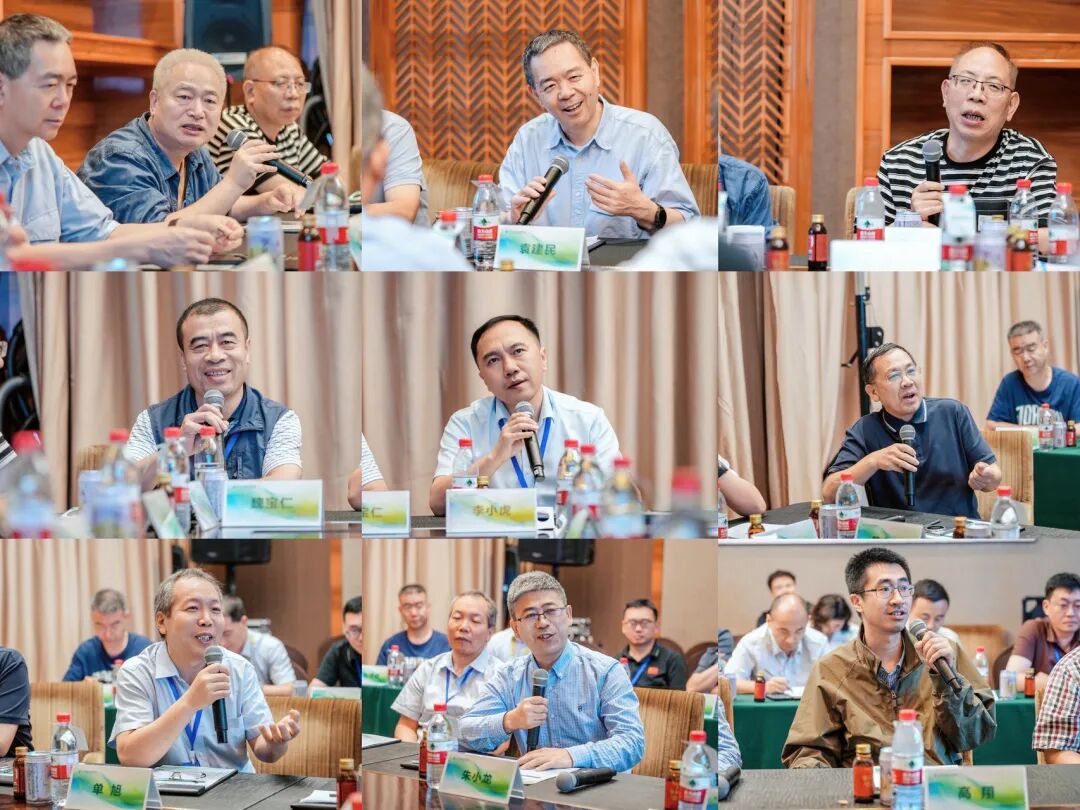
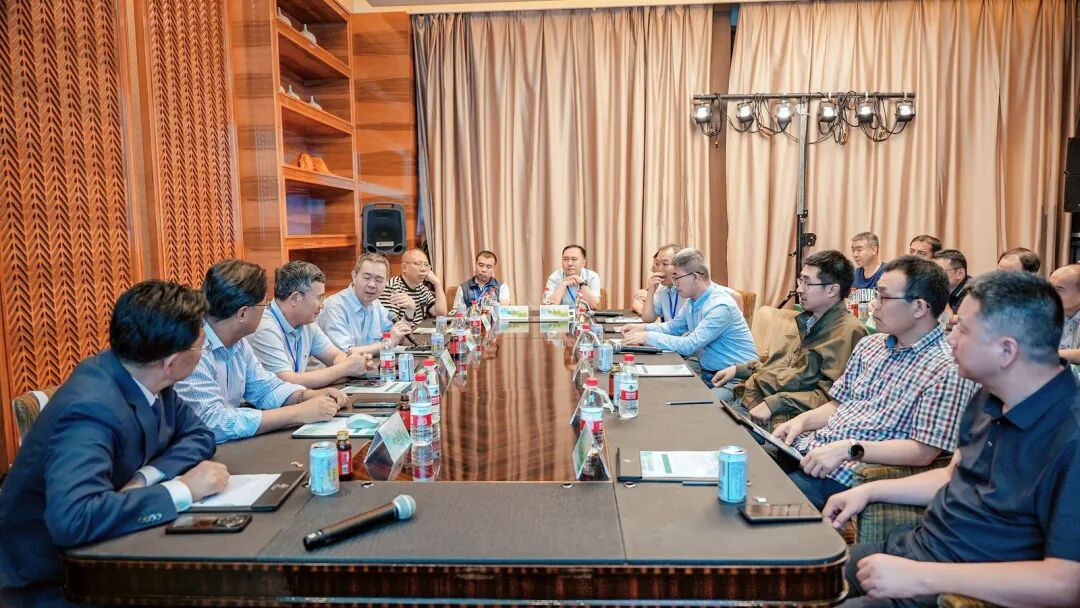
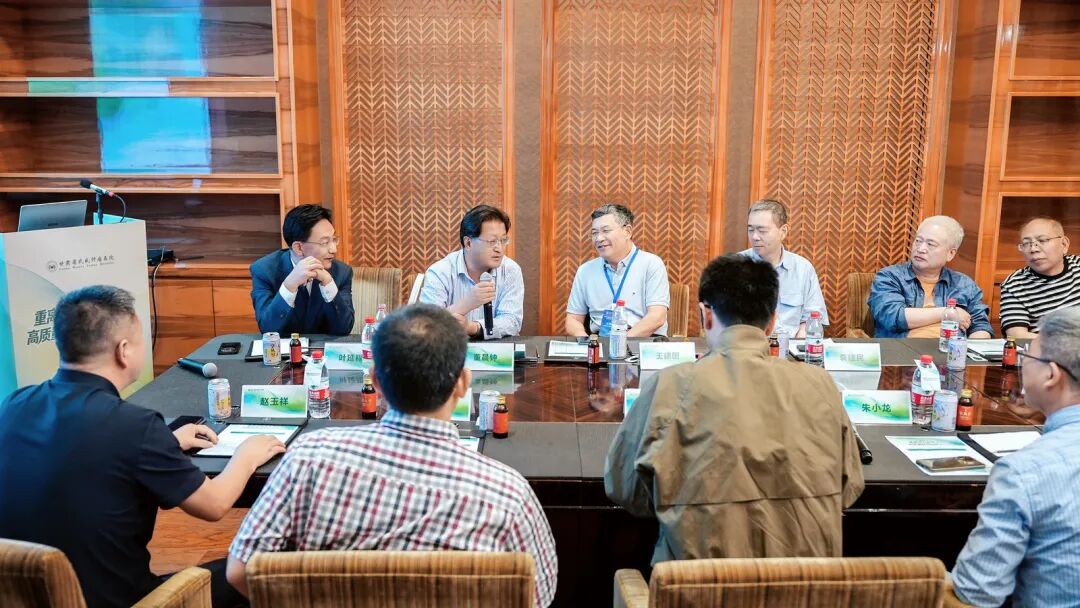
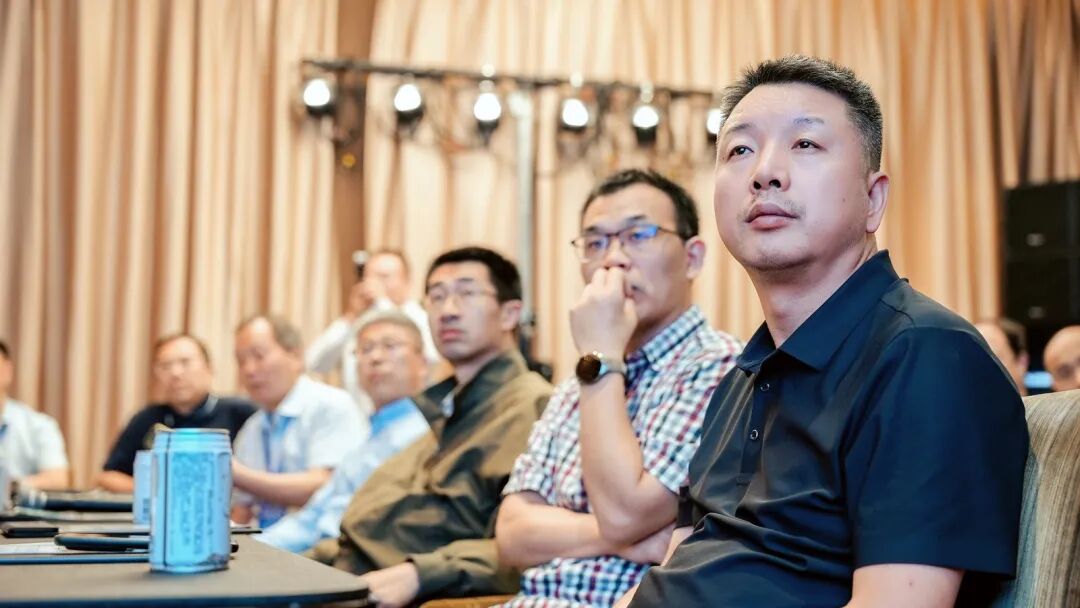
Free Discussion Among Experts
Looking ahead, our hospital will continue to amplify the brand influence of this "great national instrument," powered by scientific and technological innovation, to advance the localization of heavy ion therapy equipment, the standardization of clinical applications, and the clustering of industrial development. As the national‑level heavy ion therapy guidelines are implemented and the "Chinese solution" is shared internationally, Gansu will seize the golden opportunity for nuclear industry development, translating the "key variable" of technological innovation into the "greatest multiplier" for high‑quality development. Through cutting‑edge technology, we will continue to safeguard public health and steadily advance toward becoming a nationally renowned hub for the nuclear medicine industry.
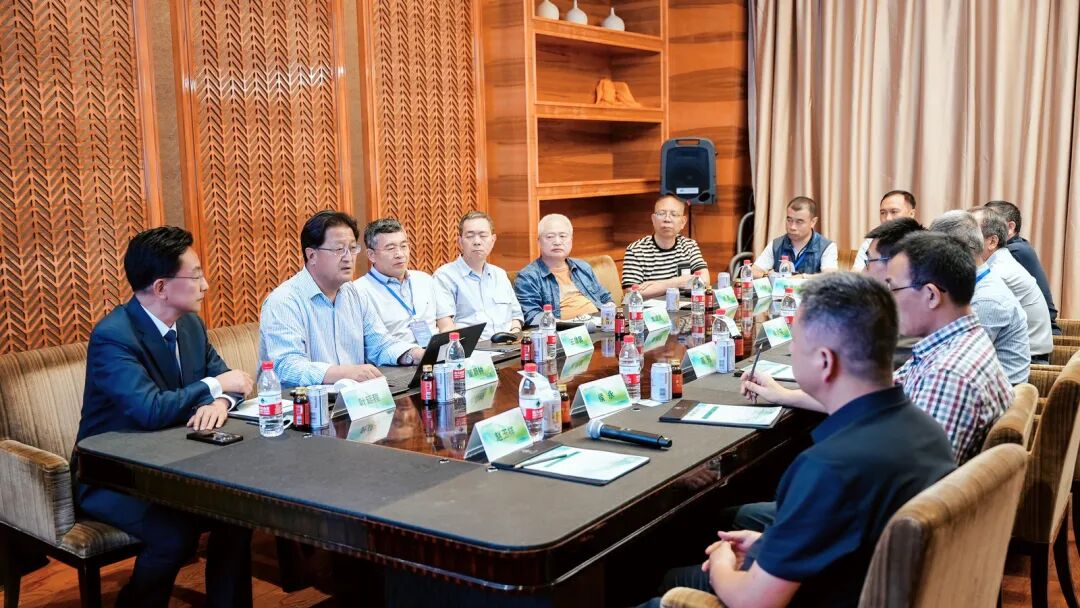
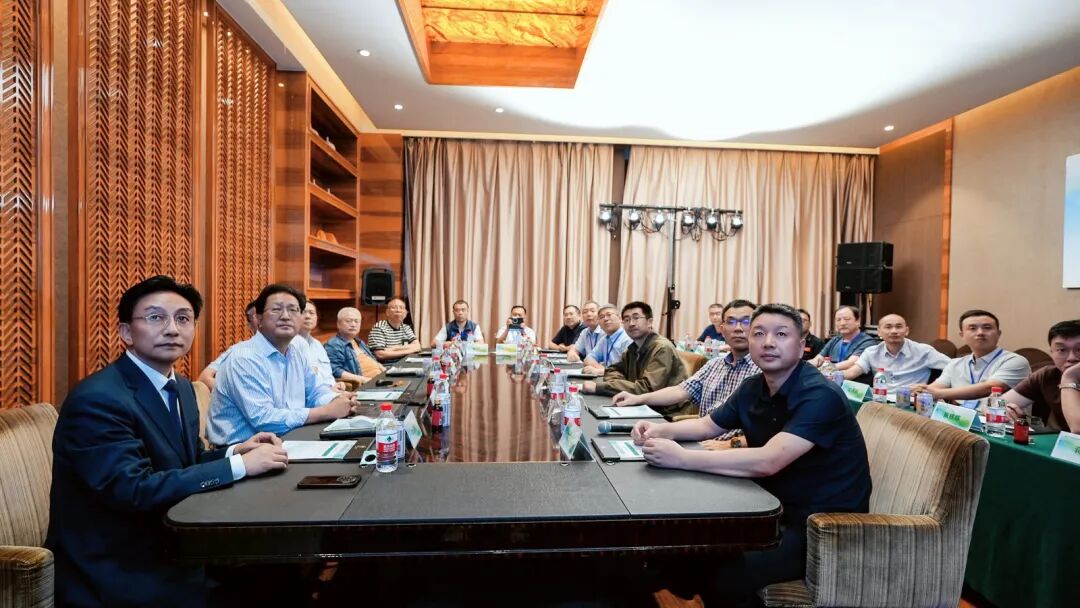
Meeting Highlights
Writer: Guo Yishan
First Review: Yang Yang
Second Review: Guo Yishan
Third Review: Cai Qinghua