GI Cancer Screening: Past Lessons, Future Directions
GI Cancer Screening: Past Lessons, Future Directions
“Friendship” Digestive Disease Screening Express – Wuwei Stop Held at the Wuwei Heavy Ion Center of Gansu Wuwei Cancer Hospital
- National Key Clinical Specialty Construction Project (3‑year cultivation cycle)
- Key Discipline of Gansu Province
- First Place in the National Endoscopy‑Pathology Competition under the Rural Upper Gastrointestinal Cancer Early Diagnosis and Treatment Program
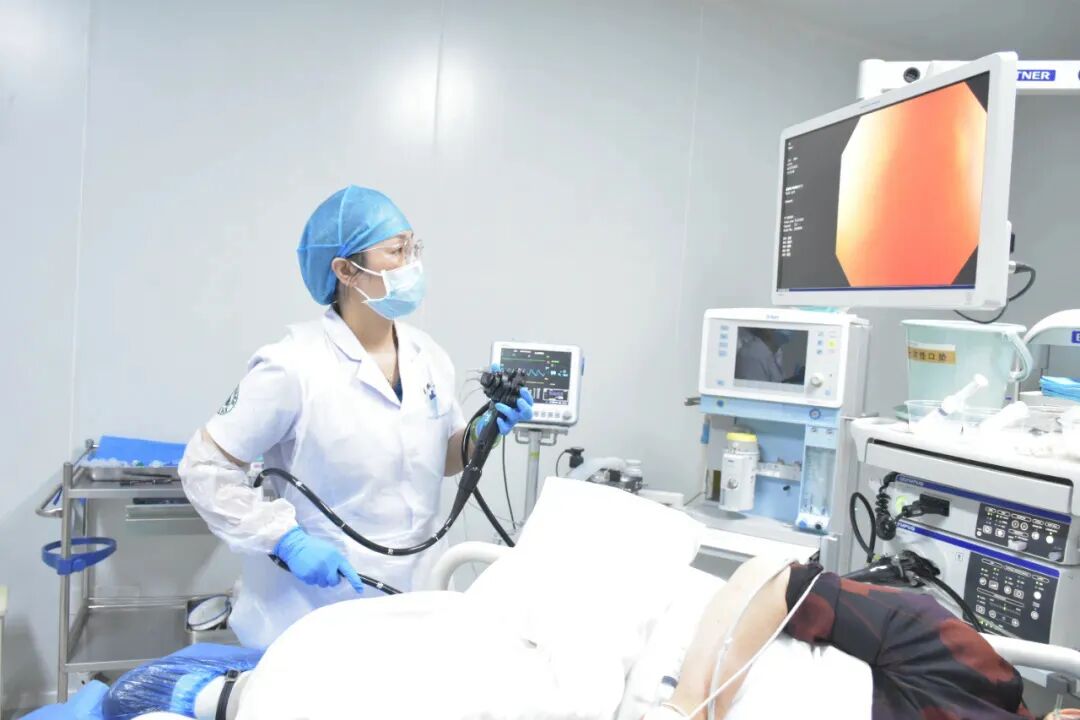
- Highest Rate of Painless Endoscopy in the Province
- Nationally leading equipment and clinical standards; performed Gansu's first endoscopic transcecal scarless appendectomy
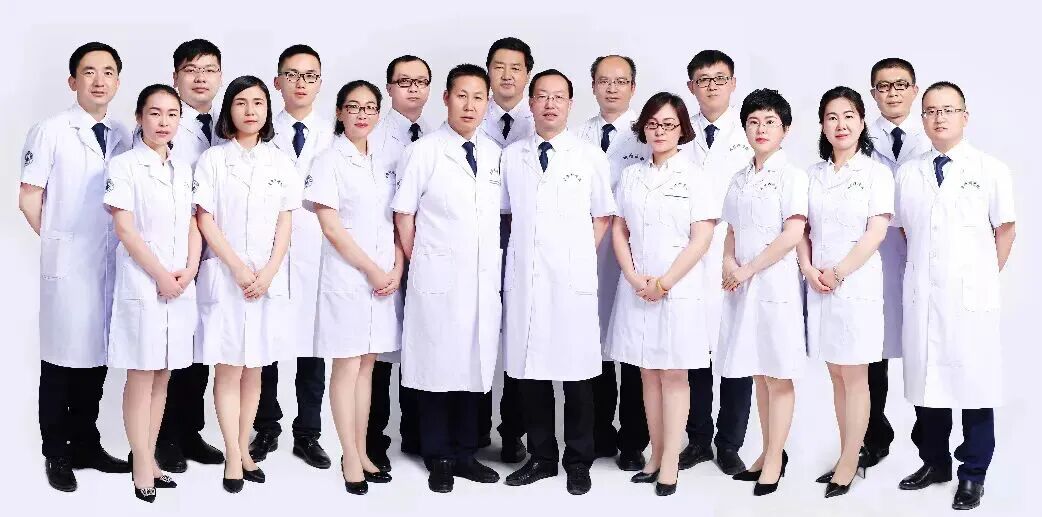
- Led by a large team of senior specialists, including Zhang Zhiyi (Chief Physician, Founder and Chief Expert of Gastroenterology, Academic Leader, Director of Endoscopy Center, and Leading Talent of the Gansu Provincial Health System), Wu Zhengqi (Chief Physician, Leading Talent of Gansu Province, Provincial Model Worker), and Lu Linzhi (Chief Physician, Chair of the Wuwei Gastroenterology Professional Committee)
- National Early Gastric Cancer Screening and Treatment Base of the National Health Commission
- National Gastroenterology Endoscopy Training Base of the National Health Commission
- Key Laboratory of Gastrointestinal Diseases of Gansu Province
- Wuwei Branch of the Shanghai Molecular Medicine Center for Helicobacter pylori
- Wuwei Branch of the Xijing Biospecimen Bank
Editor's Note: The "'Friendship' Digestive Disease Screening Express" is a national‑level public‑service academic assistance program in the field of digestive diseases, spearheaded by Beijing Friendship Hospital, Capital Medical University. The program focuses on delivering top‑tier digestive diagnostic and treatment resources nationwide through expert teaching, surgical demonstrations, technical mentoring, and collaborative research, with the aim of promoting the homogenized development of regional medical capabilities.
Over the past two decades, our collaboration with the "Friendship Health Express" has continued to grow. In 2007, leading digestive disease experts including Yu Zhonglin and Zhang Shutian visited Wuwei to conduct gastric cancer screenings, laying the foundation for early cancer prevention and treatment in the region. Over the years, Gansu Wuwei Cancer Hospital has upheld the original mission of this partnership, focusing on tackling the region's high incidence of gastric cancer. This effort has led to the establishment of the Wuwei Branch Center of the National Clinical Research Center for Digestive Diseases and the development of the "Wuwei Model" for gastric cancer prevention and control. Through comprehensive upgrades in technology, equipment, and talent development, the hospital has effectively reduced both the incidence and mortality rates of gastric cancer in the region. The placement of this event at the Wuwei Heavy Ion Center not only continues the spirit of years of collaborative medical efforts but also presents a significant opportunity for the hospital to build a core hub for digestive disease prevention and treatment in Western China.
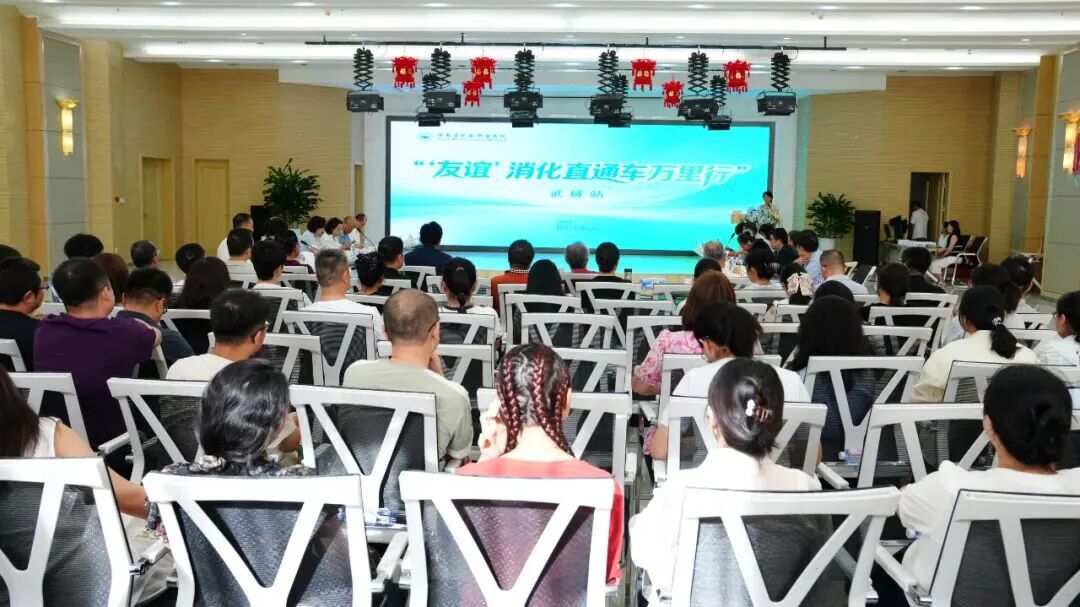
On July 19, the “Friendship” Digestive Disease Screening Express – Wuwei Stop was successfully held at the Wuwei Heavy Ion Center of Gansu Wuwei Cancer Hospital.
Prominent experts in the field of digestive diseases attended the conference, including:
- Professor Zhang Shutian, President of Beijing Friendship Hospital, Capital Medical University
- Professor Ye Yancheng, President of Gansu Wuwei Cancer Hospital
- Professor Zhou Yongning from The First Hospital of Lanzhou University
- Professor Huang Xiaojun and Professor Wang Xiang from Lanzhou University Second Hospital
- Professor Chen Guangyong (Director of Pathology), Professor Yin Jie (Director of the Eighth Department of General Surgery), Professor Liu Fukun (Anesthesiology), Professor Liu Kuiliang and Professor Xu Rui (Gastroenterology), and Professor Li Chun (Endoscopy Center) from Beijing Friendship Hospital, Capital Medical University
- Professor Guo Qinghong, Director of Gastroenterology at The First Hospital of Lanzhou University
- Professor Ding Xiangping, Director of Gastroenterology at Gansu Second Provincial People's Hospital
- Professor Chen Jia, Deputy Director of the Endoscopy Center at Gansu Provincial Hospital
In addition, clinical colleagues from various medical institutions across Wuwei — spanning gastroenterology, pathology, anesthesiology, medical imaging, and nursing — gathered at our hospital to participate in this high‑level academic conference. The event brought together cutting‑edge diagnostic and treatment concepts and practical experience, linking the Hexi region with Beijing and Tianjin, and providing a strong foundation for advancing the quality and capacity of digestive disease care in the region.
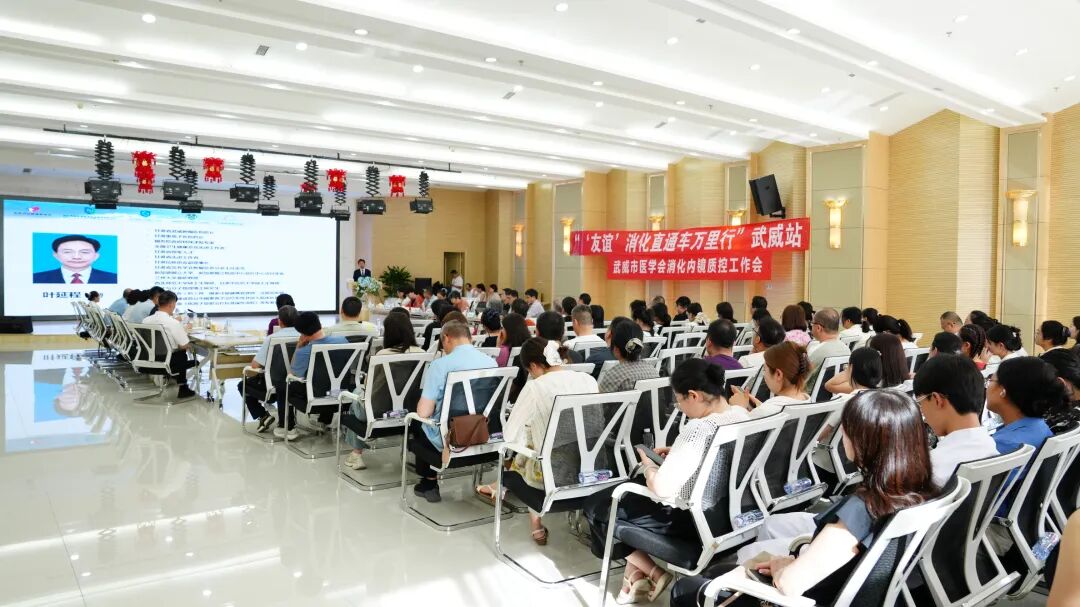
At the conference, Professor Zhang Shutian, President of Beijing Friendship Hospital, Capital Medical University, delivered a speech. He recalled the early gastric cancer screening efforts in Wuwei with Professor Yu Zhonglin, and affirmed the significant progress the hospital has made over the past two decades in developing the "Wuwei Model" — with substantial improvements in technology, equipment, talent, and research that have markedly reduced the regional incidence and mortality of gastric cancer. Drawing on his experience in building national and international research platforms, he identified current gaps in early cancer screening and clinical diagnosis in China, reaffirming that gastrointestinal endoscopy remains the gold standard for screening. He emphasized the need for full‑process quality control and alignment with international standards of precision care. He expressed hope that this event would deepen collaboration and help standardize clinical practice, thereby improving the prevention and treatment of digestive diseases in Northwest China.
Professor Ye Yancheng, President of Gansu Wuwei Cancer Hospital, also delivered a speech. He reviewed the original vision of experts such as Yu Zhonglin and Zhang Shutian in bringing gastric cancer screening to Wuwei, and described how the hospital has built the "Wuwei Model" over the past two decades, filling multiple technical gaps in the province and advancing hardware, software, and talent development. He noted that these efforts have contributed to a measurable reduction in regional gastric cancer incidence and mortality. He stated that this "Friendship" Digestive Disease Screening Express event continues the tradition of medical collaboration between Beijing and Gansu. The hospital will leverage the national‑level sub‑center platform to improve the prevention and control system, address gaps in clinical care, and uphold national standards in safeguarding the digestive health of the people in the Hexi region.
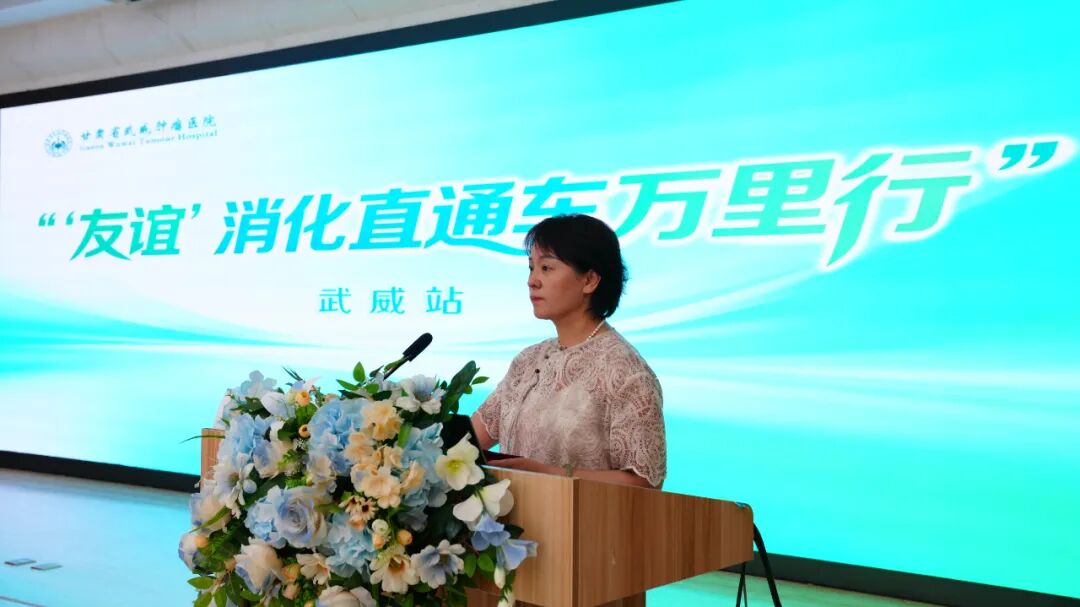
Dr. Lu Linzhi, Chief Physician and Director of the Digestive Disease Center at Gansu Wuwei Cancer Hospital, chairing the session
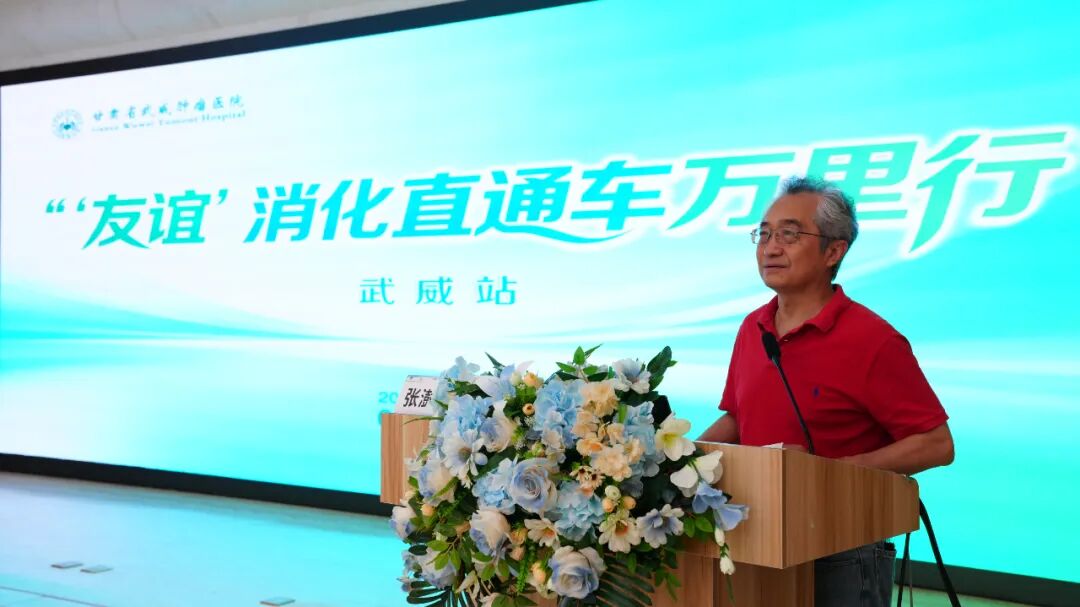
Professor Zhang Shutian, President of Beijing Friendship Hospital, Capital Medical University, delivering a speech
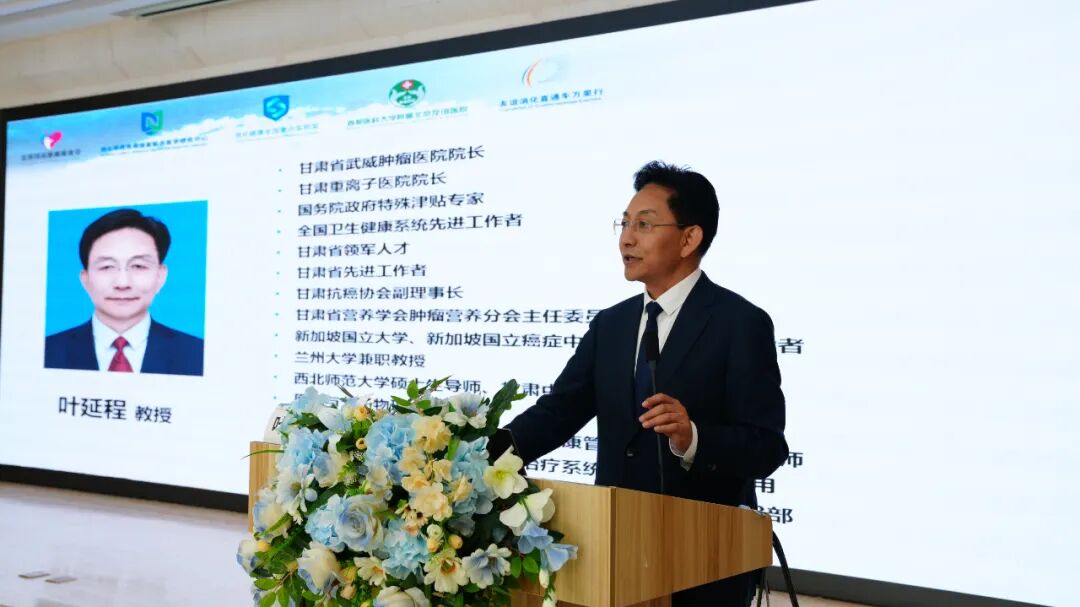
Professor Ye Yancheng, President of Gansu Wuwei Cancer Hospital, delivering a speech
The academic exchange sessions were centered on the theme of "Multidisciplinary, Full‑Chain Management of Early Gastrointestinal Cancer," covering six interconnected disciplines — from endoscopic screening and precise surgical intervention to pathological diagnosis, anesthesia support, and refined nursing care.
- Professor Liu Kuiliang from Beijing Friendship Hospital delivered a lecture titled "Multidisciplinary, Full‑Chain Management of Early GI Cancer – Introduction to Endoscopy Management," systematically presenting the endoscopy management pathway within the multidisciplinary early cancer framework.
- Professor Yin Jie presented "Exploring a Precision Treatment Model Combining ESD with Sentinel Lymph Node Dissection for Early Gastric Cancer," integrating sentinel lymph node tracing techniques with endoscopic submucosal dissection (ESD).
- Professor Chen Guangyong delivered a lecture titled "Multidisciplinary, Full‑Chain Management of Early GI Cancer – Introduction to Pathology Management," highlighting the role of pathology from standardized biopsy processing to post‑ESD specimen interpretation.
- Professor Li Chun presented "Multidisciplinary, Full‑Chain Management of Early GI Cancer – Introduction to Nursing Management," sharing insights into refined nursing management throughout the endoscopy care pathway.
- Professor Liu Fukun delivered a lecture titled "Multidisciplinary, Full‑Chain Management of Early GI Cancer – Introduction to Anesthesia Management," focusing on airway management and sedation depth, providing a behind‑the‑scenes look at the anesthesia support that enables painless endoscopy.
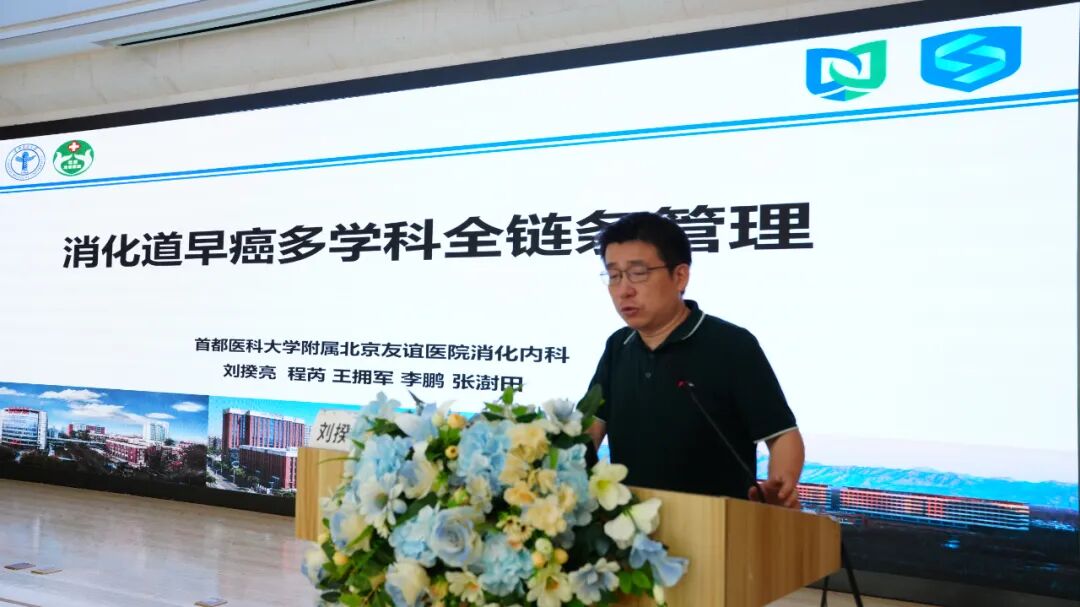
Professor Liu Kuiliang, Department of Gastroenterology, Beijing Friendship Hospital, Capital Medical University, presenting a lecture titled "Multidisciplinary, Full‑Chain Management of Early GI Cancer – Introduction to Endoscopy Management."
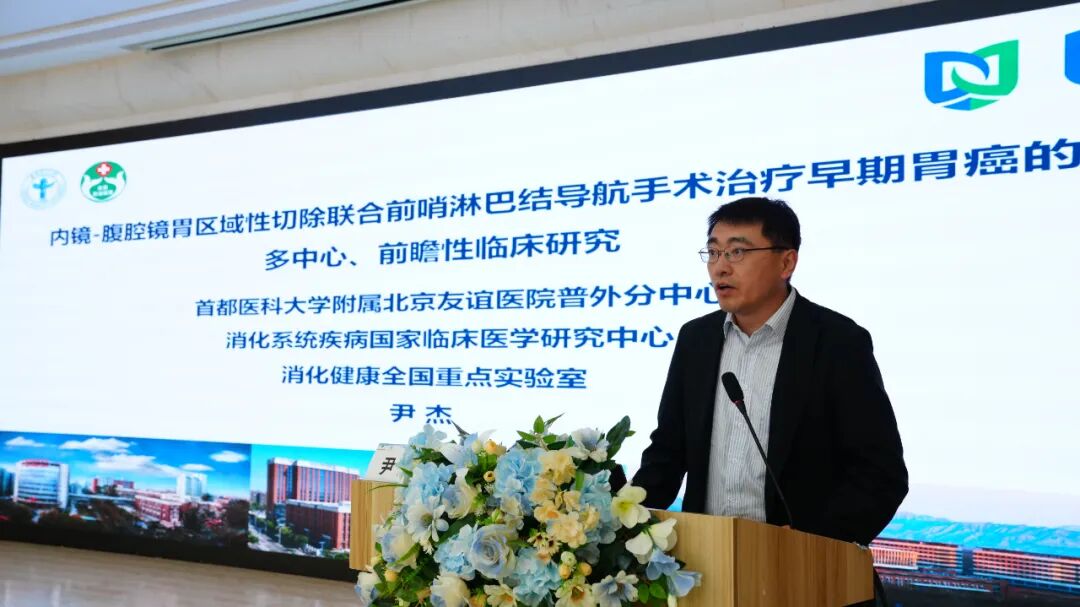
Professor Yin Jie, Department of General Surgery, Beijing Friendship Hospital, Capital Medical University, presenting a lecture titled "Exploring a Precision Treatment Model Combining ESD with Sentinel Lymph Node Dissection for Early Gastric Cancer."
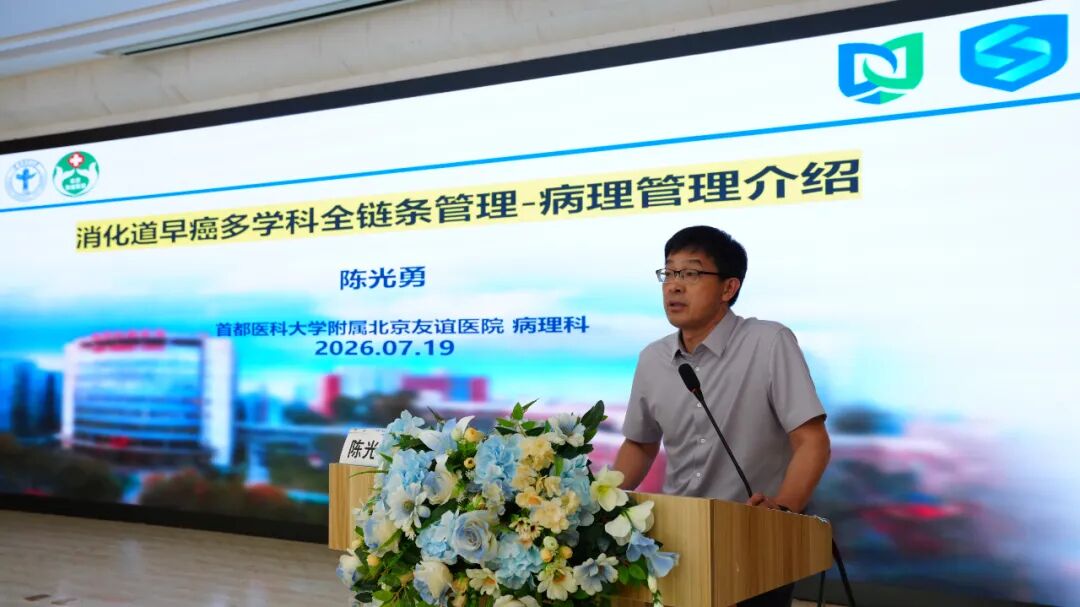
Professor Chen Guangyong, Department of Pathology, Beijing Friendship Hospital, Capital Medical University, presenting a lecture titled "Multidisciplinary, Full‑Chain Management of Early GI Cancer – Introduction to Pathology Management."
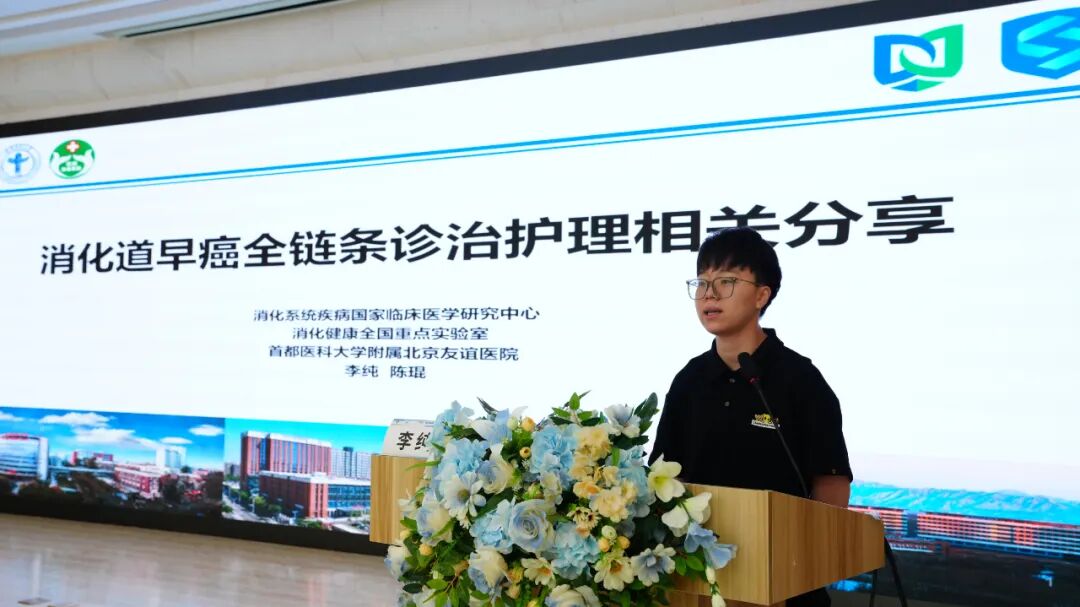
Professor Li Chun, Endoscopy Center, Beijing Friendship Hospital, Capital Medical University, presenting a lecture titled "Multidisciplinary, Full‑Chain Management of Early GI Cancer – Introduction to Nursing Management."
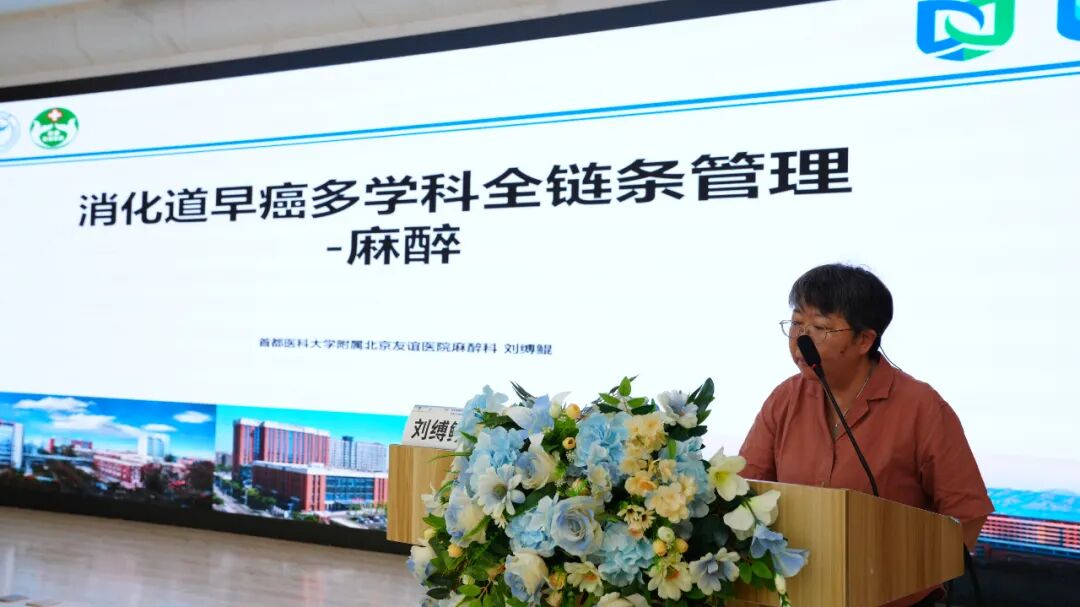
Professor Liu Fukun, Department of Anesthesiology, Beijing Friendship Hospital, Capital Medical University, presenting a lecture titled "Multidisciplinary, Full‑Chain Management of Early GI Cancer – Introduction to Anesthesia Management."
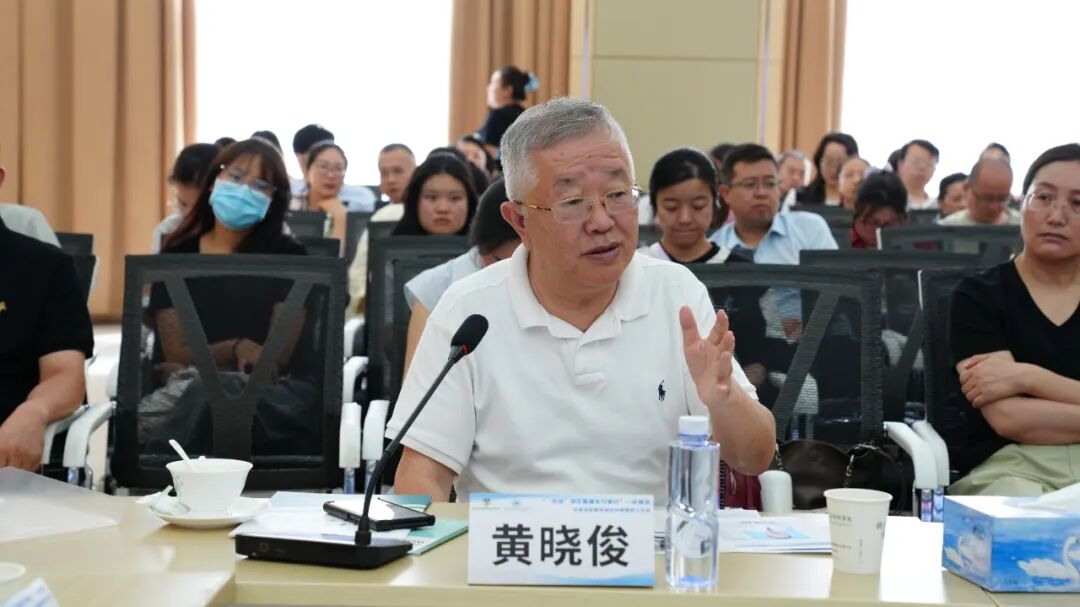
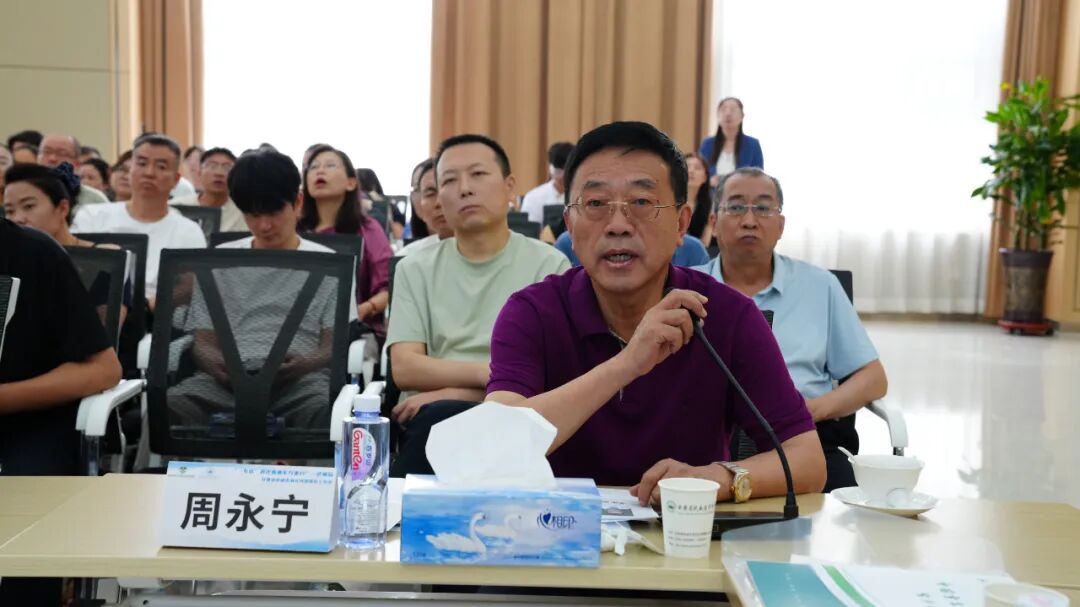
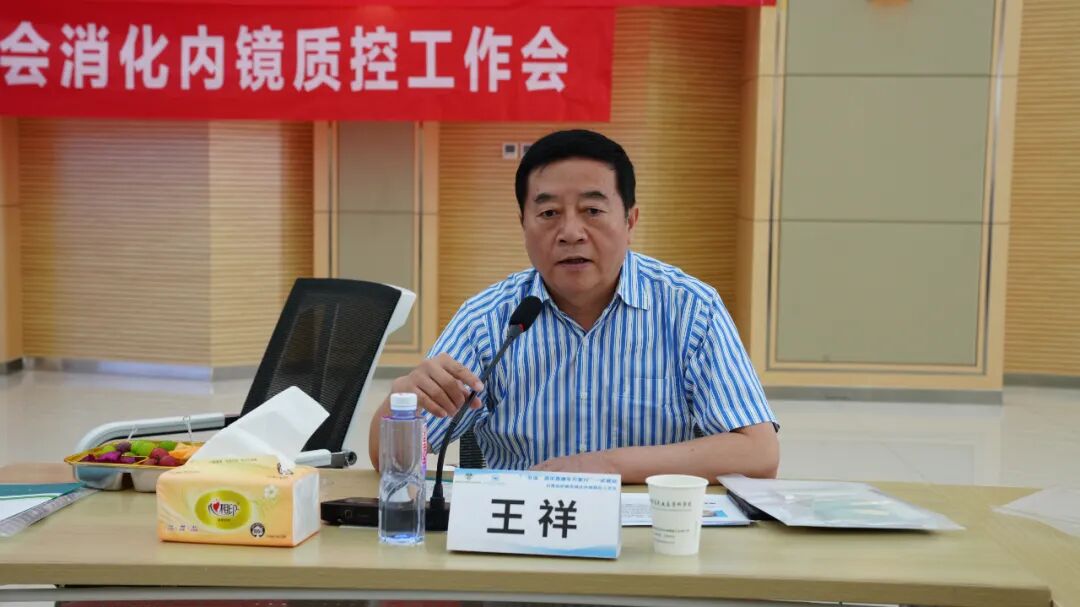
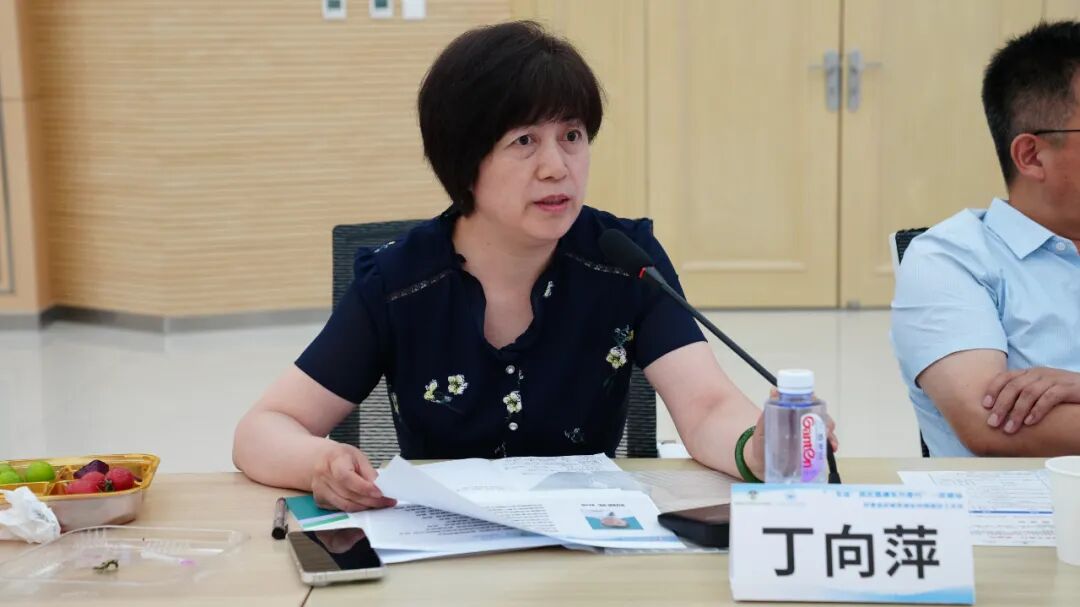
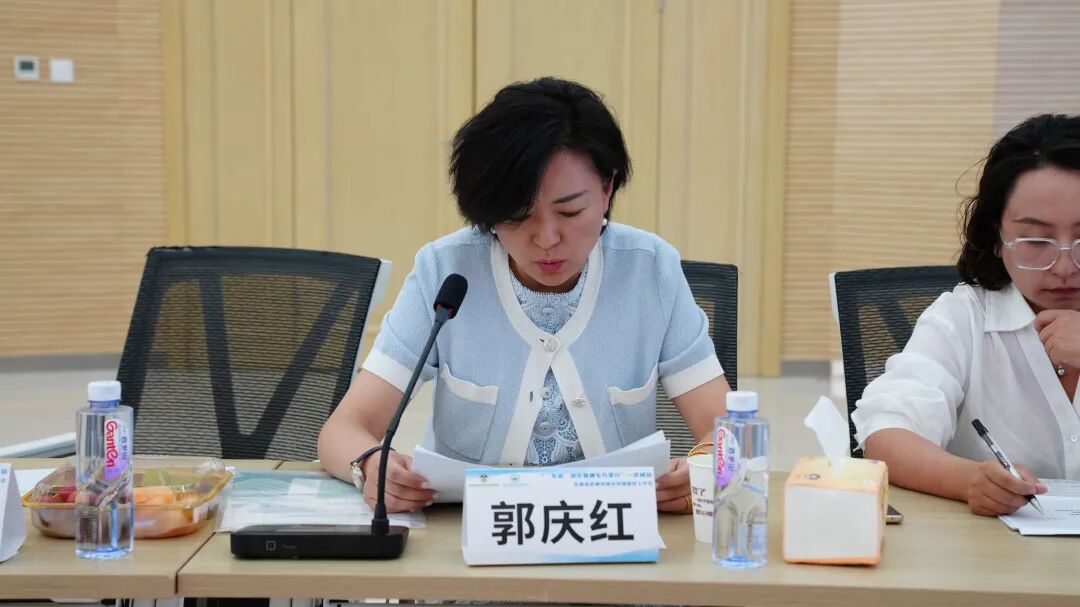
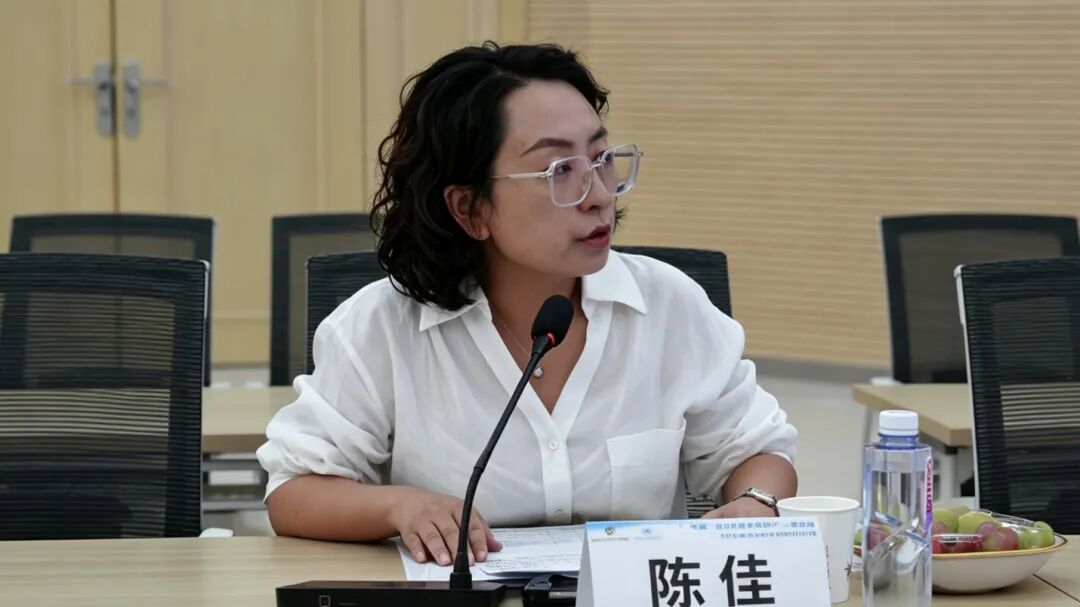
Hosted by Experts
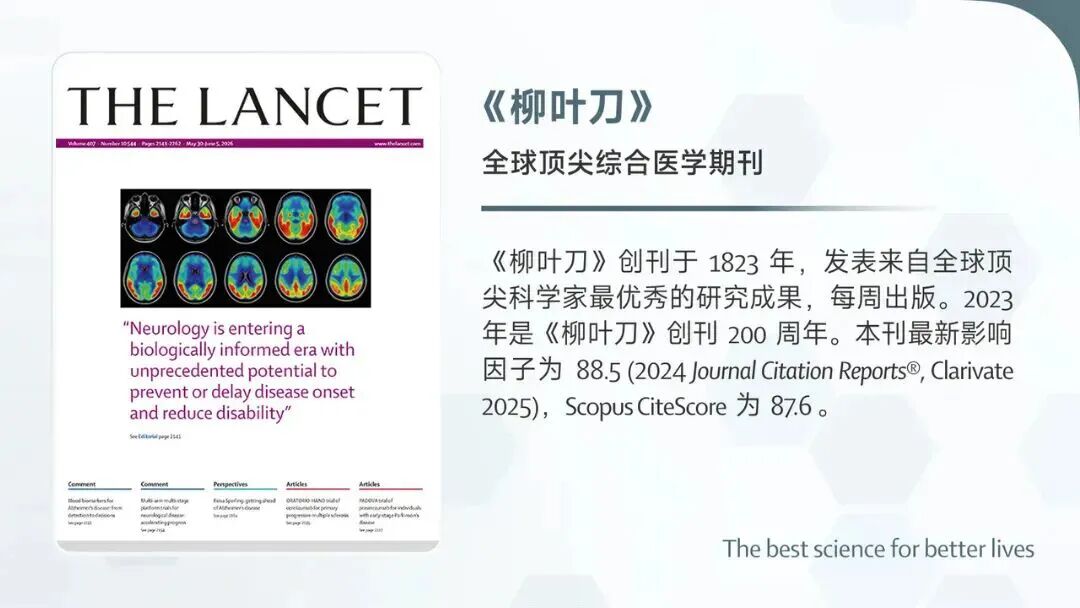
As a key region with a high incidence of gastric cancer in China, Gansu Wuwei Cancer Hospital has been dedicated to the early diagnosis and treatment of upper gastrointestinal cancer for over two decades, developing the nationally renowned "Wuwei Model." Since 2006, with the support of expert teams from Beijing Friendship Hospital — led by Professor Yu Zhonglin and Professor Zhang Shutian — the hospital launched an early cancer screening program, and has since sustained population‑based screening through major national healthcare reform initiatives. Leveraging five national and provincial platforms, including the National Early Gastric Cancer Screening and Treatment Base of the Ministry of Health, the hospital has led multiple national and provincial research projects. Achievements such as the "Promotion and Application of Sequential Screening for Gastric Cancer" have contributed to protecting public health. Building on this solid foundation of clinical research, the hospital participated as a core collaborator in the global multicenter Phase III ASTRUM‑006 study, led by Professor Shen Lin and Professor Ji Jiafu from Peking University Cancer Hospital. The seven‑year research findings were published in *The Lancet* (impact factor 88.5) — marking a major breakthrough in gastric cancer research for both our hospital and the broader Northwest China region.
The data reflect significant impact: For eight consecutive years, the hospital has ranked first in the province in both the number and rate of painless endoscopy procedures. It also ranks first among all provincial hospitals in upper gastrointestinal cancer detection rate and ESD procedure volume, and has won first place in the "National Rural Upper Gastrointestinal Cancer Early Diagnosis and Treatment Program Endoscopy‑Pathology Competition." The incidence of gastric cancer in Wuwei has dropped by nearly half compared to 2006, with a marked reduction in mortality. Tens of thousands of patients with early‑stage cancer have returned to healthy lives. The mission — "Detect one cancer early, save one life, bring happiness to one family" — has been translated into tangible health benefits for more than 1 million residents across the city.
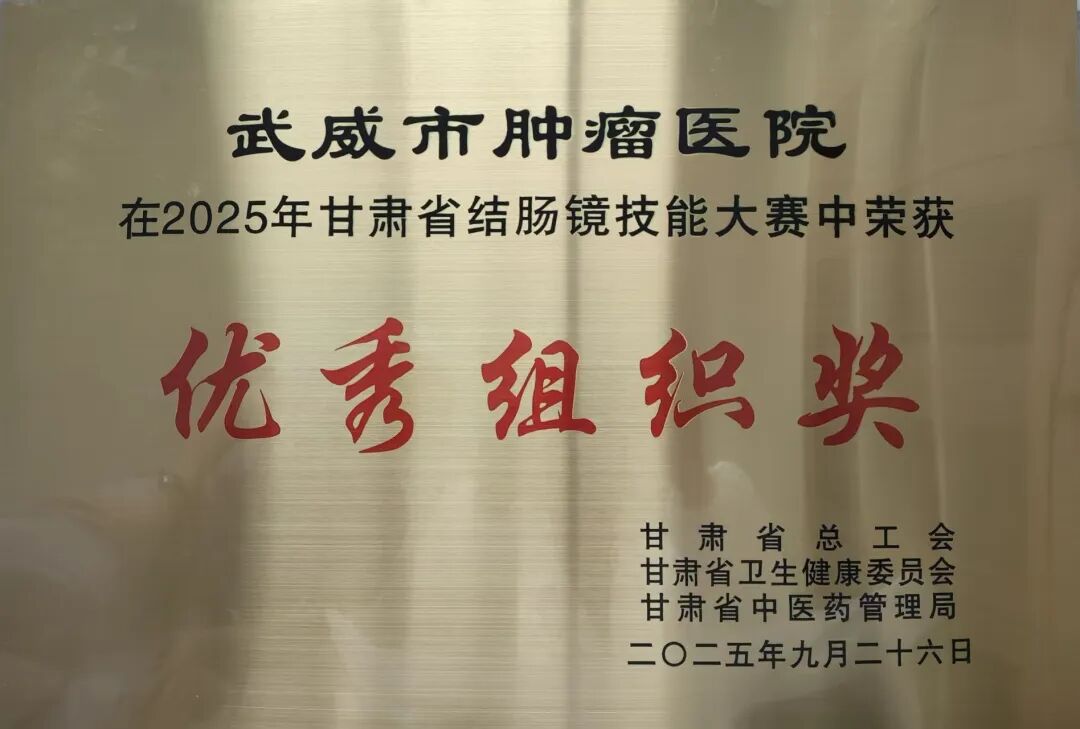
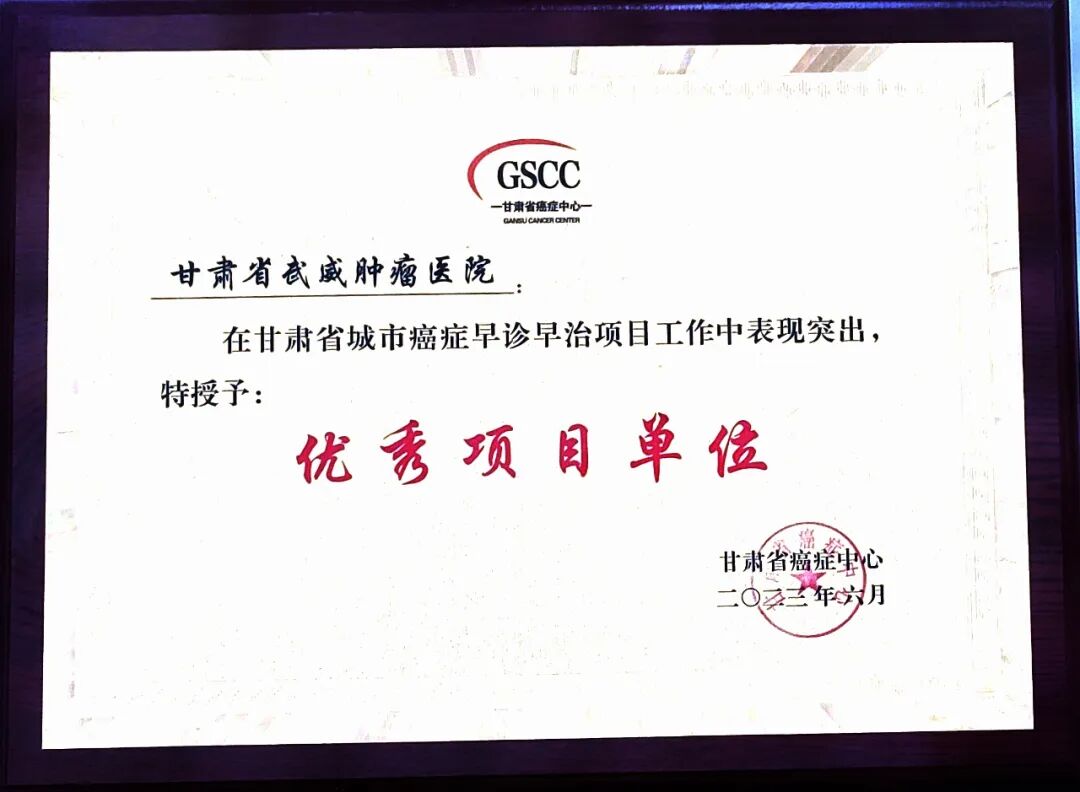
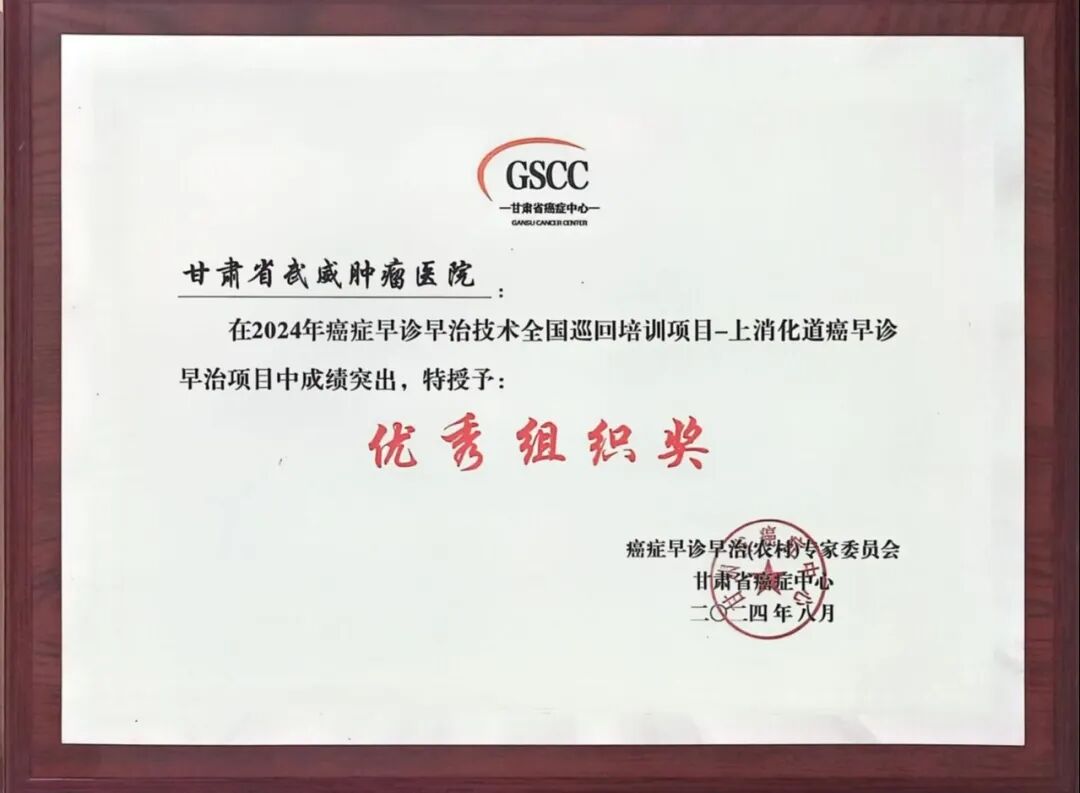
In the landscape of digestive disease prevention and treatment in Western China, the Department of Gastroenterology at Gansu Wuwei Cancer Hospital continues to push the boundaries of regional medical care, driven by technological innovation as its core engine. In 2023, the department performed endoscopic transcecal appendectomy. In 2024, it successfully completed Gansu's first endoscopic transcecal scarless appendectomy. In 2025, it reached new heights with the successful completion of a combined gastroscopy‑laparoscopy dual‑technique radical gastrectomy, and Gansu's first endoscopic ultrasound‑guided biliary drainage (EUS‑BD) — each breakthrough filling a regional technological gap.
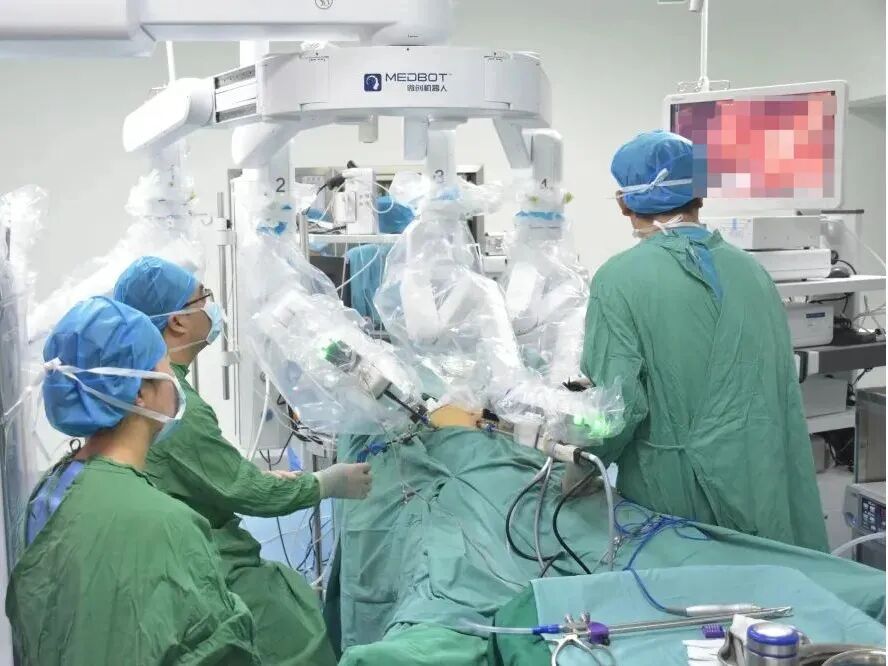
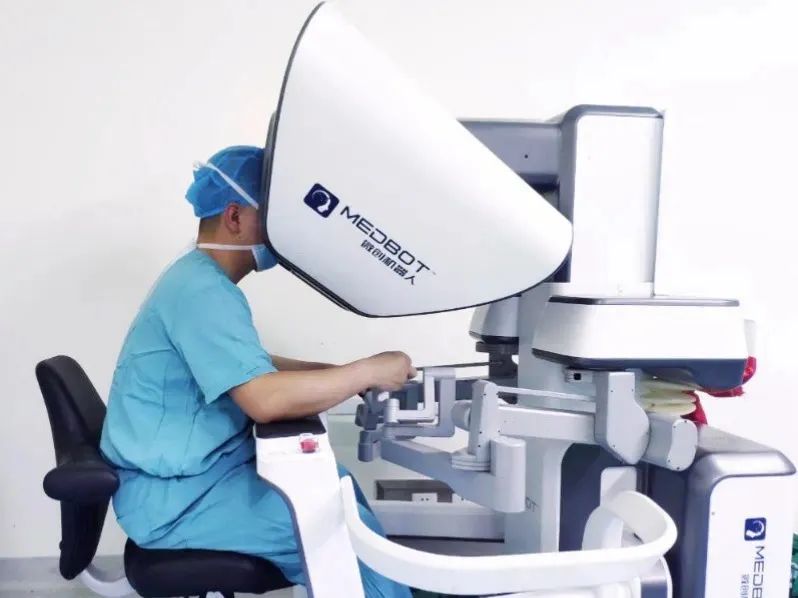
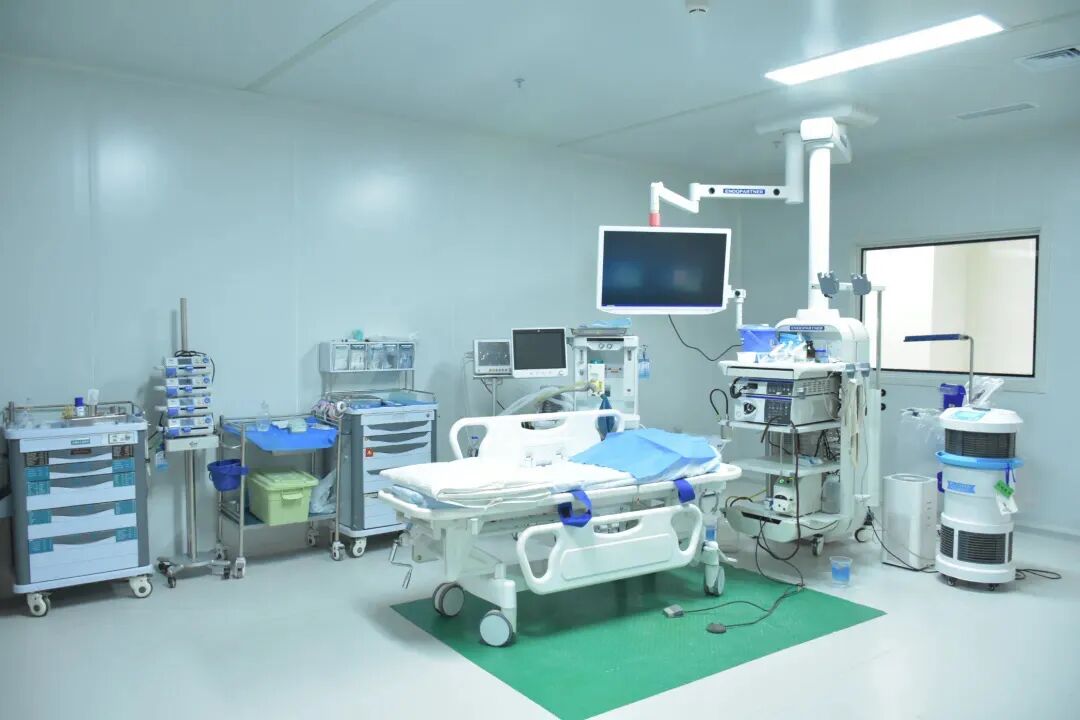
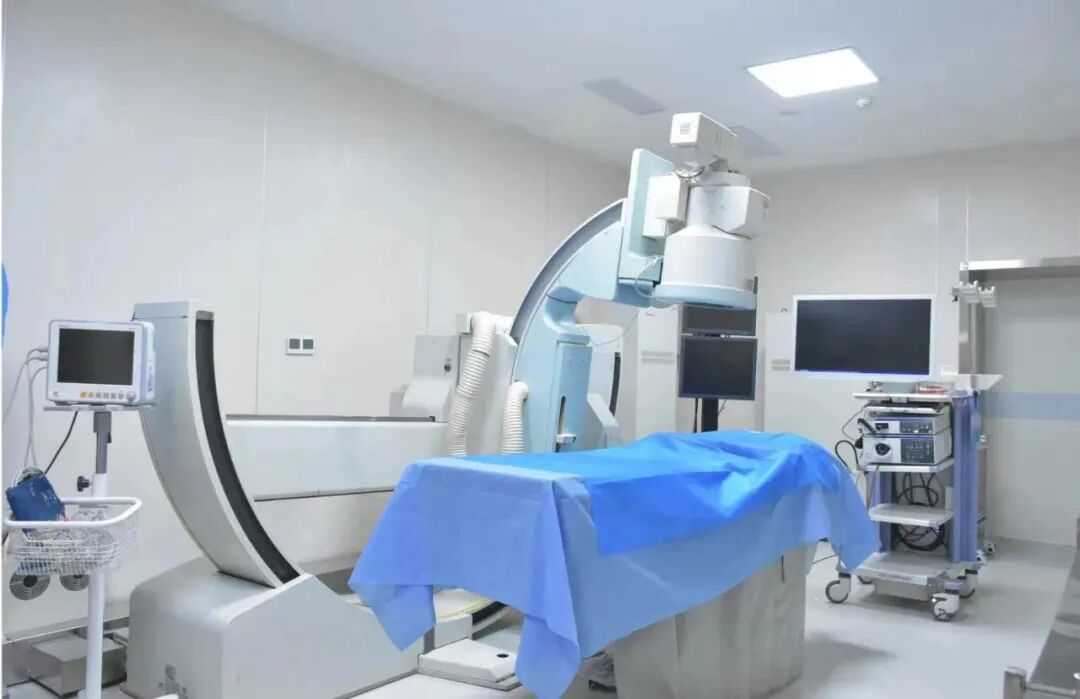
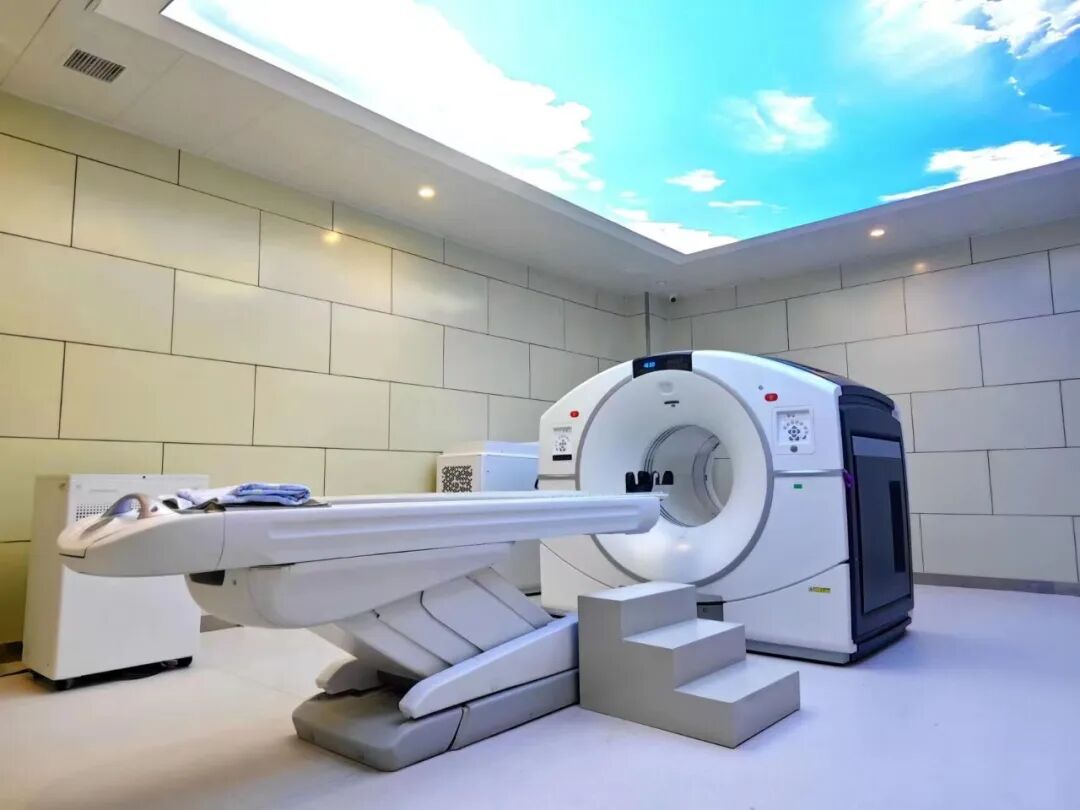
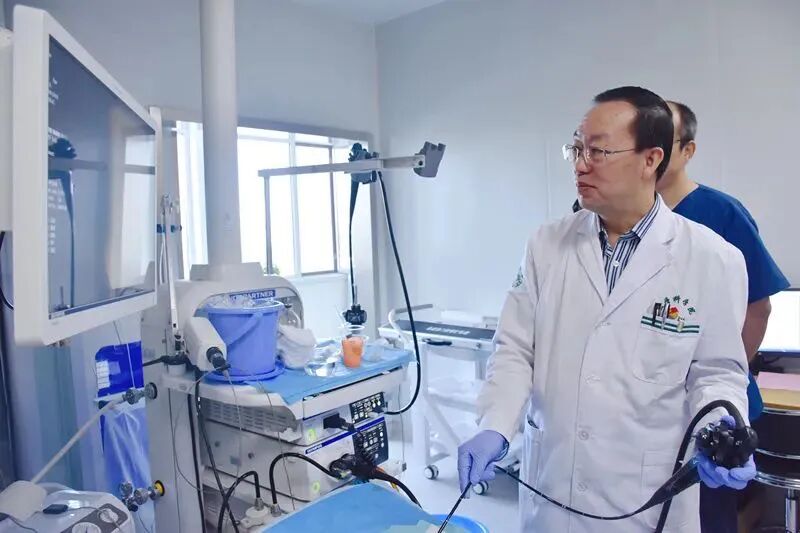
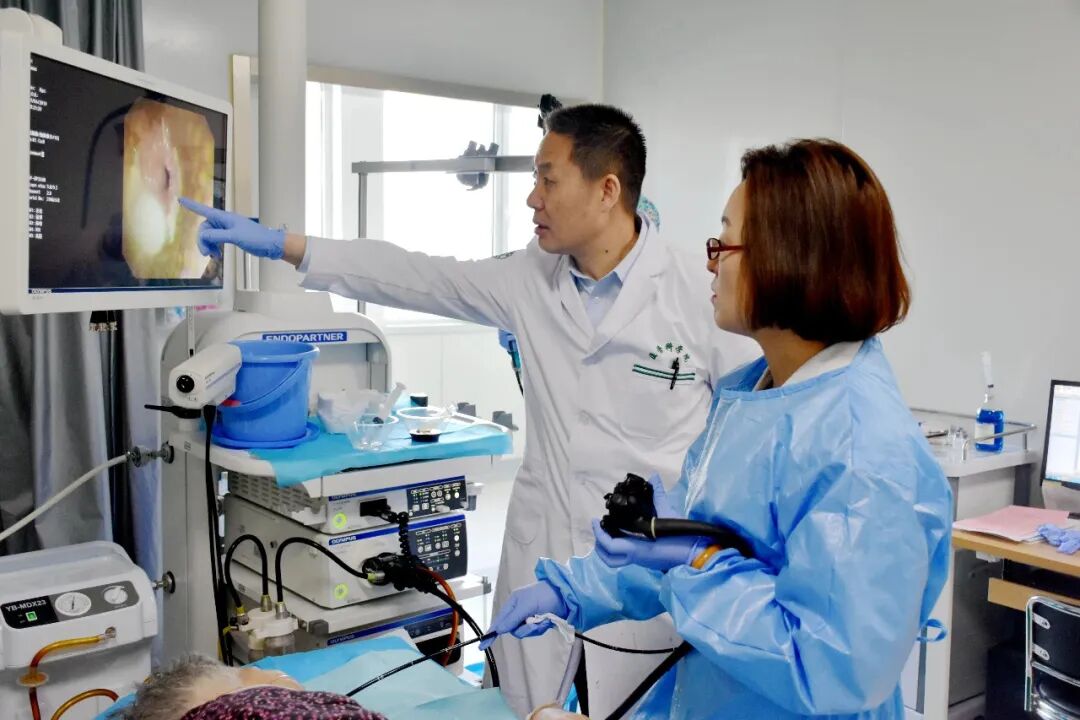
Behind this strong clinical capability lies robust hardware support. The hospital is equipped with two endoscopy centers and 15 examination rooms, with nearly 20 ceiling‑mounted Olympus endoscopic systems and over 50 endoscopes of various types — including small‑bowel endoscopes and endoscopic ultrasound systems. Alongside these, the hospital has over 300 pieces of equipment, including China's first domestically produced Toumai four‑arm surgical robot and Gansu's first super‑iterative PET‑CT, forming a solid foundation for precision care. From precise endoscopic resection of early cancers to the full‑cycle support provided by China's first domestically produced heavy ion therapy system, an integrated service model spanning "prevention, screening, diagnosis, treatment, and rehabilitation" is now well established.
Behind these honors lies a core team led by prominent experts and characterized by multidisciplinary collaboration. Senior specialists — including Chief Physician Zhang Zhiyi, a Leading Talent of the Gansu Provincial Health System; Chief Physician (Level 1) Wu Zhengqi, a Leading Talent of Gansu Province; and Chief Physician Lu Linzhi, recognized as a "Most Admired Science and Technology Worker" — are deeply rooted here. In addition, internationally renowned digestive medicine experts, such as Professor Kohei Takizawa from Japan, serve as visiting professors and regularly provide on‑site training, bringing a global perspective to the team.
From the early spark of cancer screening in 2006 to the present‑day establishment of a national‑level platform, the "Friendship" Digestive Disease Screening Express – Wuwei Stop was not only an academic gathering but also a heartfelt continuation of nearly two decades of collaborative support, and a vivid demonstration of the multidisciplinary, full‑chain management approach. Standing at this new starting point, Gansu Wuwei Cancer Hospital will uphold the philosophy of "integrity and innovation." Building on the national clinical research system and the powerful capabilities of heavy ion therapy — a true "great national instrument" — the hospital will continue to deepen the integrated development of prevention, screening, diagnosis, treatment, and rehabilitation for gastrointestinal cancers. It will promote new models of standardized, precise, and homogenized early cancer screening and treatment, empower high‑quality medical services through high‑level clinical research, and extend the benefits of the "Wuwei Model" to a broader expanse of Western China — writing a warm and substantial chapter for the Healthy China strategy in the region.
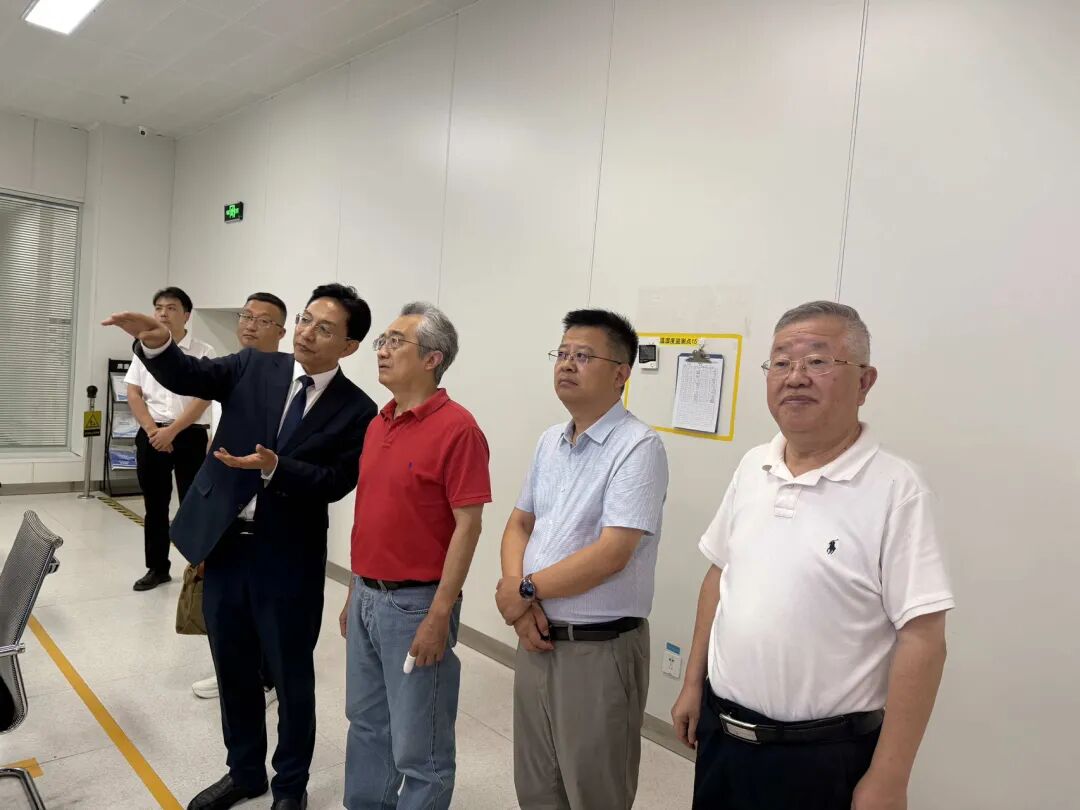
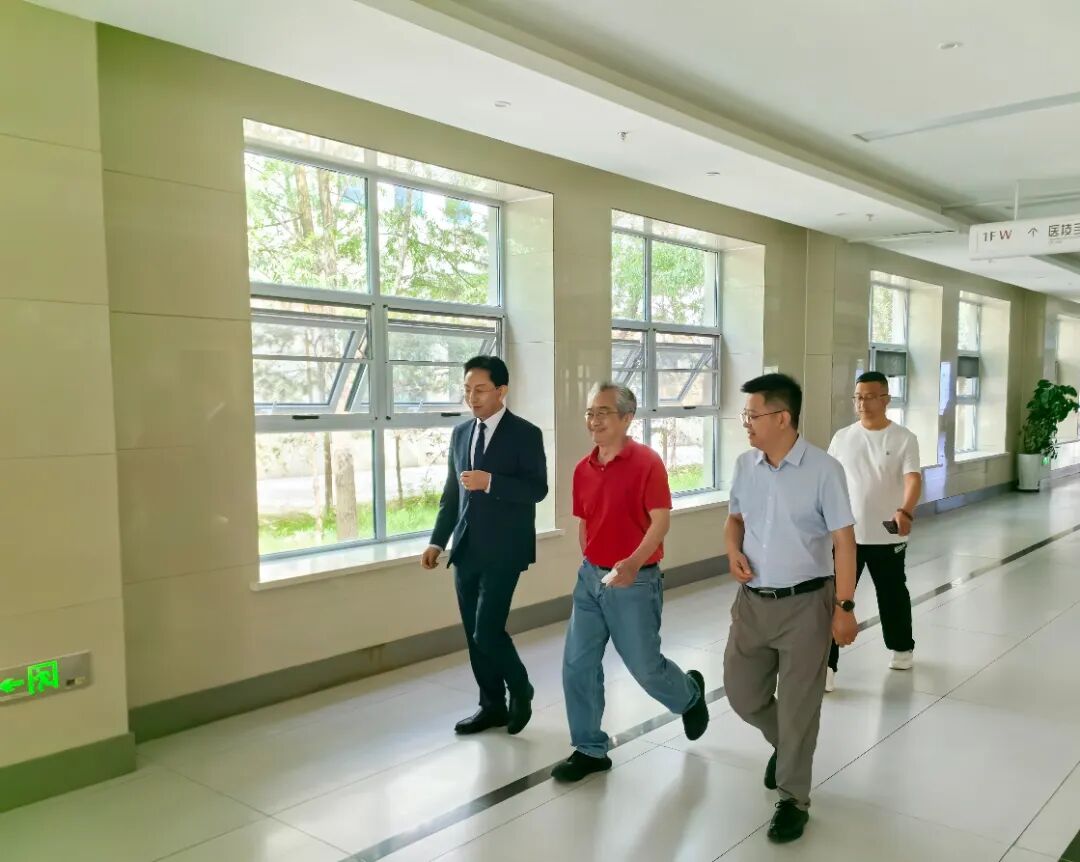
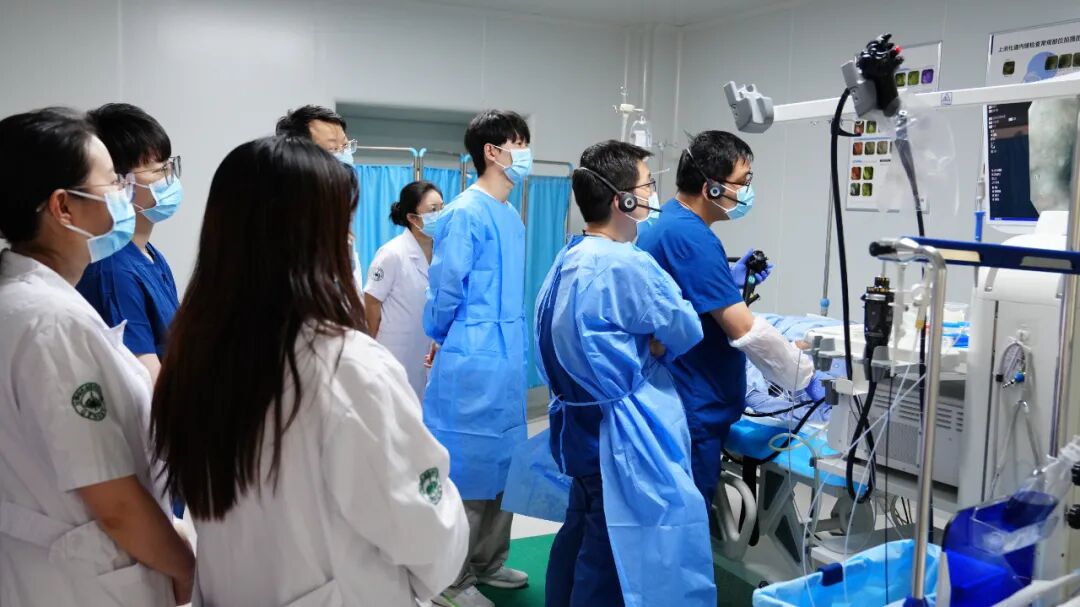
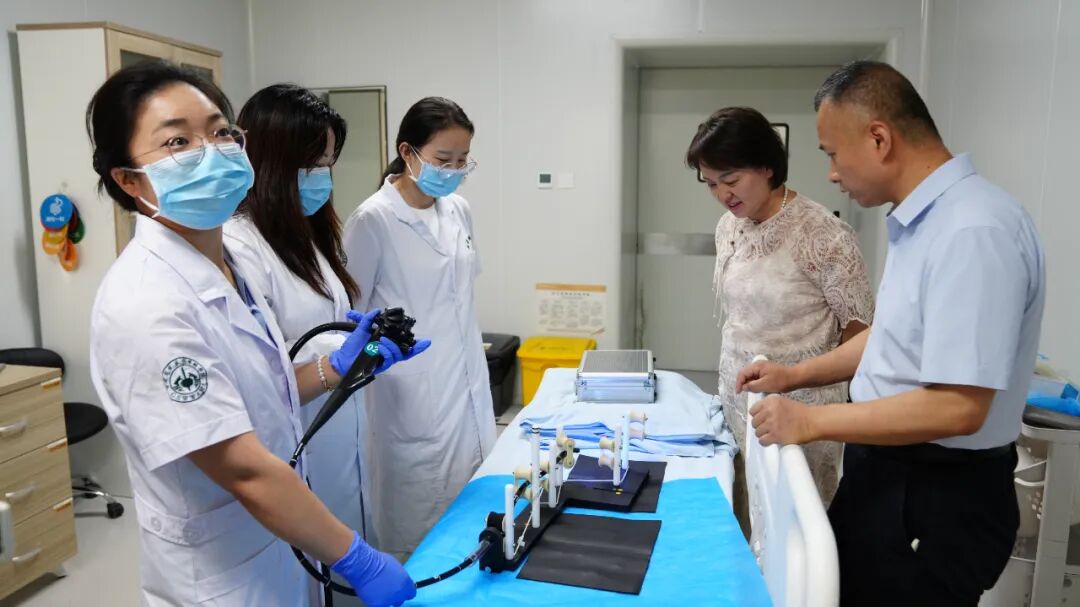
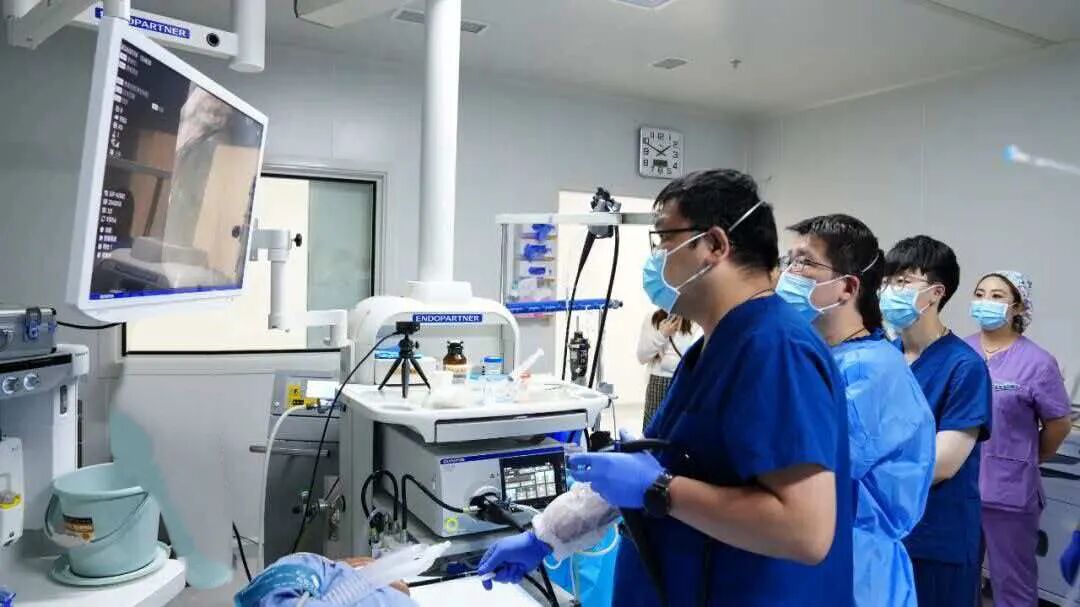
Visit Wuwei Heavy Ion Center
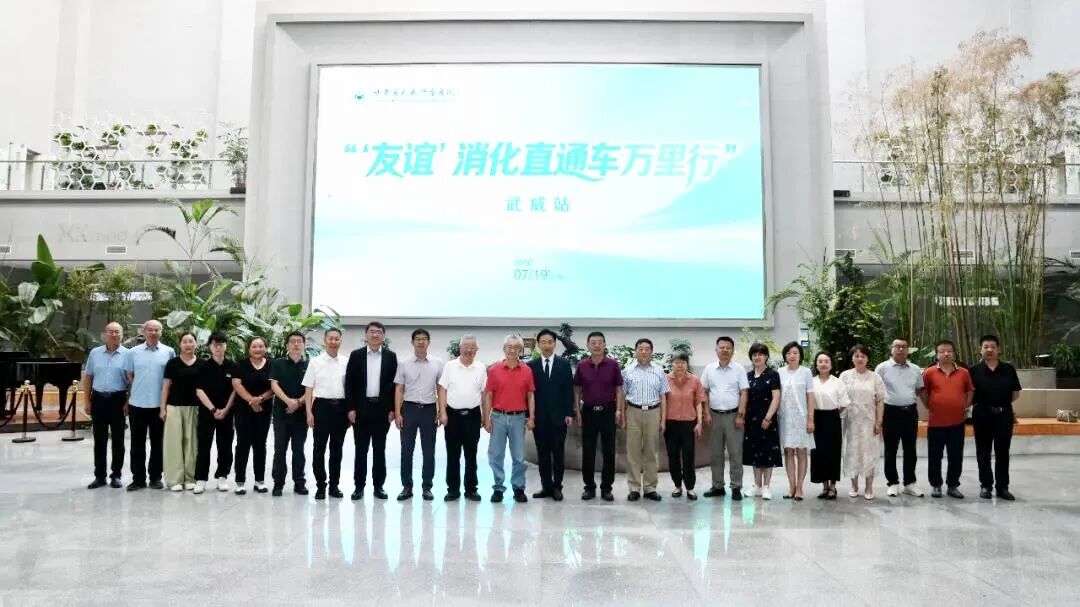
Writer: Guo Yishan, Duan Shengyu
First Review: Yang Yang
Second Review: Guo Yishan
Third Review: Cai Qinghua
Gansu Wuwei Cancer Hospital (Wuwei Institute of Medical Sciences)
(甘)医广【2025】第11-14-387号