China’s Heavy Ions: Bringing New Hope to Cancer Patients Worldwide
China’s Heavy Ions: Bringing New Hope to Cancer Patients Worldwide
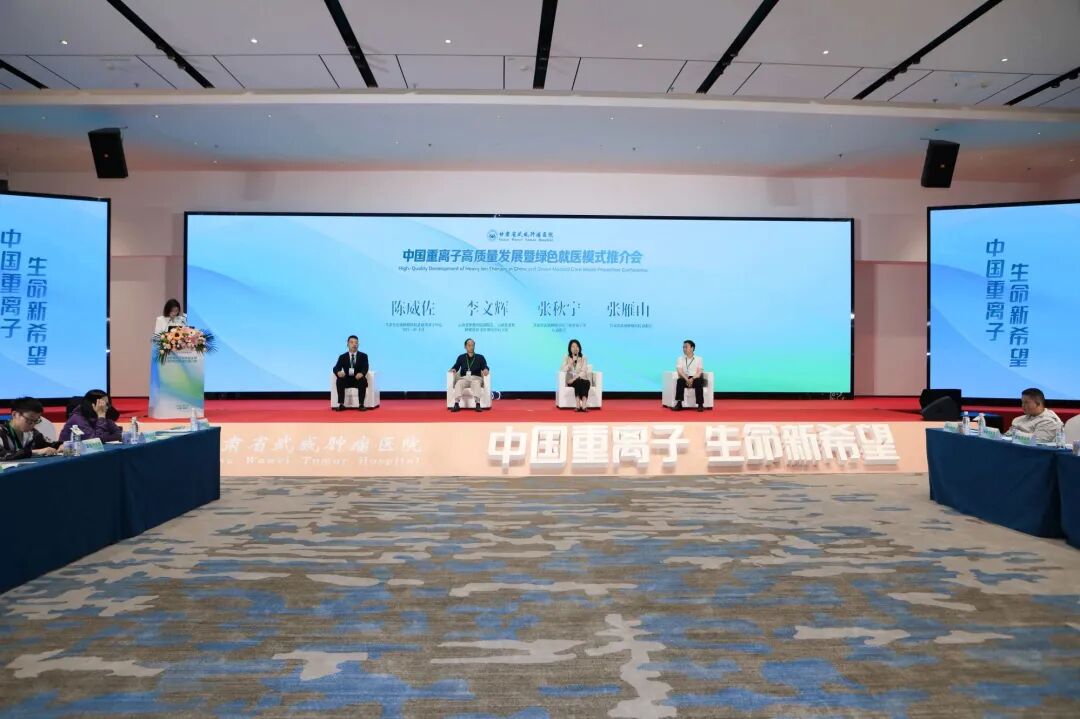
In a city embraced by spring — where blossoms fill every vista — a single beam of ions offers profound protection. On June 14, the Conference on High‑Quality Development of China’s Heavy Ion Technology and Promotion of a Green Access Model was successfully held in Kunming, the Spring City. In this city blessed with perennial spring, the precision of the Bragg peak is being harnessed to relieve the burden of cancer and bring renewed hope for life, embedding cutting‑edge technology in the Yunnan region and extending the benefits of health and well‑being across Southwest China.
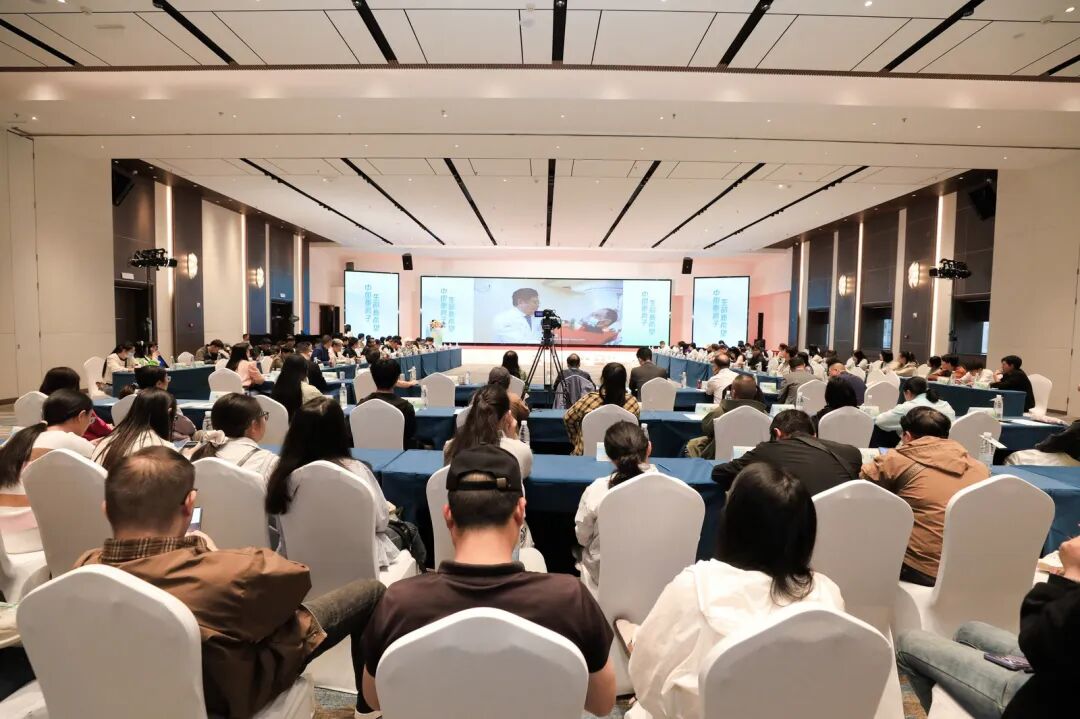
China’s heavy ion therapy has become a leading‑edge technology in oncology, offering the core advantage of precisely targeting tumors while effectively reducing side effects. The underlying principle is the Bragg peak effect: high‑energy particle beams deliver energy precisely to the tumor site, directly causing irreparable double‑strand breaks in cancer cell DNA, while maximizing protection of surrounding healthy tissue. This is particularly valuable for complex tumors located near sensitive organs or those that are surgically challenging, such as liver cancer, pancreatic cancer, and glioblastoma.
For patients with refractory high‑grade glioma, the median progression‑free survival has nearly doubled compared with the internationally recognized photon‑based Stupp study, while median overall survival increased by 13.4 months, reaching 30 months. For stage III locally advanced non‑small cell lung cancer, the two‑year overall survival rate is 19.3% higher than that reported in the RTOG 0617 photon chemoradiotherapy study, offering new hope for long‑term survival in patients with advanced disease. Even for pancreatic cancer, known as the "king of cancers," heavy ion therapy has demonstrated a clear advantage, extending patient survival by more than 10 months compared with conventional photon therapy, with a median survival of 27 months.
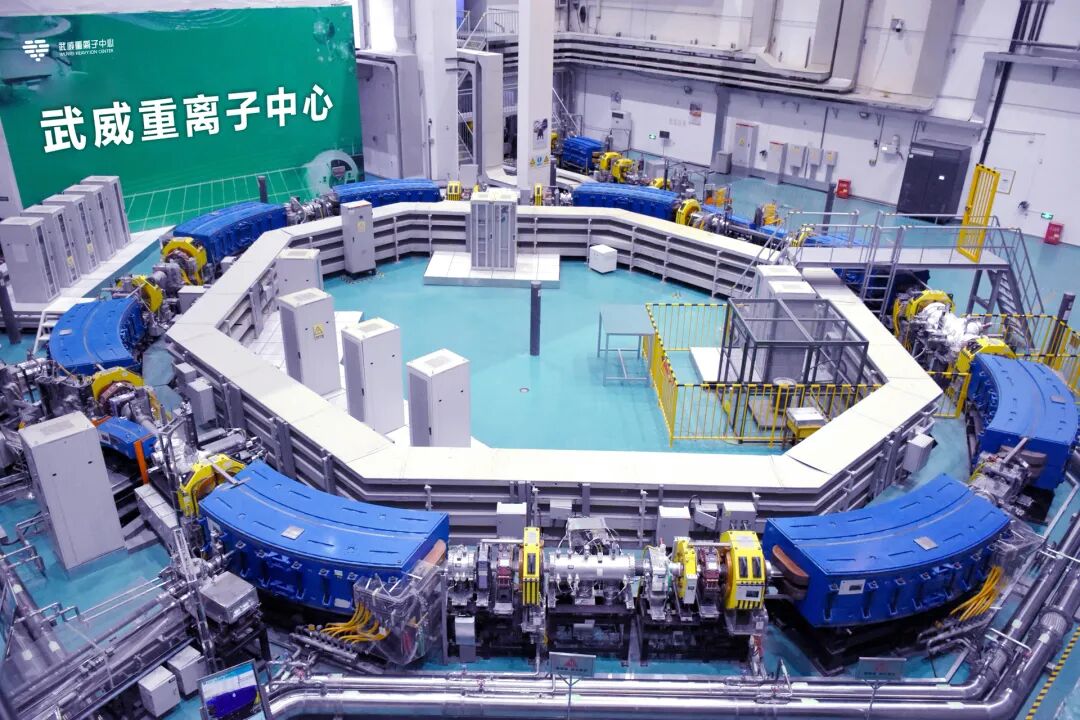
Heavy Ion Accelerator
Gansu Wuwei Cancer Hospital, the birthplace of China's heavy ion therapy technology, has set a national benchmark in heavy ion medicine with nine "world‑first" or "China‑first" breakthroughs. Through deep integration of clinical practice and research, the hospital is delivering a "Chinese solution" in this field. It is the only medical institution in the world operating two heavy ion therapy systems simultaneously. Since fully taking over management of the Lanzhou Heavy Ion Center in November 2024, the hospital has developed an innovative dual‑center, dual‑engine model. This has enabled optimized integration of treatment resources, accelerated technological iteration, and significantly expanded treatment capacity, service reach, and regional influence. In terms of treatment efficiency, the center has performed the highest number of single‑fraction, same‑day treatments of any heavy ion center worldwide – substantially shortening treatment cycles and reducing physical and emotional burdens for patients. On the technological front, the center has pioneered "precision heavy ion therapy under ventilator control," "bladder cancer treatment with precise bladder capacity management," and "single‑fraction treatment using surgically implanted spacers between organs and tumors." Each of these innovations represents the dedicated work of the clinical and research teams, opening new therapeutic possibilities for patients with complex conditions. In device development, the center has created China's first 360‑degree rotatable, height‑adjustable ion radiotherapy chair, providing essential hardware support for precision treatment. Pushing the boundaries of treatment, the center has performed the world's first cases of heavy ion therapy for cardiac tumors and has pioneered a "heavy ion therapy + whole‑life‑cycle physical and mental health management" model. This represents a profound shift from "technological cure" to "comprehensive care," leading innovation in both heavy ion medical treatment and service models.
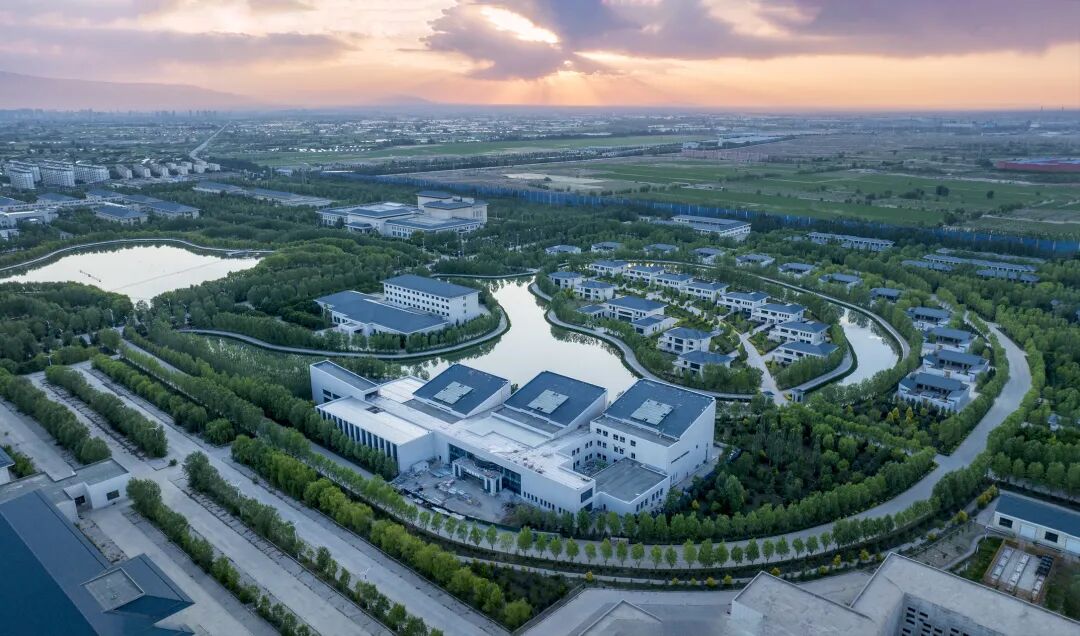
Aerial View of Wuwei Heavy Ion Center
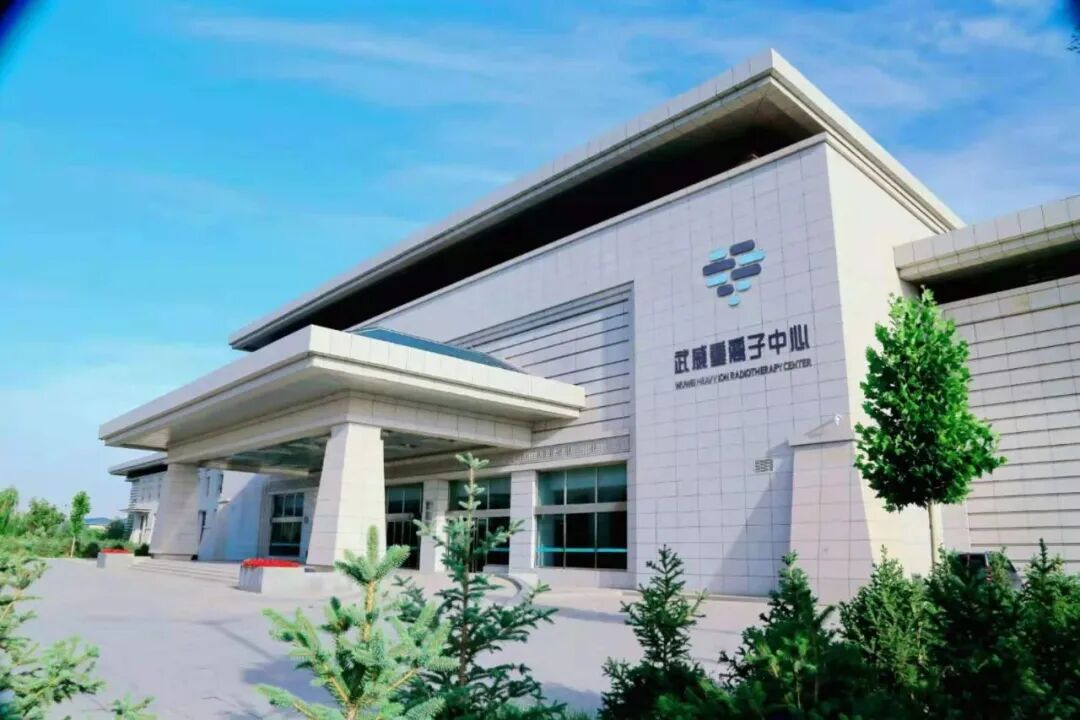
Main Building of the Heavy Ion Center
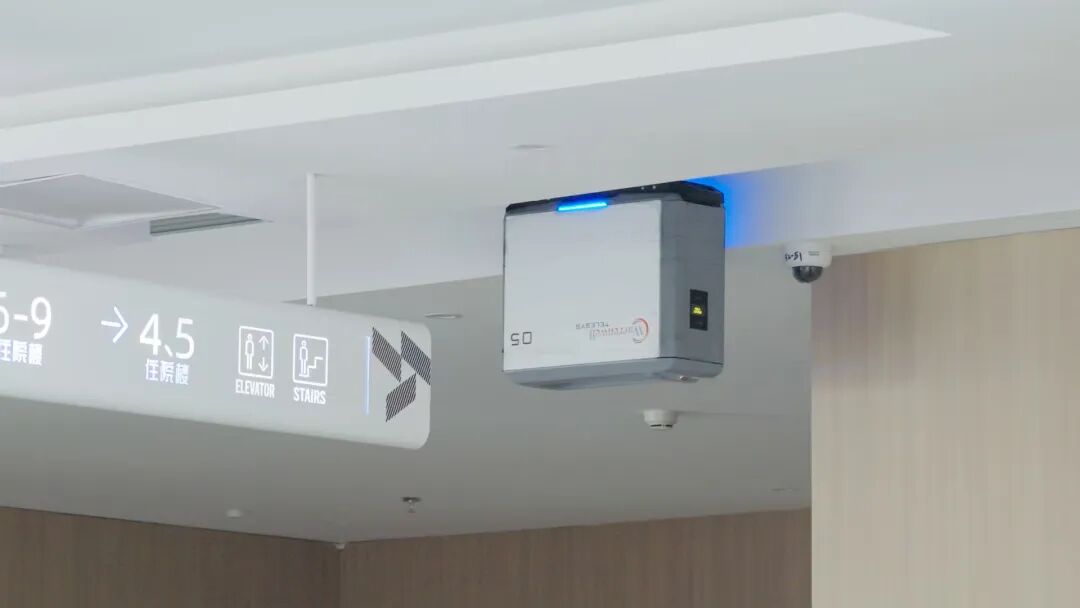
Wuwei Heavy Ion Center Orbital Logistics System
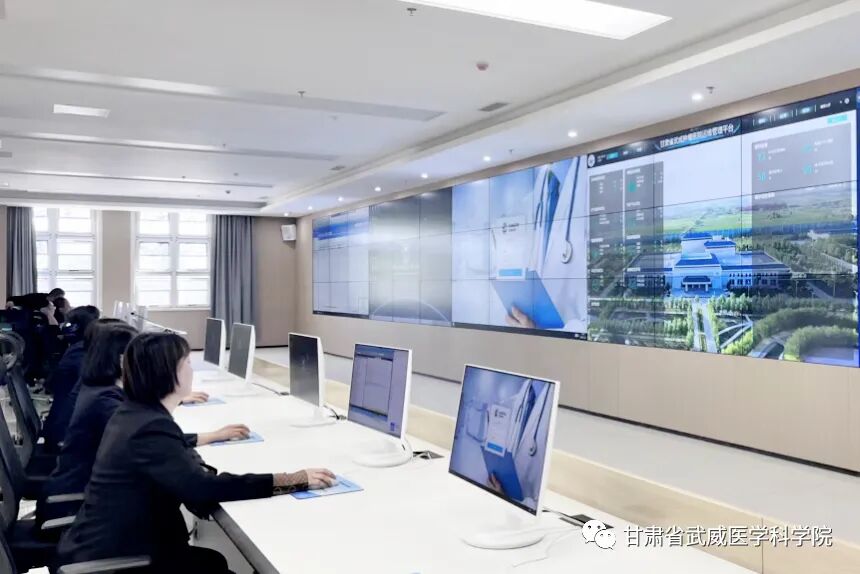
Wuwei Heavy Ion Smart Hospital Command Center
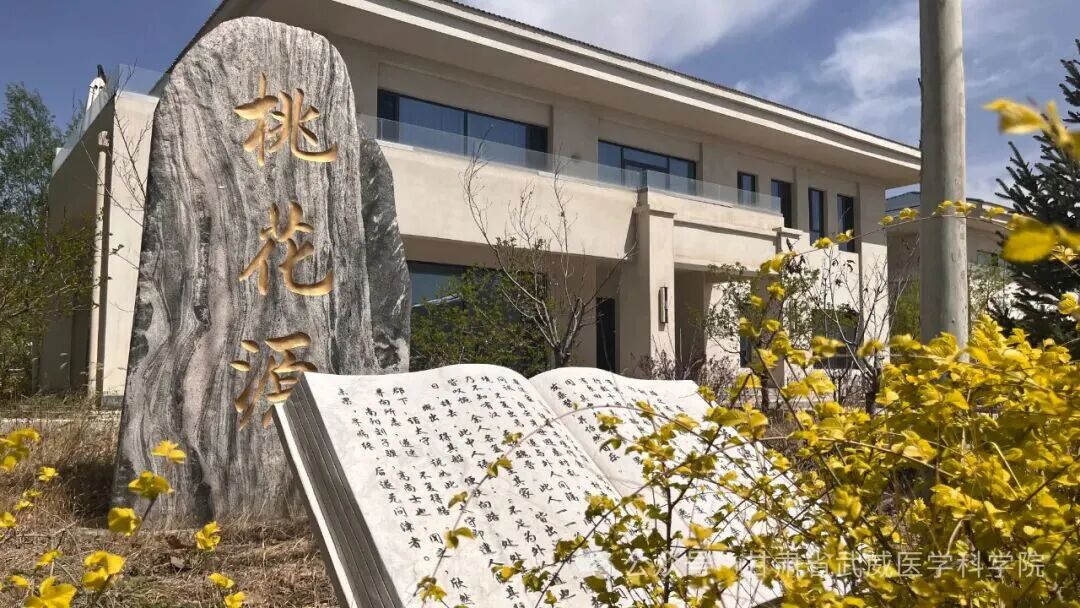
Taohuayuan Island, China Heavy Ion Health & Wellness Town
From technological exploration to accessible care, from regional leadership to international recognition, the hospital's heavy ion therapy program has achieved high‑quality, leapfrog development. To date, the Wuwei and Lanzhou heavy ion centers have provided precision treatment to more than 3,000 patients from China and abroad, safeguarding the hope of life with clinical expertise. While serving patients from across China, the centers have also attracted patients from countries including Belgium, Australia, South Korea, Malaysia, Vietnam, Singapore, Canada, Jordan, and Serbia – drawn by the internationally leading technical standards and high‑quality care. The hospital has become an important window showcasing China’s heavy ion therapy capabilities to the world. Moving forward, Gansu Wuwei Cancer Hospital will continue to build on its dual‑center model, advancing heavy ion therapy toward greater precision, broader accessibility, and higher quality service. The hospital is committed to becoming a leading heavy ion medicine center both nationally and internationally, demonstrating China’s responsibility and capability in heavy ion medicine and ensuring that "Made‑in‑China" technology benefits cancer patients worldwide.
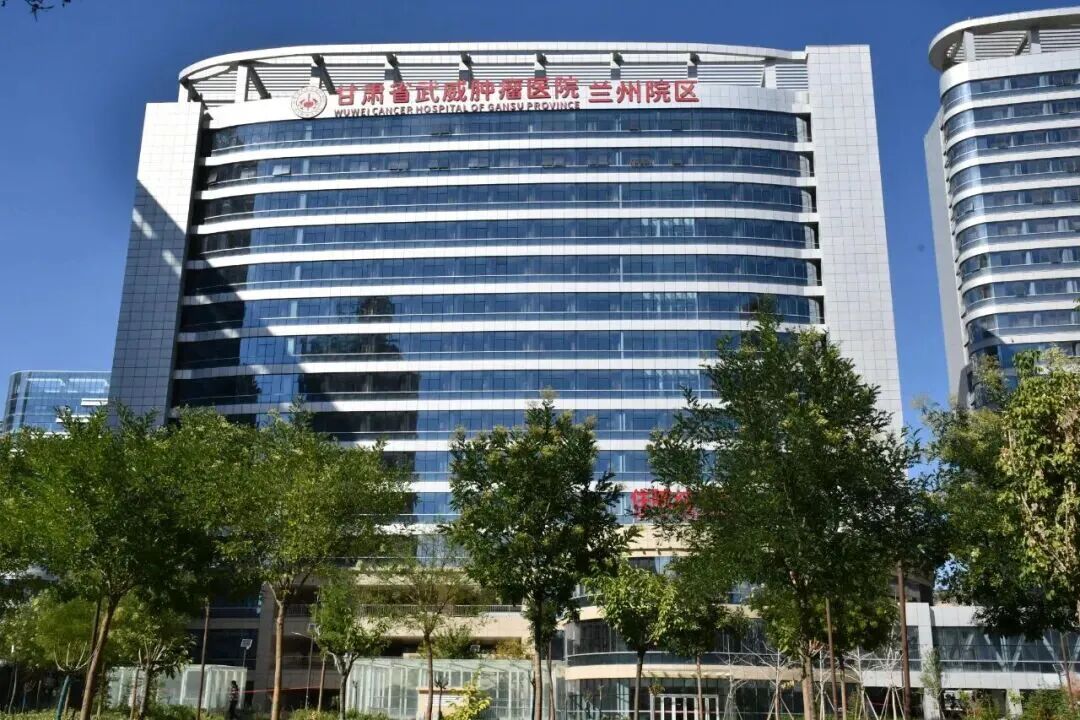
Lanzhou Heavy Ion Center
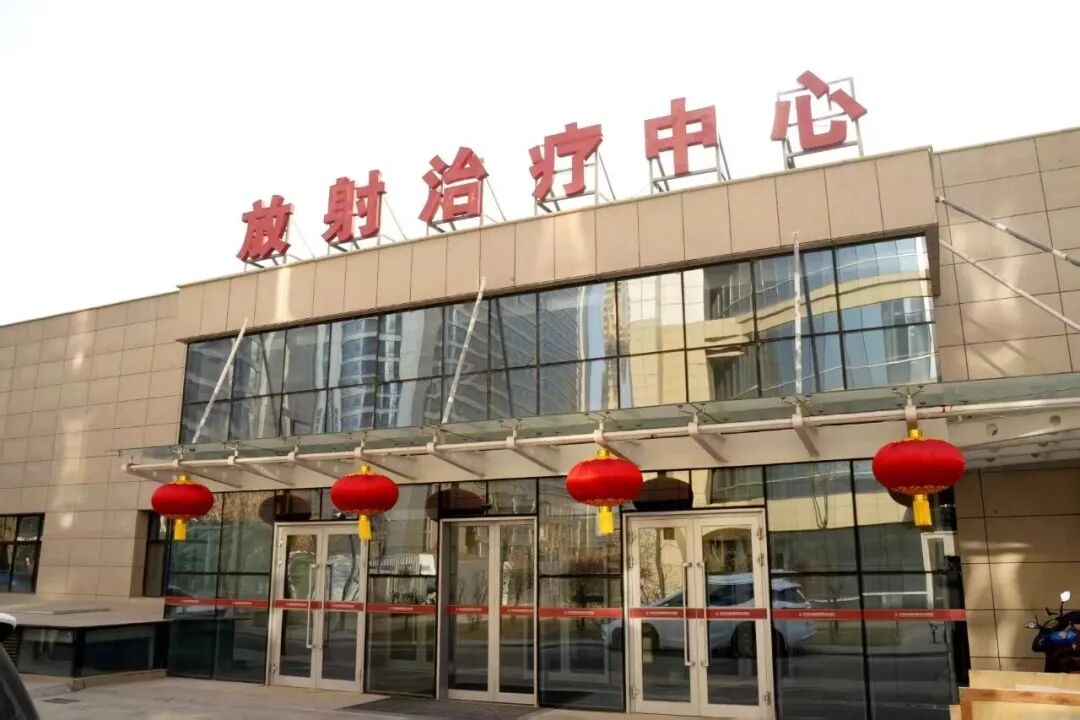
Radiation Therapy Center
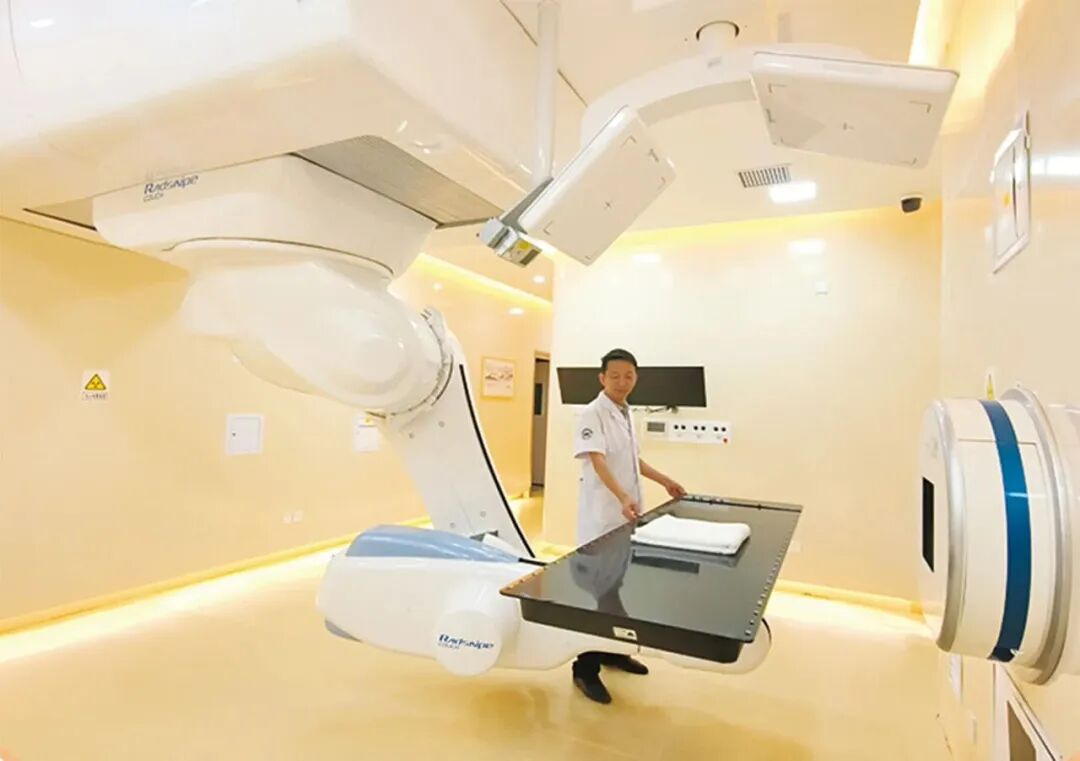
Radiation Therapy Center
To ensure that advanced medical care reaches more patients, Gansu Wuwei Cancer Hospital has pioneered a comprehensive "medical + insurance + aviation" support system. In partnership with China Life Insurance, the hospital offers a "million‑level medical insurance package plus a green access channel for heavy ion therapy," providing up to 5.55 million RMB in medical coverage and one‑stop reimbursement services to ease patients' financial burden. In collaboration with China Southern Airlines Media, the hospital has also created an "green access air service" specifically designed to address transportation challenges for patients traveling from other regions. Additionally, the Wuwei and Lanzhou heavy ion centers have established long‑term collaborations with leading global experts from Japan, Germany, and other countries, who regularly provide on‑site guidance to ensure that technical standards remain aligned with the latest international developments.
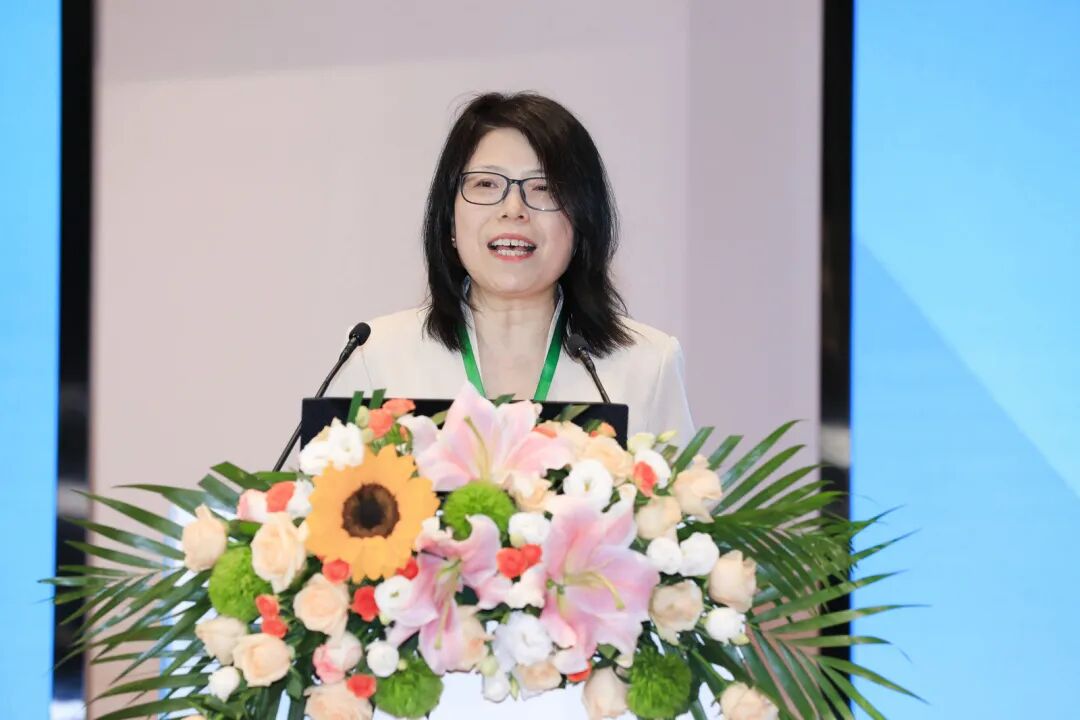
Zhang Qiuning, Vice President of the Lanzhou Heavy Ion Center, Gansu Wuwei Cancer Hospital, chairing the meeting
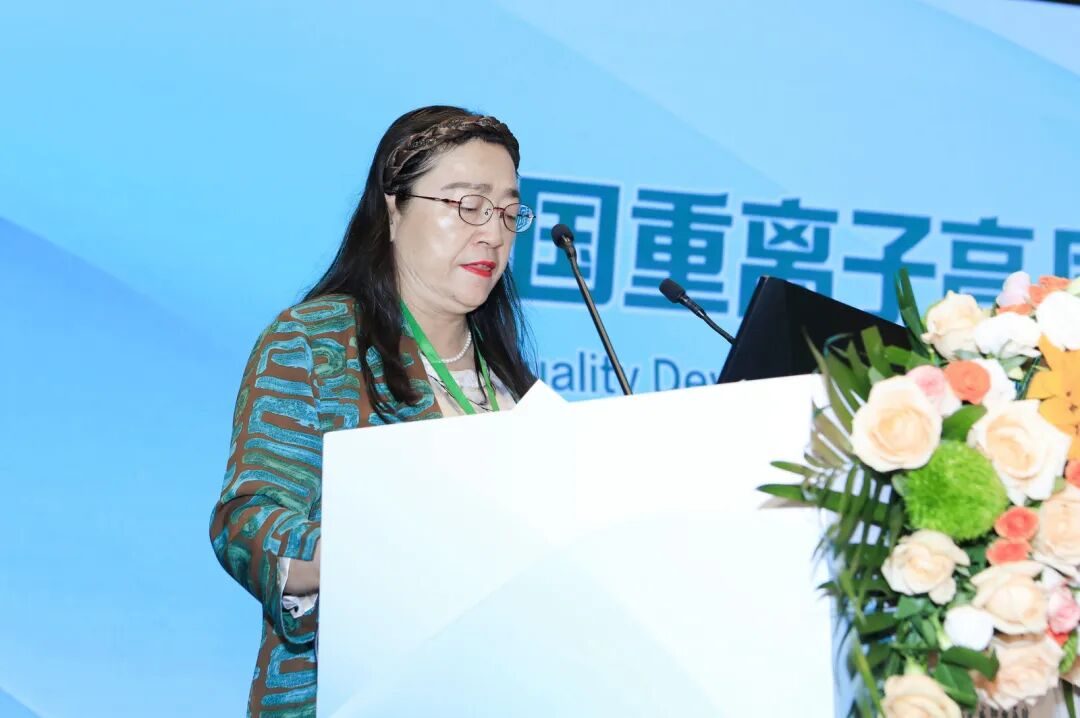
Zhang Weihong, Party Secretary of Gansu Wuwei Cancer Hospital, delivering a speech
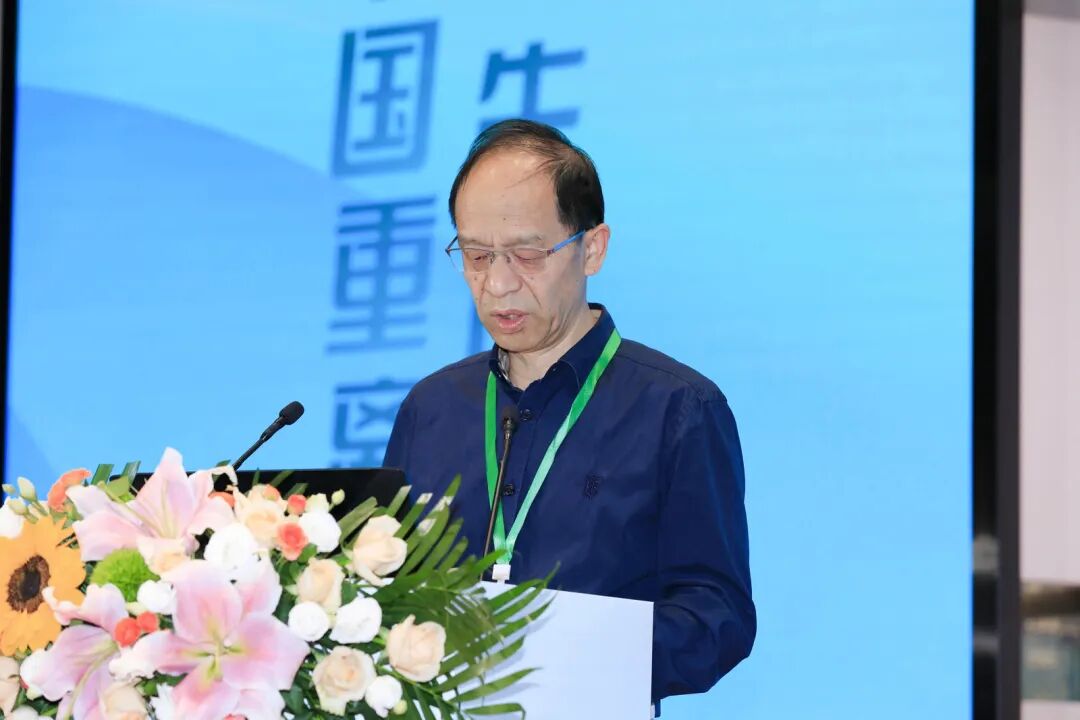
Professor Li Wenhui, Vice President of Yunnan Cancer Hospital and Director of the Yunnan Provincial Center for Radiation Oncology Research, delivering a speech
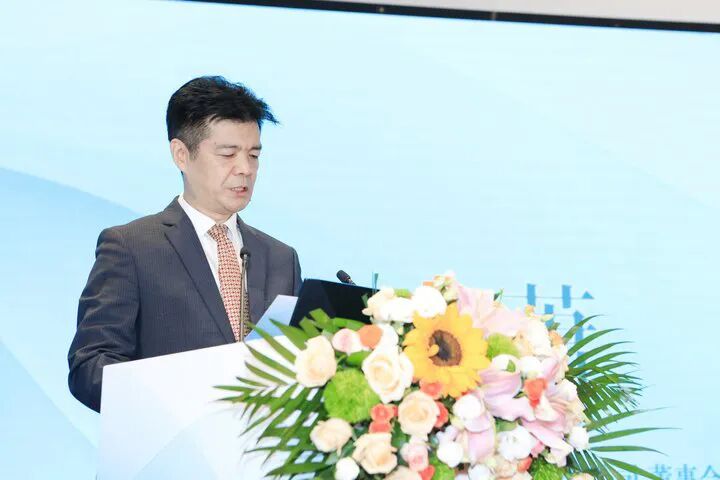
Mr. Feng Xiao, Board Secretary of China Southern Airlines Media Co., Ltd., delivering a speech
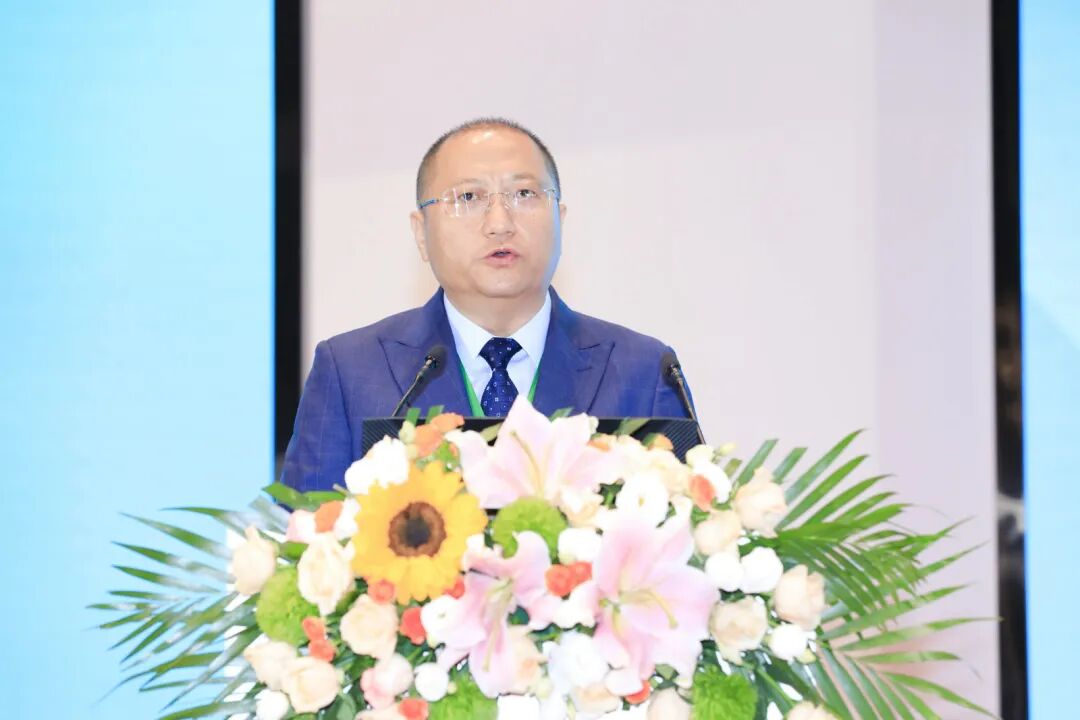
Mr. Jiang Wei, Project Lead for the "Million Medical Insurance + Green Life Access Channel for Heavy Ion Therapy" at China Life Insurance (Wuwei Branch), explaining the exclusive insurance plan
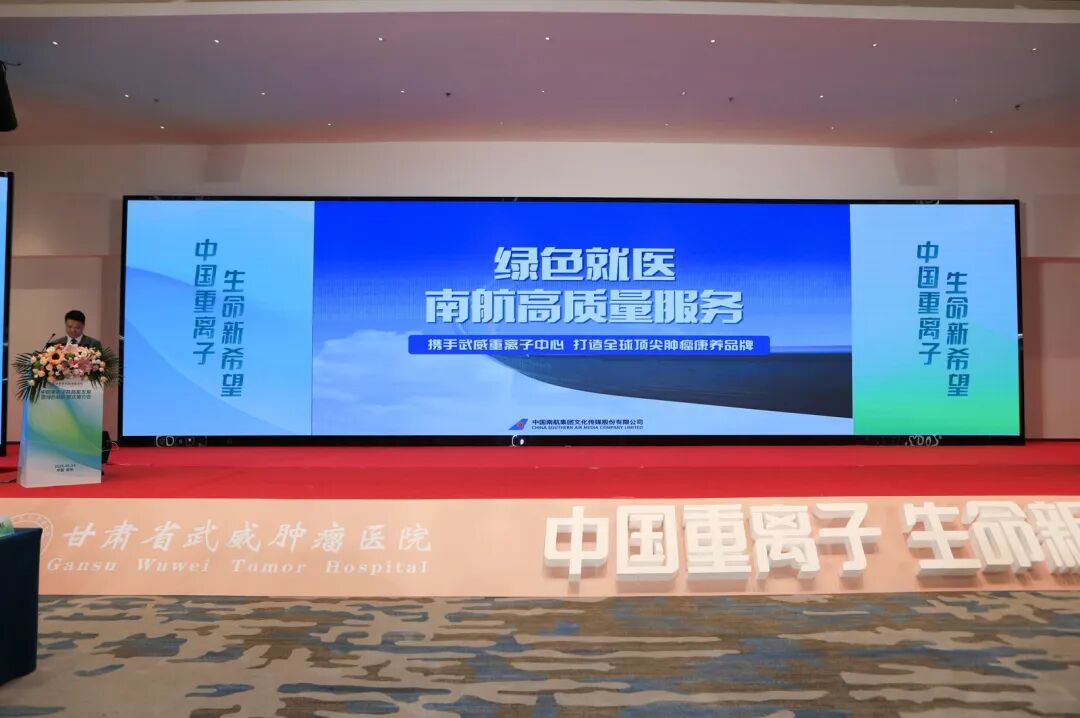
Mr. Chen Suhua, Sales Director of China Southern Airlines Media Co., Ltd., presenting High‑Quality Air Service for Green Access Medical Care
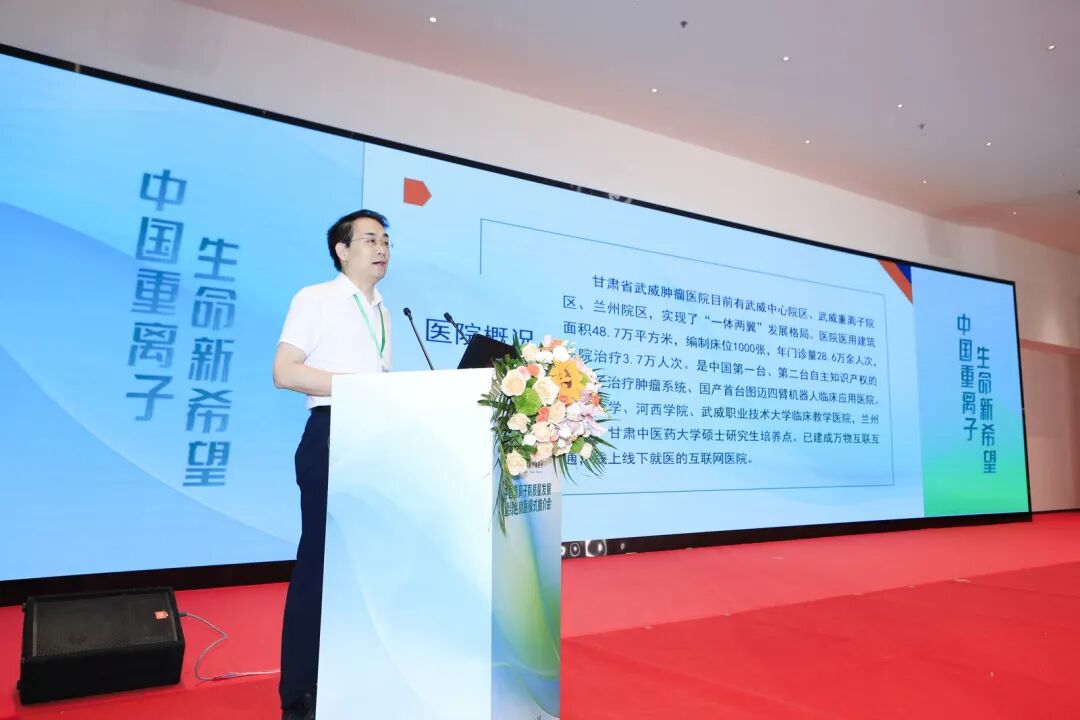
Zhang Yanshan, Vice President of Gansu Wuwei Cancer Hospital, delivering a report on Clinical Applications of New Technologies in Heavy Ion Radiotherapy and Nuclear Medicine Diagnosis and Treatment
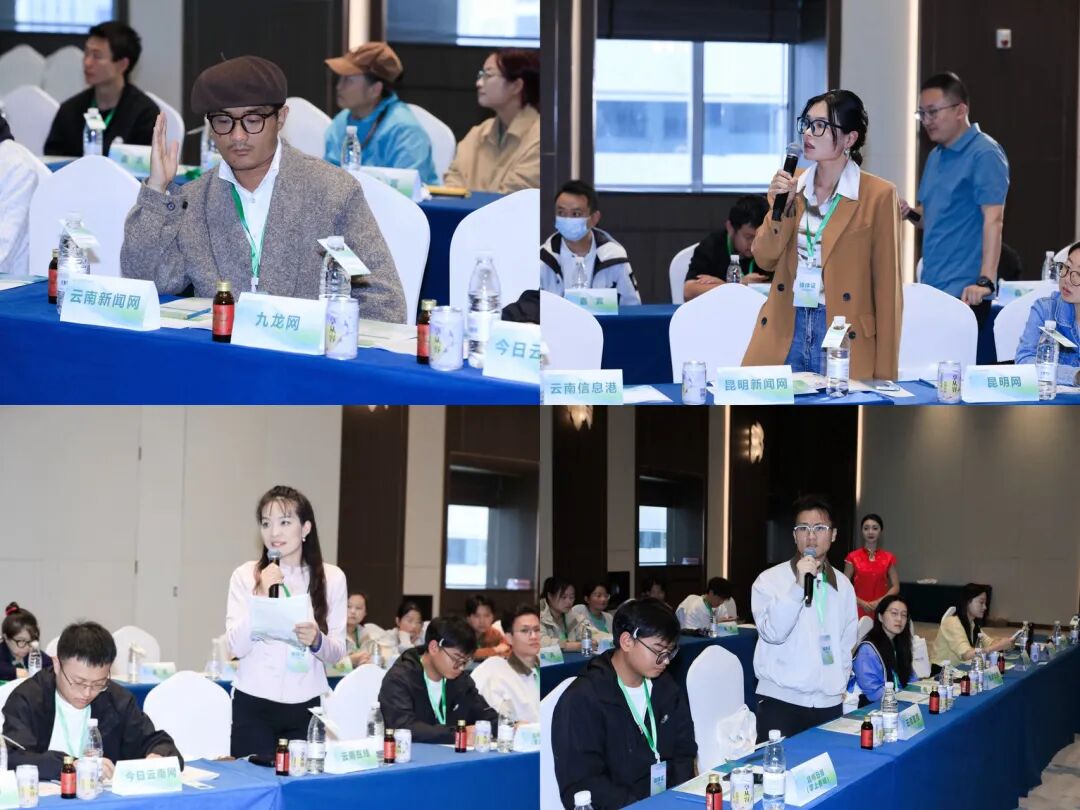
Media Questions · Expert Q&A
Groundbreaking technology provides a solid foundation, while compassionate care brings warmth. The growth of heavy ion therapy reflects China's achievements in high‑end medical innovation and embodies an unwavering commitment to protecting patient health. Looking ahead, we will continue to unlock the full potential of this technology and extend its reach, ensuring that advanced science delivers even greater value. Together, we will write a new chapter in global cancer care and contribute China’s strength to the fight against cancer worldwide.
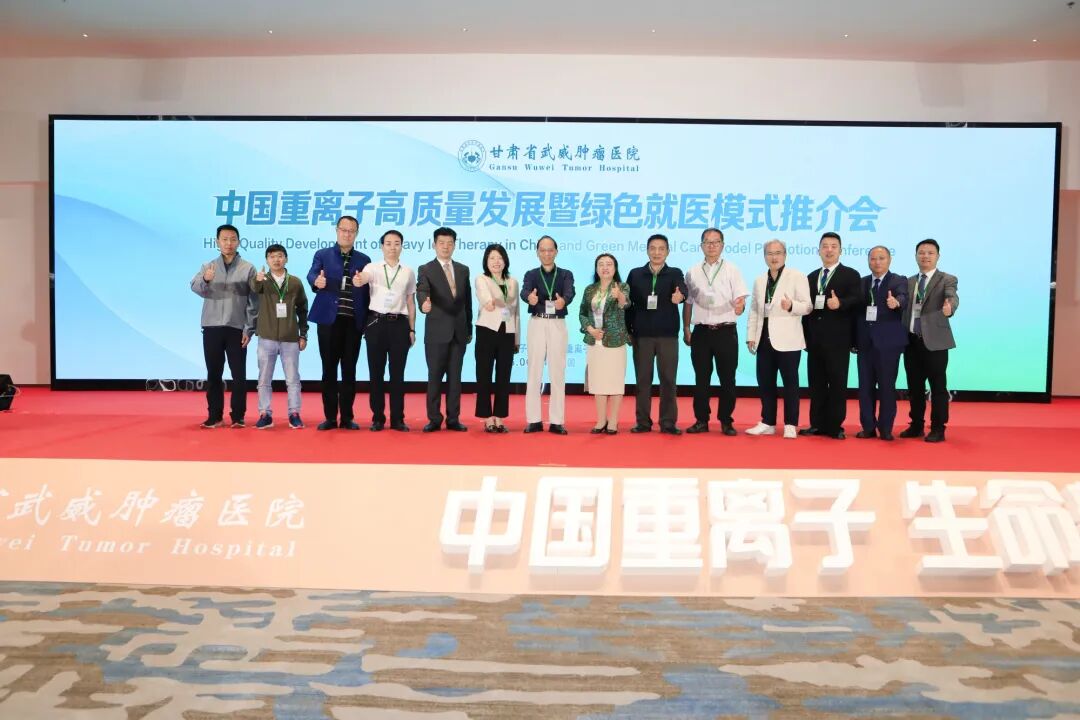
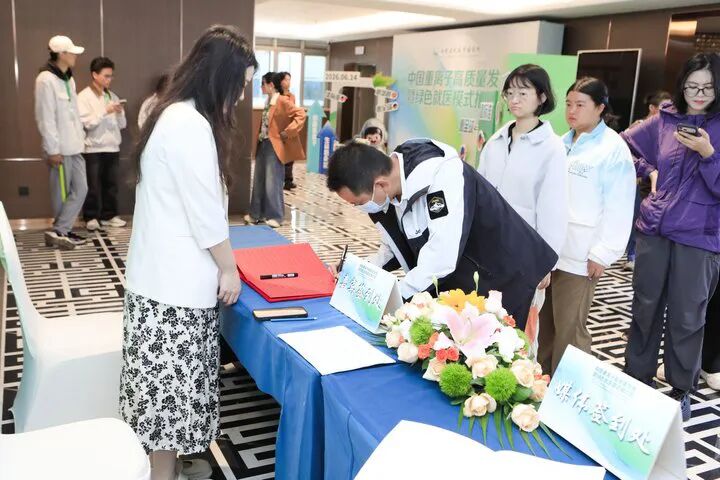
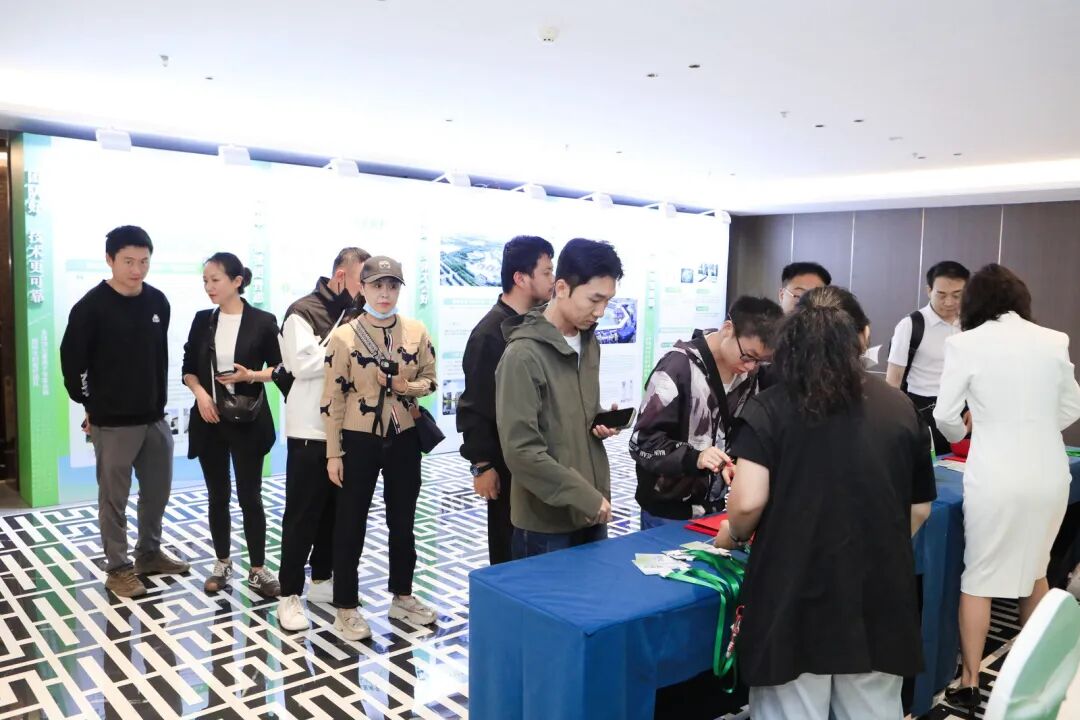
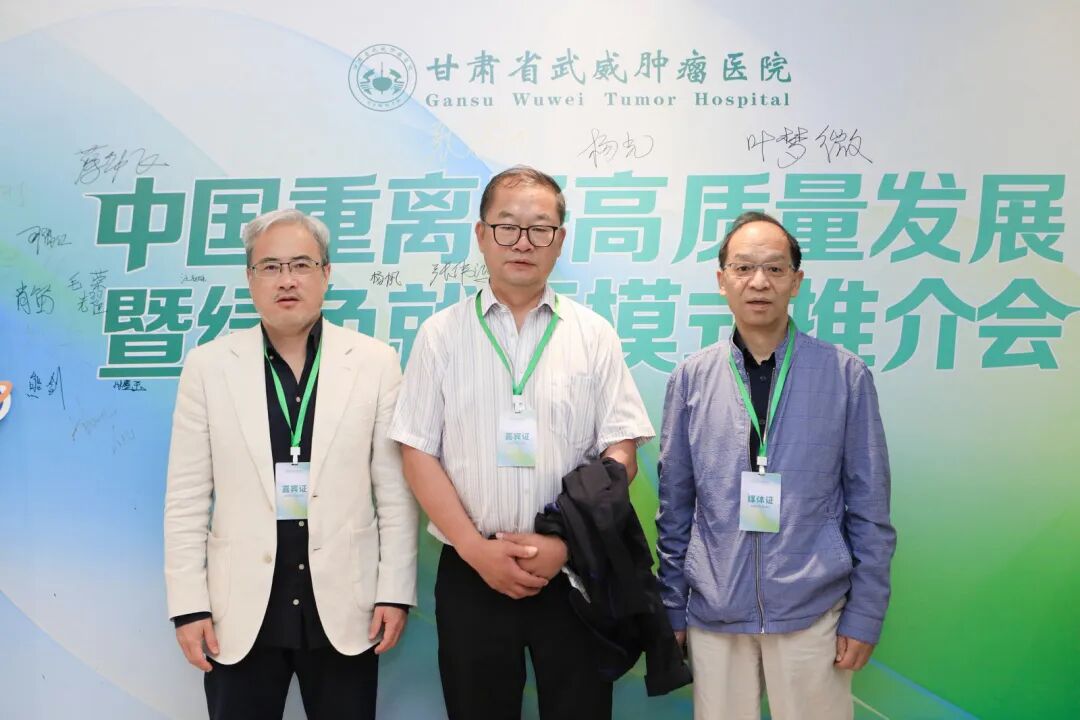
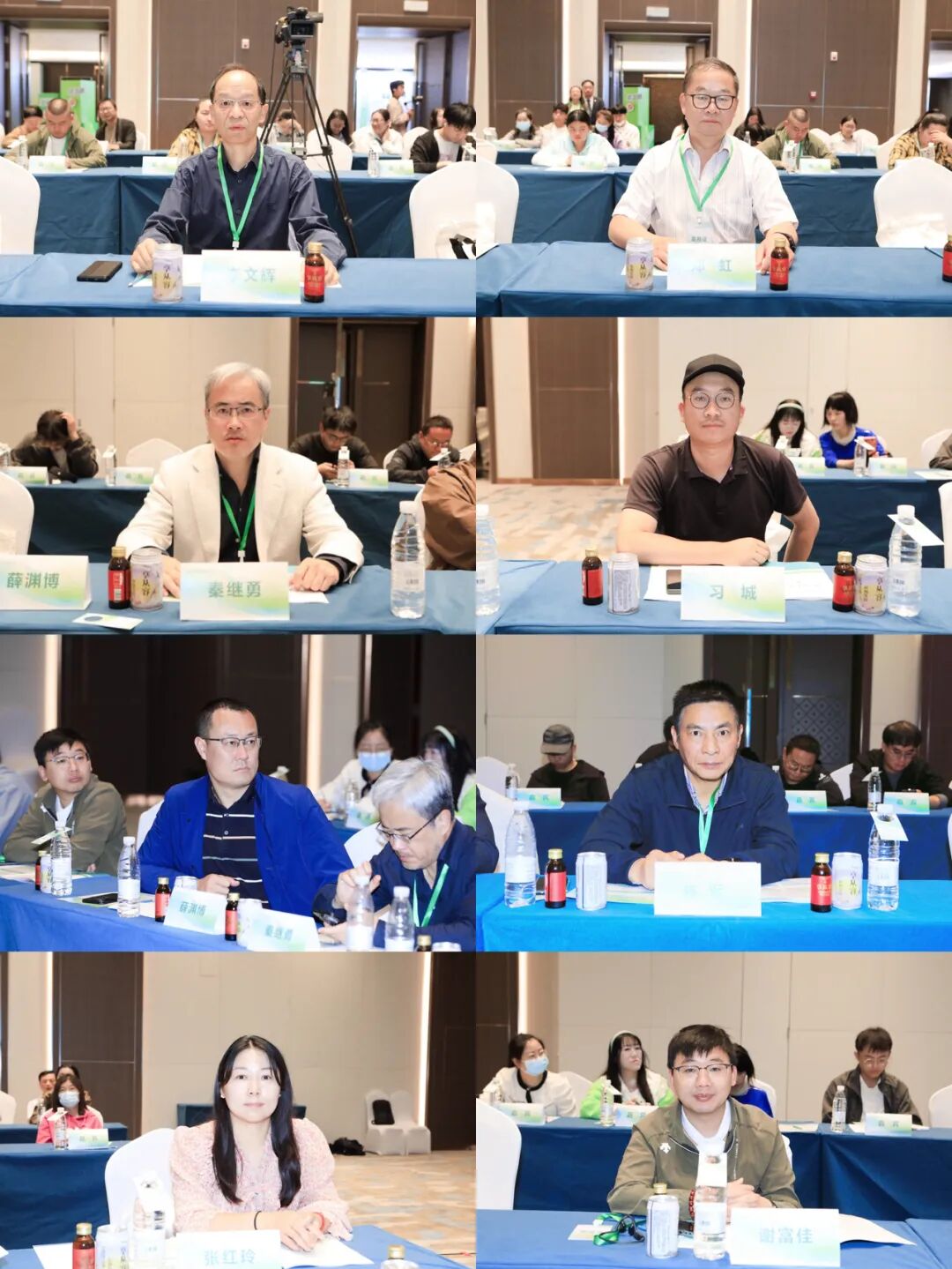
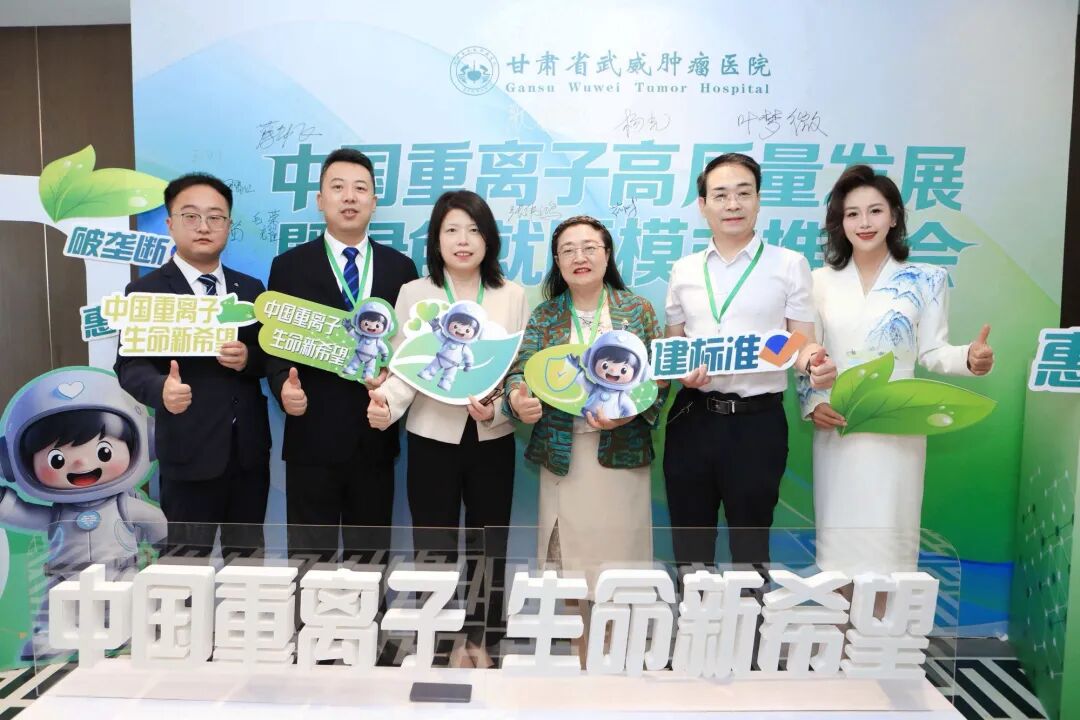
Highlights of the Meeting
Written by: Guo Yishan
First review: Duan Shengyu
Second review: Guo Yishan
Third review: Cai Qinghua