Taiwanese Expert Yee-Min Jen's Enduring Bond with Wuwei Heavy Ion Center
Taiwanese Expert Yee-Min Jen's Enduring Bond with Wuwei Heavy Ion Center
Taiwanese Expert Yee-Min Jen Pens New Chapter of Cross-Strait Medical Collaboration with Precision and Care
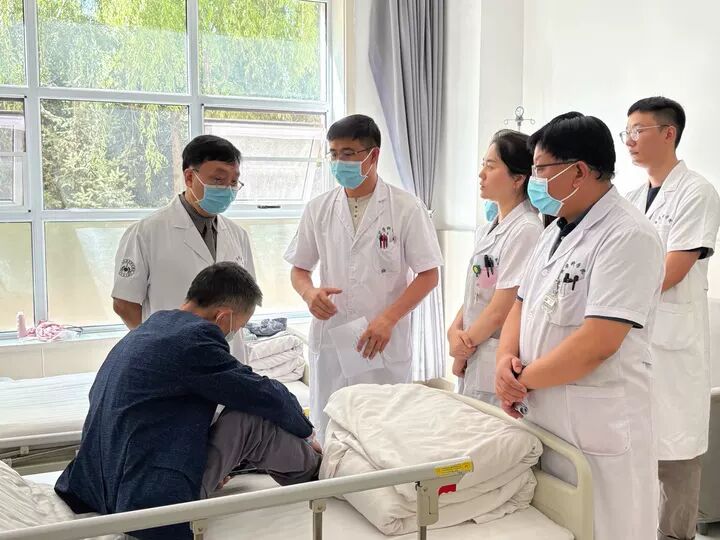
"Here, pull it back one millimeter inward," he said. One millimeter—that could be the distance that saves an optic nerve. At 2:00 p.m. on July 22, in the physics room of the Radiotherapy Department at Wuwei Heavy Ion Center, Professor Yee-Min Jen sat close beside the physicist. A complex dose distribution map flickered on the computer screen; the mouse moved slowly in his hand, and the cursor came to rest at a depression on the boundary of the target volume.
Professor Yee-Min Jen, originally from Taiwan, China, is the ninth President of the Taiwanese Society for Therapeutic Radiology and Oncology, with over thirty years of deep expertise in radiation biology and tumor radiotherapy. He first came to the Wuwei Heavy Ion Center in 2020. Since then, through the changing seasons over five years, he has renewed his contract twice and has become a chief "dual-appointed" expert simultaneously employed by both the Wuwei and Lanzhou Heavy Ion Centers.
His presence has long become a familiar and warm sight at the Wuwei Heavy Ion Center.
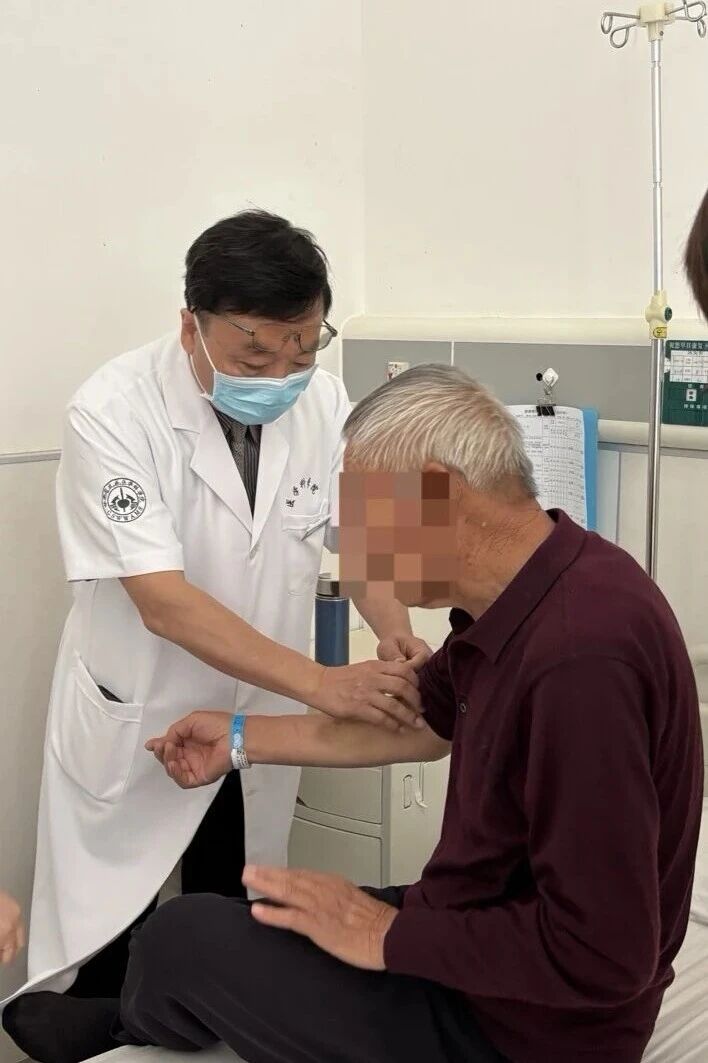
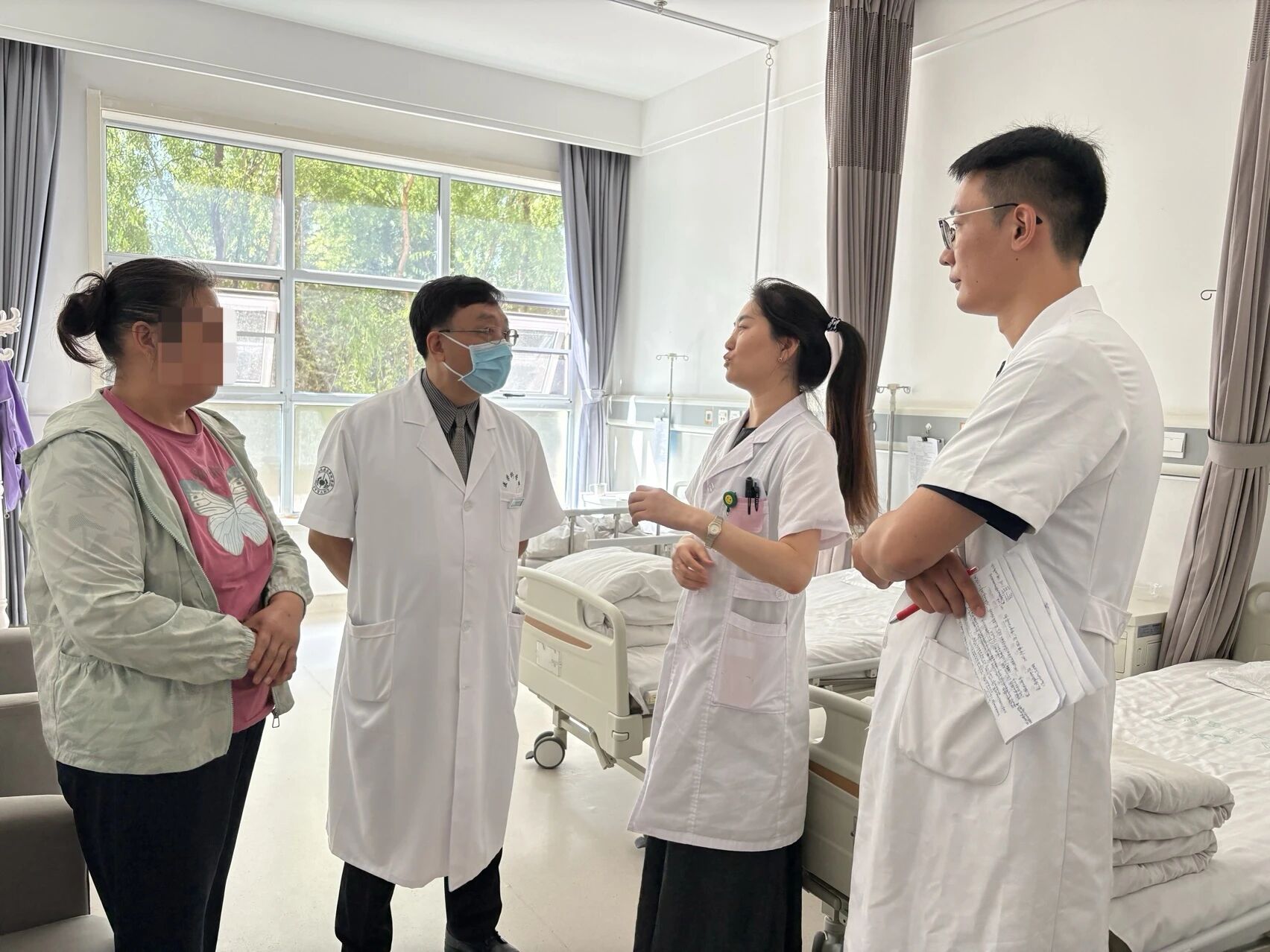
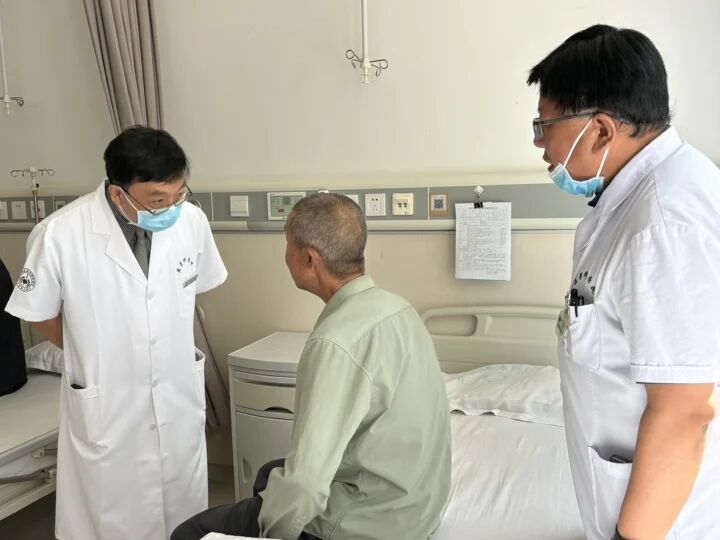
The morning ward round is the most important part of Professor Ren's daily routine. Entering the ward, he would first ask the attending physician about the patient's recent physical condition and recovery details, then lean in to observe the patient's complexion. At the bedside of a patient who had undergone surgery for esophageal cancer, after listening to the attending physician's report, he carefully examined the drainage tube, then stood up and patted the patient on the shoulder, saying, "You're recovering well. Just hold on a few more days and you'll be able to have some porridge. When you're discharged, I'll have the cafeteria cook you a bowl of millet congee." The patient and family members all smiled. Moving to the bedside of a nasopharyngeal carcinoma patient who had completed heavy-ion therapy, he bent down and meticulously examined the reaction area on the neck skin, his fingertips gently avoiding the reddish edges of the skin, and instructed the nurse, "Gently wipe this area with normal saline twice a day and keep it ventilated. The skin tolerance is better than expected; observe for another three days." From the attending physician's report to bedside personal examination, each ward round represents a combination of teamwork and individualized care—tumor treatment requires not only precise medical decisions but also sustained attention to the patient's actual experience.
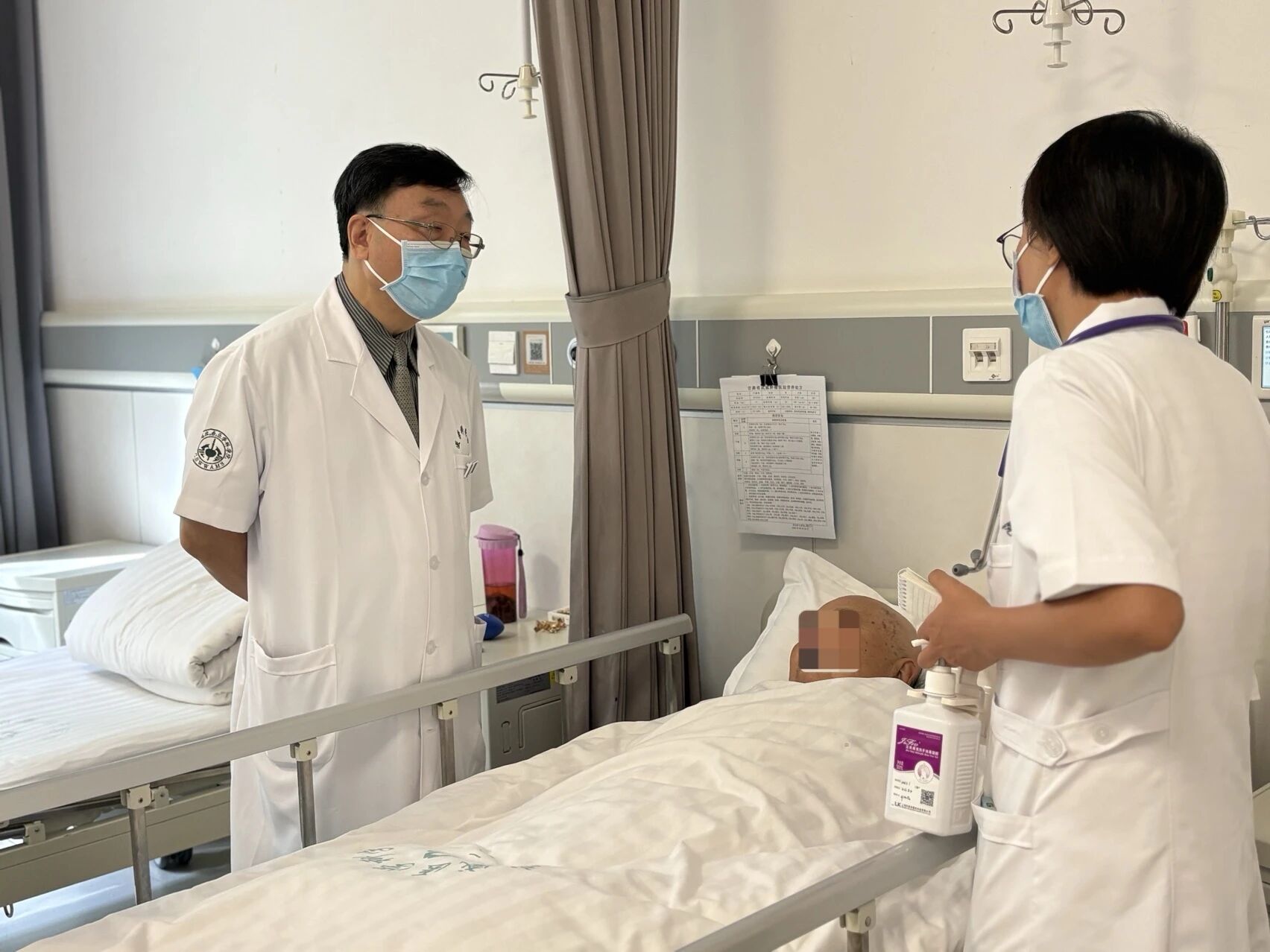
This week, Professor Ren participated in multiple multidisciplinary joint consultations. Experts from the Radiotherapy Department, Medical Oncology Department, Imaging Department, Pathology Department, and Nutrition Department sat together around the table, discussing complex and difficult tumor cases one by one. Professor Ren listened attentively to each expert's analysis and offered precise recommendations based on decades of clinical experience. He repeatedly emphasized, "Tumor diagnosis and treatment must never be one-size-fits-all; we must always tailor individualized plans for each patient. While ensuring treatment efficacy, we must do our utmost to preserve the patient's physical function and quality of life." After each consultation, he would instruct the team to thoroughly communicate the plan with the patient and family members, fully respecting the patient's preferences—ensuring that care is delivered with both professional precision and humanistic warmth.
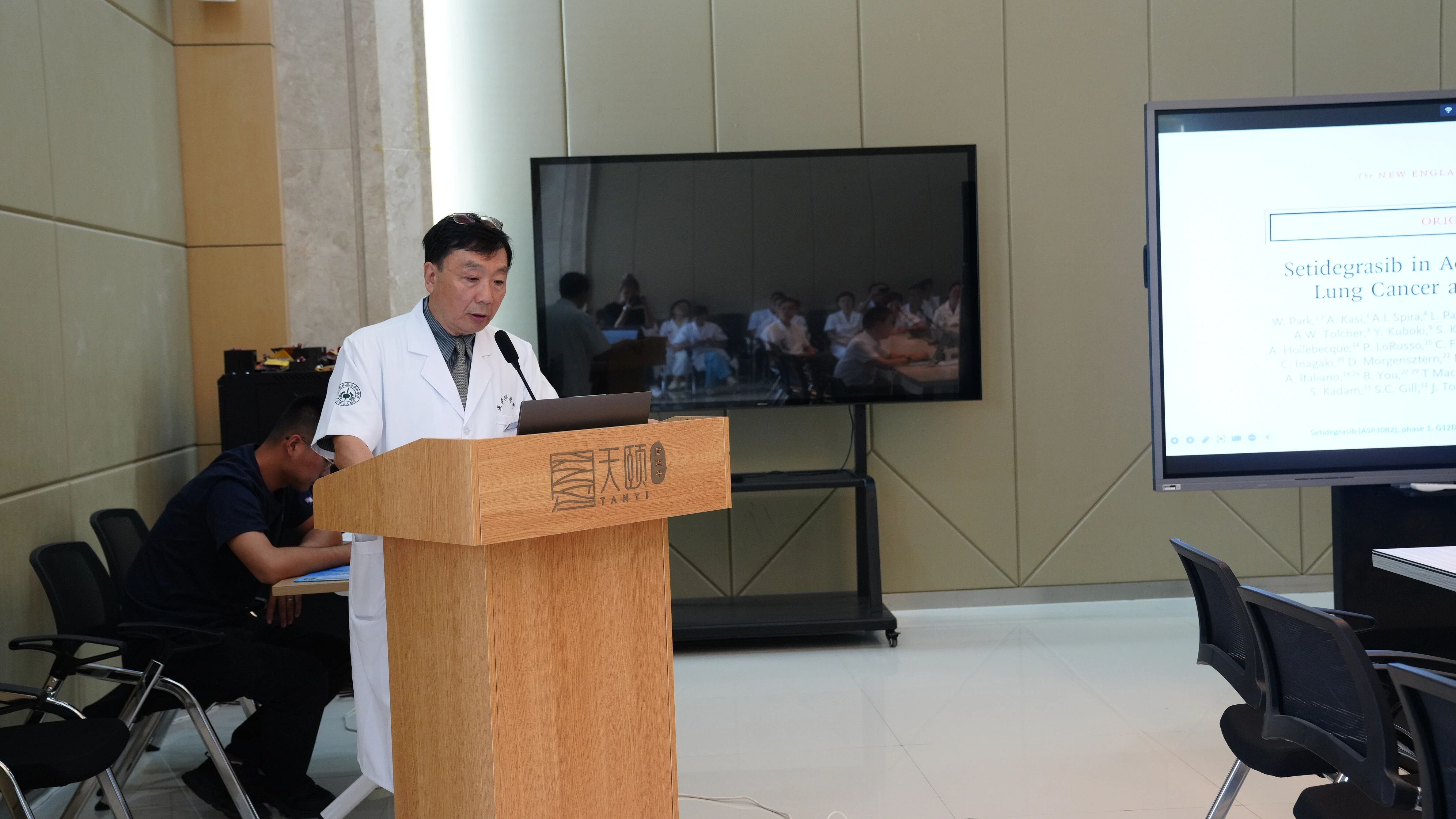
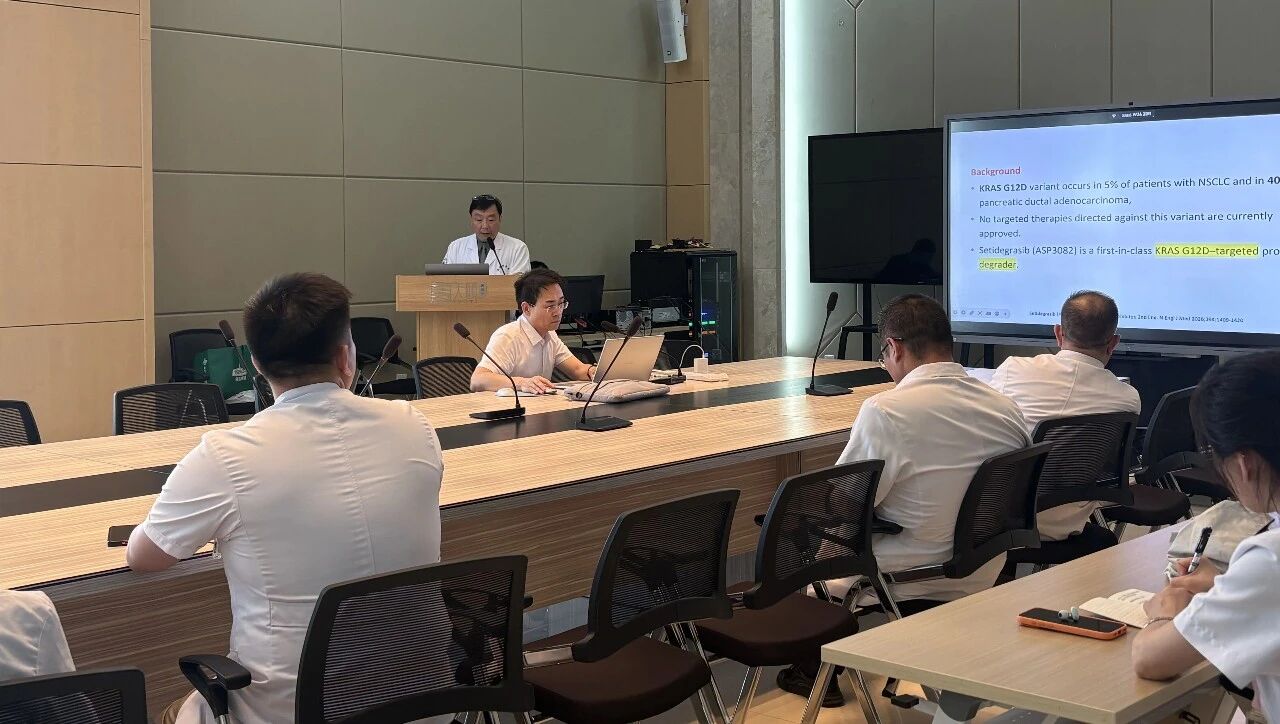
Beyond clinical diagnosis and treatment, Professor Ren also shoulders the responsibility of "mentoring, guiding, and supporting" the next generation. At the afternoon seminar, he delivered a lecture titled "RAS Inhibitors in Pancreatic Cancer," bringing the latest advances in targeted therapy to the young physicians. Facing a flurry of questions, he patiently addressed each one. He repeatedly emphasized, "Medical technology is always embedded with warmth. Our treatment plans must be tailored to each patient—while ensuring therapeutic efficacy, we must do our utmost to preserve the patient's quality of life and find the 'optimal solution' that balances survival benefit with functional preservation."
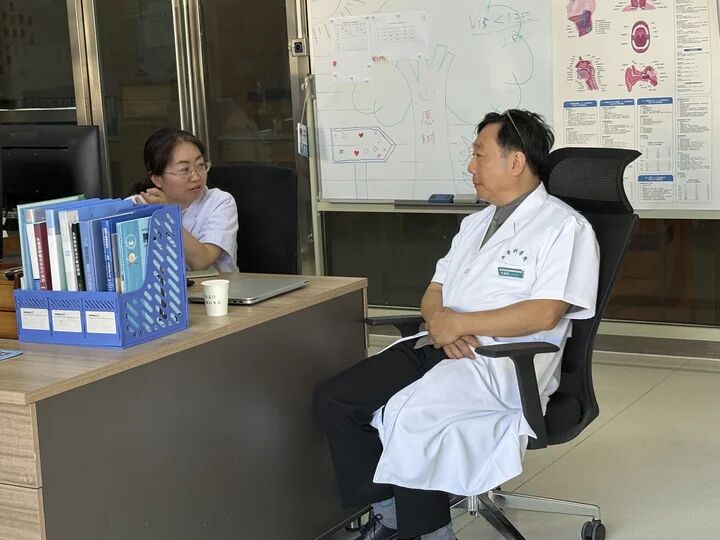
During his residency at the center, Professor Ren's figure could be seen shuttling between the wards, conference rooms, and lecture podiums. Yet this was by no means his first visit to Wuwei—through the changing seasons over five years, this expert from Taiwan had long since planted his roots in the vast northwest land. He has renewed his contract twice and has become a chief "dual-appointed" expert simultaneously employed by both the Wuwei and Lanzhou Heavy Ion Centers. His busy presence has become a warm and striking sight at Gansu Wuwei Cancer Hospital.
As a leading authority in radiotherapy across the Taiwan Strait, Professor Yee-Min Jen translates cutting-edge technology into precise bedside decisions. Through MDT meetings and academic lectures, he has instilled the philosophy of "precision and warmth in equal measure" deep into the hearts of young physicians. These scenes are a vivid reflection of the founding mission of Gansu Wuwei Cancer Hospital: "To gather the world's cutting-edge technologies and bring healing to tumor patients everywhere."
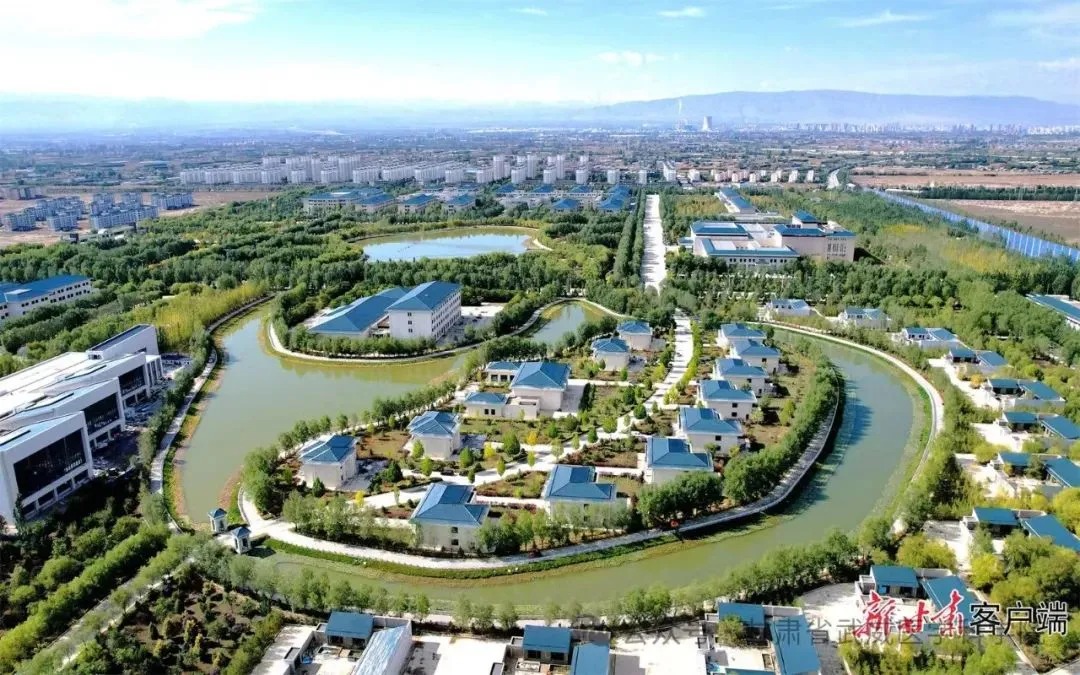
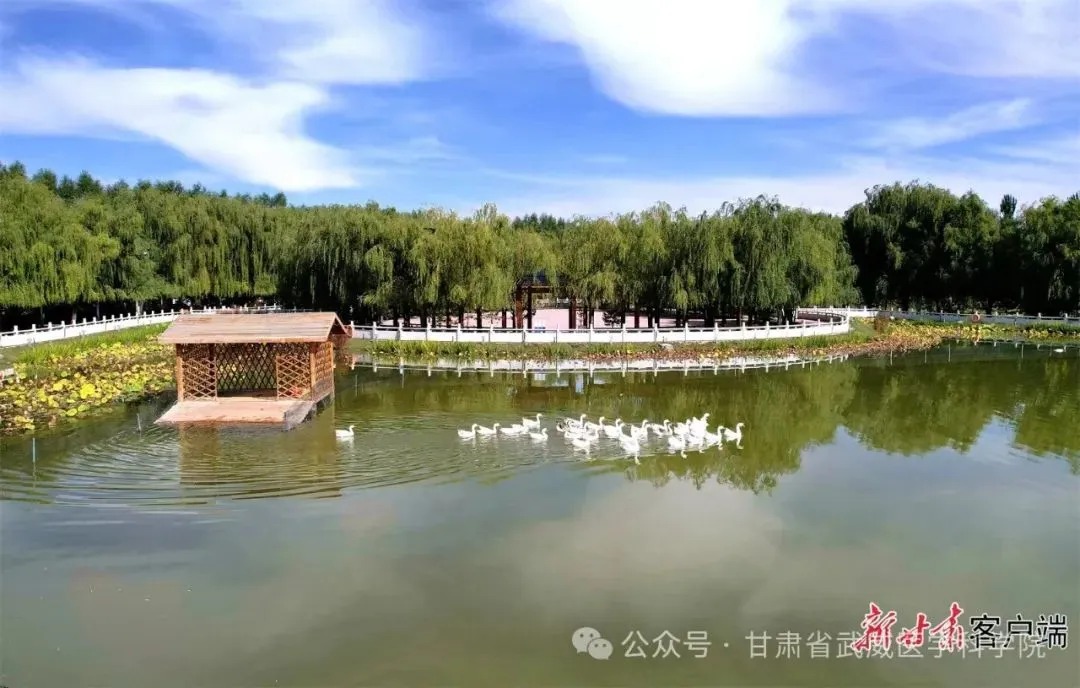
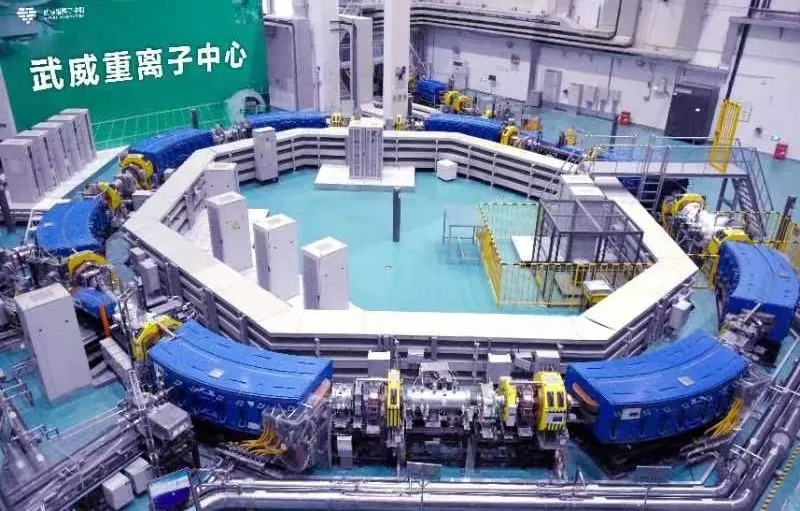
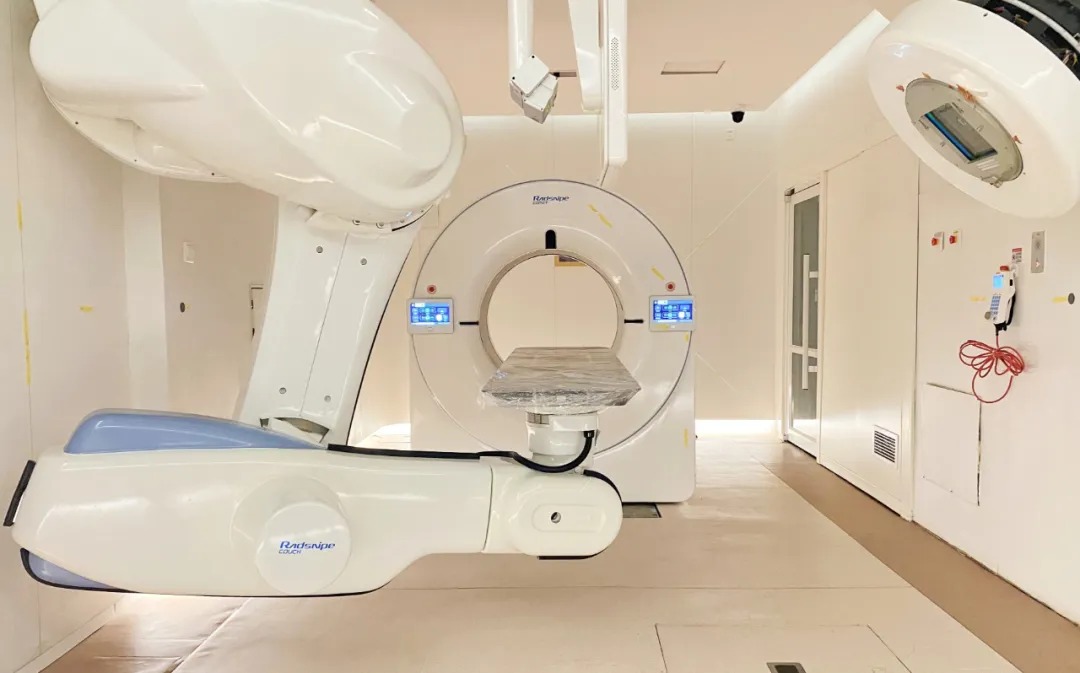
From 2020 to today, Professor Yee-Min Jen has crossed the strait time and again, bringing cutting-edge technology to the wards of northwest China. The gentle lean-in during ward rounds, the attentive listening during consultations, the patient answers at the podium—these small, everyday moments make up the continuing story between him and the Wuwei Heavy Ion Center.
And this story is still unfolding.
Writer: Ma Shuxian
First Review: Ma Shuxian
Second Review: Guo Yishan
Third Review: Cai Qinghua
Gansu Wuwei Cancer Hospital (Wuwei Institute of Medical Sciences)
(甘)医广【2025】第11-14-387号