Establishment of Nursing Specialists Group & Health Education Month Kickoff at Wuwei Cancer Hospital
Launch of the Specialized Nursing Group and Health Education Month Campaign at the Lanzhou Branch of Gansu Wuwei Cancer Hospital
To enhance nurses' comprehensive bedside capabilities and improve nursing services, the Lanzhou Branch of Gansu Wuwei Cancer Hospital held the launch ceremony for the "Establishment of Specialized Nursing Groups and Health Education Month" on the afternoon of July 16. At the event, Vice President Li Xiaojun of the Lanzhou Branch emphasized: "We must firmly adhere to the principles of 'strengthening specialized nursing, refining services, and promoting development.' The advancement of specialized nursing should serve as a key driver for improving nursing quality and elevating patient care experiences. We strive to cultivate every nurse into a highly competent specialist with robust comprehensive skills, advancing nursing services toward greater professionalism and precision."
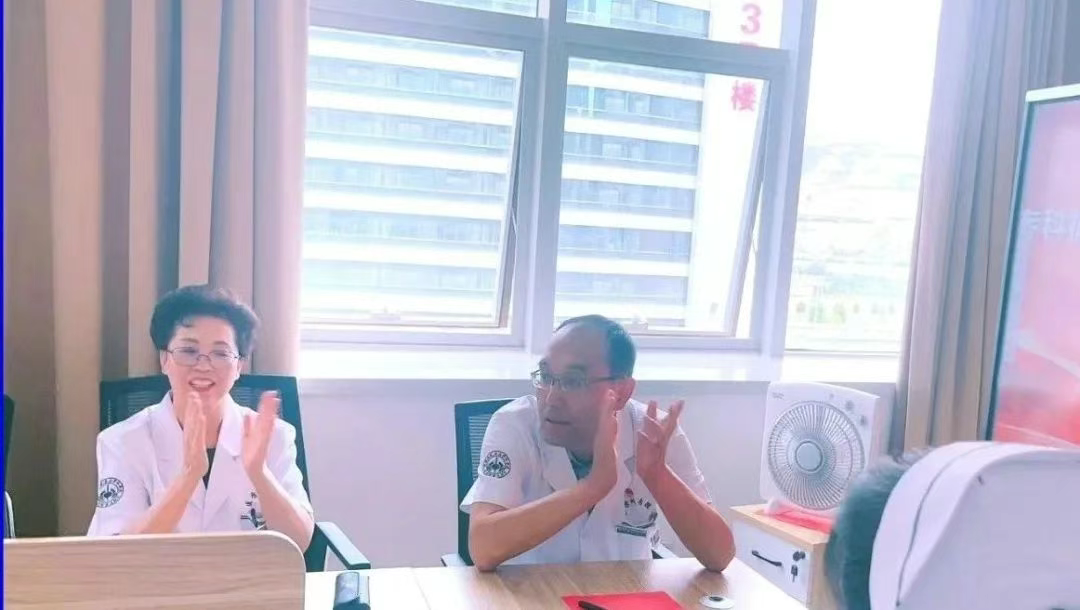
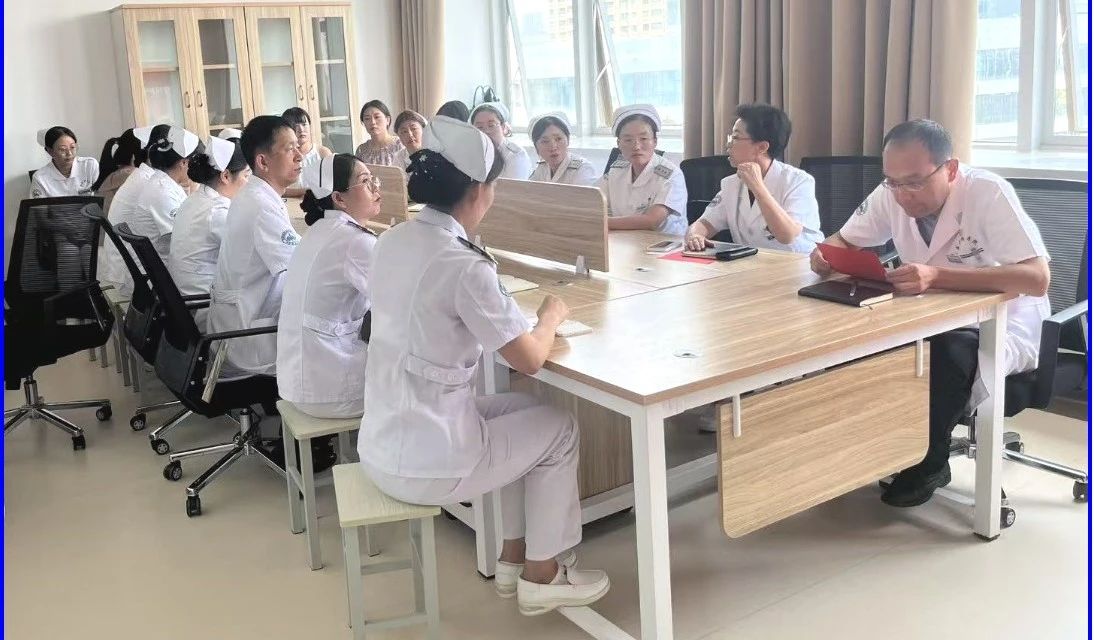
The hospital has established eight specialized nursing groups as its initial initiative, incorporating all full-time undergraduate nurses into these groups to provide each nurse with a clear career development path and foster rapid professional growth, thereby strengthening the foundation of nursing talent. Each specialized group is primarily responsible for the training, assessment, and competency evaluation of knowledge and skills within their respective fields. The training process follows a two-tiered approach: first, key liaisons receive specialized instruction, after which they disseminate the knowledge to other nurses within their departments. The groups also actively monitor and integrate the latest domestic and international advancements in nursing science and technology, ensuring all hospital nurses can effectively apply these updates in clinical practice. Additionally, the groups establish specialized quality standards and conduct regular inspections and guidance to drive continuous improvement in nursing care quality.
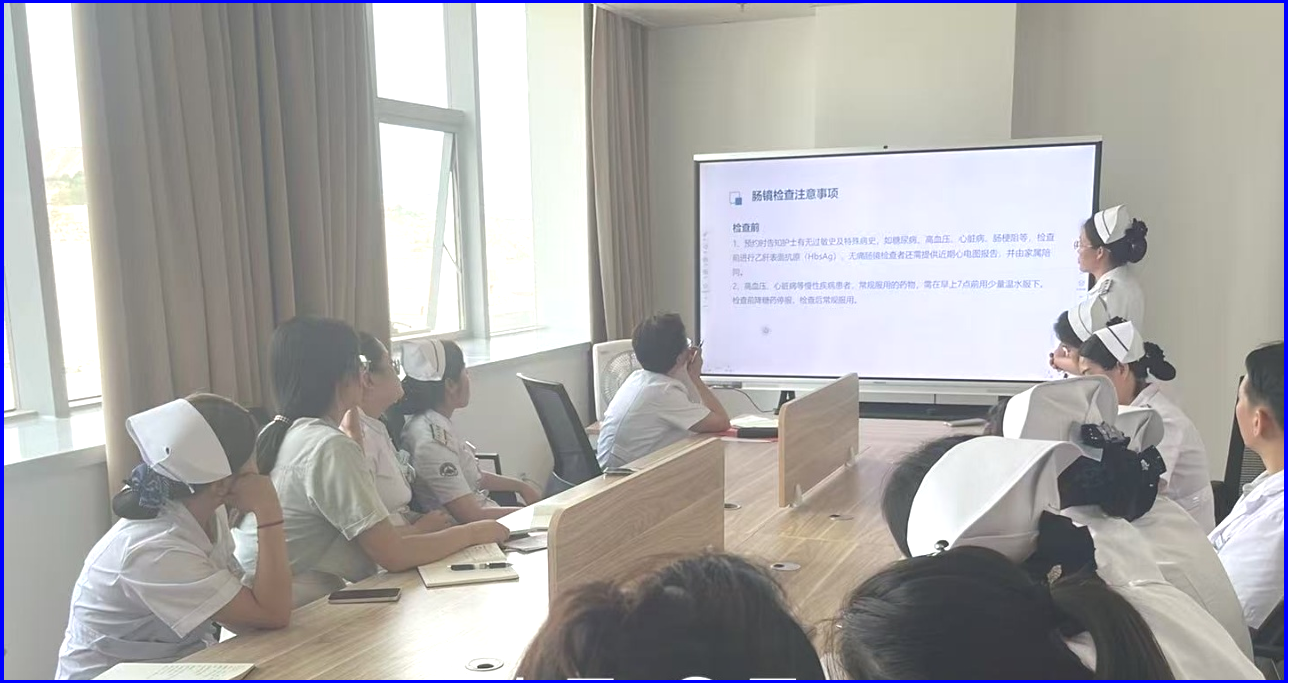
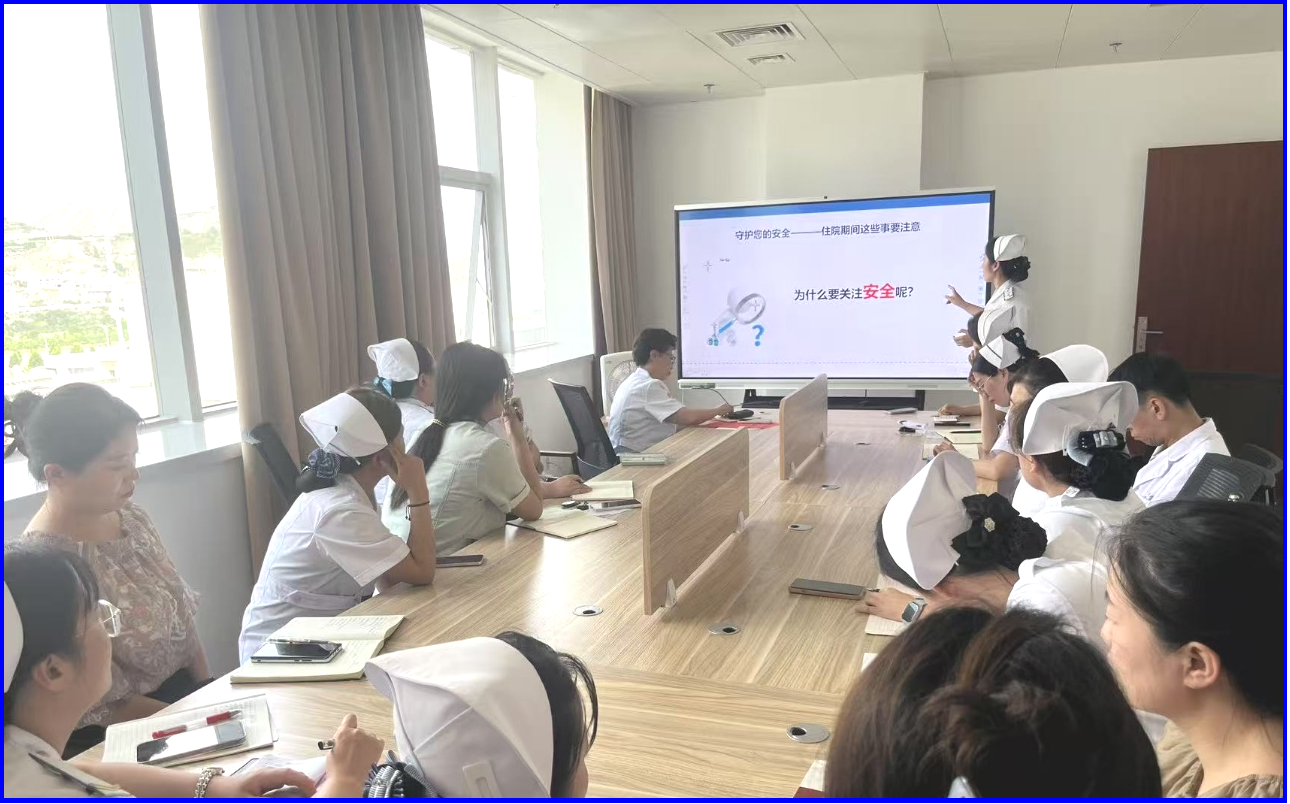
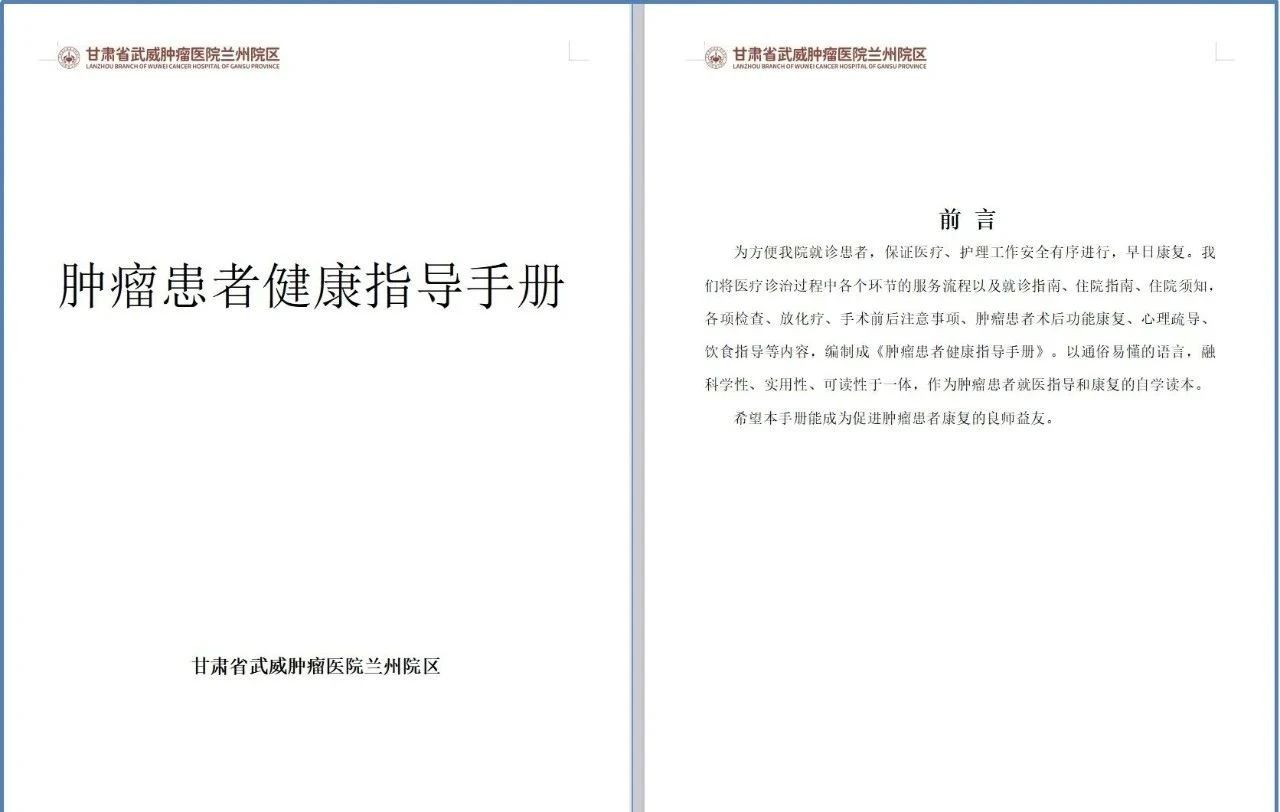
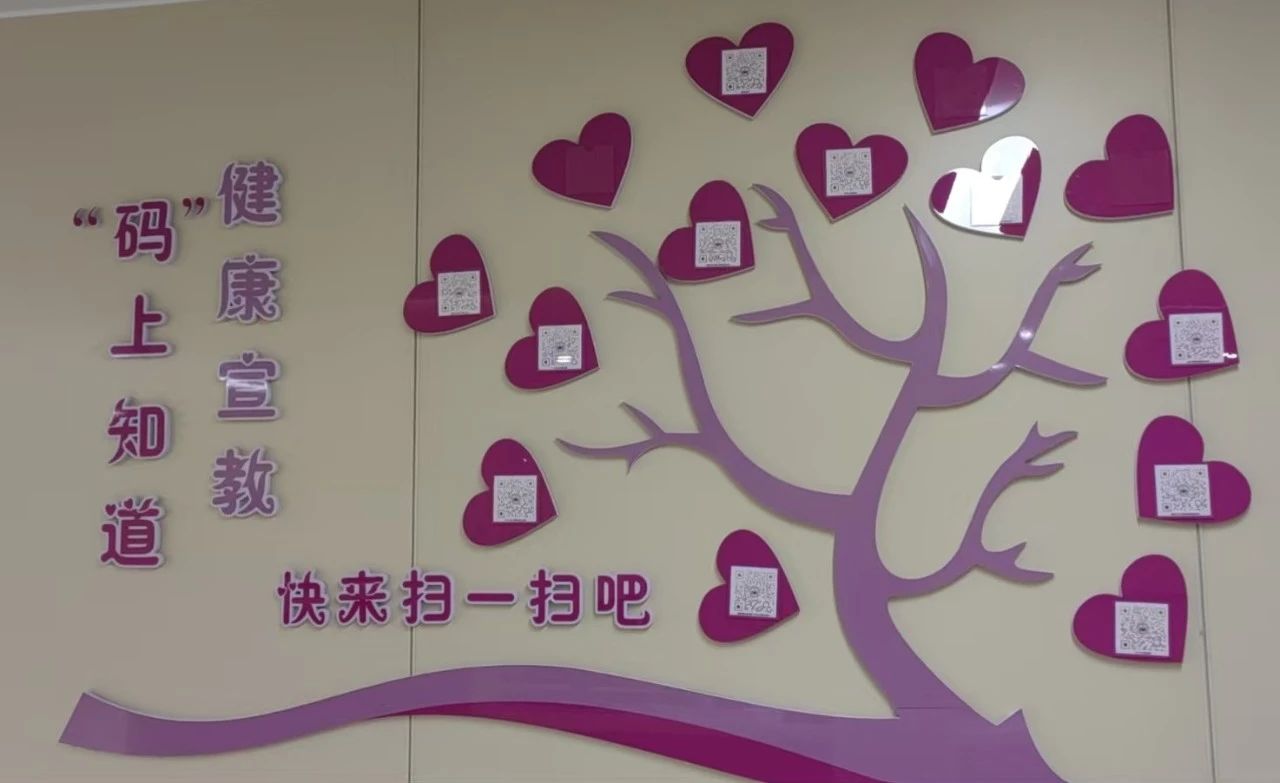
Taking patient needs as the guiding principle, July has been designated as "Health Education Month." First, each head nurse prepared PowerPoint presentations covering the entire patient journey—from initial consultation and examinations to radiotherapy, chemotherapy, and pre- and post-operative precautions—which were used to educate all nursing staff and implement these practices clinically. Based on the Lanzhou Branch's specialty areas and common conditions, the health education content was then tailored to fit our hospital's needs, resulting in the compilation of the "Tumor Patient Health Education Handbook" for patient reference. A variety of educational methods were employed to effectively deliver health guidance, including one-on-one counseling, group lectures, informational pamphlets, television broadcasts, and QR code resources, ensuring accessibility for diverse patient groups. Nurses seized every opportunity to interact with patients to reinforce education through repeated instruction. The Nursing Department and head nurses utilized daily five-round inspections and comprehensive clinical service quality control to evaluate health education outcomes, applying the PDCA (Plan-Do-Check-Act) management cycle for continuous improvement. In December, a "Health Education Scenario Simulation Exhibition" will be held, featuring skits and short performances to demonstrate educational content and solidify the results of health promotion efforts.
The nursing team at the Lanzhou Branch remains committed to current standards, refining nursing management practices and elevating care quality to drive high-quality development of our hospital.
Lanzhou Heavy Ion Center
Gansu Wuwei Cancer Hospital is a state-owned public tertiary Class A specialized cancer hospital. The Lanzhou Heavy Ion Center, the second clinical application center for heavy ion therapy with independent Chinese intellectual property rights operated by Gansu Wuwei Cancer Hospital, commenced clinical operations on November 15, 2024, in collaboration with the first Chinese-developed heavy ion treatment system. The second Chinese heavy ion tumor treatment system was also put into clinical use at the Lanzhou center at this time. To date, the center has treated over 230 patients with photon and heavy ion therapies, covering cancers such as lung cancer, pancreatic cancer, liver cancer, and glioblastoma.
The Lanzhou Heavy Ion Center has established an elite talent system, creating an expert workstation led by 50 top authorities in the field, including Shen Wenjiang, Lifetime Honorary Professor of the Department of Radiation Oncology at Peking University Health Science Center, and Professor Xu Bo, Standing Committee Member of the Radiation Oncology Branch of the Chinese Medical Association. Professor Wang Junjie, Chairman of the Radiation Oncology Branch of the Chinese Medical Association, serves as the center's president, providing robust technical support for heavy ion therapy.
The facility is equipped with a range of cutting-edge medical devices, including the Varian VitalBeam medical linear accelerator, the Elekta Infinity four-dimensional image-guided linear accelerator, a 3.0T simulation and positioning MRI, a GE 256-slice high-end CT, and the Varian Ir-192 high-dose-rate brachytherapy system. These advanced facilities form a solid technological foundation for heavy ion therapy, ensuring both efficiency and precision in treatment.
Aiming to establish a comprehensive, full-life-cycle cancer treatment system, the hospital operates multiple specialized departments, including Radiation Oncology, Medical Oncology/Hematology, Surgical Oncology, Integrated Traditional Chinese and Western Medicine Oncology Rehabilitation, Critical Care Medicine, Digestive Endoscopy Center, Imaging Department, Clinical Laboratory, Ultrasound Medicine, Blood Bank, and Hematology Center Laboratory. The hospital provides integrated treatment modalities such as photon radiotherapy, chemotherapy, heavy ion therapy, surgical and medical oncology, as well as diagnostic services including imaging, laboratory testing, ultrasound, and bone marrow cytology examinations.