The Story of Heavy Ion Therapy for Glioblastoma
The Story of Heavy Ion Therapy for Glioblastoma
Glioblastoma, known as the "Brain Killer," originates from glial cell mutations in the brain and spinal cord. As the most common intracranial malignant tumor, it is notorious for its high incidence, recurrence, and mortality rates, coupled with low cure rates, making it one of the most challenging tumors in neurosurgery. In China, the annual incidence is 5–8 cases per 100,000 people, with a 5-year fatality rate second only to pancreatic and lung cancers.
Why Heavy Ion Therapy?
Surgical limitations: Glioblastoma is often inoperable due to its invasive growth. Even after surgery and standard radiotherapy/chemotherapy, recurrence rates remain high (within 3 months to 5 years), with increased malignancy upon relapse.
Carbon ion advantages:
Higher Relative Biological Effectiveness (RBE): Delivers precise, potent radiation to tumors while minimizing damage to surrounding brain tissue.
Improved outcomes: Compared to conventional treatments, carbon ions boost tumor control rates and long-term survival.
Case 1: Ms. Yang's Battle with Glioblastoma
In August 2019, Ms. Yang, a Beijing resident, began experiencing persistent headaches and blurred vision—symptoms she initially attributed to exhaustion from managing her busy shop. Like many patients, she self-medicated with over-the-counter painkillers, which provided temporary relief.
By December 2019, her condition worsened dramatically:
- Excruciating headaches returned, now accompanied by dizziness, nausea, and vomiting.
- After consultations at multiple hospitals, she received a devastating diagnosis at Beijing Tiantan Hospital: glioblastoma.
- The tumor's high-risk location made it inoperable—a verdict that left Ms. Yang emotionally shattered.

By May 2020, Ms. Yang's condition took a critical turn:
- Recurrent epileptic seizures prompted new scans, revealing tumor progression despite dehydration and anti-epileptic treatments.
- With surgery still impossible, the glioblastoma became a "ticking time bomb"—a reality that kept her family in constant dread.
The Turning Point
After exhaustive research and consultations with friends, they discovered groundbreaking reports about Wuwei Heavy Ion Center. A consultation confirmed her eligibility for carbon ion therapy—igniting what Ms. Yang called "a sudden flame of hope for life."
Journey to Recovery
- Cross-country pursuit: Traveled 1,000+ km from Beijing to Gansu Wuwei Cancer Hospital's Heavy Ion Center.
- Multidisciplinary approach: Underwent 20 carbon ion sessions post-team evaluation.
- Remarkable outcomes:Zero discomfort or seizures during treatment. Complete resolution of limb weakness. Significant tumor shrinkage on imaging.
With joyful dedication, Ms. Yang has meticulously mailed all follow-up records to our department. Today, we received her 30-month post-treatment scans—revealing what our team celebrates as: Complete radiographic resolution of the tumor, Total absence of symptoms.
Our entire department shares her profound happiness, as this outcome exemplifies the transformative potential of heavy ion therapy.
Clinical Indications for Heavy Ion Therapy
30-Month Follow-Up Imaging: Visualizing Success
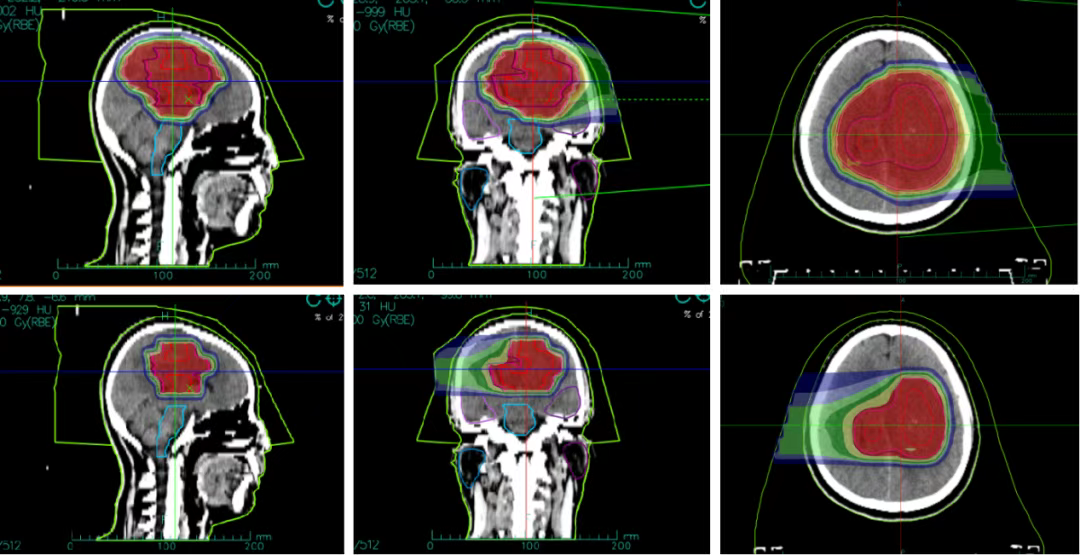
Figure 1: Carbon Ion Therapy Dosimetry Map
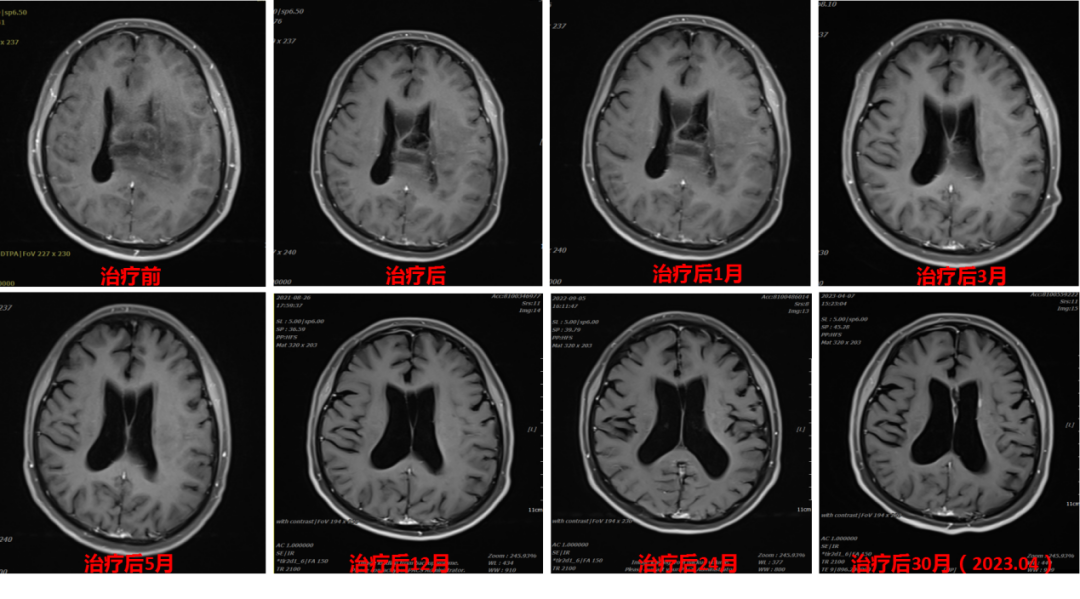
Figure 2
Case 2: An 85-Year-Old's Triumph Over Glioblastoma
Age: 85 years
Presenting Symptoms:
✓ Left-sided hemiparesis (numbness & weakness)
✓ Progressive motor dysfunction
✓ Cognitive slowing
✓ Urinary incontinence
Diagnostic Confirmation:
MRI identified glioblastoma multiforme (WHO Grade IV) localized to the right frontal lobe-corpus callosum junction—a region critical for interhemispheric communication.
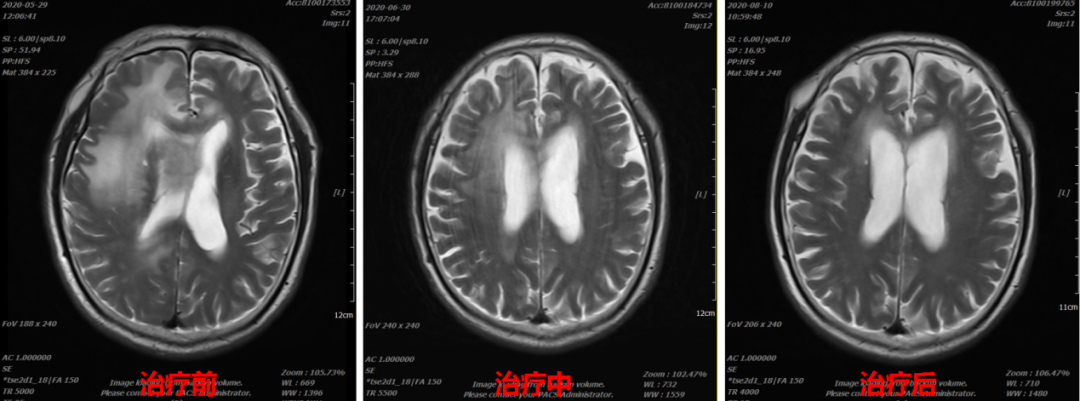
Figure 3 : Serial Imaging During Carbon Ion Therapy
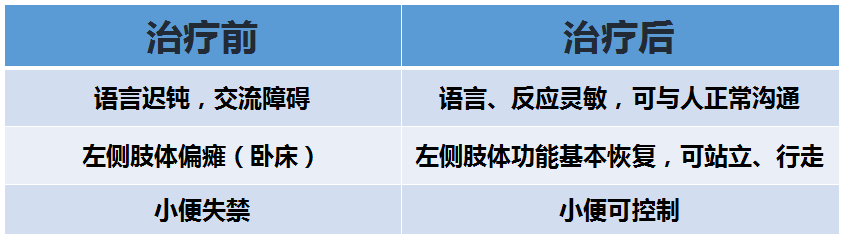
Figure 4
Case 3: Young Adult Glioblastoma – Multimodal Salvage Therapy
Patient Profile
- Demographics: 33-year-old Hui ethnicity male
- Surgical History:
• Partial resection of right frontoparietal glioblastoma (WHO IV) 3 months prior
• Persistent tumor remnant on post-op MRI (Figure 5) - Neurologic Deficit:
• Left hemiparesis (MMT grade 3/5) refractory to rehabilitation
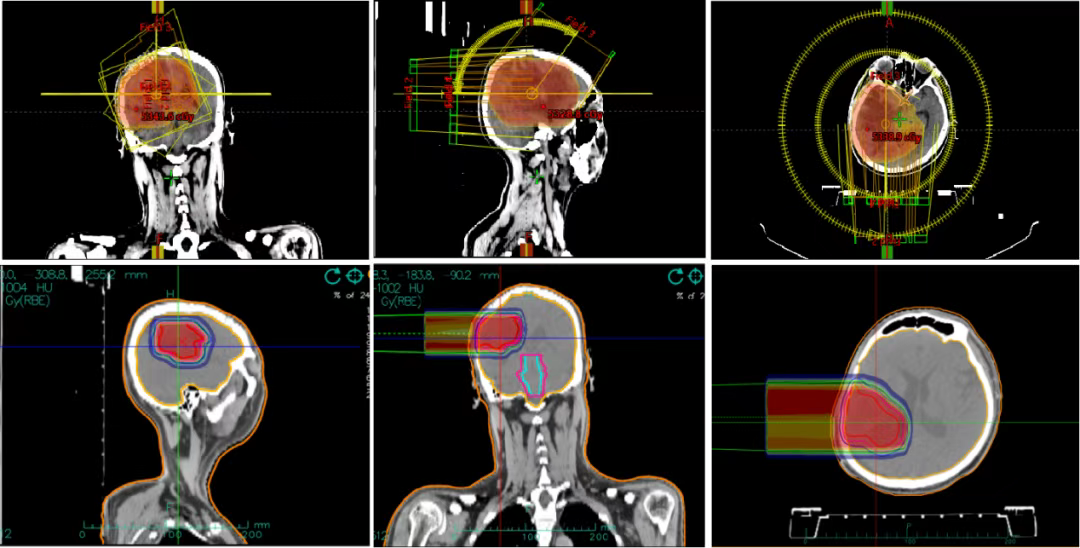
Figure 5: Hybrid Photon-Carbon Ion Dosimetry Plan
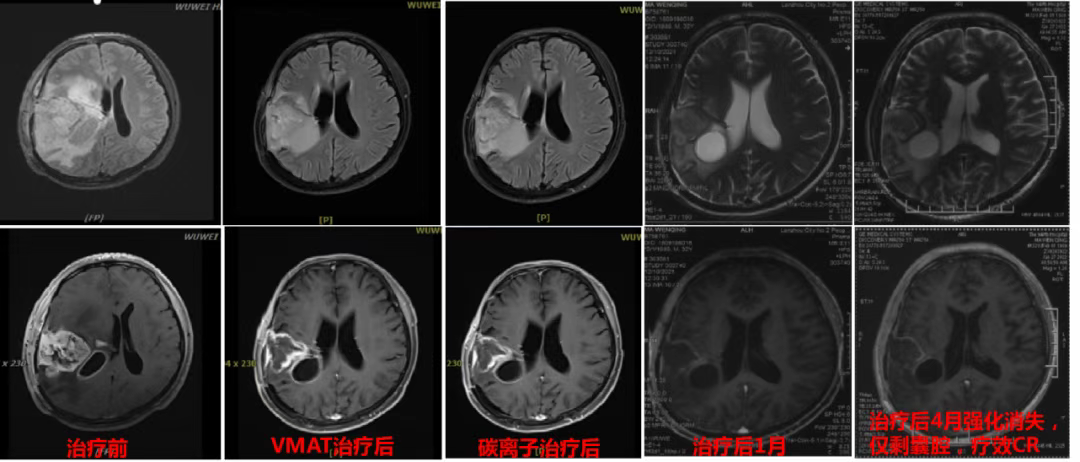
Figure 6
Case 4: Speech Recovery in Multifocal Glioblastoma
Clinical Presentation
- Demographics: Middle-aged female
- Initial Symptoms:
✓ Progressive speech dysfluency (Broca's area involvement)
✓ Disorientation (temporal lobe dysfunction) - Diagnostic Workup: MET-PET/FDG-PET: Hypermetabolic lesions in: Left frontal lobe (SUVmax 8.2), Left periventricular region (SUVmax 6.7), Suprasellar cistern (SUVmax 5.4) histopathology: Glioblastoma (WHO IV) confirmed via stereotactic biopsy
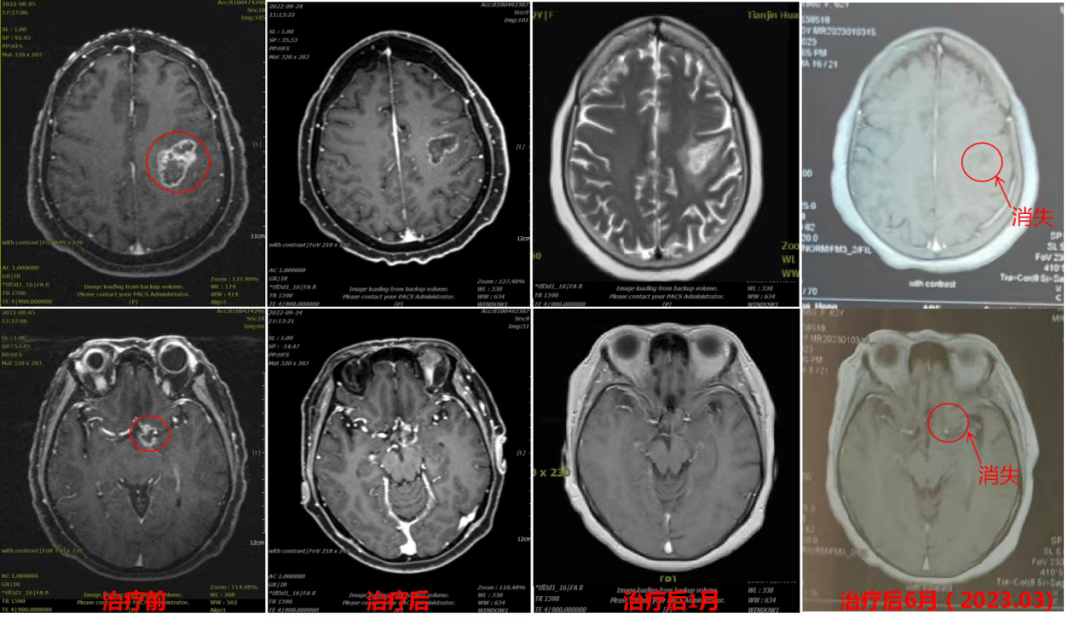
Figure 7
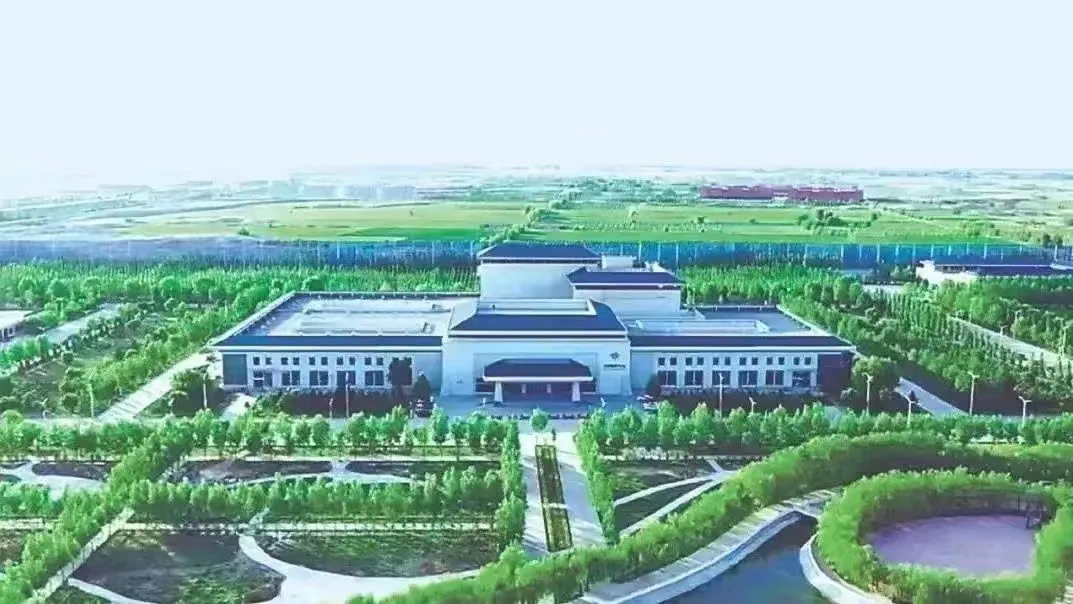
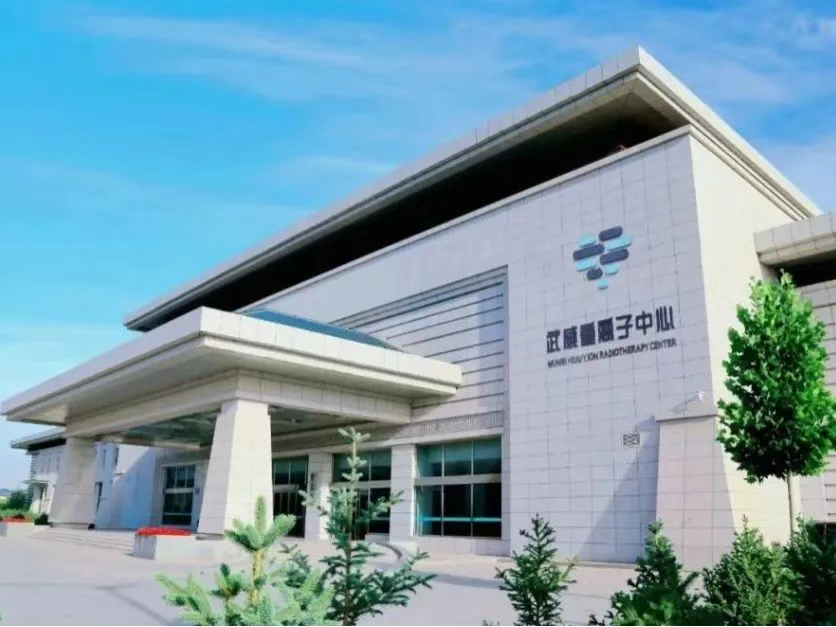
Wuwei Heavy Ion Center
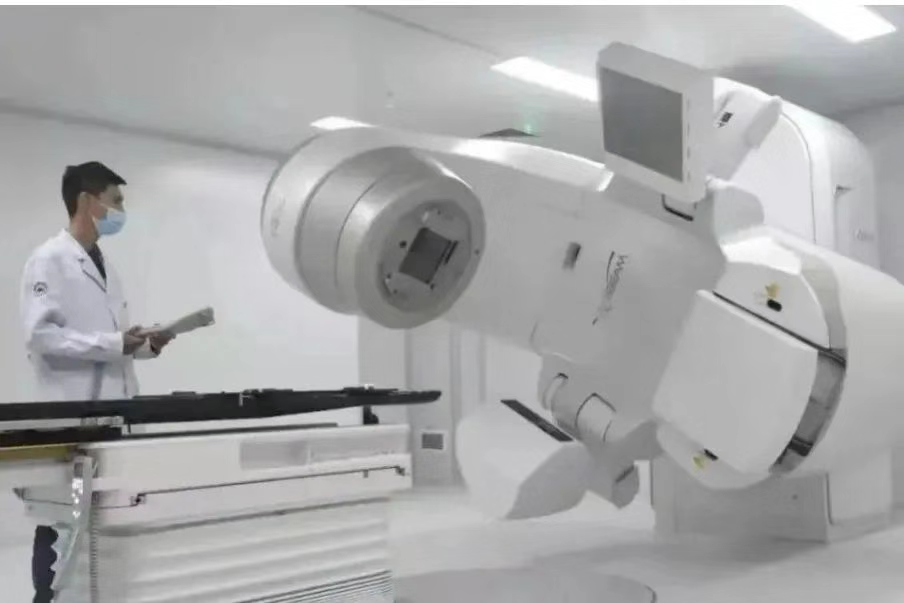
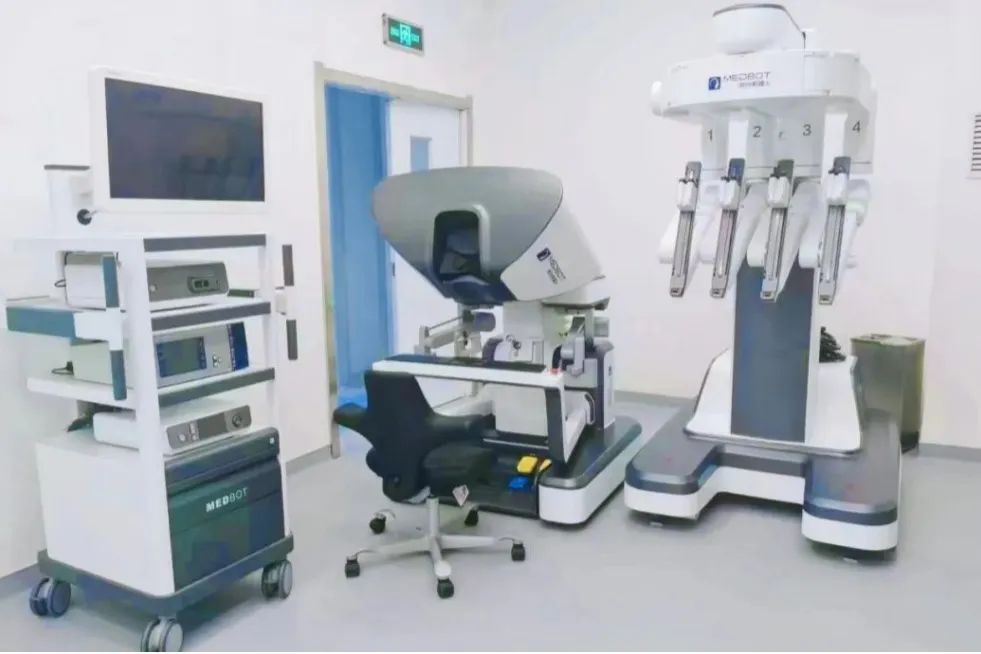
The Wuwei Heavy Ion Center at the Wuwei Academy of Medical and Science is China's first clinical application center for a heavy ion therapy system. Since its official launch in March 2020, it has been successfully operating for three years. As of now, the center has treated over 902 patients, achieving excellent therapeutic outcomes for challenging tumors in areas such as the head, pancreas, and lungs. Patients come from all across the country.
Building on the success of its three-year operation, the center has established the nation's first Cancer Rehabilitation Town, creating a comprehensive, full-life-cycle health management system. This system integrates:
- Comprehensive cancer treatment
- Dietary management therapy
- Mental and physical health management
- Traditional Chinese medicine (TCM) syndrome differentiation therapy
- Rehabilitation physiotherapy
- Biological immune cell therapy
- Nature-based healing
- Cultural therapy




Department Introduction
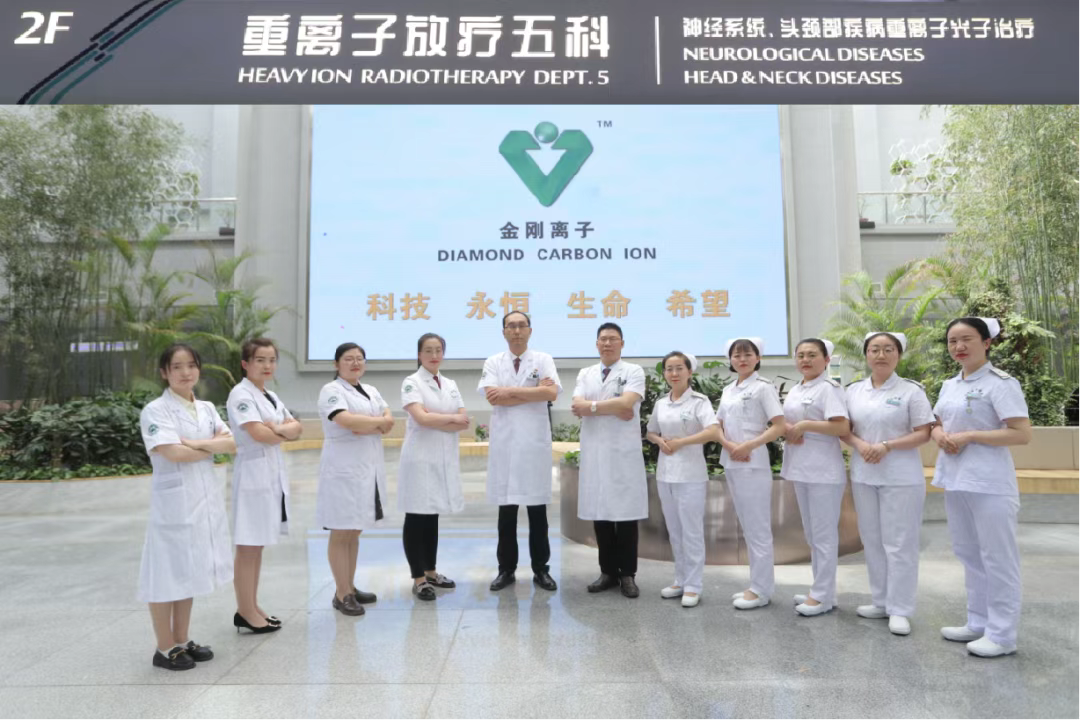
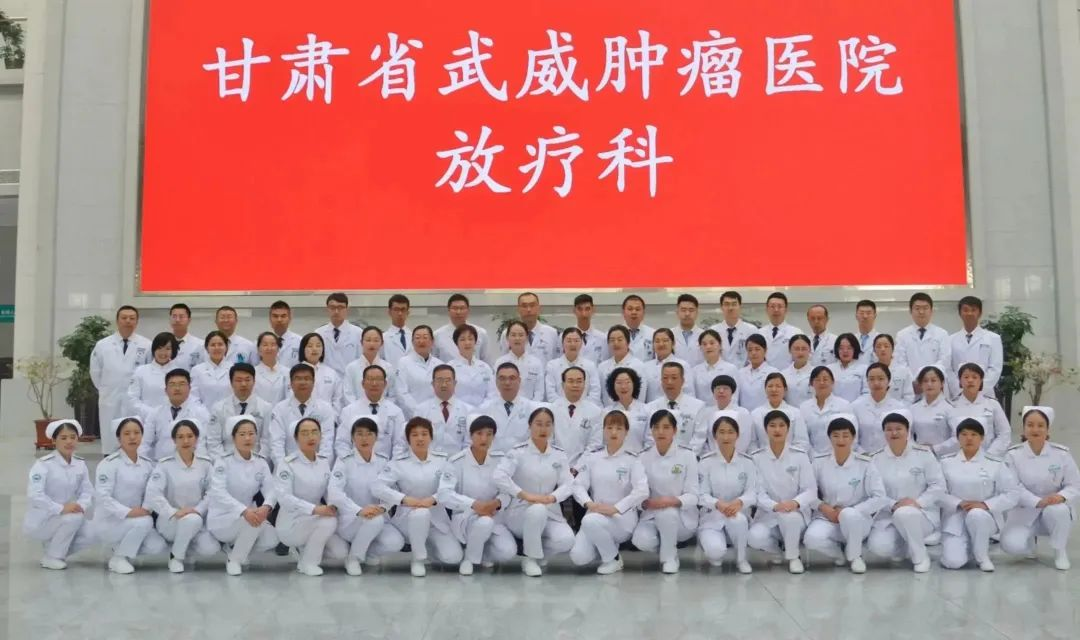
Head and Neck Tumor Heavy Ion Therapy Department (Radiotherapy Department V) is a specialized clinical unit integrating medical treatment, scientific research, and education.
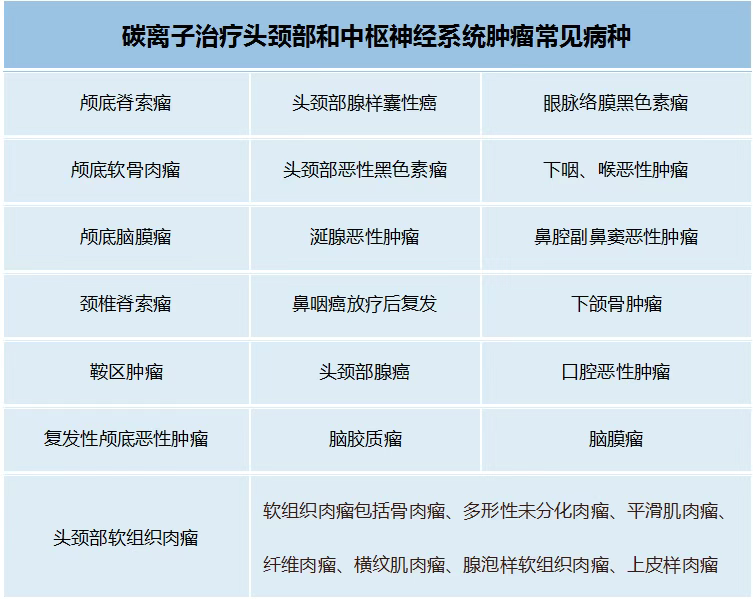
Primary Treated Conditions: Meningioma, Pituitary adenoma, Acoustic neuroma, Glioma, Intracranial tumors, Nasopharyngeal carcinoma, Oral cancer, Ocular tumors, Laryngeal cancer, Hard palate cancer, Hypopharyngeal cancer, Chordoma, Lymphoma (all regions).
Heavy Ion Therapy Advantages for the Following Conditions: Head and neck malignant melanoma, Head and neck sarcoma, Adenoid cystic carcinoma, Recurrent head and neck cancer, Skull base chordoma, Chondrosarcoma, Glioma.