When Kamikawa Meets Surgical Robotics —A Milestone at Gansu Wuwei Cancer Hospital: Dr. Nie Peng’s
When Kamikawa Meets Surgical Robotics
—A Milestone at Gansu Wuwei Cancer Hospital: Dr. Nie Peng’s Team Completes the Institution’s First Robotic-Assisted Kamikawa Anastomosis
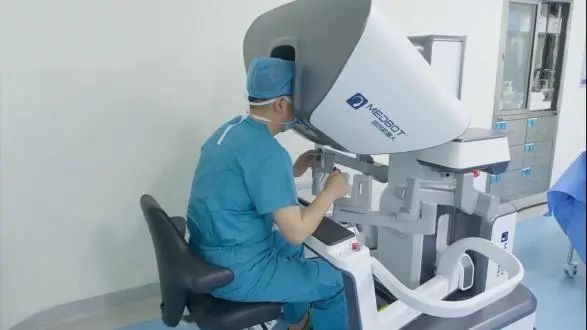
Since the first domestically produced Toumai four-arm robotic surgical system was deployed at our hospital in February 2023, surgeons have successfully performed over 60 robotic-assisted procedures—including more than 30 gastrointestinal tumor resections—leveraging its precision and articulating instruments. The system’s 3D stereoscopic visualization and wristed tools have overcome limitations of traditional open and laparoscopic surgeries, enabling complex operations.
In gastric cancer treatment, our institution has pioneered robotic-assisted intracavitary digestive tract reconstruction, aligning with global advancements. This innovative approach not only enhances surgical accuracy but also significantly reduces recovery time.
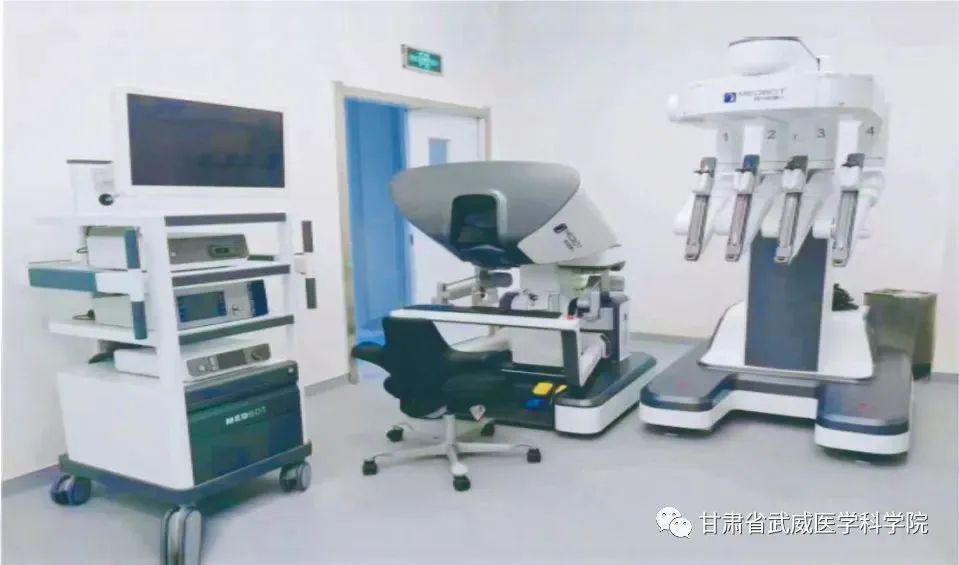
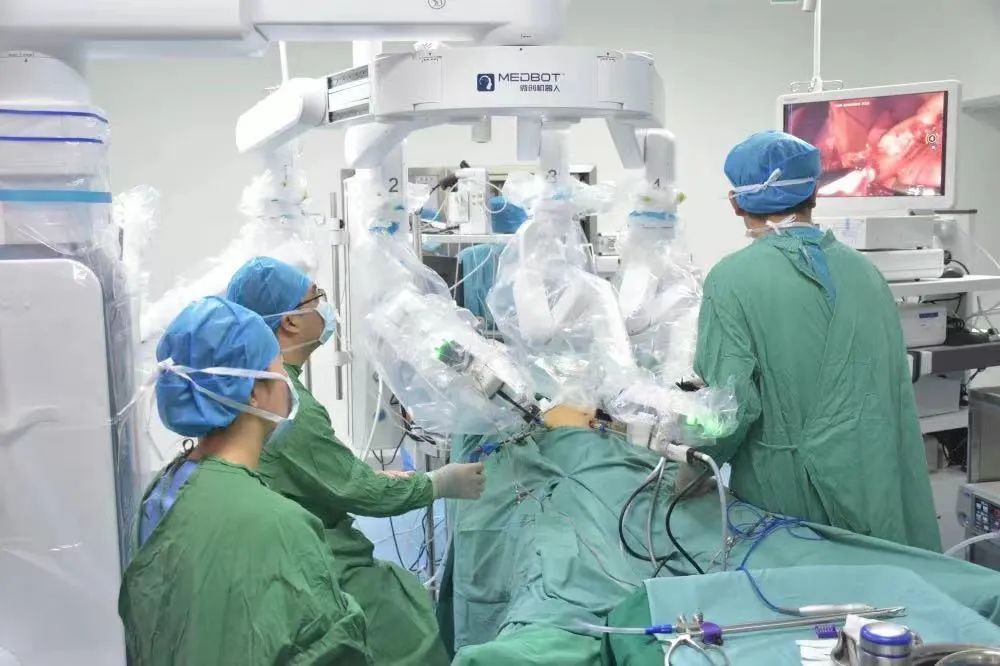
With rising incidence of proximal gastric cancer and adenocarcinoma of the esophagogastric junction (AEG), function-preserving surgeries like Kamikawa anastomosis have gained prominence. Dr. Nie Peng’s team recently performed the hospital’s first robotic-assisted Kamikawa anastomosis after proximal gastrectomy, building on their laparoscopic experience with the Toumai system’s advantages. This achievement lays groundwork for broader adoption and marks a new frontier in minimally invasive gastric surgery.
By harnessing the Toumai system’s capabilities, the team transcended traditional surgical constraints, offering safer and more effective treatment. Patients benefit from preserved nutritional intake and digestive function, accelerating recovery and improving quality of life.
Department Profile
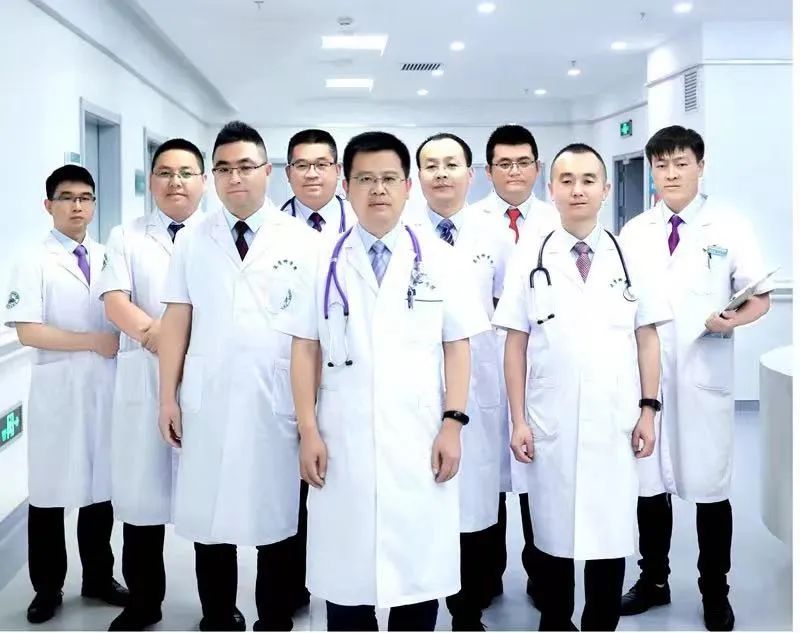
The Gastric Surgery Department at Gansu Wuwei Cancer Hospital is China’s third and Gansu’s only unit dedicated exclusively to gastric diseases, serving as a national hub for clinical care, research, and education. With 35 beds and a team including 1 chief physician, 1 associate chief, and 3 attending physicians (2 holding master’s degrees), the department has achieved domestically advanced standards in gastric cancer management.
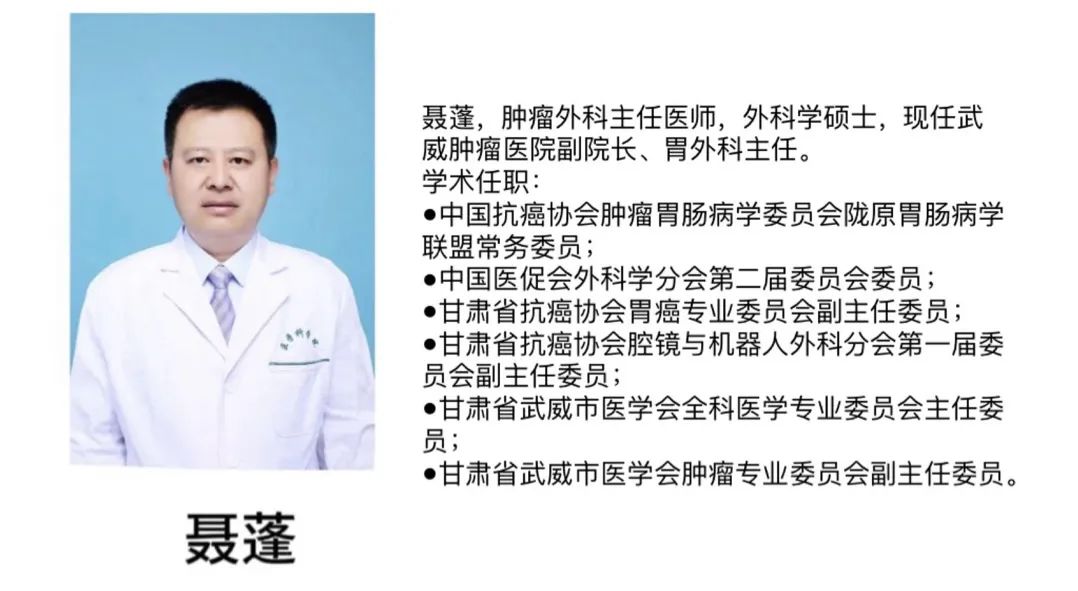
Under Dr. Nie Peng’s leadership, the department routinely performs high-complexity procedures:
Totally laparoscopic radical distal gastrectomy with Roux-en-Y/Delta SPLT anastomosis
Proximal gastrectomy with Side-Overlap/Double-flap (Kamikawa)/Double-tract (DT) reconstruction
Total gastrectomy with modified Overlap/SPLT anastomosis
Conversion therapy and neoadjuvant treatment for locally advanced cases
Combined laparoscopic-endoscopic resection for GISTs
With a 99% success rate in robotic-assisted radical gastrectomies, the department’s minimally invasive surgery rate reaches 89.24% (86.27% laparoscopic). Robotic surgery metrics continue rising, maintaining national leadership.
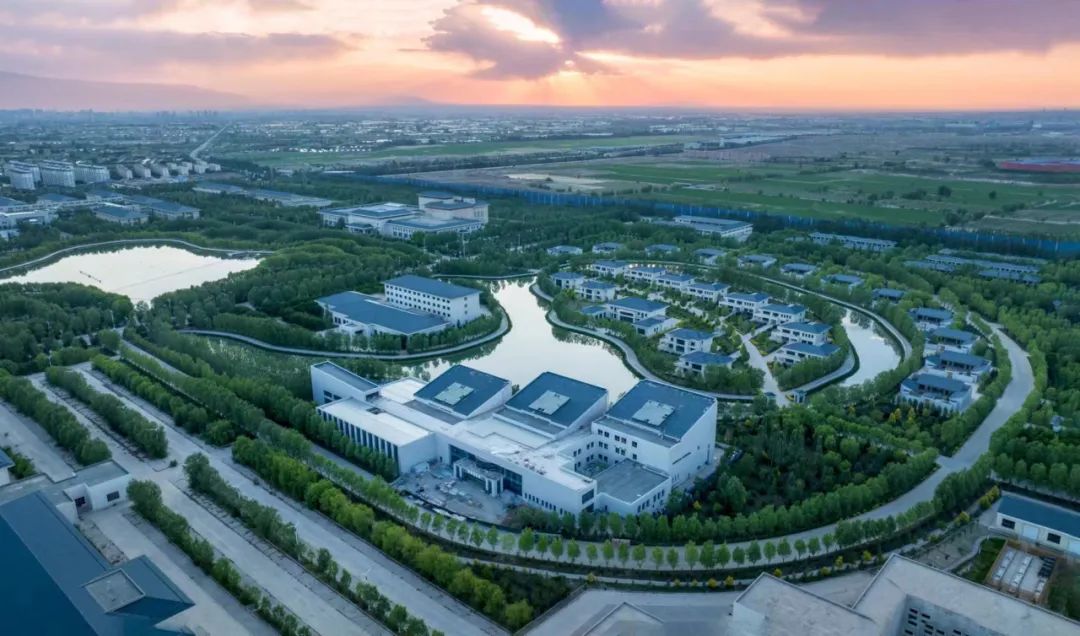
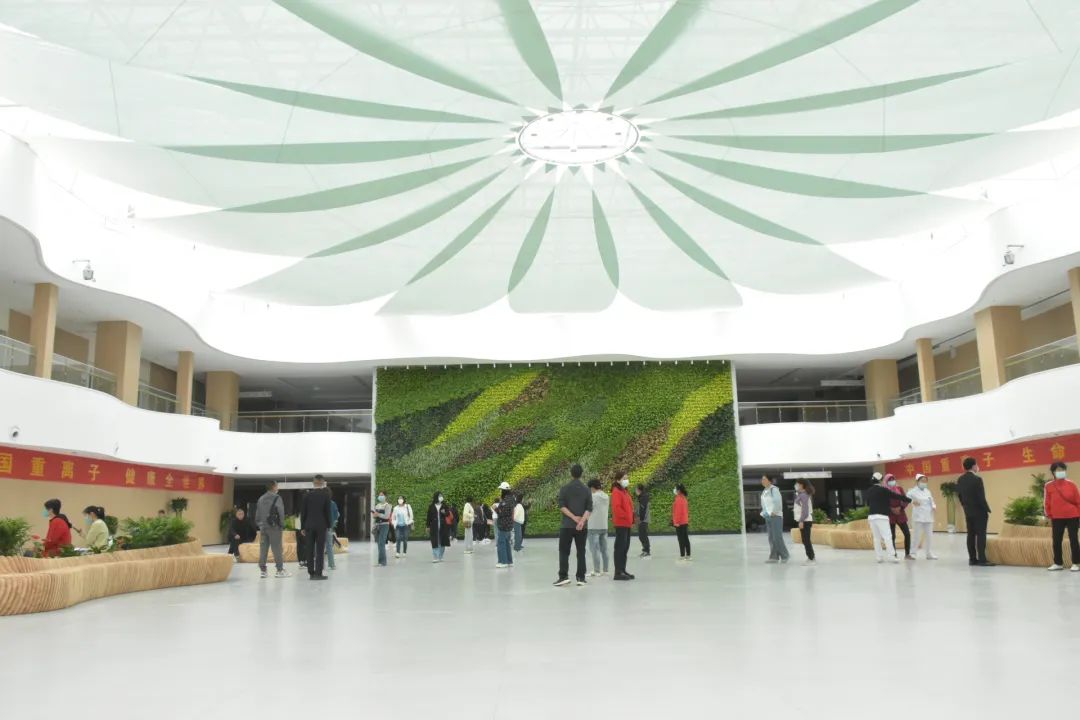
Wuwei Heavy Ion Center Environment