Radiotherapy for Maxillary Sinus Cancer with Liver Metastasis? A Case Report
Should Radiotherapy Be Abandoned for Maxillary Sinus Cancer with Liver Metastasis? A Case Report from the Head and Neck Radiation Oncology Department
——Complete Disappearance of Maxillary Sinus and Liver Lesions After Carbon Ion Therapy
In April 2023, Mr. Wang noticed a progressively enlarging mass below his left orbit, accompanied by facial numbness, pain, and difficulty opening his left eye. Upon referral, an MRI at our hospital revealed:
- A left maxillary sinus tumor extending into the left nasal cavity, with unclear boundaries to the nasal concha and ethmoid sinus.
- Invasion into the cheek muscles, orbital floor, maxillary bone, alveolar bone, sinus walls, and medial orbital wall.
- Liver metastases in segments SIV, SV, and SIIIV, with the largest lesion measuring 3.7×3.8 cm.Biopsy confirmed adenocarcinoma, a radiation-resistant tumor. After multidisciplinary consultation and detailed discussion of heavy ion therapy’s advantages, Mr. Wang opted for this treatment.
In May 2023, he underwent carbon ion therapy:
- 20 sessions for maxillary sinus cancer.
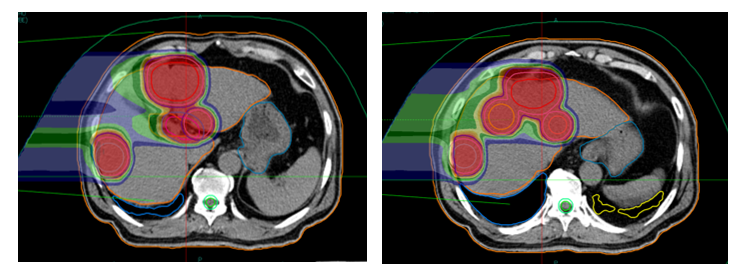
- 12 sessions for liver metastases.
Remarkable outcomes:
- After 5 sessions, the orbital mass nearly vanished.
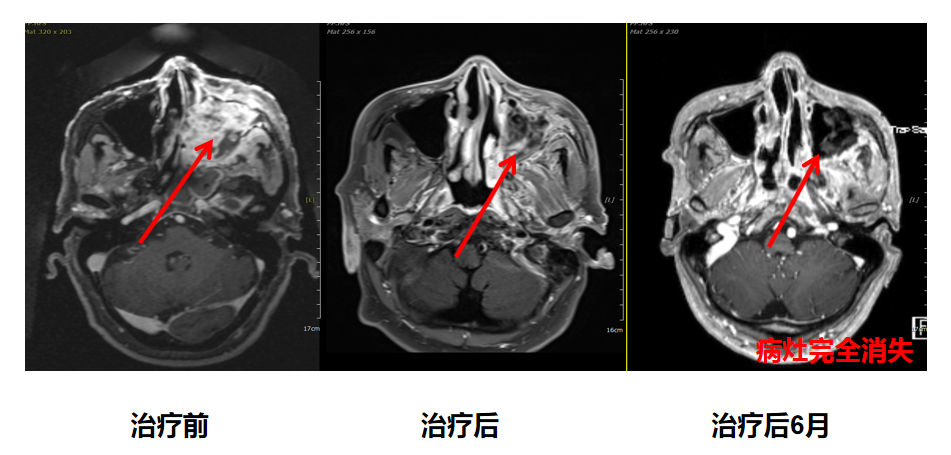
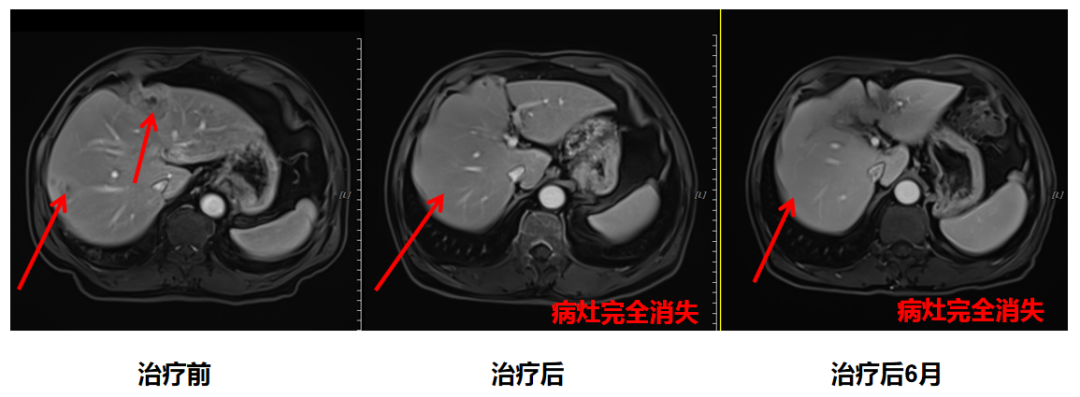
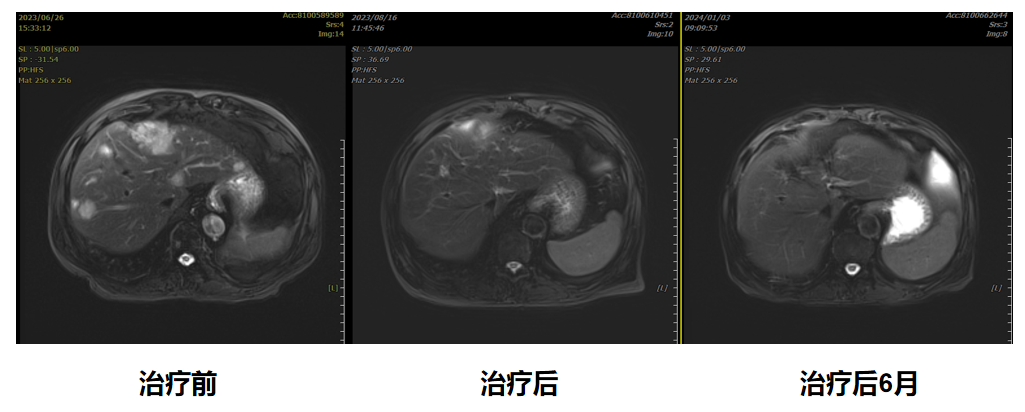
- Post-treatment MRI showed 50% shrinkage of the maxillary sinus tumor and complete disappearance of some liver metastases.
- Follow-up MRIs now confirm total resolution of both primary and metastatic lesions.
The follow-up MRI shows complete disappearance of the maxillary sinus lesion and total resolution of all liver metastases
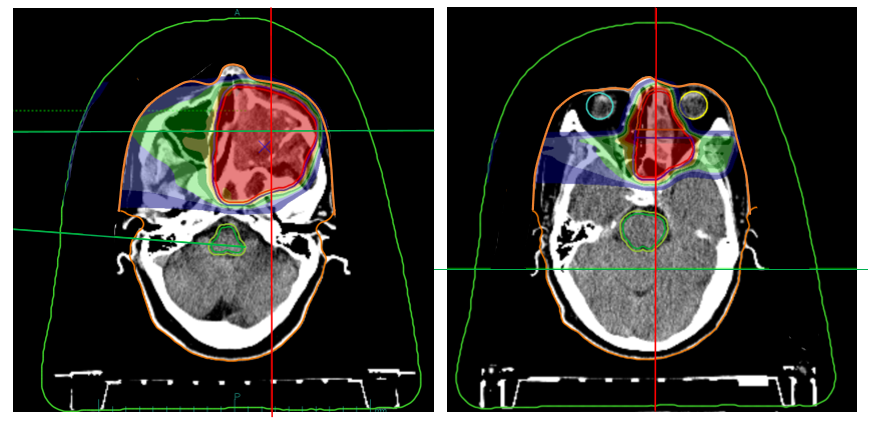
Radiation Field and Dose Distribution for Maxillary Sinus Cancer
Therapeutic Efficacy for Maxillary Sinus Cancer
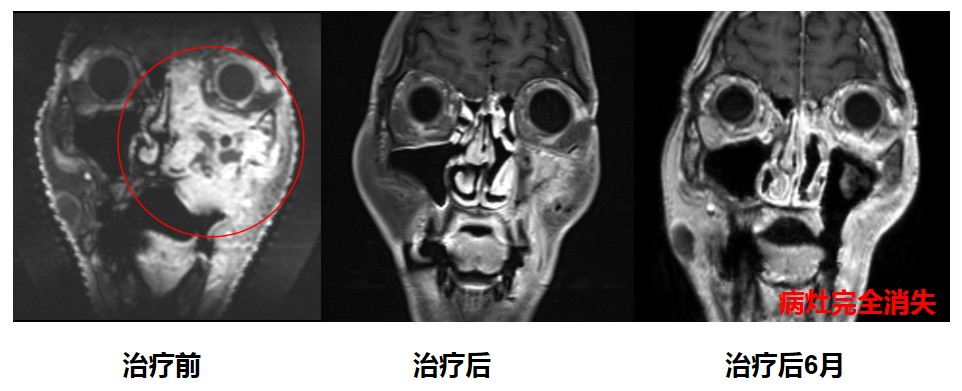
Radiation Field and Dose Distribution for Liver Metastases
Therapeutic Efficacy for Liver Metastases
Can Stage IV Cancer Patients with Metastases Benefit from Local Radiotherapy?
Heavy ion therapy’s unique physical and biological properties maximize tumor cell destruction by inducing irreparable double-strand DNA breaks (70% of molecules sustain ≥2 breaks), boosting local control rates. Improved local control may extend survival in oligometastatic cases.
- Landmark Study (The Lancet Oncology, 2016): Oligometastasis-directed radiotherapy vs. maintenance chemotherapy. Radiotherapy group: Progression-free survival = 11.9 months (vs. 3.9 months with chemotherapy).
- Oligometastasis Concept (Samuel Hellman): Defined as 1–5 metastatic lesions in limited organs, representing an intermediate state between localized and widespread disease. Timely local therapy (e.g., radiotherapy) can significantly alter outcomes.
For Mr. Wang, carbon ion therapy combined with systemic treatment:
- Controlled all detectable lesions, reducing tumor burden.
- Prevented head/neck complications (dysphagia, airway obstruction, cranial nerve damage).
- Avoided liver failure or biliary obstruction from metastatic progression.
- Ongoing immunotherapy/targeted therapy ensures long-term, symptom-free survival.
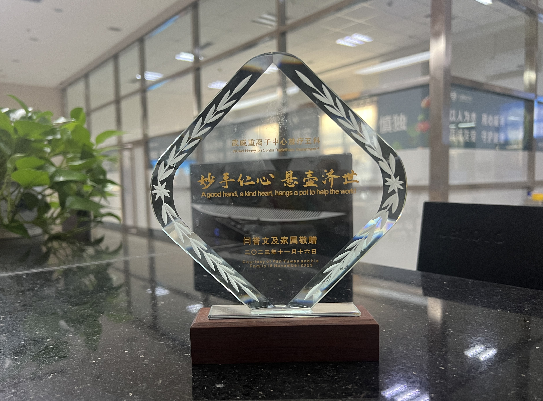
Common Head/CNS Tumors Treated with Radiotherapy
| Skull Base Tumors | Head/Neck Cancers | Other Malignancies |
|---|---|---|
| Chordoma | Adenoid cystic carcinoma | Ocular melanoma |
| Chondrosarcoma | Mucosal melanoma | Hypopharyngeal/laryngeal cancer |
| Meningioma | Salivary gland cancer | Nasal/paranasal sinus cancer |
| Recurrent NPC | Adenocarcinoma | Mandibular tumors |
| Soft tissue sarcomas* | Gliomas | Metastatic sarcomas |
*Includes osteosarcoma, UPS, leiomyosarcoma, fibrosarcoma, RMS, ASPS, epithelioid sarcoma.
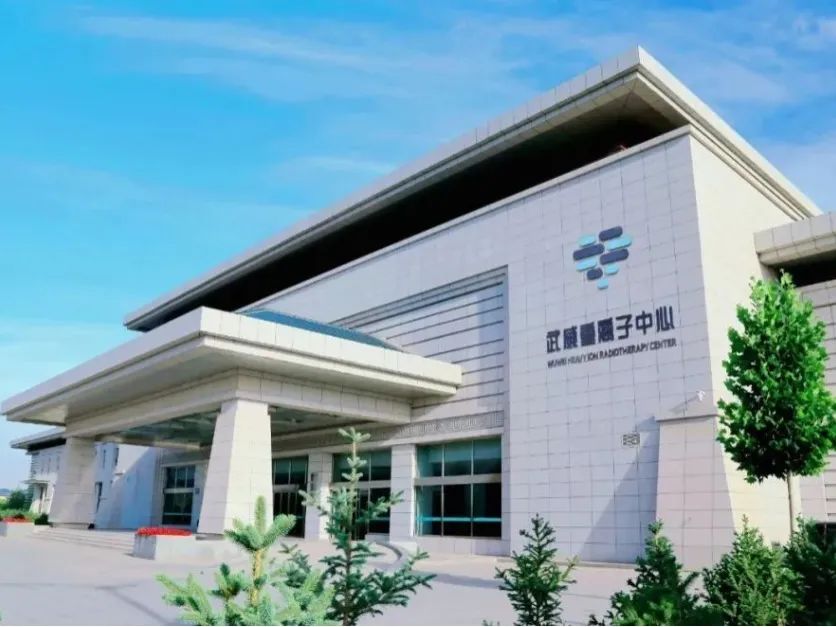
Wuwei Heavy Ion Center Profile
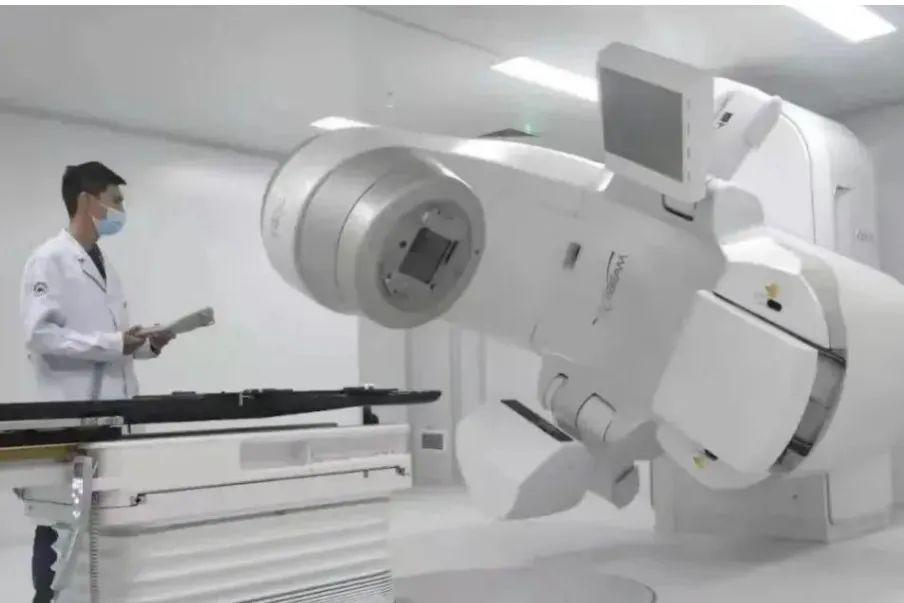
As China’s first clinical heavy ion center, operational since March 2020, we’ve treated 1,080+ patients with complex head, pancreatic, and lung tumors, attracting patients nationwide and from Europe.
Innovations:
- Pioneered China’s first oncology rehabilitation village, integrating: Multimodal cancer therapy Nutritional/psychological support Traditional Chinese medicine Immunotherapy/rehabilitation Art/nature-based therapies.
- Expert-led remote consultations for tailored treatment planning.




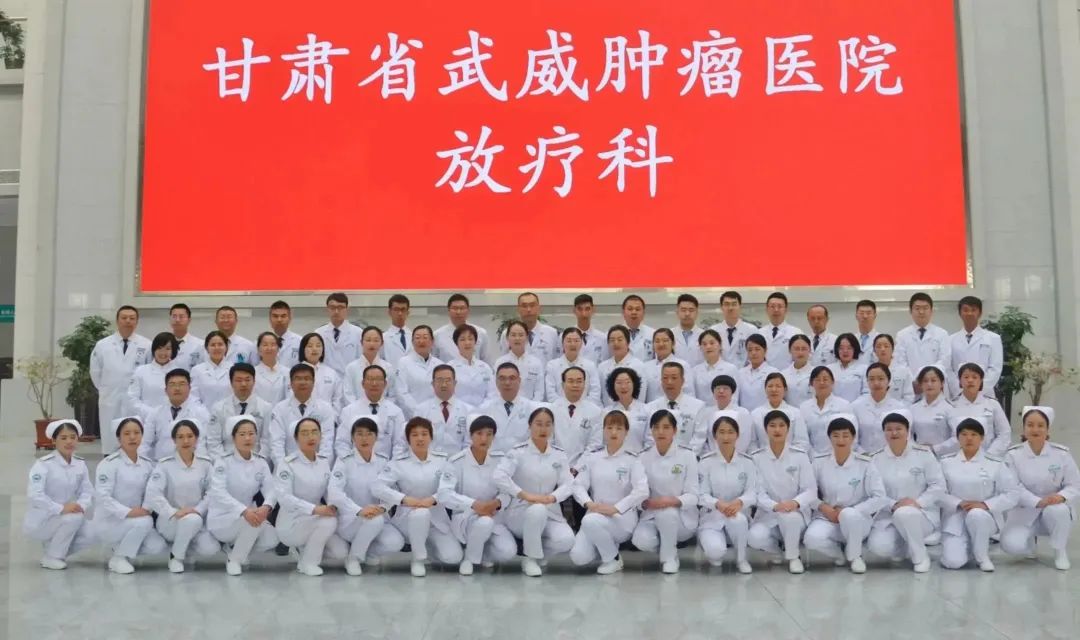
Department Introduction
Head and Neck Radiation Oncology Department (Radiotherapy Department V) is a specialized clinical, research, and teaching unit.
Primary Treated Conditions:
Meningioma, pituitary adenoma, acoustic neuroma, glioma, intracranial tumors, nasopharyngeal carcinoma, oral cancer, ocular tumors, laryngeal cancer, hard palate cancer, hypopharyngeal cancer, chordoma, and lymphomas in various body regions.
Conditions with Heavy Ion Therapy Advantages:
- Head and neck malignant melanoma
- Head and neck sarcomas
- Adenoid cystic carcinoma
- Recurrent head and neck cancers
- Skull base chordoma
- Chondrosarcoma
- Gliomas
Wuwei Academy of Medical and Science Cancer Hospital Heavy Ion Center has established China's leading heavy ion radiotherapy center with independent intellectual property rights. The center brings together renowned domestic and international radiation oncology experts to provide patients with condition assessments and remote consultations, helping them identify the most suitable treatment options nationwide.
Reviewed by: Li Xiaojun
Written by: Chai Hongyu