Nasopharyngeal Carcinoma Research Project Patients Reach 9-Year Follow-Up After Radiotherapy
Nasopharyngeal Carcinoma Research Project Patients Reach 9-Year Follow-Up After Radiotherapy
Since March 2022, our hospital's Head and Neck Tumor Radiotherapy Department (Radiotherapy Department V) has continued clinical research initiatives by admitting patients based on disease type. One such study, titled "Dosimetric Study and Efficacy Observation of Intensity-Modulated Radiotherapy for Nasopharyngeal Carcinoma," was initiated in 2015. This research retrospectively analyzed and compared the efficacy, 1-year, 2-year, and 3-year overall survival rates, progression-free survival rates, local control rates, and radiotherapy side effects of nasopharyngeal carcinoma patients treated with intensity-modulated radiotherapy (IMRT) versus conventional two-dimensional radiotherapy (2D-CRT) at our department between January 2011 and December 2014. Today, a patient enrolled in this study in 2014 who received IMRT returned for a follow-up examination, achieving a progression-free survival period of 9 years.
In 2014, patient Yang was diagnosed with poorly differentiated squamous cell carcinoma of the nasopharynx, clinical stage cT2N2M0 (Stage III). The patient underwent IMRT with PTV1 receiving 70Gy/33 fractions and PTV2 receiving 60Gy/30 fractions, along with concurrent TP chemotherapy, followed by regular follow-ups. Today, the patient returned to the Heavy Ion Center for a nasopharyngeal MRI, which showed no narrowing of the bilateral pharyngeal recesses and no significant thickening of the nasopharyngeal wall. The patient achieved complete remission with no long-term side effects such as skin or soft tissue fibrosis, dry mouth, radiation-induced caries, temporomandibular joint dysfunction, radiation-induced hearing loss, cranial nerve damage, or radiation-induced brain injury.
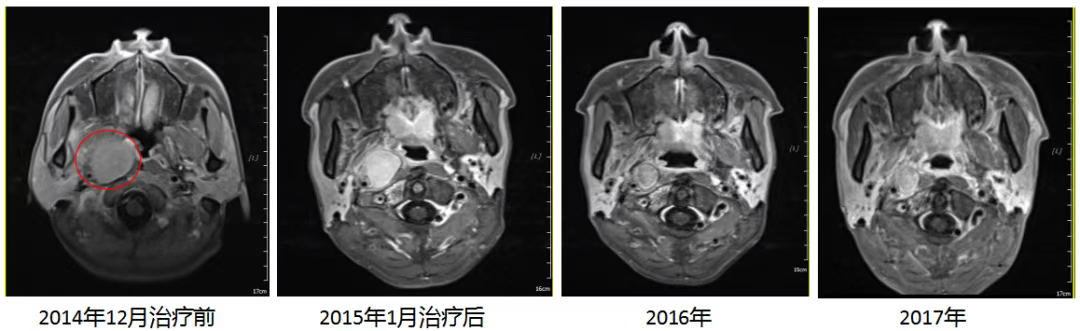
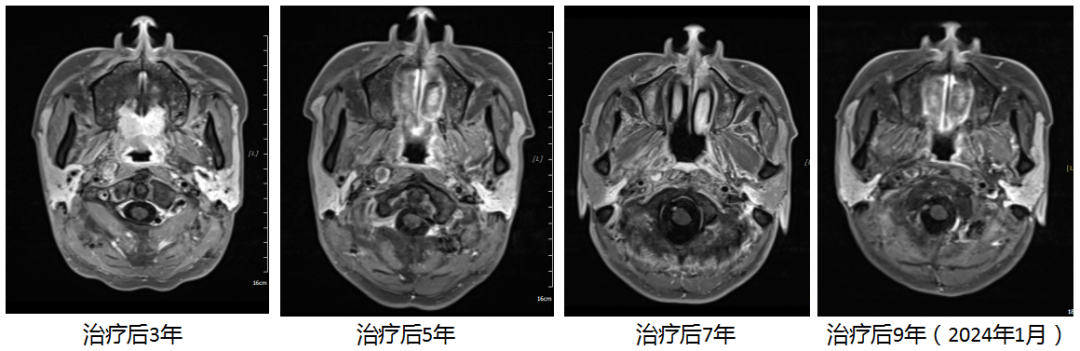
Efficacy Comparison Chart
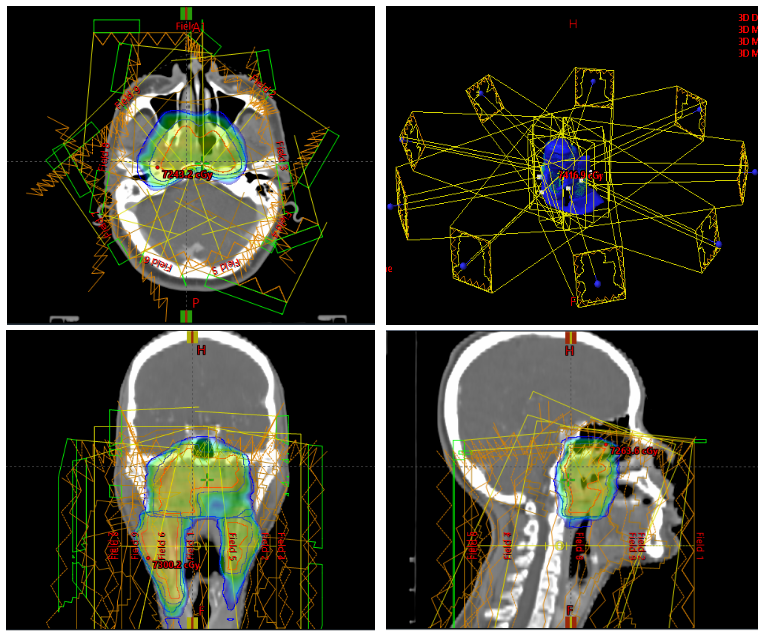
Dose Distribution Chart
Radiotherapy plays a primary role in nasopharyngeal carcinoma treatment. Due to the nasopharynx's critical functional location, surgical resection is often unfeasible, making radiotherapy the preferred clinical approach. Early- to mid-stage nasopharyngeal carcinoma patients can achieve long-term survival with chemoradiotherapy, with a 5-year survival rate of 90%–95.5%.
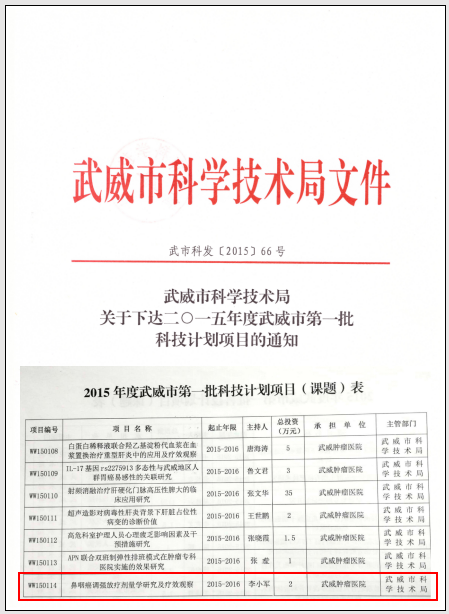
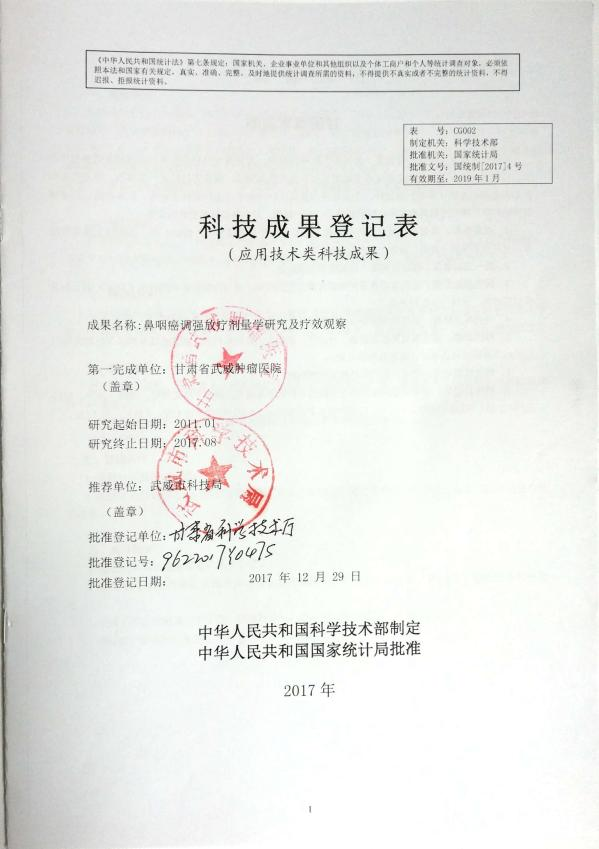
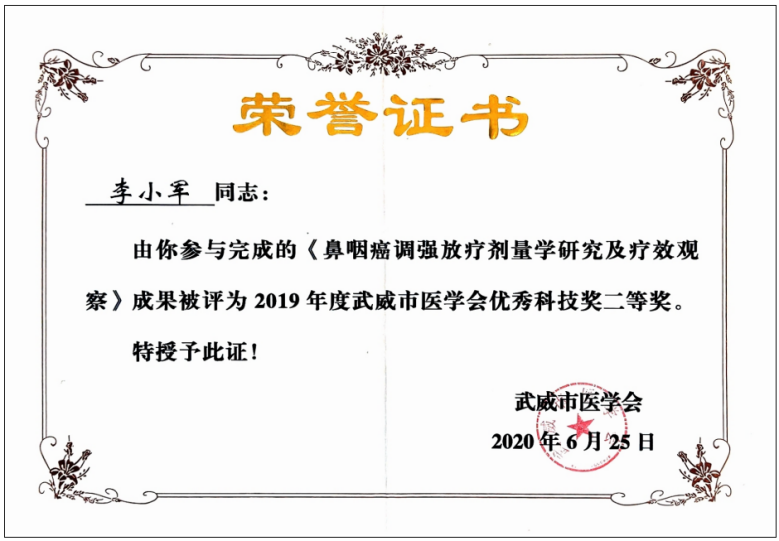
In 2015, Deputy Chief Physician Li Xiaojun of our department applied for and initiated the Wuwei City Science and Technology Bureau's first batch of 2015 science and technology projects, "Dosimetric Study and Efficacy Observation of Intensity-Modulated Radiotherapy for Nasopharyngeal Carcinoma." A three-year retrospective analysis demonstrated that the IMRT group had significantly higher local control and survival rates than the 2D-CRT group, along with lower incidences of skin reactions, acute dry mouth, oral mucosal reactions, neck fibrosis, and restricted mouth opening. IMRT provided better target coverage, with significantly superior conformity index (CI) and homogeneity index (HI) compared to 2D-CRT. Doses to critical structures such as the brainstem, pituitary gland, temporal lobe, temporomandibular joint, and parotid glands were significantly lower with IMRT. The study results were registered as a scientific achievement by the Gansu Provincial Department of Science and Technology in 2017 and awarded the second prize of the Wuwei Medical Association's Outstanding Science and Technology Award in 2019. Most patients in this clinical study achieved long-term survival, and the follow-up results of this case align with the study's findings.
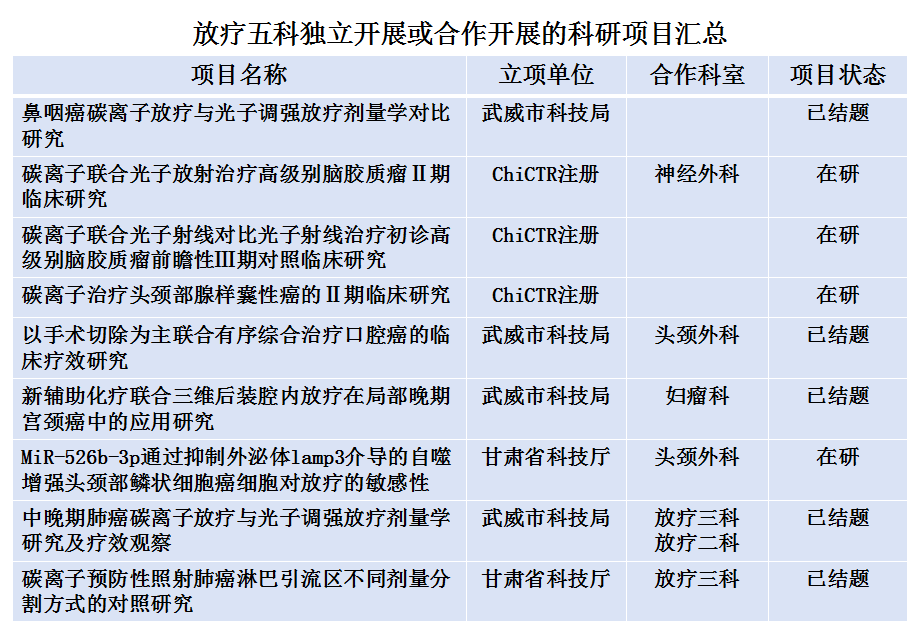
Scientific research is a breakthrough for enhancing comprehensive capabilities. Our department will continue to focus on our core responsibilities, strengthen talent development, stimulate innovation, and empower disciplinary advancement through research, contributing to the hospital's high-quality development with higher professional standards. We also look forward to closer collaboration with other departments to collectively improve.
| The Heavy Ion Center at Wuwei Academy of Medical and Science Cancer Hospital is the first clinical application center for China's heavy ion system. Since its official clinical launch in March 2020, it has operated successfully for three years. To date, 1,098 patients have been treated, achieving excellent therapeutic outcomes for challenging lesions in areas such as the head, pancreas, and lungs. Patients come from across China and even Europe. Building on three years of successful operation, the center has established the nation's first tumor rehabilitation village, featuring a comprehensive, whole-life-cycle health management system integrating tumor comprehensive treatment, dietary management, mental and physical health management, traditional Chinese medicine, rehabilitation therapy, biological immune cell therapy,Horticultural therapy, and cultural therapy. |
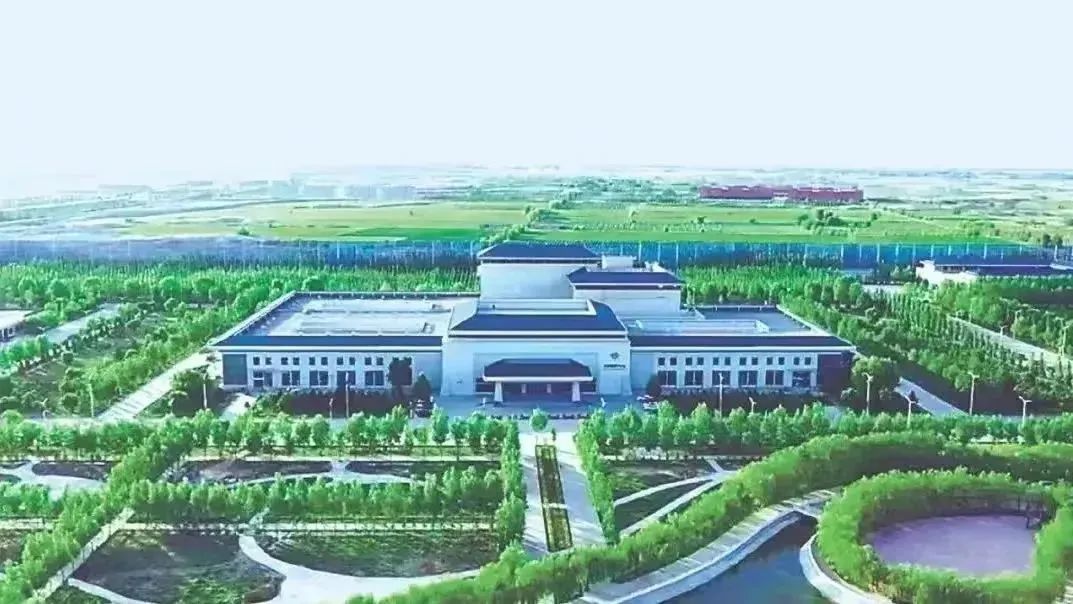
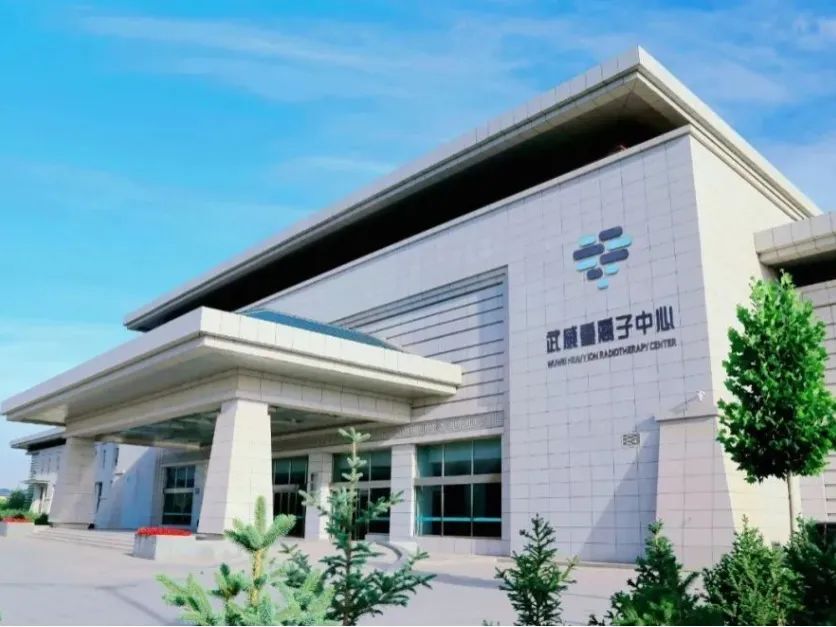

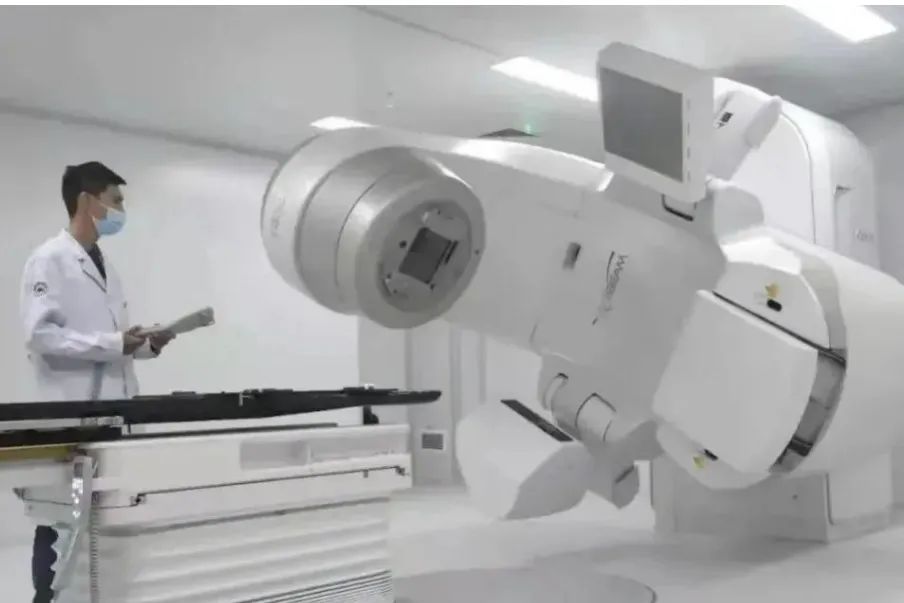
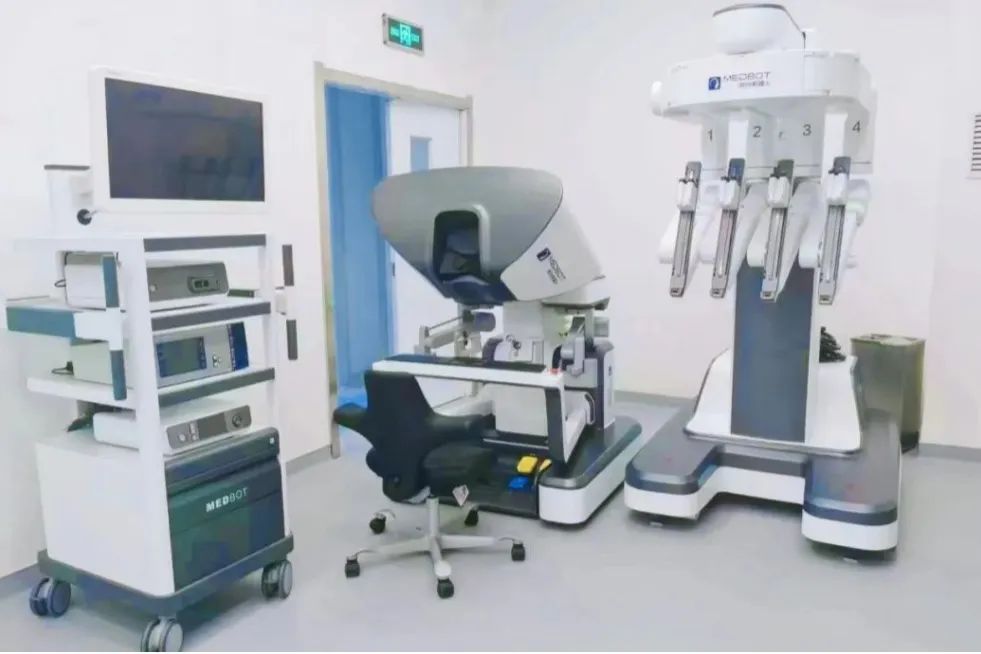

Introduction to Wuwei Heavy Ion Center
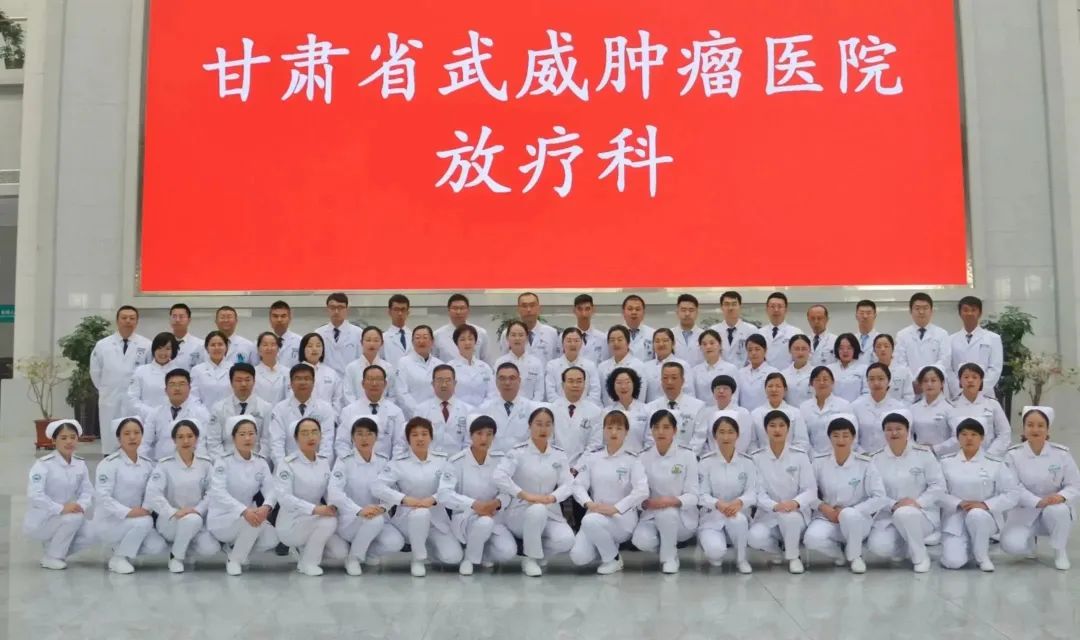
The Head and Neck Tumor Radiotherapy Department (Radiotherapy Department V) is a specialized ward integrating clinical practice, research, and education. Primary treated conditions include: meningioma, pituitary adenoma, acoustic neuroma, glioma, intracranial tumors, nasopharyngeal carcinoma, oral cancer, eye tumors, laryngeal cancer, hard palate cancer, hypopharyngeal cancer, chordoma, and lymphomas in various body regions.
Heavy Ion Advantageous Conditions:
- Head and neck malignant melanoma
- Head and neck sarcoma
- Adenoid cystic carcinoma
- Recurrent head and neck cancer
- Skull base chordoma
- Chondrosarcoma
- Glioma
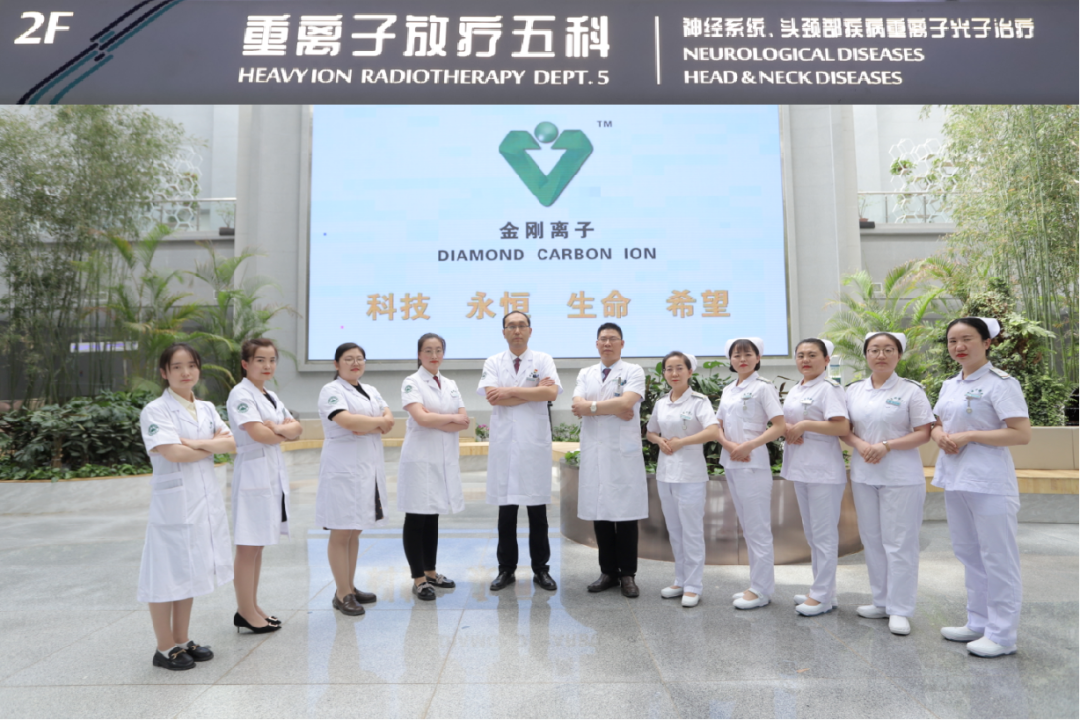
The Heavy Ion Center at Wuwei Academy of Medical and Science Cancer Hospital is committed to becoming a leading domestic center for heavy ion radiotherapy with independent intellectual property rights. The center collaborates with renowned radiotherapy experts worldwide to provide patient evaluations and remote consultations, helping patients find the most suitable treatment options nationwide.