Eliminating Worries with "Sacrococcygeal" Treatment, Renewed Life with "Heavy Ion" Therapy
Eliminating Worries with "Sacrococcygeal" Treatment, Renewed Life with "Heavy Ion" Therapy
——A Record of Heavy Ion Therapy for Sacrococcygeal Chordoma
Chai Hongyu
Attending Physician
Department of Radiotherapy I (Lanzhou Branch)
Gansu Wuwei Cancer Hospital - Lanzhou Branch (Lanzhou Heavy Ion Center)
Since the beginning of April 2024, Mr. Zhou, who is 44 years old, has been experiencing a mild pain in the lumbosacral lumbosacral area. Although the pain is not severe, this discomfort has still affected his daily life. At first, he thought it was just caused by work fatigue and that it would get better after taking a rest. However, as time went by, the pain did not subside as he had hoped. Instead, it evolved into a chronic condition.
Mr. Zhou is an optimistic person, and he did not immediately associate this discomfort with a serious illness. He could still walk freely, there was no numbness in his limbs, and his functions of defecation and urination were all normal, without the embarrassment of incontinence. All these seemed to tell him that this was just a minor physical condition and there was no need to make a fuss.
However, as time passed, the pain not only did not decrease but gradually increased. He gradually developed obstructive defecation, the pain in the sacrococcygeal region intensified, he was unable to sit or lie down normally. Even lying flat became a luxury, and he could only sleep on his side every day. Sometimes he would even wake up in pain at night due to turning over. Realizing the seriousness of the problem, Mr. Zhou did not dare to delay any longer. Therefore, on April 22, 2024, Mr. Zhou and his family went to a well-known hospital in Beijing for medical treatment. The doctor arranged a detailed examination for him. When the examination results came out, Mr. Zhou and his family were stunned. There was obvious destruction of the sacrum below the third sacral vertebra, and an heterogeneously shaped mass was clearly visible, with approximate dimensions of 12.5 cm × 8.9 cm × 8.1 cm. Moreover, the boundary between the lesion and the posterior soft tissue was blurred, just like a lurking giant beast quietly lying in his body. The doctor told them that based on the preliminary imaging diagnosis, chordoma was considered. This is a relatively rare tumor, but if not treated in a timely manner, it may lead to serious consequences. The doctor recommended immediate surgical treatment. However, faced with the risks and uncertainties of the surgery, Mr. Zhou and his family hesitated and finally refused the operation.
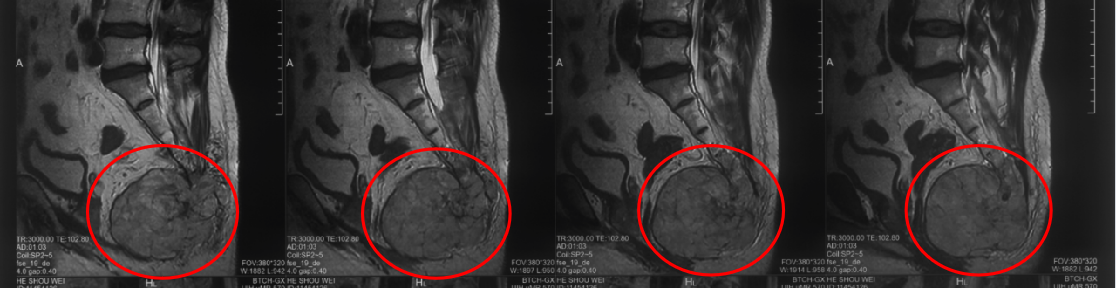
Figure 1: Pelvic MRI before treatment. The size of the tumor is approximately 12.5 cm × 8.9 cm × 8.1 cm.
Subsequently, Mr. Zhou consulted a large amount of information and learned about carbon ion radiotherapy. This radiotherapy technology, characterized by its high precision and low side effects, is known as the new hope for tumor treatment in the 21st century. Subsequently, in May 2024, he came to the Heavy Ion Center of Gansu Wuwei Cancer Hospital full of hope.
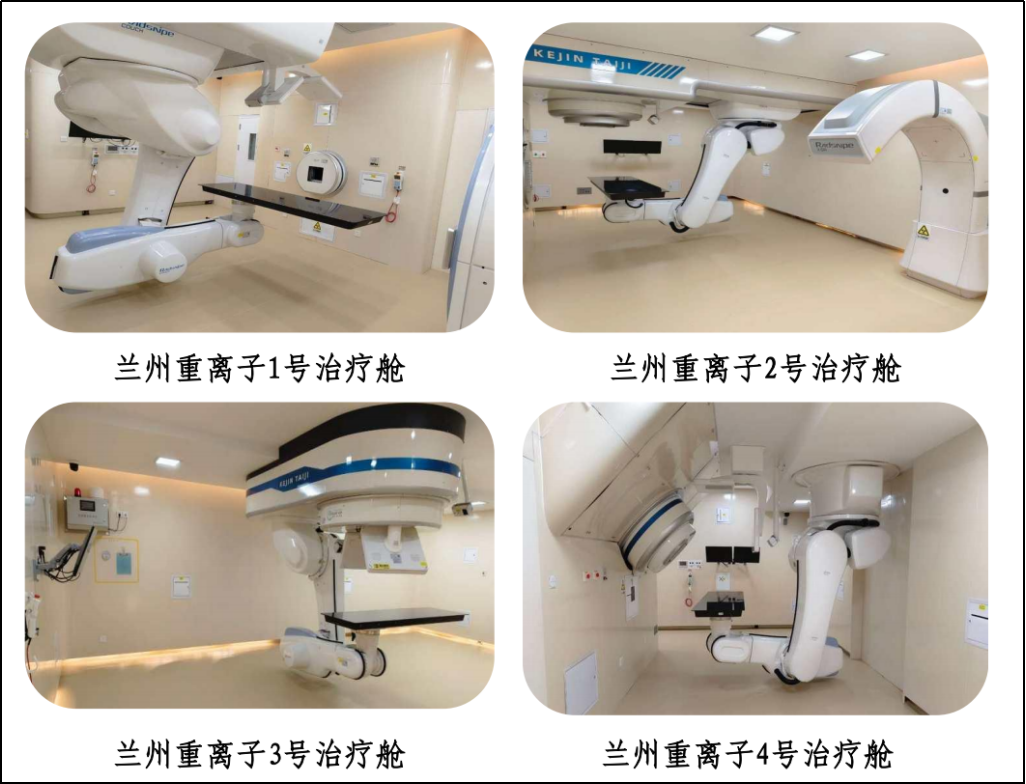
Figure 2: The heavy ion treatment chamber in Lanzhou.
Director Li Xiaojun of the Heavy Ion Therapy Group of the team led by Dean Wang Junjie received this patient. After reviewing Mr. Zhou's medical records, tsacrococcygeal chordomaill-defined marginsfollow-up evaluationfollow-up evaluationfollow-up evaluationhe medical team identified the lesion at the sacrococcygeal region was not only large, but also had very unclear boundaries with the surrounding normal tissues, and the rectum was severely compressed. Relying on years of clinical experience and exquisite heavy ion therapy techniques, Director Li formulated an individualized heavy ion therapy plan for the patient. Since the boundaries between the tumor and the soft tissues at the back as well as the rectum at the front were both unclear, a three-course treatment plan was designed for him. The first course of the plan was to treat the tumor and the subclinical area; the second course of the plan targeted the tumor area while excluding the part of the lesion close to the rectum (to protect the rectum); the third course of the plan focused on the part of the lesion that was excluded in the second course and close to the rectum. During the operation, the rectum and the lesion were separated to a safe distance with a gauze pad, and intraoperative radiotherapy was carried out. Through these three courses of the plan, the target area cleverly avoided the rectum, which not only maximally protected the rectum, but also delivered a radical dose to the lesion.
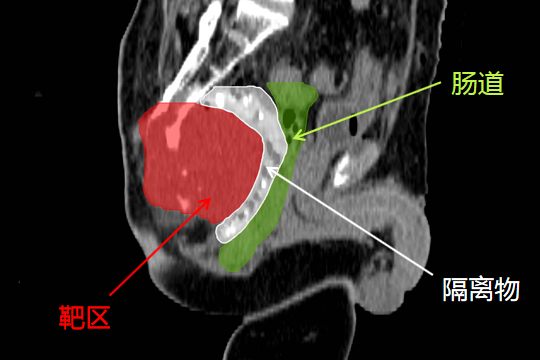
Figure 3: The white part in the figure is the gauze pad, which fully separates the rectum from the lesion.
After several treatments, the patient visited the specialist outpatient clinic of Dean Wang Junjie for a reexamination. The results showed that the sacrococcygeal tumor of Mr. Zhou had shrunk, and the situation of bone destruction had also been effectively controlled. The reexamination six months after the treatment indicated that the sacrococcygeal lesion had shrunk by more than about 90%. This piece of good news, like a ray of warm sunlight, penetrated the haze that had long shrouded his heart. Now Mr. Zhou no longer suffers from difficulties in defecation and pain in the sacrococcygeal region. He called Dean Wang Junjie and Director Li Xiaojun and said happily, "Dean Wang and Director Li, I really appreciate you and your team very much. I can finally lie down and sleep freely!" Mr. Zhou also returned to his work position and started a brand-new life of his own.
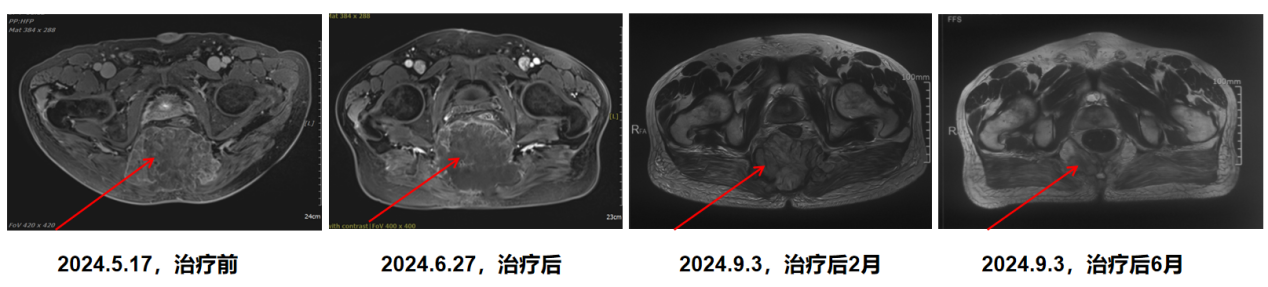
Figure 4: The comparison chart of the therapeutic effect. Six months after the treatment, the sacrococcygeal lesion has shrunk by more than about 90%.
Chordoma is a malignant mesenchymal tumor originating from the residual chordal tissues and is the most common primary malignant tumor of the spine. Although the incidence of sacrococcygeal chordoma is not high, most tumors are asymptomatic in the initial stage. By the time symptoms appear, the tumors are already relatively large and are closely related to the surrounding nerves. Surgery used to be the preferred option. However, when the tumors are large, surgery often affects the functions of the limbs and the defecation and urination. At this time, some patients will choose CyberKnife, proton therapy, TOMO (Tomotherapy) and other stereotactic radiotherapy methods. These radiotherapy methods are all effective, but none of them can achieve a radical cure.
Heavy ion therapy for sacrococcygeal chordoma is a new type of highly effective non-invasive treatment method that preserves the functions of the limbs and nerves. For patients with unclear boundaries between the tumor and the normal tissues, our hospital combines heavy ion therapy with surgery. During the operation, the rectum and the lesion are separated to a safe distance with a gauze pad, and intraoperative radiotherapy is carried out, which perfectly solves the problem that sacrococcygeal chordoma cannot be radically cured due to the presence of the intestinal tract. In the future, we will adopt this new type of highly effective treatment method for these patients with refractory chordoma to improve the therapeutic effect and bring benefits to the patients!
Professor Junjie Wang's Clinical Research Team
Lanzhou Heavy Ion Center
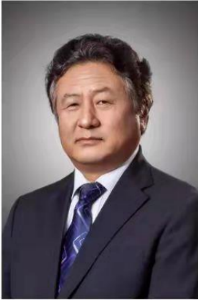
Wang Junjie
Chief Physician, Professor
Currently serves as Director of the Department of Radiation Oncology at Peking University Third Hospital, Doctoral Supervisor, Director of the Brachytherapy Center at Peking University Health Science Center, and Deputy Director of the Department of Radiation Oncology at Peking University.
Chairman of the 10th Committee of the Society of Radiation Oncology, Chinese Medical Association.
Inaugural Chairman of the Brachytherapy and Intelligent Radiotherapy Society of the Chinese Nuclear Society.
Vice Chairman of the Minimally Invasive Therapy Committee of the Chinese Anti-Cancer Association.
Chairman of the Radioactive Particle Ablation Technology Committee of the National Strategic Alliance for Technological Innovation in Tumor Minimally Invasive Therapy Industry.
Associate Editor-in-Chief of the Chinese Journal of Radiological Medicine and Protection.
Editorial Board Member of the American journal Brachytherapy.
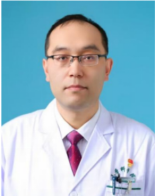
Li Xiaojun
Chief Physician, Vice President
Currently serving as Assistant Dean of Gansu Province Wuwei Cancer Hospital and Vice President of Lanzhou Proton and Heavy Ion Hospital.
Gansu Province Longyuan Youth Talent, Gansu Province Health Industry Outstanding Youth Talent.
Heir of Traditional Chinese Medicine (TCM) at Gansu Provincial Health Commission.
Visited the RPTC Proton Center in Munich, Germany; studied at the Shanghai Proton and Heavy Ion Hospital, Beijing Cancer Hospital, Sichuan Cancer Hospital, and the Varian Training Center in the USA.
Specializes in radiation therapy for tumors of the central nervous system, head and neck, chest, abdominal and pelvic regions, and extremities.
Awarded the Second Prize of Gansu Provincial Science and Technology Progress and multiple science and technology progress awards in Wuwei.
Led and participated in over 10 provincial and municipal research projects, including major provincial science and technology special projects and key talent programs of the Provincial Party Committee Organization Department.
Published 7 SCI papers as the first/corresponding author and over 30 papers in domestic core journals; holds 10+ invention and utility model patents for radiation therapy.
Clinic Schedule: Monday to Friday, 5th Floor of the Inpatient Department, Lanzhou Campus.
t