The Story of an Esophageal Cancer Patient
The Story of an Esophageal Cancer Patient
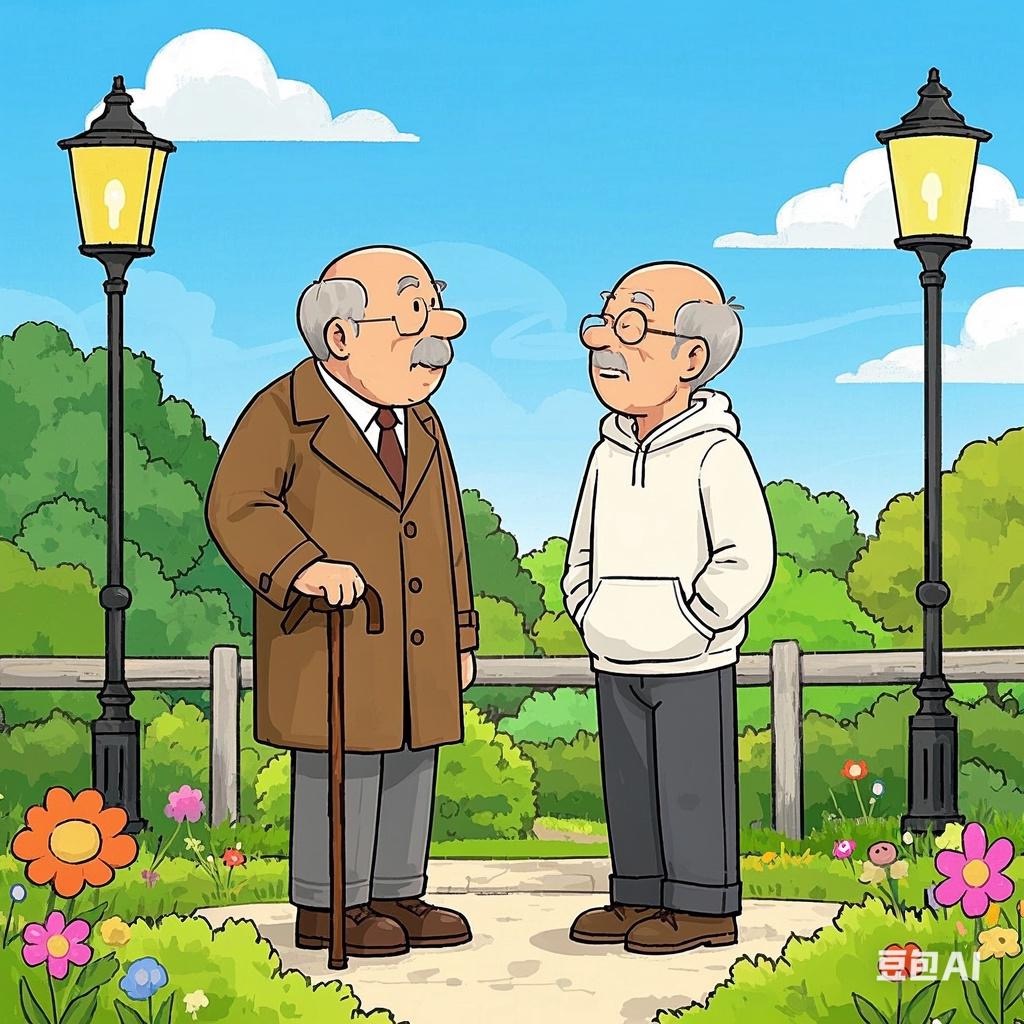
On another sunny afternoon, uncle Li went out for his usual park exercise. Summer blossomed in the park, with vibrant flowers lining the paths and willow trees casting shade along the riverbank. As he approached the western pavilion, he spotted uncle Zhang walking slowly toward him, looking unusually pale. “Mr.Zhang, you’ve lost weight in just half a month!” uncle Li asked with concern. “I’ve lost my appetite lately. Every time I eat something rough, it hurts, so I just stop eating,” uncle Zhang replied with a weary expression. uncle Li urged him, “Go to the hospital for a checkup! We’re getting older, and illnesses don’t wait. Don’t delay!” uncle Zhang hesitated, “But where should I go? What tests do I need?” uncle Li suggested, “Go to the Wuwei Heavy Ion Center’s Radiation Oncology Department II and see Director Chen Dongji. Our relatives have visited him—he studied in Germany and Beijing, has excellent skills, and his team is caring. Just ask for his number!” uncle Zhang still worried, “Isn’t the Heavy Ion Hospital too far?” uncle Li reassured him, “Not at all! Their equipment is advanced and accurate, saving time and catching illnesses early. Plus, there’s a free shuttle bus from the main hospital to the Heavy Ion Center!” “Alright, I’ll ask my son to take me tomorrow,” uncle Zhang decided.
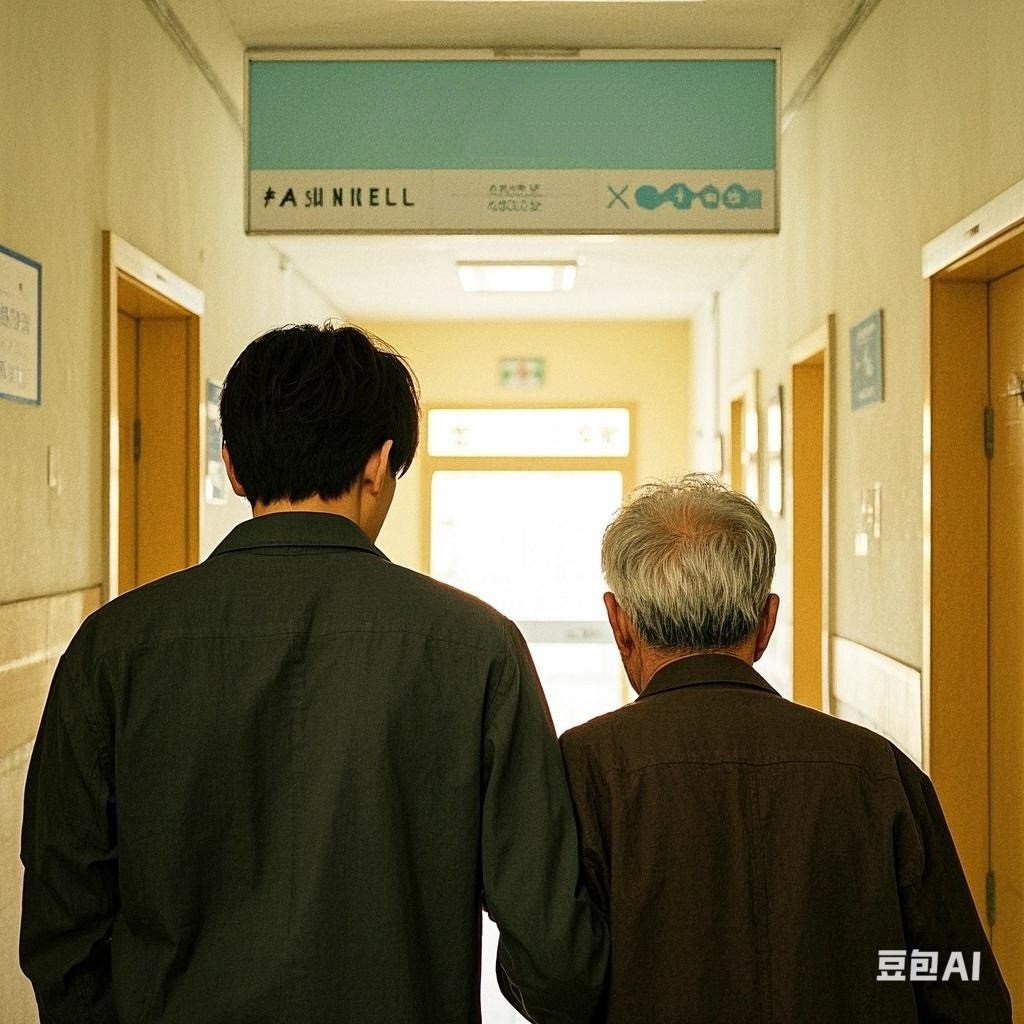
The next day, uncle Zhang and his son Zhang Youzhi took the 20-minute free shuttle to the Heavy Ion Center. They found Director Chen Dongji in Room 202 of Building 4. The kind-faced director listened patiently as uncle Zhang described his symptoms: difficulty swallowing solid food for over a month, reduced appetite, and a 3-kilogram weight loss. During a intermission, Director Chen quietly told Zhang Youzhi, "Your father might have esophageal abnormalitites. We’ll need an endoscopy. Cancer is possible, given local prevalence." Though shocked, Zhang Youzhi agreed to proceed with hospitalization.
Day 3
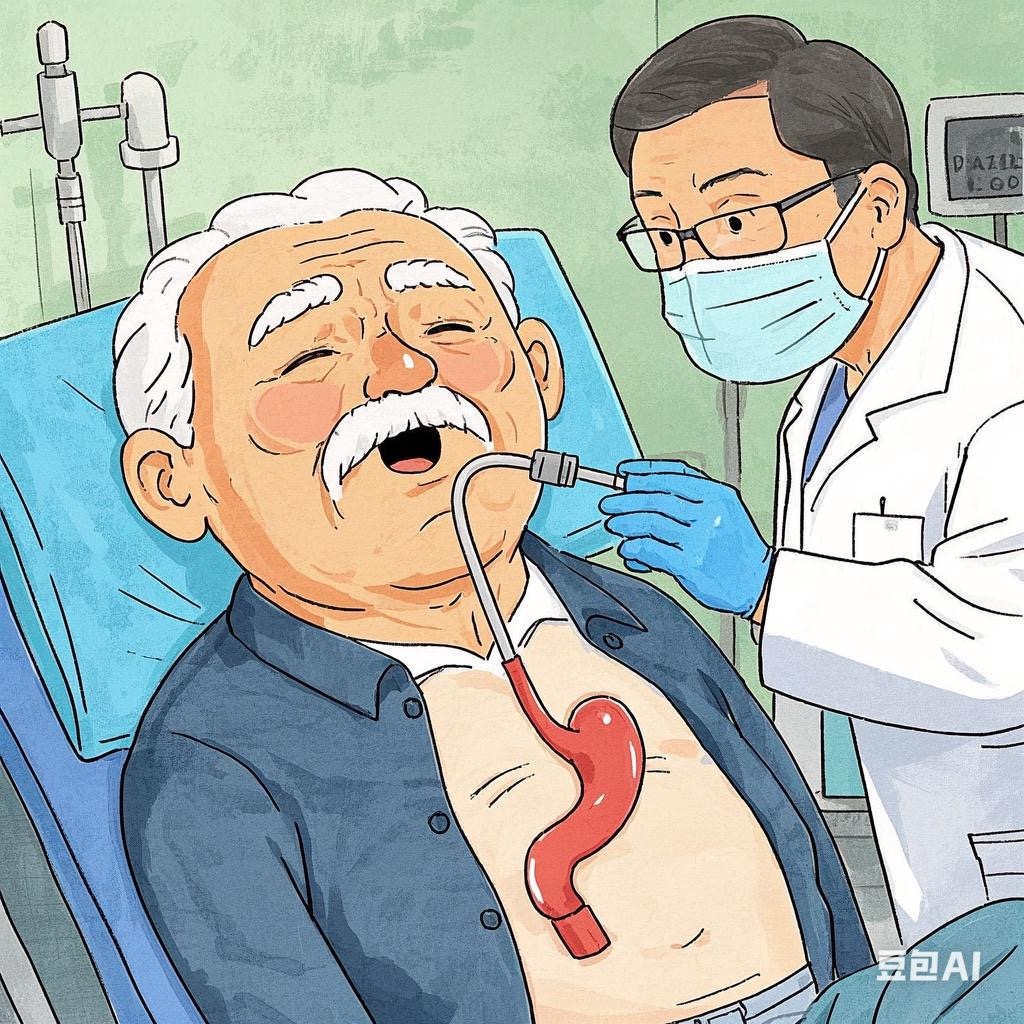
Accompanied by his son Zhang Youzhi, uncle Zhang underwent a gastroscopy. Upon entering the endoscopy room, he appeared nervous. The nurses and doctors reassured him, saying, “You’ll be asleep in no time.” Twenty minutes later, uncle Zhang awoke and hurriedly asked the nurse, “Wait, I fell asleep? Please hurry up and do the gastroscopy!” The nurse smiled and explained, “Mr. Zhang, the procedure is already done. You can return to your ward to rest.” Confused, he replied, “Done? I didn’t feel a thing!” The nurse clarified, “This is a painless gastroscopy. We ensured you wouldn’t feel any discomfort.” Zhang Youzhi then escorted his father back to the ward. A nurse instructed him to visit Director Chen’s office. There, Director Chen, with a solemn expression, informed Zhang Youzhi that preliminary discussions with the gastroscopy team suggested esophageal cancer in the upper third of the esophagus. Though biopsy results were pending, the diagnosis was likely confirmed. Further tests would determine if the cancer had metastasized before finalizing a treatment plan. Overwhelmed, Zhang Youzhi struggled to accept the news. Director Chen detailed the local incidence, symptoms, diagnostic criteria, and potential therapies for esophageal cancer. Zhang Youzhi immediately called his elder brother Zhang Youwei in Shenzhen. After discussing the situation, the brothers agreed to follow the doctors’ advice, and Zhang Youwei rushed back home.
Day 4
Director Chen and his team developed a comprehensive diagnostic plan. By Days 5 and 6, results from chest CT, abdominal MRI, neck ultrasound, and the gastroscopy biopsy confirmed a diagnosis of squamous cell carcinoma of the upper esophagus, with lymph node metastasis but no distant spread. The cancer was classified as mid-to-late stage. The hospital convened a multidisciplinary team (MDT) including thoracic surgeons, radiation oncologists, gastroenterologists, pathologists, radiologists, and anesthesiologists. They unanimously recommended concurrent chemoradiotherapy, with two options: Heavy ion therapy combined with photon therapy (superior tumor control, minimal side effects, but costly); Photon intensity-modulated radiotherapy (IMRT) (widely accessible, effective but with moderate side effects).
Director Chen explained these options to Zhang Youzhi and daughter-in-law. Heavy ion therapy, a cutting-edge technique, offered stronger tumor eradication with fewer adverse effects but carried financial burdens. Photon therapy, while effective, posed slightly higher side-effect risks, though most patients tolerate it well.
Day 7
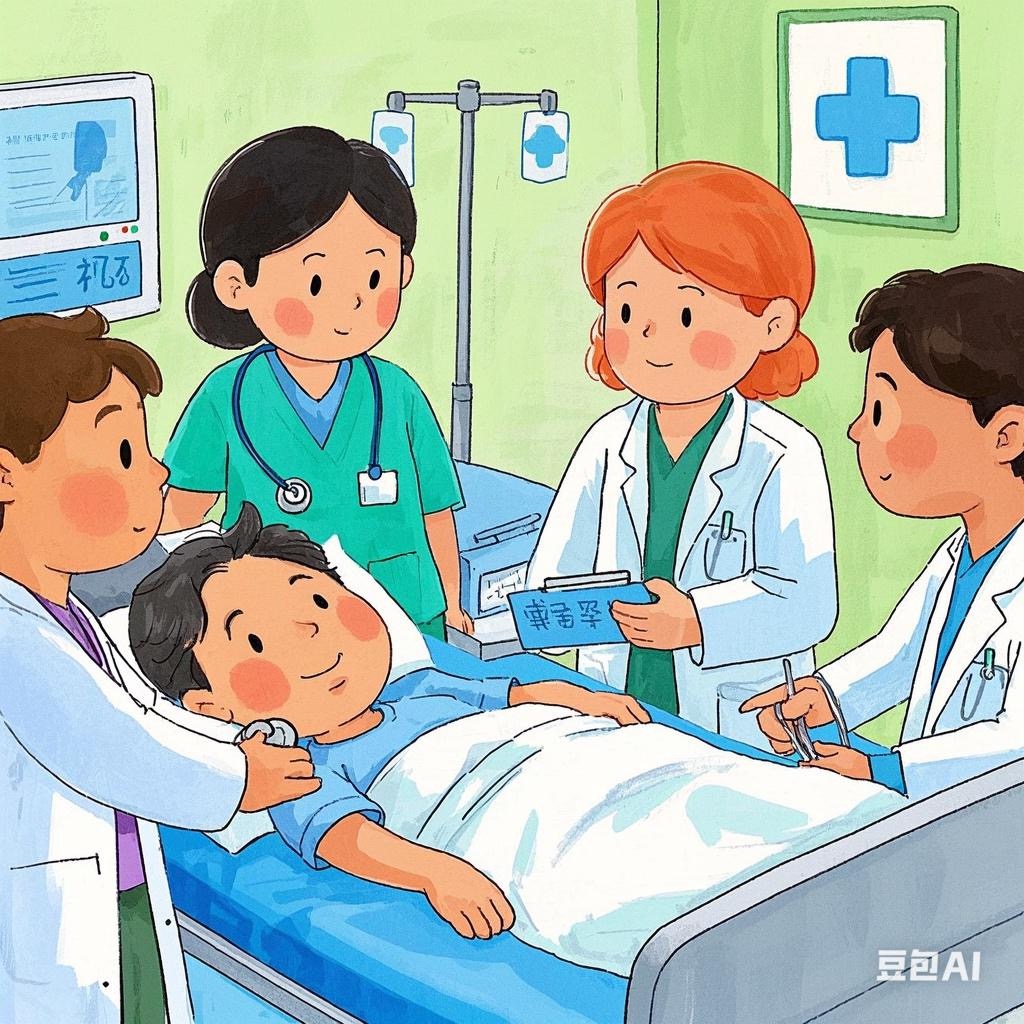
The family chose heavy ion combined with photon therapy, supplemented by chemotherapy. Pre-treatment procedures—CT positioning, target delineation, and treatment planning—proceeded smoothly. Throughout, Zhang Youzhi experienced the meticulous care, patience, and compassion of every medical professional involved.
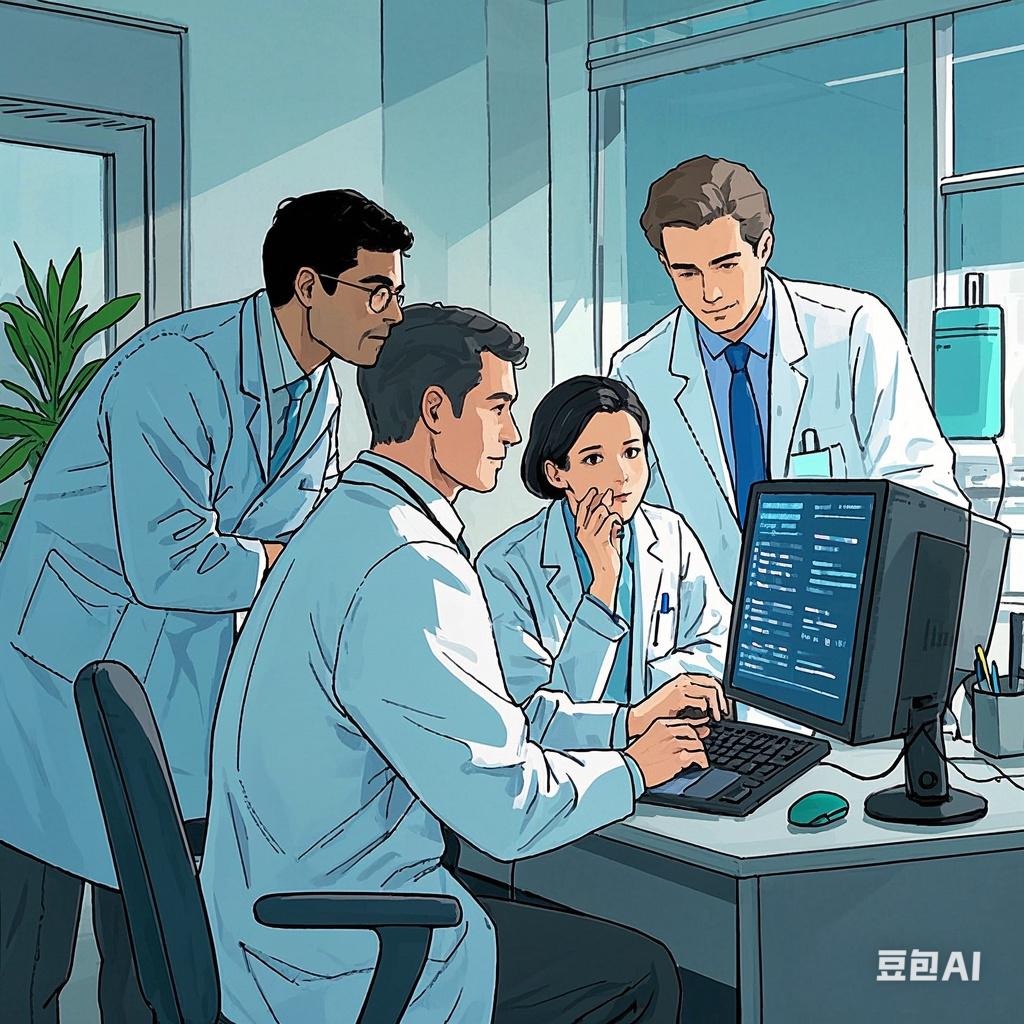
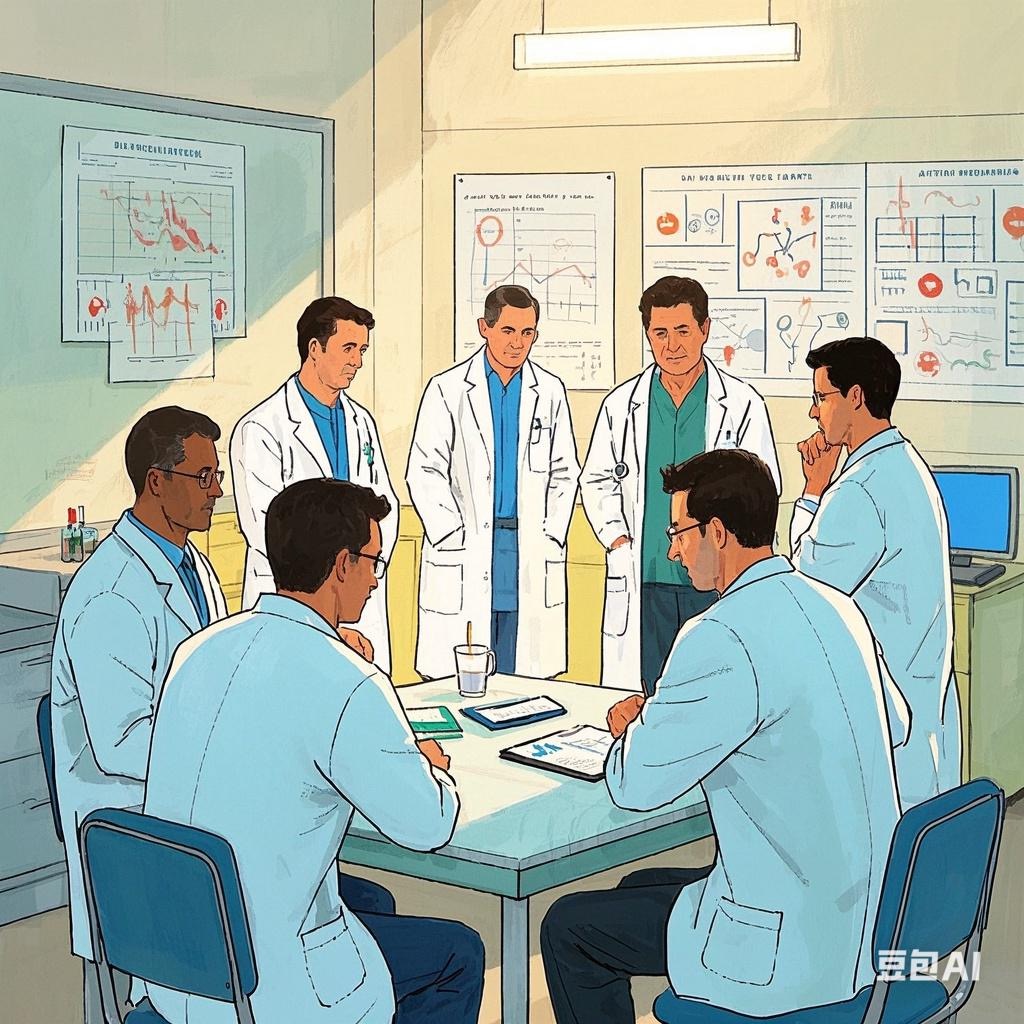
On Tuesday, the heavy ion multidisciplinary team (MDT) meeting was convened. Experts from various disciplines analyzed the treatment plan, chemotherapy dosage, potential complications, strategies for early prevention, post-treatment monitoring and adjustments, as well as pre- and post-treatment nutritional support, psychological rehabilitation, and complementary traditional Chinese medicine (TCM) therapies. These comprehensive plans established a clear roadmap for uncle Zhang ’s entire treatment journey.
In the following days, uncle Zhang underwent precise intensity-modulated photon radiotherapy (IMRT) as per the MDT plan. Beyond Director Chen and his team, nutritionists and rehabilitation specialists frequently visited his ward, offering meticulous care, regular check-ins, and TCM diagnostics (e.g., pulse reading and tongue examination). Laughter gradually filled the room, and uncle Zhang ’s appetite improved significantly—from congee and steamed buns to stir-fried dishes and noodles. Though mild nausea arose during chemotherapy, it was swiftly managed.
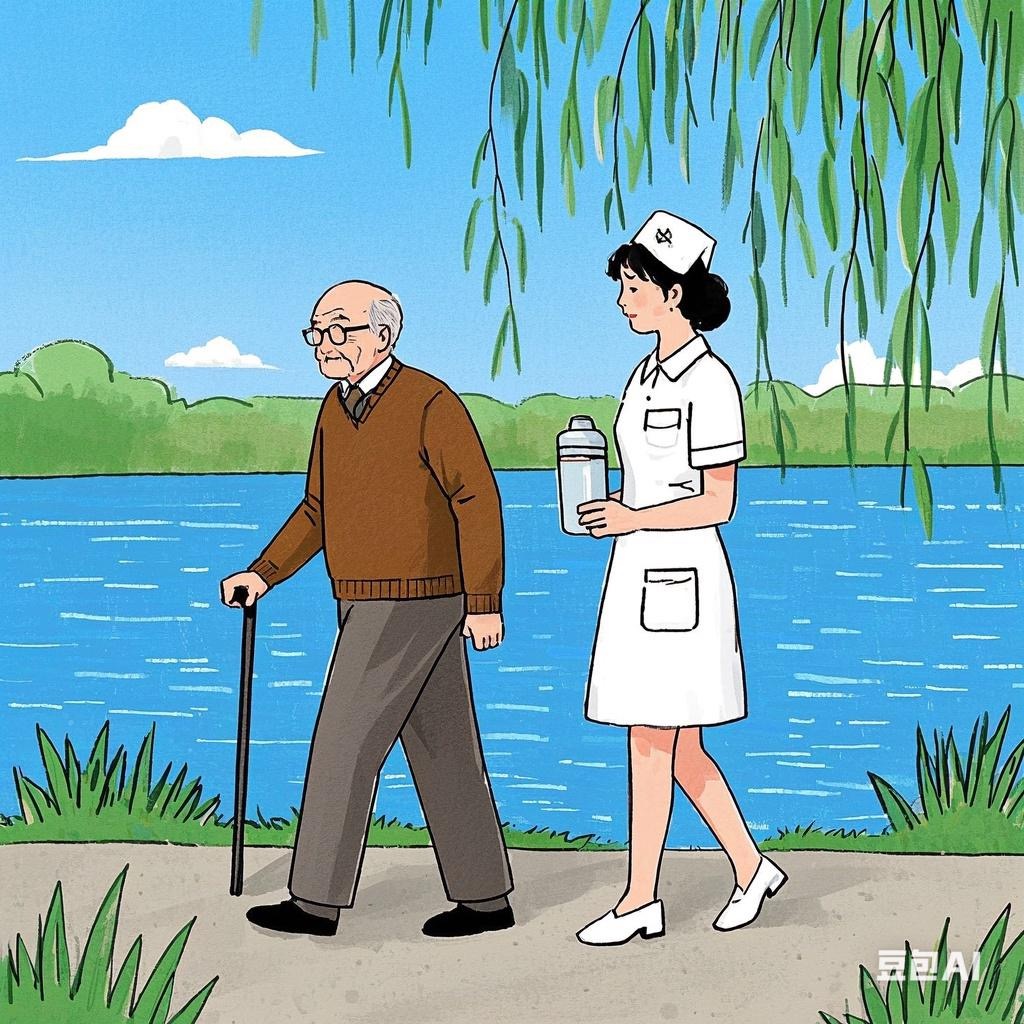
After completing the photon therapy, a follow-up ultrasound endoscopy revealed remarkable recovery. This paved the way for a week of heavy ion therapy, during which Head Nurse Ji Zhiquan coordinated daily accompaniment to the treatment hall. Post-sessions, uncle Zhang strolled around the hospital lake with his son and chatted with staff in the heavy ion garden about their vegetable cultivation—a symbol of his revitalized spirit.
Upon completing treatment, uncle Zhang regained his weight. When Director Chen and his team reviewed the final results—normal findings across endoscopy, chest CT, esophageal imaging, and abdominal ultrasound—they shared relieved smiles. The esophageal lesion had nearly vanished.
Tears of joy streamed down the family’s faces as they expressed heartfelt thanks to the Radiation Oncology Department II and the entire multidisciplinary team for their advanced expertise, compassionate care, and collaborative efforts. "We’ll follow every doctor’s advice," they pledged, now assured of uncle Zhang’s bright prognosis and their ability to return to work with peace of mind.
Department Profile
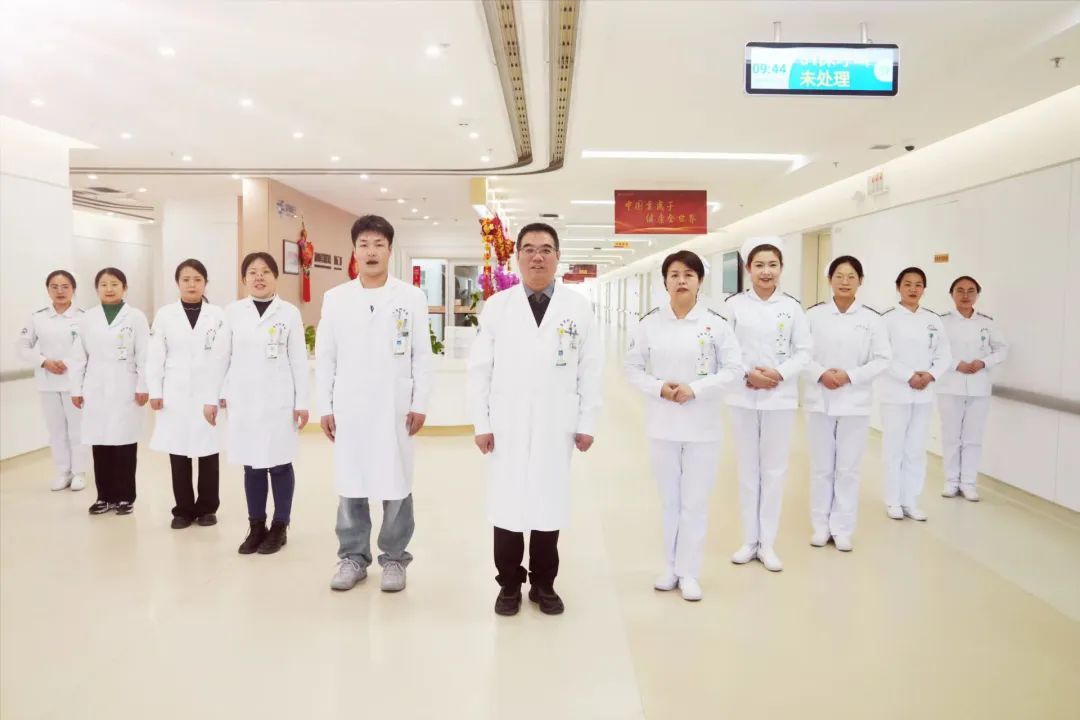
The Radiation Oncology Department II (Esophageal and Bone & Soft Tissue Tumors) specializes in treating cancers of the lung, esophagus, thymus, breast, bone, and soft tissues using heavy ion and photon therapies. Led by Dr. Chen Dongji (Chief Physician, Vice President of Gansu Heavy Ion Hospital), the department boasts 16 specialists, including visiting professors from Beijing 301 Hospital and Gansu Cancer Hospital. With expertise in cutting-edge techniques like stereotactic radiosurgery (SRS/SBRT), intensity-modulated radiotherapy (IMRT), and image-guided radiotherapy (IGRT), the team has earned provincial and municipal awards for clinical excellence.
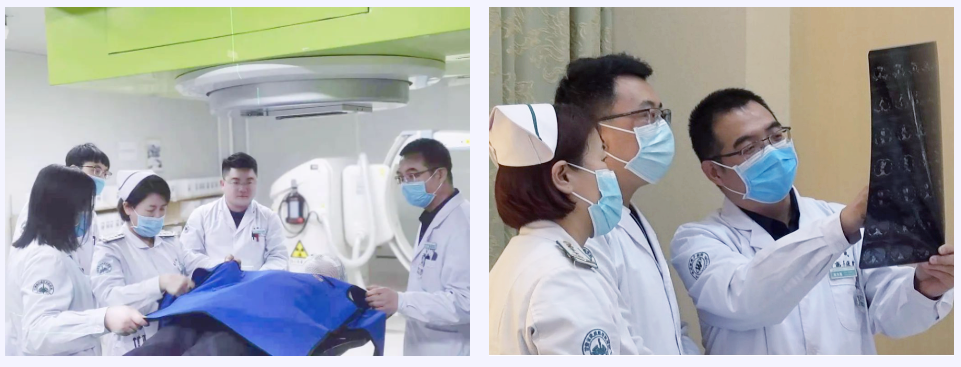
Contact Us: Department of Radiation Oncology II, Gansu Wuwei Cancer Hospital Heavy Ion Center
Address: Radiation Oncology Department II, 2nd Floor, Building 4, Gansu Wuwei Academy of Medical Sciences