Precision Treatment Achieves superior outcomes for Patients: The Story of Heavy Ion Therapy for Lung
Primary bronchogenic carcinoma, abbreviated as lung cancer, is one of the malignant tumors with a relatively high incidence and mortality rate in China and various countries around the world. In 2022, among all newly diagnosed cases of malignant tumors in China, lung cancer ranked first, accounting for 18.06%. The number of deaths due to lung cancer accounted for 23.9% of the total number of deaths from malignant tumors in China, also ranking first. In China, the incidence rate of lung cancer is 35.13 per 100,000 individuals, and the mortality rate is 28.57 per 100,000 population, ranking first among all cancers.
The treatment of lung cancer is often treated using comprehensive methods. In the early-stage lung cancer, surgery is the main treatment approach. However, due to the lack of awareness of regular physical examinations, many patients are already in the advanced stage at the time of diagnosis and are not suitable for surgery. As a new radiotherapy method, heavy ion radiotherapy has better therapeutic efficacy and fewer adverse reactions compared with photon radiotherapy. Compared with X-rays, heavy ions can cause DNA damage that is more difficult to repair, have a stronger killing effect on lung cancer cells, and exert unique effects on tumor immunity. In addition, carbon ions have demonstrate clear advantages over X-rays in preventing angiogenesis and tumor metastasis.
Case 1 - The Patient Gao Dabo's Anti-cancer Journey
The patient, Gao Dabo, is 64 years old and from Xinshi District, Urumqi City, Xinjiang. In June 2019, Gao Dabo and his wife were on a trip in Hangzhou. During the trip, he developed a cough and sputum production after catching a cold. A chest CT scan in a local hospital in Zhejiang Province showed a nodule in the upper lobe of the right lung (33×36mm), invasion of the bronchus in the anterior segment of the upper lobe of the right lung, and compression of the superior vena cava. Gao Dabo then returned to Xinjiang. Bronchoscopy and pathological examination in a local hospital showed that it was (right lung) adenocarcinoma. The lung cancer gene test was negative; the PD-L1 TPS was approximately 20%.
Since July 2019, he underwent 4 cycles of chemotherapy with the "pemetrexed + nedaplatin" regimen. Post-treatment imaging revealed no significant tumor regression. In July 2020, a follow-up PET/CT scan demonstrated a hypermetabolic soft-tissue mass in the right upper lung lobe (44×37 mm, SUVmax 20.4), consistent with primary lung malignancy. Concurrent nodular pleural thickening with moderate hypermetabolism (SUVmax 6.2), was indicative of metastatic involvement.
Considering tumor progression in combination with the medical history, he underwent three cycles of immunotherapy with "camrelizumab" combined with chemotherapy. After the treatment, the patient's tumor shrank compared to pre-treatment measurements, and the assessed as a partial response (PR). Although the pulmonary lesion shrank after the previous chemotherapy and immunotherapy, Gao Dabo developed severe nausea and vomiting and was unable to eat for nearly 10 days. Due to intolerable toxicity, the old couple had to give up chemotherapy and continued with immunotherapy alone for four cycles.
In April 2021, during a routine follow-up imaging, Gao Dabo was identified a space-occupying lesion in the right parietal lobe and brain metastasis was radiologically confirmed based on disease progression patterns. Gao Dabo, who could not tolerate chemotherapy previously, suddenly lost his confidence in continuing to fight against the tumor. Frustration and disappointment mercilessly enveloped their family.
Just then, Gao Dabo reconnected by chance with an old comrade-in-arms in Wuwei. The comrade-in-arms told him that there was a heavy ion therapy center in Wuwei, which was home to China's first heavy ion accelerator with domestically developed. It has achieved good therapeutic effects in the treatment of diseases such as lung cancer, soft tissue tumors, liver cancer, and pancreatic cancer. Gao Dabo came to Wuwei with a trial mindset.
Gao Dabo consulted Director Chen Dongji of the Department of Heavy Ion and Photon Therapy for Chest, Bone and Soft Tissue Diseases (the Second Radiotherapy Department) of the Wuwei Heavy Ion Center. After in-department discussion and multidisciplinary consultation, referring to the latest diagnosis and treatment guidelines, a rigorous and scientific treatment plan was formulated for the patient. The final diagnosis was: malignant tumor of the upper lobe of the right lung (adenocarcinoma, metastasis of the brain, secondary malignant tumor of the pleura, cT4N0M1c, stage ⅣB).

Gao Dabo received carbon ion radiotherapy for brain metastases at the Wuwei Heavy Ion Center up to PTV DT70Gy(RBE)/10Fx, carbon ion radiotherapy for right lung cancer up to PTV DT48Gy(RBE)/12Fx, a boost of PTV-g to DT24Gy(RBE)/3Fx, and PTVpleura for pleural metastases to DT66Gy(RBE)/15Fx. Gao Dabo hardly had any obvious adverse reactions or discomfort during and after radiotherapy. After discharge, he received immunotherapy with "tislelizumab" for maintenance.
On February 1, 2023, Gao Dabo's cranial MRI examination in a local hospital suggested recurrence of the tumor in the right parietal lobe. At that time, he was so frightened that he collapsed on the ground and felt an unprecedented fear. Gao Dabo's wife got in touch with Director Chen Dongji again. Director Chen said, "Don't worry. Come to our place for another examination and confirmation."

In February 2023, Gao Dabo and his wife came to the Wuwei Heavy Ion Center again after a 20-month interval. After consultation in relevant departments, recurrence of the intracranial tumor could not be excluded at first. Finally, recurrence of the intracranial tumor was excluded through cranial MRI, magnetic susceptibility imaging, magnetic resonance spectroscopy analysis, and PET/CT. The old couple with relief embarked on the train back to Xinjiang.
Currently, 27 months after carbon ion radiotherapy, the patient has no obvious cough or expectoration, and no discomfort such as dizziness. During the most recent follow-up, Gao Dabo repeated the words he always said, "Thanks to the heavy ion therapy in Wuwei, which gave me new hope. Coming to Wuwei for heavy ion treatment was my most correct choice at that time."
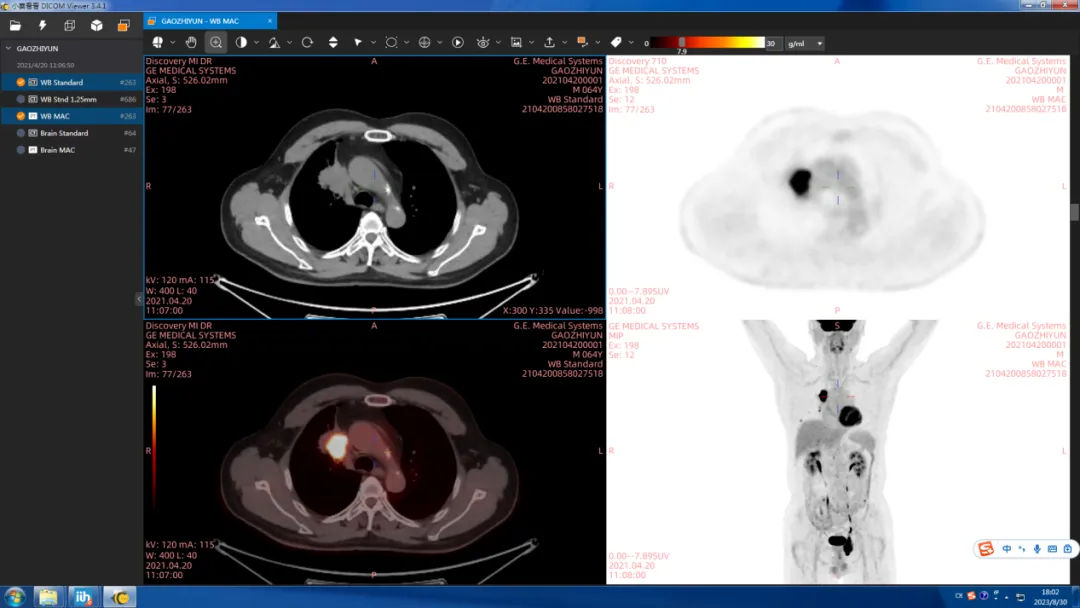
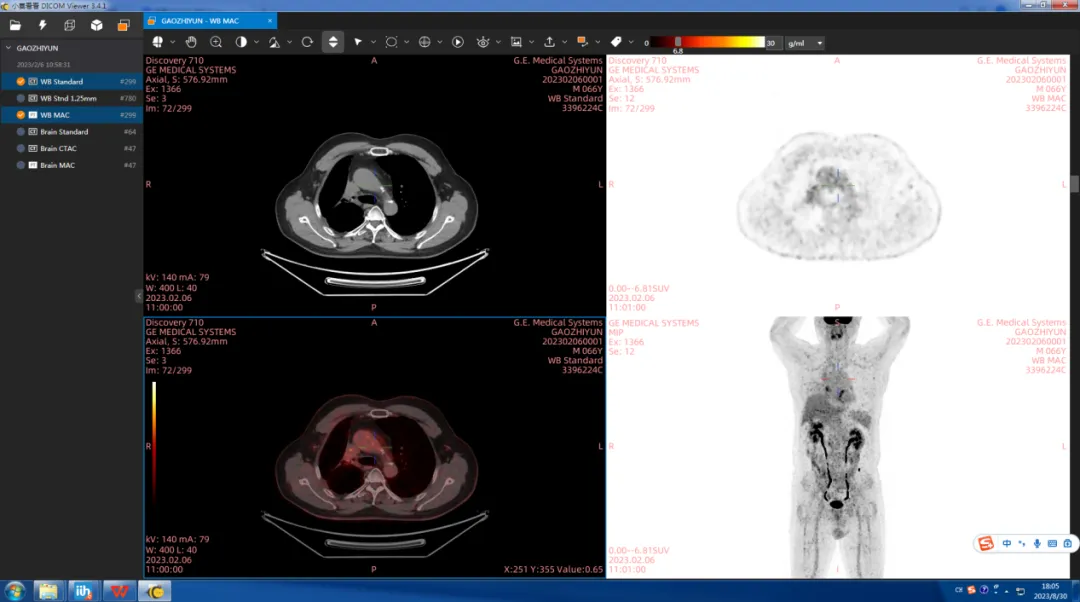
On April 20, 2021, a baseline PET/CT scan revealed a hypermetabolic soft-tissue mass in the right upper lung lobe (SUVmax 14.5). Following 20 months of therapy, a repeat PET/CT on February 6, 2023, demonstrated residual fibrotic changes in the same region, exhibiting only mild metabolic activity (SUVmax 1.7). The lesion volume had decreased by over 80% compared to baseline, indicating a significant therapeutic response.
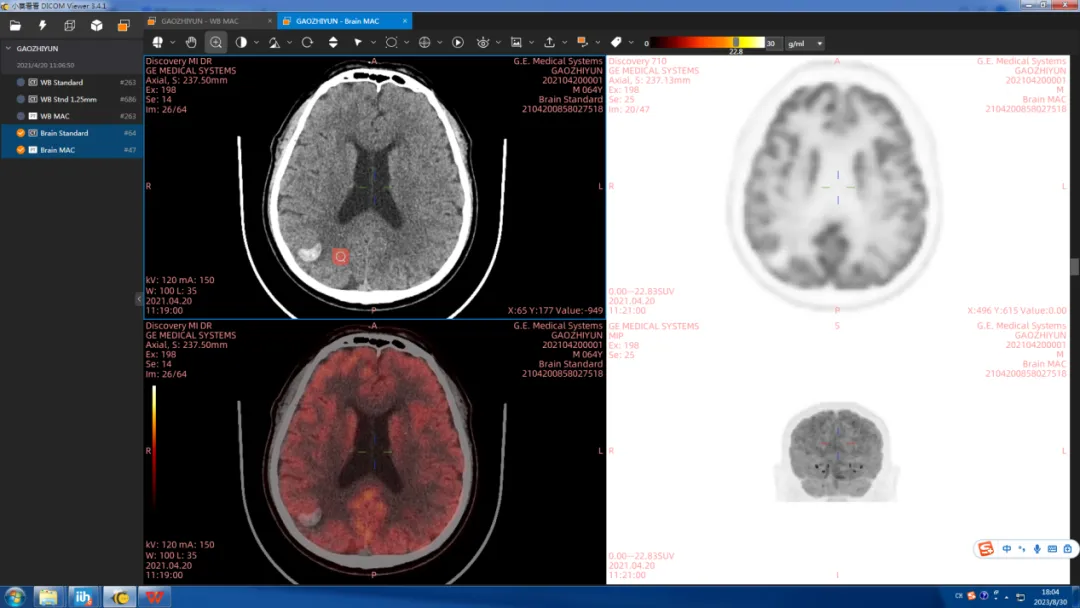
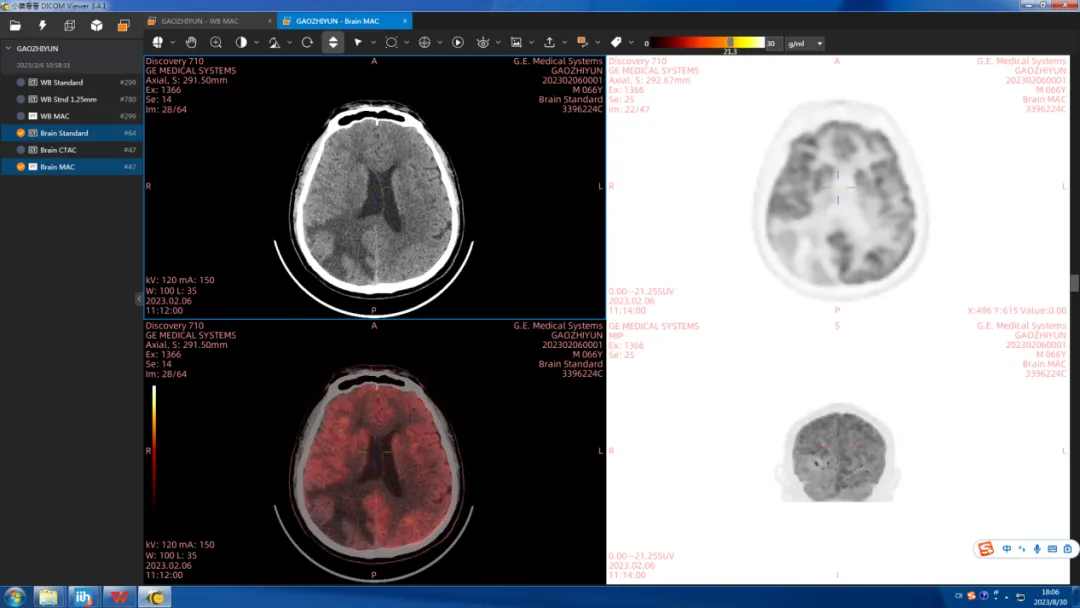
Baseline PET/CT (April 20, 2021) demonstrated a crescent-shaped hypermetabolic nodular lesion in the right parietal lobe (SUVmax 7.5), radiologically consistent with metastatic disease. At the 20-month follow-up (February 6, 2023), repeat PET/CT confirmed complete resolution of the previously documented intracranial metastasis, with no residual metabolic activity or structural abnormality.
Wuwei Heavy Ion Center Introduction
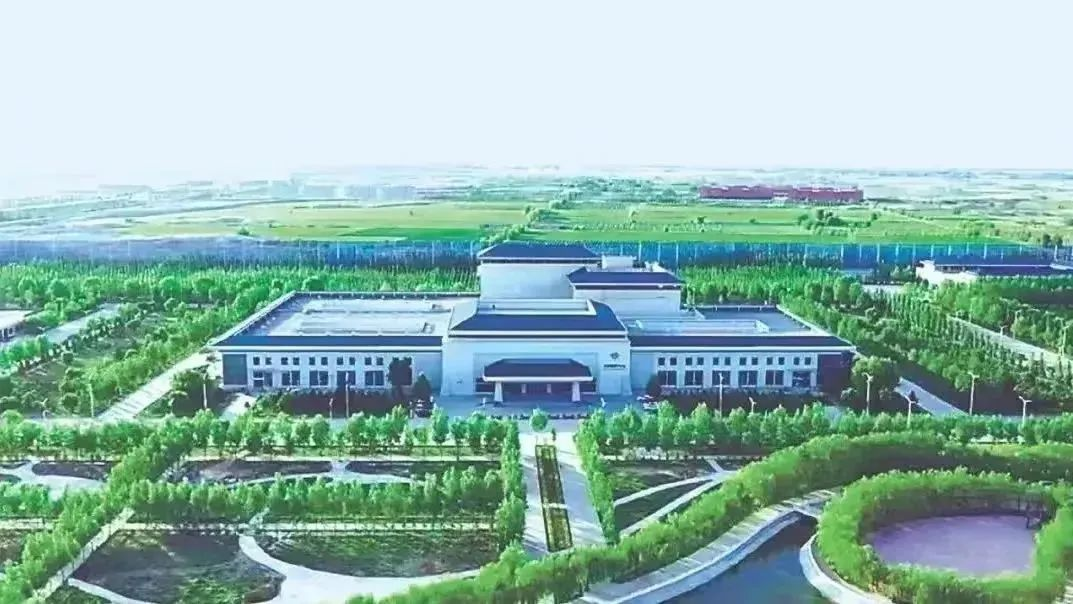
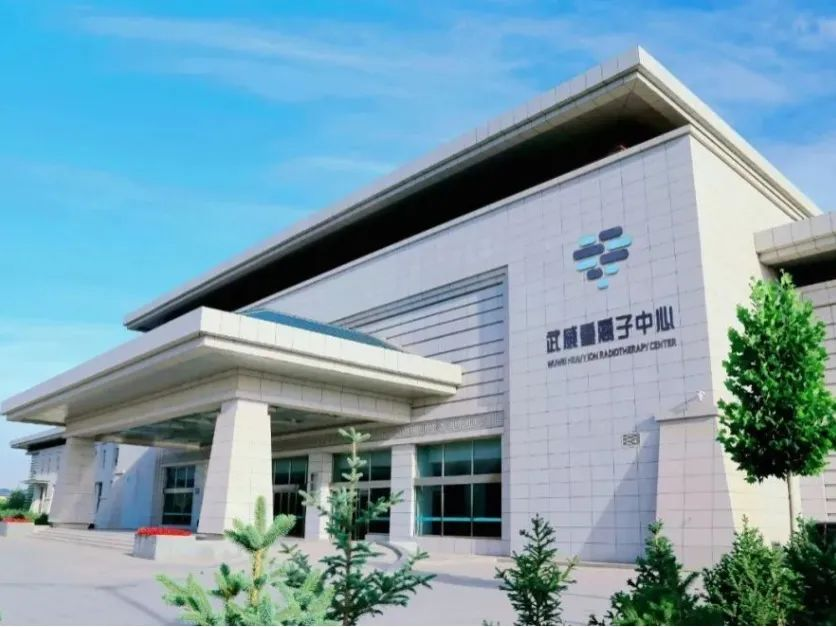
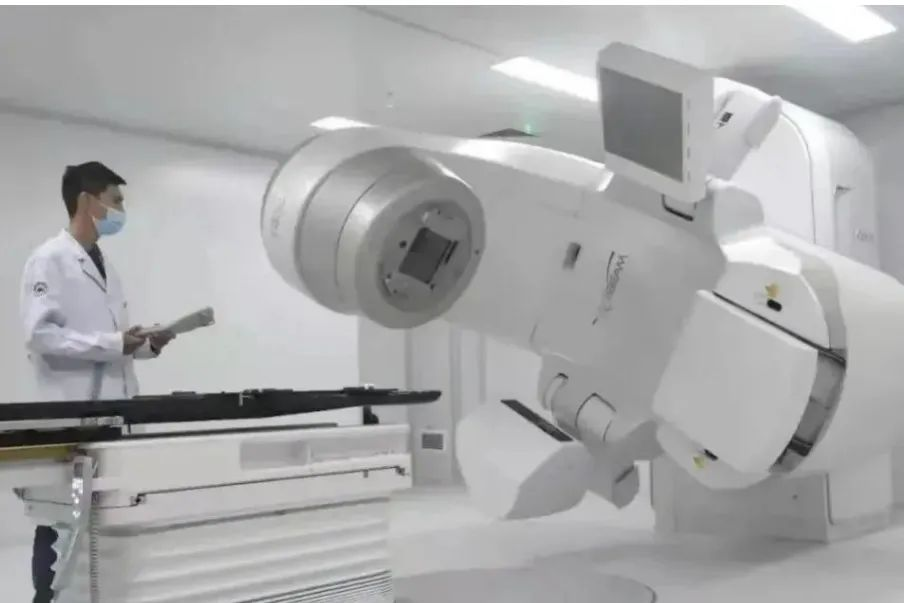
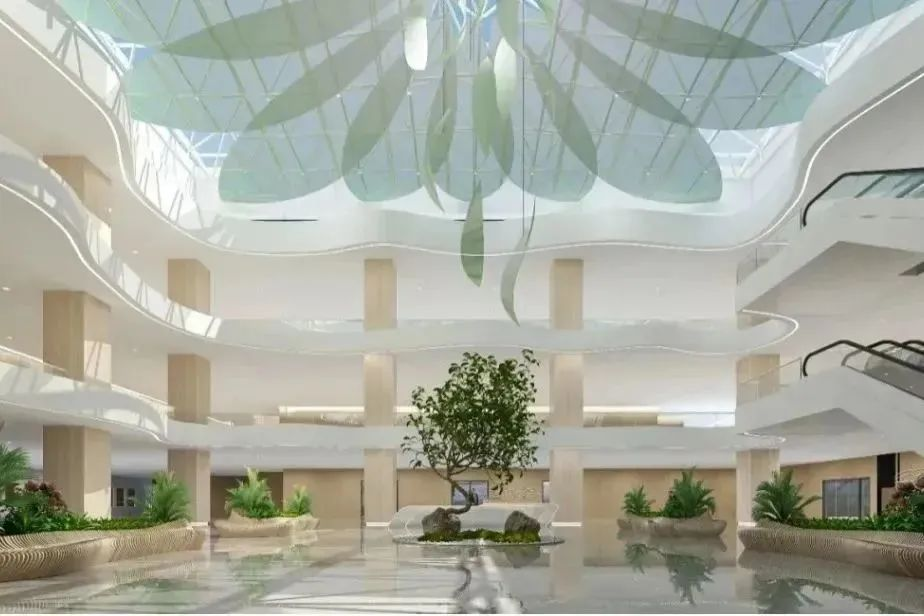
Wuwei Cancer Hospital Heavy Ion Center is the first clinical application center for a Chinese heavy ion system. Since its official clinical operation in March 2020, it has successfully treated 1,371 patients over four years. To date, it has achieved remarkable treatment outcomes for complex lesions in cranial, pancreatic, pulmonary, and other body regions, with patients sourced from all over China, Europe, and other regions. Building on its successful three-year operation, the center has established China’s first Tumor Health & Wellness Town, featuring a comprehensive, life-cycle health management system. This system integrates multidisciplinary tumor treatments, dietary therapy, psychosomatic health management, TCM syndrome differentiation treatment, rehabilitation physiotherapy, bioimmunocellular therapy, pastoral therapy, and cultural therapy.



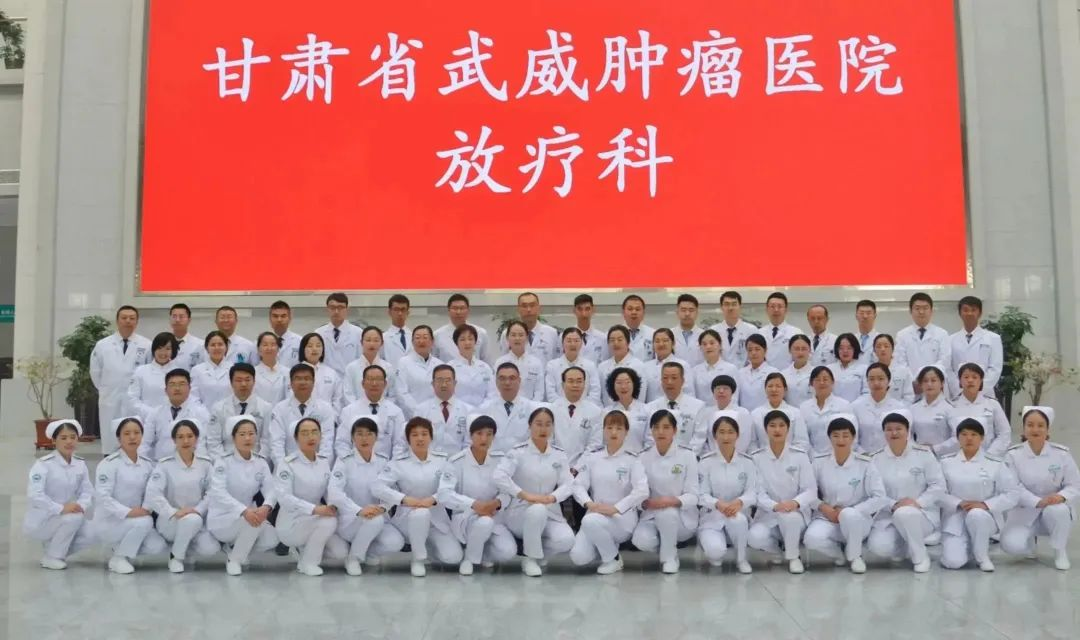
Department Introduction
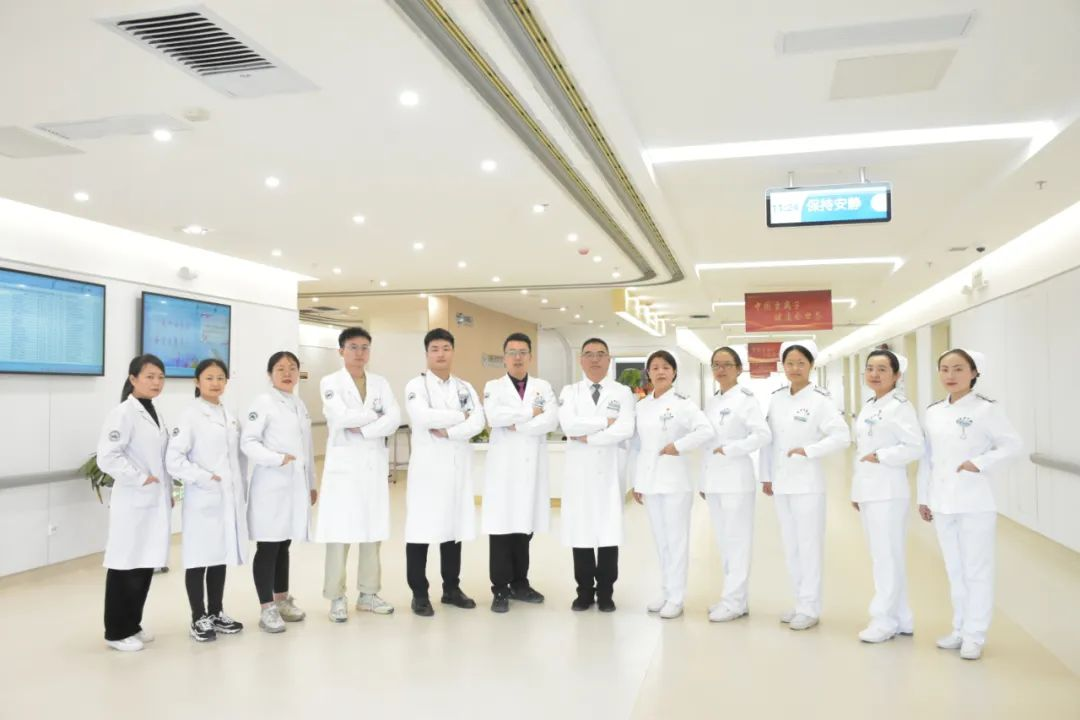
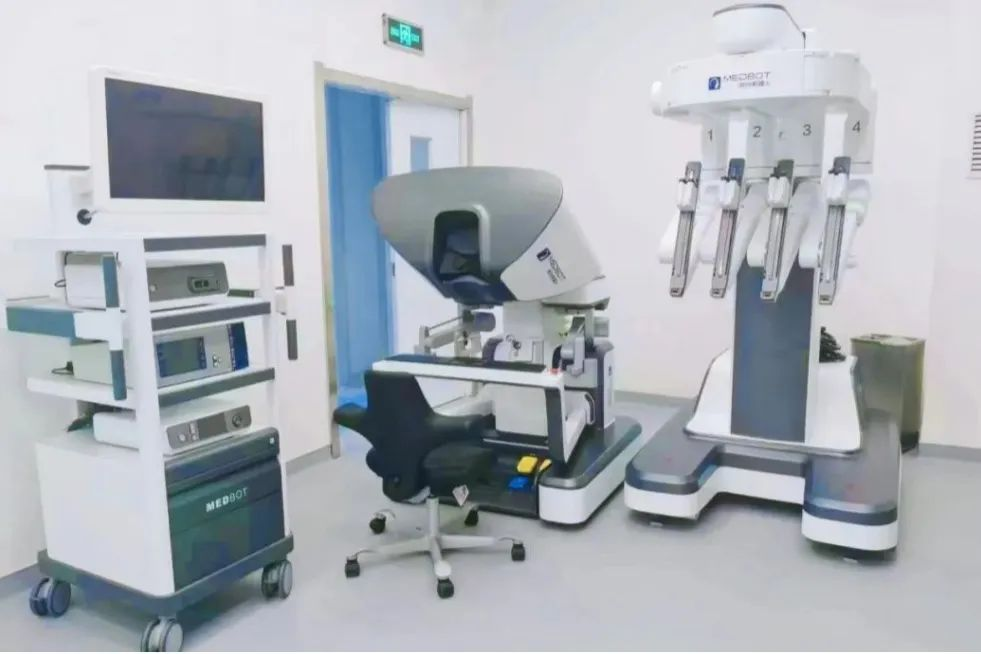
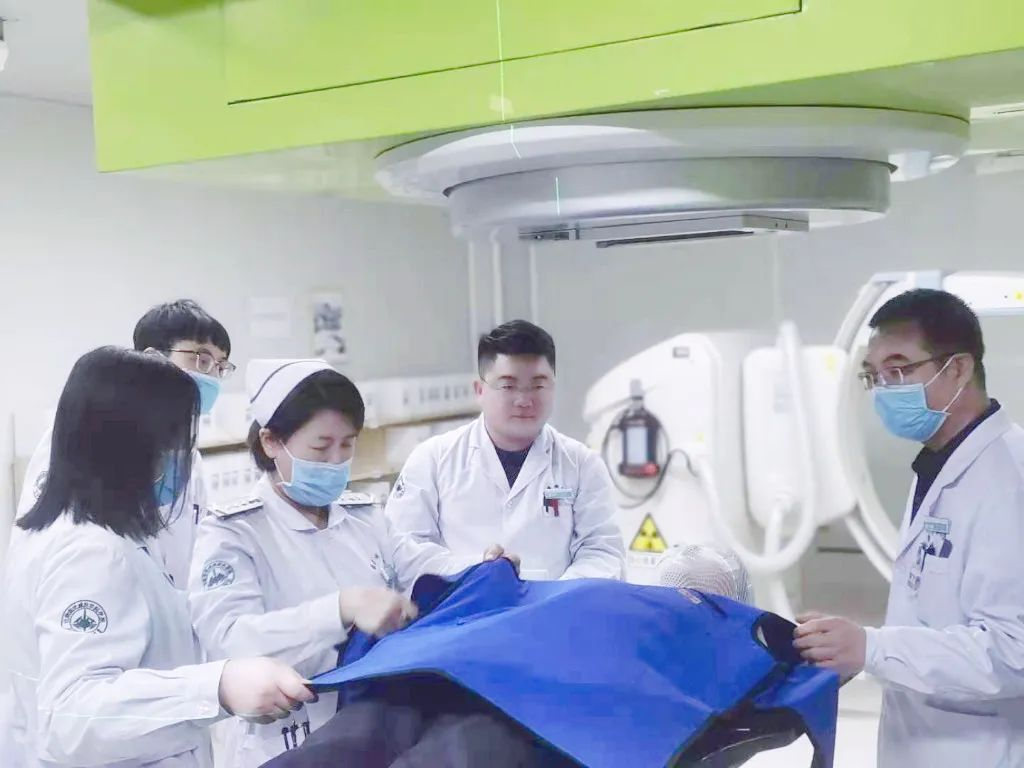
The Department of Heavy Ion and Photon Radiation Therapy for Thoracic Tumors, Bone and Soft Tissue Tumors (Department II of Radiation Therapy) focuses on heavy ion and photon radiation therapy for lung cancer, esophageal cancer, thymic cancer, breast cancer, bone tumors, and soft tissue tumors. The department currently has 16 staff members, including 1 chief physician and 1 associate chief physician. Prof. Qu Baolin from Beijing 301st Hospital and Prof. Wei Shihong from Gansu Cancer Hospital are specially invited as guest professors of our department. Chen Dongji, the leading expert of the discipline, is a chief physician, the vice president of Gansu Heavy Ion Hospital, the chairman of the trade union, and the director of the Department of Heavy Ion and Photon Radiation Therapy for Thoracic Tumors, Bone and Soft Tissue Tumors (Department II of Radiation Therapy). He once studied at the Munich Proton Therapy Center in Germany. Under the long-term guidance of Prof. Yee-Min Jen from Taiwan, China and Prof. Wu Jiaming, the department has carried out clinical work, scientific research and teaching. It has won 3 second prizes in provincial scientific and technological progress awards and 5 first and second prizes in municipal awards, and has published more than 30 academic papers. The staff of the department have successively studied and trained at well-known domestic and foreign oncology hospitals such as the RPTC Center in Germany, the Chinese Academy of Medical Sciences Cancer Hospital, Shanghai Proton and Heavy Ion Hospital, Beijing 301st Hospital, Peking University Third Hospital, Sichuan Cancer Hospital, and Zhejiang Cancer Hospital. The department carries out the most advanced domestic and international radiotherapy techniques, including heavy ion therapy, stereotactic radiotherapy, SRS/SABR/SBRT, rotational/static intensity-modulated conformal radiotherapy, image-guided radiotherapy, three-dimensional conformal radiotherapy, three-dimensional brachytherapy, and hyperthermia therapy. The department has a strong professional and technical force, with scientific and rigorous quality management. It has achieved good therapeutic effects in the field of comprehensive tumor treatment. Its treatment level, medical quality, and medical ethics have been highly praised by patients. We will serve patients with exquisite technology, high-quality services, and noble medical ethics.
Contact Us:
Consultation Hotline: 4006096666, Vice President Chen Dongji of Gansu Heavy Ion Hospital (+8613893519363)
Hospital Address: 2nd Floor, Building No. 4 Department II of Radiation Therapy, Heavy Ion Campus, Wuwei Academy of Medical Sciences Cancer Hospital, Gansu Province,