
Wuwei Heavy Ion Center: 345 Pancreatic Cancer Cases Treated with Heavy (Carbon) Ion Therapy
Wuwei Heavy Ion Center: 345 Pancreatic Cancer Cases Treated with Heavy (Carbon) Ion Therapy
Since the first heavy (carbon) ion therapy was performed at Wuwei Heavy Ion Center in 2018, eight years have passed. During this period, pancreatic cancer has become the second most common cancer treated at our center, and we have accumulated extensive clinical experience, which is now summarized and analyzed.
I. Basic Statistics
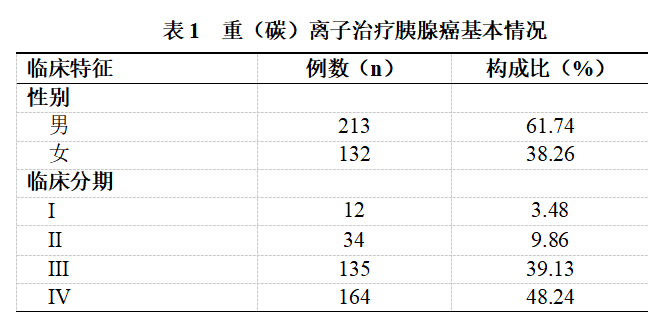
As of March 5, 2026, a total of 345 patients with pancreatic cancer have been treated, including 213 males and 132 females. The mean age was (60.73 ± 11.13) years, ranging from 30 to 91 years. According to clinical staging, there were 12 cases in stage I, 34 in stage II, 135 in stage III, and 164 in stage IV (Table 1).
II. Enumeration of Typical Cases
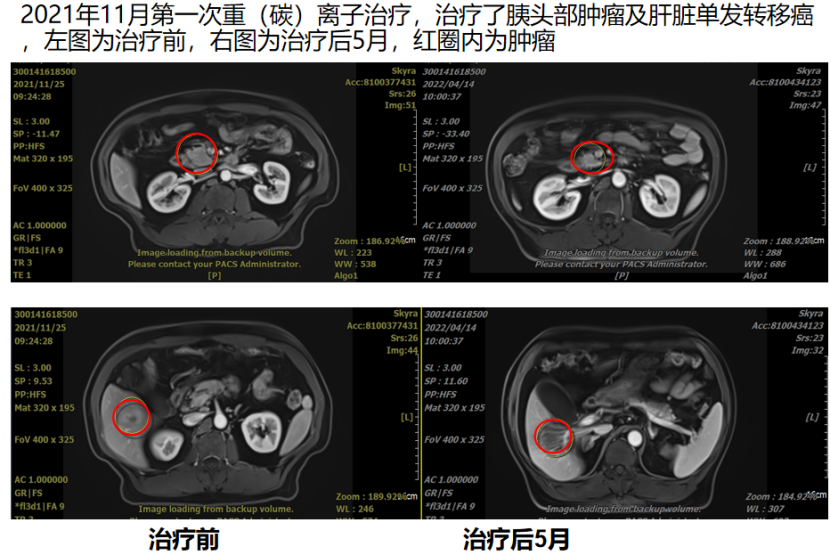
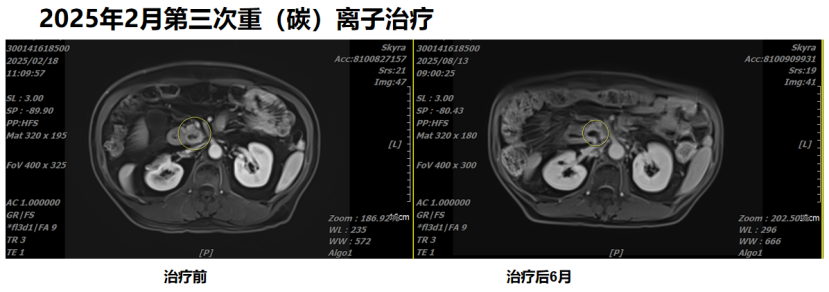
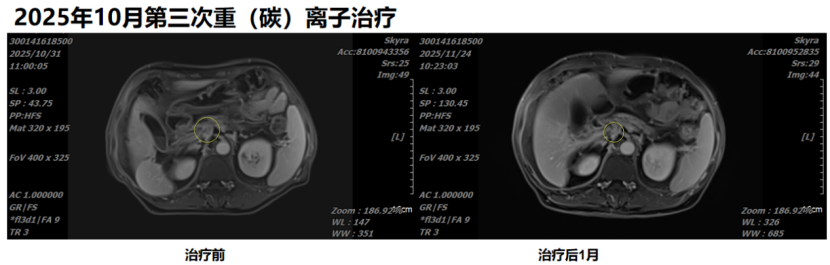
Typical Case 1: Hu XX, male, 61 years old. Diagnosis: Malignant tumor of the pancreatic head, adenocarcinoma, cT4N2M1, stage IV. The patient reported that during his hospitalization at a major center, he joined a surgical treatment group for pancreatic cancer. Most patients in the group underwent chemotherapy, surgery, further chemotherapy, and immunotherapy or targeted therapy, but few survived longer or lived better than him. In the four years following heavy (carbon) ion therapy, he played football regularly and engaged in strenuous exercise, and no one believed he was a pancreatic cancer patient. After recurrence, his physical condition declined, and he could no longer play football. He received his first heavy (carbon) ion therapy in November 2021, with a total dose of 55.2 Gy (RBE) in 12 fractions for the primary lesion, and 60 Gy (RBE) in 10 fractions for the metastatic lesion in liver segment S5. In February 2025, he underwent a second course of heavy (carbon) ion therapy at a dose of 60 Gy (RBE) in 15 fractions. In October 2025, he received a third course of carbon ion therapy at a dose of 60 Gy (RBE) in 15 fractions, combined with chemotherapy. As of March 17, 2026, his physical condition remains poor. He underwent three courses of heavy (carbon) ion therapy for pancreatic cancer.
Case provided by: Director Zhang Yihe
Department: Radiation Oncology Center Ⅰ(International Medical Department Ⅰ)
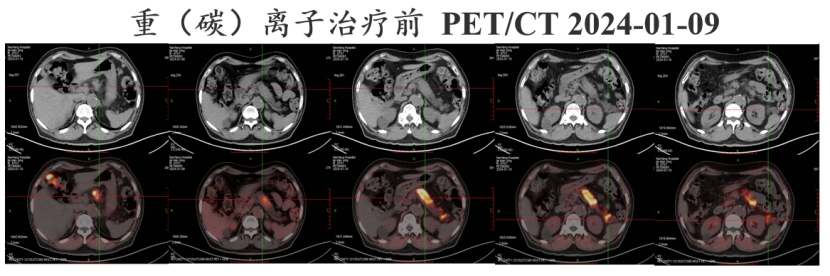
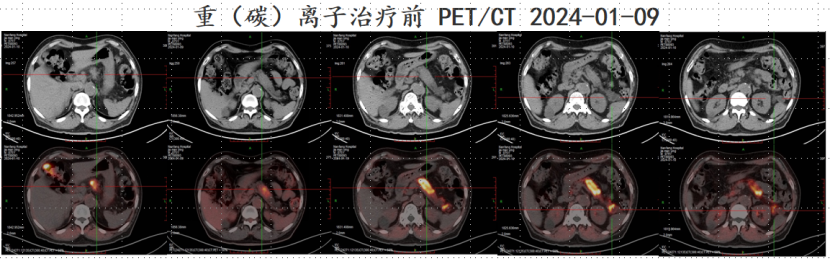
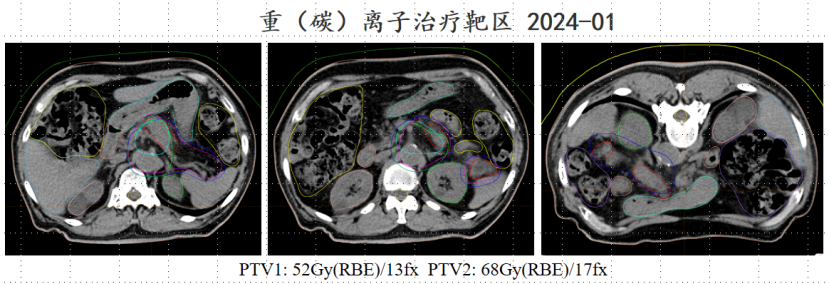
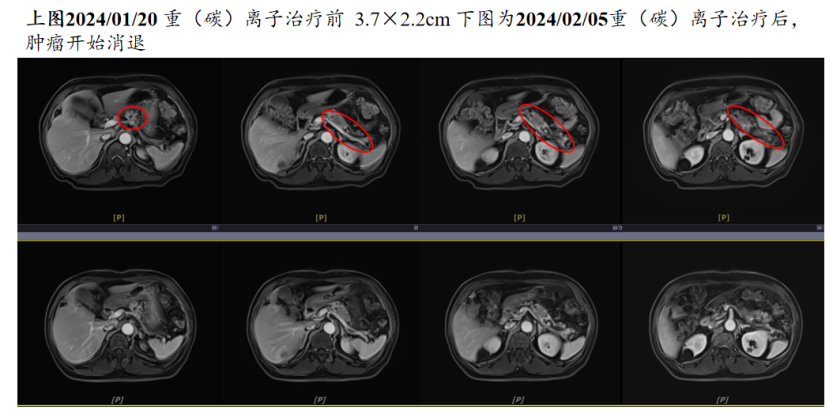
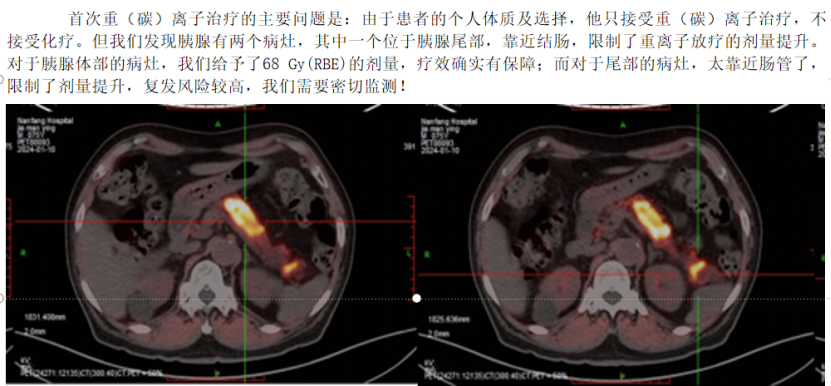
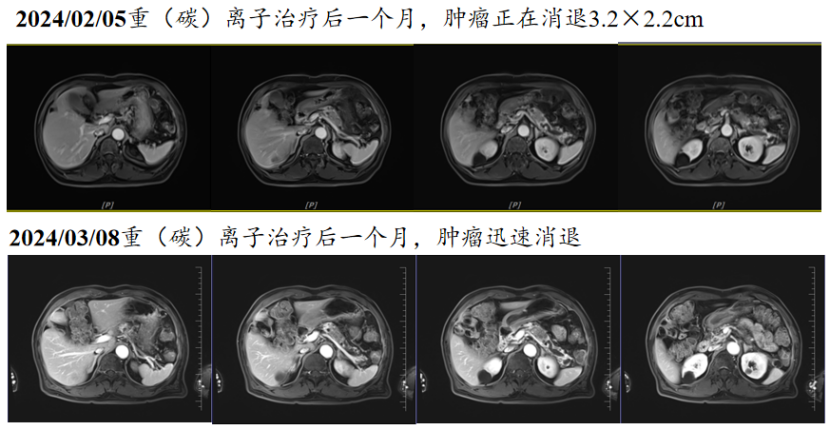
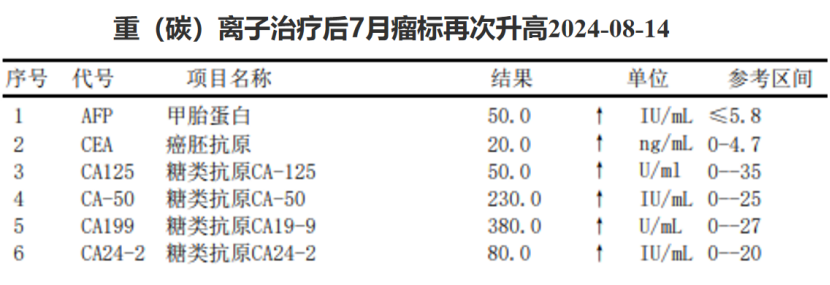
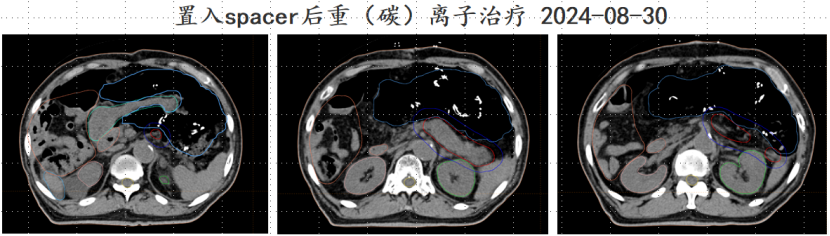
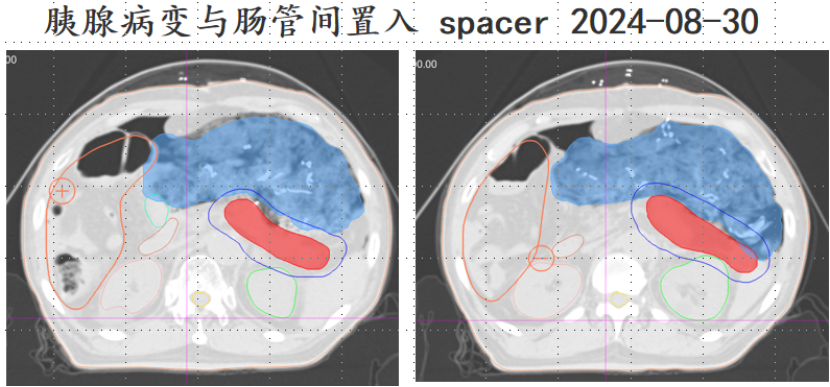
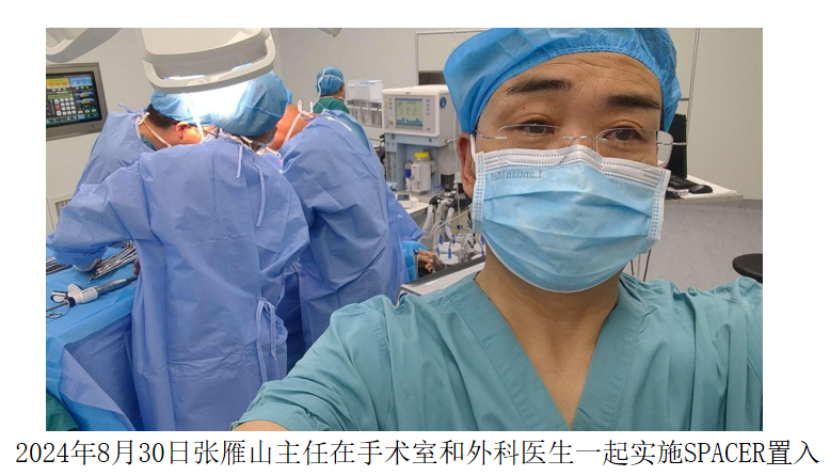
Typical Case 2: Jia XX, male, 75 years old, a renowned professor from a prestigious medical university in southern China. Chief complaint: elevated CA199 for more than 1 year, diagnosed with pancreatic cancer for just over 1 week. Medical history: On January 13, 2023, the patient's tumor marker test showed CA199 96.78 U/ml, with no further diagnosis or treatment. On January 4, 2024, the patient's tumor marker test showed CA199 1584.69 U/ml, and abdominal MRI revealed masses in the pancreatic body and tail, measuring approximately 43×23 mm and about 2 cm, leading to a diagnosis of pancreatic cancer. Due to long-term clinical work in interventional radiology, the patient had low platelet and white blood cell counts and refused surgery and chemotherapy. On January 17, 2024, the patient visited our hospital and received heavy (carbon) ion therapy for the lesions in the pancreatic body and tail, with a total dose of 68 Gy (RBE) in 17 fractions. After treatment, CA199 gradually decreased. Seven months after treatment, on August 7, 2024, the patient's tumor marker test showed CA199 1082.92 U/ml, and examination revealed that the lesion in the pancreatic tail had enlarged with increased metabolic activity, suggesting recurrence. After another 4 months of observation, the disease continued to progress. On August 30, 2024, Director Zhang Yanshan performed a SPACER implantation procedure together with surgeons in the operating room, and heavy (carbon) ion therapy was administered on the same day. As of the submission date, March 18, 2026, the patient is in good condition without having received any chemotherapy. Another miracle of life has been created.
Case provided by: Dr. Zhang Yanshan
Department: Radiation Oncology Center Ⅰ(International Medical Department Ⅰ)
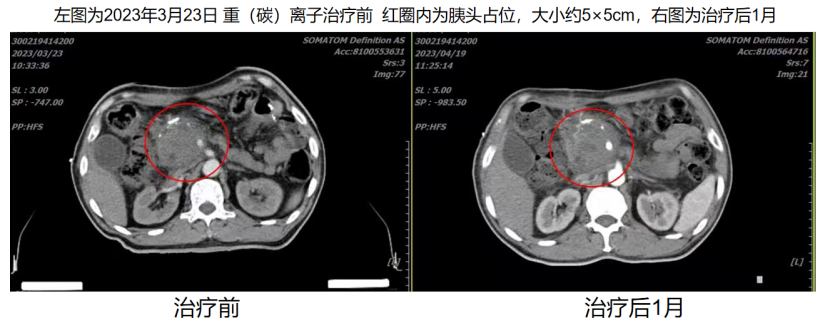
Typical Case 3: Peng XX, male, 68 years old, from Guizhou. Diagnosis: Pancreatic malignancy, adenocarcinoma, cT4N2M0 stage III. The patient developed upper abdominal pain in September 2022. Tumor marker testing showed CA19-9: 265.64 U/ml; abdominal CT revealed a mass in the pancreatic head, secondary dilation of the common bile duct and pancreatic duct, and slightly enlarged retroperitoneal lymph nodes. On February 13, 2023, the patient's abdominal pain worsened. Considering pancreatic head cancer with secondary dilation of the common bile duct and pancreatic duct, and slightly enlarged retroperitoneal lymph nodes, the local hospital performed laparoscopic conversion to open gastrojejunal Roux-en-Y anastomosis under general anesthesia, pancreatic exploration, and pancreatic mass biopsy. Postoperative pathology (B23-00780) indicated adenocarcinoma. The patient was treated with oral "Oxycodone Sustained-Release Tablets" 60 mg q12h for pain relief. From March 28, 2023, to April 17, 2023, the patient came to Wuwei Heavy Ion Center for heavy (carbon) ion radiotherapy. We used HFOV technology to control respiratory motion, with a total dose of 64.6 Gy (RBE) in 14 fractions, and concurrent chemotherapy with "Capecitabine." After treatment, the tumor regressed slowly, and pain gradually decreased. As of the submission date, 35 months after heavy (carbon) ion therapy, the patient's pain has disappeared, the tumor has significantly regressed, and his physical condition is good.
Case provided by: Dr. Yang Yuling
Department: Radiation Oncology Center Ⅰ(International Medical Department Ⅰ)
Typical Case 4: Zhao XX, male, 50 years old. In July 2020, an upper abdominal MR + MRC revealed: 1. A mass in the pancreatic body, and nodules in the left lateral lobe of the liver and the upper segment of the right posterior lobe of the liver, considered pancreatic cancer with intrahepatic metastases. The pancreatic lesion invaded the splenic artery and the common hepatic artery, accompanied by left lymph node metastasis near the celiac trunk. The patient visited the First Affiliated Hospital of Chongqing Medical University, where an endoscopic ultrasound-guided pancreatic puncture biopsy showed: (Pancreatic body puncture tissue) A small amount of scattered, atypical mucinous epithelial tissue was sent for examination. Subsequent liver puncture biopsy showed: (Liver puncture tissue) The submitted tissue indicated malignancy, considered adenocarcinoma with focal mucin secretion. Combined with clinical findings and immunohistochemistry, it was considered a pancreatic metastasis. Diagnosis: 1. Malignant pancreatic tumor, pancreatic body, adenocarcinoma, cT4N1M1 stage IV, KPS score: 80; 2. Secondary malignant liver tumor. In July 2021, the patient underwent heavy (carbon) ion therapy for the primary pancreatic tumor, totaling 13 fractions. The metastatic lesion in liver segment S7 was also treated simultaneously with heavy (carbon) ion therapy at a dose of 60 Gy (RBE) in 6 fractions. Before treatment, tumor markers tested at Chongqing Medical University showed CA19-9 at 812.3 U/ml (July 23, 2020). After treatment, the patient's CA19-9 decreased to 17.4 U/ml (August 13, 2021).
After treatment, the patient has been followed up locally, and all indicators have been completely normal so far. As of the press release date, Wednesday, March 18, 2026, 56 months after heavy (carbon) ion therapy, the tumor has disappeared, the physical condition is good, and the patient has now fully recovered.
Case provided by: Dr. Zhang Yanshan
Department: Radiation Oncology Center Ⅰ(International Medical Department Ⅰ)
III. Survival Status of Pancreatic Cancer
For the 345 patients with pancreatic cancer, the follow-up period ranged from 0 to 58 months. Survival analysis was performed using the Kaplan-Meier method (K-M method), and the median survival time was (17 ± 2.65) months. The cumulative survival probability at the end of treatment was 1, and the cumulative survival probabilities at 12, 24, 36, and 48 months after treatment were 0.6264, 0.4101, 0.3772, and 0.2829, respectively (Table 2).
Among them, 135 patients with stage I–III pancreatic cancer had a follow-up period ranging from 0 to 58 months. Survival analysis using the K-M method showed a median survival time of (18 ± 2.97) months. The cumulative survival probability at the end of treatment was 1, and the cumulative survival probabilities at 12, 24, 36, and 48 months after treatment were 0.7636, 0.4295, 0.3865, and 0.3865, respectively (Table 2 and Figure 1). For the 164 patients with stage IV pancreatic cancer, the follow-up period ranged from 0 to 55 months. Survival analysis using the K-M method showed a median survival time of (14 ± 5.59) months. The cumulative survival probability at the end of treatment was 1, and the cumulative survival probabilities at 12, 24, 36, and 48 months after treatment were 0.5225, 0.4000, 0.3714, and 0.1857, respectively (Table 2 and Figure 1).
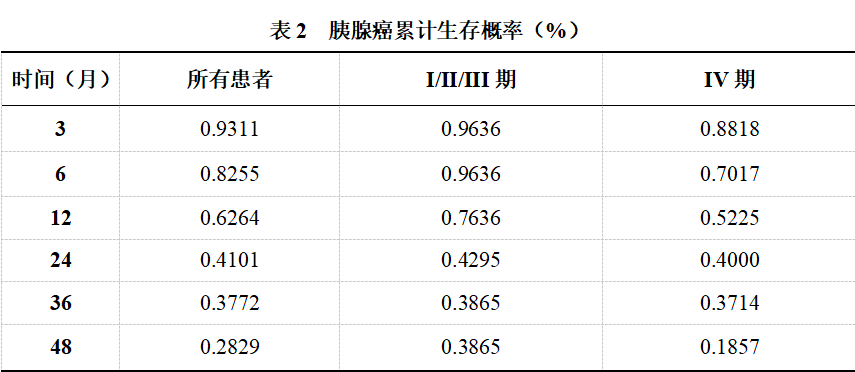
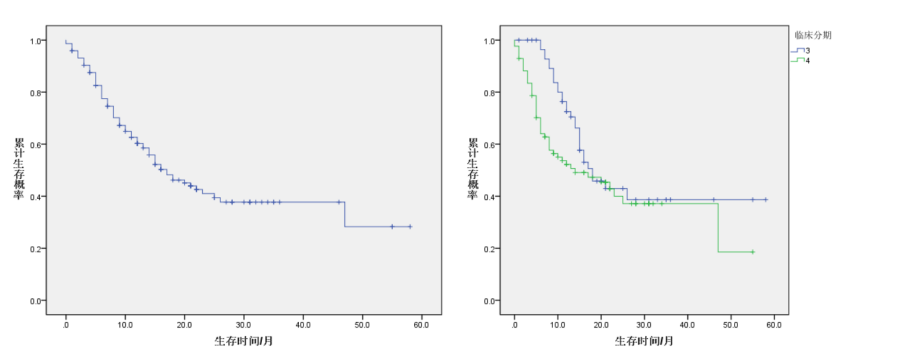
Figure 1 Survival curve of pancreatic cancer patients after heavy (carbon) ion therapy (0-48 months)
IV. Efficacy and Safety
The results of this study show that at the Wuwei Heavy Ion Center, the median survival time for the entire group of patients with pancreatic cancer treated with heavy (carbon) ion therapy reached 17 months, and for patients with stage I–III disease, the median survival time was 18 months. These treatment outcomes from the Wuwei Center are particularly commendable, as they were achieved in an unselected patient population with a relatively high proportion of patients with advanced-stage disease. This data is significantly superior to historical data from conventional photon radiotherapy. Previous literature has reported that the median survival time for locally advanced pancreatic cancer treated with conventional photon radiotherapy combined with chemotherapy is mostly between 11 and 15 months; for example, the international phase III LAP07 randomized controlled trial showed a median survival time of 15.2 months.
Compared with international advanced data on heavy (carbon) ion therapy, the treatment outcomes from our center are equally competitive. Japan, as one of the earliest countries to implement heavy (carbon) ion therapy, has conducted multiple phase I/II trials showing that heavy (carbon) ion radiotherapy combined with chemotherapy for unresectable locally advanced pancreatic cancer yields a median survival time of approximately 19.6 months. The median survival time of 18 months for patients with stage I–III disease at our center is close to this result. Moreover, our center included 48.24% of patients with stage IV disease, validating the therapeutic value of heavy (carbon) ion therapy in a broader patient population.
In terms of safety, due to the physical characteristics of heavy (carbon) ions, a steep dose gradient can be formed between the tumor and surrounding critical organs (such as the gastrointestinal tract), theoretically significantly reducing the risk of severe complications such as gastrointestinal ulcers and bleeding. Multiple international studies have also confirmed that the incidence of grade 3 or higher toxicities associated with heavy (carbon) ion therapy is extremely low.
V. Conclusions and Prospects
This study, based on a large-sample analysis of 345 cases, confirms the definitive efficacy of heavy (carbon) ion therapy for pancreatic cancer: the median survival time for the entire group was 17 months. Despite the small proportion of patients with stage I and II disease, the median survival time for patients with stage I–III disease reached 18 months, significantly surpassing historical data from conventional photon radiotherapy. This is also an outstanding result among heavy ion centers, reaching an internationally advanced level. For the nearly half of patients with stage IV disease, the median survival time was 14 months, demonstrating the unique value of heavy (carbon) ion therapy in the local treatment of advanced pancreatic cancer.
Wuwei Heavy Ion Center
Wuwei Heavy Ion Center is the first clinical application base in China for a heavy (carbon) ion therapy system with fully independent intellectual property rights. It is technically supported by the Institute of Modern Physics, Chinese Academy of Sciences, and clinically operated by Gansu Wuwei Cancer Hospital. The center officially began treating tumors in November 2018 and has since treated over 2,800 patients, expanding its therapeutic scope to more than 50 types of cancer, including lung cancer, pancreatic cancer, liver cancer, glioma, nasopharyngeal carcinoma, rectal cancer, and various sarcomas.
As the only medical institution in the world simultaneously operating two heavy (carbon) ion therapy systems, the center has achieved eight "world-first" innovations in technological development, including: precision treatment technology under ventilator control, bladder cancer treatment technology with precise bladder volume control, single-session treatment technology using surgically implanted spacers between organs and tumors; development of China's first 360° rotating and elevating ion therapy chair; and completion of the world's first multiple cases of heavy (carbon) ion therapy for cardiac tumors, among others.
Leveraging 30 research platforms, including the Key Laboratory of Heavy (Carbon) Ion Beam Radiation Biology of the Chinese Academy of Sciences and the Biomedical Data Analysis and Visualization Laboratory of the University of Sydney, Wuwei Heavy Ion Center has conducted over 30 clinical studies on major disease types. To date, the center has published nine monographs, including the "Standard Operating Procedures for Carbon Ion Radiotherapy," establishing a comprehensive knowledge system covering physics technology, clinical diagnosis and treatment, and health management.
Writer: Chen Xuelian, Li Pengqing (Cancer Registration and Follow-up Office)
Reviewer: Zhang Yanshan (Vice President)
Date: March 16, 2026