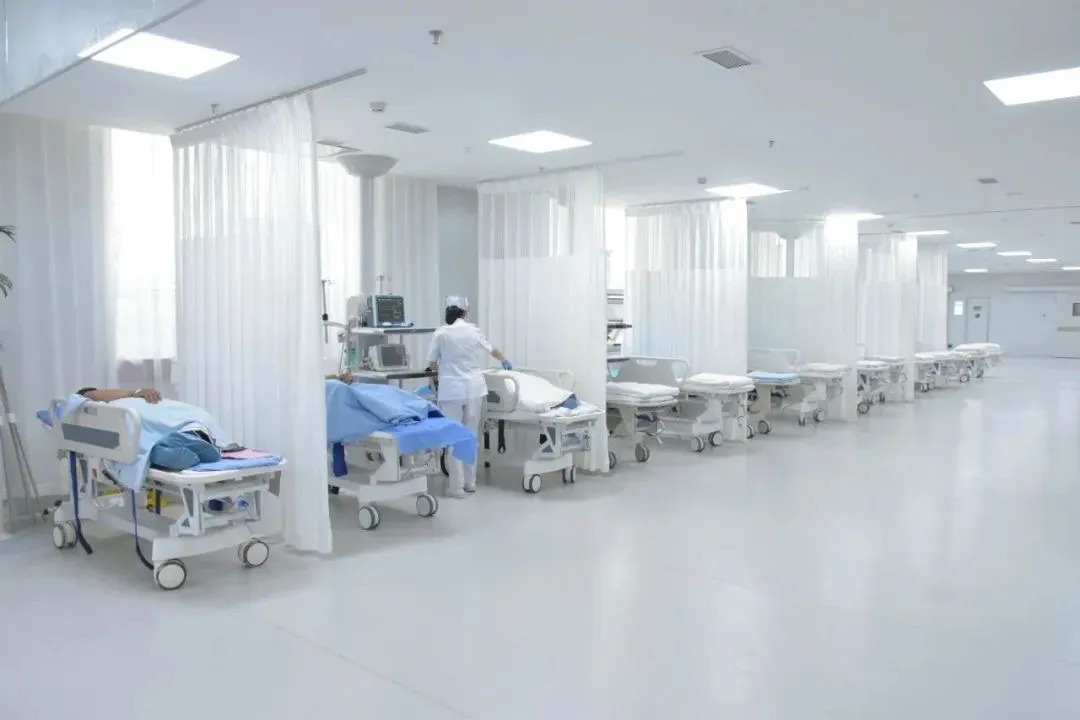
Japanese Specialist Joins Routine Rounds to Boost GI Center's Clinical and Research Breakthroughs
[International Expert Consultation] Japanese Specialist Joins Routine Rounds to Boost GI Center's Clinical and Research Breakthroughs
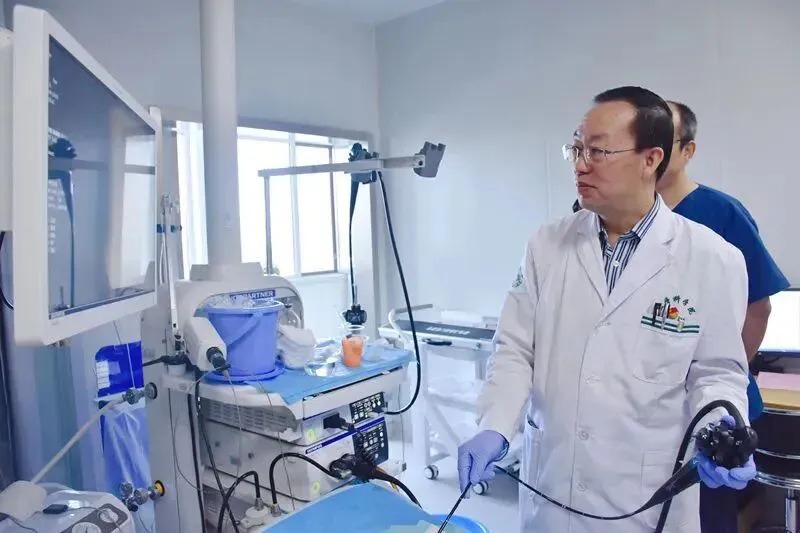
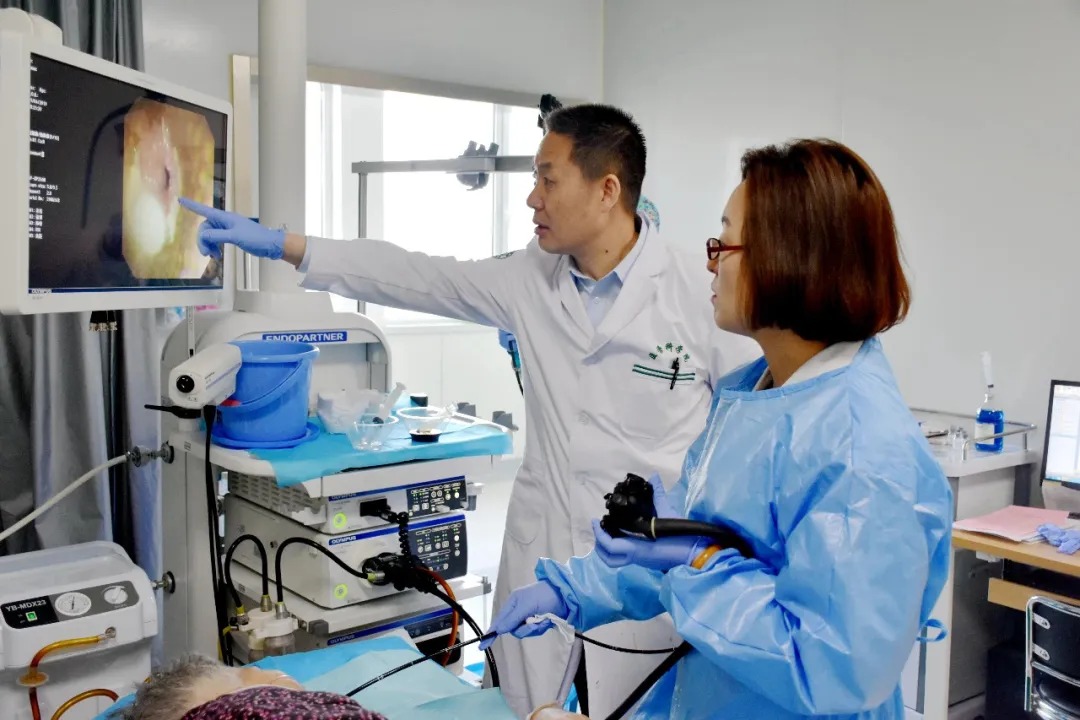
On March 14, Professor Kohei Takigawa from the Kanagawa Cancer Center in Japan and Professor Qian Dongmei from Beijing Tongren Hospital, Capital Medical University, conducted routine on-site clinical services and technical teaching in accordance with their cooperative work agreements. This cycle focuses on the implementation of cutting-edge gastrointestinal oncology technologies, collaborative international scientific research, and the refinement of clinical practical skills. Through in-depth clinical demonstrations and precise technical empowerment, they aim to assist the Hexi Corridor region in establishing a high-level gastrointestinal tumor diagnosis and treatment system, providing solid support for leapfrog improvements in medical quality through international cooperation.
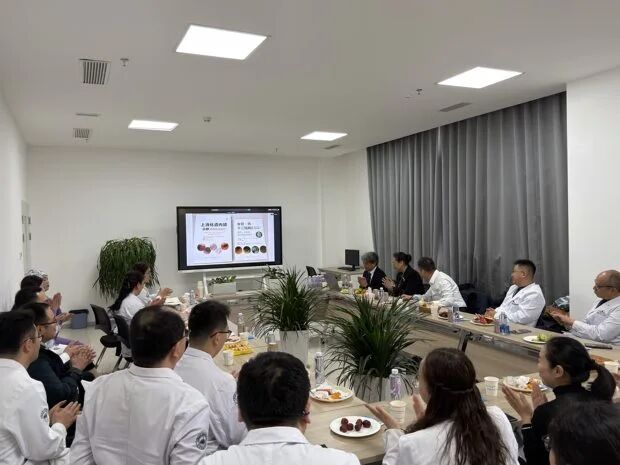
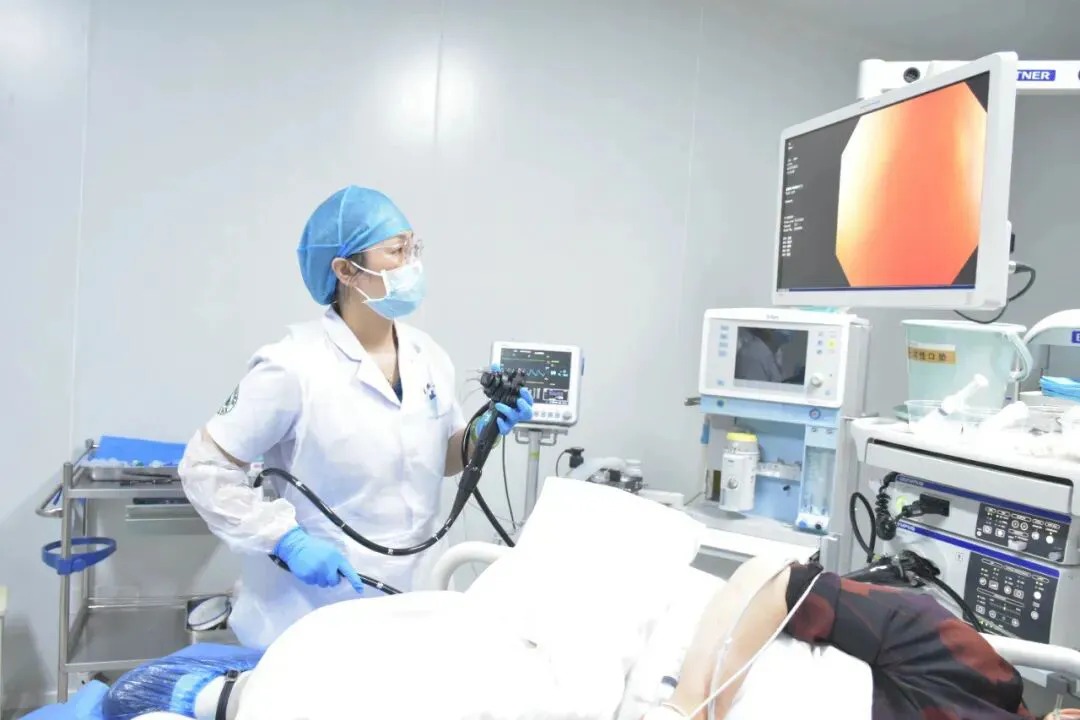
This clinical exchange program was led by Lu Linzhi, Director of the Gastroenterology Center at Gansu Wuwei Cancer Hospital, with full participation from President Nie Peng, President Wu Zhengqi, and all medical staff of the Gastroenterology Center. During the program, Professor Kohei Takigawa and Professor Qian Dongmei co-presented a lecture on "Fundamentals and Evidence for Endoscopic Diagnosis and Treatment of Esophageal Squamous Cell Carcinoma," systematically elaborating on four core themes: fundamentals of endoscopic diagnosis and treatment for esophageal squamous cell carcinoma (indications and treatment criteria), essential techniques of ESD (endoscopic submucosal dissection), clinical outcomes, and management of complications. The presentation was well-structured with clear focal points, establishing a systematic theoretical framework for the attending physicians. Following the lecture, the two professors integrated basic theories with practical operational points based on their clinical experience. Their advocacy for scientific diagnostic and treatment concepts provided attending physicians with fresh perspectives for resolving clinical challenges and optimizing treatment workflows. During the interactive teaching session, the two experts engaged in in-depth discussions on key topics including "clinical research design in gastrointestinal oncology, multicenter collaboration pathways, and strategies for achievement translation." Combining international cutting-edge research concepts with the hospital's clinical actual situation, they tailored a comprehensive development plan for the Gastroenterology Center's research capacity enhancement, featuring an "international perspective + local adaptation" approach. The program deeply explored core technologies in minimally invasive endoscopic treatment for gastrointestinal diseases, refined clinical operational skills, and comprehensively advanced the level of diagnostic and treatment services.
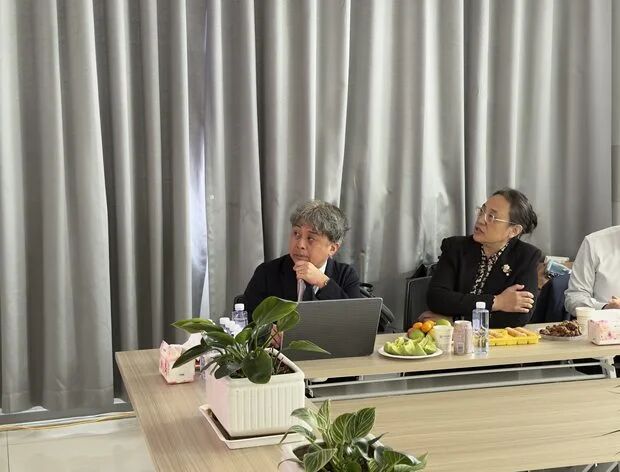
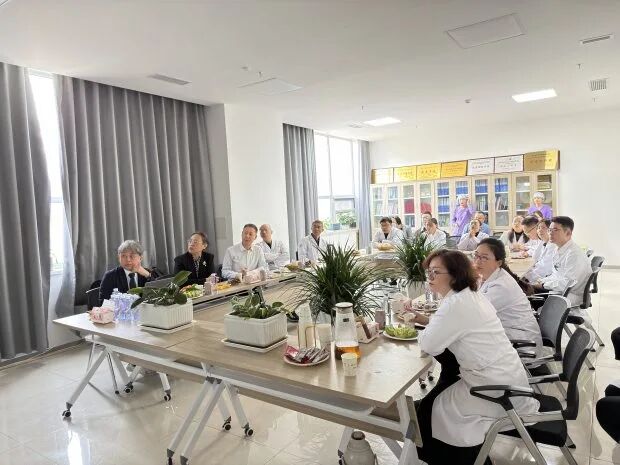
In recent years, the Gastroenterology Center of Gansu Wuwei Cancer Hospital has broken through the superficial and fragmented nature of international exchanges by establishing a long-term cooperation mechanism featuring expert residency, rapid technology transfer, and deep conceptual integration, relying on the ongoing on-site guidance of Professor Kohei Takigawa. As the Director of the Gastroenterology Department at Kanagawa Prefectural Cancer Center and a Board Member of the Japan Gastroenterological Endoscopy Society (JGES), Professor Takigawa regularly resides at the hospital to carry out work. He not only introduces cutting-edge international techniques that he has cultivated for many years, such as the SNADET diagnostic and treatment protocol and comprehensive optimization of the ESD process—he has also personally led strategic research on SNADET therapy and edited the authoritative text "Esophagus·Stomach·Duodenum ESD: Fundamentals and Techniques for Operation, Diagnosis, and Treatment." He possesses profound expertise and extensive clinical experience in ESD operational skills, improving clinical efficacy, and preventing and managing complications. Through an "immersive" training model encompassing "thematic lectures + surgical teaching + case reviews," he guides the hospital's physicians to delve deeply into key technologies for the endoscopic diagnosis and treatment of esophageal squamous cell carcinoma. After lectures, he facilitates case study discussions to achieve a deep connection between theory and practice, internalizing the international standards of "zero missed diagnoses in precision diagnostics and zero errors in minimally invasive treatment" into the team's "muscle memory."
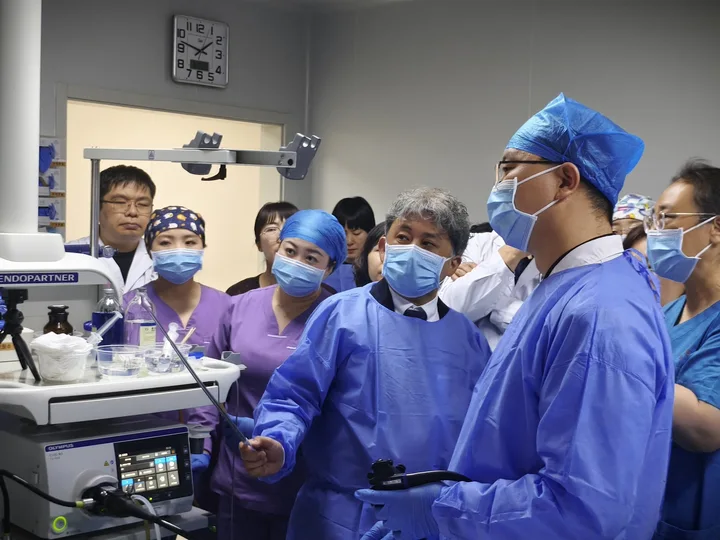
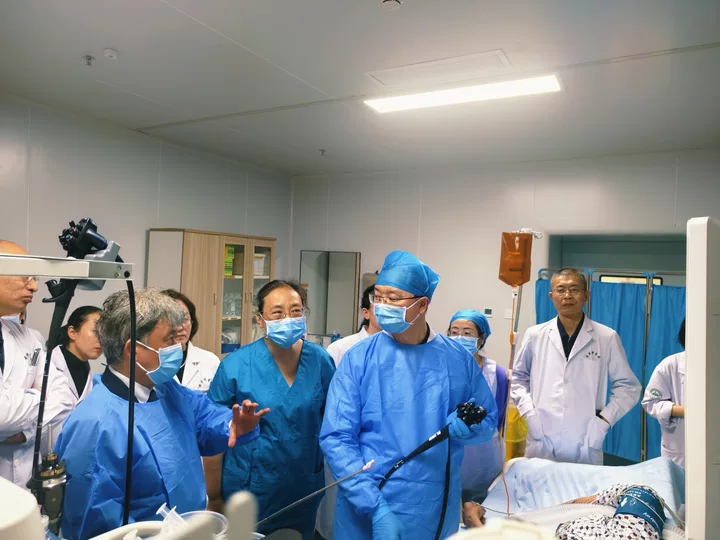
The center leverages international cooperation as a "booster" for clinical research, constructing a "clinical-research-education" trinity disciplinary development system. Through joint Panel Discussions between Chinese and Japanese experts, it precisely aligns international research frontiers with local clinical needs, conducting targeted research on core topics such as "multicenter studies in gastrointestinal oncology, innovative applications of endoscopic techniques, and optimization of diagnostic and treatment pathways for complex cases." This forms a virtuous cycle of "extracting research directions from clinical problems, and feeding research achievements back into clinical practice." Simultaneously, case discussions and technical training from the seminars are transformed into normalized teaching resources, not only cultivating compound talents with excellence in both "theory and practice" for the discipline, but also propelling the discipline's leap from a "technology follower" to a "standard setter," injecting sustained momentum into the construction of national key disciplines.
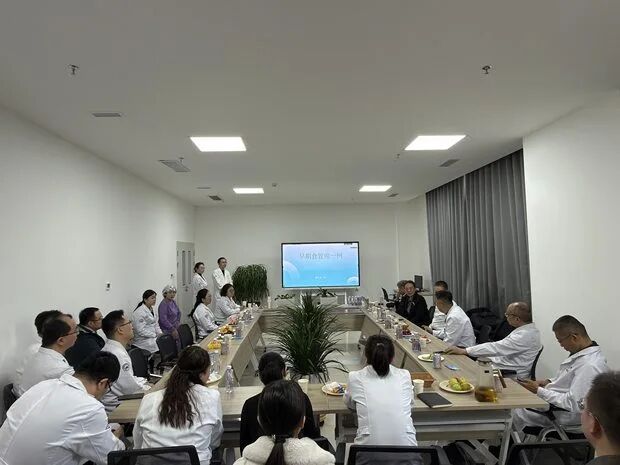
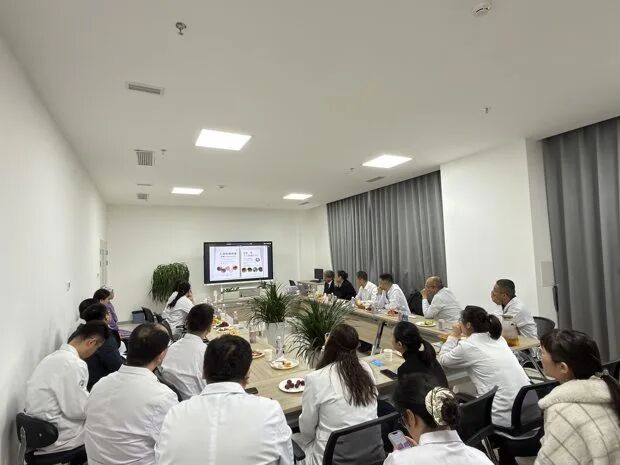
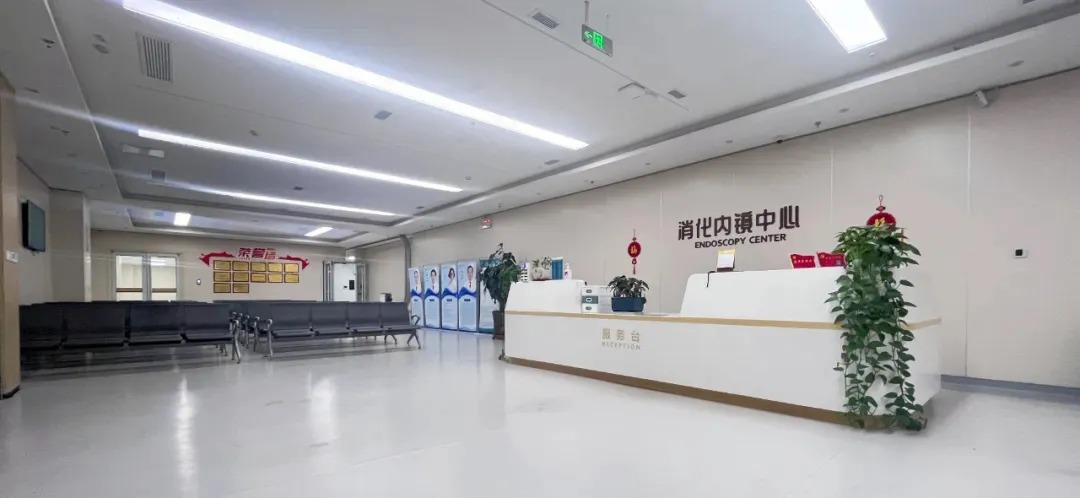
As the "pacesetter" in digestive health along the Hexi Corridor, the Gastroenterology Center of Gansu Wuwei Cancer Hospital will leverage this teaching and clinical guidance opportunity to further establish a regional collaborative development network encompassing "technology export, talent cultivation, and resource sharing." In the future, the center will continue to deepen international academic exchanges and technical collaboration, promote the transformation of cutting-edge international technologies into clinical service capabilities, and provide more precise, minimally invasive, and higher-quality diagnostic and treatment services for gastrointestinal cancer patients in Gansu and surrounding regions, contributing core strength to the high-quality development of regional digestive health initiatives.