
[Daily Expert Consultation] Feng Qinfu Elevates Thoracic Tumor Treatment at Our Hospital
[Daily Expert Consultation] Feng Qinfu Elevates Thoracic Tumor Treatment at Our Hospital
On March 17, Professor Feng Qinfu from the Cancer Hospital of the Chinese Academy of Medical Sciences was invited to visit the Wuwei Heavy Ion Center of Gansu Wuwei Cancer Hospital. During his visit, he conducted in-depth ward rounds in the radiotherapy department, participated in discussions on complex cases, and provided on-site teaching on the clinical application of cutting-edge technologies. His advanced academic insights and extensive diagnostic and therapeutic experience have injected strong momentum into the discipline development and clinical capability enhancement of the center.
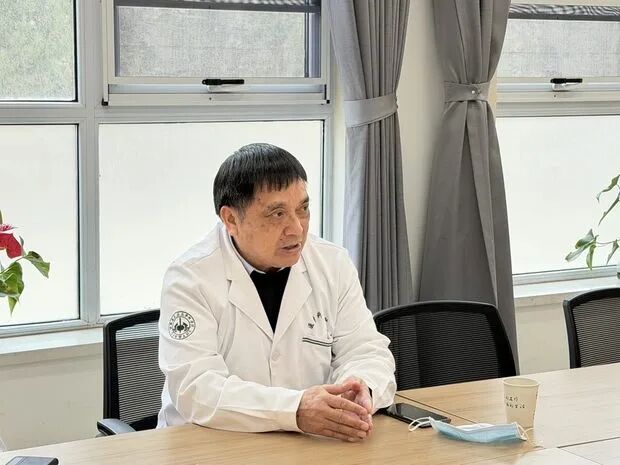
Professor Feng Qinfu is a senior expert in the field of radiotherapy, serving as Chief Physician, Professor, and Master's Supervisor at the Cancer Hospital of the Chinese Academy of Medical Sciences. He graduated from the Department of Clinical Medicine at Hunan Medical University in 1984, obtained his Master's degree from Peking Union Medical College in 1990, and pursued advanced studies at the Duke University Medical Center in the United States from 1999 to 2000. His primary research focuses on radiation therapy and comprehensive treatment for thoracic tumors, including conformal radiotherapy for lung cancer, esophageal cancer, and thymic tumors, as well as the diagnosis and management of radiation-induced lung injury. Since 2008, he has been engaged in the clinical practice of intraoperative radiotherapy for malignant tumors, having completed over 100 cases aimed at improving local control rates while reducing side effects. Professor Feng holds numerous academic positions, including Standing Committee Member of the Chinese Society for Radiation Oncology and Committee Member of the Chinese Anti-Cancer Association's Lung Cancer Professional Committee. With deep expertise in thoracic oncology, he specializes in comprehensive treatment approaches combining radiotherapy, chemotherapy, targeted therapy, and immunotherapy for thoracic tumors such as lung cancer, esophageal cancer, and mediastinal tumors, accumulating extensive experience in both clinical practice and scientific research.
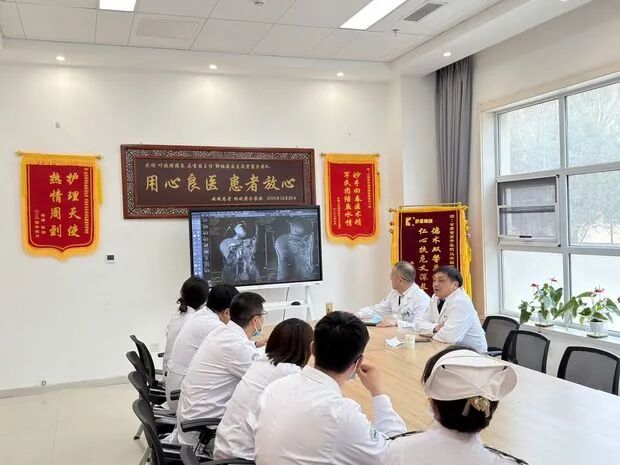
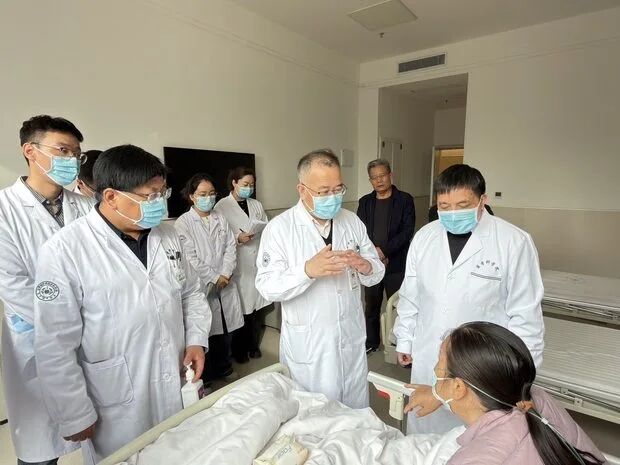
During his guidance visit, Professor Feng Qinfu immersed himself in the front-line clinical work of our hospital's Radiotherapy Department, providing comprehensive diagnostic and therapeutic guidance. In case consultations, he focused on the realities of thoracic tumor diagnosis and treatment at our hospital. For typical cases such as lung cancer and esophageal cancer, he conducted detailed analyses and explanations of core aspects including radiotherapy target volume delineation, dose planning, and the formulation of multidisciplinary treatment strategies. He offered precise optimization suggestions, helping our medical team enhance the accuracy and standardization of radiotherapy procedures. During his consultations, he patiently attended to every thoracic tumor patient, carefully reviewing medical histories, conducting meticulous physical examinations, and integrating imaging studies with pathology reports to tailor individualized diagnosis and treatment plans. He provided authoritative opinions for several patients with complex conditions, enabling them to clearly understand their illness and treatment directions. Throughout ward rounds, he gently addressed the anxieties of patients and their families, meticulously answering various questions while engaging in in-depth discussions with our medical team based on clinical cases. He shared cutting-edge diagnostic concepts and practical experience, guiding the direction of our hospital's clinical work in thoracic oncology with his rigorous academic approach and exceptional professional expertise.
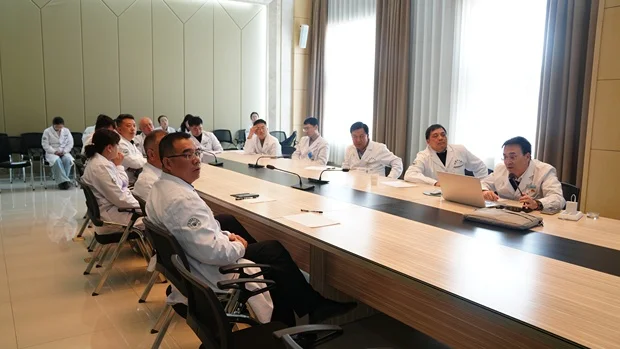
As the only cancer hospital in the world operating two heavy ion (carbon ion) therapy systems, our hospital has always focused on innovation in tumor diagnosis and treatment technologies and discipline development. Our Radiotherapy Department has entered a national clinical key specialty construction cycle. In the future, our hospital will continue to invite renowned experts from various fields nationwide to conduct consultations, clinical guidance, and academic exchange activities. We will persistently deepen research into precision diagnosis and treatment technologies for thoracic tumors and other key specialties, improve the multidisciplinary collaborative diagnosis and treatment system, and fully leverage the advantages of advanced equipment such as heavy ion radiotherapy. With more sophisticated diagnostic and therapeutic techniques and higher quality medical services, we aim to provide efficient, precise, and personalized diagnosis and treatment assurance for thoracic tumor patients in the Northwest region, safeguarding the lives and health of the people with professional expertise!