Focusing on Infusion Safety, Empowering Professional Growth
Focusing on Infusion Safety, Empowering Professional Growth
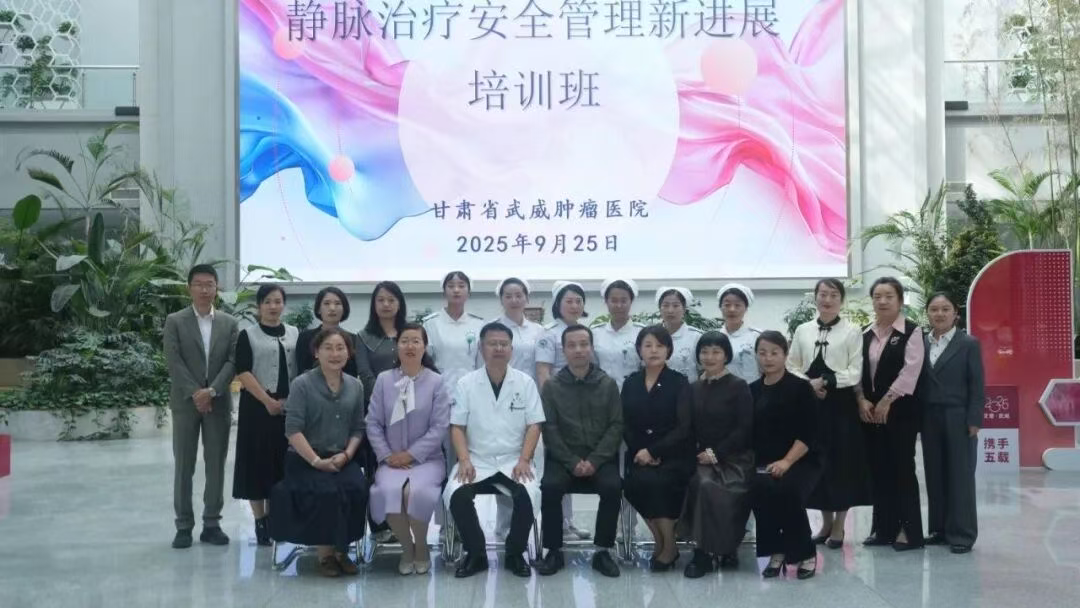
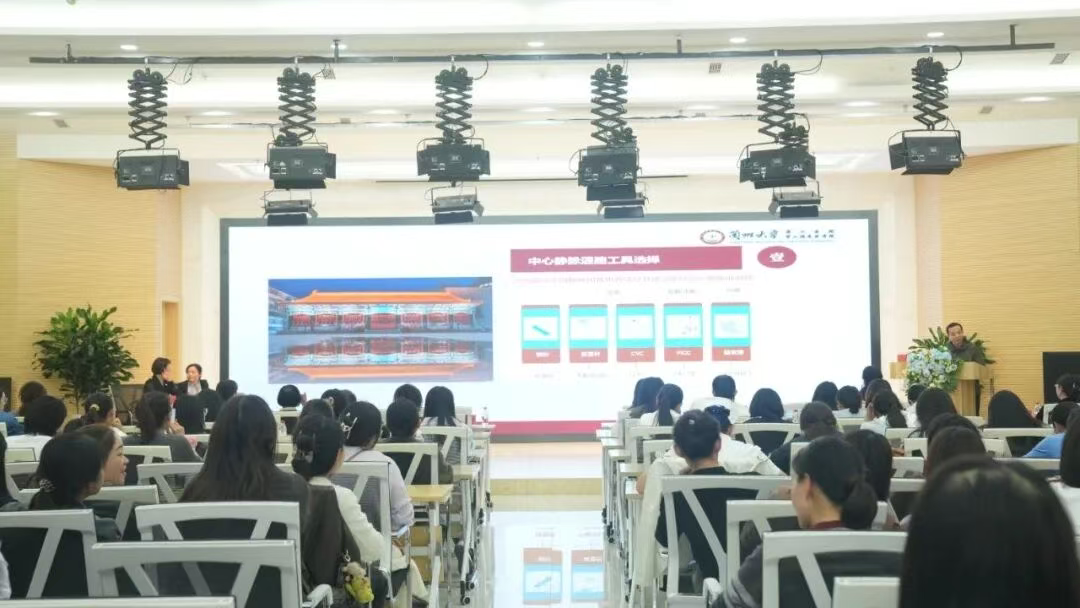
To further disseminate cutting-edge concepts in intravenous infusion, implement national industry standards for intravenous infusion, enhance the training of specialized IV therapy nurses and team building, and strengthen the ability to prevent and control risks of intravenous therapy complications, the municipal continuing education project "Training Course on New Advances in Intravenous Therapy Safety Management," organized by Gansu Wuwei Cancer Hospital, was successfully held on September 25, 2025, in the First Conference Room of the Heavy Ion Hospital Campus. The conference adopted a hybrid online and offline model. Over 300 nursing colleagues from various medical institutions in Wuwei City attended the training on site, while more than 200 participants from institutions such as the Lanzhou Heavy Ion Hospital Campus, and Tianzhu, Gulang, and Minqin counties joined online, collectively embarking on an academic journey focused on the forefront of intravenous therapy.
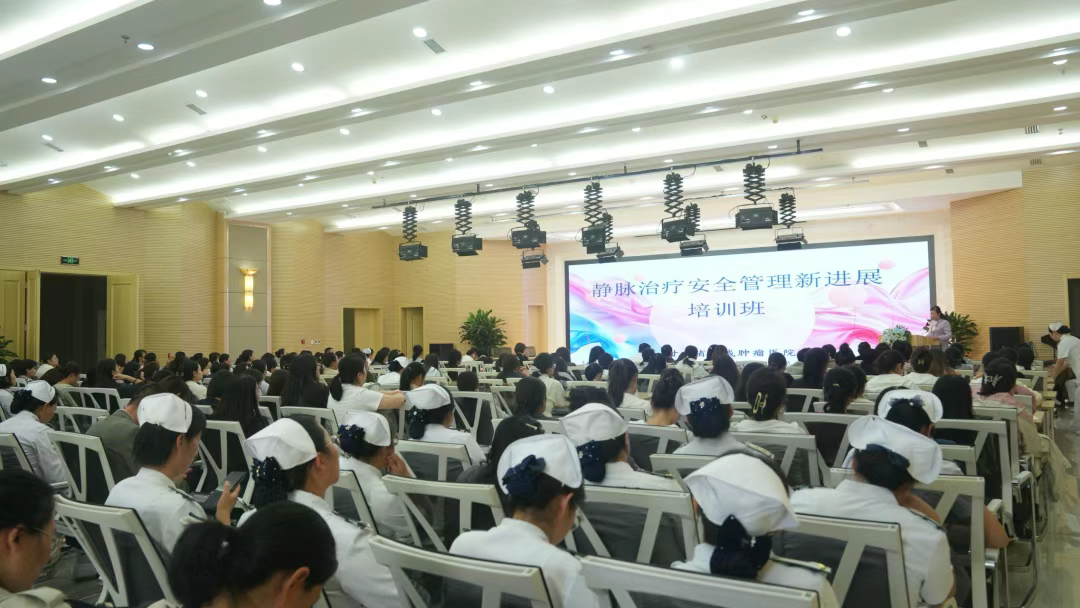
Training Venue
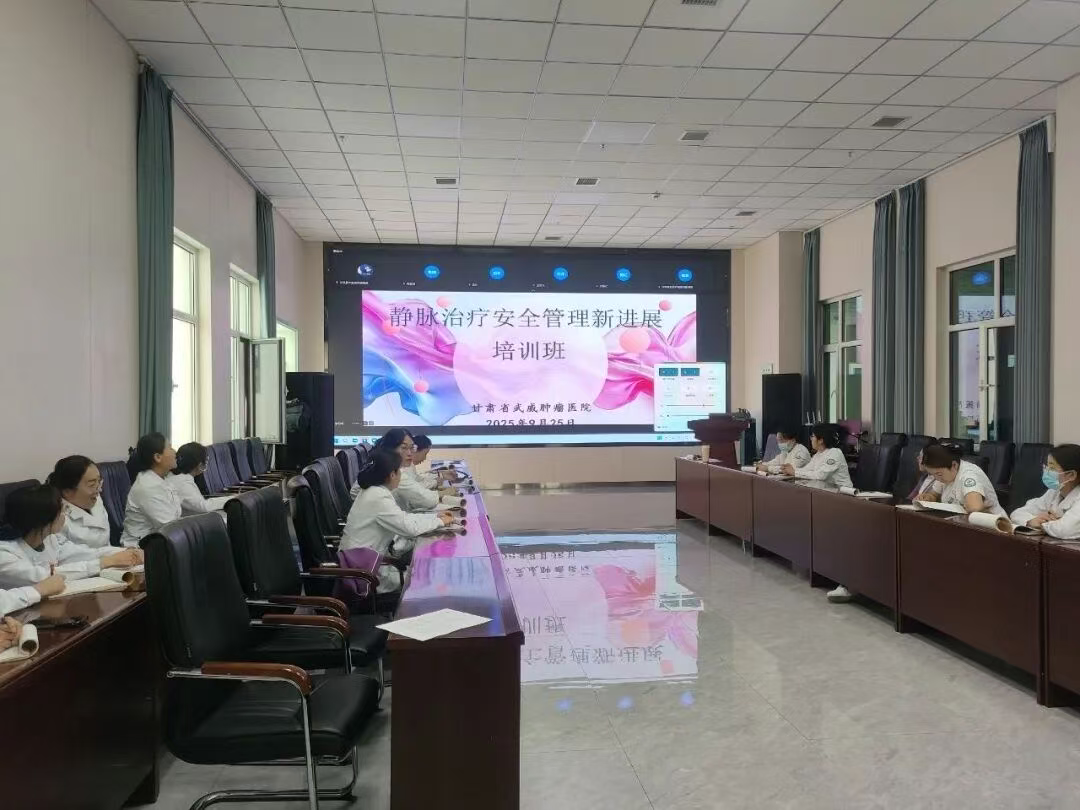
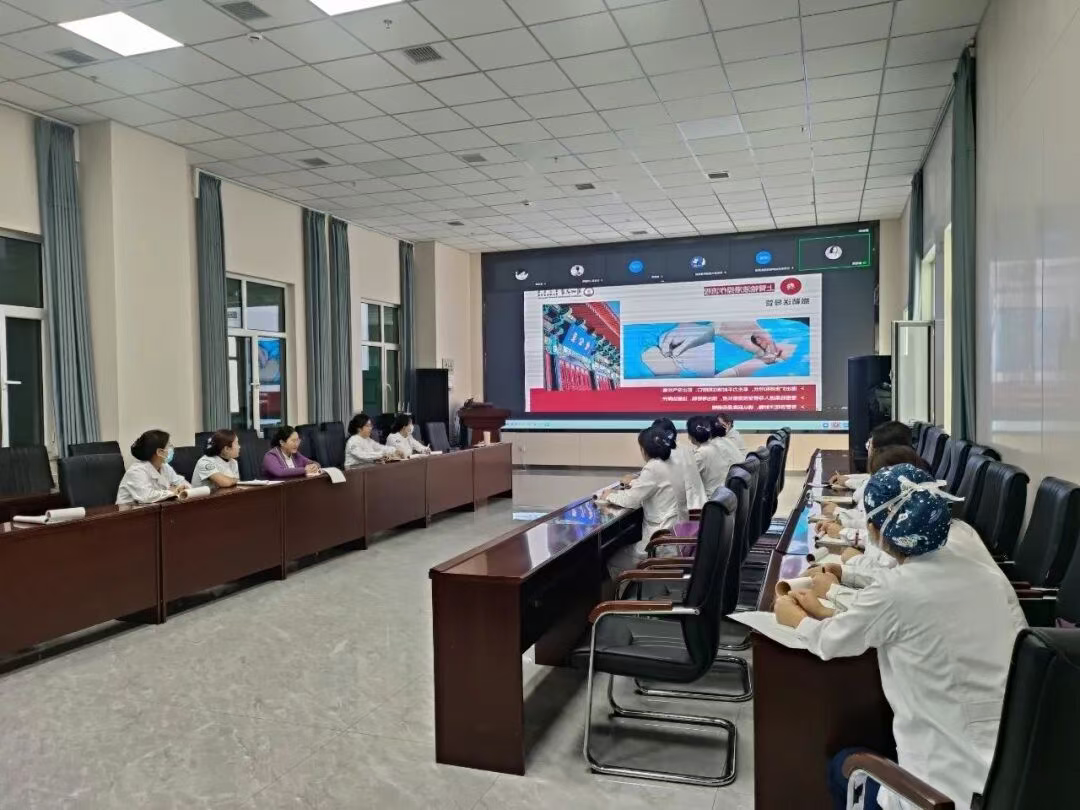
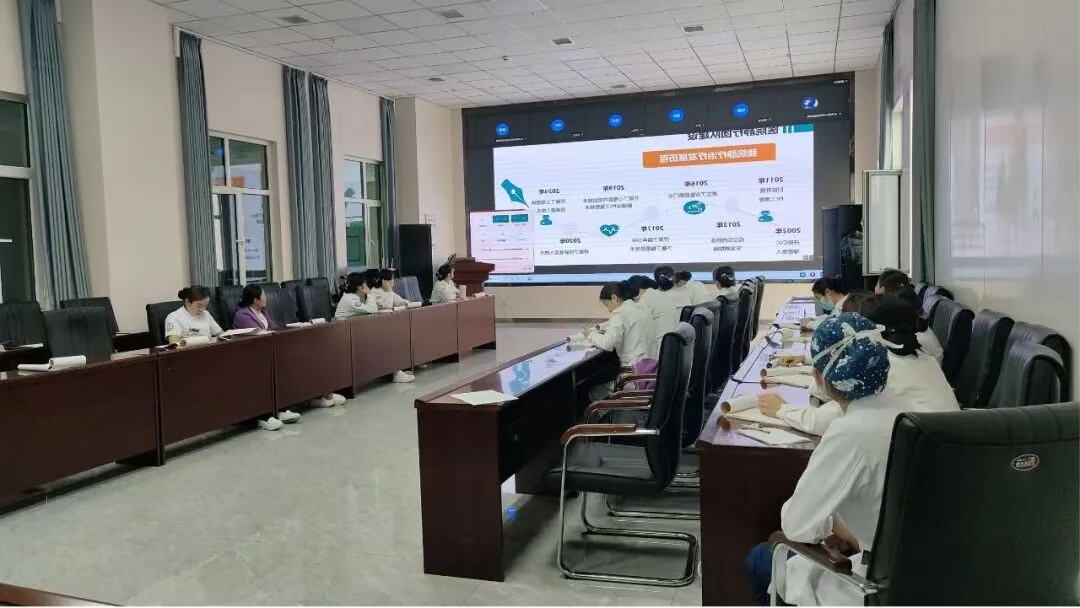
Various Hospitals Participating in Online Training
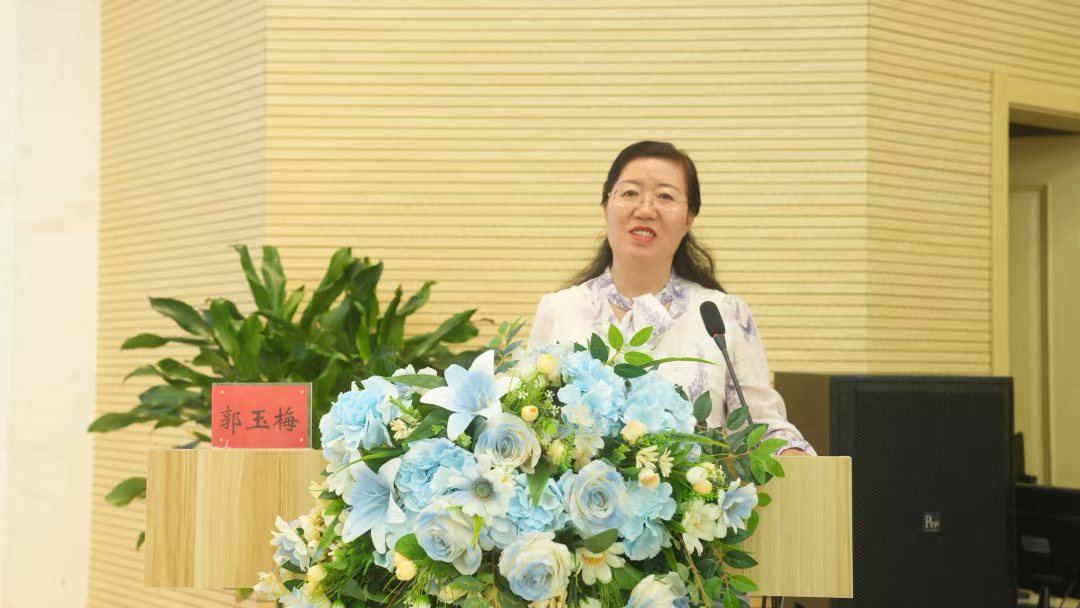
Director of the Nursing Department, Guo Yumei, Presided Over the Meeting
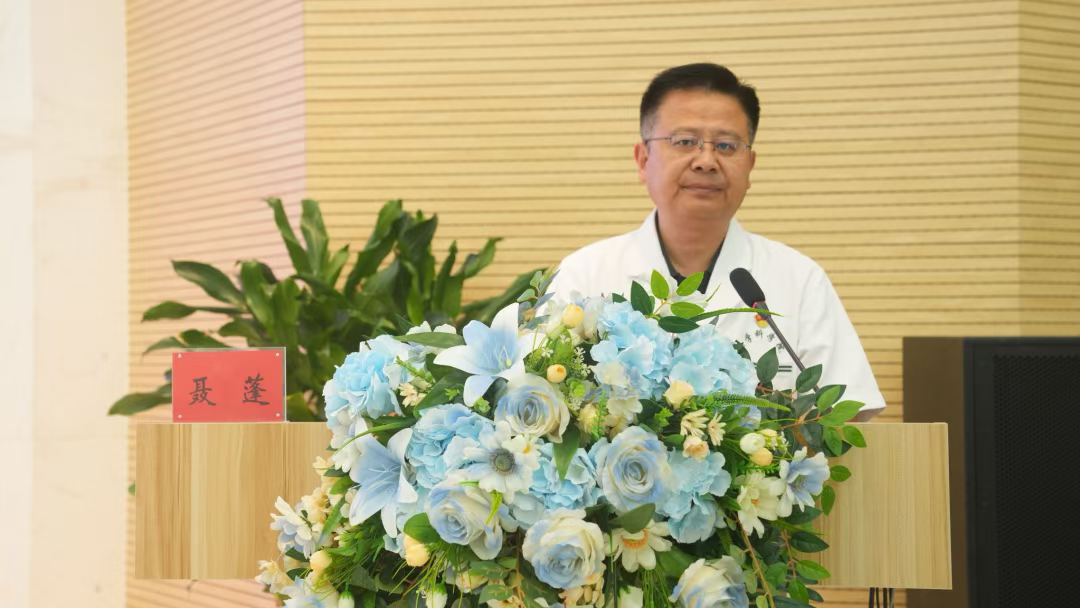
Vice President Nie Peng Delivered a Speech
The meeting was presided over by Guo Yumei, Director of the Nursing Department. Vice President Nie Peng, representing the hospital leadership and all medical staff, extended a warm welcome to the attending experts and nursing colleagues. He delivered an enthusiastic speech, expressing his hope that this training course would provide a platform for learning and exchange for the nursing staff in our city, allowing them to explore advanced concepts, solve clinical challenges, and stimulate innovative thinking together. During the lecture session, experts provided in-depth explanations on key points of intravenous therapy.
Professor Chen Kang, Director of the Department of General Surgery at Lanzhou University Second People's Hospital, gave a lecture titled "Key Points of Upper Arm Port Implantation and Complication Management." Using typical clinical cases, he analyzed the key points of upper arm port implantation and how to manage complications, helping trainees establish professional thinking for "personalized selection." Director Guo Yumei of the Nursing Department shared our hospital's "Practice and Future Prospects of Intravenous Therapy Safety Management," opening a new chapter of high-quality development relying on technological innovation and model upgrades. Zhang Huahua, Head Nurse and Leader of the Hospital's Intravenous Therapy Management Group, focused on "Management of Common PICC Complications," breaking down key clinical prevention and control points from sterile operation standards and daily maintenance essentials to risk early warning mechanisms, enabling trainees to master actionable safety management methods. Li Lijuan, Head Nurse of the Vascular Access Clinic, through her session on "Port Maintenance and Patient Education," helped everyone perform clinical operations more standardly and safely, improve nursing quality, ensure patient safety, focus on patient experience, and promptly identify and manage complications.
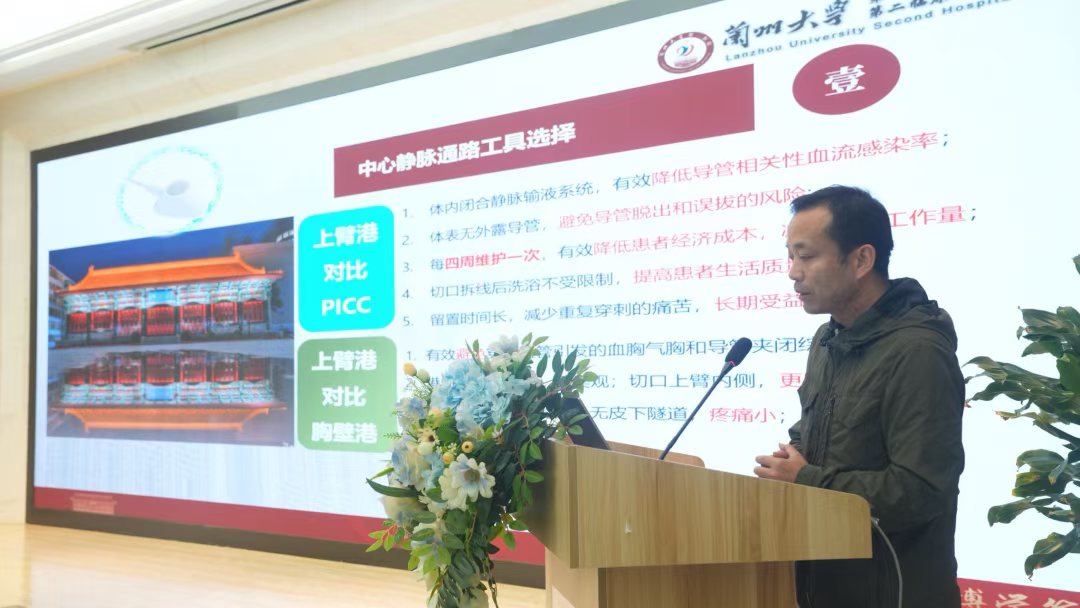
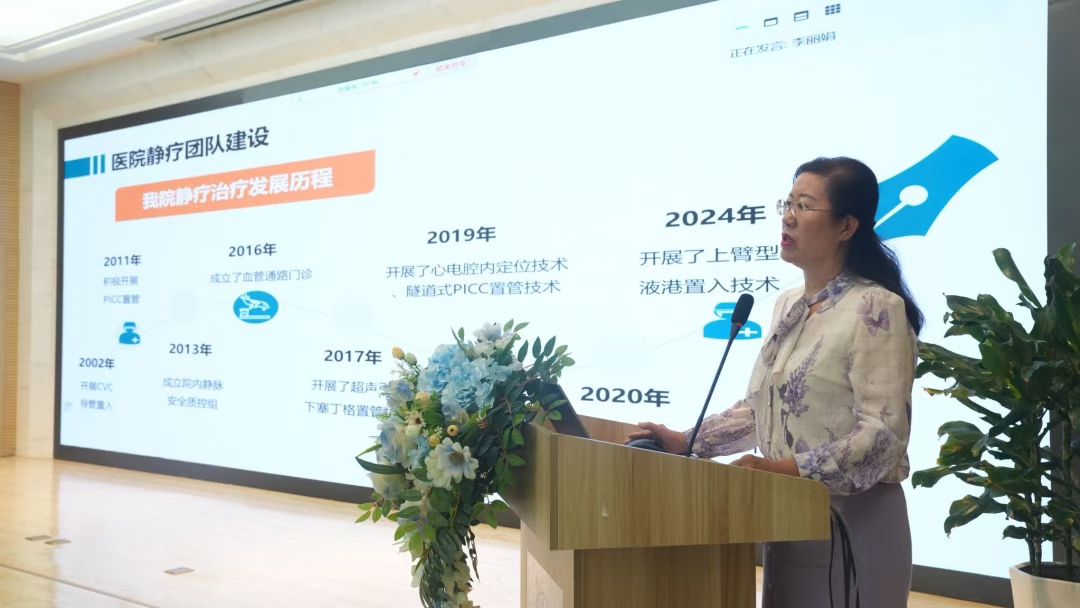
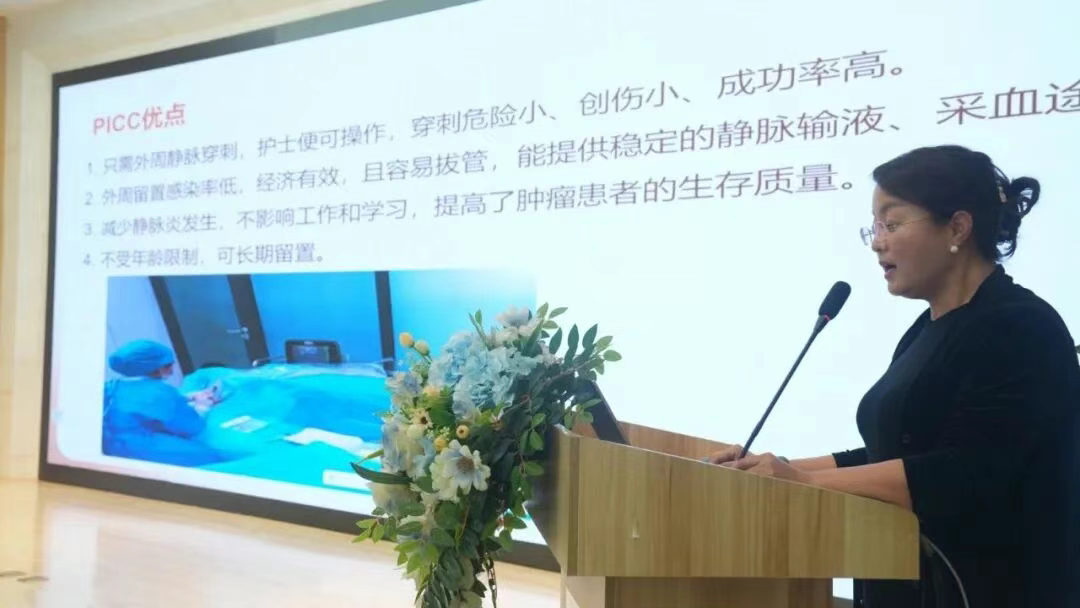
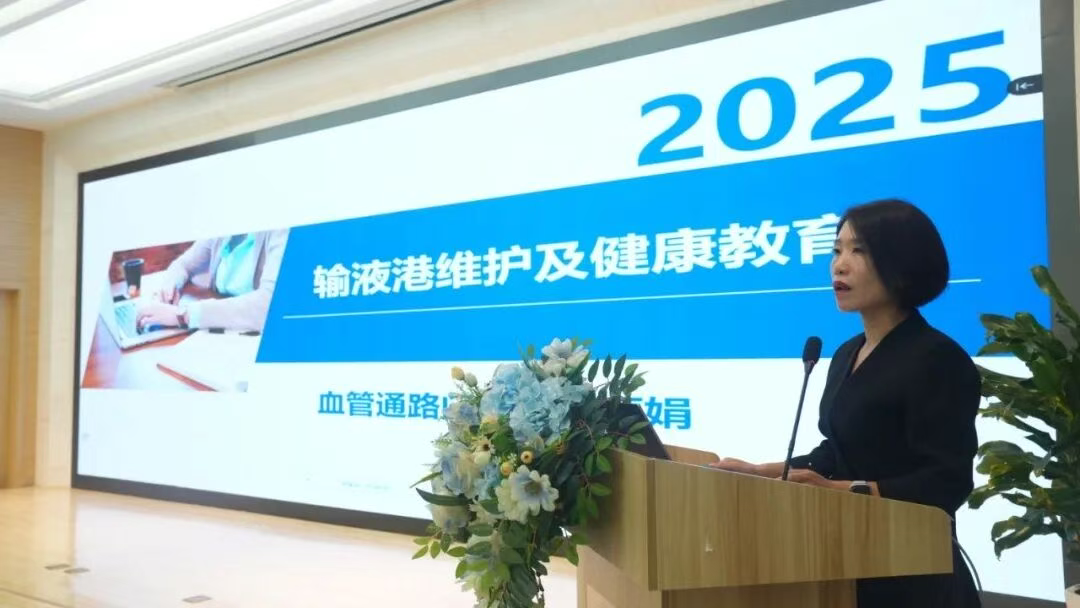
Lecture Experts
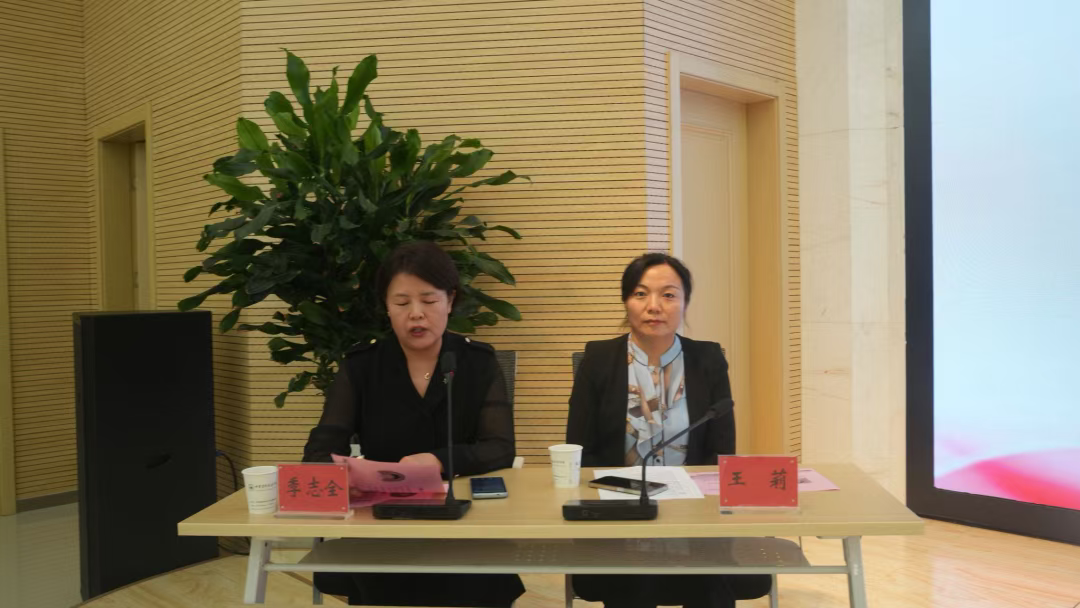
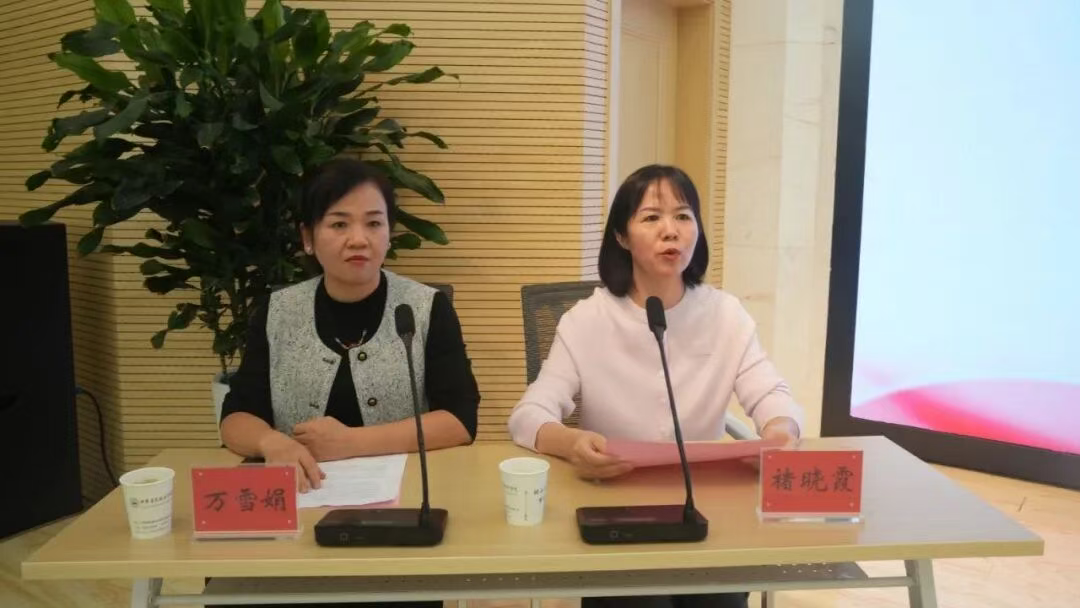
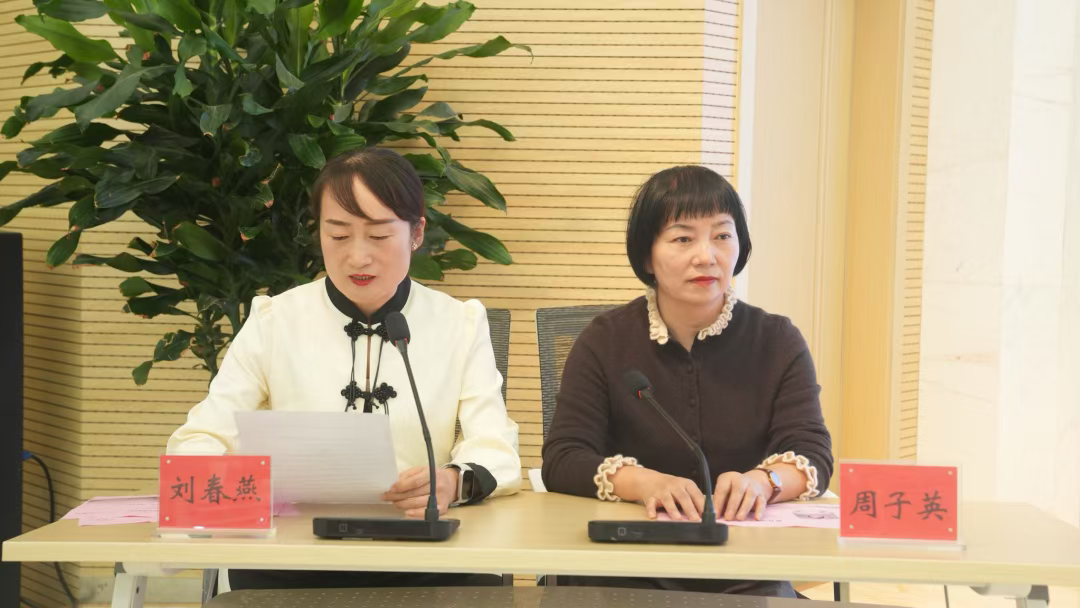
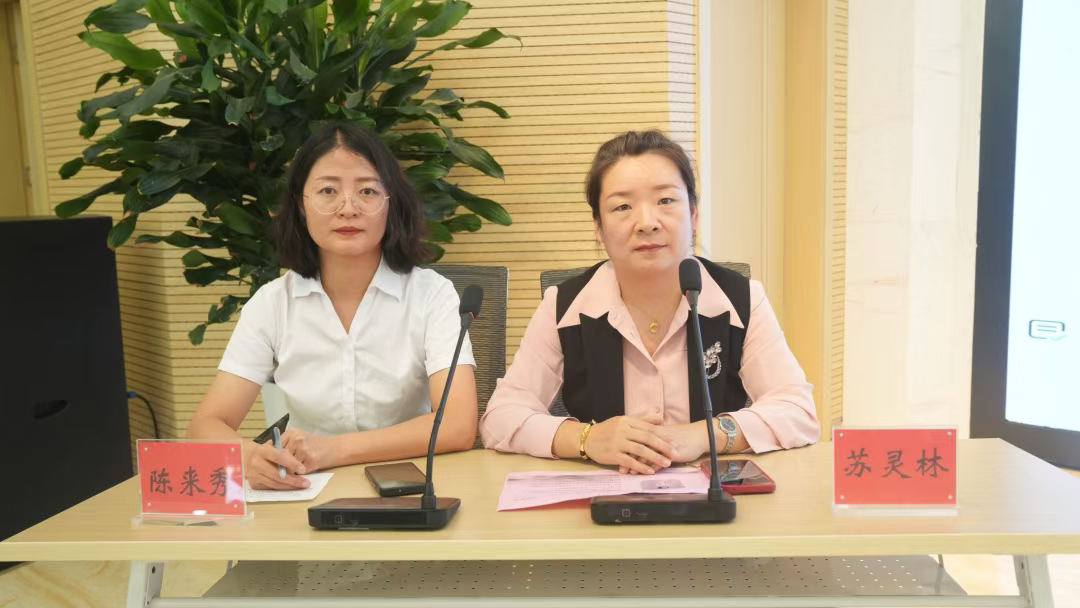
Glimpses of Hosting Guests
At the meeting, the nursing colleagues listened attentively and took careful notes, creating a strong atmosphere of learning on site. Many participants expressed that the expert lectures were closely integrated with clinical practice, offering both theoretical depth and practical guidance, providing new directions for solving difficult problems in their work.

The convening of this academic conference has built a platform for nursing colleagues in our city to share experiences and exchange ideas, jointly exploring advanced concepts, solving clinical challenges, and stimulating innovative thinking. Although the conference has concluded, our exploration and practice in intravenous therapy safety management are endless. We hope that the nursing colleagues will bring what they have learned, felt, and realized today back to clinical practice and put it into action, working together to safeguard the safety of patients' "lifeline channels."