Precautions During Radiotherapy for Esophageal Tumors
Precautions During Radiotherapy for Esophageal Tumors
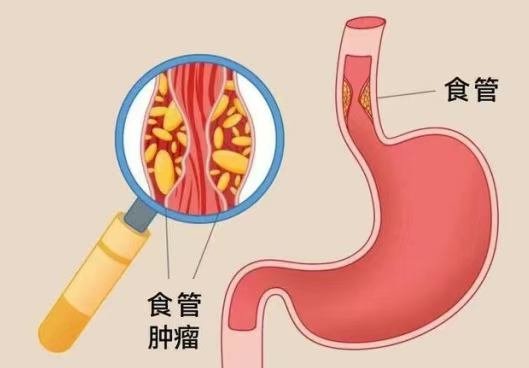
The treatment methods for esophageal tumors include surgery, chemotherapy, radiotherapy, immunotherapy, etc. Since most patients with esophageal tumors seek medical attention at an advanced or middle-late stage, they often lose the opportunity for surgery, making radiochemotherapy the optimal treatment approach. Radiotherapy, also known as radiation therapy and commonly referred to as "electric baking," is a method that primarily utilizes radiation (such as heavy ions, protons, X-rays, etc.) to treat various tumors. During the radiotherapy process for esophageal tumors, patients and the medical team need to closely cooperate and pay attention to the following key points to improve treatment efficacy and reduce side effects.
I. Preparation before radiotherapy
1. Medical Evaluation
1) Complete examinations such as gastroscopy, CT/PET-CT, and endoscopic ultrasound (EUS) to determine the tumor's location, stage, and extent of invasion into surrounding tissues.
2) Assess cardiac, pulmonary, hepatic, and renal function, as well as nutritional status, with particular attention to whether the patient has complications such as anemia or hypoalbuminemia.
2. Nutritional Support
1) Esophageal tumors often cause dysphagia and difficulty swallowing. Before radiotherapy, dietary adjustments (such as consuming liquid or semi-liquid foods) should be made.
2) If severe swallowing difficulties occur, a nasogastric tube or percutaneous endoscopic gastrostomy (PEG) may be considered to ensure adequate nutrition intake.
3) If necessary, consult a nutritionist for supplementation with high-protein, high-calorie nutritional agents (such as enteral nutrition powder).
3. Oral and Esophageal Hygiene
1) Treat any pre-existing oral infections (such as dental caries or gingivitis) before therapy to reduce the risk of post-radiotherapy infections.
2) If there is severe esophageal stenosis, esophageal stent placement or esophageal dilation may be required to improve swallowing function.
II. Matters Needing Attention During Radiotherapy
1. Patient positioning immobilization and precise radiotherapy
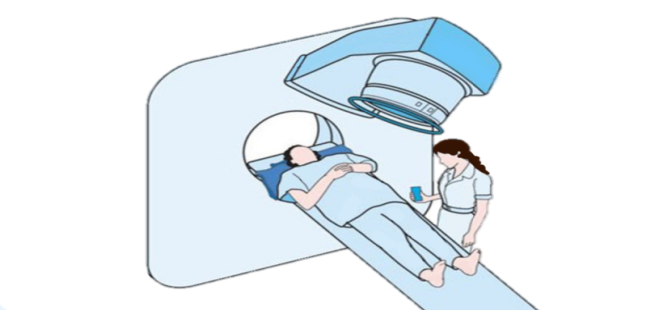
1) Use a body mold or vacuum cushion to immobilize the patient, ensuring consistent positioning for each radiotherapy session and improving treatment precision.
2) Advanced radiotherapy techniques (such as intensity-modulated radiation therapy [IMRT] and heavy ion therapy) help minimize damage to surrounding healthy tissues.
2. Skin Care
The skin in the radiotherapy area may develop redness, dryness, or peeling. Please note:
1) Avoid scratching, sun exposure, and using irritating skincare products.
2) Wear loose, cotton clothing to reduce friction.
3) Apply skin protectants recommended by your doctor (such as aloe vera gel or radioprotective creams).
III. Dietary Management
1. Food Selection
1) High-protein, high-calorie diet: such as fish puree, steamed egg custard, milk, and protein powder.
2) Blend food into paste or liquid form (e.g., rice porridge, lotus root powder, nutritional milkshake).
3) Avoid spicy, fried, hard, overly hot, or acidic foods (such as orange juice and tomatoes).
2. Eating Techniques
1) Eat small meals frequently (6-8 times per day) and chew thoroughly.
2) Remain upright for 30 minutes after eating to prevent reflux.

IV. Post-treatment follow-up
1. Regular follow-up examinations
1) Undergo gastroscopy and CT scans 1-3 months after radiotherapy to evaluate treatment efficacy.
2) Follow up every 3-6 months to monitor for recurrence or metastasis.
2. Long-term Side Effect Management
Potential long-term complications, such as hypothyroidism (following neck radiotherapy) or esophageal fibrosis (leading to stricture), require ongoing monitoring.
V. Special Reminder
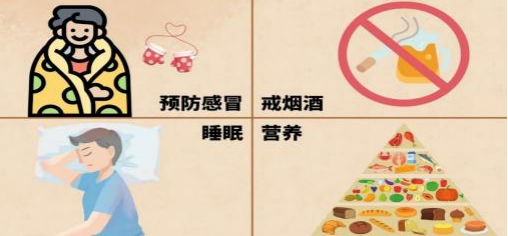
1. Absolute smoking and alcohol cessation is mandatory – Smoking and drinking exacerbate mucosal damage and increase recurrence risks.
2. Maintain oral hygiene: Rinse daily with saline or sodium bicarbonate solution to prevent fungal infections.
3. Track symptom changes: Report persistent weight loss or worsening pain to your doctor promptly for treatment adjustments.
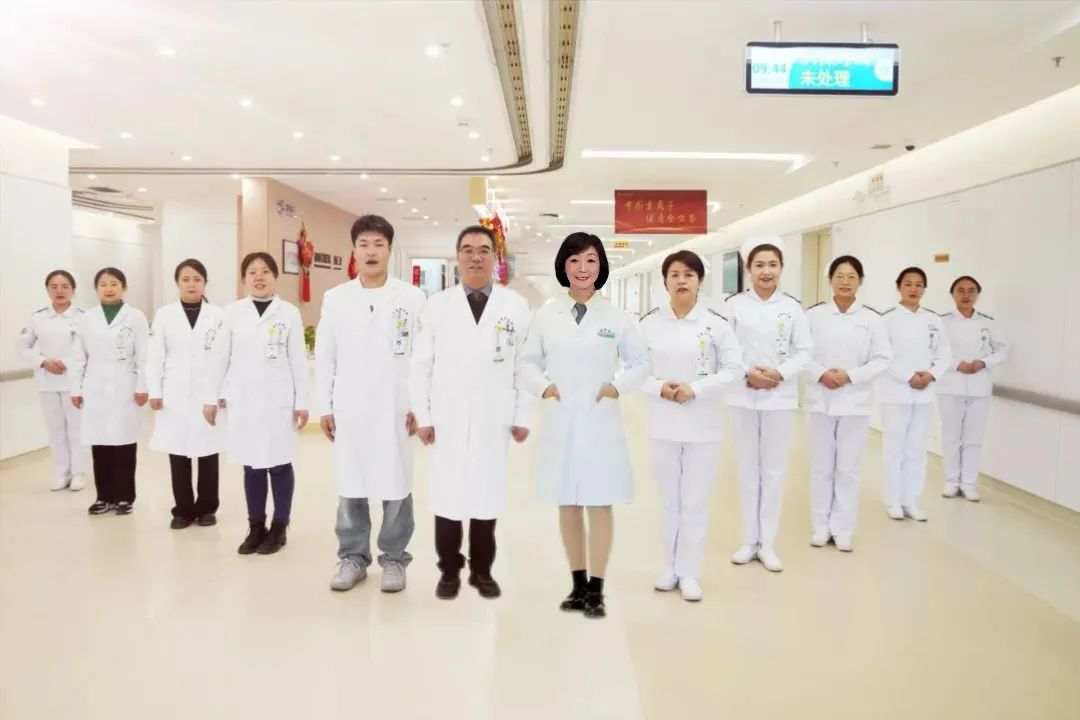
Esophageal tumor radiotherapy requires multidisciplinary collaboration (involving radiation oncology, nutrition, and gastroenterology). Patients must strictly adhere to medical advice, maintain optimal nutrition, and closely monitor their physical responses. Seek immediate medical attention if experiencing severe dysphagia, chest pain, or fever. Department of Heavy Ion Therapy for Thoracic Tumors, Bone and Soft Tissue Tumors (Radiotherapy Department II) specializes in heavy ion and photon radiotherapy for thoracic tumors (including lung cancer, esophageal cancer, thymic cancer, and breast cancer), as well as bone and soft tissue tumors. The department currently has 16 staff members, including 2 chief physicians and 1 associate chief physician. The department is led by Dr. Chen Dongji, Chief Physician, Deputy Director of Gansu Heavy Ion Hospital, Chairman of the Hospital Trade Union, and Director of the Department of Heavy Ion Therapy for Thoracic Tumors, Bone and Soft Tissue Tumors (Radiotherapy Department II). With over 30 years of experience in radiotherapy, Dr. Chen studied at the Munich Proton Therapy Center in Germany. He currently serves as a member of the Ion Therapy Group of the Radiation Oncology Committee of the Chinese Anti-Cancer Association, a member of the Ion Radiotherapy Branch of the China Medical Equipment Association, a council member of the Western Radiation Oncology Association, a member of the Radiotherapy-Immunotherapy Alliance for Gansu, Qinghai, and Ningxia of the Chinese Tumor Radiotherapy Alliance, a member of the Radiotherapy Committee of the Gansu Medical Doctor Association, a member of the Radiotherapy Committee of the Gansu Anti-Cancer Association, and a member of the Lung Cancer Committee of the Gansu Anti-Cancer Association. The department has been conducting clinical and research work under the long-term guidance of renowned experts, including Professor Jörg Hauffe from the Munich Proton and Heavy Ion Center in Germany, Professor Hirohiko Tsujii (renowned as the "Father of Heavy Ion Tumor Therapy"), Professor Yee-Min Jen from Taiwan, China, and Professor Jia-Ming Wu. The department has received 3 provincial-level second prizes for scientific and technological progress and 7 municipal first and second prizes, with over 30 academic papers published. Faculty members have received advanced training at prestigious institutions worldwide, including the RPTC Center in Germany, Cancer Hospital of the Chinese Academy of Medical Sciences, Shanghai Proton and Heavy Ion Center, Beijing 301 Hospital, Peking University Third Hospital, Sichuan Cancer Hospital, and Zhejiang Cancer Hospital. The department currently offers state-of-the-art radiotherapy techniques, including:
- Heavy ion therapy
- Spatially fractionated radiotherapy
- Stereotactic radiotherapy (SRS/SABR/SBRT)
- Rotational/static intensity-modulated radiotherapy (IMRT)
- Image-guided radiotherapy (IGRT)
- Three-dimensional conformal radiotherapy (3D-CRT)
- High-dose-rate brachytherapy (HDR)
- Hyperthermia
Combining these advanced technologies with surgical treatment, immunotherapy, targeted therapy, chemotherapy, and traditional Chinese medicine, the department provides standardized and personalized comprehensive treatment for cancer patients.
Contact us
Hospital Address: Department of Thoracic Tumors and Bone & Soft Tissue Tumor Heavy Ion Therapy, Building 4, 2nd Floor, Heavy Ion Campus, Gansu Wuwei Academy of Medical and Science Cancer Hospital