Key Considerations for Prostate Cancer Patients Before and After Carbon Ion Therapy
Key Considerations for Prostate Cancer Patients Before and After Carbon Ion Therapy
Pre-treatment precautions
Improve inspection and evaluation
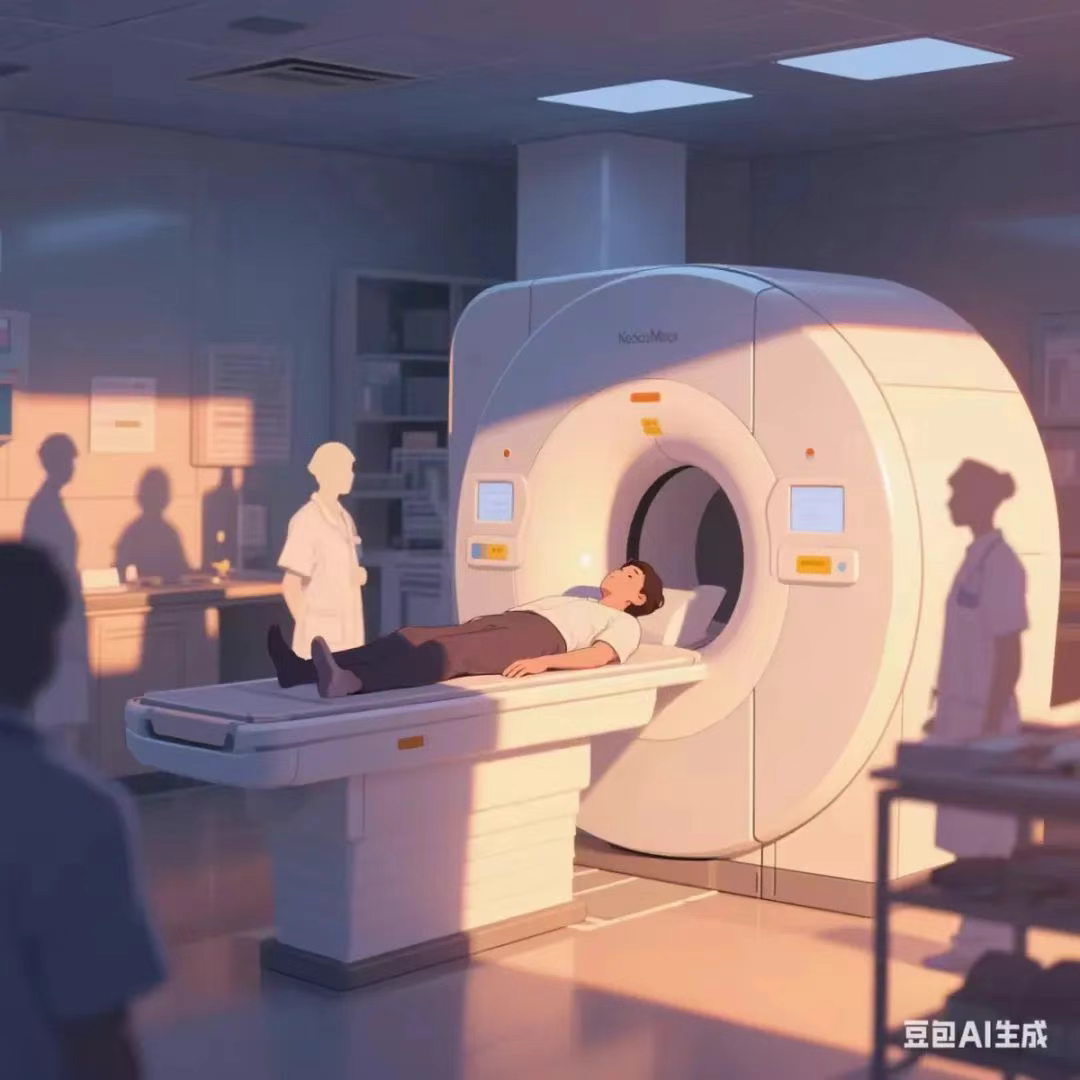
Complete all pre-treatment examinations as prescribed by your physician, including complete blood count, liver and kidney function tests, coagulation profile, prostate-specific antigen (PSA) test, pelvic magnetic resonance imaging (MRI), bone scan, etc., to determine the disease stage and assess your baseline health condition, ensuring you meet the indications for carbon ion therapy.
Proactively inform your doctor about your medical history, including chronic conditions such as hypertension, diabetes, and heart disease, as well as any drug allergies or surgical history, to facilitate the development of a personalized treatment plan.
Physical and Life Preparation
Maintain a regular sleep schedule before treatment, avoid staying up late, ensure adequate sleep, and boost your body's immune resistance.

Maintain a balanced diet consisting of light, easily digestible, and nutrient-rich foods. Increase intake of protein-rich foods (such as eggs, lean meat, fish, and soy products) and vitamin-rich foods (such as fresh vegetables and fruits). Avoid spicy, greasy, and irritating foods, and abstain from smoking and alcohol consumption.

If you have urinary tract infections, constipation, or similar conditions, you must inform your doctor in advance and receive active treatment. The therapy should only proceed after symptoms are under control to avoid compromising treatment efficacy or increasing the risk of complications.
Prior to treatment, maintain proper personal hygiene and keep the perineal area clean and dry to prevent infection.

Psychological adjustment
Understand the basic principles, procedures, expected outcomes, and potential adverse reactions of carbon ion therapy. You can consult with your physician and refer to authoritative sources to clarify any misconceptions, thereby alleviating anxiety and fear.
Family members should provide patients with adequate psychological support by offering companionship and encouragement, helping them build confidence in the treatment and maintain a positive, optimistic attitude to facilitate cooperation with the therapeutic process.
Precautions during treatment
Treatment coordination
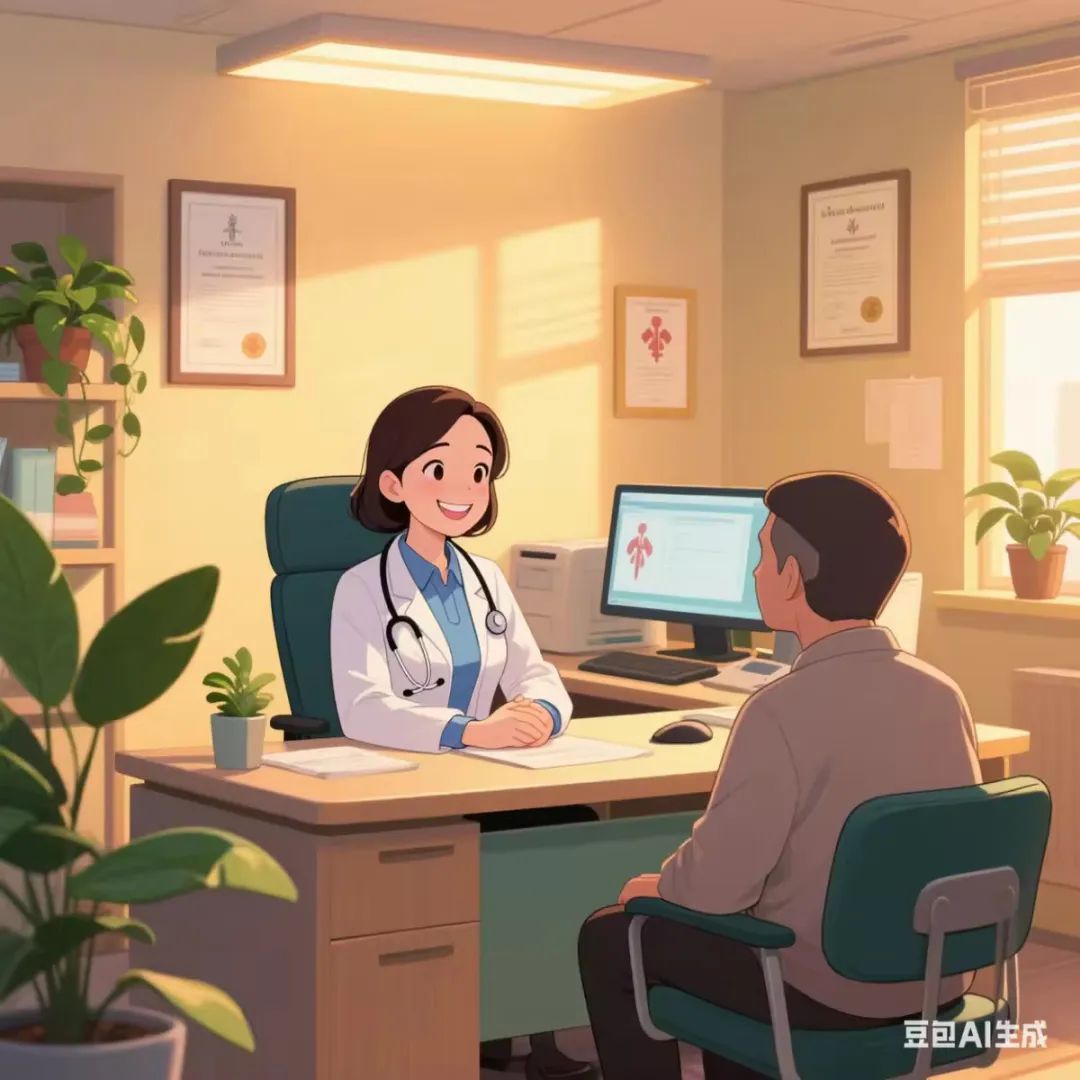
Strictly adhere to the scheduled treatment time appointed by your physician. During treatment, follow all medical staff instructions, including emptying your bladder and receiving the prescribed amount of saline solution for positioning. Maintain the correct treatment posture without any unnecessary body movements to ensure precise therapy delivery.
Immediately report any discomfort symptoms to the medical team, such as urinary frequency, urgency, dysuria, lower abdominal distension, nausea, or fatigue, for prompt intervention.
Life and Diet Management
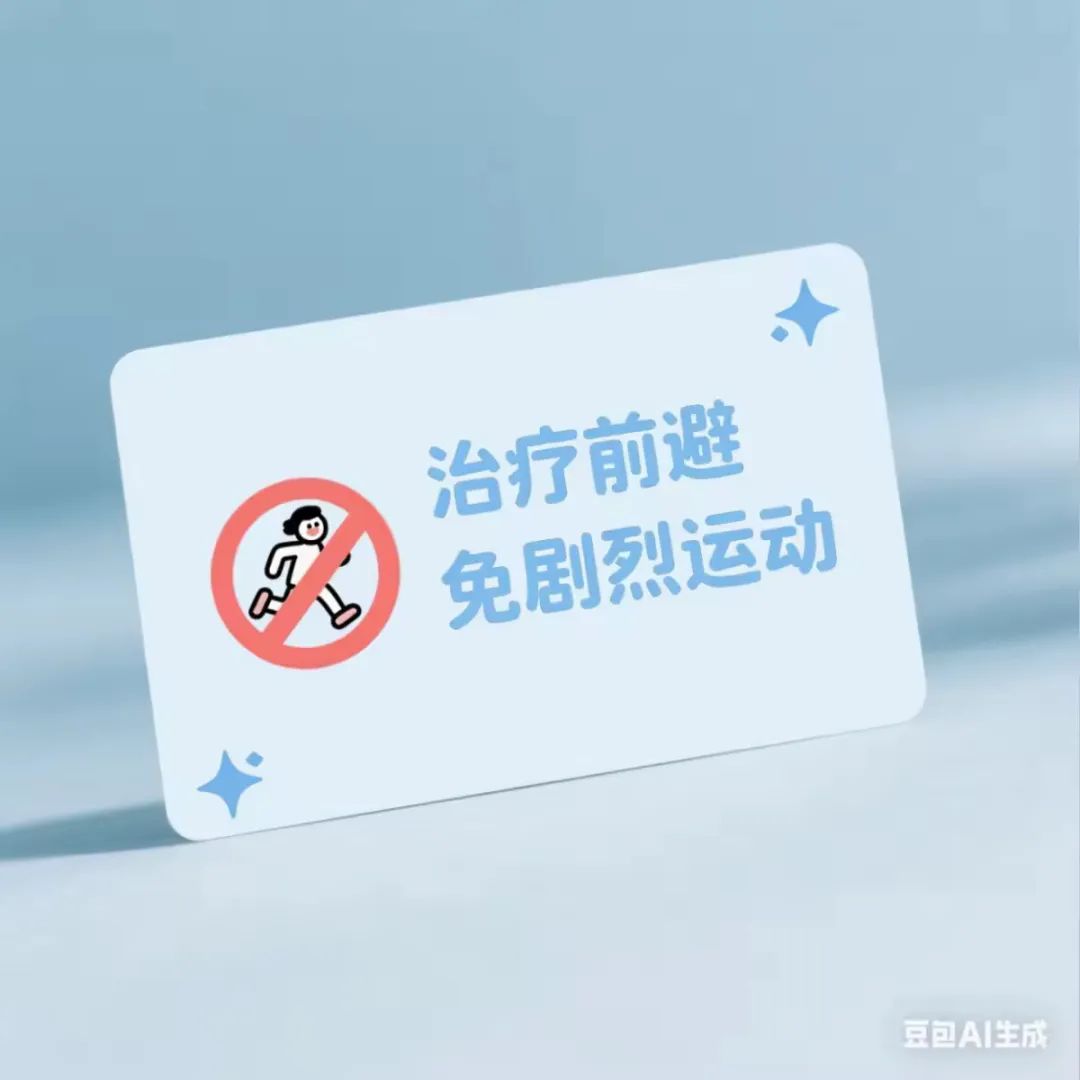
Continue maintaining a regular daily routine and avoid excessive fatigue. Light activities such as walking are permitted, but strenuous exercise should be avoided.
Adhere to the same dietary principles as before treatment. Ensure adequate hydration by drinking approximately 1,500-2,000 ml of water daily to promote urination and reduce the risk of urinary tract infections.
Pay special attention to perineal hygiene: keep the area clean, change underwear frequently, and avoid prolonged sitting or holding urine to prevent urinary system infections.

Symptom monitoring
Closely monitor changes in your symptoms and keep detailed records of urination (including urine volume, color, frequency, and any pain during urination), bowel movements (noting constipation, diarrhea, or presence of blood in stool), as well as any other abnormal physical discomforts, and report any abnormalities to medical staff promptly.
Post-treatment precautions
Daily Care and Life Management
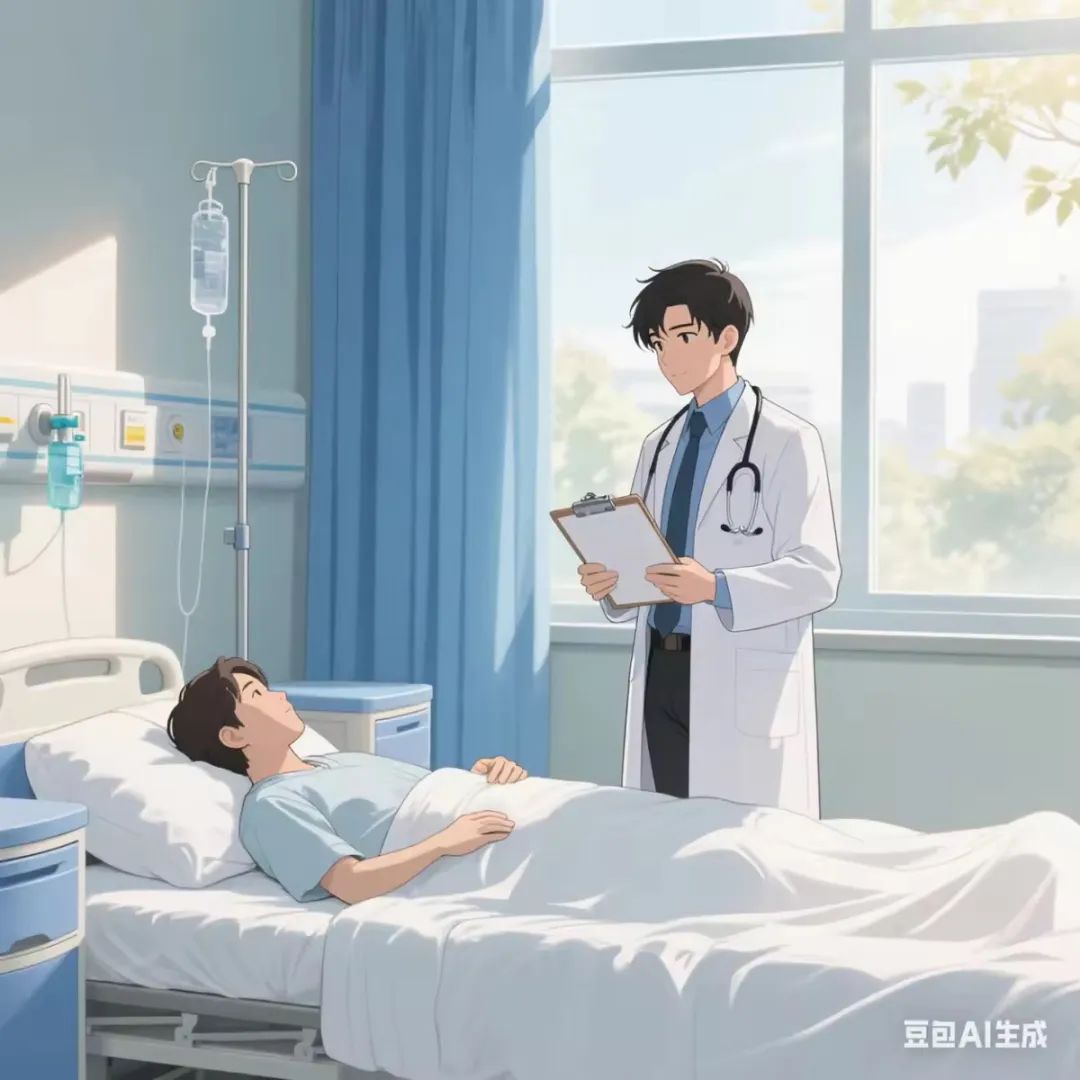
During the initial post-treatment period, continue to prioritize rest and avoid strenuous exercise or heavy physical labor. You may gradually increase your activity level, but should stop before feeling fatigued.
Maintain a nutritionally balanced diet with increased dietary fiber intake (such as whole grains, celery, and bananas) to prevent constipation. Avoid holding urine and establish a regular urination schedule to minimize bladder and prostate irritation.
Keep the perineal area clean with prompt cleansing after bowel movements. Abstain from sexual activity until cleared by your physician to prevent infection.
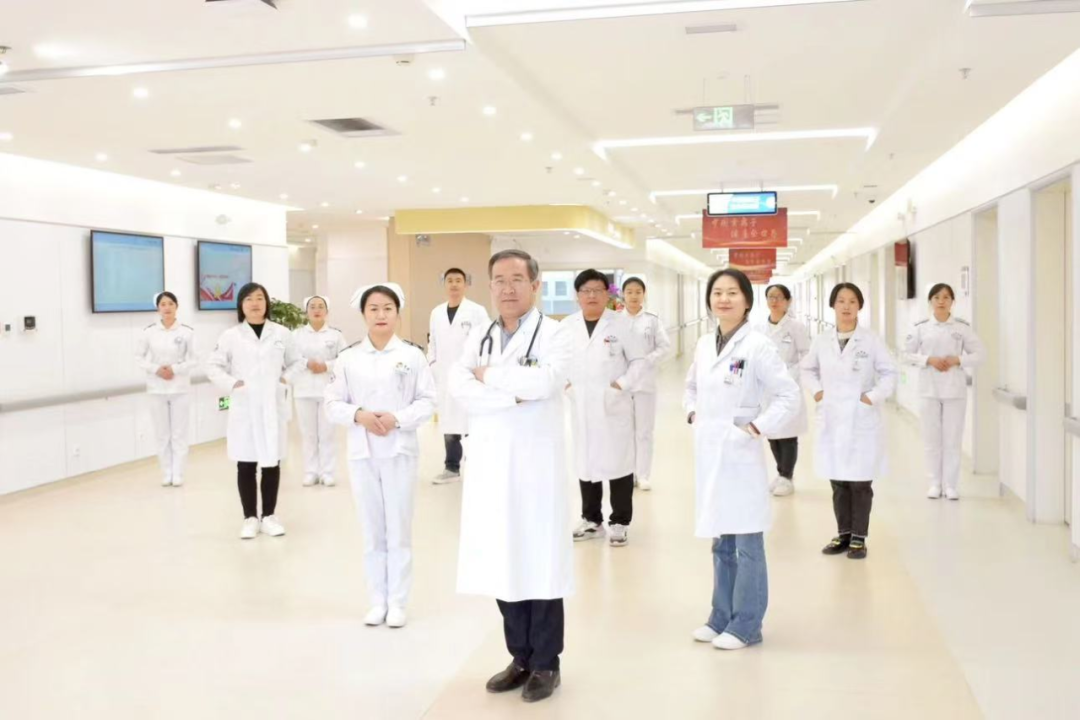
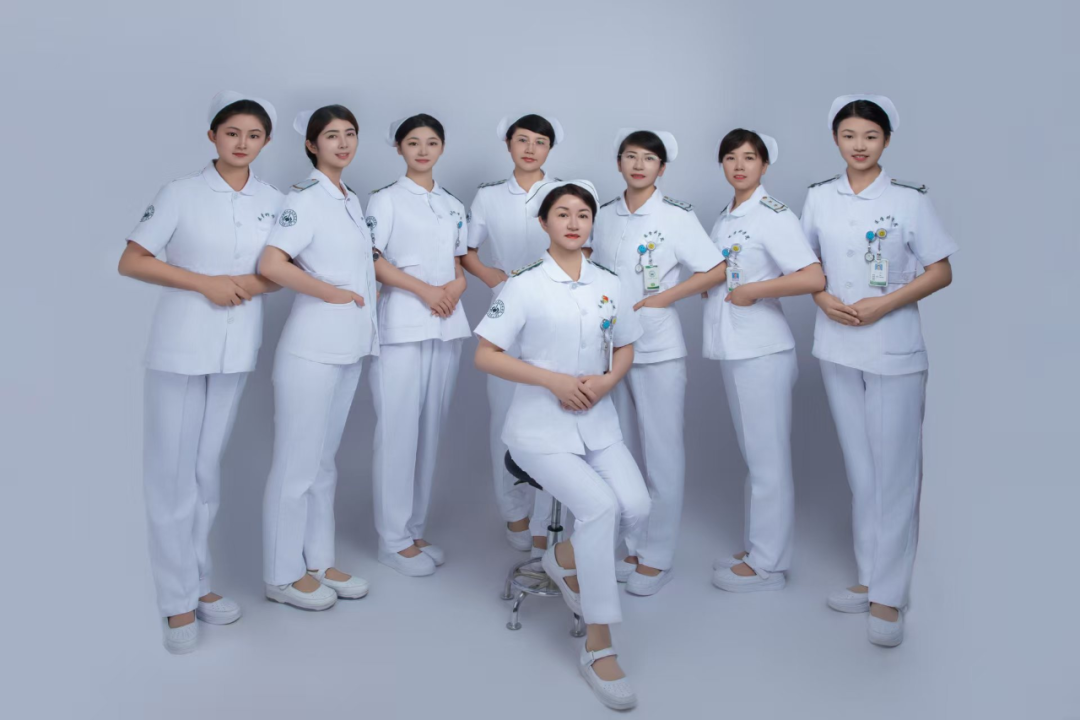
Outstanding teams build strong departments
Wuwei Heavy Ion Center is a specialized carbon ion clinical treatment facility under Gansu Wuwei Cancer Hospital, a tertiary Class-A hospital. As the world's only medical institution operating two heavy ion therapy systems and the first to utilize China's domestically developed heavy ion treatment system, the center officially commenced clinical treatments on March 26, 2020. To date, Wuwei Heavy Ion Center has successfully treated 1,828 patients with over 40 types of cancers, including lung cancer, pancreatic cancer, liver cancer, and glioblastoma, achieving excellent clinical outcomes. The center now routinely receives patients from all regions of China, including Hong Kong, Macau, and Taiwan, as well as international patients from Belgium, South Korea, Australia, and other countries.
The Department of Radiation Oncology I currently comprises a professional team of 15 medical staff, featuring a robust knowledge base and vibrant expertise. The team benefits from the technical and academic guidance of Professor Yee-Min Jen, Director of the Radiation Oncology Department at Tri-Service General Hospital in Taiwan, while several physicians have participated in international advanced training programs at proton/heavy ion and photon therapy centers in the United States, Germany, and Japan to acquire cutting-edge technologies and broaden their professional perspectives. Department Director Associate Chief Physician Ma Youguo, with over 26 years of experience in radiation oncology, has witnessed and contributed to the growth of our department. He has been dispatched multiple times for advanced training at nationally renowned radiation therapy centers, including Sichuan Cancer Hospital and Peking University Cancer Hospital. Additionally, he completed exchange programs at the Scripps Proton Therapy Center in San Diego, USA, and Japan's National Institute of Radiological Sciences (NIRS) Heavy Ion Medical Center, developing extensive clinical expertise in oncology radiochemotherapy.
The department primarily specializes in carbon ion and photon radiotherapy for malignant tumors in the abdominal and pelvic regions, including pancreatic cancer, liver cancer, bile duct cancer, colorectal cancer, kidney cancer, prostate cancer, and soft tissue sarcomas, as well as benign conditions such as keloids, bone tumors, and vascular malformations. It also provides comprehensive treatment for various malignancies, including chemotherapy, targeted therapy, immunotherapy, and cellular immunotherapy.
Adhering to the service philosophy of "patient-centered care," Radiation Oncology Department I is committed to delivering high-quality, efficient, and compassionate medical services. The entire medical team continuously strives to uphold superb medical expertise and ethical standards, safeguarding the health of cancer patients with dedication and professionalism.