Breast Cancer Radiotherapy: Precise and Safe Local Treatment
Breast Cancer Radiotherapy: Precise and Safe Local Treatment
Radiotherapy is an essential component of comprehensive breast cancer care. It uses high‑energy ionizing radiation to deliver targeted local treatment to specific areas. The primary goal is to eliminate any residual subclinical disease after surgery, reduce the risk of locoregional recurrence, and ultimately improve survival outcomes. Radiotherapy is a non‑invasive treatment that does not involve surgical incisions or anesthesia.
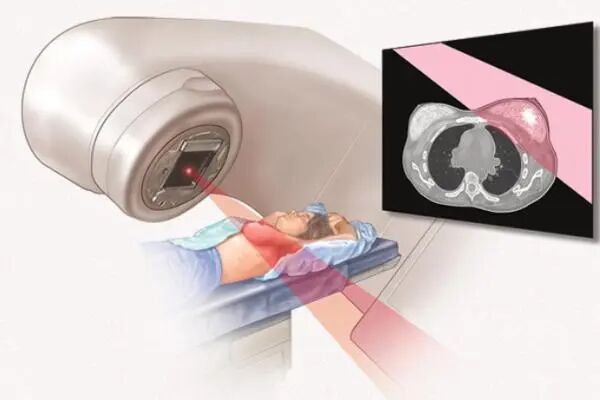
Physical and Biological Basis of Radiotherapy
Radiotherapy uses high‑energy X‑rays or electron beams generated by a linear accelerator, focused on the area where the tumor was located before surgery and on the regional lymph node drainage areas. The radiation damages the double‑stranded DNA structure of tumor cells and abnormally proliferating cells, causing them to lose their ability to divide and eventually undergo apoptosis. Normal tissue cells, which have stronger repair capacity, are able to recover during the intervals between fractions — a key biological principle that allows radiotherapy to selectively kill tumor cells while sparing healthy tissues. Each treatment session lasts only a few minutes, and patients typically experience no pain or immediate sensation during the procedure.
Key Patient Populations
- After breast‑conserving surgery: Whole‑breast radiotherapy is generally indicated for all patients to ensure local control, providing long‑term survival outcomes comparable to mastectomy.
- After mastectomy: Post‑mastectomy radiotherapy to the chest wall and regional lymph nodes is indicated for patients with high‑risk factors such as large primary tumors (>5 cm), axillary lymph node involvement, or positive margins.
- Locally advanced or metastatic disease: Radiotherapy can be used palliatively to relieve bone pain, control brain metastases, and improve quality of life.
Treatment Workflow
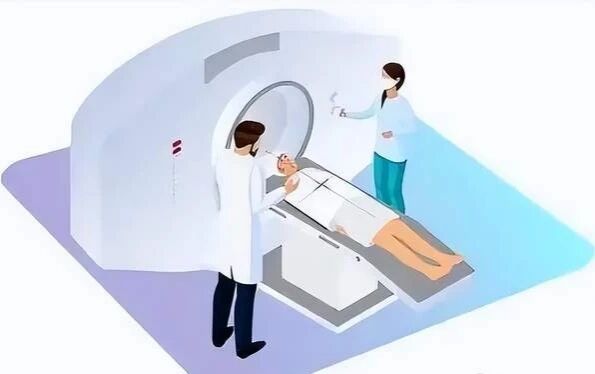
- Simulation and immobilization: A dedicated body mold is used during CT simulation, and reference marks are placed to ensure precise positioning.
- Treatment planning: The medical physicist and radiation oncologist jointly design an individualized dose distribution that adequately covers the target while sparing normal tissues such as the heart and lungs.
- Treatment delivery: Each session, including positioning and irradiation, takes approximately 10 minutes. Patients can come and go on their own and do not need to be hospitalized.
Common Adverse Reactions and Management
- Skin reactions: The most common side effects, including redness, dryness, peeling, and itching, similar to a sunburn. These can be managed with medical skin protectants, soft cotton clothing, and avoiding friction or scratching. Most skin reactions gradually resolve after radiotherapy ends.
- Fatigue: Mild fatigue may occur as the body recovers. Gentle walking and maintaining a regular daily routine can help alleviate this symptom.
- Heart and lung protection: Modern techniques such as intensity‑modulated radiotherapy (IMRT) and deep inspiration breath‑hold (DIBH) significantly reduce radiation doses to the heart and lungs. The incidence of severe long‑term cardiac or pulmonary injury is now very low.
Optimizing the Treatment Course
Hypofractionated radiotherapy regimens can shorten the traditional 5‑ to 6‑week course to 3–4 weeks. For some early‑stage breast cancer patients treated with breast‑conserving surgery, accelerated partial breast irradiation (APBI) is also an option. Substantial evidence shows that hypofractionation achieves outcomes comparable to conventional fractionation, without a significant increase in adverse effects, while improving convenience for patients.
Summary
Radiotherapy is strongly supported by evidence‑based medicine as a core modality for local control in breast cancer. It substantially reduces locoregional recurrence and, for certain high‑risk patients, offers survival benefits. With precise simulation, modern treatment planning, and image‑guided delivery, the radiation dose is highly conformal to the target, and normal tissues are effectively spared. Most adverse effects are manageable and reversible. The treatment course can be further shortened through hypofractionation. Clinical decisions regarding the use and design of radiotherapy should be made by a multidisciplinary team, taking into account individual tumor biology and patient preferences. Properly delivered radiotherapy is a key component of successful breast cancer treatment and long‑term recovery.
Second Department of Radiotherapy (Lanzhou Campus)
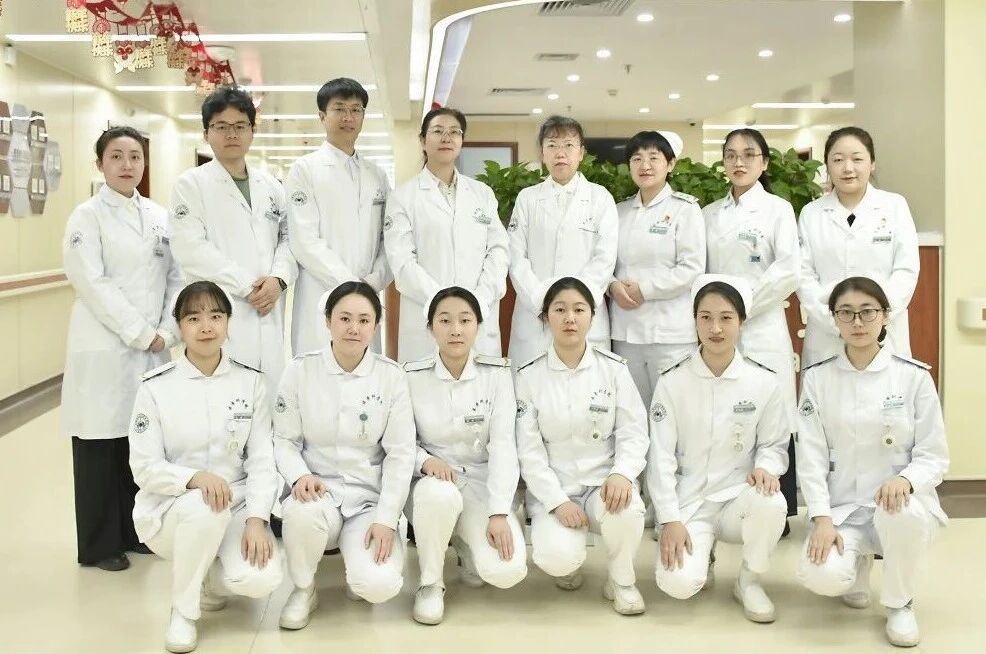
The Second Department of Radiotherapy (Lanzhou Campus) is a dedicated gynecologic oncology radiotherapy unit. Equipped with advanced radiotherapy technology and supported by a specialized medical and nursing team, the department provides precise, standardized, and personalized comprehensive care for patients with gynecologic cancers. It actively conducts both basic and clinical research in gynecologic radiotherapy and has been responsible for several research projects. The department also serves as a teaching and training base, helping to prepare the next generation of professionals. Guided by a patient‑centered approach and supported by advanced technology, the department is committed to improving both cure rates and quality of life for patients with gynecologic cancers, delivering high‑quality, efficient, and humanistic medical care.
● Professional Team
The department currently has 14 healthcare professionals: 7 physicians and 7 nurses — a dynamic and well‑trained team. Among the physicians, two hold senior professional titles and two hold intermediate titles. The department director, Professor Zhao Fengju (Chief Physician), has been working in radiotherapy for over 30 years and is a highly regarded oncology specialist in Northwest China. She serves as Chair of the Brachytherapy Committee of the Gansu Anti‑Cancer Association and Vice Chair of the Northwest Gynecologic Oncology and Brachytherapy Committee. She specializes in comprehensive treatment of gynecologic cancers, including radiotherapy, chemotherapy, targeted therapy, and immunotherapy. She has extensive clinical experience in external beam radiotherapy (including CIRT and IGRT), 3D brachytherapy, interstitial brachytherapy, and painless brachytherapy. Also on the team is Professor Du Lanning (Chief Physician), who previously worked in radiotherapy for more than 30 years at the First Hospital of Lanzhou University. She is highly skilled in radiotherapy and comprehensive treatment of various common malignancies, including head and neck cancers, lung cancer, gastrointestinal cancers, breast cancer, and urologic cancers. The department also benefits from technical and academic guidance from leading experts, including Professor Wang Junjie (Chair of the National Radiotherapy Committee, Director of the Radiotherapy Department at Peking University Third Hospital, and President of the Lanzhou Heavy Ion Center) and Professor Li Sha (former Director of the Radiotherapy Department at the General Hospital of the People's Liberation Army).
Scope of Treatment
The department provides carbon‑ion radiotherapy, photon radiotherapy, and brachytherapy for a range of malignant tumors, with a primary focus on gynecologic cancers including cervical cancer, endometrial cancer, ovarian cancer, vulvar cancer, and vaginal cancer. It also treats lung cancer, gastrointestinal cancers, urologic cancers, and other malignancies. In addition, the department offers comprehensive therapies including chemotherapy, targeted therapy, immunotherapy, and cellular immunotherapy.
Written by: Liu Mengfan
First Review: Liu Qiong
Second Review: Guo Yishan
Third Review: Cai Qinghua
Consultation Numbers of Lanzhou Campus, Gansu Wuwei Cancer Hospital
Director Li: 166 0931 3666
Teacher Yan: 176 9325 0603