Radiation Skin Injury: Precision Care as the First Defense in Radiotherapy
Radiation Skin Injury: Precision Care as the First Defense in Radiotherapy
In the sweltering heat of midsummer, rising temperatures lead to increased perspiration, leaving the skin in the radiation field exposed to a prolonged hot and humid microenvironment. This significantly heightens the risk of triggering or exacerbating radiation-induced skin injury (RISI)—the most common complication of radiotherapy. RISI is characterized by delayed onset, progressive aggravation, and cumulative damage. Inadequate skin protection may result in mild symptoms such as erythema and dry desquamation, or in severe cases, ulceration, infection, and even forced interruption of radiotherapy.
So, how can we scientifically optimize summer skin protection, strengthen the first line of nursing defense in radiotherapy, ensure uninterrupted treatment, and alleviate patient discomfort? Let's take a closer look.
01 Clinical Characteristics of Radiation-Induced Skin Injury
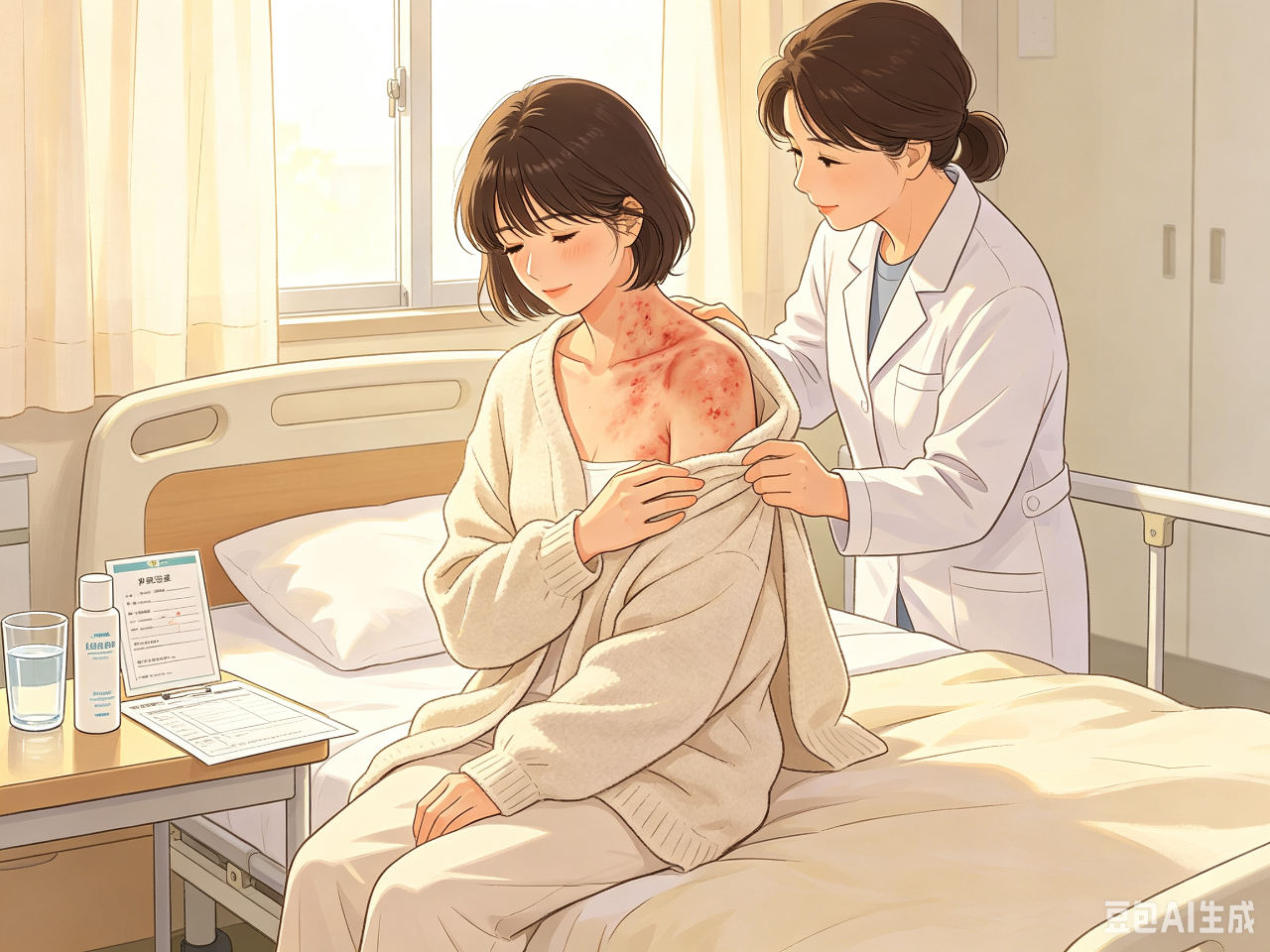
Radiation-induced skin injury is characterized by delayed onset, progressive aggravation, and cumulative damage. In the early stages of radiotherapy, skin damage is often subclinical and easily overlooked. However, as the cumulative radiation dose increases, the skin barrier function becomes progressively impaired, accompanied by atrophy of the sebaceous and sweat glands, leading to a marked decline in both moisture retention and defensive capacity. Typically, erythema and dry desquamation begin to appear within 1–2 weeks of treatment, peaking at 3–4 weeks. Without proper nursing care, these symptoms can rapidly progress to severe skin breakdown. Moreover, the irradiated skin remains permanently more sensitive than normal skin, with a lifelong increased susceptibility to recurrent dryness, pruritus, and ulceration. Therefore, comprehensive and long-term skin protection throughout the entire radiotherapy course and beyond is of paramount importance.
02 The Important Significance of Skin Protection

1. Ensuring treatment continuity: Scientific skin care can effectively reduce the incidence of severe radiation dermatitis, prevent treatment interruption or termination due to skin ulceration and infection, and ensure that the full radiotherapy course is completed as planned.
2. Alleviating physical and psychological distress: Effective prevention and relief of symptoms such as erythema, pruritus, pain, and ulceration can reduce physical discomfort, improve sleep quality and daily functioning, while also alleviating negative emotions—including anxiety, low self-esteem, and fear—arising from skin disfigurement and pain, thereby enhancing treatment compliance.
3. Reducing complication risks: An intact skin barrier effectively prevents bacterial invasion, reduces secondary complications such as skin infections and cellulitis, and avoids exacerbating the patient's condition or adding extra treatment costs and nursing burdens.
4. Minimizing long-term skin damage: Standardized full-course skin care can maximally mitigate irreversible long-term sequelae, including fibrosis, scarring, pigmentary abnormalities, and skin atrophy, thereby preserving skin function and appearance and improving patients' quality of life after recovery.
03 Key Points for Daily Care of Radiation-Induced Skin in Summer
(1) Preventive Care Before Radiotherapy
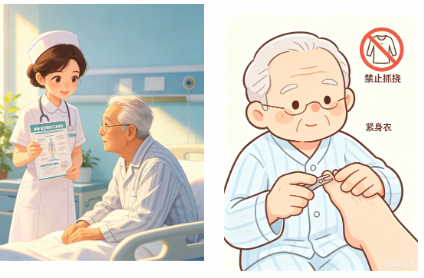
Prior to the initiation of radiotherapy, a comprehensive assessment of the skin condition in the irradiation field should be conducted. Patients should be fully informed in advance about the expected progression of radiation-induced skin reactions, key protective measures, and prohibited behaviors, so as to enhance their awareness of self-protection. Patients should be instructed to keep the irradiated skin clean and intact, trim their nails beforehand to prevent scratching, and wear loose, soft, breathable pure cotton clothing to minimize friction and pressure on the skin.
(2) Core Skin Protection and Care Measures
1. Clothing management: Choose loose, soft, and breathable pure cotton clothing for the irradiated skin area to minimize friction, heat retention, and excessive sweating.
2. Cleansing care: Gently wash the skin with lukewarm water at approximately 37°C (98.6°F). Avoid using soap, body wash, disinfectants, or other irritating cleansing products. After washing, gently pat the skin dry with a soft towel—do not rub, scrub, or scratch the irradiated skin. Keep the area clean and dry, and refrain from using any irritating bathing products.
3. Sun protection: The irradiated area must be strictly shielded from direct sunlight. When going outdoors in summer, take adequate protective measures, as ultraviolet (UV) exposure can exacerbate radiation-induced skin damage. Recommended methods include using a UV-protective umbrella, wearing sun-protective accessories such as sunscreen masks, wide-brimmed hats, and sun-protective clothing, and avoiding outdoor activities during peak midday heat hours whenever possible.
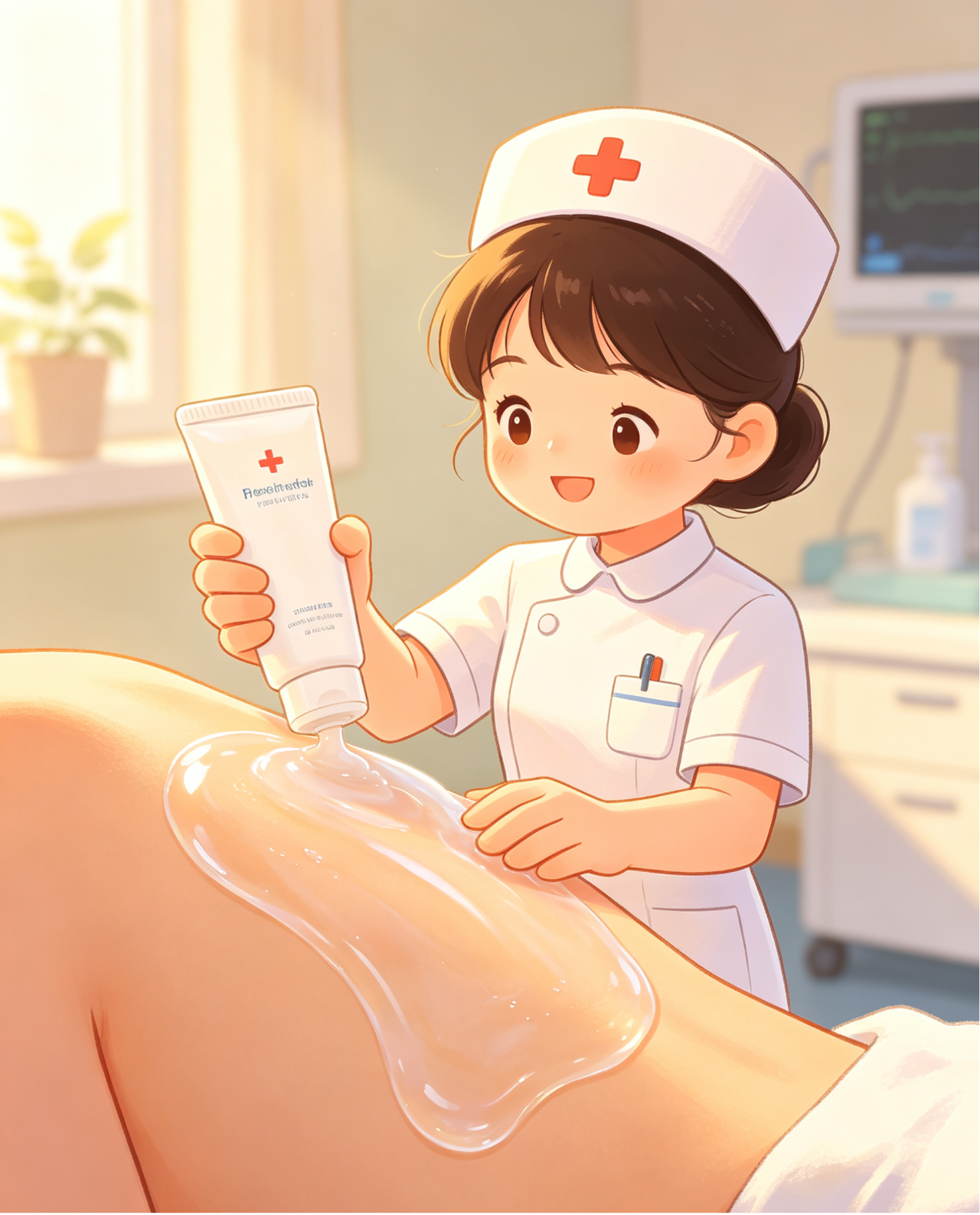
4. Moisturizing and skin barrier repair: Apply radiation-specific skin protectants and moisturizing repair creams strictly as prescribed by the physician. During the intervals between radiotherapy sessions, evenly apply the products to the irradiated area and the surrounding skin to form a protective film, restore the skin barrier, and alleviate dryness and hypersensitivity. Adhere to the regular application schedule and do not discontinue use without medical guidance.
5. Contraindications and prohibitions: The irradiated skin area must not be subjected to hot compresses, cold compresses, or direct sun exposure. Avoid applying plasters, adhesive tape, perfumes, skincare products, cosmetics, medicated ointments, or other non-medical items to the area. Do not scratch or peel off desquamated skin. Refrain from friction, pressure, or traction on the irradiated site. Additionally, avoid adhesive tape, irritating ointments, hot compresses, and shaving to prevent iatrogenic skin damage.
6. Dynamic skin monitoring: Observe the color, moisture, and integrity of the irradiated skin daily. Document any erythema, dryness, pruritus, blistering, or breakdown. Initiate timely interventions upon detection of mild reactions to prevent symptom progression and worsening.
(3) Post-Radiotherapy Continuity Care
Skin damage does not cease immediately upon completion of radiotherapy; continued care is still required for 1–3 months thereafter. Maintain consistent skin moisturization and barrier repair, avoid direct sunlight and friction or irritation, and continue wearing loose cotton clothing. Long-term skin changes such as dryness and hyperpigmentation may occur, but these are part of the normal healing process and should not cause undue anxiety.
Consistent summer skin protection and attentive daily care are essential for safeguarding health. Adhering to scientific prevention and comprehensive care throughout the entire radiotherapy journey—thereby reducing the risk of radiation-induced skin injury and enabling patients to complete treatment with peace of mind—is our shared commitment.
Writer: Zhao Fengmei
First Reviewer: Yang Yang
Second Reviewer: Guo Yishan
Third Reviewer: Cai Qinghua
Wuwei Cancer Hospital of Gansu Province (Wuwei Institute of Medical Sciences)
(甘)医广【2025】第11-14-387号