
"Multiple Myeloma" – A Blood Cancer Most Prone to Misdiagnosis
"Multiple Myeloma" – A Blood Cancer Most Prone to Misdiagnosis
When it comes to hematologic malignancies, many people think of leukemia and lymphoma, but few are aware of multiple myeloma. Due to its insidious and diverse symptoms, which are nonspecific, the rate of misdiagnosis and missed diagnosis exceeds 50%. It is often mistaken for orthopedic diseases, kidney diseases, rheumatic and immune disorders, or cardiovascular and cerebrovascular diseases, causing patients to miss the optimal window for treatment. Today, let us uncover its "disguise" and learn to read the warning signals the body sends.
I. What Is Multiple Myeloma?
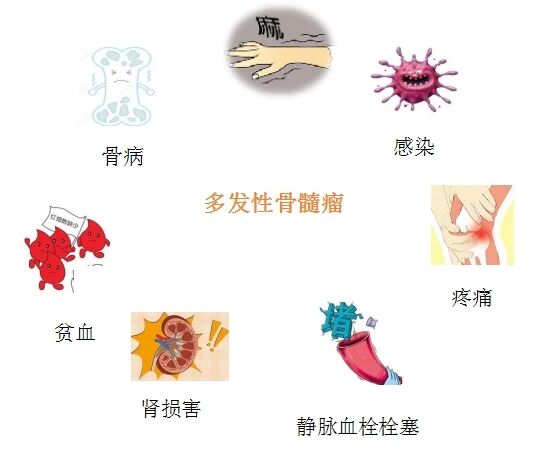
Multiple myeloma (MM) is a common hematologic malignancy, ranking second in incidence among hematologic cancers. Normal plasma cells are responsible for producing antibodies to fight infections. However, malignant plasma cells proliferate excessively within the bone marrow, destroying bone tissue, impairing kidney function, suppressing normal hematopoiesis, and triggering a range of complications such as anemia, infections, and hypercalcemia.
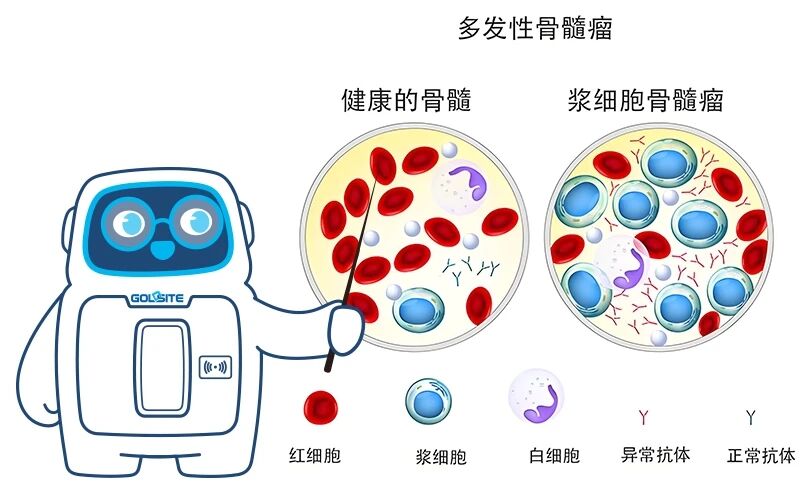
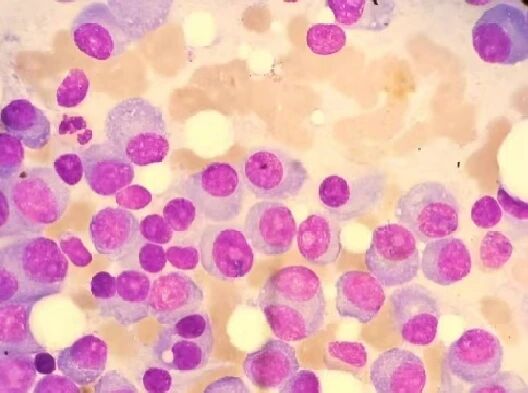
This disease is most common in middle-aged and older adults, with a peak incidence between 50 and 70 years of age. Slightly more males are affected than females. In recent years, the incidence has increased significantly. Due to its atypical early symptoms, approximately 30%–40% of patients experience multiple misdiagnoses before confirmation, delaying the optimal window for treatment.
II. These "disguised symptoms" are most likely to mislead both doctors and patients
The symptoms of multiple myeloma often manifest as "various discomforts throughout the body" and are frequently mistaken for common geriatric conditions. The core warning signs can be summarized by the "CRAB" symptoms:
1. Bone Pain: More Than Just "Osteoporosis"
This is the most common symptom, occurring most frequently in the spine, ribs, and pelvis, presenting as persistent dull or aching pain that worsens with activity.
It is easily misdiagnosed as osteoporosis, lumbar disc herniation, or fracture. Some patients even undergo orthopedic surgery without symptom relief, and it is only when a pathological fracture (fracture caused by minimal force) or spinal cord compression occurs that the correct diagnosis is made.

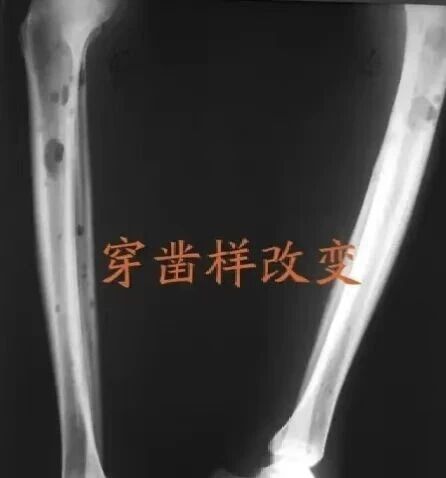
2. Kidney Damage: Don't Just Treat It as "Nephritis"
Abnormal proteins produced by malignant plasma cells can deposit in the kidneys, leading to proteinuria, hematuria, edema, hypertension, and in severe cases, kidney failure.
Approximately 20%–40% of patients present with "nephrotic syndrome" as the initial symptom and are misdiagnosed with chronic nephritis or diabetic kidney disease. Delayed treatment may result in the need for long-term dialysis.
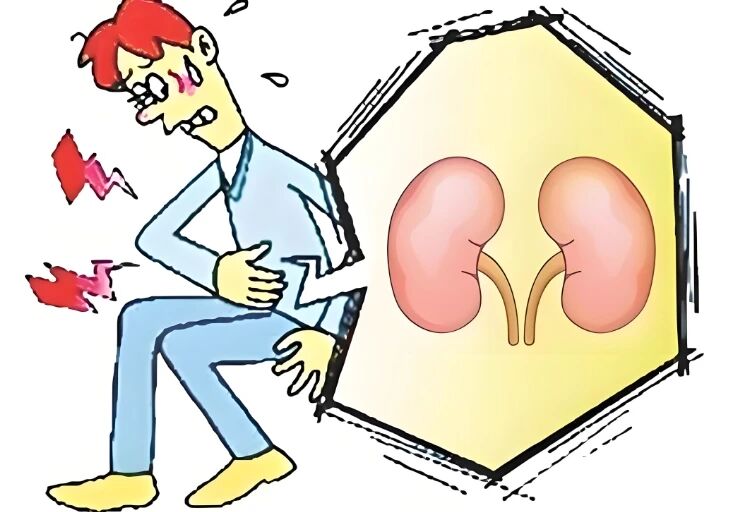
3. Anemia: More Than Just "Qi and Blood Deficiency"
When the bone marrow is infiltrated by malignant plasma cells, normal hematopoiesis is suppressed. Patients may present with fatigue, dizziness, pallor, palpitations, and shortness of breath – all signs of anemia.
This is easily misdiagnosed as iron deficiency anemia or nutritional deficiency anemia. Blind supplementation with iron or vitamins yields no improvement in symptoms.

4. Recurrent Infections: The "Silent Killer" of Declining Immunity
Due to reduced production of normal antibodies, patients experience severely compromised immunity, making them prone to recurrent infections such as frequent colds, pneumonia, urinary tract infections, and shingles. These infections are difficult to control and tend to recur repeatedly.
This is often mistaken for "poor physical condition" or "age‑related decline," overlooking the underlying malignancy.
Additionally, some patients may develop hypercalcemia (dry mouth, excessive thirst, constipation, confusion) and neuropathy (numbness, tingling in the hands and feet), further increasing the likelihood of misdiagnosis.

III. Who Should Stay Alert? Get These Checks Done in a Timely Manner
If you experience any of the following symptoms, it is recommended to consult a hematology department promptly to avoid delayed diagnosis:
- Unexplained bone pain, pathological fractures, or symptoms of spinal cord compression in middle-aged or elderly individuals;
- Unexplained kidney injury, especially in patients presenting with significant proteinuria;
- Long‑standing anemia that does not improve with iron supplementation or blood‑building therapies;
- Recurrent infections that respond poorly to anti‑infective treatment;
- Unexplained hypercalcemia, hyperuricemia, or neuropathy.
Core diagnostic tests:
Basic tests: Complete blood count, liver and kidney function tests, electrolytes, erythrocyte sedimentation rate (ESR), C‑reactive protein (CRP);
Key tests: Serum protein electrophoresis, immunofixation electrophoresis (to detect abnormal plasma cell proteins), bone marrow aspiration and biopsy (gold standard for diagnosis), and skeletal imaging studies (whole‑body bone scan, CT, MRI).
IV. New Advances in Treatment: No Longer an "Incurable Disease"
Many people panic at the word "cancer," but significant breakthroughs have been made in the treatment of multiple myeloma:
With the advent of targeted drugs such as proteasome inhibitors, immunomodulatory agents, and monoclonal antibodies, response rates and survival durations have greatly improved. Some patients can achieve deep remission or even long‑term survival.
Treatment plans are individualized and include chemotherapy, targeted therapy, immunotherapy, and hematopoietic stem cell transplantation. Physicians tailor the regimen based on the patient's age, general condition, and disease stage.
Even patients with advanced or relapsed disease can have their condition controlled with newer treatment modalities, leading to improved quality of life.
V. Conclusion: Early detection, early diagnosis and early treatment are the keys.
Although multiple myeloma is highly adept at "disguising" itself, remaining vigilant to the abnormal signals mentioned above and promptly consulting a hematology department for evaluation can significantly reduce the misdiagnosis rate. For middle‑aged and older adults, routine health check‑ups should include monitoring of complete blood count and liver/kidney function parameters. If abnormalities are detected, further investigation should be carried out promptly to avoid delaying treatment due to being dismissed as a "common age‑related condition."
If you experience unexplained bone pain, anemia, kidney dysfunction, or recurrent infections, do not overlook these "minor complaints." They may be warning signs of multiple myeloma. Seeking timely medical attention is the greatest responsibility you can take for your health!
Important reminder: Do not be afraid of bone marrow aspiration or biopsy! These are standard diagnostic procedures when a blood or lymphatic system disorder is suspected clinically. Just as your doctor uses a stethoscope and may order an X‑ray, CT, or MRI if you have a cough, fever, or suspected pneumonia, bone marrow examination is a routine and essential step. Hematology specialists perform these procedures skillfully, safely, and without risk. After the procedure, patients can resume normal activities immediately, with no functional limitations or impact on mobility!
Department of Medical Oncology / Hematology
Department Introduction
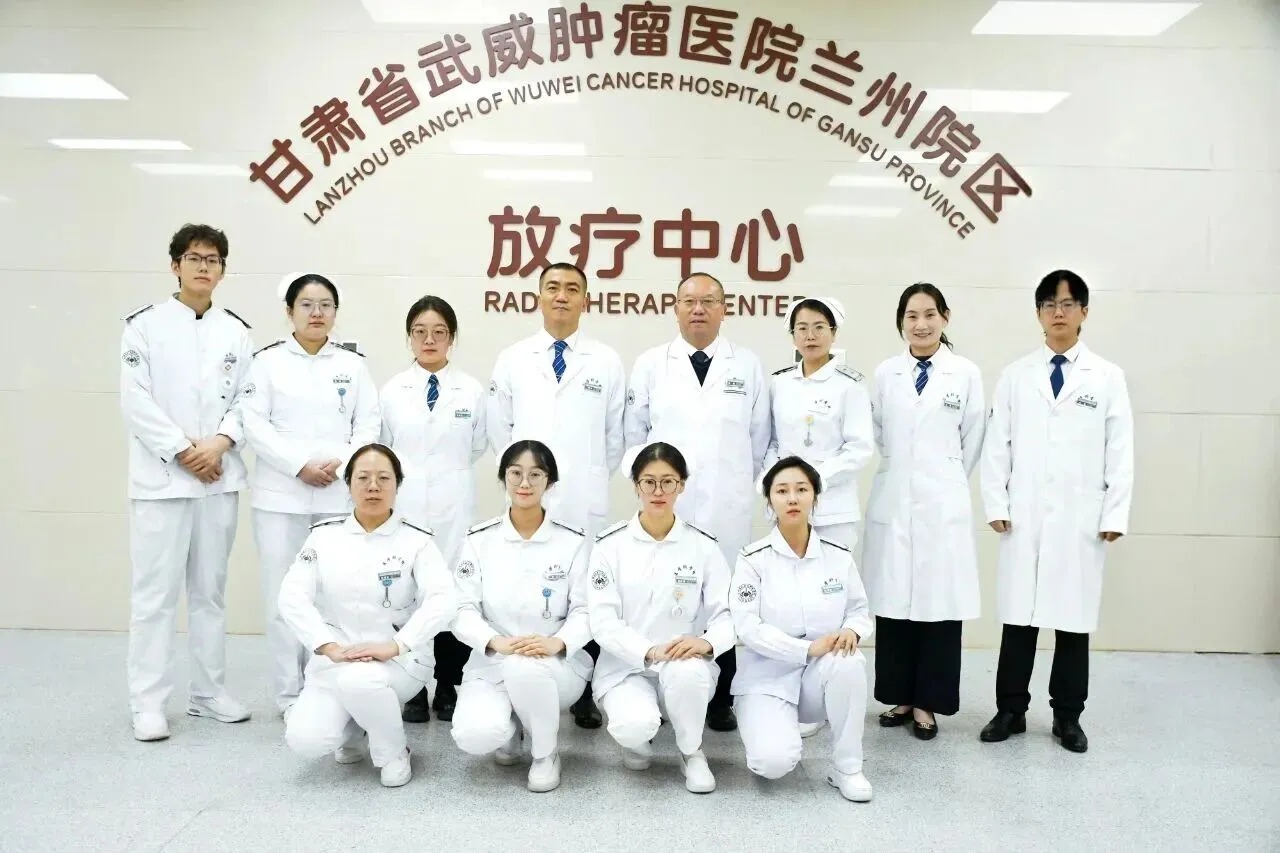
The Department of Medical Oncology / Hematology at the Lanzhou Campus of Gansu Wuwei Cancer Hospital was established in May 2025 as a regional specialty department. The department features a well-structured professional team, mature diagnostic and treatment techniques, and comprehensive equipment. It includes a specialized inpatient ward, outpatient clinic, and a Hematology Center Laboratory. The inpatient unit is equipped with 30 fixed beds, one cell apheresis treatment bed, and two Class 100 laminar flow beds. The department specializes in the precise diagnosis and treatment of hematologic diseases such as leukemia, lymphoma, and multiple myeloma, as well as solid tumors including lung cancer, gastric cancer, colorectal cancer, and breast cancer. It excels in the management of refractory and relapsed cases and the treatment of complications arising from radiotherapy and chemotherapy. Leveraging MICM-based precise diagnostics, personalized treatment plans, and laminar flow wards, the department provides refined medical care and comprehensive, full-cycle health support to safeguard the health of the regional population.
Physician Team
The department is led by Professor Pan Ming, a First‑Grade Chief Physician and Chief Expert. The medical team consists of 12 healthcare professionals, including 1 chief physician, 1 associate chief physician, 1 attending physician, and 3 resident physicians (among whom 1 holds a Ph.D. and 3 hold master’s degrees), along with 6 charge nurses and registered nurses. The team has a well-structured talent echelon with solid professional expertise. With extensive clinical experience in the field of oncology and hematology, the team skillfully applies cutting-edge techniques such as chemotherapy, targeted therapy, immunotherapy, and integrated traditional Chinese and Western medicine to precisely diagnose and treat various benign and malignant tumors and hematologic disorders. With rigorous medical skill, they customize individualized treatment plans for each patient, safeguarding their health.
Treatment Philosophy
Patient-centered, precision‑focused, and efficacy‑driven. The department places equal emphasis on professional diagnosis/treatment and humanistic care. Relying on advanced technology and standardized practices, it provides every patient with individualized, refined, and compassionate medical services, dedicating responsibility and expertise to protecting patients’ lives and health.
Medical Resources
The Hematology Center Laboratory provides same‑day diagnostic services through bone marrow cell morphology analysis and also offers MICM‑based precision typing technologies including bone marrow pathology, flow cytometry, chromosome analysis, and mutation gene testing. The inpatient unit is equipped with standardized laminar flow wards, providing a safe and clean environment for high‑dose chemotherapy and hematopoietic stem cell transplantation. The department routinely performs cutting-edge procedures such as blood cell separation apheresis, plasma exchange, and adult unrelated cord blood hematopoietic stem cell transplantation. With advanced equipment and comprehensive technical capabilities, the department provides solid hardware and technical support for precise diagnosis and treatment as well as the management of severe and complex conditions.
Address: 11th Floor, Inpatient Building, Lanzhou Campus of Gansu Wuwei Cancer Hospital (No. 100 Yanbei Road, Chengguan District, Lanzhou City)
Contact Numbers:
Physicians’ Office: 0931-2169583
Nursing Station: 0931-2169535
Lanzhou Campus of Gansu Wuwei Cancer Hospital – Consultation Hotline:
Director Li: +86 16609313666
Ms. Yan: +86 17693250603