
Pancreatic Cancer and Diabetes: A Dangerous Duo Hidden in Your Blood Sugar
Pancreatic Cancer and Diabetes: A Dangerous Duo Hidden in Your Blood Sugar
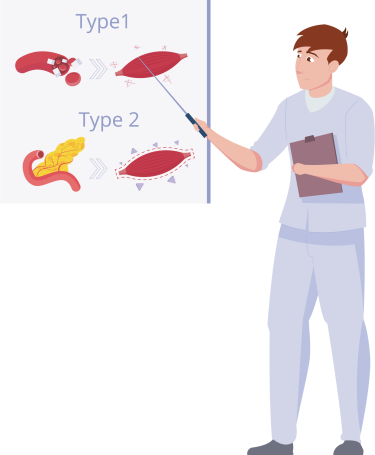
Pancreatic cancer (PC) is a highly aggressive malignant tumor with an extremely poor prognosis and a five-year survival rate of only around 10%, earning it the grim title of the "king of cancers." Major risk factors associated with PC include family history, genetic mutations, smoking, a sedentary lifestyle, obesity, diabetes mellitus (DM), and chronic pancreatitis. DM is a chronic metabolic disease characterized by the body's inability to produce sufficient insulin or effectively utilize the insulin it secretes. Notably, approximately 50% of PC patients develop type 2 diabetes (T2DM) or impaired glucose tolerance in the early stages. Conversely, insulin resistance, hyperinsulinemia, hyperglycemia, inflammation, and altered beta-cell function (as seen in type 1 diabetes) are all recognized drivers of pancreatic cancer development. In essence, these two conditions form a perilous partnership, far more intertwined than you might imagine.

Part 01: Who is Most Closely Linked to Pancreatic Cancer?
- Type 2 Diabetes: This is the primary accomplice. About 80%–90% of pancreatic cancer patients have comorbid type 2 diabetes, making it a clear catalyst for carcinogenesis.
- Type 1 / Early-onset Diabetes: The risk here is about 1.5 to 2 times higher than in those without diabetes, though current research remains divided on the exact correlation between cancer incidence and this subtype.
- Key Takeaway: Nearly half of all pancreatic cancer patients present with diabetes or impaired glucose tolerance early on; abnormal blood sugar may be a disguised warning signal of the cancer.
Part 02: Why Do They Fuel Each Other?
- Metabolic Level: High blood sugar acts as a "fuel source" for cancer cells. Uncontrolled blood sugar puts cancer on the fast track: elevated glucose levels promote collagen production, aiding cancer cell migration and metastasis; it activates harmful cytokines, enhancing the invasive and spreading capabilities of tumors; and it creates a hypoxic environment that drives perineural invasion, making the cancer more aggressive and harder to treat.
Part 03: Genetic Level: Sharing a "Culprit Gene Switch"
- S100A6: This is a key gene shared by both diseases. The more active S100A6 is in pancreatic cancer, the more severe the condition and the poorer the prognosis. Conversely, lower expression of this gene is associated with longer patient survival.

Part 04: Glucose-Lowering Drugs: Can They Fight Cancer?
- Metformin: It can inhibit the proliferation and metastasis of pancreatic cancer cells, but it does not improve overall survival in advanced stages.
- Insulin, Sulfonylureas, and Rosiglitazone: These have shown no significant benefit for the survival of pancreatic cancer patients.
- Part 05: A Must-Read for Diabetics: How to Reduce Your Risk?
- Proactive Screening: Diabetics face a higher risk of pancreatic cancer. Don't rely solely on blood sugar tests; schedule regular pancreatic screenings.
- Weight Control & Healthy Lifestyle: This is the most cost-effective first step in cancer prevention.
- Warning Signs: Be vigilant for sudden-onset diabetes, difficulty controlling blood sugar, or rapid unexplained weight loss. Do not dismiss these as mere symptoms of routine diabetes—seek further investigation.
Part 06: Introduction to the Department of Radiation Oncology (Division 3)
- Department Overview
The Department of Radiation Oncology (Division 3) specializes in heavy ion therapy for pancreatic cancer and serves as a dedicated center for abdominal and pelvic tumor treatment. Our focus includes heavy ion and photon radiotherapy for pancreatic cancer, as well as liver cancer, colorectal cancer, prostate cancer, and other abdominal malignancies. Since its inception, the department has attracted patients from across China. We offer a non-invasive, painless, and incision-free approach to precisely target and eradicate pancreatic cancer cells. To date, we have successfully treated dozens of patients nationwide. Our one-year local control rate exceeds 90%, and the median survival time has increased from the traditional 11 months to 19 months. With definitive therapeutic effects and positive patient experiences, our outcomes are highly recognized by renowned experts globally and by our patients.
● Professional Team
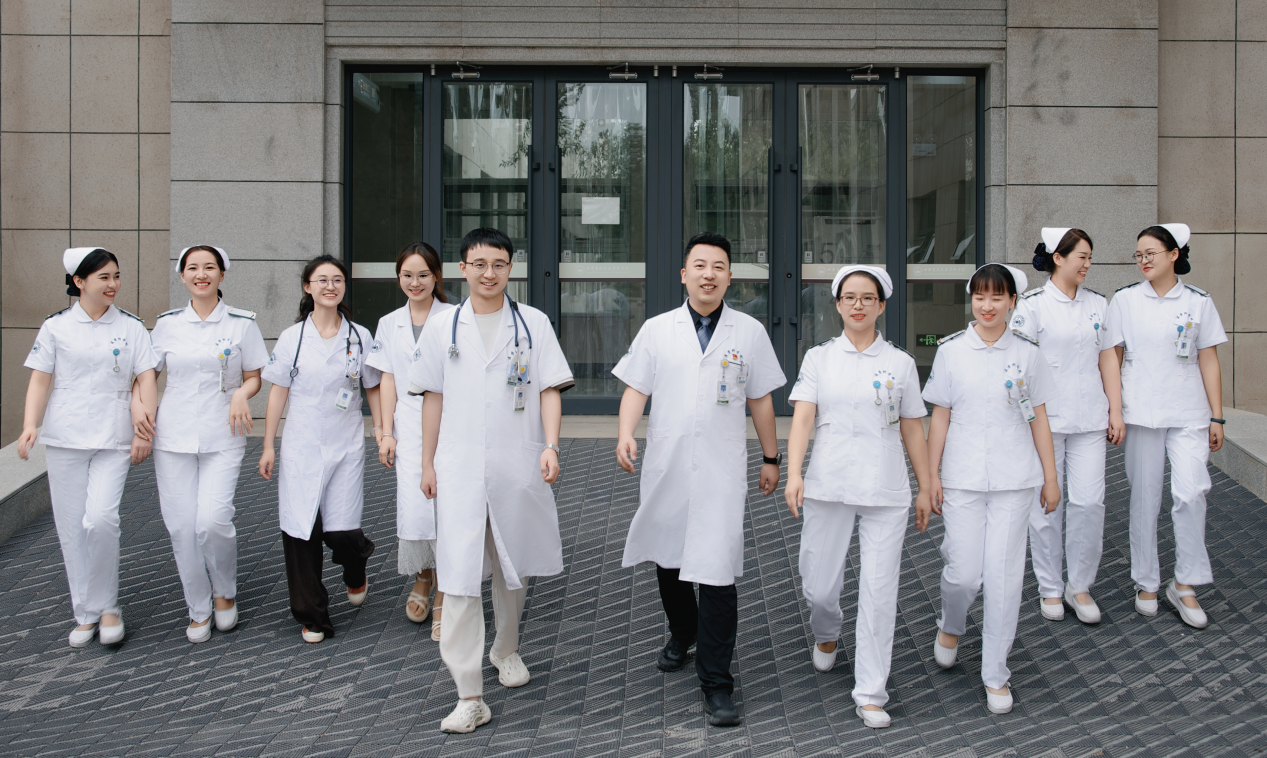
Our team consists of graduates from prestigious medical universities in China, equipped with solid theoretical foundations and extensive clinical experience. The department is honored to have Distinguished Experts including Professor Hauffe (Germany), Professor Hirohiko Tsujii (Japan), Professor Yee-Min Jen (Taiwan), and Professor Wu Jiaming serving as consultants. They provide guidance through complex case consultations, academic lectures, and ward rounds. Furthermore, our staff have completed specialized training at leading heavy ion and photon therapy centers nationwide, possessing profound expertise in heavy ion therapy to formulate scientific and rational treatment plans for every patient.
Gansu Wuwei Cancer Hospital(Wuwei Academy of Medical and Science)
(甘)医广【2025】第11-14-387号