
Understanding Leukemia: Breaking Myths, Recognizing the Body’s Blood Alarm
Understanding Leukemia: Breaking Myths, Recognizing the Body’s Blood Alarm
Leukemia, often called “blood cancer,” is a type of malignant blood disease that originates in hematopoietic stem cells. In simple terms, it involves abnormal proliferation (both in quantity and quality) of blood‑forming cells in the bone marrow. These abnormal cells lose their normal function, crowd out healthy blood‑forming space, and reduce normal blood cell production, leading to a variety of symptoms. It is not a single disease but is broadly classified into acute and chronic leukemia, affecting both children and adults. Leukemia is not incurable—early detection and standardized treatment can significantly improve long‑term survival rates and even lead to a cure.
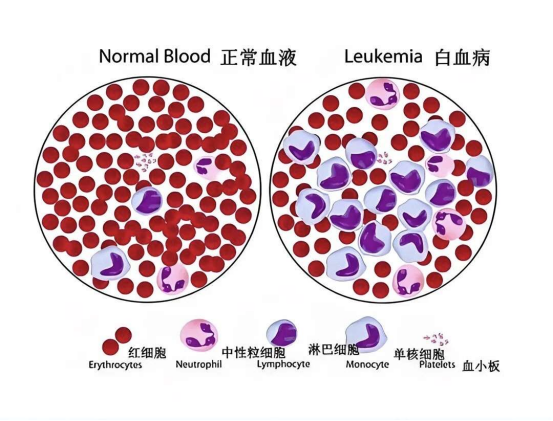
I. What Are Common Warning Signs of Leukemia?
Be alert to the following bodily changes, especially if they persist, and seek timely blood tests such as a complete blood count:
• Unexplained fatigue, dizziness, pale complexion, palpitations, or shortness of breath after activity (signs of anemia);
• Repeated bruising without injury, bleeding gums, nosebleeds, or wounds that are slow to stop (due to low platelet count);
• Recurrent fever with poor response to antibiotics, possibly accompanied by sore throat, cough, or other signs of infection (resulting from decreased normal white blood cells and lowered immunity);
• Painless swelling of lymph nodes in the neck, armpits, or groin, or tenderness over the breastbone, enlarged liver or spleen.
II. Let’s Bust These Common Myths!

❌ Myth 1: Only children get leukemia.
→ Fact: While acute lymphoblastic leukemia is more common in children, adults can also develop leukemia. Chronic leukemia occurs more frequently in middle‑aged and older adults.
❌ Myth 2: A leukemia diagnosis is a death sentence.
→ Fact: With advances in targeted therapy, chemotherapy, hematopoietic stem cell transplantation, and other treatments, cure rates for many types of leukemia have improved dramatically. For example, the cure rate for childhood acute lymphoblastic leukemia can reach 85%–90%; with standardized treatment, the 5‑year disease‑free survival rate for acute promyelocytic leukemia can exceed 90%–95%, and the 10‑year survival rate is over 85%, with many cases achieving complete remission.
❌ Myth 3: Leukemia is always caused by radiation or formaldehyde.
→ Fact: The exact causes of leukemia are not yet fully understood. It results from a combination of genetic predisposition, environmental factors (e.g., radiation, harmful chemicals), viral infections, and other influences—not usually a single factor alone.
III. Who Should Be Screened More Closely?
• Individuals with a family history or genetic predisposition to leukemia;
• People with long‑term exposure to radiation, formaldehyde, benzene, or other harmful chemicals (e.g., renovation workers, chemical industry workers);
• Cancer patients who have previously undergone radiation or chemotherapy;
• Individuals with congenital blood disorders (e.g., Down syndrome, aplastic anemia).
IV. A Scientific Approach: Two Key Steps
1. Early Detection: If you experience any of the symptoms mentioned above, do not delay. Visit a hematology department promptly. A complete blood count and bone marrow aspiration are essential diagnostic tools—an accurate diagnosis is the foundation of effective treatment.
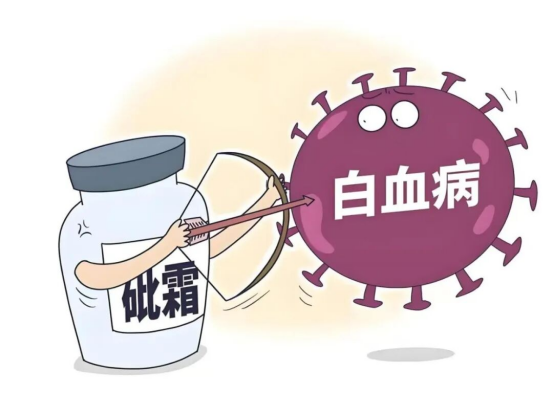
2. Standardized Treatment: Once diagnosed, avoid unverified folk remedies or “miracle drugs.” Choose a regular hospital hematology department to develop a personalized treatment plan based on the type and stage of leukemia. Adhering to the prescribed treatment gives most patients a good chance of a positive outcome.
Leukemia itself is not what we should fear—what is truly dangerous is misunderstanding the disease and delaying treatment. Being well‑informed brings confidence. Pay attention to your blood health to safeguard your own and your family’s well‑being.
Important Final Note:
Bone marrow aspiration is the most important diagnostic procedure for evaluating blood system disorders, lymphatic system diseases, unexplained fever, unexplained bone pain, and certain blood‑parasite infections. Hematologists strongly recommend performing bone marrow aspiration before administering medication or blood transfusions whenever possible, in order to ensure accurate morphological analysis of bone marrow cells.
Medications that affect blood cell development—such as folic acid, vitamin B12, glucocorticoids, chemotherapy drugs—as well as blood transfusions (packed red blood cells, platelets, white blood cells) can alter the quantity and quality of cells in the bone marrow. This interference may affect cell counts and morphological assessment, sometimes preventing an accurate reflection of the marrow’s initial state at disease onset.
This is especially critical in pediatric B‑cell acute lymphoblastic leukemia (B‑ALL), where cells are highly sensitive to steroids, and prior steroid use can lead to misinterpretation of bone marrow morphology. Additionally, anticoagulants can interfere with the observation of platelet aggregation function. Therefore, clinicians should provide detailed information on the test request form regarding any prior treatments or medications.
Department of Oncology / Hematology
Introduction
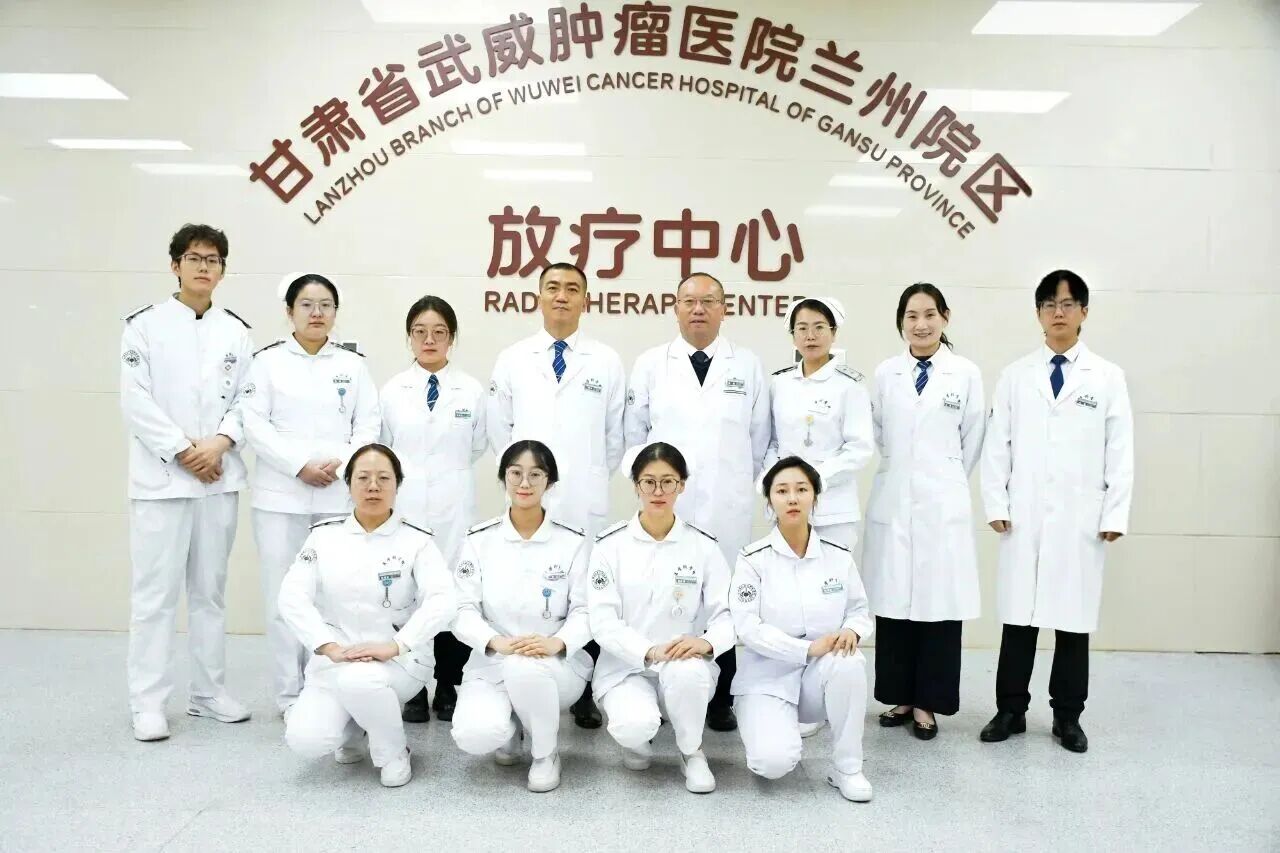
The Department of Oncology/Hematology at the Lanzhou Branch of Gansu Wuwei Cancer Hospital was established in May 2025 as a regional specialty unit. With a well‑structured professional team, mature clinical expertise, and comprehensive equipment, the department comprises a specialized inpatient ward, outpatient clinic, and a central hematology laboratory. The inpatient unit is equipped with 30 regular beds, one therapeutic apheresis bed, and two Class‑100 laminar airflow beds. The department focuses on the precise diagnosis and treatment of hematologic diseases such as leukemia, lymphoma, and multiple myeloma, as well as solid tumors including lung cancer, gastric cancer, colorectal cancer, and breast cancer. It specializes in managing refractory/relapsed cases and complications of radiotherapy and chemotherapy. Supported by MICM‑based precision diagnosis, individualized treatment protocols, and laminar‑flow wards, the department provides meticulous clinical care and full‑cycle medical support to safeguard the health of the local community.
Medical Team
The department is led by Professor Pan Ming, Chief Physician and senior expert. The team currently consists of 12 medical professionals, including 1 chief physician, 1 associate chief physician, 1 attending physician, and 3 resident physicians—among them 1 holds a medical doctorate and 3 hold master’s degrees—along with 6 nursing specialists and nurses. The team is well‑structured, highly skilled, and clinically experienced in the field of oncology and hematology. Proficient in applying advanced therapies such as chemotherapy, targeted therapy, immunotherapy, and integrated Chinese‑Western medicine, the team provides precise diagnosis and treatment for a wide range of benign/malignant tumors and hematologic disorders. They are committed to developing personalized treatment plans with rigorous medical expertise to ensure optimal patient care.
Treatment Philosophy
Patient‑centered, precision‑driven, outcome‑oriented.
We uphold a balanced approach of professional treatment and humanistic care. Relying on advanced technology and standardized protocols, we provide individualized, meticulous, and compassionate medical services to every patient with cancer or blood disorders, protecting life and health with responsibility and dedication.
Medical Resources
The Central Hematology Laboratory performs bone marrow cytomorphology analysis with same‑day clinical reporting. It also offers integrated MICM‑based precise classification through bone marrow histopathology, flow cytometry, chromosome analysis, and mutation gene testing. The inpatient ward is equipped with standardized laminar‑flow rooms, providing a safe and clean environment for high‑dose chemotherapy and hematopoietic stem cell transplantation. The department routinely performs advanced procedures such as therapeutic cytapheresis, plasma exchange, and unrelated umbilical cord blood hematopoietic stem cell transplantation in adults. With state‑of‑the‑art equipment and comprehensive techniques, we provide solid hardware and technical support for precision medicine and the management of complex, severe cases.

Contact Information of Lanzhou Branch, Gansu Wuwei Cancer Hospital
Director Li: 166 0931 3666 Coordinator Yan: 176 9325 0603