
Heavy Ion Indications Series – Episode 1: What Makes Heavy Ion Therapy So Divine?
Heavy Ion Indications Series – Episode 1: Unveiling the 'National Heavy Weapon' – What Makes Heavy Ion Therapy So Divine?
In the field of tumor treatment, surgery, chemotherapy, and radiotherapy are known as the three traditional modalities. Radiotherapy uses high-energy rays to damage the DNA of tumor cells and inhibit their growth. However, conventional radiotherapy sometimes inevitably 'injures the enemy a thousand, but loses eight hundred of its own,' causing collateral damage to normal tissues. Today, a cutting-edge technology hailed as the 'ceiling of radiotherapy' is completely changing this situation. It is the 'national heavy weapon' — heavy ion therapy.
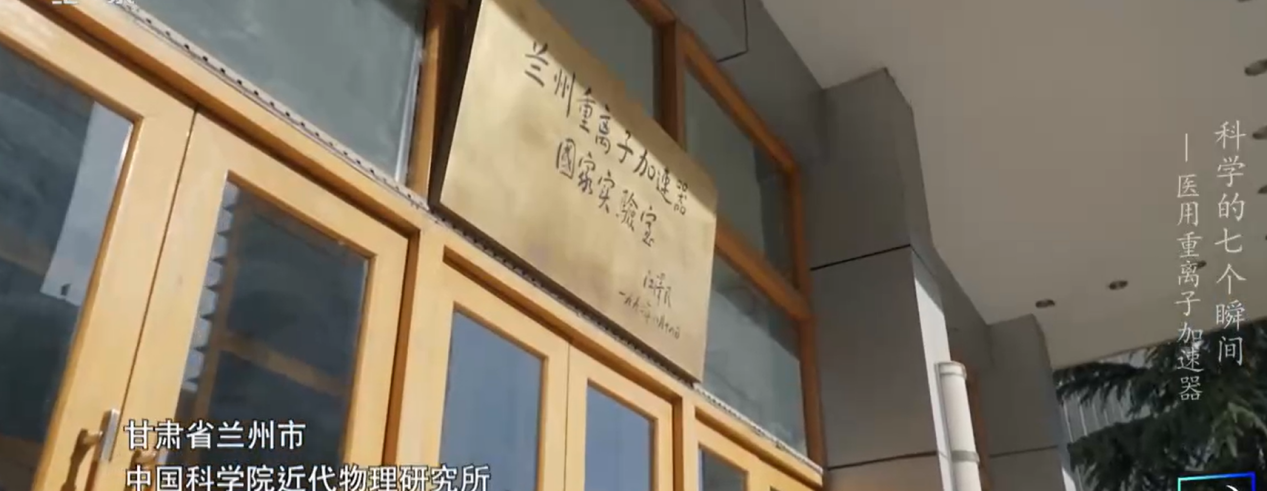
I. What Is Heavy Ion Therapy?
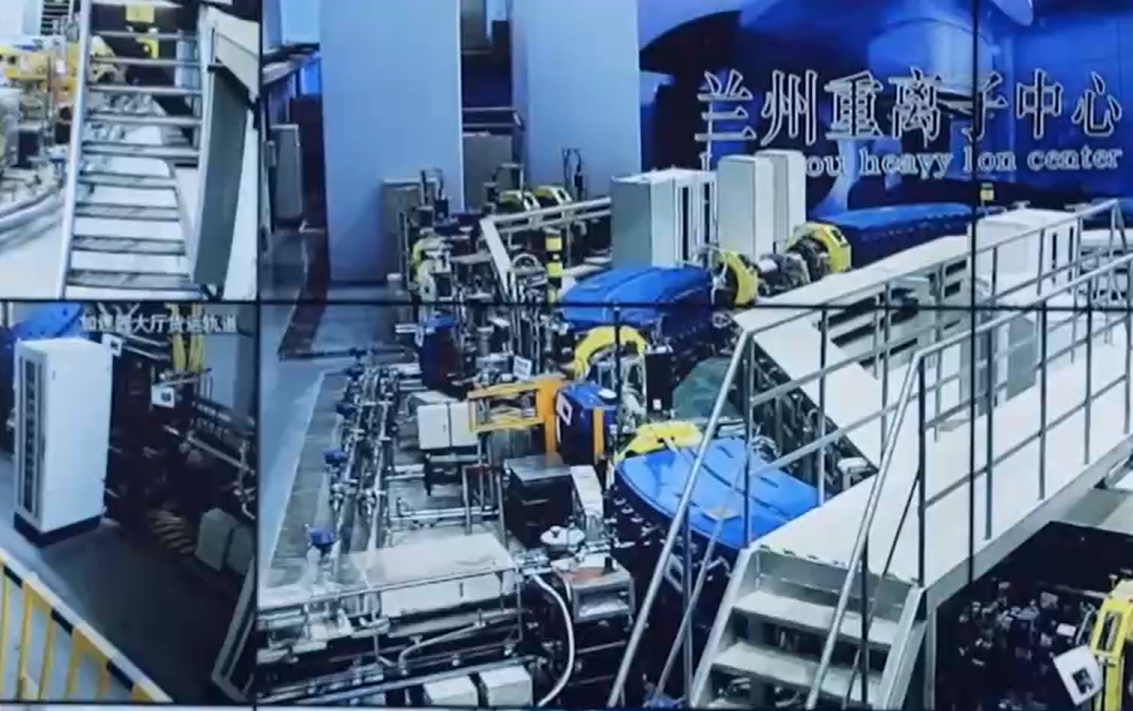
Heavy ions are charged particles heavier than helium, with carbon ions being the most commonly used in clinical practice. They can precisely target tumors. Compared to conventional radiotherapy, heavy ion therapy offers better efficacy and fewer side effects, and is currently recognized as an advanced radiotherapy technology.
II. From "Shotgun" to "Precision Missile": What Makes Heavy Ions Powerful?
1. Conventional Radiotherapy (Photon Radiotherapy):
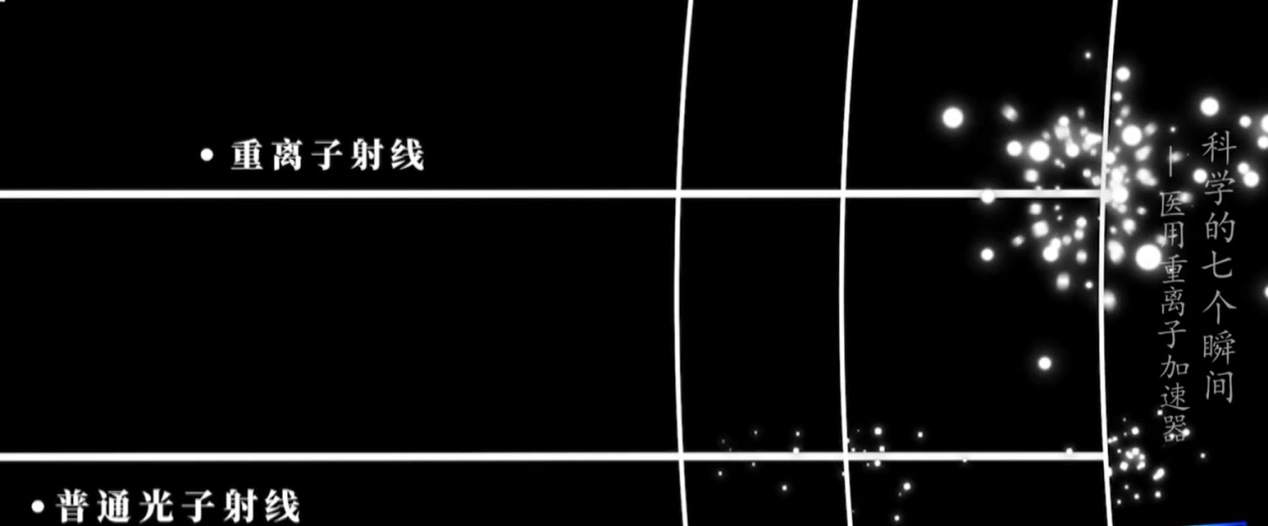
When X-rays or gamma rays enter the human body, energy begins to be released at superficial sites, causing damage as they pass through normal tissues. By the time they reach the tumor, the energy has already weakened, and the tissues behind the tumor continue to be exposed to radiation. This can be understood as: shotgun fire, impossible to distinguish friend from foe.
2. Heavy Ion Radiotherapy:
Like a "precision-guided missile," the heavy ion beam has the following characteristics:
(1) Upon entering the superficial layers of the body: only a small amount of energy is released, causing minimal damage to normal tissues.
(2) Upon reaching the tumor site: the vast majority of energy is released instantaneously and concentratedly, forming a sharp energy peak.
(3) After passing through the tumor: the energy drops rapidly to zero, almost no longer damaging the tissues behind.
This is the famous Bragg peak effect.
Truly achieving: targeted demolition of the tumor, maximizing protection of normal organs.
III. Why Can Heavy Ions Kill Cancer Cells "More Effectively"?
Beyond physical precision, heavy ions also outperform conventional radiotherapy in terms of biological effects:
1. Stronger killing effect
Carbon ions have a large mass and high energy, capable of directly causing double-strand breaks in tumor cell DNA. Cancer cells can hardly repair this damage and are forced to die or stop proliferating.
2. Overcoming radiotherapy resistance
For tumors that are not sensitive to conventional radiotherapy (such as osteosarcoma, pancreatic cancer, and melanoma), heavy ions can still achieve potent killing effects.
3. Shorter treatment course and less suffering
Heavy ion therapy typically requires only about 12 treatment sessions, whereas conventional radiotherapy often involves around 30 sessions. For some early-stage tumors, treatment can be completed within 1 to 2 weeks.
IV. Which Tumors Are Suitable For Heavy Ion Therapy?
Heavy ion therapy has a wide range of indications. Most solid tumors suitable for conventional radiotherapy are also suitable for heavy ion therapy, with outstanding advantages especially in the following situations:
✅ Insensitive to conventional radiotherapy: soft tissue sarcoma, chordoma, malignant melanoma, etc.
✅ Located in critical functional areas with high surgical risk: skull base tumors, meningioma, glioma, etc.
✅ Head and neck tumors: nasopharyngeal carcinoma, oral cancer, laryngeal cancer — better preservation of organ function.
✅ Thoracic and abdominal tumors: early-stage lung cancer, liver cancer, pancreatic cancer, prostate cancer, etc.
✅ Re-irradiation for recurrent tumors: providing new opportunities for patients with recurrence.
Case Report
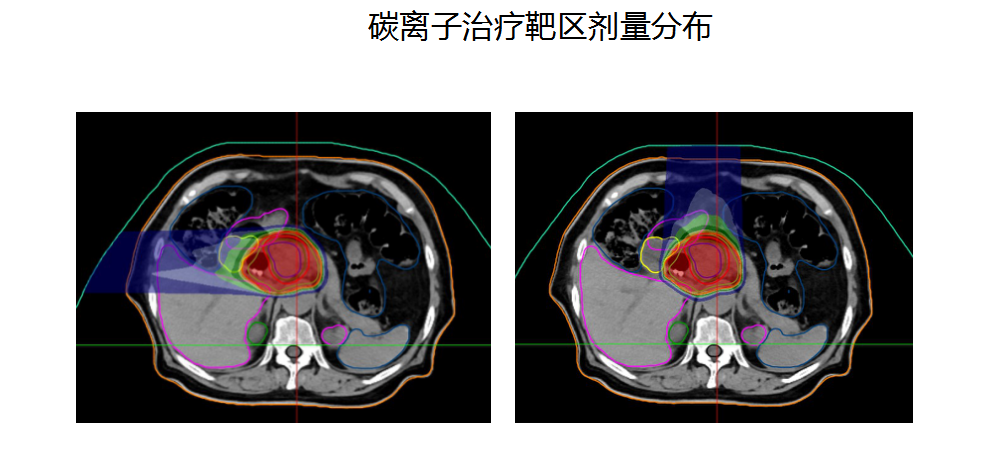
Cholangiocarcinoma has an insidious onset with atypical early symptoms. Most patients are already in the middle or advanced stages by the time of diagnosis and are unable to undergo surgery. Heavy ion radiotherapy, leveraging the advantages of Bragg peak precise dose delivery and high relative biological effectiveness, is particularly suitable for elderly, advanced-stage cancer patients who cannot tolerate conventional treatments.
Below, we share two cases of cholangiocarcinoma patients who achieved excellent outcomes after heavy ion therapy.
Case 1: An 85-year-old elderly patient with advanced hilar cholangiocarcinoma
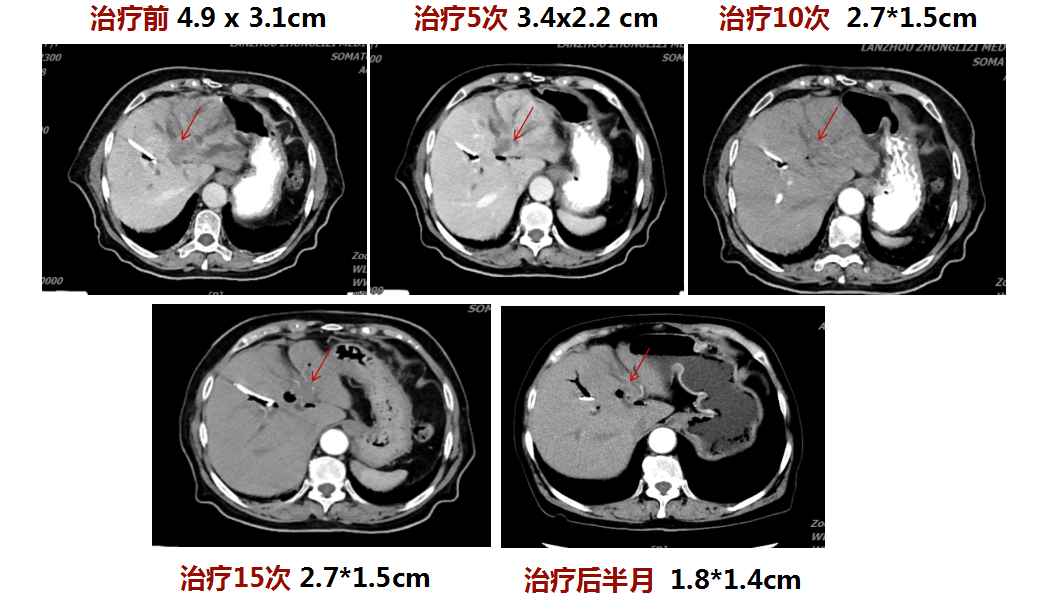
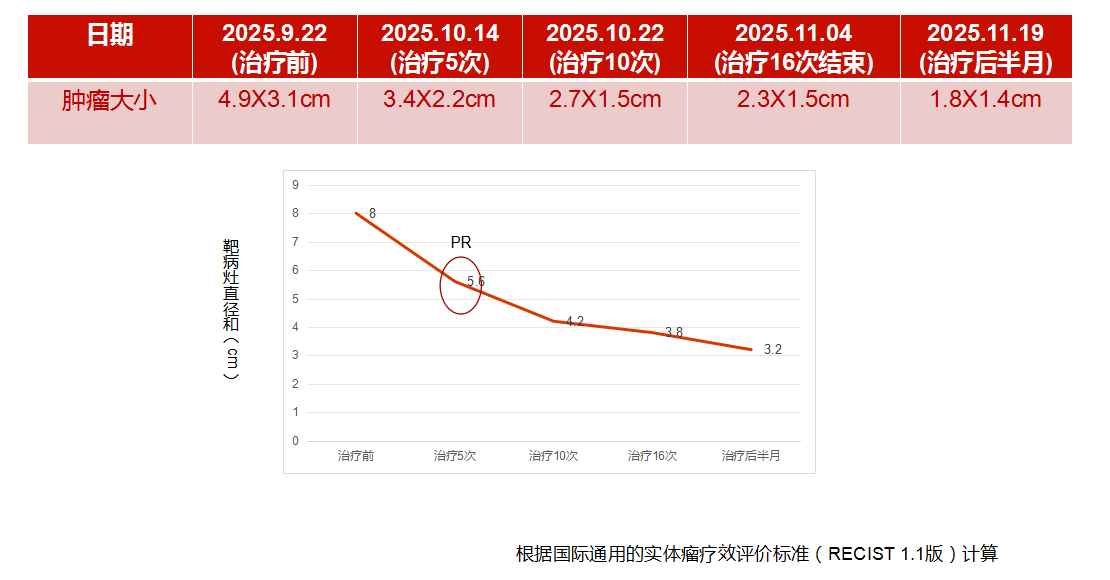
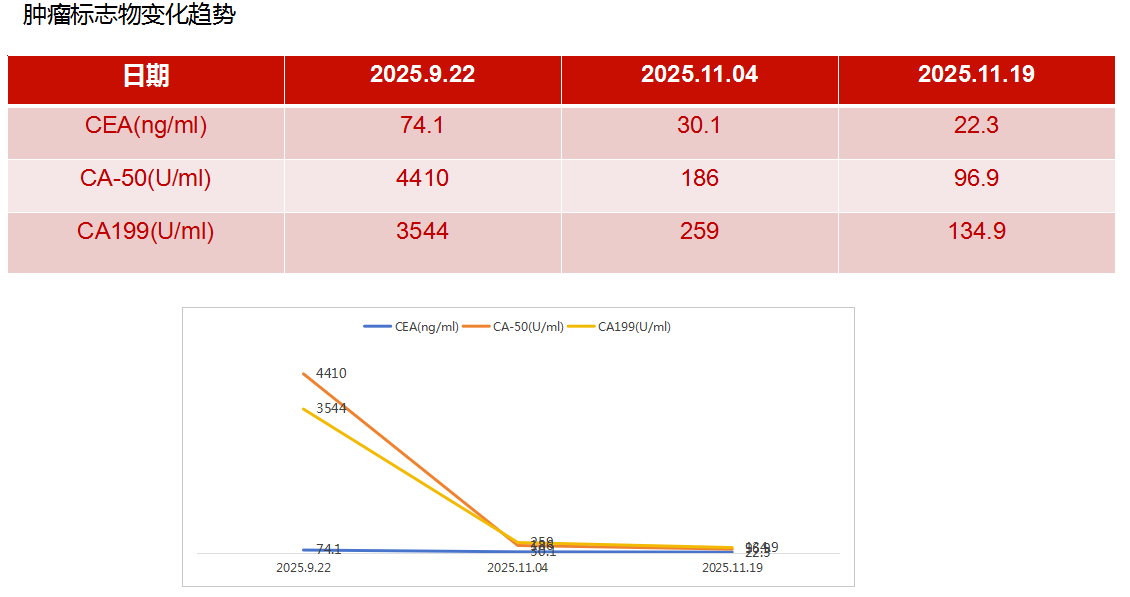
An 85-year-old female patient presented to a local hospital six months ago due to intermittent upper abdominal pain, chills, and high fever. She was diagnosed with hilar cholangiocarcinoma. Due to her advanced age and the complex location of the lesion, surgery was not feasible. She then came to our hospital for treatment. After a multidisciplinary consultation involving Peking University Third Hospital and other institutions, the team led by Dr. Qiao Hongmei performed heavy ion therapy on the bile duct lesion. Prescribed dose: 64 Gy(RBE) / 4 Gy(RBE) / 16 fractions. During the treatment, adjuvant therapies such as liver protection and gastric mucosa protection were administered. The treatment process went smoothly, and no significant adverse reactions were observed during the treatment period. After the completion of treatment, regular follow-ups indicated that the tumor continued to shrink, tumor markers decreased to normal levels, and her quality of life improved significantly.
Case 2: Patient with intrahepatic cholangiocarcinoma
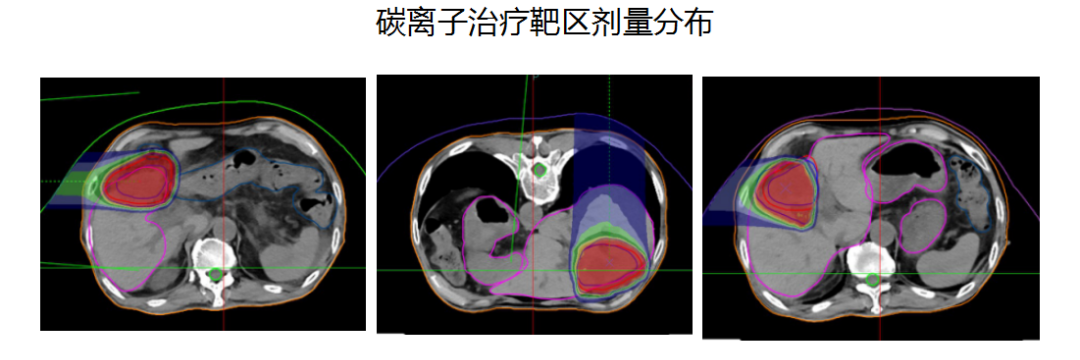
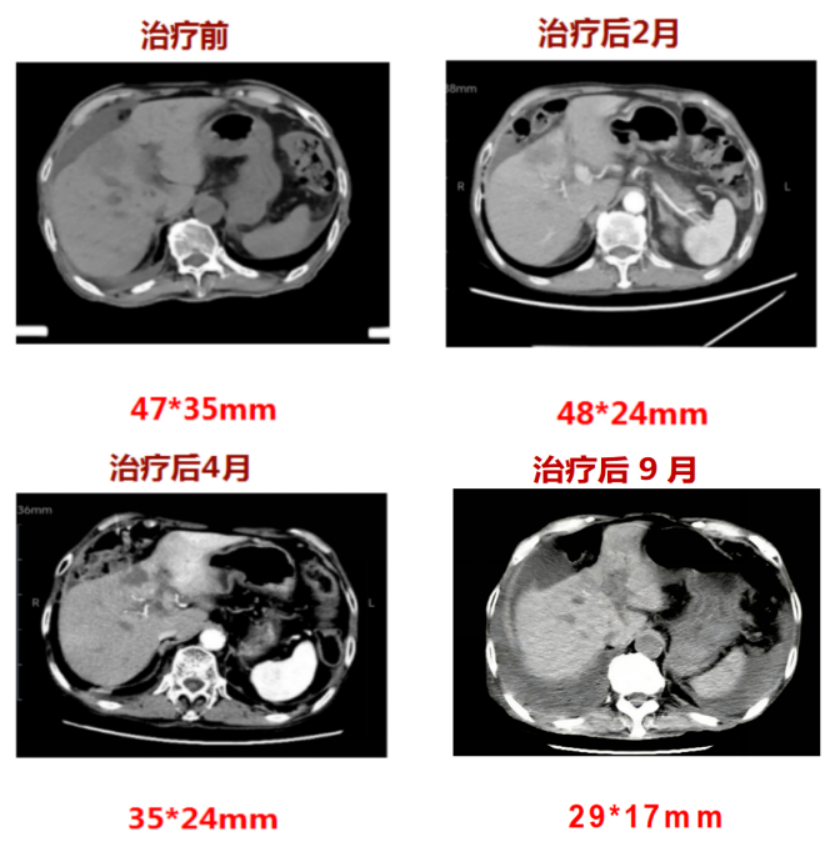
Mr. Qiu, 74 years old, presented to a local hospital one year ago due to abdominal pain. Abdominal MRI revealed a malignant tumor in segment S4 of the liver, measuring 47 mm × 35 mm × 37 mm, with the lesion involving the gallbladder and the hilar bile duct. Biopsy indicated moderately differentiated adenocarcinoma. The patient had a history of leukemia for over 10 years and was undergoing maintenance drug therapy. Due to being unable to tolerate surgery, he came to our hospital for treatment. The team led by Dr. Qiao Hongmei performed heavy ion therapy for intrahepatic cholangiocarcinoma, with a total dose of 68.4 Gy(RBE) / 18 fractions. During the treatment, the patient experienced no significant discomfort. Follow-up after treatment showed gradual tumor shrinkage, improved quality of life, and good control of leukemia.
Last
Heavy ion therapy represents the highest level of modern radiotherapy. It is more precise, more efficient, safer, and causes less damage, bringing new hope to countless cancer patients. However, this does not mean it will replace surgery, chemotherapy, or conventional radiotherapy. Cancer treatment requires a multidisciplinary team to develop an individualized comprehensive treatment plan based on the patient's specific condition. Heavy ion therapy is precisely a sharp sword for precisely striking tumors within the arsenal of comprehensive treatment. In the next episode, we will delve into: [Not All Radiotherapy Is Called 'Heavy Ion': What Makes It So Accurate and So Powerful?] — providing an in-depth explanation of its physical advantages (precise targeting) and biological advantages (inducing double-strand breaks in DNA that cancer cells cannot repair), explaining why it is more powerful.
Case references:
- Taiwan Cancer Prevention and Treatment Network | High-Energy Precision Strike — Heavy Ion Therapy, a New Option in Radiotherapy
Department V of Radiotherapy (Hepatobiliary, Pancreatic, Abdominal and Pelvic Department)
I. Department Overview and Positioning
Our Department of Radiotherapy (Department V – Hepatobiliary, Pancreatic, and Abdominal and Pelvic Tumors) is a specialized radiotherapy unit for abdominal and pelvic tumors. We focus on radiotherapy and comprehensive treatment for liver cancer, cholangiocarcinoma, pancreatic cancer, abdominal sarcomas, gastrointestinal cancer, kidney cancer, prostate cancer, and bladder cancer. Equipped with advanced radiotherapy facilities and a professional medical team, we provide precise, standardized, and individualized comprehensive treatment for patients with abdominal and pelvic tumors. The department actively conducts basic and clinical research related to radiotherapy and chemotherapy for abdominal and pelvic tumors, undertaking multiple research projects. Our goal is to be patient-centered, supported by advanced technology, dedicated to improving cure rates and quality of life for cancer patients, and providing high-quality, efficient, and humanistic medical services.
II. Talent Team and Disciplinary Structure
The department currently has 12 medical and nursing staff members, including 6 physicians (2 chief physicians, 4 resident physicians) and 7 nurses (2 charge nurses, 5 staff nurses). The medical and nursing team has undergone systematic oncology specialty training and possesses extensive professional knowledge and a strong sense of responsibility. We are able to provide patients with scientifically sound treatment plans as well as specialized, humanistic, and precise services.
Distinguished Professor Wang Junjie, Director of the Radiotherapy Department at Peking University Third Hospital, and Professor Fan Ruitai from The First Affiliated Hospital of Zhengzhou University have been appointed as visiting professors to our department. Professor Ma Changying from Qiqihar First Hospital provides academic guidance. Renowned Taiwanese physicist Professor Wu Jiaming provides year-round guidance in clinical practice, research, and teaching. The department has completed three municipal-level research projects, received one Excellence Award, and published over 40 academic papers in core journals, including 5 SCI-indexed papers.
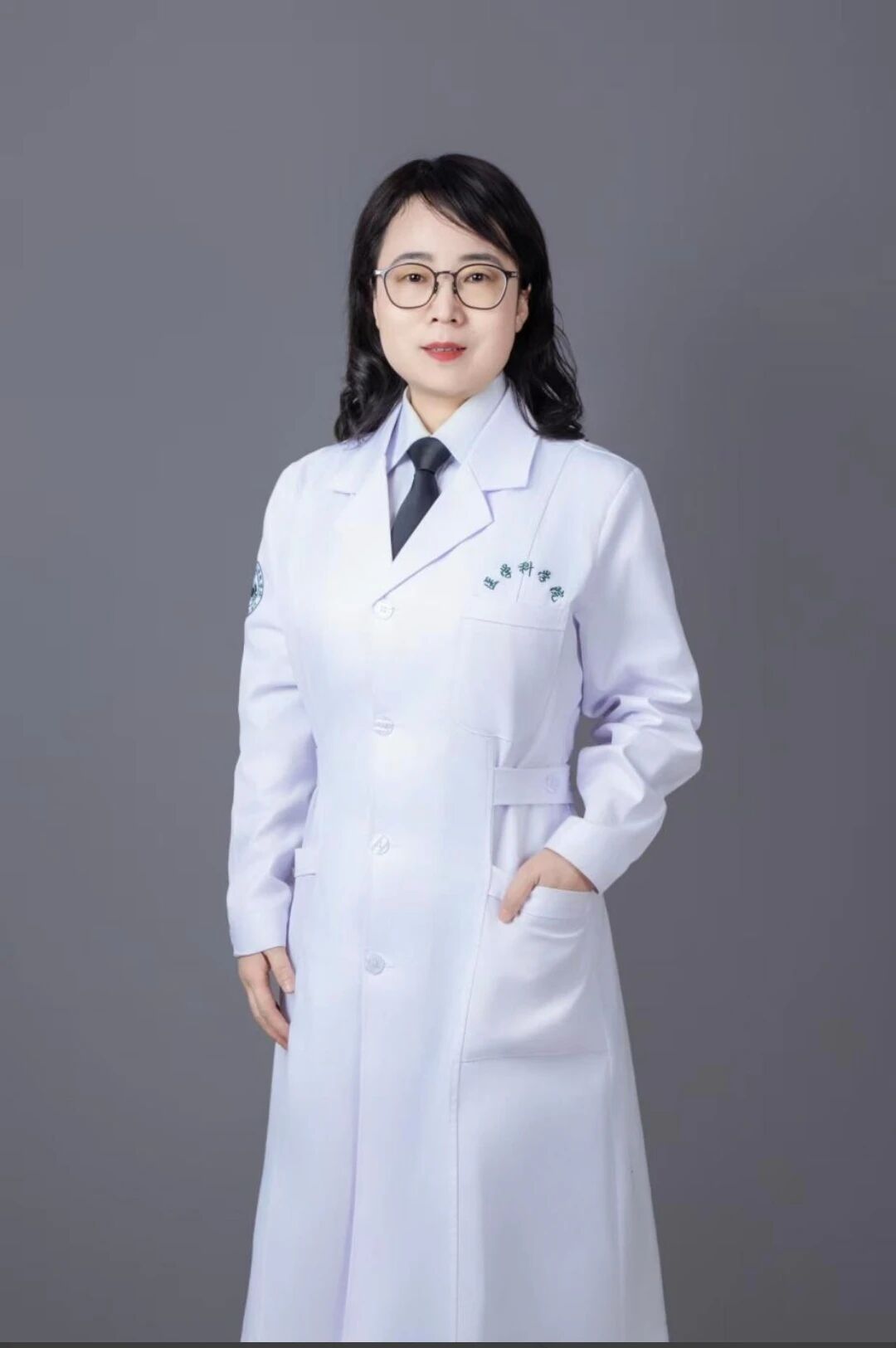
Department Director Dr. Qiao Hongmei, Chief Physician, has been engaged in radiotherapy and chemotherapy for over 20 years. She has pursued further training at several renowned domestic cancer centers, including the Affiliated Hospital of Xi'an Jiaotong University, Peking University Third Hospital, and Shaanxi Provincial Cancer Hospital. She has profound expertise in intensity-modulated radiotherapy (IMRT), stereotactic radiotherapy, interstitial brachytherapy, seed implantation, and comprehensive drug therapy for benign and malignant tumors. She also has extensive clinical experience in carbon ion radiotherapy combined with chemotherapy, targeted therapy, and immunotherapy for liver cancer, cholangiocarcinoma, pancreatic cancer, and abdominal sarcomas. The department is currently conducting two clinical studies on carbon ion therapy for liver cancer and pancreatic cancer with zero out-of-pocket patient cost, as well as one clinical study on carbon ion therapy for hypersplenism with zero out-of-pocket patient cost.
III. Contact Information and Patient Guidance
Department Inpatient Address: 8th Floor, Comprehensive Inpatient Building, Lanzhou Branch of Gansu Wuwei Cancer Hospital