Apheresis – The "Surgical Procedure" of Hematology
Apheresis – The "Surgical Procedure" of Hematology
In the field of hematological disease treatment, beyond traditional chemotherapy, radiotherapy, and hematopoietic stem cell transplantation, apheresis—as a physical therapeutic approach often described as a "surgical procedure"—is becoming an important complement in the management of myeloproliferative neoplasms and autoimmune diseases. With its core principles of "separation and removal" or "separation, collection, and reinfusion," it directly intervenes in abnormal blood components, offering new therapeutic hope to patients.

01 What is apheresis?
Hemapheresis is an advanced technique that uses an automated blood cell separator to selectively remove abnormal components from the blood—such as excess red blood cells, platelets, white blood cells, or pathogenic substances—while returning the remaining normal blood components to the patient.
Technical Principle: Through centrifugal separation technology, components are precisely separated based on differences in density. Pathological elements are removed, while healthy components are retained and reinfused—achieving a therapeutic effect of "removing the harmful while preserving the healthy."
02 Application in Myeloproliferative Neoplasms
Myeloproliferative neoplasms (MPNs) are a group of blood cancers characterized by the abnormal proliferation of hematopoietic stem cells in the bone marrow. They include polycythemia vera, essential thrombocythemia, and myelofibrosis, among others. The core pathological change is an abnormal increase in one or more types of blood cells in the peripheral circulation, leading to severe complications such as thrombosis, bleeding, and organ enlargement.

1. Therapeutic Goals
To rapidly reduce abnormally elevated blood cell counts, alleviate symptoms (such as headache, dizziness, and numbness in the limbs), prevent thrombotic events (e.g., cerebral infarction, myocardial infarction), and lower bleeding risks—while creating favorable conditions for subsequent pharmacological treatments (e.g., hydroxyurea, JAK2 inhibitors).
2. Indications
• Leukapheresis: Indicated for acute or chronic leukemia with leukostasis (hyperleukocytic leukemia).
• Erythrocytapheresis: Indicated for primary or secondary polycythemia, or for preoperative autologous blood donation.
• Thrombocytapheresis: Indicated for primary or secondary thrombocytosis.
• Plasmapheresis: Indicated for various poisonings, thrombotic thrombocytopenic purpura (TTP), and post-transplant immune rejection reactions.
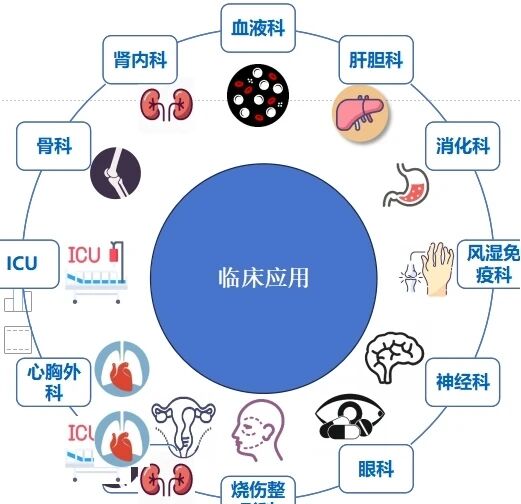
03 Application in Autoimmune Diseases
1. Therapeutic Goals
To selectively remove pathogenic autoantibodies, immune complexes, and inflammatory mediators from the plasma—rapidly alleviating immune-mediated tissue damage and controlling acute flare-ups, thereby gaining time for immunosuppressive therapy to take effect.
2. Indications
• Myasthenia Gravis: During a myasthenic crisis (e.g., respiratory muscle paralysis), or in cases with poor response to cholinesterase inhibitors.
• Systemic Lupus Erythematosus: Severe lupus nephritis, neuropsychiatric lupus accompanied by high titers of autoantibodies.
• Rheumatoid Arthritis: Refractory cases with severe joint deformities or visceral involvement.
3. Therapeutic Mechanism
Through plasmapheresis (the core technique of plasma exchange), plasma containing autoantibodies is separated and removed, while normal plasma or a plasma substitute is reinfused. This rapidly reduces the concentration of autoantibodies in the body, lessens tissue damage caused by immune complex deposition, and alleviates inflammatory responses. For example, in patients with myasthenia gravis, plasmapheresis can quickly improve muscle weakness and prevent respiratory failure.
04 Summary and Outlook
As a form of "physical therapy," apheresis offers a rapid and safe treatment option for myeloproliferative neoplasms and autoimmune diseases by precisely targeting abnormal blood components. Its advantages are particularly irreplaceable in controlling acute symptoms and preventing severe complications.
With continuous technological advancements, the precision and safety of blood cell separators are steadily improving. In the future, this technique may be further expanded to treat a wider range of hematological disorders (such as leukocyte reduction after leukemia chemotherapy) and immune-related diseases. Combined with pharmacological treatments and stem cell transplantation, it will contribute to more personalized therapeutic strategies for patients.
Oncology/Hematology Department
Professional Team
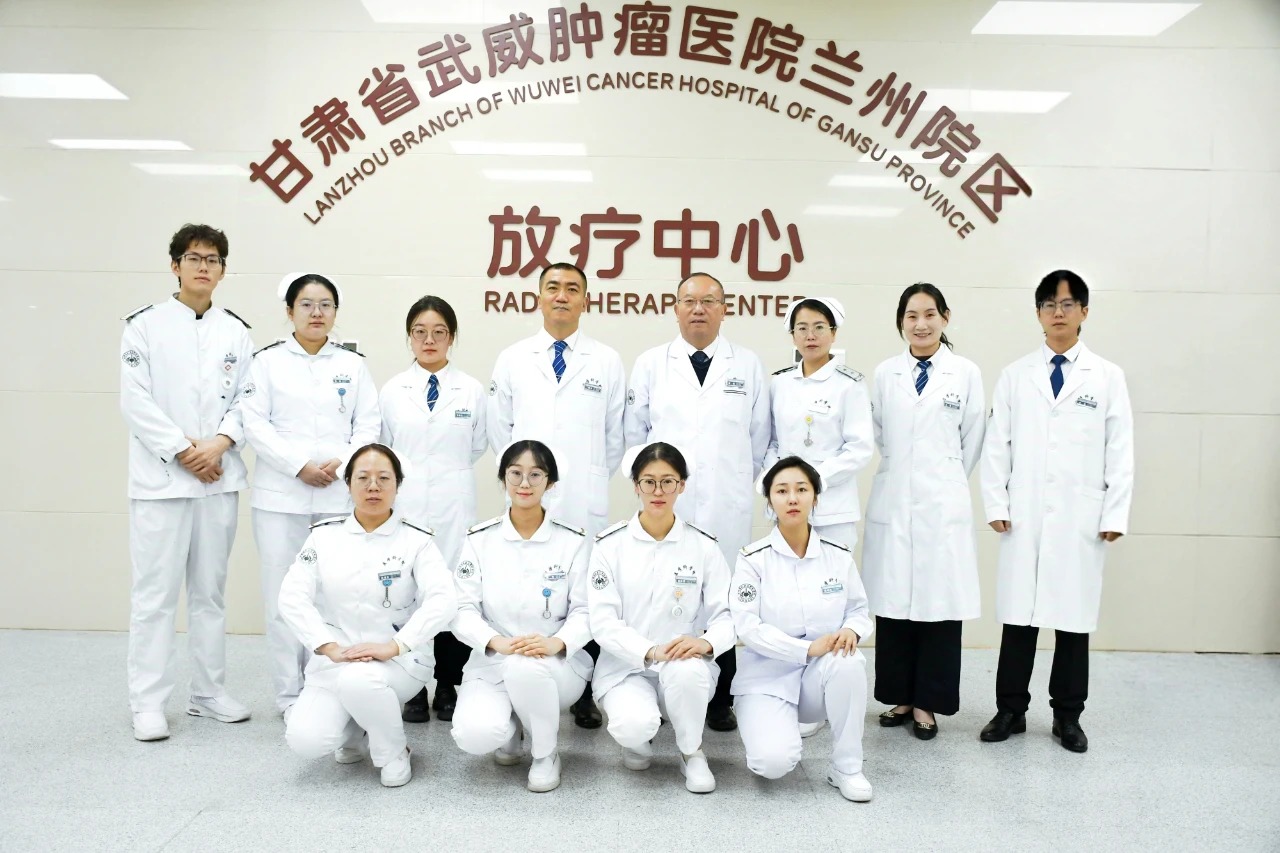
The department is equipped with an elite team of professional medical staff. Among the medical team, specially appointed professors Bai Hai and Pan Ming are both Chief Physicians of the First Class, enjoying high reputations in the industry. They possess profound academic expertise and extensive clinical experience, providing a solid foundation for the department's diagnostic and treatment standards. Additionally, the department has established a rational and comprehensive talent team structure, continuously refining and enhancing talent development mechanisms to ensure high-quality, multi-level medical services for patients. The nursing team demonstrates a strong sense of responsibility and professional nursing skills, offering comprehensive and meticulous care to ensure patients' comfort and safety throughout their treatment journey.
Scope of Medical Services
The department specializes in the precise diagnosis and treatment of various benign and malignant hematological and solid tumor diseases. It holds a particular advantage in managing refractory or relapsed hematological disorders and complex solid tumor cases. Key areas of focus include hematological diseases such as leukemia, lymphoma, multiple myeloma, and various types of anemia, as well as medical oncology treatments for common solid tumors like lung cancer, gastric cancer, colorectal cancer, and breast cancer. For both common conditions and challenging cases, the department leverages its professional medical expertise and extensive clinical experience to provide patients with accurate diagnoses and effective treatment plans.
Diagnostic and Treatment Technologies
Diversified Treatment Approaches: The department employs internationally advanced treatment concepts and methods, covering chemotherapy, targeted therapy, immunotherapy, endocrine therapy, supportive care, cell therapy, and integrated traditional Chinese and Western medicine treatments. Tailored comprehensive treatment plans are developed based on each patient's condition and physical health to achieve optimal therapeutic outcomes.
Precision Diagnostic Technologies: Leveraging the advanced MICM (Morphology, Immunology, Cytogenetics, Molecular genetics) typing techniques of the Hematology Center Laboratory—including bone marrow morphology, bone marrow pathology, flow cytometry, and genetic testing—the department ensures precise diagnosis and classification of hematological diseases. This provides a scientific foundation for developing personalized treatment plans. Through these cutting-edge technologies, the patient's condition can be assessed more accurately, enabling targeted therapy and enhancing treatment efficacy.
Laminar Flow Ward Assurance: The department is equipped with laminar flow wards, offering a safe and comfortable treatment environment for patients undergoing high-dose chemotherapy, hematopoietic stem cell transplantation, and other procedures with stringent infection control requirements. These wards utilize advanced air purification technology to effectively reduce infection risks, providing robust support for patient care.