
The Guardians Behind Radiotherapy: Medical Physicists, Safeguarding Cancer Treatment with Precision
The Guardians Behind Radiotherapy: Medical Physicists, Safeguarding Cancer Treatment with Precision Quality Control
In radiotherapy treatment, doctors and technicians are often in direct contact with patients and receive much attention. Yet, on the path of combating cancer, there is another group of dedicated workers operating behind the scenes. They delve deeply into dose control, solidifying the very foundation of treatment.
Hello everyone, the focus of our discussion today is not the doctors in white coats, nor the surgical experts wielding scalpels. Instead, it's a group who work behind screens, dealing daily with "numbers," "radiation," and "algorithms" – the Medical Physicists.
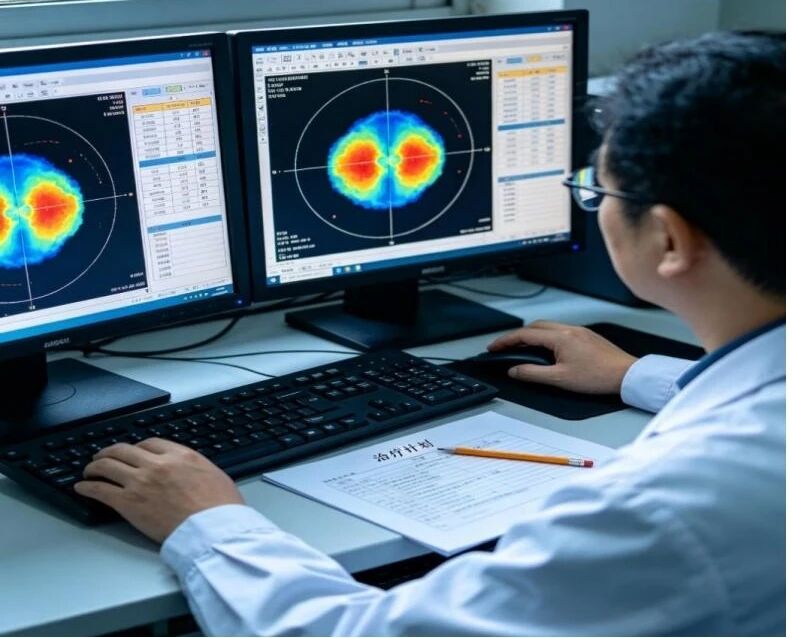
They are the unseen guardians in the field of radiotherapy, immersed in meticulous work and shouldering critical missions. The precise control of radiotherapy dosage relies fundamentally on their professional dedication.
Today, let's unveil: How exactly do physicists use "ultimate precision" to ensure radiotherapy safety? And as patients, how should you cooperate?
I. Why is Dose Control So Important?
Simply put, radiotherapy uses high-energy radiation to "burn away" tumors. The difficulty lies in the fact that vital organs often sit right next to the tumor. Too little dose leaves tumor cells alive, allowing them to "return with a vengeance" later – rendering the treatment almost futile. Too much dose severely damages healthy organs, leading to potentially serious consequences like pneumonitis, intestinal perforation, or spinal cord injury.
Therefore, radiotherapy strives for the "just right" – delivering a lethal dose to the tumor while keeping the dose to normal tissues within a safe limit. Achieving this "just right" is the core goal physicists dedicate themselves to realizing.
II. The Physicist's Three "Safety Locks": Planning, Calculation, Verification
Talk is cheap without action. What exactly are the key skills of a physicist? The core process involves three interlinked, indispensable steps.
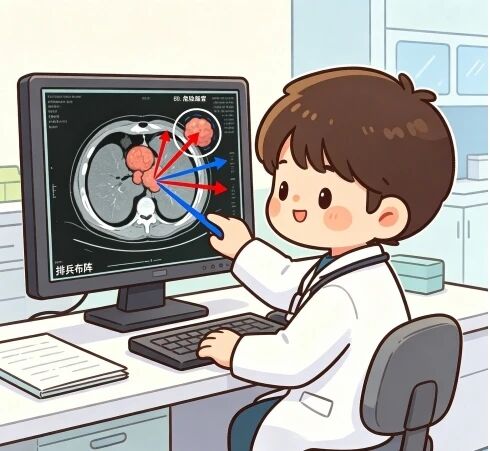
First Lock: Dose Planning – Designing Radiation Beams Like "Deploying Troops"
After the doctor delineates the tumor and organs-at-risk on the CT scan, the physicist takes the stage. Using specialized "Treatment Planning System" software, they work almost like playing a strategy game to arrange "radiation beams" – determining the angle, size, and energy of the beams.
Second Lock: Dose Calculation – Inaccurate? Not on Our Watch!
No matter how well the plan is designed, the dose must be calculated accurately. Physicists use the treatment planning system and complex algorithms (like Monte Carlo or convolution algorithms) to calculate the radiation dose distribution within the body.
Third Lock: Dose Verification – Measuring is Believing.
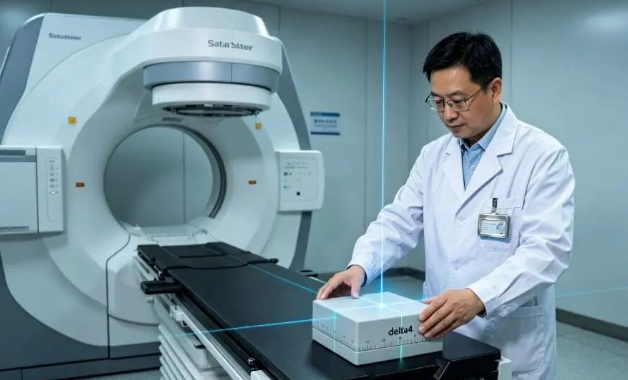
The plan is done, the calculation is accurate, so we just start treatment? Not so fast! Physical verification is a must.
Before treatment begins, physicists will place the plan on a phantom (a dummy "patient") or specialized equipment and actually deliver the radiation to detectors, checking if the measured dose matches the calculated dose.
III. Patient Cooperation Guide: Don't Be the "Weak Link," Know These Things
After all the effort from the physicists, successful treatment ultimately relies on patient cooperation. After all, no matter how precise the dose control is, if the patient moves, it can all be for nothing.
Cooperation Tip 1: Maintain Position, No "Freestyling"
You must maintain the exact same position during every treatment as you did during the CT simulation. Wear the mask if required, keep your arms in position, hold your breath as instructed. During treatment, think of yourself as a "human tripod" – steady as a rock. Feel an itch? Try to endure it, or ask the therapist for help beforehand. Do NOT move secretly because of "discomfort" – a movement of just millimeters could mean missing part of the tumor or overdosing the spinal cord.
Cooperation Tip 2: Breathing Control, Master the "Breath-Hold Technique"
Tumors in the chest or abdomen (like lung or liver cancer) are most affected by breathing motion. If you can effectively use techniques like Deep Inspiration Breath Hold (DIBH), it can double the protection for organs like the heart and lungs.
Cooperation Tip 3: Skin Care, Don't Apply Ointments Randomly
The skin in the treatment area will become sensitive. Do not arbitrarily apply iodine, alcohol, irritating ointments, or cosmetics. Use only the protective agents prescribed by your doctor, and exactly as instructed.
Cooperation Tip 4: Report Physical Changes Promptly
If you experience severe cough, pain when swallowing, diarrhea, frequent or painful urination, etc., inform your doctor immediately – these could be signals of normal tissue reaction, and early intervention is key.

Radiotherapy: A High-Precision, Interlinked Campaign, with Medical Physicists as the Unseen Guardians
Radiotherapy is a high-precision, interlinked campaign where every step is crucial. Medical physicists are the unseen guardians operating discreetly behind the treatment process. Many mistakenly believe radiotherapy is simple—just assume the position and receive radiation. In reality, each safe and effective treatment relies on the physicist's comprehensive involvement in dose planning, precise calculation, and on-site verification. With a rigorous and meticulous professional approach, they work to strictly minimize radiation deviation. This ensures the radiation acts precisely on the tumor while maximally protecting surrounding healthy tissues and reducing treatment-related damage.
They seldom interact directly with patients, yet they remain steadfast behind the scenes, firmly upholding the safety standards of radiotherapy. Those staff members in white coats, intently calculating before computer screens or repeatedly verifying settings beside equipment, are the radiotherapy physicists silently fortifying the treatment defenses for patients.
For patients, the best way to cooperate with the entire radiotherapy team is to: comply fully with position immobilization, properly practice breathing techniques as trained, pay attention to skin care, and promptly report any physical discomfort. This cooperation is essential to truly ensure treatment safety and clinical efficacy, adding momentum to one's own recovery.