
Using Heat to Fight Tumors: A Guide to Hyperthermia Combined with Radiotherapy and Chemotherapy
Using Heat to Fight Tumors: A Guide to Hyperthermia Combined with Radiotherapy and Chemotherapy
What is tumor hyperthermia?
Hyperthermia refers to a physical treatment modality that heats tumor tissue to 41–45°C for a certain duration, causing damage or even death to tumor cells, while simultaneously enhancing the effectiveness of radiotherapy and chemotherapy.
Humans recognized very early on that high heat might have an inhibitory effect on tumors. In the late 19th century, American physician William Coley observed that some cancer patients experienced tumor shrinkage after developing a high fever from an infection. This observation planted the seed for hyperthermia research.
After more than a century of development, hyperthermia has evolved from a "serendipitous discovery" into a standardized treatment method supported by clear physical principles and clinical evidence. It is now widely used for various solid tumors, including cervical cancer, bladder cancer, colorectal cancer, and breast cancer.
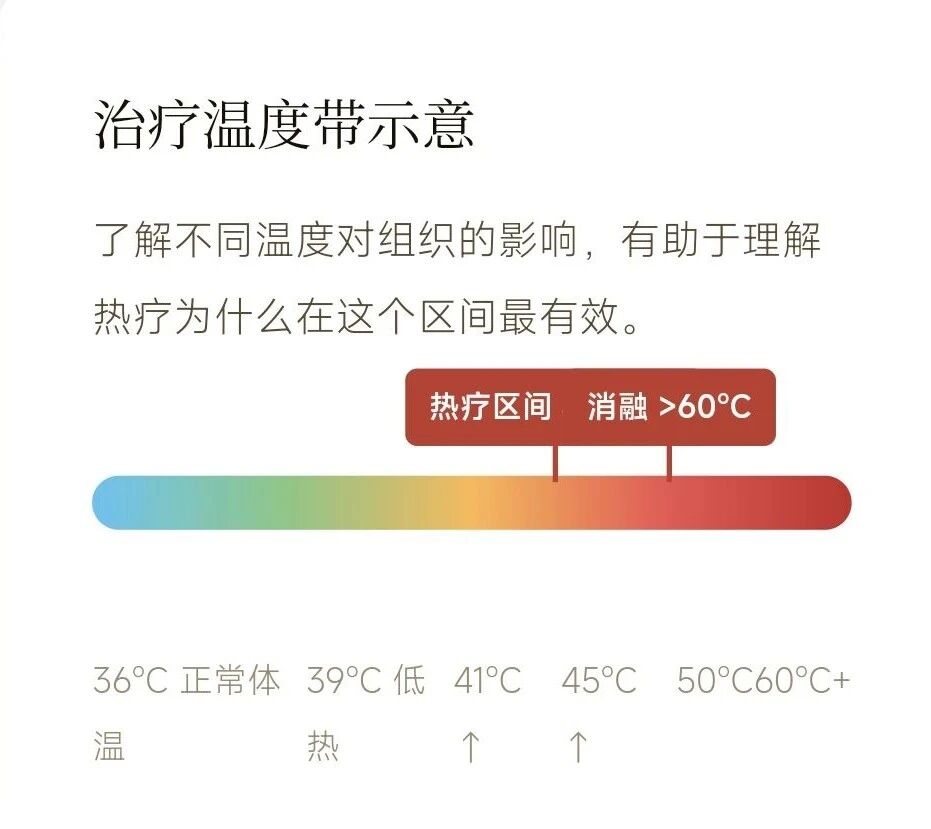
It should be particularly noted that hyperthermia is different from radiofrequency ablation. Ablation aims to 'burn and kill' the tissue, with temperatures often exceeding 60°C, targeting direct destruction of focal lesions. In contrast, hyperthermia operates in a 'mild' range of 41–45°C, focusing on synergistic enhancement rather than serving as a standalone curative treatment.
Why can hyperthermia kill tumor cells?
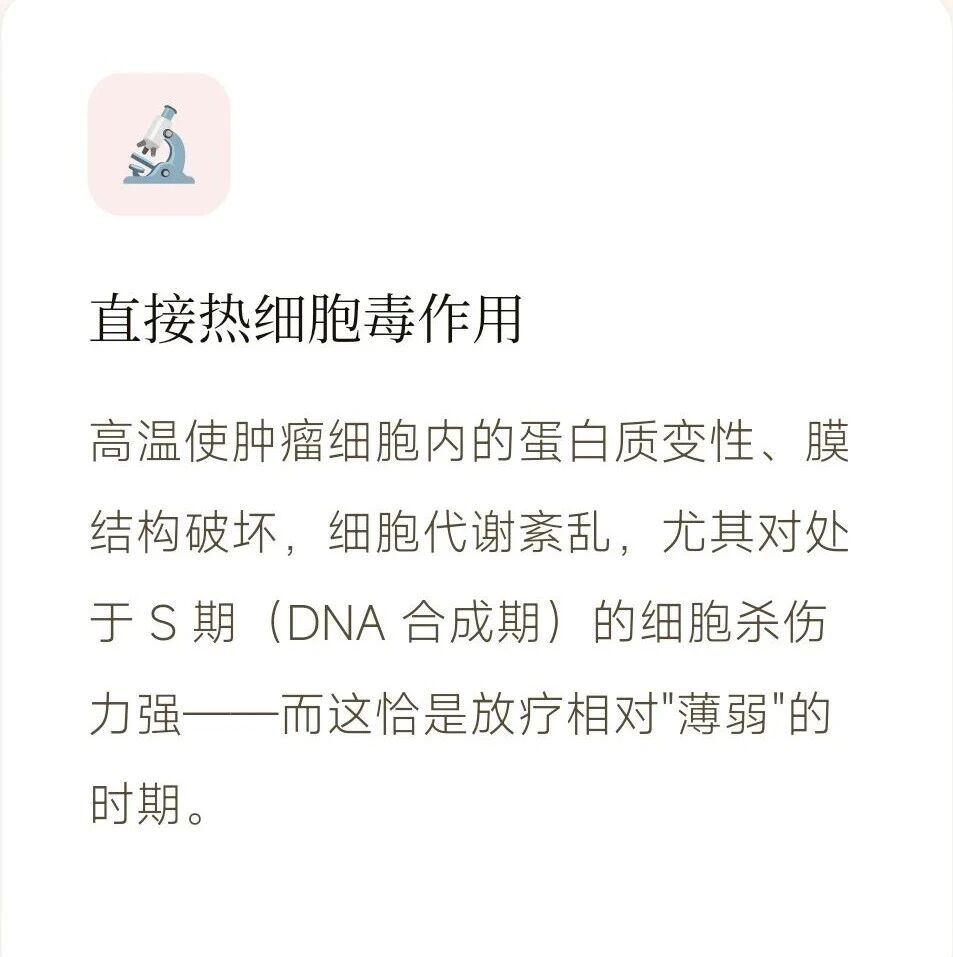
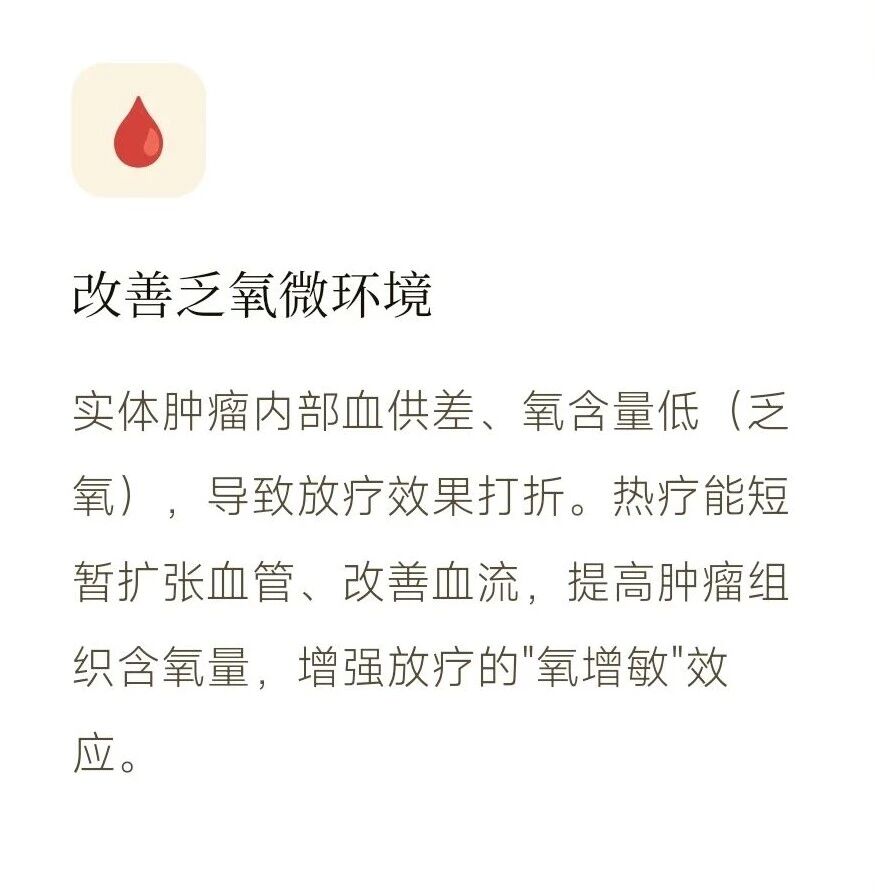
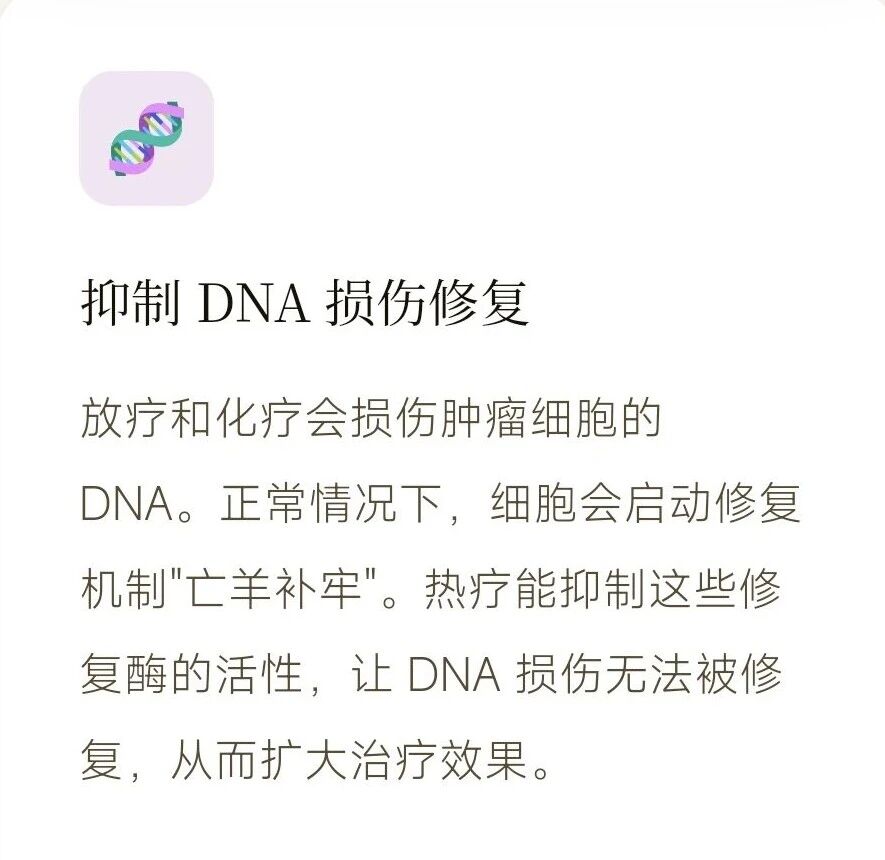
Analysis of Four Major Mechanisms of Action
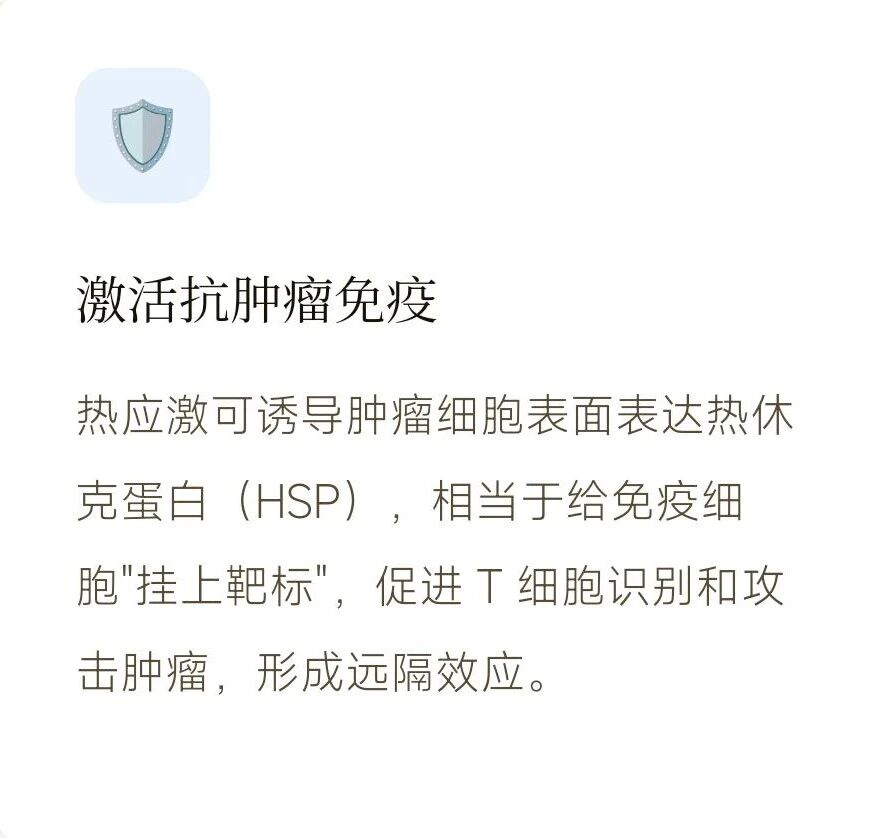
The reason hyperthermia can synergistically enhance the effects of radiotherapy and chemotherapy lies in its multifaceted intervention on the biological characteristics of tumor cells.
How does hyperthermia 'cooperate in combat' with radiotherapy and chemotherapy?
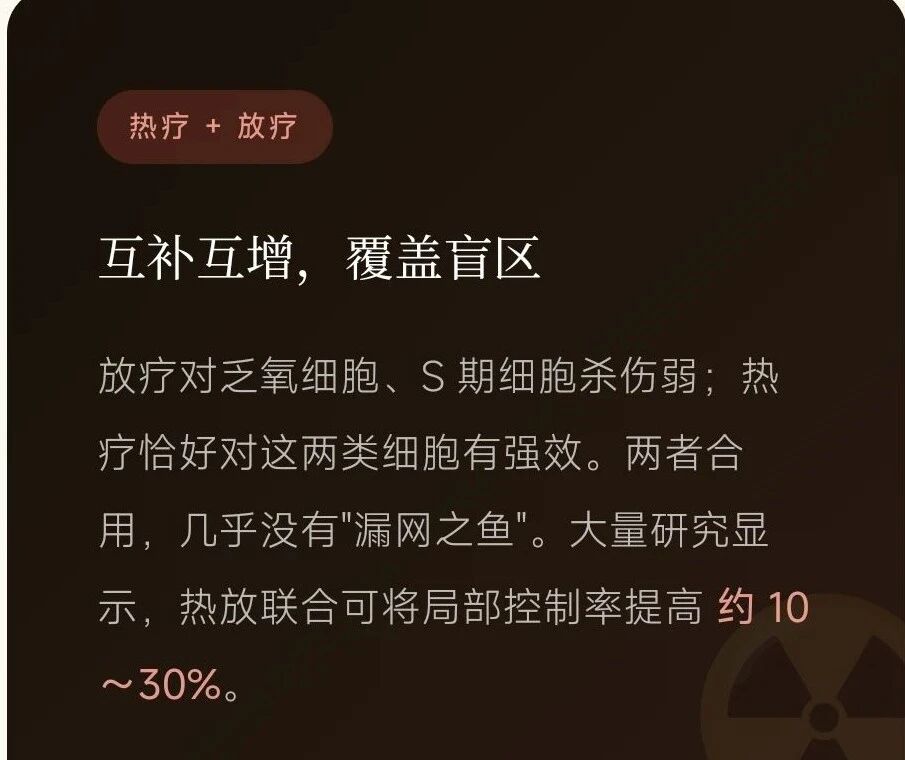
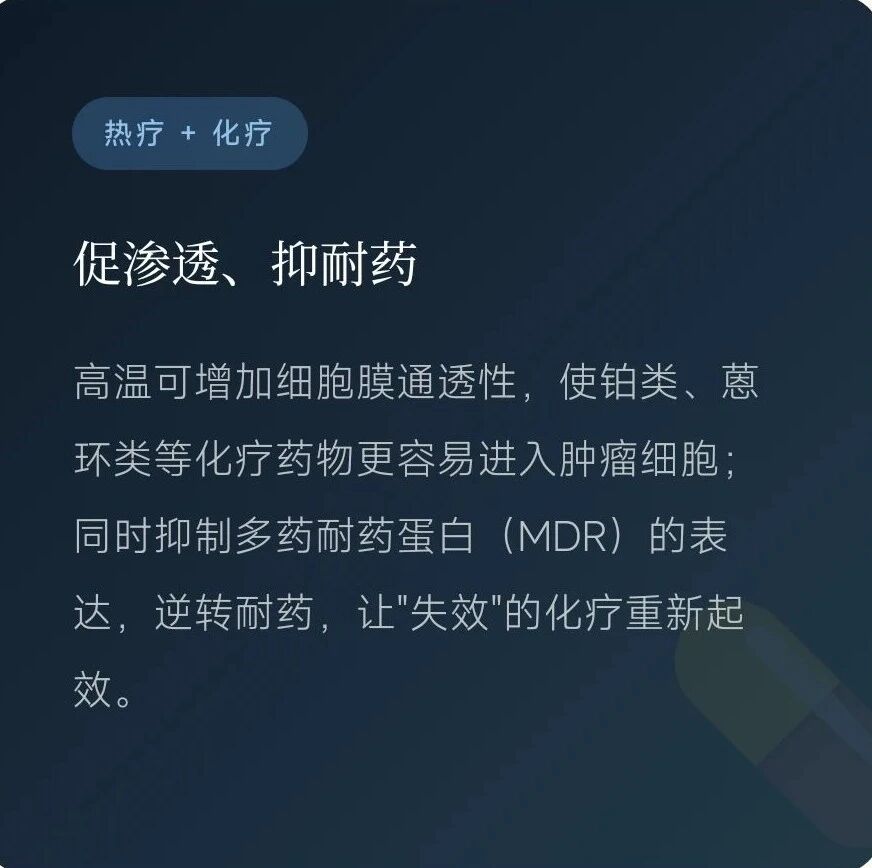
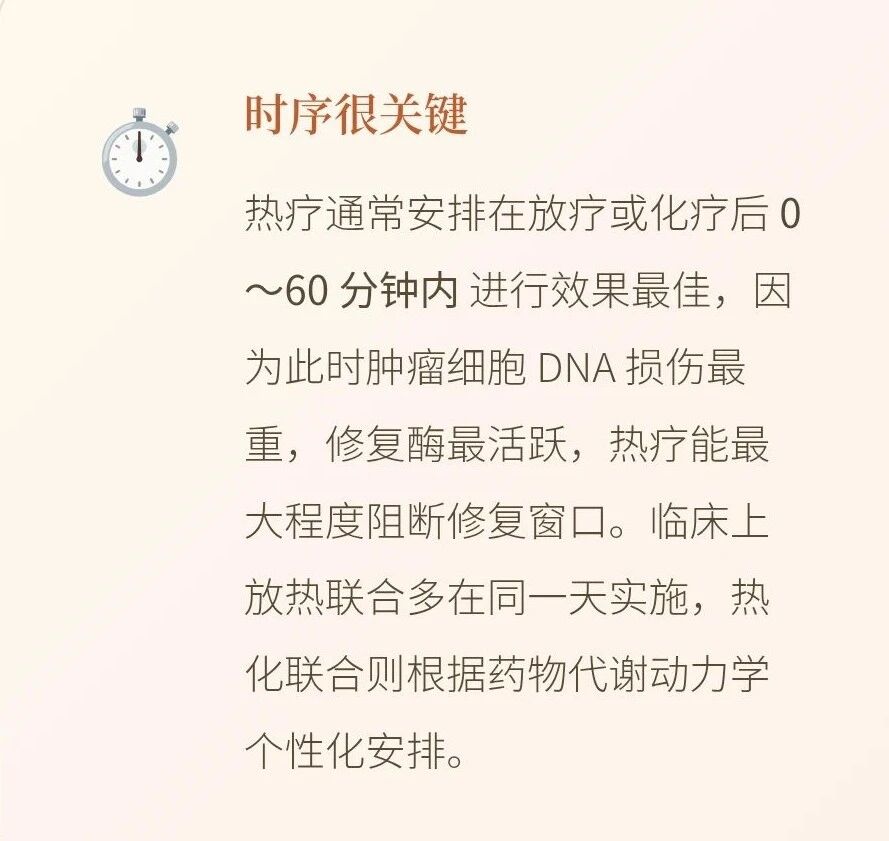
When used alone, hyperthermia has limited efficacy. However, when combined with radiotherapy or chemotherapy, 1+1 is far greater than 2—this is what medicine calls 'synergistic enhancement.'
Which tumors are suitable for hyperthermia?
Not all tumors are suitable for hyperthermia. Solid tumors with the following characteristics generally derive the most clear benefits:

It is worth mentioning hyperthermic intraperitoneal chemotherapy (HIPEC)—a technique in which heated chemotherapy solution is directly infused into the abdominal cavity. It has shown good efficacy in treating peritoneal metastases from ovarian cancer, gastric cancer, and colorectal cancer, and has been included in multiple domestic and international clinical guidelines.
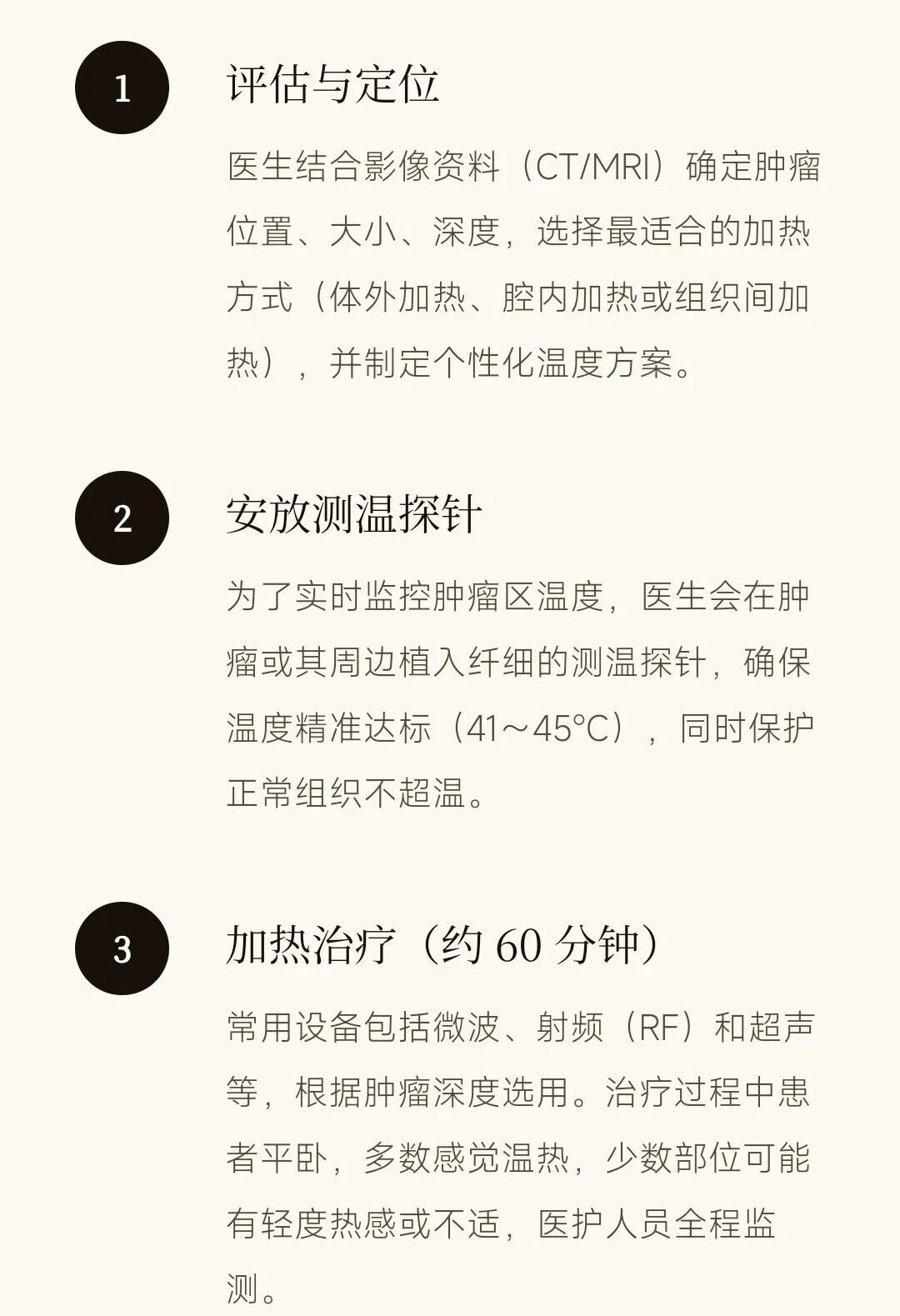
How is hyperthermia performed?
Introduction to the Whole Treatment Process
Is hyperthermia safe? What are the side effects?
Overall, hyperthermia is a well-tolerated treatment with far fewer side effects than radiotherapy and chemotherapy themselves. Common reactions include:


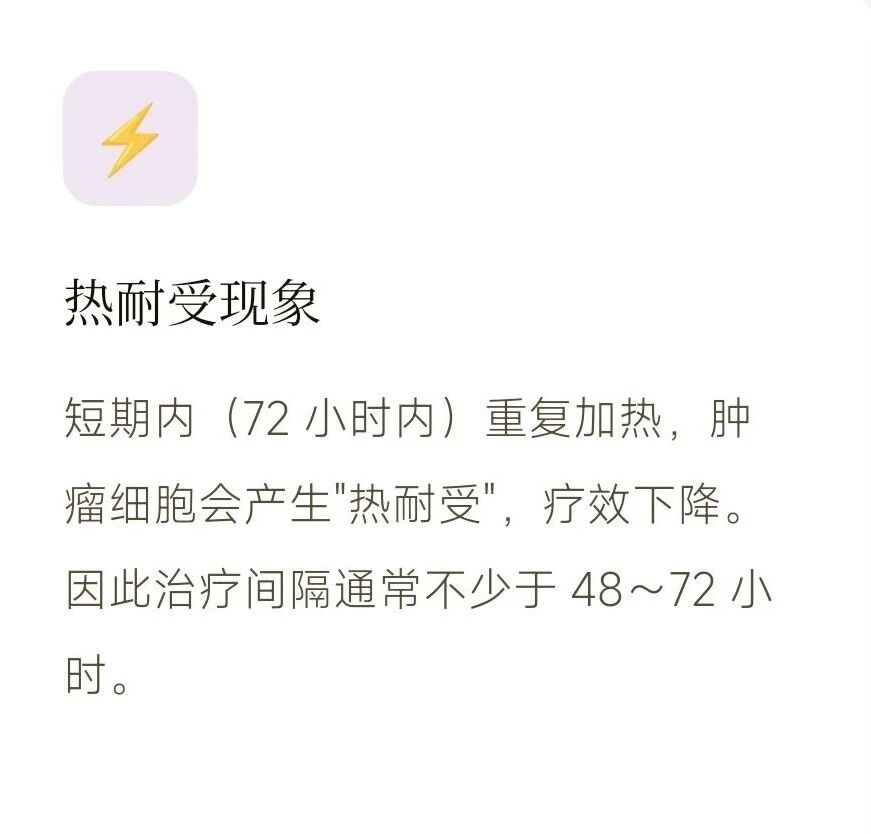

Seven Most Frequently Asked Questions by Patients

Hyperthermia: Making Treatment "Hotter," Making Hope Greater
Hyperthermia is neither a magical cure nor an "alternative remedy"—it is a legitimate adjuvant treatment modality that has undergone rigorous clinical validation and has been incorporated into domestic and international clinical guidelines. For patients with solid tumors that meet the indications, hyperthermia combined with radiotherapy and chemotherapy can improve local tumor control rates and quality of life, and even prolong survival, without significantly increasing toxic side effects.

Second Department of Radiotherapy (Lanzhou Campus)
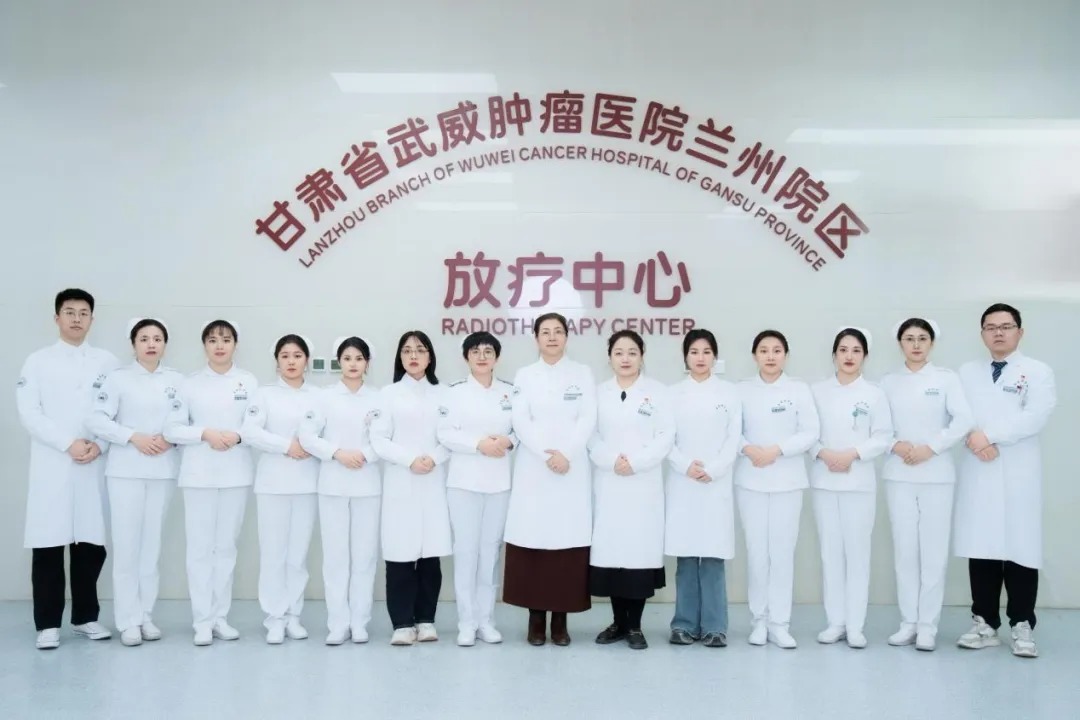
As a radiation oncology subspecialty within the Gynecologic Oncology Group, the Second Department of Radiation Oncology focuses on radiotherapy for gynecologic tumors. Equipped with advanced radiotherapy facilities and a professional medical team, the department provides precise, standardized, and personalized comprehensive treatment for patients with gynecologic tumors. It actively conducts basic and clinical research related to radiotherapy for gynecologic malignancies and undertakes multiple research projects. Additionally, serving as a teaching and internship base, the department trains and contributes talent to the field. The department aims to be patient-centered, supported by advanced technology, and is committed to improving the cure rate and quality of life for patients with gynecologic tumors, while delivering high-quality, efficient, and humanistic medical care.
Professional Team
The department currently has 14 medical staff members, including 7 physicians and 7 nurses, forming a knowledgeable, dynamic, and professional team. Among them, there are 2 senior-level professional title holders and 2 intermediate-level professional title holders. The department director, Chief Physician Zhao Fengju, has been engaged in radiotherapy for over 30 years and is a rare oncology specialist in the Northwest region. She serves as the Chairperson of the Brachytherapy Professional Committee of the Gansu Anti-Cancer Association and the Vice-Chairperson of the Northwest Gynecologic Oncology and Brachytherapy Professional Committee. She specializes in comprehensive treatment for gynecologic tumors, including radiotherapy, chemotherapy, and immuno-targeted therapy. She has performed external beam radiation techniques such as CIRT and IGRT for gynecologic tumors, as well as three-dimensional intracavitary brachytherapy, interstitial implantation, and painless brachytherapy. She has extensive clinical experience in tumor radiotherapy and chemotherapy. Additionally, Chief Physician Du Lanning, who worked in radiotherapy at the First Hospital of Lanzhou University for over 40 years, is highly skilled in radiotherapy and comprehensive treatment for various common malignant tumors, including head and neck tumors, lung cancer, gastrointestinal tumors, breast cancer, and urologic tumors. The department also receives technical and academic guidance from experts such as Professor Wang Junjie, Chairperson of the National Radiotherapy Committee, Director of the Radiotherapy Department at Peking University Third Hospital, and Dean of the Lanzhou Campus of Gansu Wuwei Cancer Hospital, as well as Professor Li Sha, former Director of the Radiotherapy Department at the Military General Hospital of Lanzhou Command.
Treatment Scope
The department primarily provides carbon ion radiotherapy, photon radiotherapy, and brachytherapy for various gynecologic malignancies including cervical cancer, endometrial cancer, ovarian cancer, vulvar cancer, and vaginal cancer, as well as for lung cancer, gastrointestinal malignancies, urologic malignancies, and other malignant tumors. Additionally, the department offers comprehensive treatments for various malignant tumors, including chemotherapy, targeted therapy, immunotherapy, and cellular immunotherapy.