
How Thread Embedding “Threads” the Needle on Obesity
How Thread Embedding “Threads” the Needle on Obesity
“Doctor, can embedding one thread really help me lose 10 pounds?”
“I heard it’s just long-term acupuncture. Does it hurt?”
“Why did my friend lose weight with this, but I didn’t see any results?”
These are common questions we hear in the clinic about catgut embedding therapyfor weight loss. Today, we will break down everything you need to know—from the science and safety precautions to the procedure itself and what results you can realistically expect.
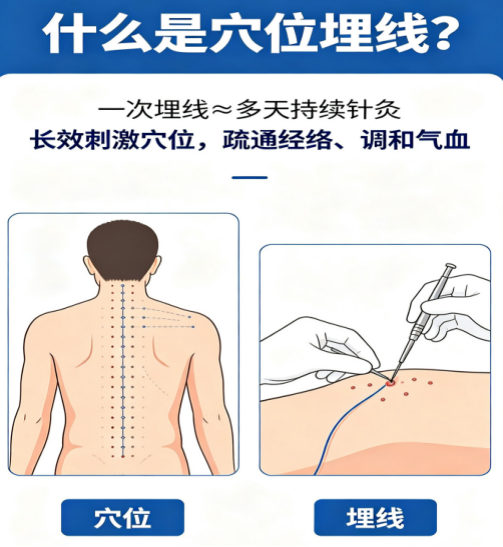
1. What Exactly Are We “Embedding”?
Many people imagine we are stuffing thick sewing thread into their flesh, which sounds painful. This is a misconception. The material used is actually a medical-grade absorbable suture—the same type of sterile thread used in surgery to close internal organs or skin wounds. The two most common types are:
- Absorbable surgical catgut
- Polydioxanone (PDO) threads
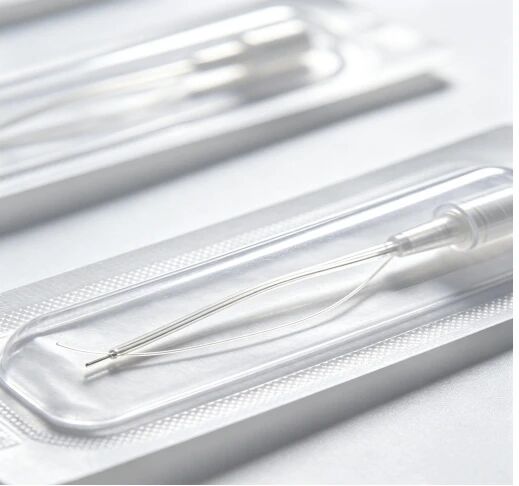
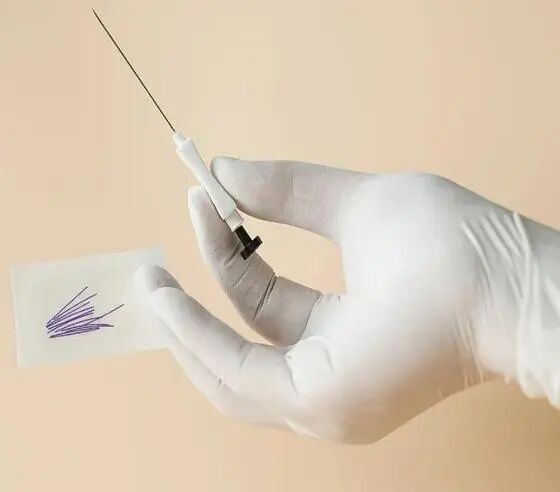
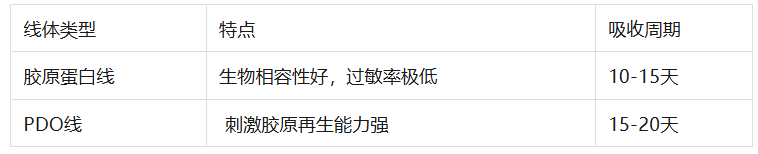
These threads are finer than a strand of hair and specially treated to be exceptionally smooth. Once inside the body, they are gradually broken down by tissue fluids and metabolized completely into carbon dioxide and water. In short: it acts as a "disappearing acupuncturist" that provides continuous stimulation.
2. How Does It Actually Help You Lose Weight?
This therapy is not liposuction, nor does it physically "strangle" fat away. Its effects work through three primary mechanisms:
First: Curbing Excessive Appetite
When embedded at specific points like Tianshu(ST25), Zhongwan(CV12), and Guanyuan(CV4), the thread continuously stimulates nerve endings. This signal travels to the satiety center in the hypothalamus. Clinically, we observe that within 3–5 days, patients naturally feel less craving for food and often lose their appetite for greasy meals. This isn't anorexia; it is a return to normal, regulated hunger signals.
Second: Activating Sluggish Metabolism
For those who carry weight primarily in the abdomen while having thin limbs, Traditional Chinese Medicine identifies this as "blocked Dai Mai(Belt Vessel) and internal phlegm-dampness." As the body slowly absorbs the thread, it triggers a mild, localized, aseptic inflammatory response. Do not worry—this is a good thing. This controlled response recruits macrophages to the area, accelerating the breakdown of triglycerides and promoting lymphatic drainage to flush out metabolic waste trapped in the belly.
Third: Regulating Bowel Movements
Constipation is a silent struggle for many struggling with obesity. Embedding threads at points like Dachangshu(BL25) and Zhigou(SJ6) helps correct intestinal motility. Many patients report a significant improvement: "I used to go once every three days; now I go like clockwork every morning."
In summary: Thread embedding is a precision strike against the three mountains weighing down your weight loss journey: a slow metabolism, excessive appetite, and irregular digestion.
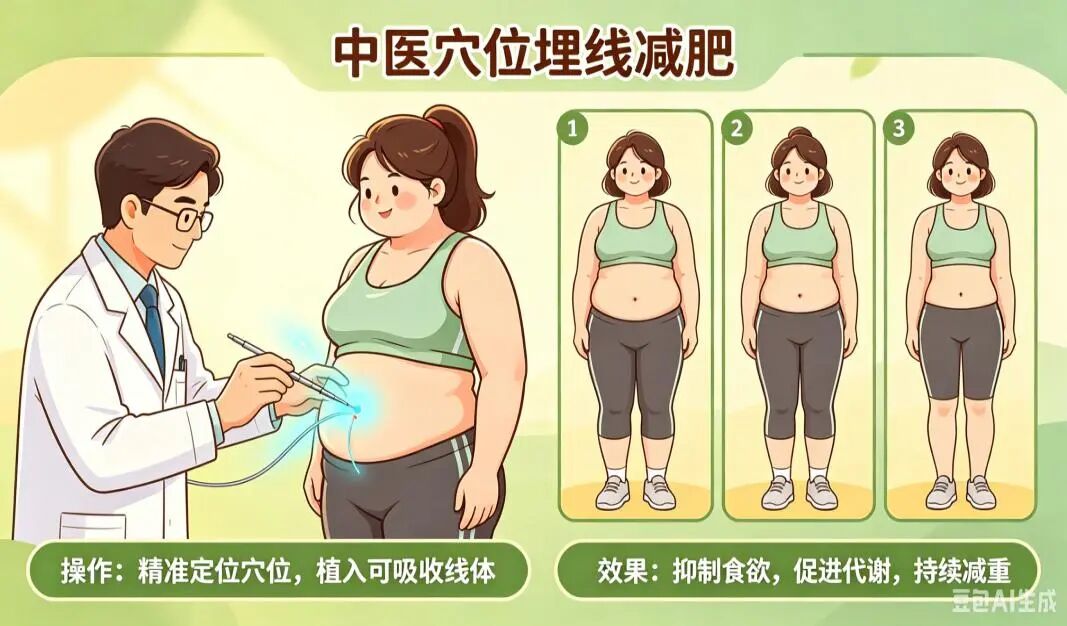
3. What Is the Actual Procedure Like?
To set your mind at ease, here is a step-by-step breakdown of what happens during a session at our hospital:
Step 1: Consultation & Pattern Differentiation (Approx. 10 mins)
We do not simply start embedding threads. The doctor performs a comprehensive TCM diagnosis (inspection, auscultation, inquiry, and palpation) to determine your specific obesity pattern:
Spleen Deficiency with Damp Obstruction: Soft, flabby flesh, prone to edema, thick and greasy tongue coating.
Stomach Heat with Intestinal Dryness: Ravenous appetite, dry mouth, bad breath, and hard stools.
Liver Qi Stagnation: Stress-induced weight gain, emotional eating, and irregular menstruation. The choice of acupoints varies drastically depending on your pattern. This is why many people see no results at unlicensed shops but experience immediate changes at the hospital—the difference lies entirely in this diagnostic step.
Step 2: Positioning & Disinfection (Approx. 3 mins)
The doctor marks the acupoints on your abdomen with gentian violet. This is followed by a rigorous disinfection process using iodine, covering an area much larger than the needle entry point.
Step 3: The Embedding Process (Approx. 5-10 mins)
Using a single-use sterile embedding needle, the doctor quickly inserts the thread into the subcutaneous or muscular layer at the acupoint. You may feel a slight prick upon entry (similar to a blood draw), followed by a sensation of soreness, numbness, or distension—known as "Deqi" (arrival of Qi).
Step 4: Post-Procedure Observation (Approx. 5 mins)
After confirming there is no bleeding or abnormal reaction at the needle sites, you are free to leave.
4. Answers to Your Most Pressing Questions
Q1: Does it hurt? Can I tolerate it?
The needle insertion is very fast, making the pain significantly less than a standard intramuscular injection. Areas with thicker abdominal fat are barely noticeable. For 2–3 days after the procedure, you may feel some local soreness or swelling. This is a sign that the treatment is working; the more pronounced the sensation, the more sensitive the acupoint, which is a positive indicator.
Q2: How much weight will I lose in one session?
This requires the most honest answer, as it is often misunderstood. The first visible effect of thread embedding is a reduction in waist circumference, followed by a drop in overall weight. Clinical statistics show that after one full course (3 sessions, spaced 20 days apart):
- Over 80% of patients reduce their waist circumference by 5–10 cm.
- Over 60% of patients lose between 2.5–4 kg. If you are looking for a "10-pound drop in one go," this is not the right fit. However, if you are willing to give your body two months to recalibrate onto a "leaner track," this is a scientific and effective choice.
Q3: Can I indulge in whatever I want after the procedure?
No. Thread embedding is an accelerator, not a perpetual motion machine. We provide clear dietary guidance: for the first three days, stick to a light liquid diet and avoid spicy or "trigger" foods. Long-term, we recommend a diet high in protein, moderate in carbohydrates, and low in fat.
Q4: Who should absolutely NOT get this done?
- The following groups are strictly prohibited:
- Pregnant or breastfeeding women.
- Patients with broken skin, infections, or eczema at the embedding site.
- Severe diabetics with uncontrolled blood sugar.
- Individuals with coagulation disorders or those taking anticoagulant medication.
- Those with a rare allergy to the catgut/PDO threads.
5. A Message to Those Still Hesitating
Obesity is a medical issue, not a moral failing.
Many people fail repeatedly at weight loss not because of weak willpower, but because their endocrine system, metabolism, and gut flora have become so chaotic that their body is working against them. The role of thread embedding is to cut through that chaos and help you find a starting point to begin again. It is not magic, but it is a very real "crutch" to support you on your journey.
You might be a good candidate if:
✅ You have slender limbs but stubborn belly fat and waist circumference.
✅ You suffer from chronic constipation with sticky, difficult-to-flush stools.
✅ You eat very little but the scale won’t budge, indicating a sluggish metabolism.
✅ You have tried extreme dieting and exercise, only to experience severe rebound weight gain.
Department of Gastroenterology & Oncology Rehabilitation

The Department of Gastroenterology and Oncology Rehabilitation at the Lanzhou Branch of Gansu Wuwei Cancer Hospital is a flagship specialty center integrating medical care, education, and research. It comprises two outpatient clinics (Gastroenterology and Oncology Rehabilitation) and one inpatient ward.
The department boasts a team of 13 medical professionals, including 1 senior-level physician, 2 attending physicians, and 10 junior-level physicians. The team includes 1 PhD and 5 Master's degree holders, supported by 4 long-term practicing Provincial-level Renowned Traditional Chinese Medicine (TCM) doctors. Our diverse staff includes clinicians, TCM practitioners, rehabilitation therapists, psychological counselors, psychotherapists, health managers, and nutritionists. Team members have received specialized training in areas such as rehabilitation techniques, meridian hypnotherapy, mindfulness-based stress reduction (MBSR), cognitive behavioral therapy (CBT), and psychological drawing analysis.
We are committed to the diagnosis and treatment of digestive system diseases and specialize in integrated Chinese-Western rehabilitation, physical rehabilitation, sports rehabilitation, psychological rehabilitation, and nutritional rehabilitation. Operating under a Multidisciplinary Team (MDT) model, we formulate rational diagnosis, treatment, and rehabilitation plans tailored to each patient.
1. Scope of Diagnosis and Treatment
A. Digestive System Diseases:
Esophageal diseases, gastrointestinal disorders, hepatobiliary and pancreatic diseases, digestive psychosomatic diseases, palliative care for gastrointestinal tumors, and TCM-based treatments.
B. Integrated Rehabilitation:
- Musculoskeletal: Lumbar disc herniation, cervical spondylosis, degenerative osteoarthropathy, muscle atrophy, peripheral nerve injury.
- Oncology Supportive Care: Management of tumor-related complications and adverse reactions to non-surgical treatments, including nausea, vomiting, diarrhea, abdominal pain, cancer-related fatigue, skin lesions, bone marrow suppression, alopecia (hair loss), and lymphedema.
2. Diagnostic and Therapeutic Technologies
A. Routine Procedures:
Painless gastroscopy and colonoscopy; endoscopic therapies including polypectomy, hemostasis, stricture dilation, stent placement, Endoscopic Mucosal Resection (EMR), and Endoscopic Submucosal Dissection (ESD).
B. Specialized Techniques:
- Advanced Endoscopy: Peroral Endoscopic Myotomy (POEM), Endoscopic Ultrasound (EUS), EUS-guided radioactive seed implantation, Endoscopic Retrograde Cholangiopancreatography (ERCP), and dual-endoscope assisted full-thickness resection.
- Integrative Oncology: Combined TCM and Western medicine for managing gastrointestinal side effects of radiotherapy/chemotherapy, especially radiation proctitis.
- Psychological Rehabilitation: Physical therapy combined with CBT and MBSR for anxiety, depression, and insomnia.
- Holistic Cancer Care: Integrated TCM and psychotherapy for cancer-related fatigue; prevention and treatment of radiation-induced lymphedema; TCM management of chemotherapy-induced hand-foot syndrome.
- Pain Management: Comprehensive rehabilitation for cancer pain and various chronic pains.
3. Equipment and Facilities
A. Advanced Endoscopic Equipment:
Olympus High-Definition Electronic Gastroscopes, Duodenoscopes, Colonoscopes, Ultrasound Endoscopes, Magnifying Endoscopes, and Enteroscopes.
B. Advanced Rehabilitation Equipment:
Fully automatic constant temperature wax therapy machines, Waldmann light therapy, interferential current therapy devices, deep muscle stimulators, shockwave therapy units, ultrasound therapy devices, lymphedema treatment systems, air pressure wave therapy devices, medium-frequency and low-frequency therapy devices, transcranial magnetic stimulation (TMS) devices, Psychological CT, mental stress analyzers, computerized mindfulness training systems, sandplay therapy kits, and polysomnography (sleep study) monitors.
Department Philosophy: To alleviate suffering with medical excellence, and to enhance quality with humanistic warmth.
Outpatient Address: Room 418, 4th Floor, Inpatient Department, Lanzhou Branch of Gansu Wuwei Cancer Hospital
Inpatient Ward Address: 10th Floor, Inpatient Department, Lanzhou Branch of Gansu Wuwei Cancer Hospital