
Missed on the CBC! Persistently Elevated Monocytes: Your Bone Marrow Is Sending an Alarm!
Missed on the CBC! Persistently Elevated Monocytes: Your Bone Marrow Is Sending an Alarm!
In clinical practice, when reviewing a Complete Blood Count (CBC), most people focus solely on the levels and percentages of white blood cells, red blood cells, and platelets. However, one critical metric is often overlooked: the monocyte count and percentage.
Monocytes are the immune sentinels in our bloodstream, responsible for clearing pathogens, metabolic waste, and damaged cells, playing a vital role in the body's defense. If they remain persistently elevated over time, it is far more serious than "just a bit of inflammation"—it is your body sending a crucial warning signal of a potential major illness.
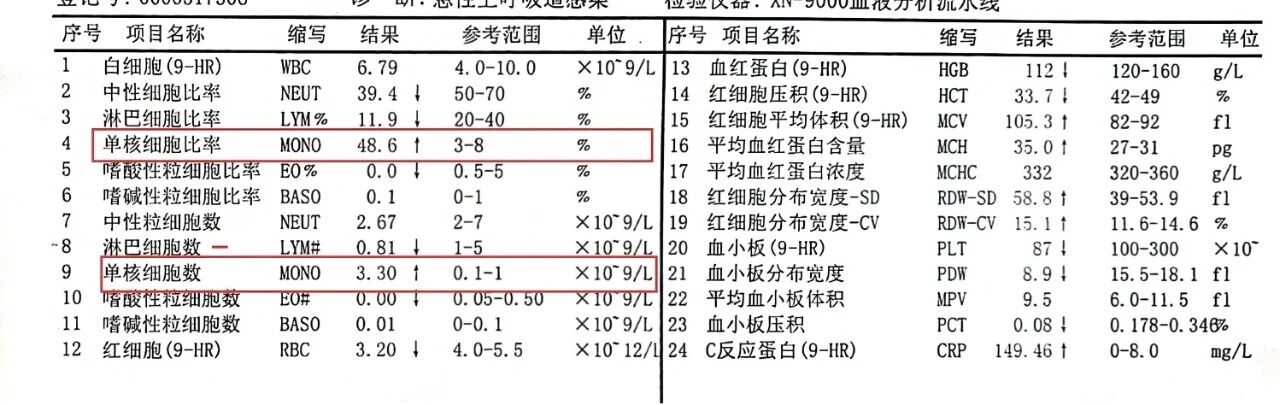
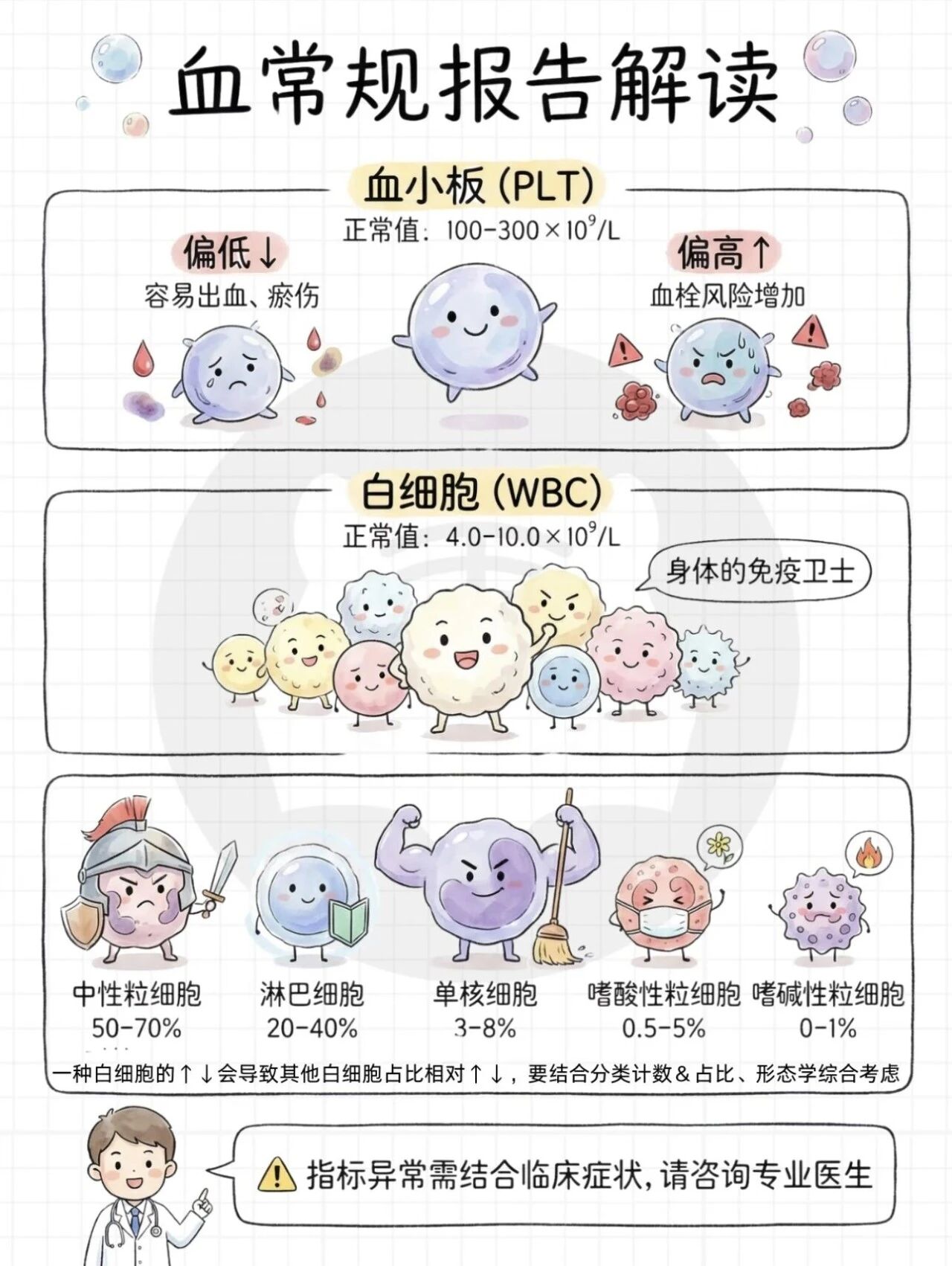
1. Reference Range for Monocytes
- Normal Percentage: 3% – 8%
- Absolute Count: 0.1 – 0.8 × 10⁹/L
2. When Should You Be Alarmed?
- The percentage exceeds 10% on multiple tests.
- The absolute count is greater than 1.0 × 10⁹/L.
- The elevation persists for more than 1 month, rather than being a brief spike following a cold or fever.
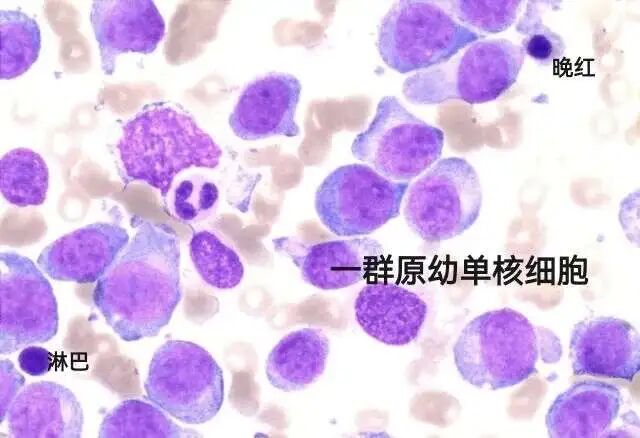
3. Common Causes of Persistent Monocytosis
- Abnormal Bone Marrow Hematopoiesis: Such as Chronic Myelomonocytic Disorders or Myelodysplastic Syndromes (MDS).
- Chronic Infections: Tuberculosis, chronic urinary tract infections, infective endocarditis, etc.
- Autoimmune Diseases: Rheumatoid arthritis, systemic lupus erythematosus (SLE).
- Chronic Inflammatory Reactions: Associated with certain types of tumors.
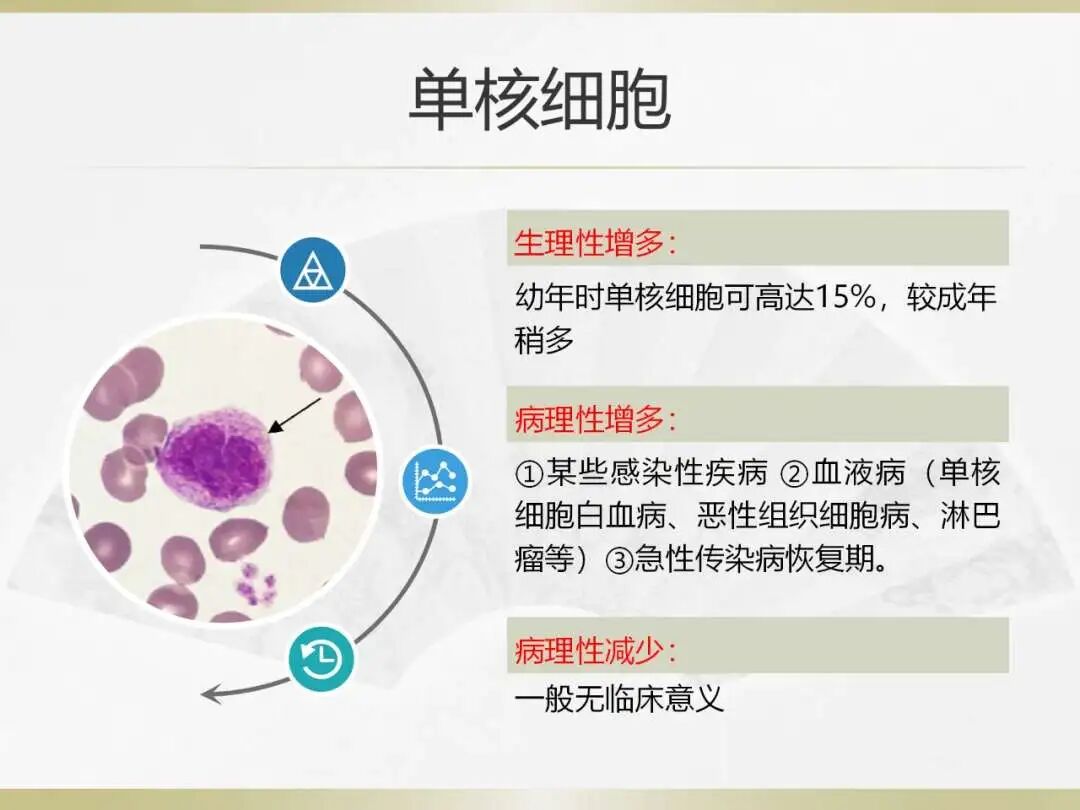
4. Warning Signs: Seek a Hematology Consultation Immediately
- Unexplained low-grade fever, night sweats, and significant unintended weight loss.
- Easy fatigue, pallor, and symptoms of anemia.
- Recurrent infections or wounds that heal poorly.
- Concurrent anemia or thrombocytopenia (low platelets) on your CBC.
- Physical exams revealing an enlarged spleen, liver, or lymph nodes.
- Monocyte percentage remains elevated for over 3 months without being transient.
5. Recommended Course of Action
1.Initial Abnormality: Repeat the CBC in 1–2 weeks.
2.If Still Elevated: Seek further evaluation from a hematologist.
3.If Necessary: Undergo additional testing, including a peripheral blood smear, bone marrow cytomorphology examination, bone marrow biopsy, and genetic/chromosomal analysis.
Critical Reminders
Small Metric, Major Significance: Never dismiss persistent monocyte abnormalities as "transient inflammation." Early screening and a definitive diagnosis are your responsibility to yourself! To all clinicians: when reviewing CBCs, never overlook monocyte irregularities, or you risk missing a diagnosis.
Do Not Fear the Bone Marrow Biopsy! This is a routine, standard procedure when blood or lymphatic system disorders are suspected. Think of it like this: if you have a cough and fever suggesting pneumonia, the doctor listens to your lungs and then orders an X-ray, CT, or MRI. Hematologists perform this procedure routinely; it is safe, expertly executed, and carries minimal risk. Once the procedure is complete, patients can immediately resume walking and daily activities without any functional restrictions.
Medical Oncology & Hematology Department
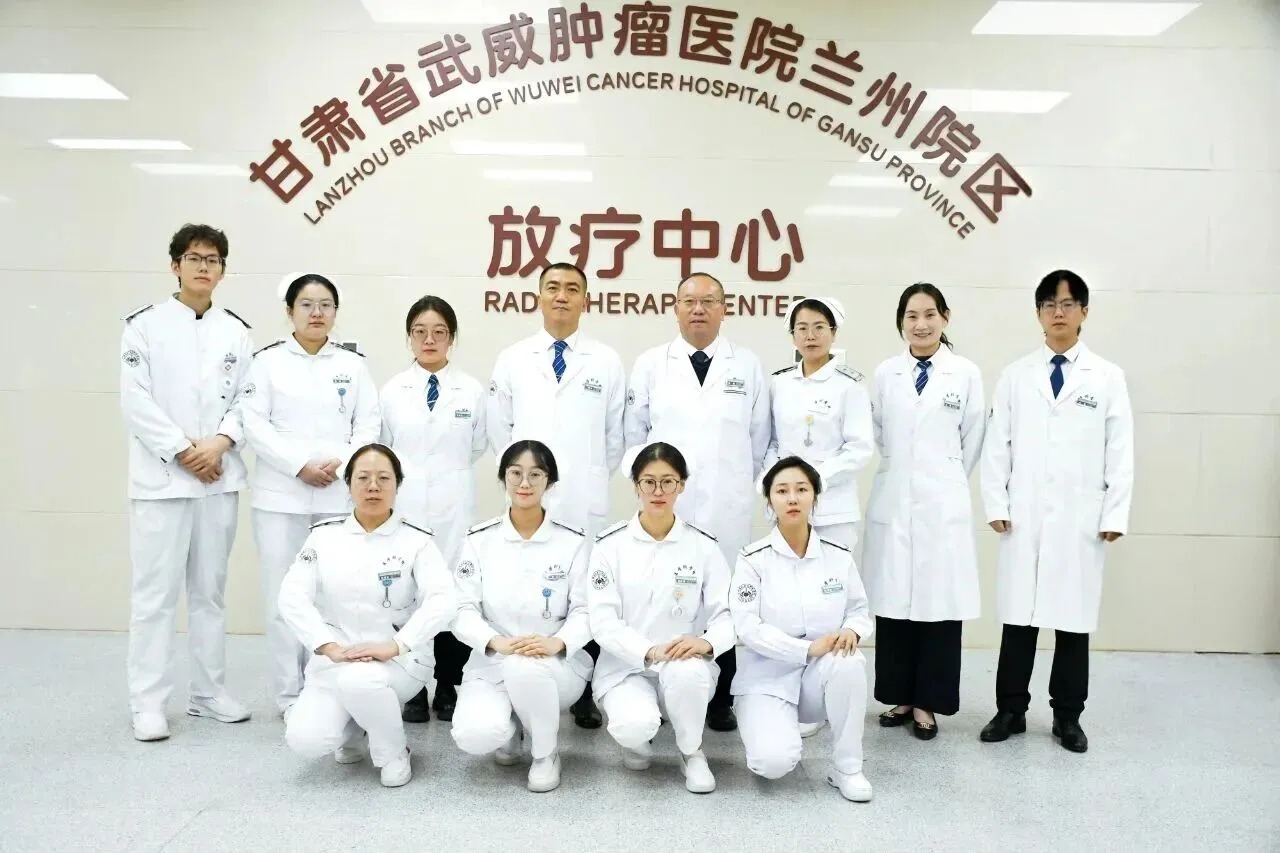
Department Profile
Established in May 2025, the Medical Oncology & Hematology Department at the Lanzhou Branch of Gansu Wuwei Cancer Hospital is a regional specialty hub. The department features a comprehensive professional structure, mature clinical techniques, and state-of-the-art facilities. It comprises a dedicated inpatient ward, outpatient clinics, and a central laboratory for hematological diseases.
The inpatient ward is equipped with 30 fixed beds, 1 therapeutic apheresis bed, and 2 HEPA-filtered laminar flow rooms (Class 100). We specialize in the precise diagnosis and treatment of hematological disorders—such as leukemia, lymphoma, and myeloma—as well as solid tumors, including lung, gastric, colorectal, and breast cancers. The department excels in managing refractory and relapsed cases, alongside the treatment of radiotherapy and chemotherapy complications. Leveraging MICM precision diagnostics, personalized treatment regimens, and laminar flow isolation technology, we provide meticulous clinical care and full-cycle medical support to safeguard the health of our community.
Physician Team
The department is led by Professor Pan Ming, a Chief Physician (Grade 1) and Distinguished Expert. Our team consists of 12 medical professionals, including 1 Chief Physician, 1 Associate Chief Physician, 1 Attending Physician, and 3 Resident Physicians (including 1 PhD and 3 Master's degree holders), alongside 6 Nurse-in-Charge and Registered Nurses. This talent echelon is rationally structured with exceptional technical expertise. With extensive clinical experience in oncology and hematology, the team is proficient in cutting-edge technologies such as chemotherapy, targeted therapy, immunotherapy, and integrated Chinese-Western medicine. We accurately diagnose and treat various benign and malignant tumors and blood diseases, customizing individualized treatment plans with rigorous medical standards to protect patient health.
Treatment Philosophy
Patient-Centered, Precision-Focused, Outcome-Driven.
We uphold a balance between professional medical care and humanistic concern. Relying on advanced technology and standardized diagnosis, we provide individualized, meticulous, and compassionate medical services to every oncology and hematology patient, safeguarding life and health with responsibility and craftsmanship.
Medical Resources
The Central Laboratory for Hematological Diseases provides same-day diagnostic services for bone marrow cytomorphology analysis. It integrates MICM (Morphology, Immunology, Cytogenetics, and Molecular genetics) precision classification technologies, including bone marrow pathology, flow cytometry, chromosome analysis, and mutation gene detection. The inpatient department is equipped with standardized laminar flow rooms, providing a safe and sterile environment for high-dose chemotherapy and hematopoietic stem cell transplantation. We routinely perform frontier technologies such as therapeutic cytapheresis, plasma exchange, and unrelated adult umbilical cord blood stem cell transplantation. With advanced equipment and comprehensive technical capabilities, we provide robust hardware and technological support for precise diagnosis and the treatment of critical and complex cases.
Address: 11th Floor, Inpatient Department, Lanzhou Branch of Gansu Wuwei Cancer Hospital
Contact Numbers:
- Physician's Office: 0931-2169583
- Nursing Station: 0931-2169535