Tired and Pale? Anemia is Sounding the Alarm!
Tired and Pale? Anemia is Sounding the Alarm!
When you always feel completely drained and as pale as a sheet, it might not be overexertion – but iron in your blood is quietly depleting!

Ⅰ.Iron Deficiency Anemia: The "Oxygen Crisis" in the Body
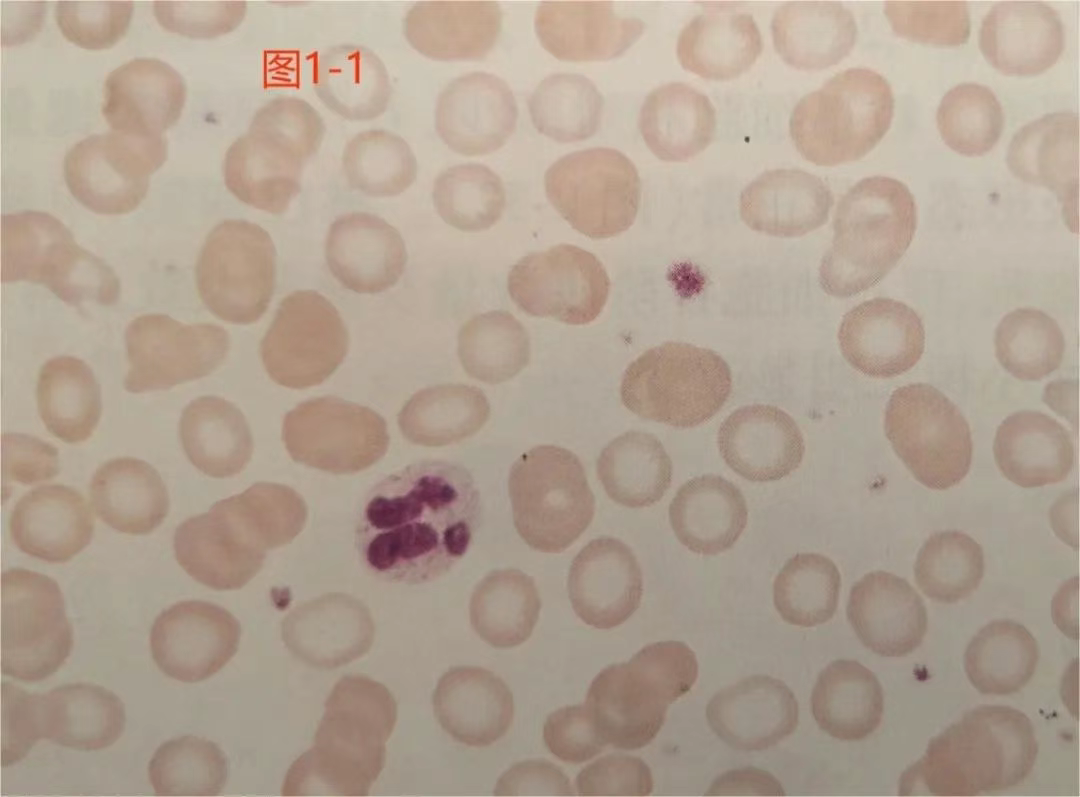
First, let’s review the concept of anemia. Anemia refers to a common clinical condition characterized by a reduction in the volume of peripheral blood red blood cells, a hemoglobin concentration lower than normal, and subsequent hypoxia (oxygen deficiency) in tissues and organs.
The domestic diagnostic criteria for anemia are as follows: At sea level in China, adult males with a hemoglobin level <120 g/L, adult females (non-pregnant) with a hemoglobin level <110 g/L, and pregnant women with a hemoglobin level <100 g/L are diagnosed with anemia.

What is iron deficiency anemia? Simply put, iron serves as the essential "raw material" for hemoglobin production, and hemoglobin acts as the "oxygen-carrying task force" in the bloodstream. When the body lacks sufficient iron, hemoglobin synthesis decreases, weakening the blood's oxygen transport capacity. Consequently, all organs become weakened like "an army short of rations"—this condition is termed iron deficiency anemia. 111
II. The Body's Oxygen Deficiency Alarm (Common Symptoms of Iron Deficiency Anemia)
- Manifestations of Anemia: Primarily symptoms of oxygen deficiency in the body's organs

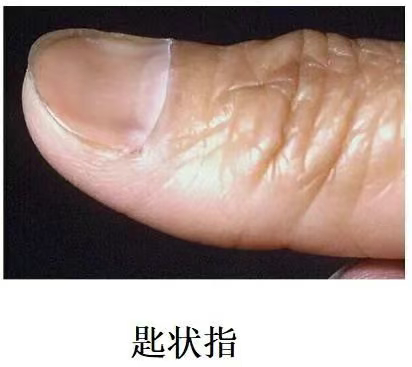
2.Manifestations of Iron Deficiency: Such as pica (e.g., eating soil, nail-biting), stomatitis, glossitis, koilonychia (nails becoming flat or even concave, resembling a spoon), etc.
III. Where Did the Iron Go? Three Major Loss Pathways
- Insufficient Iron IntakeFailure to timely introduce iron-rich complementary foods (e.g., eggs, meat) in infantsPicky eating habits in adolescentsIncreased iron demands during pregnancy or lactation without adequate dietary supplementation
- Impaired Iron AbsorptionGastrointestinal disorders disrupting iron uptake (e.g., chronic gastritis, celiac disease)
- Excessive Iron LossPersistent uncorrected iron loss through:Gastrointestinal bleeding (hemorrhoids, gastric/duodenal ulcers, polyps, tumors)Menorrhagia (heavy menstrual bleeding)Gynecological conditions (uterine fibroids, endometriosis)
IV. Scientific Iron Supplementation: It’s Not Just About Taking Enough!
- Treatment Principles: "Eradicate the Cause, Make Up for Iron Deficiency"
① Etiological Treatment:
• For those with excessive menstruation, gynecological treatment is required to adjust the menstrual cycle or control bleeding volume.
• For tumor patients, chemotherapy, radiotherapy, or surgical treatment is needed, with attention to the patient's nutritional support.
• For anemia in children and pregnant women caused by insufficient nutrition, improve diet, provide nutritional support, and correct the bad habit of partial eclipse.
• For those caused by peptic ulcers, acid-suppressive treatment is required to reduce mucosal bleeding.
② Iron Supplementation Treatment:
• Oral iron is the first choice for iron supplementation, such as ferrous sulfate, iron dextran, ferrous fumarate sustained-release tablets, ferrous succinate, etc.
• If oral iron preparations are not tolerated, iron can be supplemented via intramuscular injection; additionally, intravenous iron supplementation can be used. The most commonly used injectable iron preparation is iron dextran.
V. Preventing Iron Deficiency Anemia: Start Now
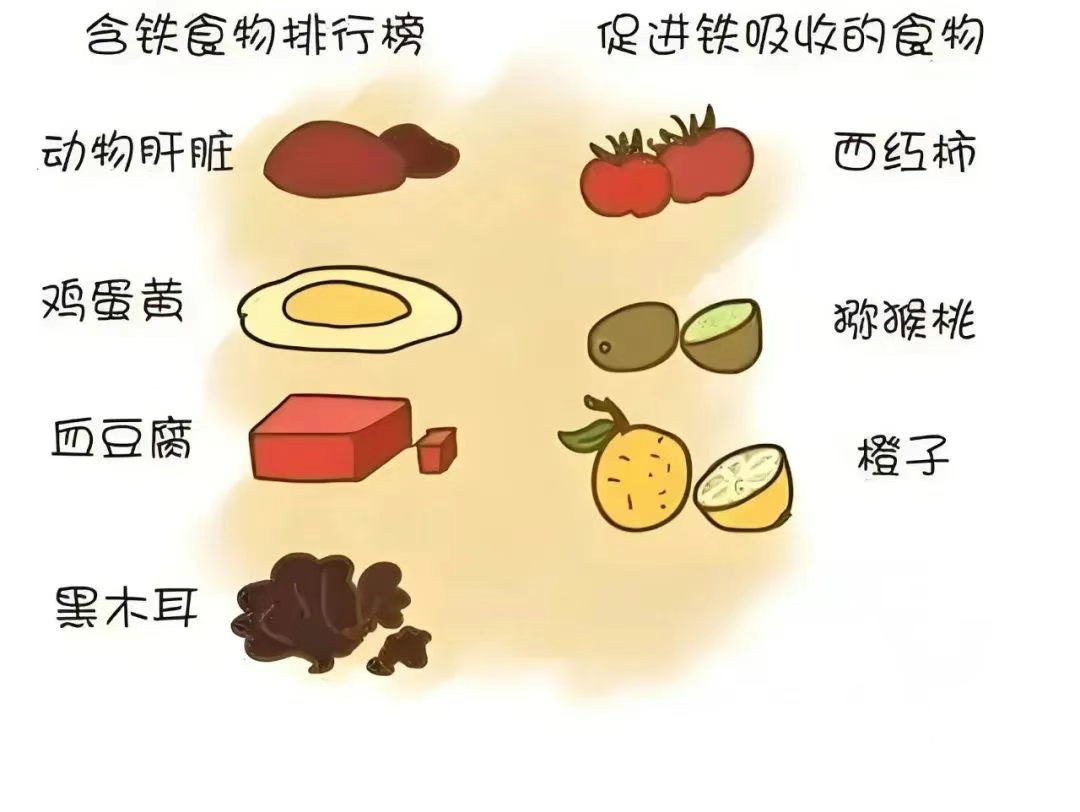
- Balanced Diet: Increase intake of iron-rich foods, such as red meat, poultry, fish, legumes, nuts, whole grains, and leafy green vegetables.
- Pair with Vitamin C: Consume iron-rich foods together with vitamin C-rich foods (e.g., oranges, strawberries, tomatoes) to enhance iron absorption.
- Avoid Interfering Substances: When consuming tea, coffee, or calcium-rich foods, separate their intake from iron-rich foods to avoid impairing iron absorption.
- Regular Check-ups: Undergo regular blood tests to monitor iron levels, especially for pregnant women, women with heavy menstrual bleeding, and children.
- Supplement Appropriately: Under medical guidance, supplement with iron preparations when necessary—ensure adequate intake but be cautious not to exceed recommended amounts.