What Causes the Gut to "Misbehave" Occasionally?
What Causes the Gut to "Misbehave" Occasionally?
Bloating, constipation, diarrhea... Do you often encounter these "minor ailments"? Many people think they can just "grin and bear it," but the gut is never a silent organ—these discomforts may actually be its "distress signals." In today's fast-paced lifestyle with erratic eating habits, intestinal issues are becoming increasingly common. Only by learning to respond scientifically can we safeguard this vital "life passage."
Gut "Throwing a Tantrum"? Don't Ignore These Signals
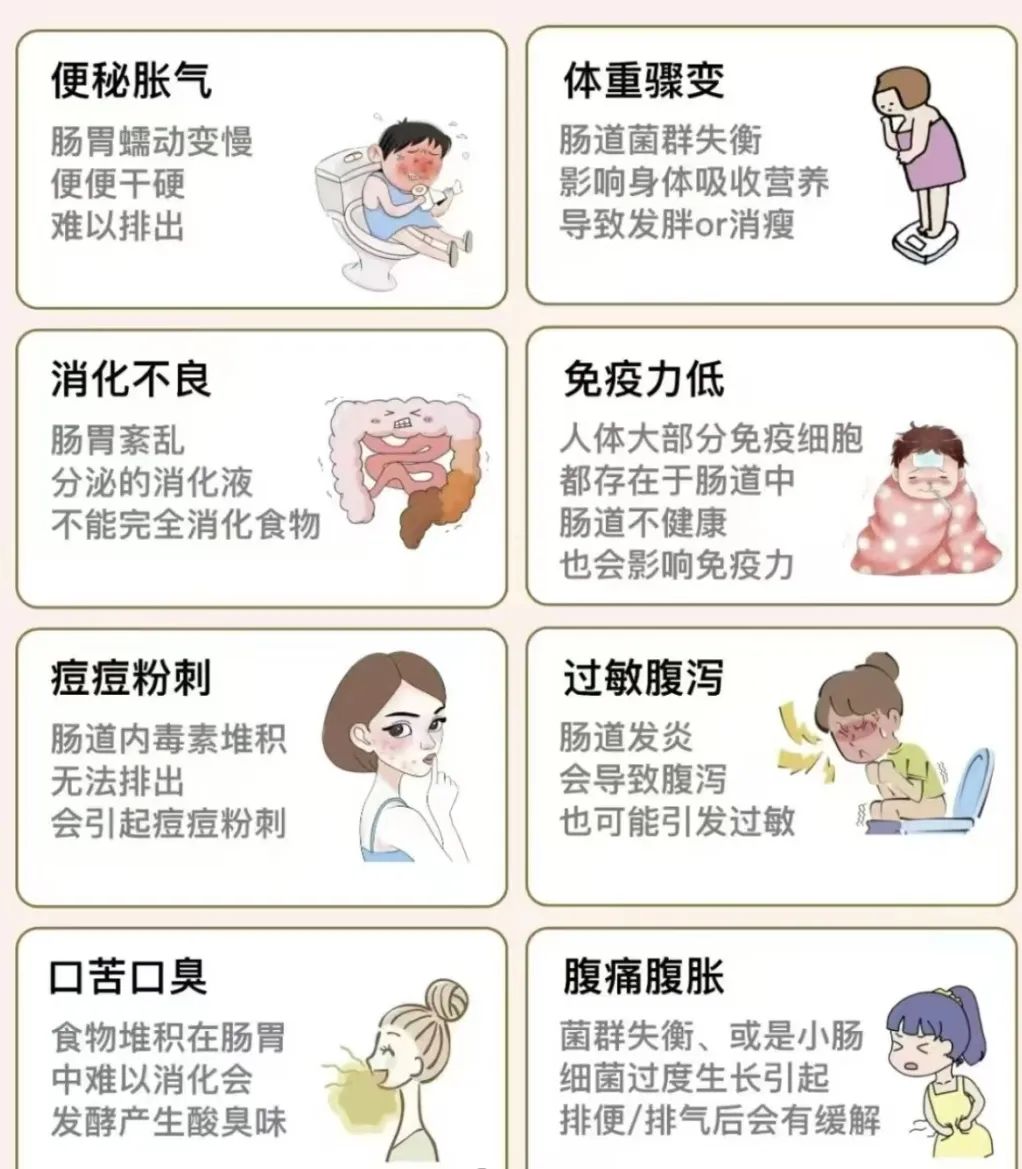
- Frequent diarrhea and bloating;
- Sudden increase or decrease in bowel movements;
- Blood or mucus in the stool;
- Even excessive flatulence with an unusual odor;
Don’t dismiss these as just "food poisoning" or "excess internal heat." Some people suffer from chronic constipation and rely on laxatives to maintain bowel movements, only to discover early-stage rectal cancer after examination—fortunately caught in time. Others experience repeated bloody stools, mistakenly attributing it to hemorrhoids, when it turns out to be intestinal polyps. These symptoms may be linked to enteritis, irritable bowel syndrome, or even early warning signs of colorectal cancer. Never tough it out—seek medical attention promptly.
Why Is Your Gut So Moody?
Blame These Bad Habits
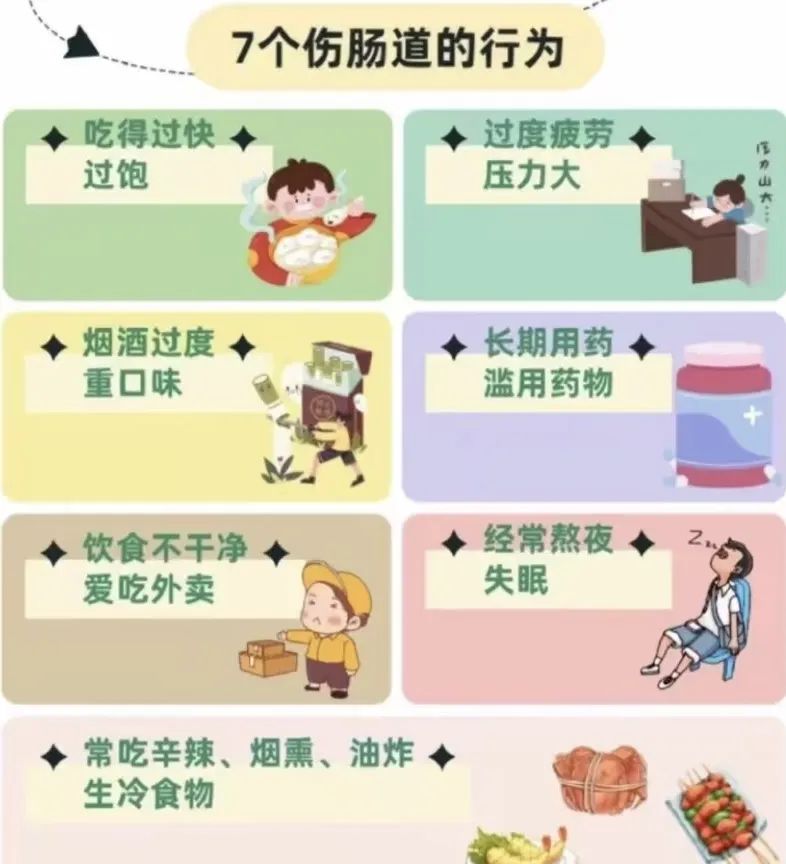
- Erratic eating habits: Skipping breakfast due to time constraints, relying on takeout for lunch, and indulging in heavy meat-based meals at night while skimping on vegetables and dietary fiber—this leaves the gut lacking "motivation," slows down peristalsis, and leads to constipation.
- Prolonged sitting: Sitting all day without movement slows down intestinal motility, making bowel movements naturally difficult.
- Emotional stress and anxiety: Known as the "second brain," the gut’s nerves can be disrupted by high stress and anxiety, easily triggering irritable bowel syndrome (IBS).
- Holding in bowel movements and urine: Chronic suppression of the urge to defecate disrupts normal bowel reflexes and may even lead to hemorrhoids or chronic intestinal inflammation.
Scientific bowel health starts with these practices
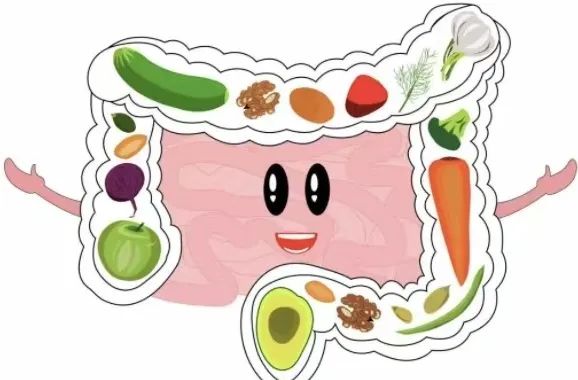
- Eat the right foods: Load up on high-fiber foods like brown rice, oats, leafy greens, beans, and fruits to keep your gut "active." Drink 1,500–2,000 ml of water daily to prevent hard stools, and cut back on fried, spicy, and processed foods to minimize intestinal irritation.
- Establish a regular bowel routine: The best times to defecate are right after waking up or after breakfast—don’t hold it in, avoid prolonged squatting, and train your body to go at fixed times.
- Stay physically active: Engage in 30 minutes of moderate exercise (brisk walking, jogging, yoga, etc.) daily to stimulate intestinal motility and boost gut health.
- Don’t fall for "colon-cleansing" supplements: Many "detox" products on the market contain harsh ingredients that can make your gut "lazy" over time. True gut care comes from healthy habits, not quick-fix cleanses.
Prevention is better than cure, Regular screening is important
Colorectal cancer is one of the most common cancers with rising incidence rates in China. Often asymptomatic in its early stages, it's been dubbed the "silent killer." However, it is both preventable and treatable—the key lies in early detection. For individuals aged 50 and above, a colonoscopy is recommended every five years. High-risk groups, including those with family history or experiencing frequent bloody stools, diarrhea, or changes in bowel habits, should seek screening as early as possible. Colonoscopy is a direct and safe diagnostic method, with painless procedures now widely available. Don't let fear delay this potentially life-saving early detection opportunity.
The gut serves as the body's "weather vane"—don't let minor discomforts escalate into serious conditions. By adjusting your diet, maintaining regular routines, staying active, and undergoing regular screenings, you provide the best possible care for your gut. Start treating your intestines well today, helping them stay calm and bringing you greater health and peace of mind.
Department Introduction
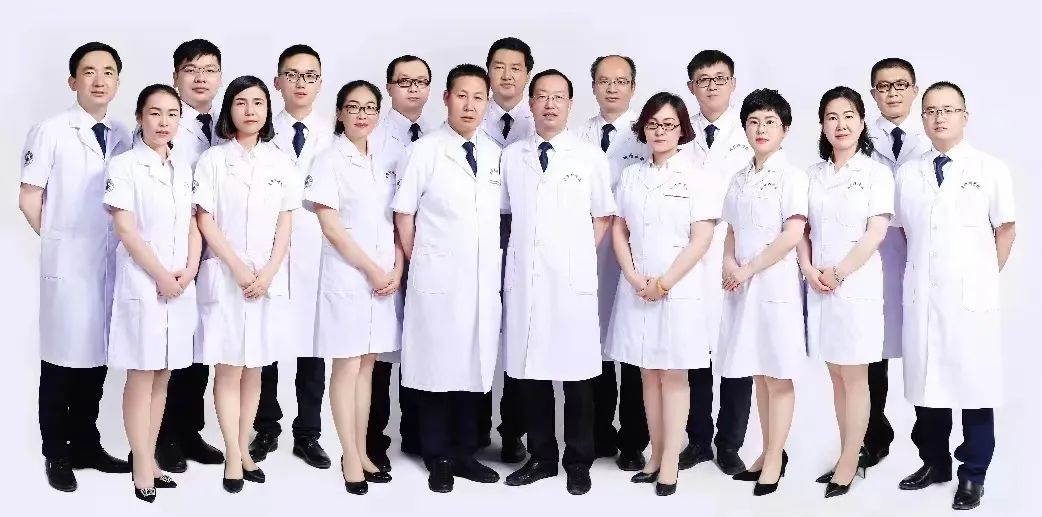
The Digestive Endoscopy Center at the Lanzhou Heavy Ion Center of Wuwei Tumor Hospital is equipped with Olympus CV-290 gastrointestinal endoscopes. It houses China's first Toumai four-arm surgical robot, Gansu Province's first ultra-iterative PET-CT, a dynamic 500-slice gemstone spectral CT, and over 300 other advanced medical devices. The center also features more than 10 types of laparoscopic systems, including STORZ·HD full-HD laparoscopes and high-definition 3D fluorescence laparoscopes.
Endoscopy Achieves Brilliance, Honors Showcase Strength
● Key discipline in Gansu Province
● First place in the National Upper Gastrointestinal Cancer Early Detection and Treatment Program's Endoscopy Case Competition
● Equipped with provincial-leading facilities and diagnostic expertise, led by a senior professional team including: Chief Physician Zhang Zhiyi, Gansu Province's healthcare system leader, founder of Wuwei Tumor Hospital's Department of Gastroenterology, and Director of the Endoscopy Center, Chief Physician Wu Zhengqi, first-tier academic leader in the discipline, Chief Physician Lu Linzhi, Director of Wuwei Digestive Professional Committee
● Designated as: National Early Detection and Treatment Base for Gastric Cancer (Ministry of Health), National Training Base for Digestive Endoscopy Techniques (Ministry of Health), Gansu Provincial Key Laboratory for Gastrointestinal Diseases, Wuwei Sub-center of Shanghai Molecular Medicine Center for Helicobacter pylori (China), Wuwei Sub-repository of Xijing Biobank
● Currently pursuing national key discipline status and establishing a Western China demonstration base
Precision Endoscopy, Defining Tomorrow's Surgery
● Esophageal and gastric variceal sclerotherapy and band ligation
● Dilation and stent placement for malignant gastrointestinal obstruction (including radioactive seed stent placement)
● Endoscopic electrocoagulation and snare resection of gastrointestinal polyps
● Endoscopic mucosal resection (EMR) for early esophageal, gastric, and colorectal cancers as well as precancerous lesions
● Endoscopic submucosal dissection (ESD) for early esophageal, gastric, and colorectal cancers as well as precancerous lesions
● Endoscopic submucosal tunnel dissection (STER)
● Peroral endoscopic myotomy (POEM)
● Argon plasma coagulation for gastrointestinal polyps and bleeding
● Endoscopic hemostasis and foreign body removal
● Clinical applications of endoscopic ultrasonography
● Magnifying endoscopy with narrow-band imaging (NBI)
● Clinical applications of capsule endoscopy
● ERCP, EST, and related techniques for diagnosis and treatment of biliary and pancreatic diseases
● Helicobacter pylori infection testing
● Endoscopic ultrasound-guided fine-needle aspiration (EUS-FNA), endoscopic ultrasound-guided biliary drainage (EUSBD), endoscopic ultrasound-guided pseudocyst drainage, and transcecal appendectomy
● Thoraco-laparoscopic three-incision esophagectomy
● 3D laparoscopic radical gastrectomy
● Dual-modality laparoscopic and endoscopic resection of gastrointestinal stromal tumors
● Totally laparoscopic radical resection of colorectal cancer
● Hyperthermic intraperitoneal chemotherapy (HIPEC)
Address: Endoscopy Center, 4th Floor, Comprehensive Building of Lanzhou Heavy Ion Center