Beware of stomach "strikes" in summer—peak season for acute gastroenteritis. Follow these prevention
Be careful about stomach "strike", summer is a peak season for acute gastroenteritis, pay attention to these precautions for prevention
As temperatures continue to rise,
air conditioners, watermelons, and cold drinks have become everyone's "must-haves" to beat the unbearable summer heat.
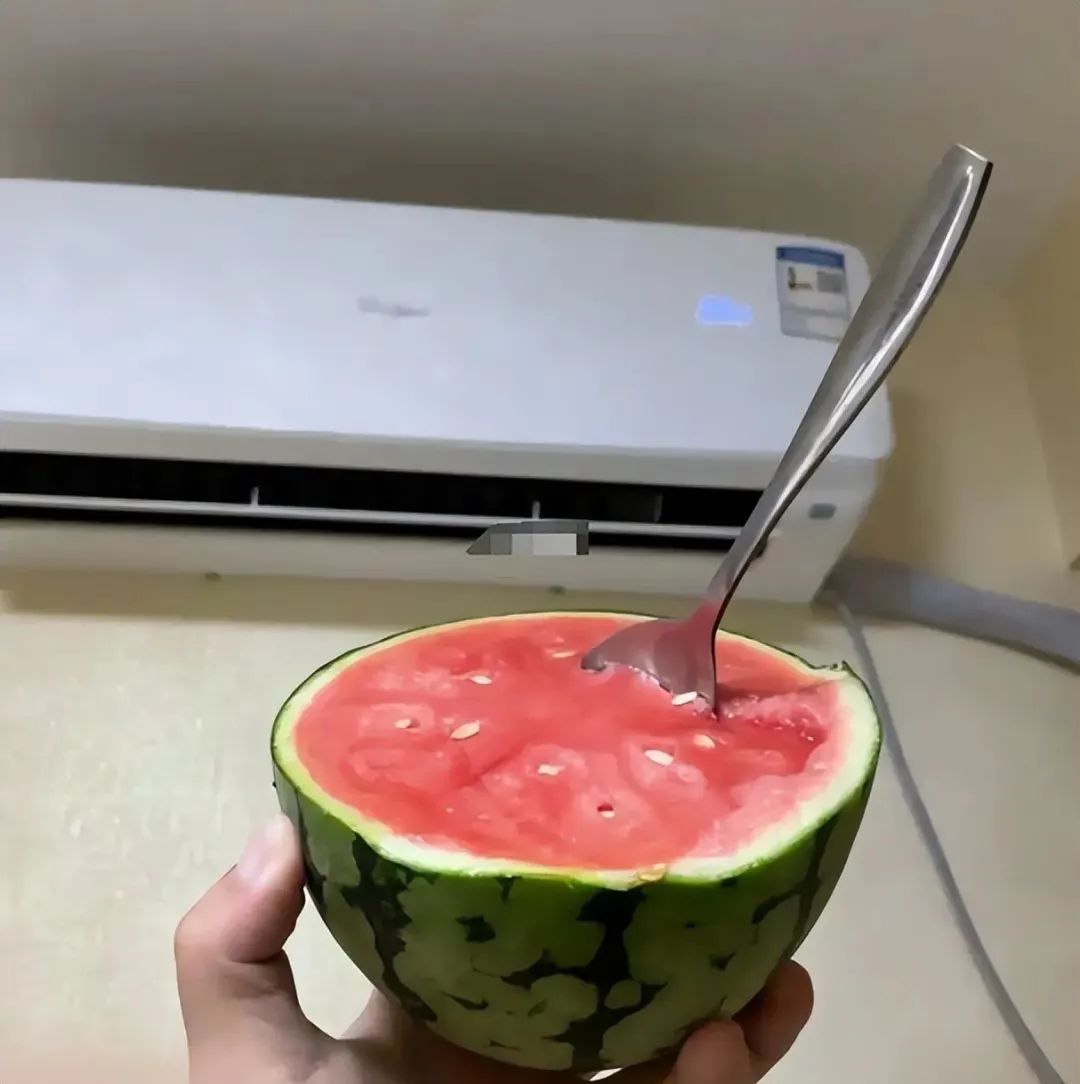
But beneath this comfort lurks the hidden risk of acute gastroenteritis.
Mild cases may bring recurrent diarrhea and frequent bathroom trips,
while severe cases could lead to fever, vomiting,
and even electrolyte imbalances.
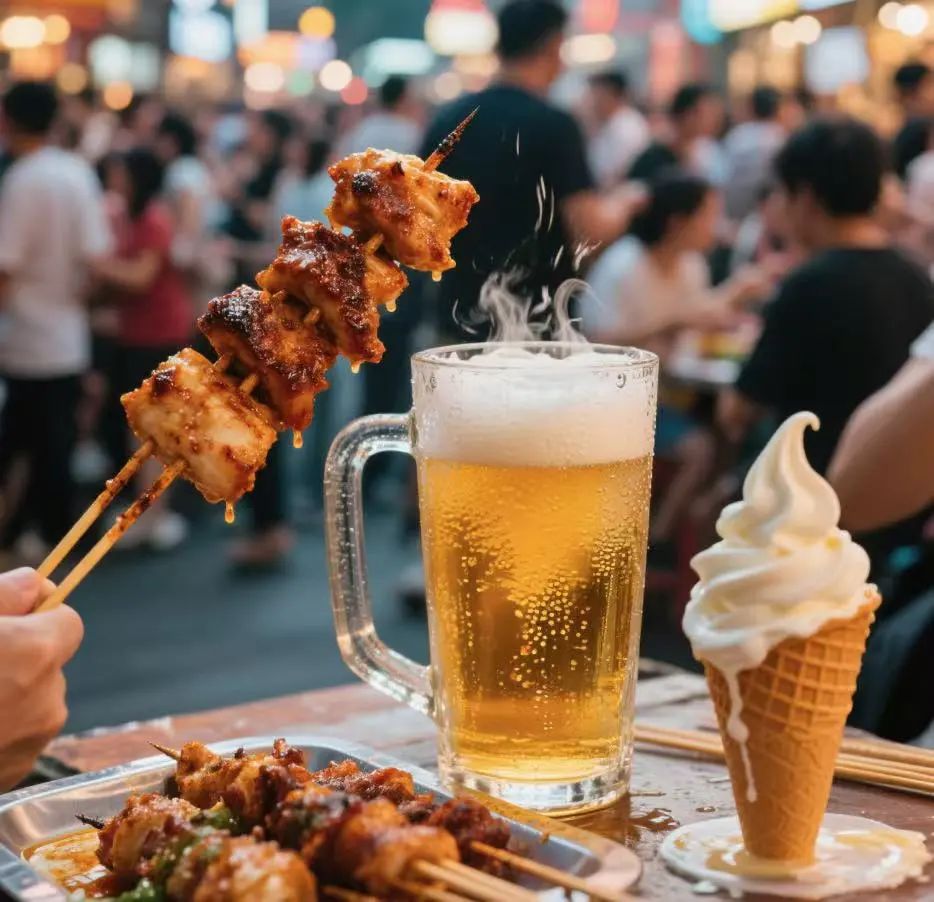
Acute gastroenteritis shows no mercy
especially to those who binge-eat without restraint.
The hot, humid weather becomes a breeding ground for bacteria,
while food spoils faster than usual.
That spicy barbecue you devoured with gusto?
Or the half-melon you enjoyed to cool off?
Both could turn into a petri dish for food poisoning.
Why is acute gastroenteritis more common in summer?
The main culprit is eating contaminated food. On one hand, summer's heat and humidity cause food to spoil rapidly, breeding various pathogenic bacteria that produce toxins. Take leftovers for example—they can turn bad within hours, harboring plenty of "nasty stuff" inside. On the other hand, summer weakens our digestive defenses. The scorching heat makes us sweat profusely, leading to fatigue, poor sleep, and reduced appetite. This causes stomach acid secretion to decline. Since stomach acid serves as our gut's "guardian angel" that kills ingested bacteria, lower acid levels allow pathogens from spoiled food to bypass this defense, invade the intestines, and wreak havoc—resulting in gastroenteritis. This foodborne illness caused by contaminated food is specifically called foodborne gastroenteritis.
If these symptoms occur, beware of foodborne acute gastroenteritis
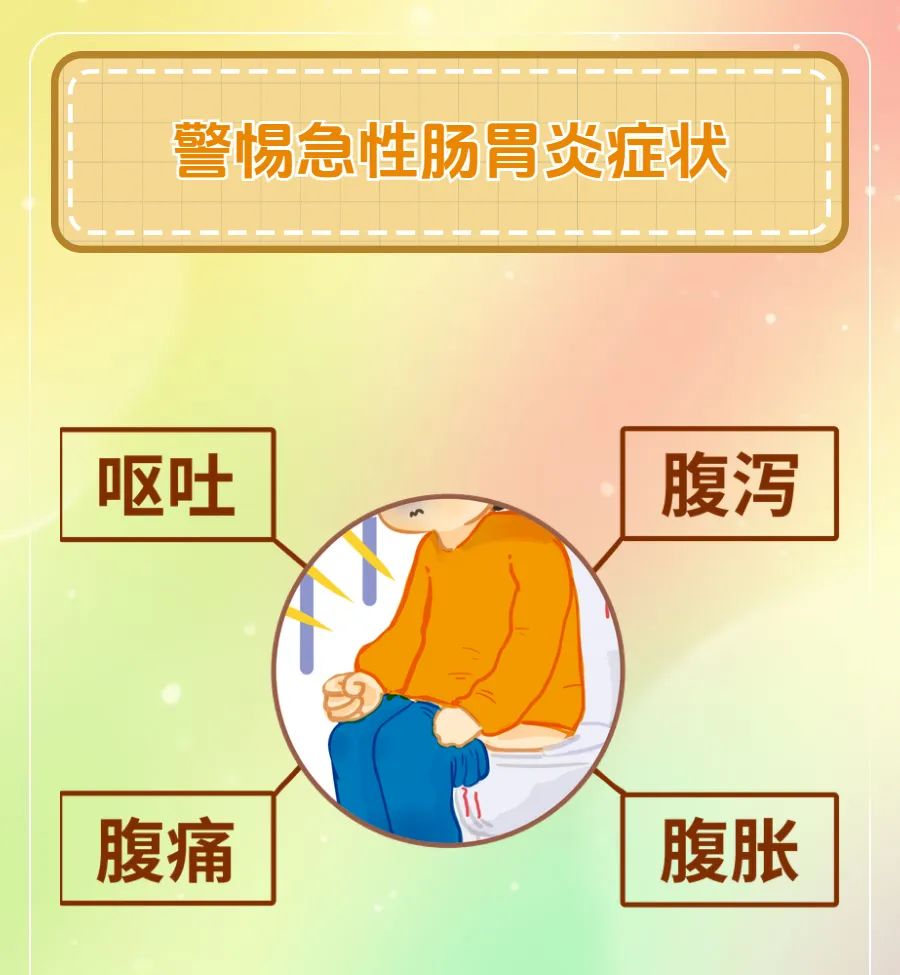
If you suddenly experience stomach discomfort, vomiting, diarrhea, abdominal pain, or even fever, and any of the following situations apply, consider the possibility of foodborne acute gastroenteritis:
(1) You may have consumed food that looked unclean or suspicious;
(2) Symptoms developed shortly after eating, sometimes within just one or two hours;
(3) Among those who ate the contaminated food, usually one person falls ill first, followed by multiple others, while those who didn't eat it remain unaffected;
(4) While symptoms can range from mild to severe, they often share similar patterns - watery diarrhea is typically caused by food poisoning, whereas bloody or pus-filled stools usually indicate bacterial infection.
What should you do if you develop foodborne gastroenteritis in summer?
Highly suspecting foodborne acute gastroenteritis, remember these four key points:
(1) Immediately stop consuming the suspected food and seal a small sample for laboratory testing at a hospital or CDC;
(2) Drink warm water with moderate salt, consume freshly cooked rice porridge and vegetable soup, avoid cold foods, high-protein and high-fat foods, as well as fried and grilled items;
(3) Do not induce vomiting by pressing the tongue at home to prevent gastric mucosa damage, and avoid self-administering anti-diarrheal drugs which may increase toxin absorption;
(4) If symptoms worsen, seek immediate medical attention nearby for fluid replacement, anti-inflammatory treatment and symptomatic therapy.
How should household food hygiene be maintained during summer?
(1) Maintain cleanliness and hygiene: Wash hands before meals and after using the toilet; wash hands before handling food and frequently during food preparation. Thoroughly rinse and soak fruits and vegetables with clean tap water before consumption. All tableware, dishcloths, and cleaning towels should be washed, disinfected, and dried before and after use. Keep the kitchen well-ventilated and hygienic, with measures in place to prevent flies, cockroaches, and mosquitoes from entering the kitchen or coming into contact with food.
(2) Separate raw and cooked foods: Store raw and cooked foods separately; use separate cutting boards, knives, bowls, chopsticks, and dishcloths for raw and cooked foods to prevent cross-contamination of pathogens and mold from raw foods to cooked ones.
(3) Cook food thoroughly: Ensure all food is fully cooked, especially meat, poultry, eggs, and seafood. Ideally, prepare and consume food immediately; avoid raw foods when possible, and prepare cold dishes fresh for immediate consumption without leftovers. Leftovers stored at room temperature for over four hours or refrigerated cooked foods should be reheated thoroughly before eating, reaching at least 70°C (preferably 100°C).
(4) Store food in the refrigerator: Refrigerate or freeze meat and eggs promptly after purchase. Store leftover cooked food in the refrigerator if not consumed immediately, with a maximum of two hours at room temperature. Thaw frozen foods in the refrigerator rather than at room temperature.
(5) Ensure food freshness and cleanliness: Choose fresh food and clean drinking water; consume purchased vegetables on the same day. Opt for food products from certified manufacturers, avoid expired or unlabeled foods, and discard any food with unusual odors or signs of spoilage. Limit consumption of homemade wines and minimally processed beverages, and avoid eating at street vendors or restaurants with poor hygiene conditions.
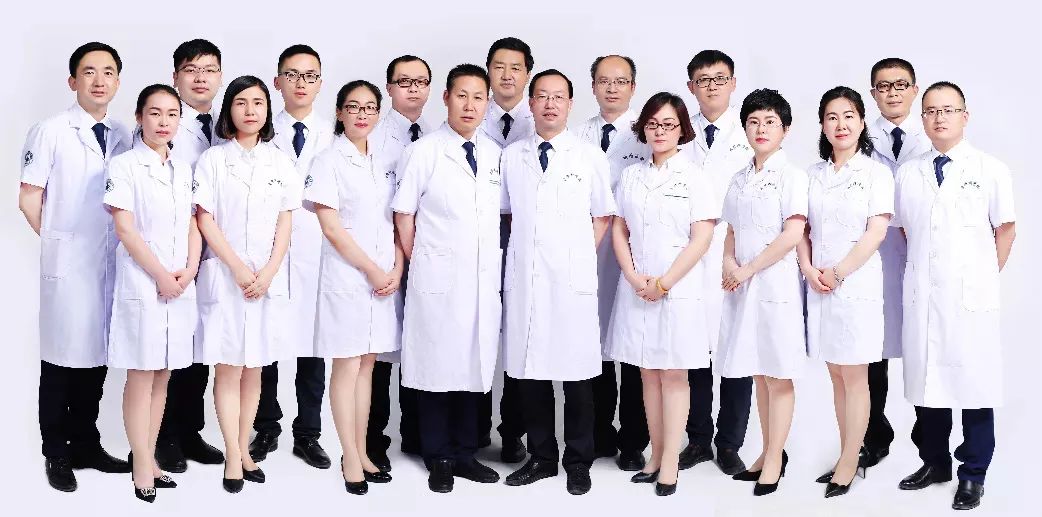
The gathering of top talent lays a solid foundation
Wuwei, as a key region with a high incidence of gastric cancer nationwide, has seen Gansu Wuwei Cancer Hospital place great emphasis on cultivating digestive system professionals, meticulously building a highly trained, accurately diagnosing, and widely trusted gastrointestinal tumor diagnosis and treatment team. The hospital has established a digestive medicine team led by a group of senior experts, including Chief Physician Zhang Zhiyi, the founder and chief expert of the Department of Gastroenterology at Wuwei Cancer Hospital, as well as the director of the Endoscopy Center—recognized as a leading talent in Gansu Province's healthcare system and Wuwei City, and a top expert in digestive medicine; Chief Physician Wu Zhengqi, a first-class chief physician, Gansu Province's leading talent, advanced worker, and academic leader; Chief Physician Lu Linzhi, director of the Wuwei Digestive Professional Committee; Chief Physicians Zhang Wenhong (Master of Medicine) and Zhao Guangyuan (Master of Medicine); Associate Chief Physicians Li Shihua, Liu Jindian (Master of Medicine), Xie Chunfang, and others. Meanwhile, with the collaboration of a large number of senior digestive surgery experts, including Deputy Director Physicians Nie Peng, Chen Hongbing, Teng Tingpeng, Li Shigong, Tao Jichun, Wang Jihong, Wang Jisheng, Su Fadeng, and others—all holding senior professional titles—the team has formed a multidisciplinary, well-structured "talent system."
Equipment Upgraded, Technology Advanced
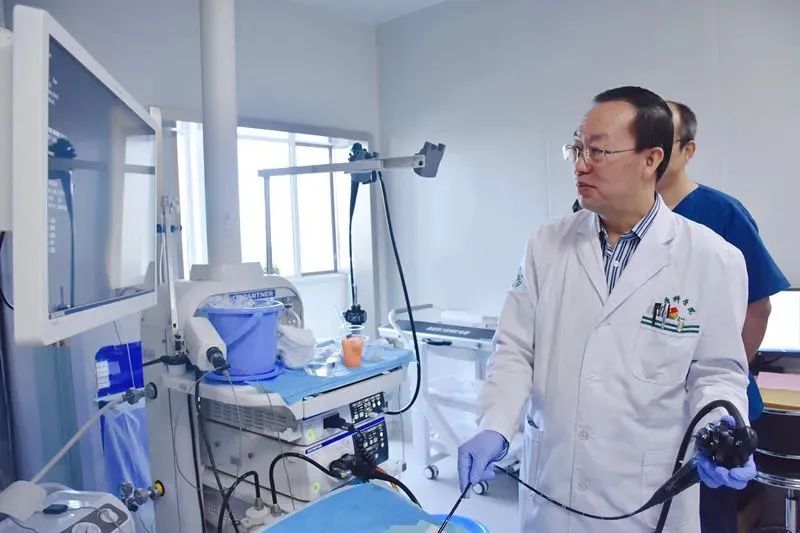
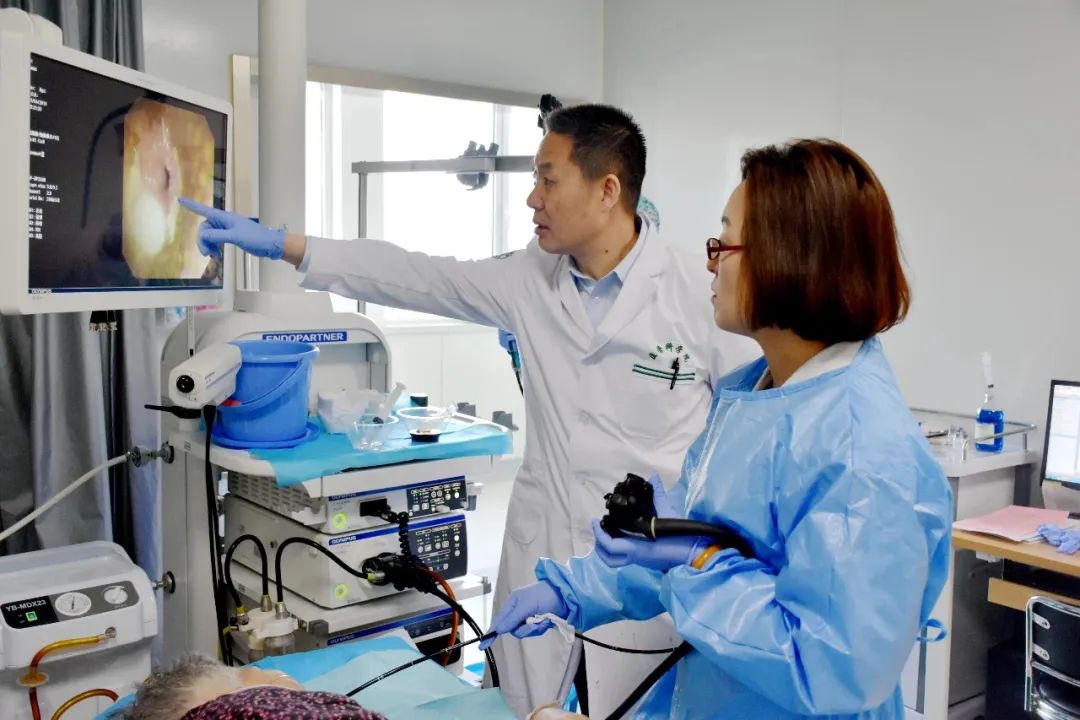
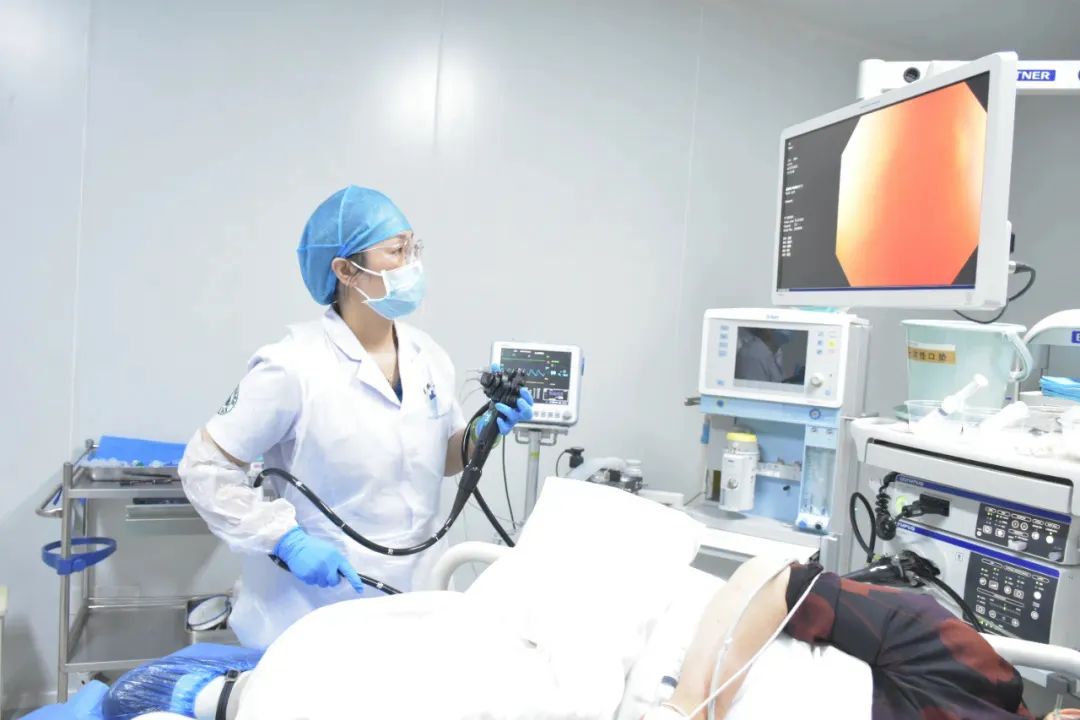
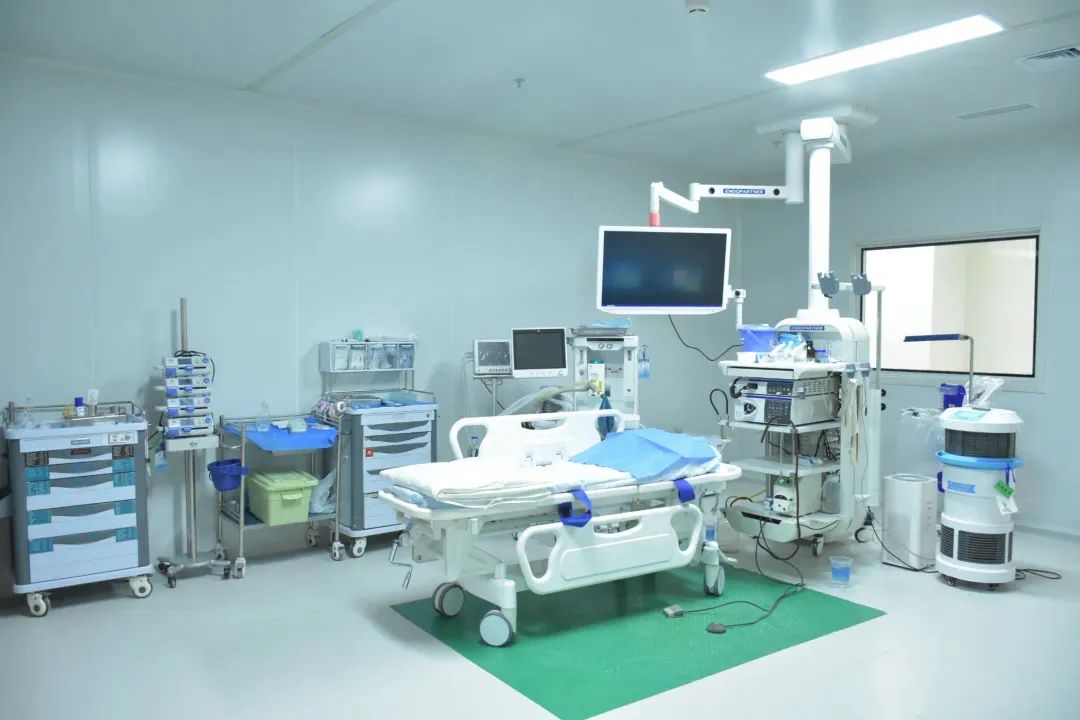
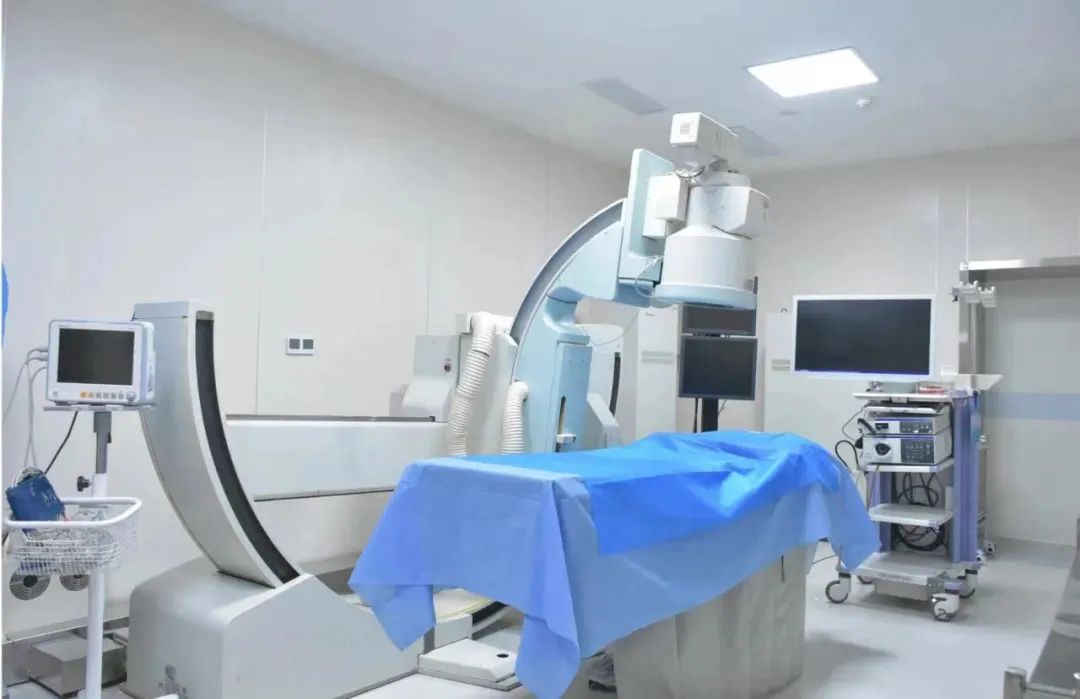
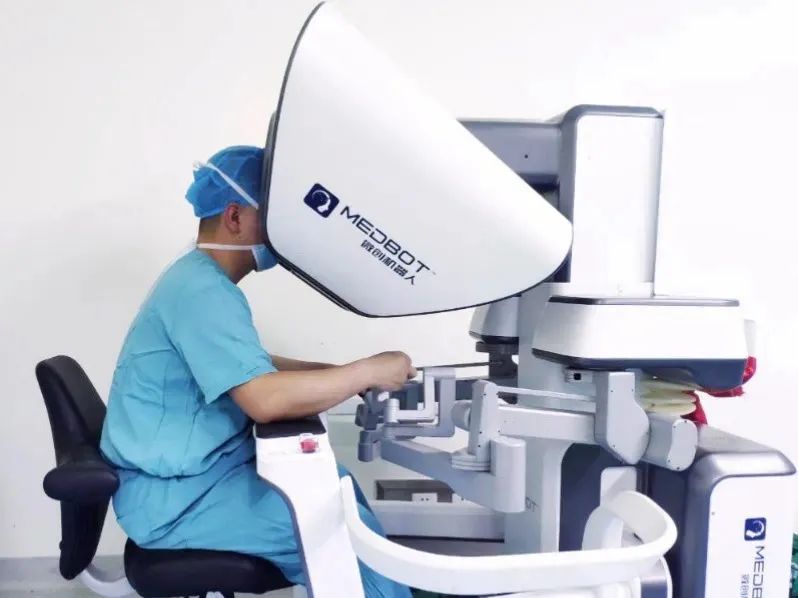
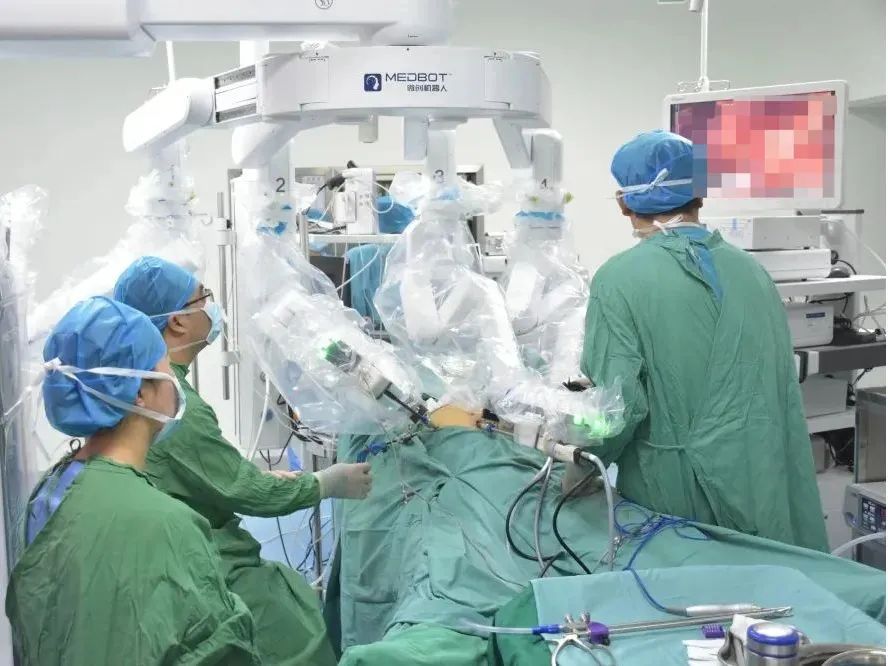
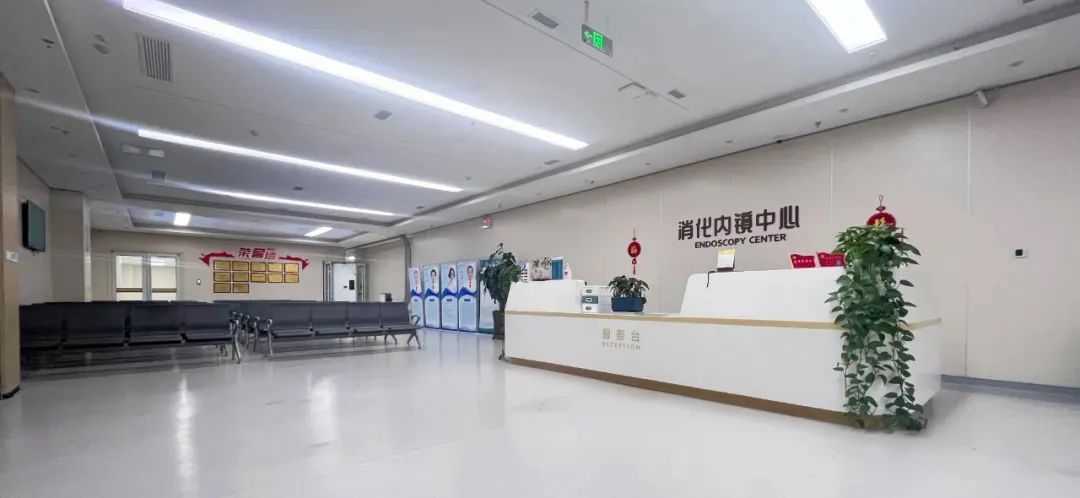
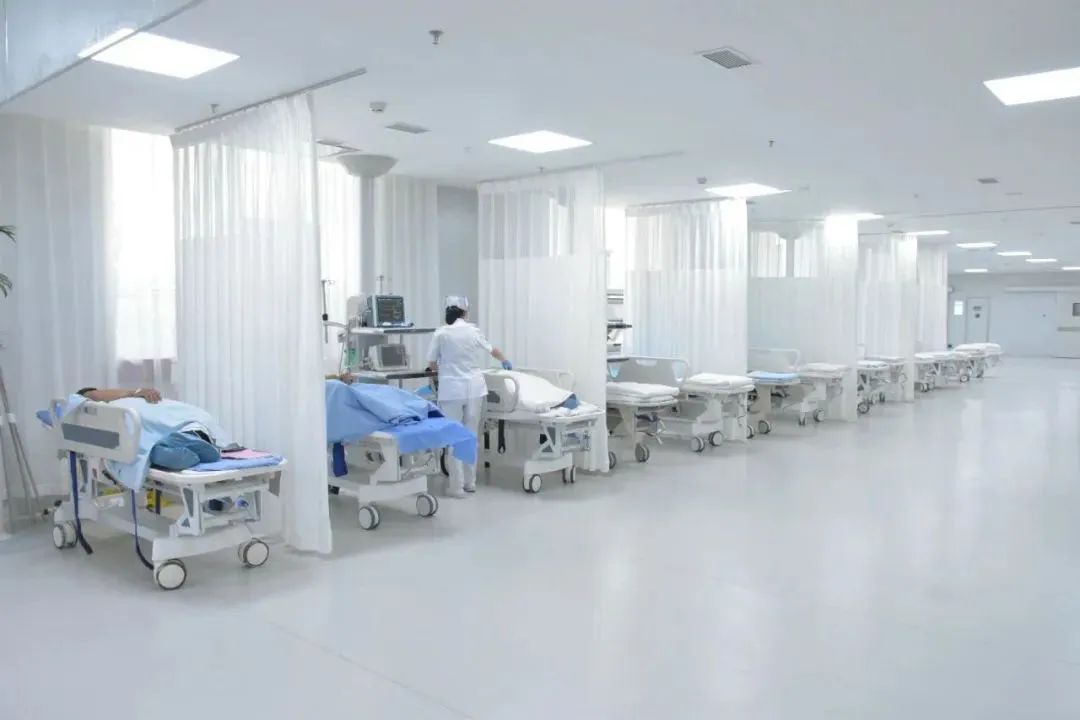
Wuwei Cancer Hospital is equipped with three endoscopy centers, featuring nearly 20 suspended Olympus endoscopy systems across 15 treatment rooms, along with over 50 various types of endoscopes, including complete sets of enteroscopes, ultrasound endoscopes, chromoendoscopy, and magnifying endoscopes. The heavy ion therapy area currently has 10 standard gastrointestinal endoscopy examination rooms. The hospital has ranked first in Gansu Province for eight consecutive years in both the number and examination rate of painless gastrointestinal endoscopies, secured the top prize in national endoscopy combined with pathological diagnosis competitions, and achieved the highest detection rate of upper gastrointestinal cancers among all hospitals in the province. Notably, the hospital has performed Gansu's first robotic-assisted scarless appendectomy via transanal transabdominal approach under endoscopy, as well as Gansu's first endoscopic ultrasound-guided biliary drainage (EUS-BD). It routinely conducts clinically assisted surgeries using robotic systems, standard endoscopic ultrasound examinations, and various punctures and treatments under endoscopic ultrasound guidance, including EMR, ESD, ERCP, STER, sclerotherapy and band ligation for esophageal and gastric varices, dilation and stent placement for benign and malignant gastrointestinal strictures, and peroral endoscopic myotomy (POEM). The hospital leads the province in the volume of ESD procedures performed.
The "Wuwei Model" benefits millions of families
Since 2006, with the full support of Professor Yu Zhonglin and Professor Huang Xiaojun from Beijing Friendship Hospital, the national medical reform major project "Early Diagnosis and Treatment of Upper Gastrointestinal Cancer in Rural Areas" has been implemented in Wuwei. After nearly two decades of dedicated efforts, remarkable progress has been achieved—not only has the rising trend of gastric cancer incidence and mortality been successfully curbed, with both rates dropping significantly, but the project has also brought hope to countless patients, lighting the way to life for those in despair. The "Wuwei Model" for upper gastrointestinal cancer prevention has long benefited over one million residents in Wuwei. Through the "three early" (early detection, early diagnosis, and early treatment) prevention approach, residents have proactively improved their living environments, changed dietary and lifestyle habits, and actively participated in large-scale early screening programs organized by hospitals. Thanks to years of persistent implementation of the "three early" strategy, compared to 2006, Wuwei has seen a significant decline in both gastric cancer incidence and mortality rates, with the incidence rate halving compared to two decades ago. Meanwhile, the Department of Gastroenterology has successfully undertaken several key national and provincial research projects, including the National Science and Technology Benefit-the-People Plan project "Demonstration of Prevention and Control Models for High-Incidence Areas of Malignant Tumors in Wuwei," the National Public Welfare Industry Special Project "Prospective Evaluation Study of Upper Gastrointestinal Cancer Screening," and the National Key Research and Development Program projects "Establishment and Validation of a Large-Scale Standardized Gastric Cancer Cohort" and "Validation and Application of Biomarkers for Digestive Tract Tumor Diagnosis and Treatment." Additionally, the department led and participated in provincial and municipal projects such as "Promotion of Sequential Screening for Gastric Cancer" and "Clinical Application of Membrane-Covered Mesh Esophageal Stents." These efforts have contributed to nearly halving the incidence of upper gastrointestinal cancer in Wuwei, saving countless lives from cancer and enabling tens of thousands of patients with early-stage upper gastrointestinal cancer to return to work and enjoy a better quality of life.

● Provincial Key Discipline of Gansu Province.
● First Place in National Endoscopy Combined with Pathological Diagnosis Competition.
● Ranked First in Gansu Province for Eight Consecutive Years in Both Number of Pain-free Endoscopies Performed and Pain-free Endoscopy Examination Rate.
● Highest Detection Rate of Upper Gastrointestinal Cancer Among All Hospitals in Gansu Province.
● Leading Volume of ESD Procedures in Gansu Province.
● Nationally Advanced Equipment and Diagnostic Capabilities: Successfully Performed Gansu's First Robotic-Assisted Scarless Appendectomy via Transanal Transabdominal Approach and Gansu's First Endoscopic Ultrasound-Guided Biliary Drainage (EUS-BD).
● Premier Professional Team Led by Top Experts Including: Chief Physician Zhang Zhiyi, Founding Director of the Department of Gastroenterology and Director of the Endoscopy Center at Wuwei Cancer Hospital, Distinguished Medical Expert in Gansu's Health System Chief Physician Wu Zhengqi, Chief Expert and Academic Leader of the Department of Gastroenterology Chief Physician Lu Linzhi, Director of Wuwei Digestive Professional Committee.
● Designated as: National Early Diagnosis and Treatment Base for Gastric Cancer (Ministry of Health), National Training Base for Digestive Endoscopy Techniques (Ministry of Health), Gansu Provincial Key Laboratory of Gastrointestinal Diseases, Wuwei Sub-center of Shanghai Molecular Medicine Center for Helicobacter pylori (China), Wuwei Sub-library of Xijing Biobank.
● Currently Pursuing National Key Discipline Status and Establishing a Western China Demonstration Base.