Interventional Ultrasound "Needle" Skills: Precision Minimally Invasive Techniques Shine
Interventional Ultrasound "Needle" Skills: Precision Minimally Invasive Techniques Shine
——Department of Ultrasound Medicine, Lanzhou Heavy Ion Center, Wuwei Cancer Hospital
Patient Aunt Zhu developed a pseudoaneurysm at the puncture site of the right femoral artery after an interventional procedure, measuring approximately 5 cm in size. Compression bandaging failed to yield satisfactory results. Although the interventional surgery was successful, the pseudoaneurysm caused significant pain and discomfort, accompanied by patchy purplish discoloration in the right inguinal subcutaneous region, further increasing Aunt Zhu's psychological distress. The attending physician consulted various sources and sought assistance from the Department of Ultrasound Medicine. After evaluating the patient's condition, ultrasound examination revealed that the pseudoaneurysm was located anterior to the right femoral artery, with a sac size of approximately 48 × 32 mm. The communication opening with the femoral artery measured about 2 mm in width, and swirling blood flow was observed inside, displaying a "Tai Chi sign" on color Doppler imaging (Figures 1 and 2). In collaboration with the clinical team, a treatment plan was formulated: under real-time ultrasound guidance, thrombin powder was precisely injected into the pseudoaneurysm to promote rapid blood coagulation and thrombus formation, thereby occluding the aneurysmal sac (Figure 3) and achieving the therapeutic goal. The ultrasound team and the attending physician meticulously prepared for the procedure, strictly following the designed protocol to successfully complete the treatment in approximately ten minutes. Within one hour post-procedure, Aunt Zhu's pain and discomfort significantly improved. She expressed deep gratitude to the attending physician for alleviating her condition and was discharged home in high spirits. This case highlights the advantages of interventional ultrasound—real-time precision, convenience, rapid efficacy, and minimal patient discomfort—demonstrating how it can swiftly resolve challenging clinical issues.
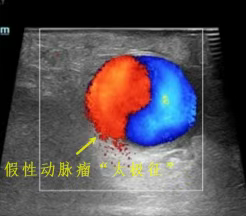
Figure 1: "Tai Chi Sign" in the pseudoaneurysm
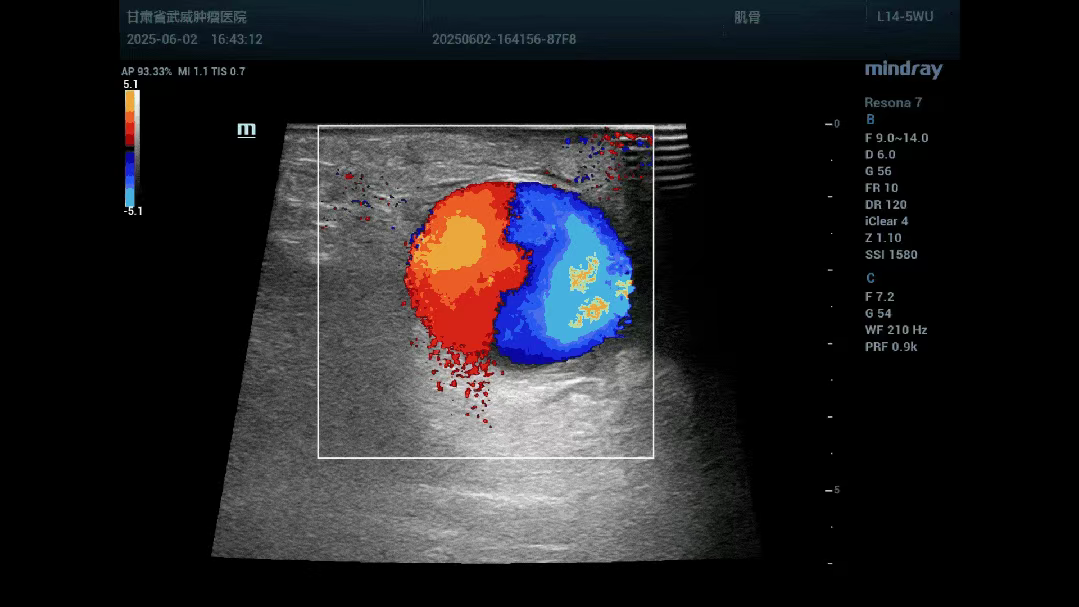
Figure 2: Rotational blood flow within the aneurysmal sac
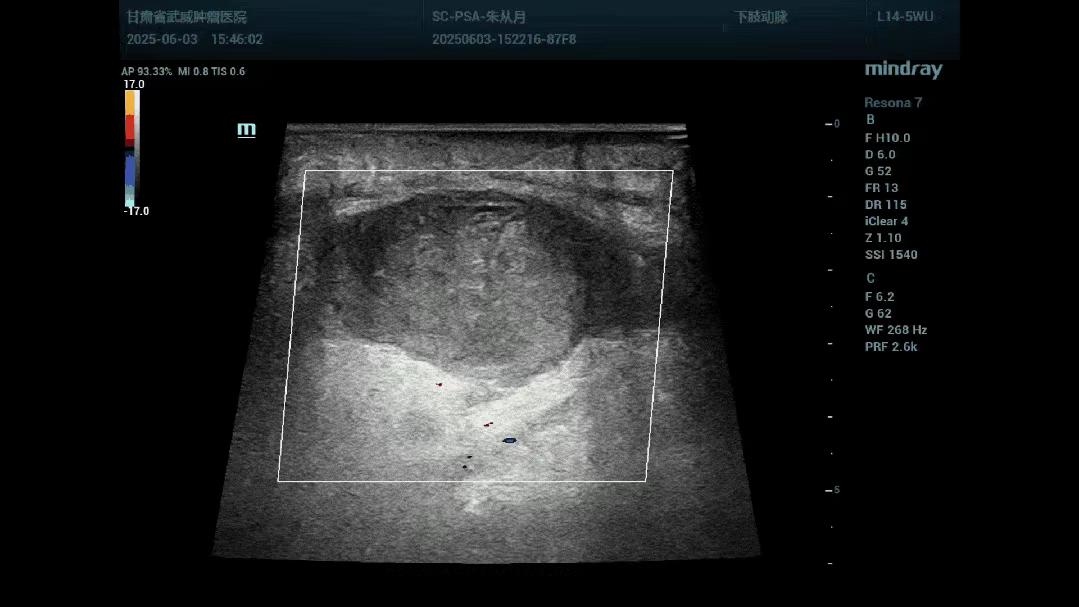
Figure 3: Post-treatment appearance of the pseudoaneurysm
With the continuous advancement of medical technology, ultrasound medicine has evolved from a simple diagnostic tool into a pivotal discipline integrating both diagnosis and treatment. Among its many applications, interventional ultrasound has gained increasing prominence in clinical practice due to its advantages of real-time monitoring, precision and minimally invasiveness, safety and efficiency, rapid recovery, and cost-effectiveness. It has become a crucial—even primary—treatment modality for numerous conditions, including cysts, abscesses, tumor biopsies or ablations, catheter drainage, and pain management. This is the essence of interventional ultrasound diagnostics and therapy—a remarkable "needle" that works quietly yet powerfully. Unassuming in appearance, it navigates with millimeter-level precision. Without the need for open surgery, it effectively resolves many complex clinical challenges. Guided by real-time ultrasound imaging as its "eyes" and a slender needle as its "arm," it reaches the core of lesions to deliver accurate diagnoses and minimally invasive treatments.
The Department of Ultrasound Medicine at Wuwei Cancer Hospital, affiliated with a tertiary hospital, currently serves as the presiding unit of the Wuwei Ultrasound Medical Association. With its profound academic foundation and exceptional technical expertise, the department has mastered interventional ultrasound—a specialized "needle technique"—applying it with remarkable proficiency. It has become an indispensable "right-hand partner" for clinical departments, not only providing patients with safe and convenient diagnostic and therapeutic services but also offering clinicians minimally invasive and highly effective treatment options. This approach maximizes benefits for both patients and healthcare providers.
Platform of a Grade-A hospital: Comprehensive technology, trustworthy
Meanwhile, the Department of Ultrasound Medicine at the Lanzhou Branch of Wuwei Tumor Hospital, backed by the comprehensive capabilities and multidisciplinary collaboration platform of a tertiary hospital, possesses substantial resources and extensive experience in managing complex and challenging cases. Currently, we have fully established a wide range of ultrasound-guided diagnostic and therapeutic procedures, featuring mature and standardized techniques with proven effectiveness. Our ultrasound interventional services primarily cover two aspects: diagnosis and treatment.
Precision Diagnosis for Accurate Detection: Under ultrasound guidance, we perform percutaneous biopsy of lesions in various organs (thyroid, breast, liver, pancreas, kidney, lymph nodes, peripheral lung, superficial organs, pelvic masses, etc.), obtaining pathological tissue samples with high precision to quickly determine the nature of lesions. This provides clinicians with reliable pathological evidence for rapid diagnosis and effective treatment planning, enabling patients to benefit from timely medical intervention.
Minimally Invasive Treatment for Complex Cases: A wide range of ultrasound-guided diagnostic and therapeutic procedures are conducted with efficiency and precision, effectively addressing clinical challenges for patients.
● Puncture and Drainage for Fluid Accumulation: Thoracentesis, paracentesis, and pericardiocentesis to relieve symptoms of pleural effusion, ascites, and pericardial effusion.
● Cyst Sclerotherapy: Treatment of thyroid cysts, hepatic cysts, renal cysts, and ovarian endometriomas, providing a minimally invasive solution to cyst-related issues.
● Preoperative Tumor Localization: Wire localization for small breast nodules and methylene blue staining marking to facilitate precise surgical planning.
● Biliary Drainage and Abscess Drainage: Percutaneous transhepatic biliary drainage (PTBD) for biliary obstruction, as well as drainage of abscesses in the liver, abdomen, and pelvis, effectively resolving the underlying causes and rapidly alleviating symptoms.
● Bladder and Renal Fistula Drainage: Cholecystostomy, cystostomy, and nephrostomy for decompression in cases of obstruction.
● Tumor Ablation: Radiofrequency or microwave ablation for thyroid and liver tumors, precisely destroying malignant tissue while avoiding major surgery.
● Musculoskeletal Intervention: Intra-articular and tendon sheath injections, as well as percutaneous treatment of calcific tendinitis, delivering unexpectedly effective results.
● Vascular Access Establishment: Deep venous catheterization (internal jugular vein, subclavian vein, femoral vein) and dialysis catheter placement.
● Minimally Invasive Vascular Therapy: Combined thermal and chemical ablation for varicose veins, as well as sclerotherapy for superficial vascular malformations, achieving significant outcomes through tiny incisions.
The Core of "Needle" Technique: Precision Navigation, Minimally Invasive and Highly Effective
●See clearly, target precisely: Real-time ultrasound guidance acts like an 'X-ray eye,' ensuring the needle accurately avoids critical blood vessels and nerves while reaching the intended destination (such as masses, cysts, or fluid collections), significantly enhancing procedural safety and accuracy.
●Diagnose accurately, recover quickly: Provides clinicians with fast, reliable pathological evidence for prompt treatment planning, while enabling effective minimally invasive therapy for various conditions.
●Minimal trauma, excellent efficacy: For eligible patients, the procedure leaves only tiny needle marks, ensures rapid postoperative recovery, significantly reduces pain, and can be performed in an outpatient setting for certain cases!
Precise Localization: Ultrasound—the Clinician's Essential Tool and Trusted Partner
While ultrasound-guided intervention offers numerous advantages, we are fully aware that it is not a panacea. It is a powerful adjunctive technique, and its successful application hinges on the following key conditions:
● Strict Indication Control: Standardized protocols and meticulous procedures are essential. Case selection must undergo professional evaluation to avoid blind or inappropriate treatment.
● Close Collaboration with Clinical Teams: We maintain seamless coordination with clinical departments, thoroughly understanding physicians' diagnostic and therapeutic strategies—ensuring patients experience minimal discomfort while achieving maximal benefits.
● Patient-Centered Approach: Every procedure is performed based on the patient's specific condition and clinical treatment goals. We serve as the "eyes" and "hands" of clinicians, working together to deliver optimal care.
● Multidisciplinary Team (MDT) Support: Successful management of complex cases often relies on close cooperation across departments. Patients are never alone in their fight—we stand with them as a united team.
"Needle" with Heart: Exceptional Social Impact Earns Trus
We achieve widespread recognition through exceptional expertise and humanistic care:
● Proven Efficacy: Ultrasound-guided interventions precisely target the root cause of diseases, significantly improving diagnostic accuracy and treatment outcomes.
● Cost Efficiency: Compared to other examinations, our procedures are more affordable with faster results, alleviating both financial and psychological burdens on patients.
● Enhanced Experience: Minimal invasiveness, reduced pain, and rapid recovery greatly improve patients' medical experience and quality of life.
● Outstanding Reputation: With thousands of interventional procedures performed annually, we have become a widely praised model of "needle" expertise, earning strong word-of-mouth recommendations.
The following are some complex cases of ultrasound-guided interventional diagnosis and treatment conducted in our department.
Percutaneous biopsy of left adrenal mass
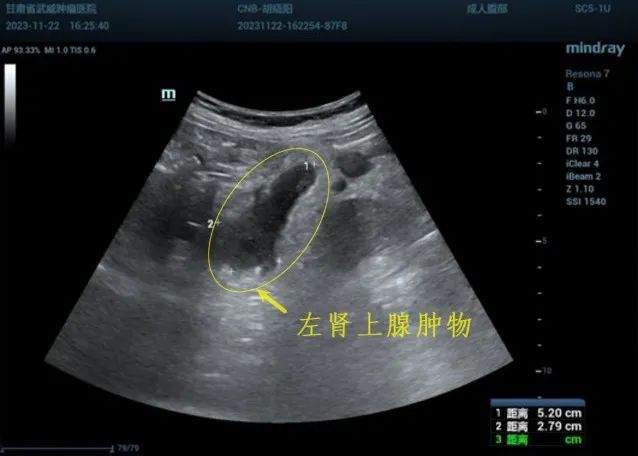
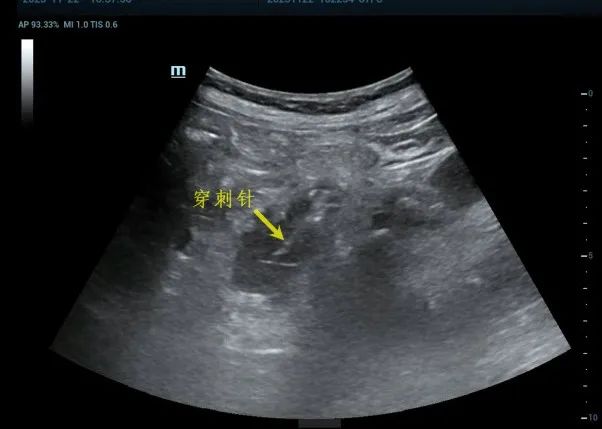
Left adrenal mass Ultrasound-guided needle biopsy
Percutaneous biopsy of pancreatic mass
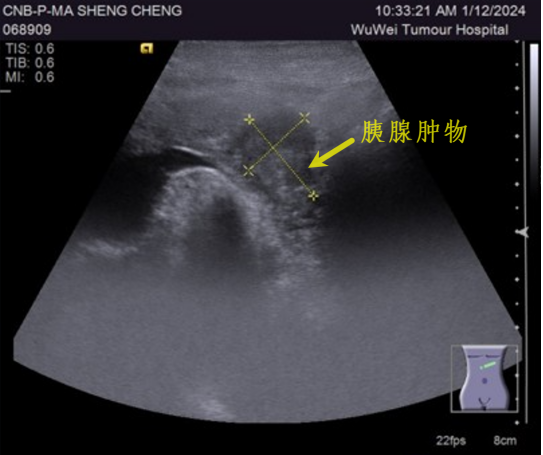
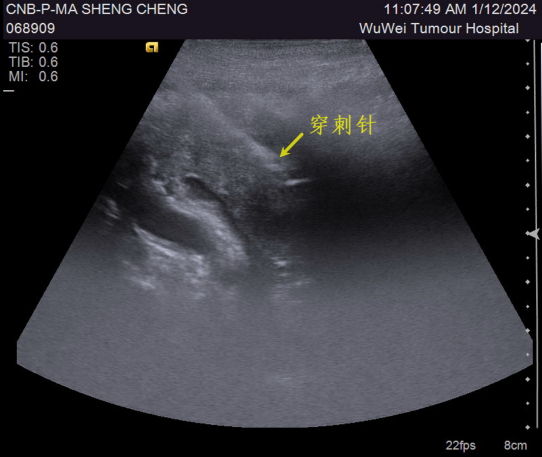
Pancreatic mass Ultrasound-guided biopsy
Radiofrequency Ablation of Thyroid Nodules

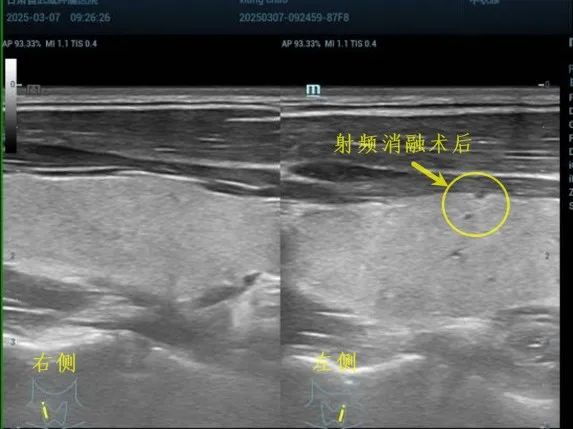
Before treatment 6 months after treatment
Hepatic cyst sclerotherapy
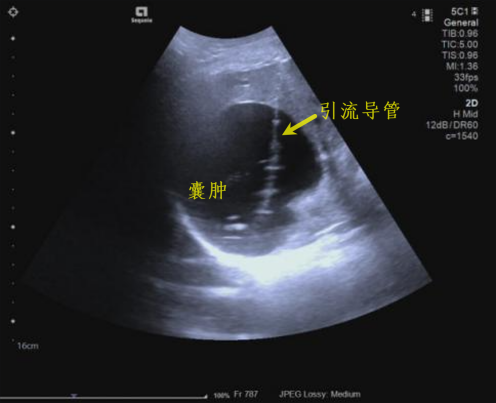

Cyst Sclerotherapy Post-cyst treatment
Sclerotherapy for subcutaneous hemangioma in the forehead
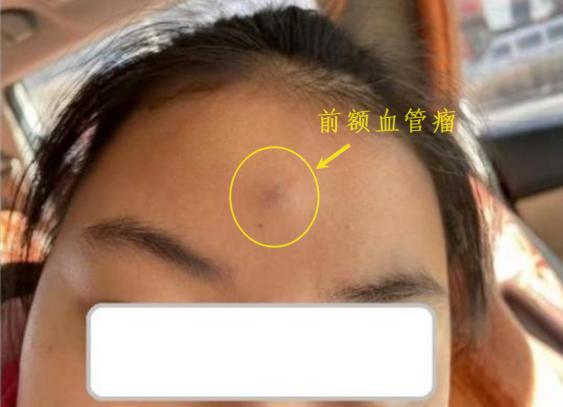
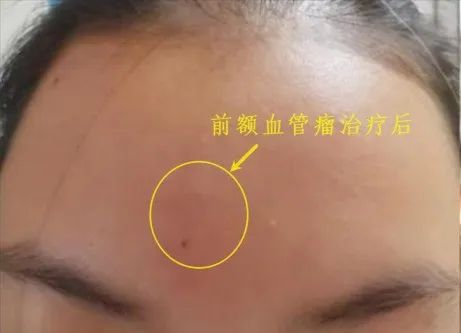
Before treatment After treatment
Ultrasound-guided radiofrequency ablation combined with polidocanol for the treatment of lower extremity varicose veins
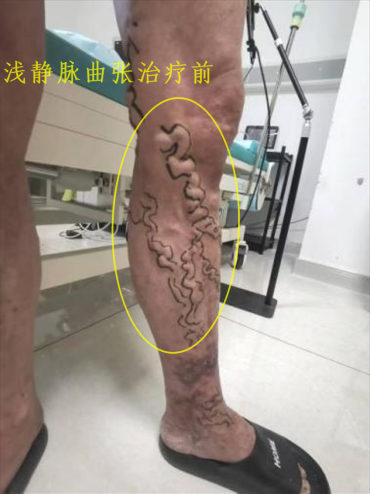
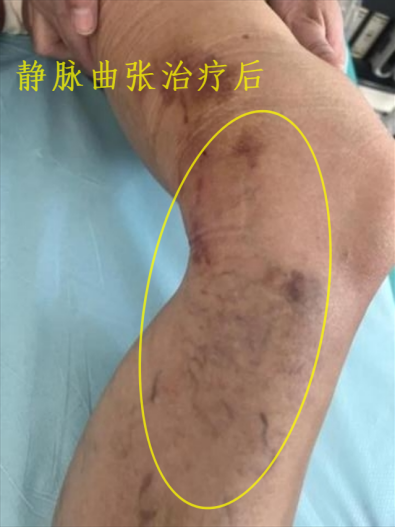
Before treatment One week after treatment
Ongoing ultrasound-guided treatment
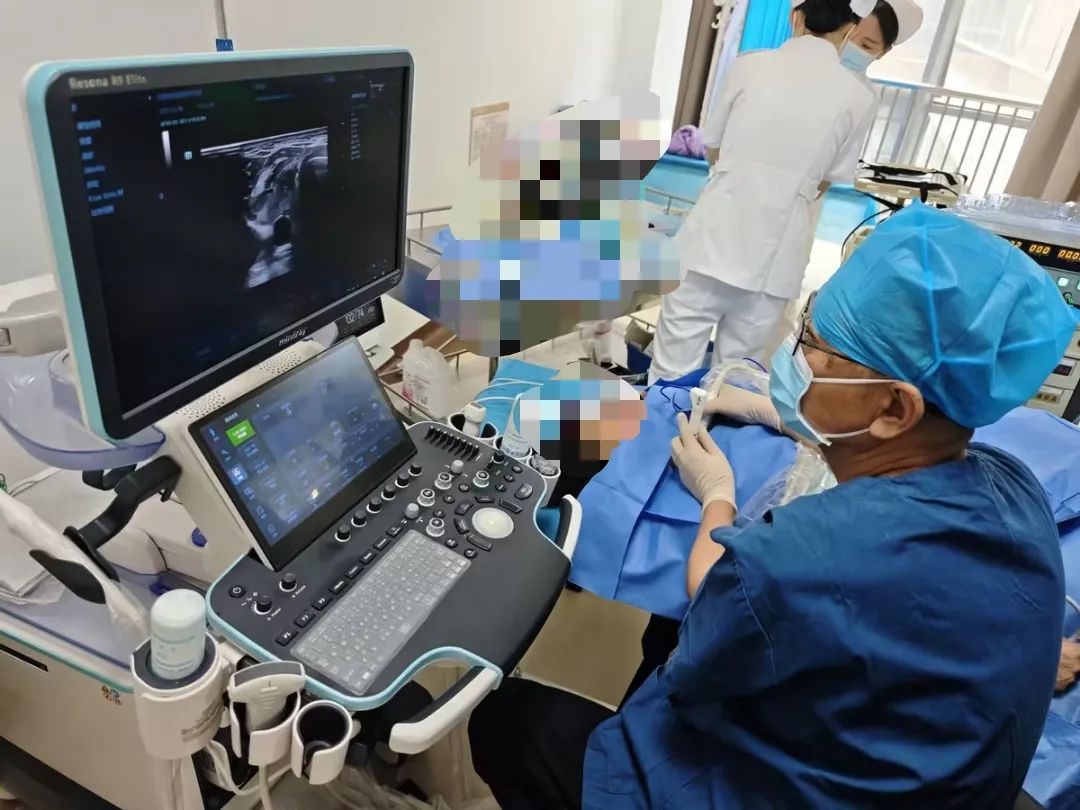
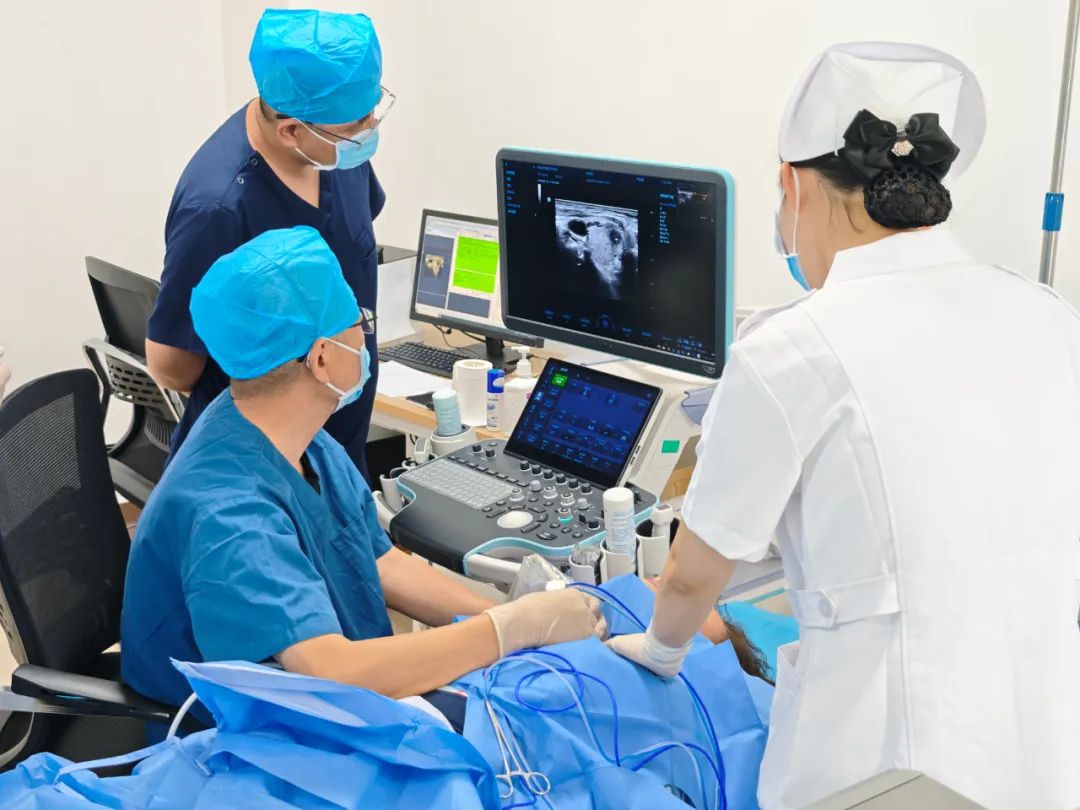
The Department of Ultrasound Medicine at Lanzhou Branch of Wuwei Cancer Hospital, with its profound academic expertise and exceptional interventional "needle" skills, achieves millimeter-level precision to redefine ultrasound beyond mere diagnostic imaging. We pioneer a new era of safe, efficient, and minimally invasive diagnosis and treatment for patients, wholeheartedly safeguarding the health of you and your loved ones.
Location: Department of Ultrasound Medicine, 2nd Floor, Lanzhou Branch of Gansu Wuwei Cancer Hospital
Consultation & Appointment: Wang Cunde: 13893570113 (Lanzhou Branch)