Master These Tips to Banish Gallbladder Fears!
Master These Tips to Banish Gallbladder Fears!
I. What are gallstones and cholecystitis?
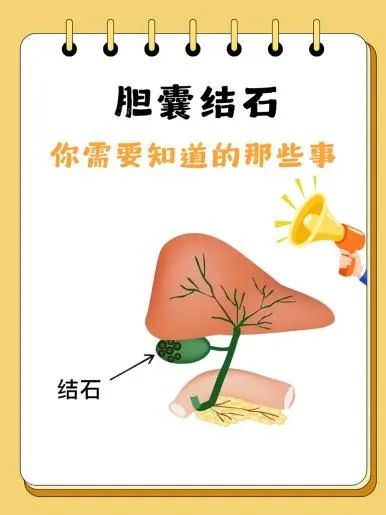
The gallbladder is a small "storage warehouse" for bile, aiding in fat digestion.
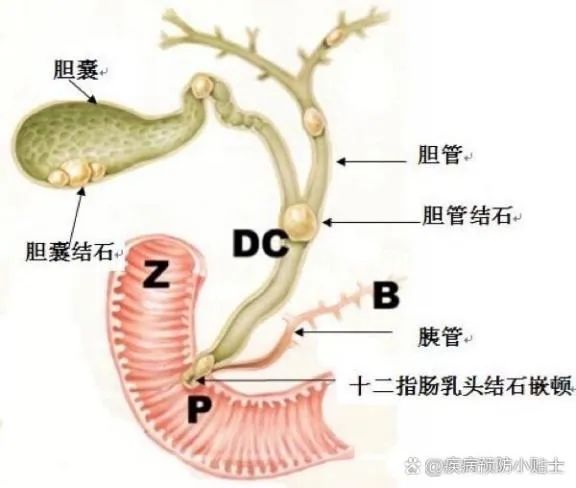
Gallstones: Gallstones are solid particles that form inside the gallbladder, composed of cholesterol, bilirubin, calcium salts, and other substances that accumulate and crystallize within the gallbladder.
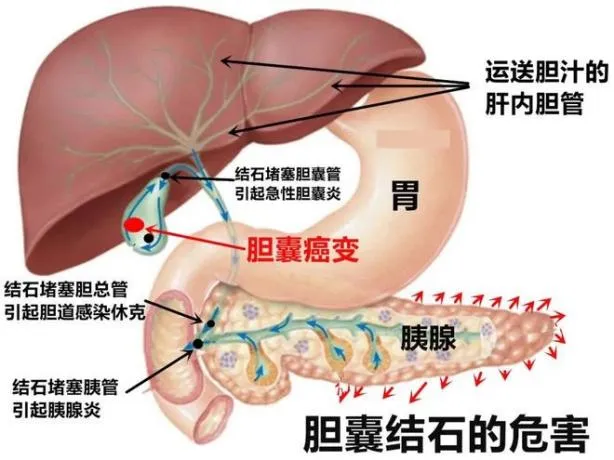
Cholecystitis: Inflammation of the gallbladder, often caused by gallstones or infection, and classified as acute (sudden, severe pain) or chronic (recurrent, dull pain).
II. Be Alert to These Symptoms!
Typical Symptoms:
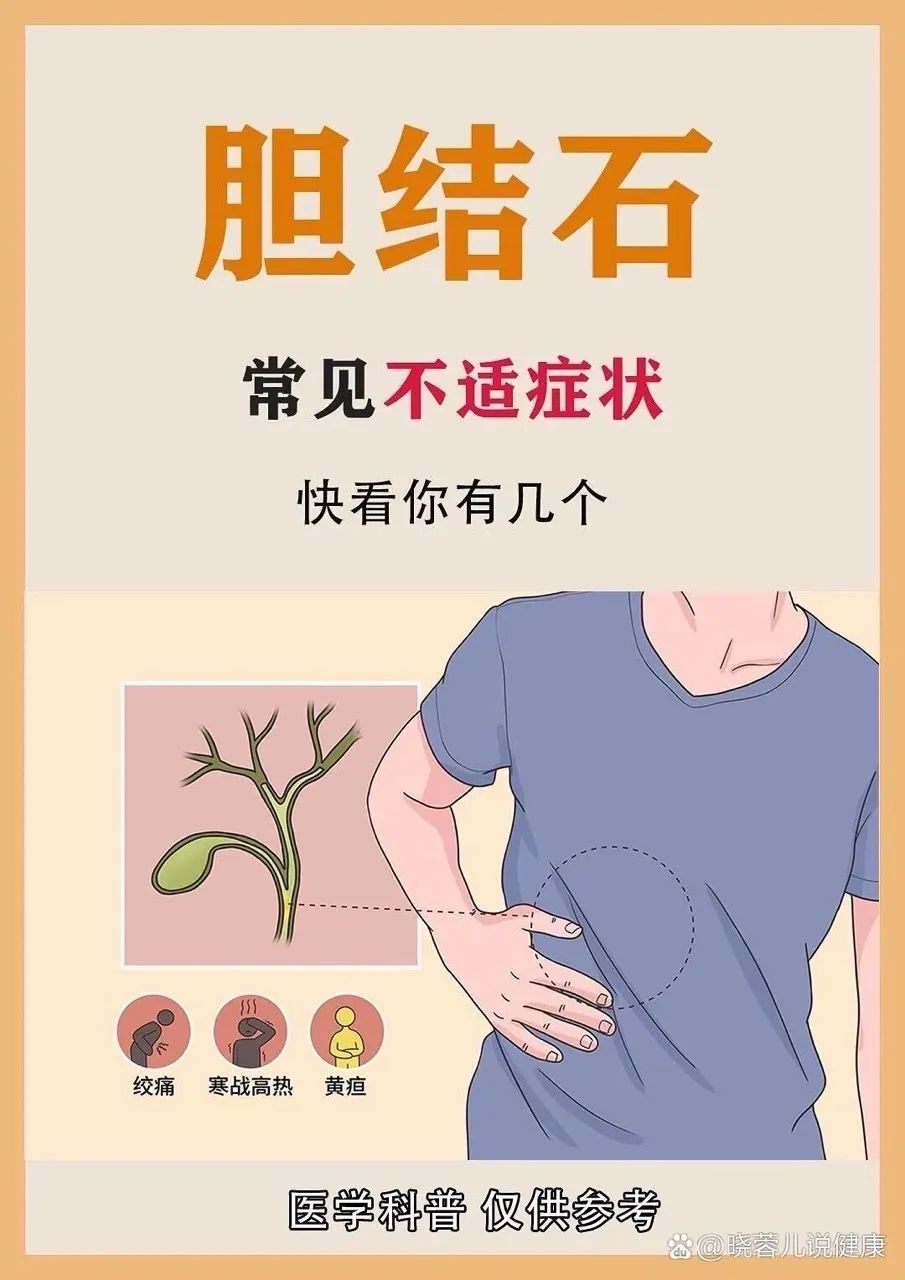
✅ Severe pain in the upper right abdomen, possibly radiating to the right shoulder and back
✅ Nausea and vomiting, especially after consuming fatty foods
✅ Fever and chills (common in acute cholecystitis)
✅ Yellowing of the skin or whites of the eyes (possible bile duct obstruction)
Easily Overlooked Signs:
Persistent bloating and indigestion, often mistaken for "stomach problems"
III. How to treat?
1. Drug treatment: For mild to moderate cholecystitis, antibiotics are the primary treatment to control and prevent the spread of infection. Additionally, doctors may prescribe painkillers to relieve pain and anti-inflammatory drugs to reduce inflammatory responses.
2. Dietary adjustments: Patients are advised to follow a low-fat diet, reducing the intake of greasy foods to decrease the workload on the gallbladder and alleviate symptoms. Avoiding overeating and adopting a pattern of eating small, frequent meals can help stabilize the gallbladder and reduce the risk of acute attacks.
3. Surgical treatment: When cholecystitis recurs frequently or the condition is severe, laparoscopic cholecystectomy is the most common treatment method. Compared to traditional open surgery, this approach causes less trauma and allows for faster recovery.
IV. Prevention Guidelines: Starting from Daily Life Details
1. Watch your diet: Reduce intake of high-fat, high-cholesterol foods (organ meats, fried foods); eat more vegetables, whole grains, and moderate amounts of high-quality protein (fish, soy products); maintain regular meals to avoid prolonged fasting, which can lead to bile stasis.
2. Stay active: Moderate exercise helps control weight—obesity is a major risk factor for gallstones.
3. Regular checkups: Ultrasound is the "gold standard" for screening gallbladder stones. High-risk groups (adults over 40, women, those with multiple pregnancies) should get annual exams.
Friendly reminder
Seek medical attention immediately if you experience persistent abdominal pain, fever, or jaundice!
The oncology surgery team at the Lanzhou Heavy Ion Treatment Center of Gansu Wuwei Cancer Hospital has mastered advanced laparoscopic surgical techniques, including laparoscopic cholecystectomy, common bile duct exploration with choledochoscopy, and laparoscopic gallbladder-preserving stone extraction.
Compared to traditional open surgery, laparoscopic technology offers significant advantages:
✅ Minimal invasiveness: Replaces 10-20cm surgical incisions with 0.5-1cm micro-incisions
✅ Faster recovery: Patients can resume eating the day after surgery, with average hospital stay reduced by 3-5 days
✅ Fewer complications: Precise operations lower infection risks and minimize postoperative pain
✅ Superior cosmetics: Nearly invisible incisions prevent noticeable scarring
Introduction to Oncology Surgery Experts

Associate Chief Physician
Tao Jichun
Deputy Director of General Surgery at Gansu Wuwei Cancer Hospital, Director of Oncology Surgery at Lanzhou Heavy Ion Center, Council Member of China Anal Preservation Alliance, Member of Chinese Anti-Cancer Association, Member of Gansu Anti-Cancer Association, Member of Gansu Medical Association, Member of Wuwei Integrated Traditional Chinese and Western Medicine General Surgery Society, Committee Member of Wuwei Anorectal Committee.
With over 20 years of experience in gastrointestinal, liver, and biliary surgery, he specializes in laparoscopic minimally invasive surgery for the digestive tract and hepatobiliary system. He has published 3 national-level papers and 5 provincial-level papers in gastrointestinal, liver, and biliary research, completed 1 scientific research project in Wuwei City, and achieved successful project registration.