Exercise: A "Free Anti-Cancer Drug"! Summer Workout Tips for Cancer Patients
Exercise Is "Free Anti-Cancer Medicine"! How Cancer Patients Can Work Out More Scientifically in the Scorching Summer
Heatwave strikes
Can cancer patients still exercise?
Will exercise cause cancer recurrence?
If they do exercise, what special precautions should be taken?
Can cancer patients exercise? Of course they can!
The Chinese Expert Consensus on Exercise Therapy for Malignant Tumor Patients states that cancer patients can safely engage in moderate exercise during and after treatment, and should "avoid prolonged inactivity." While cancer treatment may weaken the body, excessive rest and lack of exercise can instead lead to further physical decline.
Exercise is hailed as the "most cost-effective anti-cancer method"! It enhances immunity, improves mood, alleviates treatment side effects, and may even reduce the risk of cancer recurrence. In 2016, a large-scale study involving 1.44 million people, published in the world's top medical journal JAMA (Journal of the American Medical Association), found that exercise training significantly lowered the incidence of 13 types of cancer.
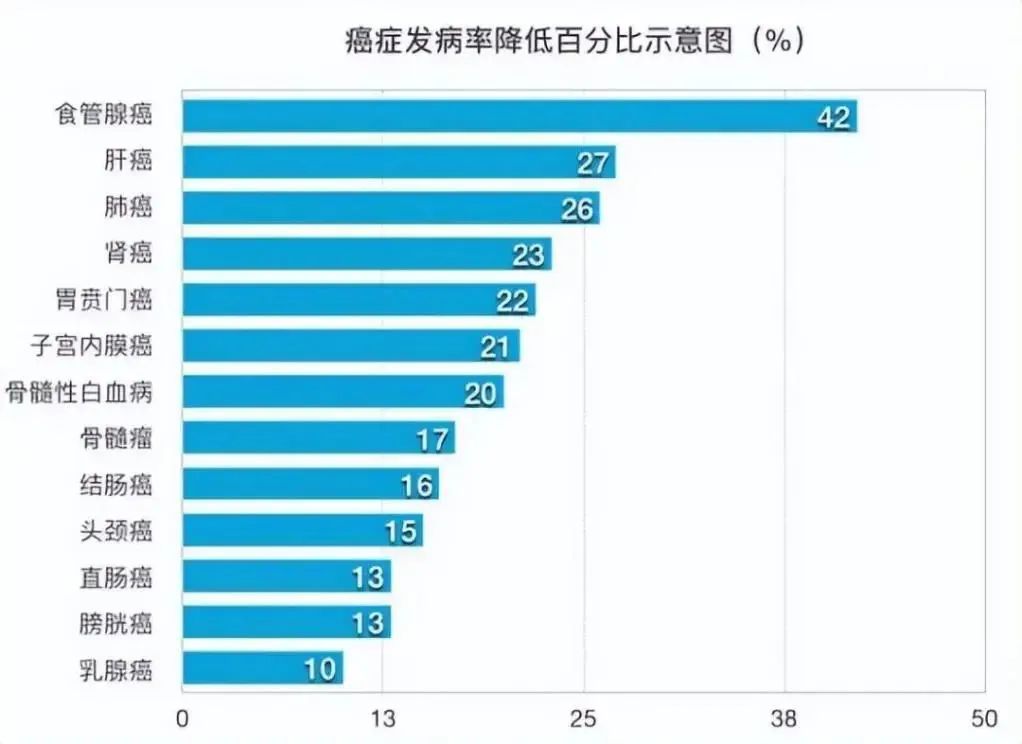
After conducting an 18-year follow-up study, researchers concluded that exercise can significantly reduce the incidence of 13 types of cancer—for example, lowering the risk of esophageal adenocarcinoma by 42%, liver cancer by 27%, and lung cancer by 26%.
So, don’t hesitate—getting moving is like giving yourself a "free anti-cancer drug."
Summer sports: Avoid these "Minefields"
1. Going out during the midday heat
The temperature is highest at this time, with strong ultraviolet rays, which can easily cause heatstroke, dehydration, and may also worsen skin discomfort.
2. Suddenly increasing exercise intensity
Cancer patients generally have weaker physical reserves. A sudden increase in exercise intensity may cause fatigue, muscle strain, and even affect physical recovery.
3. Rehydrate immediately with large amounts of water after exercise
Cancer patients generally have weaker physical reserves, and a sudden increase in exercise intensity may cause fatigue, muscle strain, and even affect recovery.
Scientific exercise, grasp these key points
4. Choose the Right Time and Place
Timing: Choose early morning (6:00-8:00) or evening (17:00-19:00) when temperatures are relatively cooler, avoiding direct midday sunlight.
Location: Prioritize well-ventilated indoor spaces such as gyms or indoor activity rooms. If exercising outdoors, seek shaded areas to avoid prolonged exposure to intense sunlight.
5. Choose the Right Sport
Choose gentle exercises based on your physical condition, such as:
• Walking: Best suited for most cancer patients, with a moderate pace that promotes blood circulation. Sessions of 20-30 minutes are ideal.
• Tai Chi: Features gentle movements that regulate breathing, relax the mind and body, and improve coordination.
• Yoga: Opt for simple yoga poses to relieve stress and enhance flexibility, but avoid overstretching.
6. Control exercise intensity and duration
Intensity: Exercise should be moderate, meaning you experience no significant fatigue afterward, your heart rate increases only slightly, and you can still talk comfortably during the activity. Use the "170 minus your age" formula as a general guideline for maximum heart rate during exercise (for example, a 60-year-old person should aim for a maximum heart rate of about 110 beats per minute).
Duration and Frequency: Each session should last 20-40 minutes, 3-5 times per week. If your physical condition is poor, you can split the exercise into shorter sessions of 10-15 minutes each and gradually increase the duration as your stamina improves.
Preparation and recovery: Pay attention to these details before and after exercise
Before exercise:
Warm-up: Spend 5-10 minutes doing light warm-up exercises such as joint mobilization and muscle stretching to prevent injuries.
Hydration: Drink a small amount of warm water (about 100-150ml) 10-15 minutes beforehand to replenish fluids.
Clothing: Wear loose, breathable, sweat-absorbent cotton clothes and comfortable sports shoes. Avoid tight clothing that may restrict blood circulation.
After exercise:
Cooling down: Do not enter an air-conditioned room immediately after exercise. Rest in a shaded area for 5-10 minutes and dry off sweat before going inside to avoid catching a chill.
Hydration: Take small sips of water frequently, drinking 50-100ml of warm water or lightly salted water each time. Avoid ice water and carbonated beverages.
Monitor physical response: If you experience dizziness, palpitations, chest tightness, nausea, or other discomforts, stop exercising immediately, rest, and observe. Seek medical attention if necessary.
When to stop exercising (special circumstances):
Exercise should be paused and resumed gradually only after recovery if any of the following occur:
· Severe fatigue, anemia, or thrombocytopenia during treatment
· Fever, infection, or other acute illnesses
· Persistent worsening of physical discomfort after exercise, such as prolonged joint pain or muscle soreness
Summer exercise for cancer patients is a "gentle practice." Maintaining the right rhythm and choosing appropriate methods ensures that exercise becomes a true "booster" on the road to recovery. Remember, what suits you best is the best choice. Progress gradually and stay within your limits, and you can help your body gain strength and vitality through exercise even in the scorching summer heat.
Lanzhou Heavy Ion Center
Gansu Wuwei Cancer Hospital is a state-owned, public tertiary Class A specialized cancer hospital. The Lanzhou Heavy Ion Center, the second clinical application center for heavy ion therapy with independent Chinese intellectual property rights operated by Gansu Wuwei Cancer Hospital, commenced clinical operations on November 15, 2024, in Lanzhou. This marked the deployment of China's second domestically developed heavy ion tumor treatment system, following the first Chinese heavy ion therapy system. To date, the center has treated over 230 patients using photon and heavy ion therapy, covering cancers such as lung cancer, pancreatic cancer, liver cancer, and glioblastoma.
The Lanzhou Heavy Ion Center has established an elite talent system, assembling a team of 50 leading experts in the field, including Professor Shen Wenjiang, Lifetime Honorary Professor of the Department of Radiation Oncology at Peking University Health Science Center, and Professor Xu Bo, Standing Committee Member of the Radiation Oncology Branch of the Chinese Medical Association. The center is headed by Professor Wang Junjie, Chairman of the Radiation Oncology Branch of the Chinese Medical Association, providing robust technical support for heavy ion therapy.
The facility is equipped with state-of-the-art medical devices, including the Varian VitalBeam medical linear accelerator, the Elekta Infinity four-dimensional image-guided linear accelerator, a 3.0T simulation and positioning MRI, a GE 256-slice high-end CT, and an imported Varian Ir-192 afterloader. These advanced facilities form a solid foundation for heavy ion therapy, ensuring efficient and precise treatment processes.
The hospital aims to establish a comprehensive, full-life-cycle cancer treatment system. It houses departments such as the Department of Radiation Oncology, Department of Medical Oncology/Hematology, Department of Surgical Oncology, Department of Integrated Traditional Chinese and Western Medicine for Cancer Rehabilitation, Department of Critical Care Medicine, Digestive Endoscopy Center, Department of Radiology, Department of Clinical Laboratory, Department of Ultrasound Medicine, Blood Bank, and Hematology Center Laboratory. The hospital offers a wide range of treatments, including photon radiotherapy, chemotherapy, heavy ion therapy, medical and surgical comprehensive treatment, as well as imaging, medical laboratory testing, ultrasound, and bone marrow cytology examinations.